2027 Best Engineering Degree Programs Ranking in Washington

Co-Founder and Chief Data Scientist
Choosing the right engineering degree program can shape your future career and open up exciting opportunities. This article presents the 2027 Best Engineering Degree Programs Ranking in Washington, carefully developed by the Research.com team of data scientists.
By exploring this ranking, you'll gain clear insights into the top programs available, helping you make an informed choice that fits your goals and interests.
Engineering is a rewarding field that offers creativity, problem-solving, and growth potential. Dive in and discover the best options that can jumpstart your journey toward success.
Key benefits of getting engineering degree in Washington
- Engineering graduates in Washington can expect competitive salaries, such as Mechanical Engineers earning around $105,220 annually and Electrical Engineers making about $117,680, ensuring a rewarding financial future.
- Career paths range widely, from civil projects shaping communities to industrial engineering roles optimizing business efficiency, offering diverse opportunities for creative problem-solvers from popular Washington universities.
- Obtaining an engineering degree online provides flexibility and accessibility, allowing graduates to balance work and study effectively while gaining skills from reputable Washington institutions without relocating.
- 2027 Best Engineering Degree Programs Ranking in Washington
- What can I expect from engineering degree in Washington?
- Where can I work with engineering degree in Washington?
What can I expect from engineering degree in Washington?
Paying for an engineering degree in Washington usually means budgeting around $12,000 to $15,000 a year if you're an in-state student at public universities like Washington State University or the University of Washington. Imagine being in Seattle, attending the University of Washington, feeling the buzz of innovation while knowing your tuition fits this range-reasonable enough to keep your focus on building skills, not financial stress. Out-of-state students, however, face higher costs, adding a layer of challenge but also opportunity to explore scholarships and financial aid targeted at STEM majors.
Graduates often share how internships with giants like Microsoft or Boeing helped them bridge theory to practice, all while managing their educational expenses wisely. The blend of hands-on experience and affordable tuition makes the road to becoming an engineer in Washington feel like an adventurous yet attainable journey where each dollar invested is a step closer to exciting careers in tech and aerospace.
Where can I work with engineering degree in Washington?
Graduates with engineering degrees from Washington's leading universities jump into vibrant careers shaped by the state's innovative spirit. In Seattle and beyond, many find themselves working alongside engineers at Boeing, where roles in aeronautical, mechanical, and systems engineering bring aircraft dreams to life. Imagine collaborating on cutting-edge aerospace projects within an iconic company that fuels your passion for flight and engineering excellence.
Others step into the fast-paced worlds of Microsoft or Amazon, applying software and hardware expertise to groundbreaking technologies. These tech giants offer thrilling environments perfect for engineers excited by constant innovation and problem-solving. Recent grads often share how this dynamic ecosystem fuels their curiosity and growth.
Renewable energy also beckons adventurous engineers eager to make an impact. Picture working on hydroelectric or wind power projects, designing sustainable solutions that power Washington's commitment to a greener future. Smaller firms and consulting agencies invite civil engineers to transform urban landscapes, blending creativity with infrastructure development in ways graduates from UW or WSU find deeply rewarding.
Graduates from engineering programs at universities like the University of Washington often find themselves stepping into exciting roles that pay well right from the start. For example, mechanical engineers in Washington earn a mean annual wage of about $105,220, giving you a strong financial footing as you launch your career. Electrical engineers tend to earn even more, with wages around $117,680 per year, reflecting the high demand for their skills in the state's thriving tech and manufacturing sectors.
Civil engineering graduates can expect to make roughly $101,160 annually, which is solid for those interested in construction, infrastructure, or environmental projects. Industrial engineers, who help optimize complex systems, earn close to $103,150 on average. These figures show a broad range of opportunities waiting for you as you explore engineering fields in Washington.
Imagine working at a cutting-edge aerospace company or a tech giant near Seattle, where innovative projects and collaboration with brilliant minds offer not just competitive pay but also continuous growth. Many graduates feel energized, knowing their degree opens doors to both financial stability and adventurous, impactful careers.
- Annual tuition for in-state students at public universities ranges from $11,000 to $13,000, while out-of-state students pay about $35,000 per year.
- Private engineering schools often charge more than $40,000 annually.
- Entry-level engineering salaries average between $75,000 and $85,000, rising to around $110,000 or more with experience.
- Washington has approximately 90,000 engineering jobs, with strong demand in software, civil, mechanical, and electrical fields.
- The state requires education, work experience, and passing the FE and PE exams for Professional Engineer licensure.
- Living costs vary, with urban areas like Seattle and Bellevue typically more expensive than rural regions.
Embarking on an engineering degree in Washington usually means gearing up for an exciting four-year journey. Most graduates from universities like the University of Washington and Washington State University share stories of balancing challenging core courses with hands-on projects, all packed into this typical timeline. This four-year span is carefully designed, especially for ABET-accredited programs, to cover about 120 to 130 credit hours, blending general education with specialized engineering topics.
Yet, the adventure doesn't always follow a straight path. Many students choose to dive into co-op programs or internships that stretch their studies beyond the standard four years. These experiences, popular at Washington's top engineering schools, offer invaluable real-world problem-solving that many graduates look back on as highlights of their education.
For those hungry to deepen their expertise, pursuing a Master of Science in Engineering adds roughly two years, where students relish the challenge of research and advanced innovation, often weaving their new knowledge directly into their career aspirations.
Imagine juggling a busy job while earning your engineering degree-this makes online programs like those at Washington State University a perfect fit. Graduates often share how the flexibility to watch lectures late at night or on weekends opened doors they never expected. Instead of rushing through campus between classes, these students shape their own schedule, balancing work, family, and study with newfound independence.
Meanwhile, on-campus life at the University of Washington sparks a different kind of excitement. Picture diving into hands-on projects in cutting-edge labs, collaborating face-to-face with professors, and sparking friendships in student clubs. Graduates recall how these real-time interactions deepened their understanding and gave them a taste of teamwork essential in engineering careers.
Financially, online degrees might ease tuition and commuting costs, yet on-campus programs include immersive experiences prized by many Washington students-especially in specialized fields like civil or mechanical engineering. Both paths lead to ABET-accredited degrees, but choosing one paints your educational journey in uniquely ownable colors.
While Washington, DC offers world-class engineering education, its high tuition and living expenses can be prohibitive. Prospective students should evaluate regional cost differences to maximize return on investment. For example, average annual tuition and fees at private DC institutions often exceed $50,000, and living costs can add another $30,000 per year. In contrast, cities like Philadelphia host a range of quality programs with significantly lower price tags. To explore more budget-friendly alternatives, consider our Inexpensive Engineering Degree Programs Ranking in Philadelphia, PA, which highlights institutions where in-state tuition can be under $15,000 annually. Beyond tuition, living expenses in Philadelphia average $1,200–$1,500 per month for a one-bedroom apartment, compared to DC’s $2,500-plus rates. Students willing to relocate can redirect savings toward professional development-such as conference attendance or specialized certifications-without incurring additional debt. Moreover, Philadelphia’s vibrant engineering community, anchored by top-ranked universities and growing tech startups, provides ample internship and networking opportunities that rival those in the nation’s capital. When weighing program options, calculate total cost of attendance (tuition + fees + living + materials) and compare projected starting salaries. Regions with lower cost of living can yield higher net income during the first years post-graduation. By strategically selecting a more affordable locale or leveraging scholarships and part-time work, aspiring engineers can focus on academic excellence and hands-on experience-key drivers of long-term career success.
The average cost of an engineering degree in Washington brings a mix of challenge and opportunity for aspiring engineers. Many students at the University of Washington or Washington State University find themselves navigating tuition and fees that can add up to a median total cost around $77,794. In-state residents benefit from lower expenses, often facing a median total of approximately $58,378, which makes pursuing an engineering degree more accessible within the state. Out-of-state students, while paying more, still discover value in the rigorous programs and vibrant campus life offered by these respected institutions.
Graduates often recall balancing these costs with part-time work or scholarships, which cushion the financial leap. They share stories of late-night study sessions fueled by a drive to innovate, buoyed by knowing the investment aligns with a promising career path. It's not only about tuition and fees - many also account for living essentials and supplies, which add a realistic layer to the average cost of engineering degree in Washington.
Some adventurous students start at community colleges, cutting initial costs before transferring to universities with noted engineering departments. This stepwise approach helps maintain academic excitement while managing financial realities. For those seeking alternatives, exploring the cheapest engineering programs in district of columbia offers insight into flexible paths that might inspire new ideas on affordability and quality.
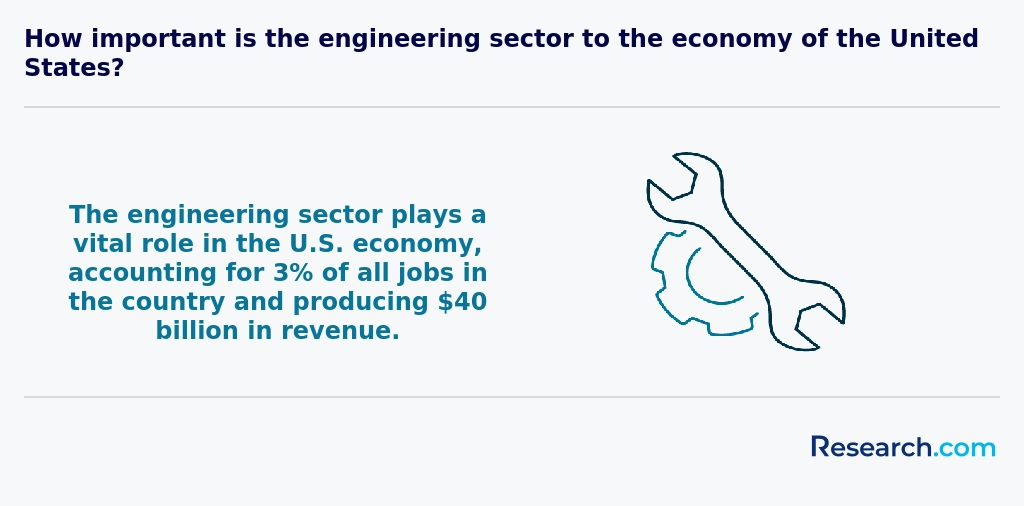
Washington, DC’s top engineering programs stand out not only for rigorous curricula but also for unparalleled access to government agencies, federal research labs, and industry collaborators. Students at George Washington University frequently engage with the National Science Foundation on groundbreaking civil infrastructure projects, while Howard University partners with the Department of Energy on sustainable energy systems. These alliances provide paid internships, summer research fellowships, and co-op placements that translate academic theory into real-world applications. For those drawn to cutting-edge fields, the region’s ecosystem enables hands-on experience in areas like autonomous systems and computer vision. To explore specialized career trajectories, students can consult our guide on how to become a computer vision engineer, which outlines salary benchmarks and in-demand skill sets. Many institutions also host industry-sponsored hackathons and capstone challenges in collaboration with NASA, NIH, or major defense contractors, fostering a problem-solving mindset that employers prize. Research centers embedded within campuses-such as GWU’s Institute for Data, Democracy & Politics and UDC’s Center for Transportation & Environment-offer research assistant positions that often lead to peer-reviewed publications and conference presentations. These experiences elevate a graduate’s portfolio, bolstering competitiveness in the job market. Furthermore, faculty-led projects funded by agencies like DARPA and the NSF provide opportunities to co-author grant proposals, develop prototypes, and manage cross-disciplinary teams. By leveraging these partnerships and research platforms, engineering students in Washington, DC gain a strategic advantage: they graduate not only with technical expertise, but also with a robust professional network and a record of tangible project outcomes that showcase their readiness to drive innovation.
Discovering financial aid options while pursuing an engineering degree in Washington can feel like unlocking hidden treasures. Graduates from the University of Washington often recall the relief of securing Pell Grants, which for the 2023-2024 year can provide up to $7,395 to offset tuition costs. This federal aid, combined with Direct Subsidized and Unsubsidized Loans, offers manageable repayment plans that help students focus on their studies without overwhelming debt.
State programs, like the Washington State Need Grant, open doors for many engineering students by offering non-repayable aid averaging $4,800 per year. Washington State University students frequently share how this grant made a lasting impact, lightening their financial load while chasing innovation. Additionally, the Washington College Grant makes attending both public and private colleges more affordable, setting the stage for hands-on learning and research.
Scholarships from organizations such as the Society of Women Engineers Seattle Chapter inject exciting opportunities into the journey, celebrating diversity and empowering underrepresented voices. Merit-based awards at top schools reward passion and leadership, sparking motivation.
Many engineering grads treasure work-study positions and assistantships that combine income, tuition waivers, and real-world experience, fueling both wallets and resumes as they dive into those complex engineering challenges.
Washington, DC is home to cutting-edge research centers and industry partnerships that enrich engineering programs and provide students with hands-on experience. Key opportunities include: – Federal and National Lab Collaborations: Many universities partner with agencies such as the National Institute of Standards and Technology (NIST) and NASA Goddard Space Flight Center to offer research assistantships, joint projects, and summer fellowships. – University Innovation Hubs: Institutions like George Washington University host interdisciplinary labs where students can prototype solutions in robotics, renewable energy, and smart infrastructure. These facilities often welcome undergraduates to contribute to grant-funded research. – Startup Incubators and Competitions: Engineering students in DC can pitch ideas at local incubators such as 1776 or participate in hackathons organized by tech alliances. These events foster entrepreneurship and connect students with venture capital. – Specialized Research Groups: For those interested in computer vision and machine learning, DC universities maintain labs focused on imaging and AI. Aspiring engineers can learn more about pathways and expectations by exploring our guide on how to become a computer vision engineer, which outlines key skills and industry trends. By engaging in these innovation ecosystems, students not only enhance their resumes but also build the professional networks crucial for long-term career success.
Diving into an engineering degree in Washington sparks excitement, but first, you'll need a solid foundation. Graduates from the University of Washington often recall how mastering Algebra I and II, Geometry, and especially Calculus opened doors to their success. Imagine solving real-world problems in vibrant Seattle labs after conquering these courses!
Strong scores in math and science standardized tests are another key. Some students share how hitting an ACT math score near 28 felt like unlocking a powerful level in their academic journey. Even if you choose a test-optional route, a confident grasp of physics or chemistry is a game-changer, especially for specialties like mechanical or chemical engineering.
At schools like Washington State University, foundational computer science classes and robotics clubs fueled many students' passion. They recommend showing your enthusiasm through engaging apps or essays that reveal your excitement for innovation.
Financially, in-state tuition at public universities ranges from $11,000 to $20,000 annually-an investment many graduates happily embrace knowing it launches their career adventures in engineering across Washington and beyond.
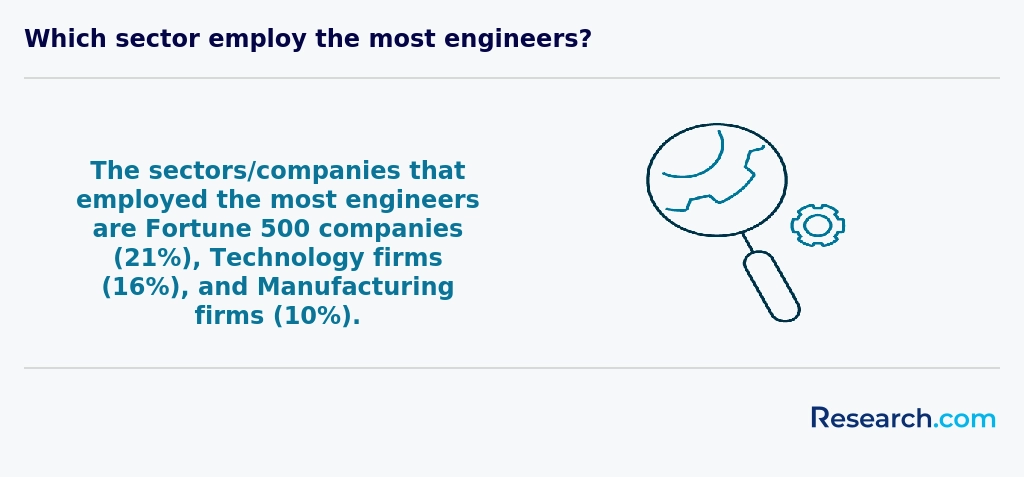
Engineering education in Washington, DC goes beyond rigorous academics by offering vibrant campus life and a supportive community that enriches the overall student experience. Students often describe their universities as hubs of innovation where academic pursuits intersect with cultural diversity, extracurricular activities, and robust career support services. Campus facilities such as advanced labs, collaborative workspaces, and dedicated makerspaces enable engineering students to work on groundbreaking projects and take part in hands-on learning initiatives. Many institutions also foster strong industry connections through career fairs, networking events, and internships, ensuring that students gain practical exposure while still in school. Active student clubs, technical competitions, and leadership programs further promote a well-rounded education by cultivating teamwork, communication, and problem-solving skills outside the classroom. This blend of academic excellence and campus engagement helps students prepare for the challenges of their professional lives while building lasting relationships with peers and mentors. For those seeking an affordable yet quality education in the region, some schools offer attractive financial packages and support services. Students interested in budget-friendly options can explore programs such as the cheapest engineering programs in district of columbia, which combine excellent academic opportunities with cost-effective tuition strategies. Moreover, campuses are often situated in urban areas that provide students with access to cultural institutions, part-time work opportunities, and community service initiatives, further enhancing their learning experience. In essence, the campus life and student experience in DC’s engineering schools create an environment where academic achievement and personal growth march hand in hand, laying a solid foundation for future success in the competitive engineering field.
Diving into engineering studies in Washington means tackling a vibrant mix of courses that fuel curiosity and build real-world skills. Imagine yourself at the University of Washington or Washington State University, starting with Calculus I, II, and III - these aren't just numbers and formulas, but keys unlocking the language of engineering challenges around you.
Physics classes bring force and energy to life, helping you grasp how bridges stand tall or how circuits buzz in your smartphone. Chemistry offers insights into materials, making you appreciate why certain metals withstand stress while others bend or break.
Early hands-on classes like Introduction to Engineering spark creativity, teaching design, ethics, and teamwork. Graduates often recall how these projects felt like first steps into engineering adventures, preparing them for specialized fields.
For those drawn to civil engineering, courses in Structural Analysis or Geotechnical Engineering translate directly into visions of skyscrapers and sound foundations. Mechanical or electrical tracks dive into Thermodynamics, Circuits, and Control Systems, where every concept is like decoding the heartbeat of machines and electronics.
Labs and internships in Washington's colleges amplify learning beyond textbooks, making each lesson a vivid experience that graduates carry proudly into their careers.
Diving into an engineering degree in Washington means exploring a treasure trove of specializations that truly match the state's vibrant industries. Imagine studying Civil Engineering at the University of Washington, where graduates feel energized designing urban infrastructure that transforms Seattle's skyline and transportation systems. Or picture yourself surrounded by cutting-edge innovations in Mechanical Engineering at Washington State University, crafting machinery that powers the Pacific Northwest's manufacturing heartbeat.
The range of engineering degree specializations in Washington is broad and exciting. Electrical Engineering students thrive working on power systems and telecommunications, while Computer Engineering learners find themselves immersed in the tech hubs, blending software and hardware design. Many environmental-conscious graduates from local colleges embrace Environmental Engineering, driving sustainable solutions fitting the region's eco-friendly culture. Industrial Engineering catches the eye of those fascinated by optimizing systems, applying their skills in bustling manufacturing sectors.
Adventurous minds are also drawn to aerospace engineering, inspired by Boeing's presence nearby. Hands-on lab projects and internships here bring concepts to life, enhancing confidence and real-world skills. For anyone wondering how to become a computer vision engineer, Washington's diverse engineering programs offer a dynamic launchpad into the future.
Choosing an engineering degree in Washington means diving into a world where innovation meets tradition. Many graduates from the University of Washington and Washington State University recall how their ABET-accredited programs gave them a solid foundation while opening doors to cutting-edge fields like computer or environmental engineering. Imagine spending your days designing eco-friendly solutions or working on robotics, fueled by the state's strong ties to tech giants like Microsoft and Boeing-these connections mean internships that feel like thrilling challenges rather than just tasks.
When exploring the best engineering degree programs in Washington, consider more than just reputation. Think about the vibe: small class sizes with expert faculty encourage mentoring relationships, while many students appreciate the support from career services that helped them land dream jobs. Affordability also shapes experiences here-students often share how managing tuition, lab fees, and living costs shaped their journey, making it wise to compare options like affordable engineering colleges in Washington state.
For those eager to balance quality and savings, checking out rankings such as the Inexpensive Engineering Degree Programs Ranking in Philadelphia, PA offers perspective on cost-efficiency, even if out of state. Ultimately, choosing your path in Washington's vibrant engineering scene is about blending passion, practical resources, and the promise of stepping into a future full of exciting possibilities.
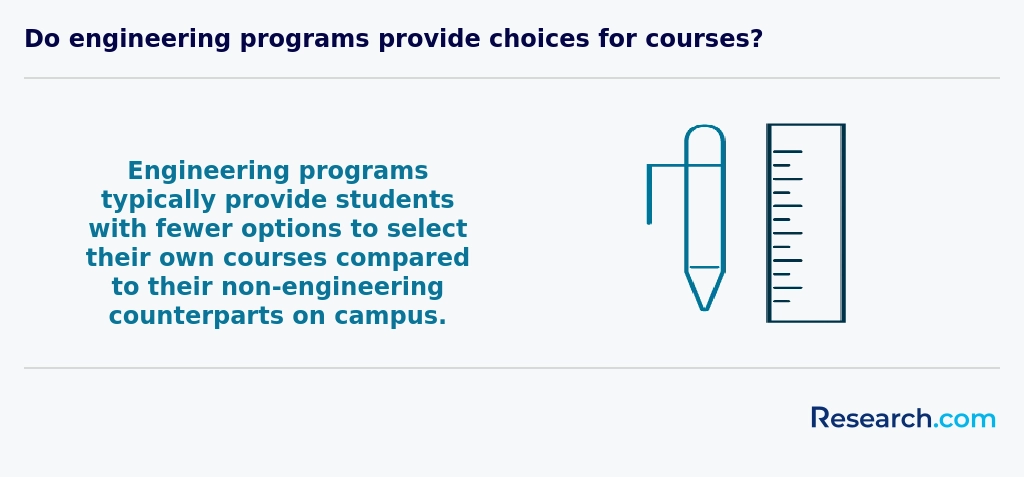
Graduates from universities like the University of Washington and Washington State University dive into an exciting mix of career paths that spark curiosity and growth. Engineering career opportunities in Washington span from aerospace engineering with Boeing-where graduates tackle real-world challenges in flight systems-to software and hardware roles at tech giants like Microsoft and Amazon. These experiences transform classroom theory into dynamic innovation, fueling the adventurous spirit of new engineers.
Others find themselves immersed in civil and environmental engineering projects that shape sustainable cities and water management systems, blending creativity with crucial community impact. Imagine collaborating on infrastructure upgrades while feeling the buzz of possibility in Seattle's thriving urban landscape. Mechanical engineering roles in manufacturing and product development also offer hands-on opportunities to design and build tomorrow's technologies.
Many students balance their ambitions with financial planning, comparing tuition to future prospects, and some explore alternatives like the top 6-month associate degree programs online to jump-start their careers. Jobs with engineering degree in Washington state carry the promise of not just employment, but an unfolding adventure of discovery and achievement.
The engineering job outlook in Washington is vibrant and filled with opportunity, fueled by industry giants like Boeing, Microsoft, and Amazon that continually seek fresh talent. Graduates from universities such as the University of Washington often share stories of landing internships and roles quickly, benefiting from strong industry connections and booming sectors like aerospace and renewable energy. Software engineering and civil engineering stand out as especially promising fields here, reflecting the state's growing focus on tech innovation and infrastructure development.
In practical terms, students pursuing engineering degrees in Washington can expect to invest around $12,000 annually at public institutions, a price that feels worthwhile given the competitive salaries waiting after graduation-often starting near $70,000 and climbing fast. Many find the challenge rewarding, especially when internship experiences translate into full-time offers. For those looking to explore other pathways, the easiest associates degree to get might be a nearby option.
Washington engineering degree employment opportunities reflect a landscape where high-tech and sustainable projects drive demand, creating rich possibilities for fresh graduates eager to contribute to exciting real-world challenges.
2027 Best Engineering Degree Programs Ranking in Washington
Investing in your education is a significant decision that can shape your future, and the Research.com team understands the importance of making informed choices. To assist prospective students in Washington, we have meticulously crafted the "2027 Best Engineering Degree Programs Ranking in Washington." Our commitment to quality, credibility, and accuracy is reflected in the extensive research and analysis conducted to compile this ranking.
We utilized the following reputable data sources to ensure a comprehensive evaluation of engineering programs:
By exploring this ranking, readers will gain valuable insights into the best engineering degree programs available in Washington, helping them make informed decisions about their educational paths. For more details on our methodology, please visit our Research.com methodology page.


# 5 position
The Catholic University of America
Bachelor of Science in Architecture and Bachelor of Civil Engineering

Frequently Asked Questions About engineering
Engineering degree students in Washington can maximize their learning experience by engaging actively in both academic and practical opportunities. Washington is home to leading institutions like the University of Washington, where strong ties to industries such as aerospace and software engineering offer valuable internships. According to the National Center for Education Statistics, applied learning through cooperative education programs significantly improves job readiness.
Students should also participate in student organizations and competitions, which enhance teamwork and problem-solving skills. Networking with professionals in Seattle's tech hubs can provide mentorship and career insights.
Additionally, leveraging research opportunities supported by the National Science Foundation at Washington universities boosts practical knowledge.
The engineering field in Washington is evolving with several emerging niches attracting attention. One notable area is renewable energy engineering, driven by Washington's commitment to clean energy and renewable resources. The state's abundant hydroelectric power and growing solar and wind sectors create demand for specialists in these technologies.
Another growing niche is biotechnology engineering, largely due to the presence of major biotech firms and research institutions around Seattle. This fosters innovation in medical devices, pharmaceuticals, and bioinformatics.
Additionally, environmental engineering is gaining importance as Washington addresses climate change and sustainability issues. Engineers in this field work on water resource management, waste treatment, and pollution control.
According to the Washington State Employment Security Department, jobs in these specialized engineering sectors are expected to grow faster than average through 2030.
After completing an engineering degree in Washington, preparing for the job market involves several key steps. First, gaining practical experience through internships or cooperative education programs is crucial. Many Washington-based employers, such as those in Seattle's tech and aerospace sectors, highly value hands-on skills. According to the Washington State Employment Security Department, engineering roles are expected to grow by 8% through 2030, highlighting strong job opportunities.
Networking with professionals via local chapters of organizations like the Society of Women Engineers or the Washington State Society of Professional Engineers can open doors. Additionally, obtaining a Professional Engineer (PE) license can enhance credibility for civil and mechanical engineers. Continuing education and knowledge of emerging technologies remain important to stay competitive in this dynamic job market.
Employers in Washington prioritize a mix of technical and soft skills when hiring engineering graduates. Strong proficiency in computer-aided design (CAD) and programming languages like Python or MATLAB is highly valued, reflecting the region's focus on technology and innovation. According to the Washington State Workforce Training and Education Coordinating Board, 68% of engineering employers seek candidates capable of complex problem-solving and analytical thinking.
Communication skills are equally important, as engineers often work in multidisciplinary teams and must convey ideas clearly. Adaptability and project management experience are also frequently mentioned by local employers, especially in aerospace and software sectors dominant in Washington. Practical internship experience is a plus, enhancing readiness for Washington's competitive engineering job market.
Finding internships in Washington relevant to an engineering degree involves several strategic steps. Start by utilizing university career centers, which often have partnerships with local companies in technology, aerospace, and manufacturing-key industries in Washington. For example, Boeing and Microsoft regularly offer internships for engineering students.
Online job portals like Handshake and the National Society of Professional Engineers (NSPE) also list internship opportunities specific to Washington. Networking through professional organizations such as the Washington State Society of Professional Engineers can provide valuable connections.
According to the Washington Employment Security Department, engineering occupations are projected to grow 7.3% by 2030, indicating increasing internship availability. Early application, tailored resumes, and leveraging campus workshops improve chances significantly.
Holding an engineering degree in Washington significantly enhances career mobility and advancement opportunities. According to the U.S. Bureau of Labor Statistics, Washington's engineering sector is projected to grow by 7% between 2022 and 2032, which is faster than the national average. This growth creates a steady demand for qualified engineers across diverse fields such as aerospace, civil, and software engineering.
Engineers with a degree benefit from higher starting salaries and more rapid promotion prospects. For example, the Washington State Employment Security Department reports that the median wage for engineers exceeds $90,000 annually, often increasing with experience and specialization. Additionally, many Washington companies prefer candidates with accredited engineering degrees, especially from institutions recognized by ABET.
The state's strong technology and manufacturing sectors provide multiple pathways for career advancement. Professionals who continue education or gain specialized certifications tend to access leadership roles more easily, further boosting career growth and flexibility within the engineering industry in Washington.
Studying for an engineering degree in Washington offers strong preparation for interdisciplinary roles through curricula that emphasize collaboration across fields like computer science, environmental science, and business. Many programs, including those at the University of Washington, integrate project-based learning requiring teamwork among students from diverse disciplines.
Washington's engineering schools often partner with local tech hubs and industries such as aerospace and clean energy, fostering real-world experience in multifaceted projects. According to the National Center for Education Statistics, engineering graduates in Washington show higher employment rates in roles requiring cross-disciplinary expertise.
This combination of academic rigor and industry engagement equips students to apply engineering principles in varied contexts, enhancing adaptability and problem-solving skills.
Choosing between a thesis and a non-thesis engineering degree program in Washington depends on your career goals and learning preferences. Thesis programs emphasize research and original contribution, which suits students aiming for doctoral studies or research-intensive roles. Typically, these programs involve writing a detailed research paper under faculty supervision.
Non-thesis programs focus more on practical skills and coursework, ideal for students wanting to enter industry quickly. According to the Washington Student Achievement Council, about 40% of engineering graduate students in the state opt for thesis options, reflecting strong research opportunities, especially at universities like the University of Washington.
Consider program length, workload, and future plans carefully before deciding.
Students in Washington seeking to study engineering abroad have several pathways to explore. Many universities in Washington State, such as the University of Washington, offer robust study abroad programs through partnerships with institutions worldwide, enabling students to earn credits while gaining global experience. Popular destinations include Germany, known for its strong engineering programs, and countries in Asia with growing tech industries. According to NAFSA, about 10% of U.S. engineering students participate in study abroad, which helps increase cultural competence and technical skills.
Additionally, Washington students can consider accredited international universities through direct enrollment, but should ensure their credits transfer back to their home institution. Funding opportunities like the Gilman Scholarship support undergraduates pursuing abroad experiences in STEM fields.
Washington offers a variety of part-time job opportunities that effectively complement engineering degree education. Many students find positions as engineering interns or research assistants at local tech companies, aerospace firms like Boeing, or university labs. These roles provide practical experience in fields such as mechanical, civil, or electrical engineering.
Additionally, tutoring in STEM subjects is a common job among engineering students, helping to reinforce their knowledge while earning income. According to the Washington Student Achievement Council, approximately 30% of engineering students engage in internships during their studies, enhancing their career prospects.
Positions in CAD drafting, lab technician roles, or IT support also allow students to develop skills relevant to their coursework and future employment.
Engineering students in Washington benefit from a variety of networking opportunities that connect them to industry professionals and peers. Many universities, such as the University of Washington and Washington State University, actively host career fairs and engineering expos attracting hundreds of local and national employers each year. These events allow students to engage directly with potential recruiters and gain insights into current engineering trends.
Students can also join chapters of national organizations, including the American Society of Civil Engineers (ASCE) and the Society of Women Engineers (SWE), which have active Washington state branches. These groups facilitate workshops, mentorship programs, and technical seminars designed to build professional relationships.
According to the Washington State Employment Security Department, engineering fields in the region are growing steadily, heightening demand for internships and cooperative education. Universities often have partnerships with tech firms in Seattle's robust aerospace and software sectors, offering students valuable hands-on experiences and expanded networks.
Alumni networks play a crucial role in supporting engineering degree students in Washington. These networks connect current students with graduates who work in top local industries, such as aerospace, biotechnology, and software engineering. Access to this community helps students secure internships and job placements more effectively. According to the Washington State Board for Community and Technical Colleges, over 60% of engineering graduates find employment through alumni referrals or connections.
These networks also offer mentoring programs, which guide students through career planning and professional development. Mentors provide insight into industry trends specific to Washington's competitive market.
Additionally, alumni events promote collaboration and allow students to build relationships that can lead to research opportunities or entrepreneurship partnerships. The University of Washington's College of Engineering emphasizes alumni engagement as a key factor in their graduates' success.
Customizing an engineering degree in Washington to fit your career goals is increasingly feasible due to flexible program options at many state universities. Institutions like the University of Washington and Washington State University offer diverse engineering specialties, allowing students to focus on fields such as aerospace, civil, electrical, or computer engineering.
Students can choose from elective courses, minors, and certificate programs to tailor their knowledge toward industries thriving in Washington, including technology, aerospace, and clean energy. Cooperative education (co-op) and internship opportunities with local employers also help integrate practical experience aligned with career aspirations.
Academic advising plays a key role in designing personalized study plans and aligning them with workforce demands, as reported by the Washington State Board for Community and Technical Colleges. This strategic approach enhances employability and ensures relevance in Washington's competitive engineering job market.
Engineering students in Washington often face several significant challenges during their studies. One common issue is the rigorous curriculum, with many students finding it difficult to balance intensive coursework, labs, and projects. According to the Washington State Board for Community and Technical Colleges, STEM program retention rates highlight the demanding nature of these degrees.
Another challenge is the high cost of education. Tuition and living expenses in Washington can be substantial, putting financial pressure on many students. Scholarships and financial aid availability varies widely among institutions.
Additionally, students must adapt to rapid technological changes, requiring continuous learning beyond normal class hours. Networking and internship opportunities, mainly in urban centers like Seattle, are essential but competitive.
With an engineering degree in Washington, graduates can pursue several professional certifications to advance their careers. One of the most recognized is the Professional Engineer (PE) license, which allows engineers to take legal responsibility for engineering work. Obtaining a PE license typically requires passing the Fundamentals of Engineering (FE) exam, gaining relevant work experience, and passing the PE exam.
Washington also offers specialized certifications, such as the Certified Manufacturing Engineer (CMfgE) or the Project Management Professional (PMP), which can benefit engineers in specific industries. These certifications enhance job prospects and earning potential.
According to the Washington State Employment Security Department, licensed engineers in the state earn a median salary above the national average, highlighting the value of certification.
To write a winning application for an engineering program in Washington, begin by carefully researching the specific requirements of each institution. Many top programs, such as those at the University of Washington, require a strong academic record in math and science courses, typically with a minimum GPA of 3.0 or higher.
Standardized tests like the SAT or ACT may be optional but can strengthen your application. Highlight relevant extracurricular activities, internships, or projects that demonstrate your passion for engineering and problem-solving skills.
Letters of recommendation from teachers or mentors familiar with your technical abilities provide valuable support. Lastly, craft a clear and focused personal statement explaining your goals and why you choose engineering in Washington, referencing the state's growing tech industry and job market, which the Washington State Employment Security Department reports to be expanding steadily in STEM fields.
Engineering careers in Washington reflect a broader global trend emphasizing innovation and sustainability. According to the National Science Foundation, Washington ranks among the top U.S. states for engineering research expenditures, highlighting its role in advancing technology worldwide.
Globally, engineering is viewed as a vital driver of economic growth, with organizations like the World Economic Forum citing demand for engineers in renewable energy, infrastructure, and digital technologies. Washington's technology hubs, including Seattle and Redmond, provide engineers exposure to global companies such as Microsoft and Boeing, positioning graduates competitively on the international stage.
In terms of education, Washington's public universities maintain strong accreditation standards, ensuring graduates meet global competency benchmarks recognized by bodies like ABET.
Gaining practical experience while studying engineering in Washington is essential for career readiness. Many universities offer cooperative education (co-op) programs, allowing students to alternate between campus study and paid work in industries such as aerospace, software, and environmental engineering. According to the Washington State Board for Community and Technical Colleges, over 60% of engineering students participate in internships or co-op placements before graduation.
Internships with companies like Boeing, Microsoft, and Pacific Northwest National Laboratory provide hands-on work that complements academic learning. Additionally, project-based courses and student clubs often collaborate with local businesses, offering practical challenges.
These opportunities improve skills and enhance professional networks, increasing employability in the competitive Washington engineering job market.
Choosing the right concentration within an engineering degree program in Washington involves considering local industry demands and personal interests. Washington is a hub for aerospace, software, and renewable energy sectors, making concentrations like aerospace, computer, and environmental engineering particularly relevant.
According to the Washington State Employment Security Department, aerospace engineering jobs grew about 5% from 2019 to 2023, supporting strong demand for related skills. Researching program curricula and internship opportunities at universities helps gauge alignment with career goals.
Additionally, reviewing labor market information and median salaries for different engineering fields in Washington can guide concentration choices. Aligning academic strengths with market needs improves job prospects in the state's competitive environment.
- 2027 Best Engineering Degree Programs Ranking in Baltimore
- 2027 Best Engineering Degree Programs Ranking in Philadelphia
- 2027 Best Engineering Degree Programs Ranking in Norfolk
- 2027 Best Engineering Degree Programs Ranking in Pittsburgh
- 2027 Best Engineering Degree Programs Ranking in New York
- 2027 Best Engineering Degree Programs Ranking in Syracuse
- 2027 Best Engineering Degree Programs Ranking in Rochester
- 2027 Best Engineering Degree Programs Ranking in Cleveland
- 2027 Best Engineering Degree Programs Ranking in Dayton
- 2027 Best Engineering Degree Programs Ranking in Cambridge
See What Experts Have To Say About Studying Engineering
Read our interview with Engineering experts

Jasna Jankovic
Engineering Expert
Associate Professor
University of Connecticut

Bohdan W. Oppenheim
Engineering Expert
Professor Emeritus of Healthcare Systems Engineering
Loyola Marymount University

Joseph Reichenberger
Engineering Expert
Professor of Civil Engineering & Environmental Science
Loyola Marymount University

- How to Study Abroad as an Engineering Major https://www.semesteratsea.org/study-abroad-engineering-major/
- All STEM Placements/Internships | Gradcracker - Careers for STEM Students https://www.gradcracker.com/search/all-disciplines/engineering-work-placements-internships
- Engineering Education | Role of Interdisciplinary Studies in Modern Engineering https://www.thestudentpocketguide.com/2024/07/student-life/education-career/engineering-education-interdisciplinary-studies-modern-engineering/
- 6+ Engineering Cover Letter Examples (with In-Depth Guidance) https://www.tealhq.com/cover-letter-examples/engineering
- Engineering Educational and Career Goals: 6 Reasons Why Continuing Your Engineering Education Advances Your Career https://www.pdh-pro.com/pe-resources/engineering-educational-and-career-goals-6-reasons-why-continuing-your-engineering-education-advances-your-career/
- Breaking Into Engineering: First Job Tips | Intuitive https://careers.intuitive.com/en/employee-stories/career-growth-advice/breaking-into-engineering-tips-for-landing-your-first-job/
- Engineering Major Requirements https://www.wlu.edu/physics-and-engineering-department/about-the-department/engineering-major-requirements
- Top Certification Courses for Advancing Engineering Careers - IJOER Engineering Journal Blog https://ijoer.com/blog/top-certification-courses-for-advancing-engineering-careers
- Engineering Design Challenges There are 80 items. https://clearinghouse.starnetlibraries.org/138-engineering-design-challenges
- Thinking of studying abroad as an engineering major https://talk.collegeconfidential.com/t/thinking-of-studying-abroad-as-an-engineering-major/1788476