2027 Easiest Online Engineering Degree Programs Ranking in New Jersey

Co-Founder and Chief Data Scientist
Choosing the right engineering degree program can be challenging, especially with so many online options available. To help New Jersey students, the Research.com team of data scientists created the 2027 Easiest Online Engineering Degree Programs Ranking in New Jersey. This ranking highlights programs designed to support student success while offering flexibility.
Reading this article will give you valuable insights to make an informed decision about your education journey. An engineering degree opens doors to exciting career opportunities and personal growth. Let's explore the best paths for your future in engineering.
Key benefits of getting online engineering degree in New Jersey
- Salary for engineering graduates in New Jersey is promising, with mechanical engineers earning about $105,220 annually and electrical engineers making around $117,680, offering strong financial rewards for your investment.
- Graduates from universities like Rutgers can explore diverse careers in mechanical, electrical, civil, or industrial engineering, finding roles in industries ranging from manufacturing to infrastructure development.
- Completing an engineering degree online through institutions like New Jersey Institute of Technology provides flexibility, allowing you to balance work and study while gaining the same respected credential as a traditional degree.
- 2027 Easiest Online Engineering Degree Programs Ranking in New Jersey
- What can I expect from online engineering degree in New Jersey?
- Where can I work with online engineering degree in New Jersey?
What can I expect from online engineering degree in New Jersey?
The average cost of an online engineering degree in New Jersey typically falls within the range of in-state tuition rates at public universities, which means many students pay between $10,000 and $20,000 per year. Graduates from programs at well-known institutions in New Jersey often share that with financial aid and scholarships, the net price can be much more manageable. For example, some students found success applying for scholarships specifically aimed at online learners, which helped ease the burden of tuition fees while balancing work and study.
Private colleges offering online engineering degrees may charge higher tuition, but those campuses frequently provide flexible payment plans and assistantships that make education accessible. Students often mention how budgeting for this is easier when planning ahead, knowing that New Jersey schools align costs closely with value in local job markets.
Pragmatically, consider your personal situation: research programs accredited by ABET in New Jersey, explore state-based scholarships, and compare tuition costs before committing. Many graduates say this preparation reduced stress and helped them focus on mastering technical skills and passing the FE exam, crucial for engineering licensure in New Jersey.
Where can I work with online engineering degree in New Jersey?
Graduates with an online engineering degree from established New Jersey schools like Rutgers or New Jersey Institute of Technology often find jobs in diverse local industries. Many start their careers in manufacturing or tech firms, designing equipment or improving processes, similar to peers working at Johnson & Johnson or Merck. These companies value practical engineering skills gained through projects completed during online programs.
Civil engineers frequently secure roles with the New Jersey Department of Transportation or in consulting firms focused on infrastructure upgrades. Graduates describe the satisfaction of contributing to real projects like bridge repairs and highway expansion, which improve daily life across the state.
Those with software or electrical engineering degrees often join New Jersey's growing tech and renewable energy sectors, leveraging the proximity to cities like New York and Philadelphia. Real-world experience from university labs translates well to designing smart grids or data centers.
Licensure as a Professional Engineer boosts employability and opens leadership roles. Graduates recommend passing the FE exam early and accumulating relevant work experience to qualify for the PE license, enabling them to manage projects confidently and gain employer trust.
Graduates with an online engineering degree from well-known institutions in New Jersey often find their earnings align closely with state averages for engineering roles. For example, mechanical engineers in New Jersey, including those who studied online through schools like Rutgers University or Stevens Institute of Technology, report mean annual wages near $105,220. Electrical engineers typically see even higher salaries, around $117,680 per year, demonstrating strong demand in tech-driven sectors.
Civil engineers, a popular choice for many local graduates, earn an average of $101,160 annually, reflecting steady infrastructure growth throughout New Jersey. Those starting out can expect salaries in the $65,000 to $75,000 range, especially if they complement their degree with internships or certifications. Mid-career professionals often reach $90,000 to $110,000, while seasoned engineers and managers exceed $120,000.
By choosing an online degree from respected New Jersey programs and gaining practical experience, graduates tap into higher pay brackets and diverse opportunities. For instance, recent grads who joined manufacturers or telecommunications firms reported feeling confident about their compensation relative to peers, demonstrating how practical skills and a local network boost earnings in this competitive region.
- Online engineering degrees in New Jersey are available from public and private institutions with programs in civil, mechanical, electrical, and software engineering.
- Accreditation by ABET is important to ensure the degree meets recognized academic and professional standards.
- Tuition for public university bachelor's engineering programs ranges from about $12,000 to $20,000 per year for in-state students, while private schools often charge over $30,000 annually.
- The average starting salary for engineering graduates in New Jersey is around $70,000, with mid-career salaries between $100,000 and $130,000 or higher.
- Engineering job growth in New Jersey is expected to be 5% to 10% over the next decade, especially in software development and civil engineering.
Completing an online engineering degree in New Jersey typically takes about four years for full-time students, mirroring the traditional on-campus timeline. Graduates from institutions like Rutgers University and NJIT often find a steady pace beneficial, as balancing coursework with family or work feels manageable and rewarding. Many students choose part-time enrollment, extending their program over five or more years, which offers flexibility without sacrificing quality.
Online programs at these universities often allow accelerated options as well. Some students, eager to fast-track their education, take extra credits each term or enroll in summer sessions, finishing in as little as three years. This approach suits highly motivated individuals aiming to enter the workforce sooner.
Master's degrees in engineering from New Jersey schools like Stevens Institute of Technology generally take between 1.5 and 3 years, depending on prior experience and course load. Transfer credits and competency-based assessments help shorten these times, giving learners control over their pace and fueling confidence in their progress.
Choosing between online and on-campus engineering degrees in New Jersey comes down to how you prefer to balance study, work, and life. On-campus students at universities like Rutgers or New Jersey Institute of Technology experience a hands-on environment-attending labs, workshops, and collaborating face-to-face with peers and professors. Graduates often recall the value of real-time feedback and the structured schedule that kept them motivated.
Online programs, offered by many in-state accredited schools, provide flexibility by letting you study from home or work while completing assignments on your own timetable. For example, some graduates from online civil or mechanical engineering tracks appreciated avoiding daily commutes and managing family responsibilities alongside coursework.
Cost-wise, both formats in New Jersey can be similar, with online degrees sometimes reducing expenses like housing and transportation. However, practical training remains key: several programs compensate by integrating virtual labs or scheduling local internships, ensuring students still gain essential hands-on experience.
Networking differs too. While on-campus students benefit from campus events and direct mentorship, online learners engage through virtual forums and remote career services, which many New Jersey schools are actively improving to keep online students connected and supported.
Online engineering programs extend far beyond lectures and assignments; they also cultivate vibrant communities where students build invaluable networks and receive comprehensive support. As you pursue your degree, you'll find that a strong online community-comprising discussion forums, virtual study groups, and regular webinars-helps bridge the gap between distance learning and traditional campus experiences. Engaging with peers and industry professionals offers real-world insights, enhancing your problem-solving skills and boosting your career readiness. Institutions often provide dedicated academic advisors, technical support teams, and career services specifically tailored for online students. These support systems are vital in helping students navigate challenges, from course selection to managing work-life balance. Additionally, many universities organize virtual career fairs and networking events, where you can connect with recruiters from top engineering firms and alumni who have successfully transitioned into rewarding careers. If affordability is a key consideration in your decision-making process, exploring options such as the cheapest engineering school in new jersey can offer both cost-effective solutions and robust student support. By leveraging these opportunities, you not only enhance your educational experience but also build lasting connections that can open doors to future career success.
The average cost of an online engineering degree in New Jersey typically totals around $43,905. For in-state residents, many public universities like the New Jersey Institute of Technology offer more affordable options, with tuition often near $15,000 to $17,000 annually. Graduates recall that attending a public institution in New Jersey helped keep their expenses manageable while benefiting from reputable programs and hands-on learning experiences suited to remote study.
Out-of-state students can expect higher tuition, often reaching about $32,460 annually, reflecting the increased rates public universities charge. This difference highlights why planning as a New Jersey resident can lead to notable savings. Private institutions, such as the Stevens Institute of Technology, typically charge more, with some programs running $2,000 per credit hour and total costs ranging from $40,000 to $60,000, requiring thoughtful budgeting for students pursuing specialized master's degrees.
Many students find it helpful to factor in additional fees, including technology charges and course materials, which can add $500 to $1,500 each year. Despite these costs, a number of graduates express satisfaction with their investment, citing strong job prospects and networking opportunities through their chosen programs.
Prospective students looking for affordable online engineering programs New Jersey residents can explore options carefully and consider financial aid, scholarships, or employer tuition reimbursement. For a guide to more budget-friendly choices, check out the cheapest engineering school in new jersey.

Ensuring your online engineering degree in New Jersey meets rigorous quality standards is critical for career success. Most reputable programs hold ABET accreditation, the gold standard for engineering education, which:
- Verifies that curricula cover essential topics-math, science, design, and ethics-aligned with industry expectations.
- Facilitates eligibility for the Fundamentals of Engineering (FE) exam immediately upon graduation.
- Improves employer recognition and may shorten time to licensure. After passing the FE exam, graduates typically gain four years of qualifying work experience before sitting for the Professional Engineer (PE) exam. Earning a PE license:
- Confers the right to sign off on public engineering projects and assume greater leadership roles.
- Often results in salary premiums of 10–20% compared to non-licensed engineers.
- Expands opportunities in consulting, government, and safety-critical industries. Key steps to licensure in New Jersey: 1. Graduate from an ABET-accredited online engineering program. 2. Apply for and pass the FE exam-accessible year-round via NCEES testing centers. 3. Document four years of supervised engineering experience. 4. Sit for the PE exam in your discipline (mechanical, electrical, civil, etc.). Preparation resources, such as review courses and practice exams, are widely available. When evaluating costs-both tuition and exam fees-consider total investment versus career outcomes; for a comparable benchmark, explore our analysis of information technology degree cost. Proper accreditation and licensure planning ensure that your online engineering degree not only opens doors but also secures long-term professional credibility.
If you're pursuing an online engineering degree in New Jersey, start by applying for federal aid through FAFSA. Many graduates from Rutgers or NJIT report that Pell Grants significantly eased their tuition costs without repayment obligations. Once you've secured federal aid, check eligibility for the New Jersey Tuition Aid Grant (TAG). This state program is a game-changer for residents attending institutions like Stevens Institute of Technology, lowering out-of-pocket expenses considerably.
Besides grants, explore merit-based scholarships offered by universities and engineering societies. Graduates often mention how these scholarships-sometimes covering full tuition-made it possible to focus on studies instead of juggling multiple jobs. Partnering schools frequently collaborate with local engineering firms, providing internships that blend financial support with hands-on experience.
Don't overlook employer tuition assistance if you're working in a related field. Many in the engineering sector successfully used employer programs to get partial or full tuition reimbursement, making continuing education far more affordable and manageable alongside their jobs.
When comparing the cost and accessibility of online engineering degrees, New Jersey’s programs often carry a higher tuition premium but offer robust industry connections and established faculty support. By contrast, North Carolina has emerged as a leading state for lower-cost options without sacrificing quality-its public universities average 20–30% lower per-credit fees than New Jersey counterparts. Prospective students seeking to maximize ROI should explore the Cheapest Engineering Degree Programs Ranking in North Carolina to benchmark tuition rates, scholarship offerings, and program flexibility. In New Jersey, the median total cost of an online engineering bachelor’s degree is approximately $51,480, whereas comparable programs in North Carolina can fall below $40,000, thanks to generous in-state tuition rates and state-sponsored financial aid. However, New Jersey’s higher cost often correlates with immediate proximity to major metropolitan employers in aerospace, biotech, and renewable energy sectors-factors that can translate into faster job placements and higher starting salaries. Ultimately, students should weigh New Jersey’s premium networks and on-demand virtual labs against North Carolina’s affordability and growing program diversity. By conducting a side-by-side analysis of curriculum, accreditation, and long-term earning potential, you can determine which state aligns best with your career goals and financial constraints.
To enroll in an online engineering degree in New Jersey, start by ensuring you have a high school diploma or equivalent like a GED. Graduates from Rutgers or NJIT often recall how their solid math and science background-including courses such as calculus and physics-was essential. These subjects build the analytical skills that professors expect from day one.
Many online programs in New Jersey have become test-optional, but submitting strong SAT or ACT scores can still boost your application, especially at competitive schools. If you transfer credits from local community colleges, be prepared to demonstrate proficiency in college-level math or science courses before advancing to upper-level classes.
For master's applicants, having a bachelor's degree in engineering or a related field is critical. Many graduates from Stevens Institute of Technology highlight that submitting GRE scores and relevant work experience made a positive impression on admissions committees. Finally, don't overlook the technical side: reliable internet and familiarity with platforms like Canvas are a must for remote learning success.

When pursuing an online engineering degree in New Jersey, you'll quickly encounter core courses designed to build essential skills. Graduates from well-known programs like those at Rutgers University often recall starting with Calculus and Differential Equations, which help them model real-world engineering problems-imagine calculating forces acting on a bridge or predicting system behaviors.
Foundational courses in Physics and Engineering Mechanics provide understanding of forces and motion, crucial when designing anything from cars to buildings. Programming classes using Python or MATLAB equip students with software skills vital for modern engineering tasks such as automation or data analysis.
Students specializing in electrical engineering might take Circuits and Electronics, learning how to create reliable power systems, while mechanical engineering focuses on Thermodynamics and Fluid Dynamics, helping solve practical challenges like cooling engines or optimizing HVAC systems in New Jersey's climate.
Many New Jersey online programs also integrate capstone projects or internships that let students apply these theories hands-on, which graduates describe as their "game changer" for confidence entering tech roles in the local industry.
When considering online engineering degree specializations in New Jersey, students typically find options like civil, mechanical, electrical, software, and environmental engineering. Graduates from popular institutions such as Rutgers or New Jersey Institute of Technology often share how civil engineering programs helped them gain practical skills for transportation and urban projects directly benefiting the state's infrastructure. Mechanical engineering pathways emphasize manufacturing and robotics, fields that align with New Jersey's industrial hubs, while electrical engineering focuses on power systems and telecommunications crucial to the local economy.
Software engineering is one of the best engineering majors for online degrees New Jersey, with students reporting satisfaction in acquiring coding and cybersecurity skills that open doors in rapidly evolving tech sectors. Environmental engineering programs resonate with those passionate about sustainability, offering courses addressing water treatment and pollution control that reflect New Jersey's environmental priorities.
Many students find a balanced approach by enrolling in programs that combine theory with remote labs and projects, making it easier to integrate studies with work and personal life. If cost is a concern, exploring options like an information technology degree cost can provide helpful context when budgeting for your education.
Start by verifying that the program is ABET-accredited, which guarantees quality education aligned with industry standards. Graduates from Rutgers and NJIT often praise accreditation for preparing them well for engineering roles in New Jersey's competitive job market. Next, compare costs carefully-while tuition at schools like NJIT can approach the state average of $13,000 annually, some online programs offer reduced fees or in-state rates for New Jersey residents. Don't overlook additional expenses such as technology or exam proctoring fees. Many students pursuing the best affordable online engineering degrees New Jersey find value in programs that balance cost with quality.
Focus on the field of specialization relevant to New Jersey's strong industries like pharmaceuticals or IT. Universities offering virtual labs or internships tailored to these sectors enhance job prospects, a benefit often highlighted by recent graduates. Also, look at support services-accessible academic advising and career counseling at institutions like Rutgers have been crucial for online students' success. For students comparing options, resources like the Cheapest Engineering Degree Programs Ranking in North Carolina provide insight into cost-effective choices outside New Jersey, useful for cross-referencing affordability.
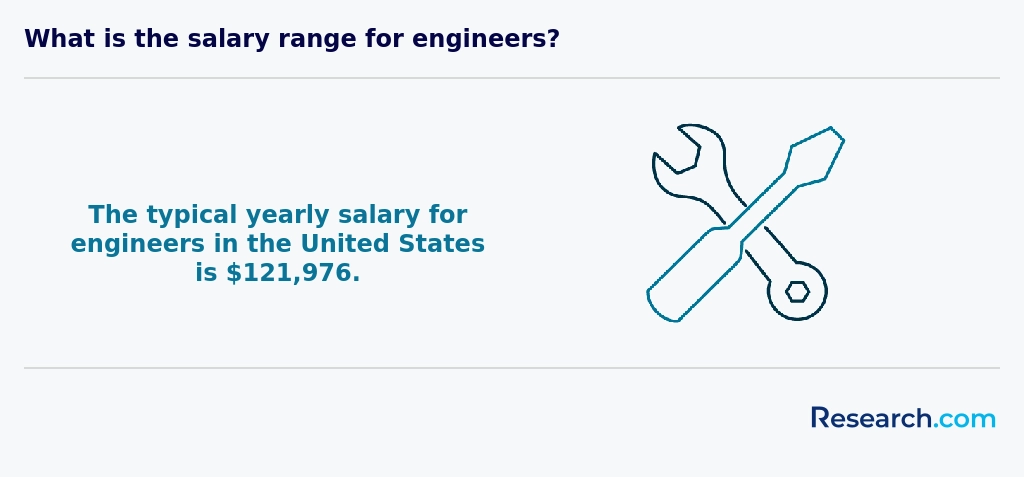
Graduates with an online engineering degree in New Jersey find career paths in several practical fields aligned with the state's economic landscape. Civil engineering roles are widely available, especially as New Jersey invests heavily in infrastructure upgrades. Many graduates from local universities land jobs designing highways and bridges, where they earn competitive salaries due to strong demand. Electrical engineering is another common path; graduates often join telecommunications and power companies near urban centers like Newark and Princeton, contributing to smart grid and renewable energy projects. Mechanical engineering careers are accessible through pharmaceutical and manufacturing industries, with firms valuing skills in automation and product development.
Software and computer engineering opportunities are expanding rapidly, fueled by tech startups and IT firms in the state. Many find roles in software development and cybersecurity, a robust area for online engineering jobs in New Jersey. Environmental engineering also grows alongside regional sustainability efforts. Graduates often work on clean water initiatives and pollution control, offering meaningful work that positively impacts communities. For those exploring options, considering the easiest bachelor of science degree can provide a smoother start in this competitive market.
Graduates seeking online engineering jobs in New Jersey find a growing market supported by the state's strategic industrial base and demand in sectors like pharmaceuticals, telecommunications, and manufacturing. Many graduates from local universities and colleges report benefitting from hybrid or remote roles, allowing flexibility while applying practical skills directly to New Jersey employers. For example, those studying at well-known institutions have landed positions designing renewable energy systems or improving transportation infrastructure, which aligns well with the state's economic focus.
The New Jersey engineering degree employment outlook remains strong, with job growth projected at 5% to 7% in key areas such as civil and electrical engineering. Graduates share that pursuing ABET-accredited online programs enhances hiring prospects, as employers prioritize these credentials. The median salary in the state reflects competitive compensation-electrical engineers earn roughly $102,000 annually, helping cover the higher cost of living.
For those considering further education, you can get a PhD without a dissertation, which some New Jersey engineers find practical to boost specialty expertise without interrupting work.
2027 Easiest Online Engineering Degree Programs Ranking in New Jersey
Investing in your education is a significant decision that can shape your future, and the Research.com team understands the importance of making informed choices. To assist prospective students in New Jersey, we have meticulously crafted the "2027 Easiest Online Engineering Degree Programs Ranking in New Jersey." Our commitment to quality, credibility, and accuracy is reflected in the extensive research and analysis conducted to compile this ranking.
We utilized the following reputable data sources to ensure a comprehensive evaluation of engineering programs:
By exploring this ranking, readers will gain valuable insights into the easiest online engineering degree programs available in New Jersey, helping them make well-informed decisions about their educational journeys. For more details on our methodology, please visit our Research.com methodology page.


Frequently Asked Questions About engineering
Online engineering degree students in New Jersey can enhance their learning by actively engaging with instructors and peers through virtual office hours and discussion forums. Maintaining a structured study schedule helps balance coursework with personal and professional responsibilities.
Utilizing New Jersey's extensive online library resources, such as those offered by Rutgers University, provides access to essential journals and engineering databases. Students should seek internships or cooperative education opportunities available statewide to gain practical experience alongside their studies.
According to the New Jersey Department of Labor, engineering jobs are expected to grow by 6% over the next decade, making practical skills critical. Staying current with software and industry trends also supports student success.
Emerging niches within the engineering field reflect rapid technological growth and changing industry needs. In New Jersey, areas like renewable energy engineering and smart infrastructure are gaining momentum due to the state's environmental policies and urban development projects.
Another significant niche is biomedical engineering, fueled by New Jersey's strong pharmaceutical sector. This specialty integrates engineering principles with medical sciences to develop healthcare technologies.
Cybersecurity engineering is also expanding, driven by increasing demand to protect critical infrastructure and data systems, with New Jersey ranking among states investing heavily in cybersecurity initiatives. These niches offer promising career paths for students pursuing online engineering degrees.
Graduates with an online engineering degree in New Jersey should begin preparing for the job market by gaining relevant practical experience. Internships and cooperative education programs are valuable, even if completed virtually. According to the New Jersey Department of Labor, the state's engineering sector employed over 70,000 professionals in 2023, highlighting strong demand in aerospace, civil, and electrical engineering.
Networking is essential; joining organizations like the New Jersey Society of Professional Engineers can provide access to job postings and mentors. Additionally, pursuing professional certifications such as the Fundamentals of Engineering (FE) exam improves employability. Staying informed about local industry trends and company requirements enhances job prospects for recent graduates.
Employers in New Jersey highly value engineering graduates who possess strong technical skills alongside problem-solving abilities. Key competencies include proficiency in computer-aided design (CAD) software, data analysis, and programming languages like Python or MATLAB, essential for various engineering fields.
Communication skills are equally critical, as engineers often work in interdisciplinary teams and must explain complex concepts clearly. According to the New Jersey Department of Labor, employers particularly seek graduates who demonstrate adaptability and project management skills, reflecting the state's focus on fast-paced industries such as pharmaceuticals, telecommunications, and manufacturing.
Hands-on experience through internships or co-op programs dramatically improves job prospects. Additionally, knowledge of regulatory standards and safety protocols remains important in highly regulated sectors within New Jersey.
Finding internships in New Jersey that align with an online engineering degree involves several strategic steps. Start by exploring local companies in industries such as pharmaceuticals, telecommunications, and manufacturing-key sectors in New Jersey employing many engineers, according to the New Jersey Business & Industry Association.
Universities offering engineering programs often maintain online job boards and partnerships with regional employers, which can be valuable resources even for online students. Additionally, websites like Handshake and LinkedIn provide listings tailored to New Jersey engineering internships.
Networking through local chapters of professional groups, such as the New Jersey Society of Professional Engineers, can open doors to unadvertised opportunities. Many internships pay between $15 and $25 per hour, giving practical work experience essential for career development in engineering fields.
Obtaining an online engineering degree in New Jersey can significantly enhance career mobility and advancement. The state's robust manufacturing and technology sectors create steady demand for skilled engineers. According to the New Jersey Department of Labor, engineering occupations are projected to grow by 7% between 2020 and 2030, higher than the national average. An accredited online degree provides flexibility for working professionals to upskill without interrupting their careers.
Employers in New Jersey increasingly recognize online degrees from accredited institutions as valid credentials. This acceptance expands opportunities for promotions or transitions into specialized engineering roles. Additionally, many online programs emphasize skills in emerging fields like renewable energy and automation, aligning with local industry trends.
Overall, an online engineering degree supports continuous professional growth in a competitive job market unique to New Jersey's evolving economy.
Studying engineering online in New Jersey equips students with skills to tackle interdisciplinary challenges common in today's technology-driven world. Many programs integrate coursework in computer science, business, and environmental studies, reflecting the state's diverse industries such as pharmaceuticals, telecommunications, and renewable energy. According to the New Jersey Economic Development Authority, engineers in the state often collaborate across fields to innovate effectively.
Online curricula emphasize practical problem-solving and teamwork, preparing graduates to work seamlessly with professionals from varied backgrounds. Additionally, local colleges often partner with industries, providing students with real-world projects that mirror interdisciplinary roles.
This combined educational approach helps students build flexibility essential for careers in engineering, management, and research settings across New Jersey's growing economy.
Choosing between a thesis and a non-thesis online engineering degree program in New Jersey depends on your career goals and learning preferences. Thesis programs require students to conduct original research and produce a detailed paper, which suits those interested in pursuing further study or research roles. Non-thesis options focus more on coursework and practical skills, appealing to professionals aiming to advance in industry.
In New Jersey, with its diverse engineering sectors-from pharmaceuticals to telecommunications-non-thesis degrees often emphasize applied knowledge aligned with local job market demands, according to the New Jersey Department of Labor statistics. Graduate programs at institutions like Rutgers University reflect this balance.
Consider the workload, time commitment, and your long-term plan, as thesis paths typically extend study duration. Both paths offer accredited online options ensuring flexible learning for working adults.
Students in New Jersey looking to study engineering abroad have several flexible options through online programs offered by international universities. Many accredited institutions provide fully online engineering degrees that meet US accreditation standards, allowing New Jersey residents to study overseas curricula without relocating. This approach suits those balancing work and family commitments while seeking global perspectives.
New Jersey's position as a hub for technology and innovation supports interest in aerospace, civil, and mechanical engineering fields, reflected by the Engineering Accreditation Commission of ABET, which evaluates programs internationally. Institutions in Europe, Canada, and Australia commonly offer online engineering courses accessible to US students, often with curriculum recognition by New Jersey licensing boards.
Students should ensure that their selected programs align with state licensure requirements, as these vary. According to New Jersey's Board of Professional Engineers and Land Surveyors, applicants must hold degrees from ABET-accredited programs to qualify for licensure, emphasizing the importance of choosing proper international online options.
Part-time job opportunities in New Jersey that complement engineering degree education often focus on practical experience and skill development. Positions such as CAD drafting assistants, lab technicians, and junior quality control inspectors are common among engineering students. These roles provide hands-on experience with industry software and methods, crucial for future engineering careers. According to the New Jersey Department of Labor, STEM jobs in the state have grown by 12% over the past five years, increasing the demand for skilled part-time workers. Internships with local engineering firms and state agencies also offer valuable exposure to real-world projects while studying online.
Online engineering students in New Jersey benefit from various networking opportunities linked to the state's strong engineering and technology sectors. Many universities offering online programs encourage participation in virtual career fairs and alumni networking events, allowing students to connect with professionals and peers.
Organizations such as the New Jersey Society of Professional Engineers (NJSPE) provide additional platforms for students to engage in workshops, technical sessions, and local chapter meetings. The state's proximity to major metropolitan areas like New York and Philadelphia also expands access to broader engineering networks and employer contacts.
According to the New Jersey Department of Labor, engineering roles grow steadily, increasing the value of networking for internships and job placements within the region's diverse industries.
Alumni networks play a crucial role in supporting online engineering degree students in New Jersey by offering valuable career connections. Graduates from New Jersey schools often join these networks to access local job opportunities in the state's strong engineering sectors, including pharmaceuticals, telecommunications, and energy, which together employ thousands of engineers annually according to the New Jersey Department of Labor.
These networks provide mentorship and guidance, helping students navigate the industry and develop relevant skills. They also facilitate professional growth through events and workshops. According to a 2023 National Association of Colleges and Employers report, students with active alumni support tend to secure jobs faster and earn higher starting salaries.
In essence, strong alumni relations boost networking and practical learning for online engineering students in New Jersey.
Customizing an online engineering degree program in New Jersey begins with selecting a school that offers flexible curricula and multiple specialization options. Many universities allow students to tailor their studies by choosing electives aligned with fields such as civil, mechanical, electrical, or software engineering.
Advisors often help students map coursework to career goals, ensuring relevant skills are developed. Incorporating internships or cooperative education, even virtually, can enhance practical experience tailored to local industries like pharmaceuticals, manufacturing, or technology sectors prevalent in New Jersey.
Additionally, students may pursue certifications alongside degrees to boost employability. According to the New Jersey Department of Labor, engineers with certifications related to their specialization tend to have 10-15% higher earning potential.
Online engineering students in New Jersey often face challenges balancing rigorous coursework with personal and professional responsibilities. Engineering programs require hands-on experience and lab work, which can be difficult to access remotely. Many students report limited opportunities for direct interaction with professors and peers, impacting collaborative learning and networking. Technology issues, such as unreliable internet connections or inadequate software, also hinder progress.
According to the New Jersey Institute of Technology, about 30% of engineering students seek additional support for time management and practical skill development. Furthermore, licensing requirements in New Jersey may require in-person exams or internships, adding complexity to fully remote education.
With an online engineering degree in New Jersey, you can pursue several professional certifications that enhance your career prospects. One prominent certification is the Professional Engineer (PE) license, which requires passing the Fundamentals of Engineering (FE) exam, gaining work experience, and passing the PE exam. Many New Jersey employers value this credential highly, especially in civil, mechanical, and electrical engineering sectors.
Other notable certifications include the Project Management Professional (PMP) and certifications in specialized software like AutoCAD or Six Sigma. According to the New Jersey Department of Labor, certified engineers in the state earn on average 15-20% more than non-certified peers. Pursuing these credentials can significantly improve your job marketability and salary potential.
Applying for an online engineering program in New Jersey requires careful preparation to stand out. Start by thoroughly researching programs accredited by ABET, as this is crucial for employer recognition and quality assurance. Highlight your relevant experience, including internships or projects connected to New Jersey's key industries like pharmaceuticals and telecommunications, to demonstrate practical knowledge.
Craft a clear, concise personal statement explaining your motivation and career goals, linking them to New Jersey's growing engineering sectors. Strong recommendation letters from supervisors or professors familiar with your technical skills add value. Finally, pay close attention to application deadlines and ensure all transcripts and test scores meet the program's criteria, as New Jersey schools have varying requirements.
The global perspective on an engineering career highlights its universal value in driving innovation and economic growth. Engineering skills are in high demand worldwide, especially in fields like renewable energy, robotics, and software development. In the U.S., including New Jersey, engineering graduates enjoy strong employment prospects. According to the U.S. Bureau of Labor Statistics, engineering jobs are projected to grow by 7% from 2021 to 2031.
New Jersey offers a unique advantage with its proximity to major metropolitan hubs and a robust industrial sector, creating diverse opportunities for engineers. The state's emphasis on STEM education supports global competitiveness for graduates.
Many online engineering programs in New Jersey align their curricula with international standards, preparing students for a global workforce. This approach helps graduates adapt to worldwide challenges and collaborate across borders. Understanding global engineering trends is essential for students considering online degrees, as it enhances employability both locally and internationally.
Gaining practical experience while pursuing an online engineering degree in New Jersey is essential for career readiness. Many online programs encourage students to engage in internships or cooperative education (co-op) opportunities, often coordinated with local engineering firms. According to the New Jersey Society of Professional Engineers, internships provide critical hands-on skills valued by employers.
Students can also participate in virtual labs or simulation projects integrated into their curriculum. Additionally, joining professional organizations like the American Society of Civil Engineers (ASCE) New Jersey Chapter offers networking and project experience.
Some universities collaborate with industrial partners in New Jersey, allowing students to work on real-world challenges remotely.
Choosing the right concentration within an online engineering degree in New Jersey involves aligning your interests with the region's industry demands. Key fields such as civil, mechanical, and electrical engineering remain popular due to New Jersey's strong manufacturing and infrastructure sectors. According to the New Jersey Department of Labor, engineering jobs in these areas are expected to grow by 5% through 2030.
Consider your career goals and research local employers to identify in-demand specialties. Many programs offer concentrations like software, environmental, or biomedical engineering, reflecting New Jersey's diverse economy. Accreditation by ABET is essential to ensure quality education and employer recognition. Take advantage of online program flexibility to gain practical skills aligned with the state's evolving engineering landscape.
- 2027 Easiest Online Engineering Degree Programs Ranking in Pennsylvania
- 2027 Easiest Online Engineering Degree Programs Ranking in New York
- 2027 Easiest Online Engineering Degree Programs Ranking in Virginia
- 2027 Easiest Online Engineering Degree Programs Ranking in Massachusetts
- 2027 Easiest Online Engineering Degree Programs Ranking in Ohio
- 2027 Easiest Online Engineering Degree Programs Ranking in Kentucky
- 2027 Easiest Online Engineering Degree Programs Ranking in North Carolina
- 2027 Easiest Online Engineering Degree Programs Ranking in Maine
- 2027 Easiest Online Engineering Degree Programs Ranking in Georgia
- 2027 Easiest Online Engineering Degree Programs Ranking in Michigan
See What Experts Have To Say About Studying Engineering
Read our interview with Engineering experts


Jasna Jankovic
Engineering Expert
Associate Professor
University of Connecticut

Joseph Reichenberger
Engineering Expert
Professor of Civil Engineering & Environmental Science
Loyola Marymount University

- How Do You Decide Which Engineering Career is Right for You? https://www.straighterline.com/blog/which-engineering-career-right-for-you
- The College of New Jersey - Degree Programs, Accreditation, Applying, Tuition, Financial Aid https://www.greatvaluecolleges.net/colleges/the-college-of-new-jersey/
- Thesis vs. Non-Thesis Master's Programs: Which is Right for You? https://potomac.edu/thesis-vs-non-thesis-masters/
- WHAT EMPLOYERS ARE LOOKING FOR – Career Connections Center | Milwaukee School of Engineering https://www.msoecareerconnections.com/channels/what-employers-are-looking-for/
- Interdisciplinary Engineering Education: Difficult, but not Impossible https://engineeringedu.press/2020/02/16/interdisciplinary-engineering-education-difficult-but-not-impossible/
- Continuing Education Requirements for New Jersey Engineers https://www.pdh-pro.com/pe-resources/continuing-education-requirements-for-new-jersey-engineers/
- targetjobs https://targetjobs.co.uk/careers-advice/engineering/what-skills-do-engineering-employers-look
- Know more about thesis vs non- thesis: what is the difference? https://studyfans.com/en/blogs/816
- Online Colleges in New Jersey https://mycollegeguide.org/online-colleges-in-new-jersey/
- Get experience in engineering with an internship https://gradireland.com/careers-advice/engineering/get-experience-engineering-internship