2027 Best Engineering Degree Programs Ranking in Indiana

Co-Founder and Chief Data Scientist
Choosing the right engineering degree program in Indiana can shape your future career and open doors to exciting opportunities. This article introduces the 2027 Best Engineering Degree Programs Ranking in Indiana, carefully created by the Research.com team of data scientists to guide you in making an informed decision.
By exploring this ranking, you'll discover programs that combine quality education with real-world application. Pursuing an engineering degree offers rewarding challenges and the chance to contribute to innovative solutions that matter.
Start your journey toward a bright future in engineering today.
Key benefits of getting engineering degree in Indiana
- Engineering degree graduates in Indiana can expect competitive salaries, such as Mechanical Engineers earning around $105,220 per year and Electrical Engineers about $117,680 annually, making it a financially rewarding path.
- Graduates from Indiana universities often pursue diverse careers in civil, industrial, or mechanical engineering, enjoying broad opportunities at local industries and infrastructure projects.
- Online engineering degrees from Indiana schools offer flexibility and convenience, allowing students to balance work and study while gaining the same valuable skills as traditional programs.
- 2027 Best Engineering Degree Programs Ranking in Indiana
- What can I expect from engineering degree in Indiana?
- Where can I work with engineering degree in Indiana?
What can I expect from engineering degree in Indiana?
The average cost of earning an engineering degree in Indiana varies depending on the institution but generally falls within an accessible range for many students. At prominent schools like Purdue University, known for its top-ranked engineering programs, in-state tuition typically ranges around $10,000 to $12,000 per year, making it an affordable investment for an outstanding education.
Graduates often recall how financial aid, scholarships, and work-study opportunities at Indiana's universities helped ease the burden, allowing them to focus on hands-on projects and innovative research without stress. Community colleges and technical schools offer even more budget-friendly pathways that still meet the rigorous standards expected of engineers today.
Many students appreciate that this balanced cost reflects Indiana's commitment to supporting aspiring engineers who want to thrive locally and beyond. Pursuing an engineering degree here means joining a vibrant network of peers, professors, and industries eager to launch careers in advanced manufacturing, tech innovation, and beyond - all while making a smart financial choice.
Where can I work with engineering degree in Indiana?
Graduates with an engineering degree from top Indiana schools like Purdue University and Notre Dame find themselves embraced by diverse and thriving industries across the state. Many mechanical and electrical engineers eagerly join automotive giants such as Cummins Inc. or Toyota Motor Manufacturing, where they contribute to designing cutting-edge vehicle technologies. Imagine walking onto a manufacturing floor in Columbus, helping create the future of transportation-this is a reality for many local graduates.
Others take their skills to Indianapolis, Indiana's capital, energized by a booming tech scene. Software and computer engineers from Indiana University grow alongside startups and IT firms, crafting innovative software solutions and securing digital environments. These roles bring dynamic challenges and exciting teamwork opportunities.
Engineering graduates also build rewarding careers in aerospace hubs like Rolls-Royce, developing engines that power aircraft worldwide. Civil engineers frequently engage with state infrastructure projects, designing highways and bridges that enhance communities daily. With such vibrant, hands-on experiences available, Indiana engineering graduates build futures full of purpose and inspiration.
Graduates with an engineering degree from Indiana's top universities, such as Purdue University or Indiana University - Bloomington, find themselves stepping into rewarding careers with strong earning potential. For example, mechanical engineers starting out can anticipate an average annual salary of around $105,220, while electrical engineers often command even higher pay, with a mean annual wage near $117,680. These impressive figures reflect Indiana's vibrant tech and manufacturing industries, providing new graduates with exciting opportunities to thrive.
Civil engineering graduates earn a solid average salary of about $101,160, ideal for those eager to contribute to Indiana's growing infrastructure projects. Industrial engineers also enjoy lucrative roles, with typical earnings around $103,150 annually, supported by the state's extensive manufacturing sector. Graduates often share stories of landing roles quickly and progressing swiftly, enabled by strong industry connections fostered at local universities.
Whether you're designing innovative machines or optimizing factory workflows, an engineering degree in Indiana opens doors to financial stability and professional growth, inspiring countless recent grads to turn their passions into prosperous careers.
- Indiana offers engineering programs in mechanical, civil, electrical, and computer engineering at multiple accredited institutions.
- In-state tuition for public universities ranges from $10,000 to $12,000 per year, while private colleges can charge over $30,000 annually.
- Starting salaries for engineers in Indiana typically range from $65,000 to $70,000, with electrical and computer engineers earning on the higher end.
- Experienced engineers can expect salaries between $90,000 and $110,000 depending on experience and industry.
- The state's job market is strong in advanced manufacturing, automotive, tech, and aerospace sectors, supported by companies like Cummins and Allison Transmission.
- Many programs include internships and co-op opportunities to help students gain practical experience and improve job placement.
Completing an engineering degree in Indiana typically takes about four years of full-time study, a timeline that many successful graduates from Purdue University and Rose-Hulman Institute of Technology proudly follow. Imagine yourself diving into foundational courses like mathematics and physics, quickly advancing to specialized subjects that ignite your passion for innovation. This journey, filled with both challenges and rewarding breakthroughs, fits within a four-year plan for most disciplines such as civil or mechanical engineering.
However, if you choose to participate in co-op programs-offered by top Indiana schools-you might extend your studies to five years. This valuable hands-on experience blends work and learning, boosting your career prospects and making every extra semester count. Some students enter college with AP credits or dual enrollment, accelerating their path to graduation and allowing them to start building their engineering legacy sooner. With dedication and the support of Indiana's renowned programs, your engineering degree is well within reach, setting you up for a future full of opportunity and achievement.
Becoming a licensed Professional Engineer (PE) in Indiana not only enhances your credibility but also expands your career opportunities in both the public and private sectors. The path to licensure typically involves three key steps: 1. Fundamentals of Engineering (FE) Exam - Eligible candidates must graduate from an ABET-accredited program. - Register with the National Council of Examiners for Engineering and Surveying (NCEES) and pass the FE exam to earn the Engineer-in-Training (EIT) designation. 2. Work Experience Requirement - Accumulate at least four years of verified engineering experience under the supervision of a licensed PE in Indiana. - Document your projects, demonstrating increasing levels of responsibility and technical competence. 3. Principles and Practice of Engineering (PE) Exam - After meeting the experience requirement, apply through the Indiana Professional Licensing Agency (IPLA) to sit for the PE exam in your discipline. - Passing the PE exam grants full licensure, allowing you to sign and seal engineering plans, offer services to the public, and consult independently. Continuing education is mandatory to maintain your license in Indiana. PEs must complete 30 professional development hours (PDHs) every two years, covering ethics, safety, and technical topics relevant to their specialization. Resources such as state board seminars, webinars hosted by engineering societies, and in-house training programs can help you fulfill these requirements. For students concerned about tuition costs, consider exploring affordable options beyond Indiana. You can also review the Low Cost Engineering Degree Programs Ranking in Daytona Beach, FL to compare regional pricing and program features.
Choosing between online and on-campus engineering degrees in Indiana opens exciting pathways tailored to your lifestyle. Online programs from schools like Purdue University Global offer the freedom to study anytime, perfect for balancing work or family. Imagine logging in after a busy day and advancing your knowledge at your own pace, feeling empowered by the flexibility that fits your unique rhythm.
On-campus programs at renowned institutions such as Purdue University provide vibrant, hands-on experiences. Graduates often share how immersive lab work and face-to-face teamwork built their confidence and practical skills. Walking through campus, connecting directly with faculty and peers, creates a dynamic environment filled with inspiration and opportunity.
Both formats uphold rigorous standards in Indiana, supporting your journey toward licensure and a rewarding engineering career. Whether thriving in a collaborative classroom or mastering concepts independently, students find pathways to success that align perfectly with their personal goals and dreams.
Indiana’s engineering programs are continuously evolving to meet the demands of a rapidly changing technological landscape. Today’s curriculum is increasingly integrating real-world data analysis, digital simulation tools, and collaborative project-based learning to prepare students for industry challenges. Educators are emphasizing soft skills such as adaptability, teamwork, and effective communication alongside technical proficiency. Modern labs now feature state-of-the-art equipment, and many programs are forging stronger ties with local industries to offer immersive internship experiences. Moreover, with the growing need for cost-effective education solutions, prospective students are finding excellent opportunities in affordable engineering programs in indiana, which combine academic rigor with real-world applicability. These emerging trends not only enhance the learning experience but also ensure that graduates are well-equipped to drive innovation and succeed in a competitive job market.
The average cost of earning an engineering degree in Indiana is encouragingly manageable for many students, especially those who live in-state. With typical total tuition and fees for Indiana engineering programs averaging around $31,200 for residents, graduates often reflect on the value of investing in their futures at beloved institutions like Purdue University or Indiana University. These universities not only offer top-tier education but also provide a community that fosters innovation and personal growth throughout the four years of study.
Out-of-state students face higher tuition costs, but many find the experience at private universities such as the University of Notre Dame worth the investment, motivated by the excellent resources and connections these schools offer. Graduates recall balancing these costs with scholarships and work-study opportunities, making it possible to focus on their engineering dreams without undue financial stress.
Engineering students in Indiana often highlight how understanding the average cost of engineering degree in Indiana helped them prepare more confidently, knowing what to expect as they planned their education journeys. Beyond tuition, budgeting for living expenses and materials becomes part of embracing the college lifestyle, adding layers to the rewarding experience of becoming an engineer.
Exploring affordable engineering programs in indiana can open doors to opportunities that feel both exciting and accessible. This financial clarity empowers students to pursue their passions with optimism, knowing that their investment in an engineering degree in Indiana leads to bright futures.

Internships and co-op placements are cornerstones of an engineering education in Indiana, offering students structured, paid experiences that translate classroom knowledge into industry-ready skills. Top institutions like Purdue University and IUPUI partner with local leaders-Eli Lilly, Cummins, Rolls-Royce and Koch Industries-to provide semester-long co-ops and summer internships in fields ranging from automotive design to renewable energy. Many programs offer: • Defined Learning Outcomes: Co-op agreements outline technical and professional goals, ensuring each rotation builds on core competencies in CAD, data analysis and project management. • Competitive Compensation: Hourly wages often start between $18–$25, allowing students to support living expenses while gaining in-depth exposure to production lines, R&D labs or field testing. • Academic Credit: Institutions may grant 3–6 credits per semester, integrating work experience into the degree plan without extending time-to-graduation. To secure a placement, leverage university career services by: 1. Attending industry-focused career fairs and mock interviews. 2. Crafting a targeted resume that highlights relevant coursework-thermodynamics, materials science, controls-and extracurricular projects (e.g., robotics club). 3. Networking through professional societies like ASME and IEEE, where alumni often post co-op opportunities. These hands-on roles serve as a stepping stone to a mechanical engineering career, equipping you with the problem-solving mindset and cross-functional teamwork experience employers demand. By combining academic rigor with real-world challenges, internships and co-ops in Indiana lay the foundation for a seamless transition from student to engineer.
Engineering students in Indiana have access to a wide range of financial aid that makes pursuing their dreams more achievable and inspiring. Many graduates from Purdue University recall how merit-based scholarships, awarded for academic excellence and leadership, lightened their financial load and motivated them to excel. The state's 21st Century Scholars program is a powerful tool, offering up to four years of tuition assistance for eligible Indiana residents, making it a game-changer for students dedicated to engineering.
Federal aid, including Pell Grants and low-interest student loans, provides essential support, especially for those balancing costs while focusing on challenging coursework. The Frank O'Bannon Grant further uplifts Indiana students by supporting those with financial need attending public institutions.
Beyond scholarships, hands-on opportunities like work-study and co-op positions connect students directly with Indiana's thriving manufacturing and technology sectors, blending education with real-world experience and income. Many find encouragement from professional organizations such as SWE and ASCE, whose scholarships champion diversity and innovation in engineering fields.
Enrolling in an engineering degree program in Indiana opens an exciting path paved with strong academic foundations and rewarding challenges. Prospective students, like many graduates from Purdue University and IUPUI, start by embracing rigorous high school courses such as Algebra I and II, Geometry, Trigonometry or Pre-Calculus, and essential sciences like Physics and Chemistry. These subjects build the critical thinking and problem-solving skills needed to shine in an engineering curriculum.
Many successful students recall how excelling in advanced placement or honors math and science classes gave them confidence and a competitive edge. Indiana's public universities generally look for a solid GPA around 3.0, especially in STEM areas, alongside SAT or ACT scores that demonstrate readiness for college-level work. Beyond grades, submitting heartfelt personal statements and strong letters of recommendation are key steps that showcase genuine passion and determination.
Active involvement in STEM-related extracurriculars such as robotics clubs or summer camps often sparks inspiration and deeper commitment. This vibrant preparation helps students not only meet but exceed Indiana's expectations, unlocking opportunities for scholarships and a fulfilling engineering journey ahead.
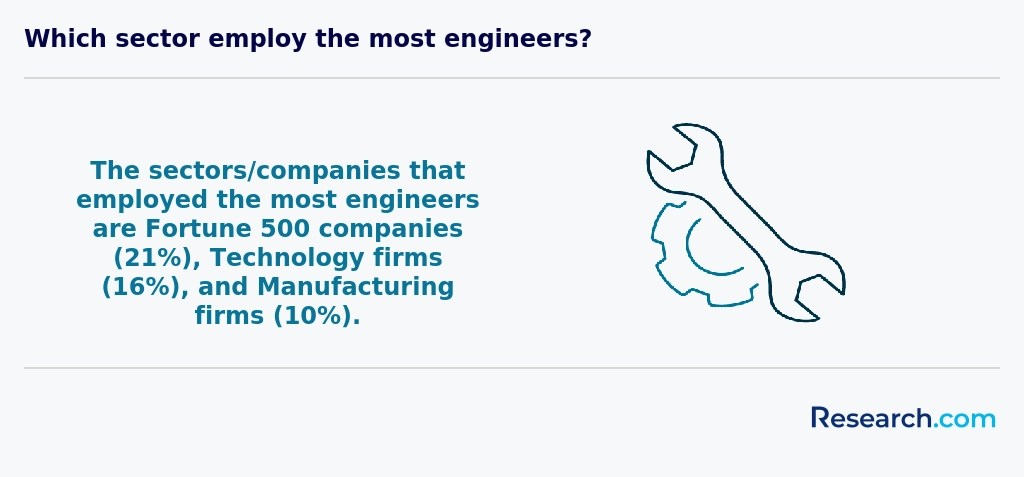
Engineering degrees in Indiana offer a dynamic blend of foundational and specialized courses designed to ignite your passion for innovation. Early coursework at top Indiana institutions like Purdue University and Indiana University-Purdue University Indianapolis grounds students in essential subjects such as calculus, physics, chemistry, and core engineering principles. Imagine tackling complex problems with confidence, building the skills that make real-world solutions possible.
As you advance, courses become exciting and tailored to your chosen field-whether it's mechanical engineering with thermodynamics and fluid mechanics or electrical engineering focused on circuits and electronics. Graduates often recall hands-on labs and collaborative projects that made theoretical concepts come alive, turning abstract ideas into tangible results.
Indiana's engineering programs also emphasize practical skills through internships and design challenges, fostering teamwork and creativity. You'll engage with emerging fields like renewable energy and biomedical engineering, preparing you to lead future technological breakthroughs right here in the Hoosier State.
Indiana's engineering degree specializations open doors to vibrant futures, with programs tailored to the state's dynamic industries. Mechanical engineering, supported by Indiana's strong manufacturing base, inspires graduates who have designed innovative automotive components at renowned universities. Many have praised the hands-on experiences that fuel their passion and career readiness. Civil engineering also draws students eager to contribute to Indiana's infrastructure growth, working on projects that impact communities directly, channeling their skills into real bridges and water systems.
Students pursuing electrical engineering find opportunities to engage with the state's robust energy and automotive sectors, energizing their career paths with practical knowledge. Graduates from top Indiana schools often highlight internships that bring classroom learning to life. Exploring engineering program focus areas, many students are excited about computer engineering, designing cutting-edge computing systems that power Indiana's expanding tech hubs. They appreciate how these programs connect theory with real-world innovation.
Other specializations enrich this landscape, such as biomedical engineering at institutions collaborating with the Indiana University School of Medicine, inspiring students who value the intersection of healthcare and technology. For those passionate about sustainability, environmental engineering programs prepare future leaders addressing critical ecological challenges.
For students committed to a mechanical engineering career, Indiana's diverse specializations provide a supportive, opportunity-filled environment to grow and thrive.
Choosing the best engineering degree in Indiana means focusing on what truly excites you and matches your ambitions. Whether it's mechanical, civil, or software engineering, graduates from Purdue University and the University of Notre Dame often share stories of how their ABET-accredited programs provided both strong theoretical knowledge and hands-on projects that sparked their passion and confidence.
Many students find that affordability plays a key role in their decision. Indiana offers some of the most affordable engineering colleges in Indiana 2027, with in-state tuition at Purdue around $9,992 per year, helping ease financial worries. Graduates often emphasize the importance of considering all expenses, including living costs and study materials, to make choices that feel both smart and sustainable.
Being close to industry hubs like Indianapolis unlocks exciting internship and career opportunities, reflecting Indiana's strong manufacturing and infrastructure sectors. Students thriving in these environments appreciate programs that encourage co-op experiences and partnerships with local companies.
For those exploring options, checking rankings like the Low Cost Engineering Degree Programs Ranking in Daytona Beach, FL can also inspire confidence in selecting the path that will lead you to success.

Graduates of engineering programs in Indiana enjoy a wealth of exciting career paths, reflective of the state's dynamic industrial landscape. Whether studying at institutions like Purdue University or Indiana University-Purdue University Indianapolis, students find inspiration in opportunities across fields such as civil, mechanical, electrical, biomedical, and industrial engineering. These graduates often step into roles designing groundbreaking infrastructure, advancing automotive technologies, or contributing to cutting-edge healthcare innovations right within Indiana's vibrant manufacturing and pharmaceutical sectors.
Many engineering students in Indiana embrace hands-on learning that aligns with real-world demands, fueling their passion and confidence as they prepare for rewarding jobs. With job prospects for Indiana engineering graduates strengthened by local leaders like Cummins and Rolls-Royce, the pathway to meaningful work is clear and promising.
For those eager to start careers quickly, exploring 2 year certificate programs that pay well in related technical fields can complement their engineering knowledge and boost early job placement, adding further momentum to their professional journey.
The engineering job opportunities in Indiana remain vibrant and diverse, offering graduates from local institutions such as Indiana University and Purdue University a promising path. Graduates often share how the state's strong manufacturing roots and thriving sectors like aerospace and renewable energy create real-world opportunities to apply their skills immediately after earning their degrees. The steady 8% job growth projection reflects sustained demand, especially in civil and environmental engineering, fueled by large infrastructure projects across the state.
Many graduates find themselves working with major Indiana employers like Cummins or Rolls-Royce, where innovation and collaboration are everyday experiences. Starting salaries typically range from $60,000 to $70,000, allowing recent graduates to quickly offset educational expenses and feel confident pursuing their career ambitions. Students balancing costs appreciate that public universities offer tuition between $10,000 and $12,000 annually in-state, making the degree both accessible and valuable.
For those seeking alternatives, exploring short certificate programs that pay well online can complement an engineering degree or open doors in high-demand technical fields in Indiana.
2027 Best Engineering Degree Programs Ranking in Indiana
Investing in your education is a significant decision that can shape your future, and the Research.com team understands the importance of making informed choices. To assist prospective students in Indiana, we have meticulously crafted the "2027 Best Engineering Degree Programs Ranking in Indiana." Our commitment to quality, credibility, and accuracy is reflected in the extensive research and analysis conducted to compile this ranking.
We utilized the following reputable data sources to ensure a comprehensive evaluation of engineering programs:
By exploring this ranking, readers will gain valuable insights into the top engineering degree programs available in Indiana, helping them make well-informed decisions about their educational future. For more details on our methodology, please visit our Research.com methodology page.


# 10 position
Indiana University-Bloomington
Doctor of Philosophy in Intelligent Systems Engineering


Frequently Asked Questions About engineering
Engineering students in Indiana can maximize their learning experience by actively engaging in hands-on projects offered through cooperative education and internship programs. Indiana hosts numerous manufacturing and engineering firms, providing ample opportunities for practical experience alongside academic study. According to the Indiana Economic Development Corporation, internships increase employability by up to 60% in the state's engineering sector.
Additionally, students should take advantage of resources at universities such as Purdue and Indiana University, which offer cutting-edge labs and research centers. Participating in student organizations like the American Society of Civil Engineers or the Society of Women Engineers fosters professional networking and skill development.
In Indiana, engineering students are increasingly exploring emerging niches that respond to evolving industry needs and technological advances. Fields like renewable energy engineering are gaining traction due to the state's commitment to sustainable power, including wind and solar projects.
Another growing area is biomedical engineering, supported by Indiana's strong healthcare and pharmaceutical sectors, notably in Indianapolis. This specialty merges engineering principles with medical sciences to develop innovative medical devices and technologies.
Data from the Indiana Economic Development Corporation highlights that specialized skills in robotics and automation are in high demand, reflecting the state's advanced manufacturing industry.
Environmental engineering also shows promising growth as Indiana focuses on water quality and pollution control initiatives.
Preparing for the job market after earning an engineering degree in Indiana involves several strategic steps to improve employability. Indiana's strong manufacturing and technology industries offer numerous opportunities for engineers, but competition remains significant. Students should prioritize internships and cooperative education programs during their studies, as these provide practical experience and industry connections.
The Indiana Department of Workforce Development highlights that engineering occupations are growing at a steady rate in the state, with demand for civil, mechanical, and electrical engineers particularly high. Obtaining professional certifications, such as the Fundamentals of Engineering (FE) exam, enhances credibility and job prospects.
Networking through local engineering societies like the Indiana Society of Professional Engineers helps graduates access job openings and mentorship. Additionally, tailoring resumes to highlight relevant skills and staying current with emerging technologies in Indiana's key sectors supports career success.
Employers in Indiana's engineering sector prioritize a blend of technical and soft skills when hiring graduates. Key technical skills include proficiency in computer-aided design (CAD), data analysis, and knowledge of industry-standard software like MATLAB and SolidWorks. According to the Indiana Department of Workforce Development, about 68% of engineering employers value hands-on experience with these tools.
Critical thinking and problem-solving abilities rank highly, as engineers must develop innovative solutions in manufacturing, automotive, and aerospace industries prominent in Indiana. Communication skills are equally important; 75% of surveyed employers emphasize teamwork and clear technical reporting.
Familiarity with compliance standards and safety protocols is essential due to the state's strong focus on regulatory adherence. Employers also seek adaptability and continuous learning skills to keep pace with evolving technologies.
Finding internships in Indiana relevant to an engineering degree involves leveraging both local resources and statewide industry connections. Purdue University and Indiana University, two leading institutions, provide career centers with specialized engineering internship listings and employer networking events. According to the Indiana Department of Workforce Development, sectors like manufacturing and advanced technology offer numerous internship opportunities due to the state's strong industrial base.
Students should utilize platforms such as Handshake, commonly used by Indiana colleges, which connect users to internships with companies like Cummins and Eli Lilly. Additionally, engaging with professional organizations like the Indiana Society of Professional Engineers can provide valuable contacts and insights into engineering internships statewide.
Obtaining an engineering degree in Indiana significantly enhances career mobility and advancement opportunities. The state hosts a robust manufacturing and technology sector, with employers highly valuing engineering credentials. According to the U.S. Bureau of Labor Statistics, Indiana is projected to see a 7% growth in engineering jobs between 2021 and 2031, which is faster than the national average.
Graduates with engineering degrees often enjoy higher starting salaries and faster promotion rates compared to those without degrees. Employers in cities like Indianapolis and Fort Wayne prioritize candidates with specialized engineering knowledge, which can open doors to roles in design, development, and project management.
Moreover, Indiana's strong network of universities provides ongoing professional development, supporting engineers in obtaining advanced certifications that further boost career progression.
Studying engineering in Indiana offers students strong interdisciplinary training that prepares them for diverse roles in technology, manufacturing, and research. Indiana's engineering programs emphasize collaboration across fields such as computer science, business, and health sciences, reflecting the needs of local industries like automotive and pharmaceuticals.
Many universities, including Purdue University, provide hands-on projects that integrate multiple disciplines, fostering problem-solving skills valued in complex work environments. According to the Indiana Department of Workforce Development, nearly 20% of engineers in the state engage in roles requiring knowledge beyond traditional engineering.
This approach helps graduates adapt to evolving job markets and contribute to innovative, cross-functional teams effectively.
Choosing between a thesis and a non-thesis engineering degree in Indiana depends on your career goals and interests. A thesis program emphasizes original research, ideal for students aiming for a PhD or research roles. It typically requires conducting a significant project, often over two semesters, and defending it. Non-thesis programs focus on coursework and practical skills, appealing to those seeking direct entry into industry positions.
Indiana universities, such as Purdue and Indiana University, offer both paths. According to the National Science Foundation, Indiana awards over 3,000 engineering degrees annually, reflecting strong industry demand.
Consider also your preferred learning style and time commitment when deciding, as thesis programs often take longer.
Students in Indiana seeking to study engineering abroad have several pathways to consider. Many Indiana universities, including Purdue University and Indiana University-Purdue University Indianapolis (IUPUI), offer established study abroad programs specifically for engineering students. These programs often include partnerships with universities in Europe, Asia, and Australia, allowing students to earn credits transferable to their Indiana degrees.
Indiana State Department of Education data shows that about 15% of engineering students at these institutions participate in international study programs, reflecting growing interest. Additionally, some universities support summer research projects or internships abroad to enrich practical experience.
Financial aid and scholarships are often available for these programs, helping reduce costs for Indiana-based students. It is important to consult the individual university's international office for the most updated options and eligibility criteria.
Part-time job opportunities in Indiana that complement engineering degree education often involve roles in manufacturing, technology, and research sectors. Indiana is home to major engineering employers such as Cummins Inc. and Rolls-Royce, where students can find internships or co-op positions gaining practical experience. According to the Indiana Department of Workforce Development, over 32,000 engineering-related jobs existed statewide in 2023, indicating a strong market for student employment.
Many engineering students also work as lab assistants or tutors at universities, applying classroom theory to real-world problems. Technical support and CAD drafting roles are common part-time options.
Additionally, Indiana's growing tech hubs, including Indianapolis and Fort Wayne, provide opportunities in software development and product testing, strengthening engineering skills alongside education.
Engineering students in Indiana have access to a variety of networking opportunities that enhance their educational experience. Many universities in the state, such as Purdue University and Indiana University-Purdue University Indianapolis (IUPUI), host engineering career fairs attracting hundreds of employers annually. In 2023, Purdue's Spring Career Fair featured over 300 companies, offering internships and job placements specifically for engineers.
Professional organizations like the Indiana Society of Professional Engineers (ISPE) and the American Society of Civil Engineers (ASCE) have active student chapters. These groups provide workshops, guest lectures, and local meetups, helping students build industry connections early. Additionally, the state's strong manufacturing and tech sectors foster collaboration through dedicated networking events and internships.
Alumni networks play a crucial role for engineering students in Indiana by providing valuable professional connections. Graduates from Indiana universities, such as Purdue and Rose-Hulman, often remain active in these networks, helping current students find internships and job opportunities in the state's strong manufacturing and technology sectors. According to the National Association of Colleges and Employers, networking accounts for nearly 70% of job placements, which highlights its importance.
These networks also offer mentoring programs, allowing students to receive guidance on career development and industry trends. Additionally, access to alumni-funded scholarships and events further supports student success in engineering fields across Indiana.
In Indiana, students can customize their engineering degree programs by selecting specialized tracks or concentrations that align with their career goals. Many universities, such as Purdue University and Indiana University-Purdue University Indianapolis (IUPUI), offer options in areas like mechanical, electrical, civil, and software engineering. Students may also choose electives focused on emerging fields like renewable energy or data analytics.
Internships and cooperative education programs are widely encouraged to provide practical experience. According to the National Association of Colleges and Employers, 68% of Indiana engineering students complete internships before graduating, which significantly enhances job prospects.
Additionally, students can pursue minors or dual degrees in business, computer science, or project management to broaden their skill set while enrolled.
Engineering students in Indiana often face significant academic pressure due to rigorous coursework, including advanced mathematics, physics, and design projects. Balancing these demands with part-time work or internships can be challenging, especially given that engineering programs typically require over 120 credit hours to graduate.
Another common challenge is access to state-of-the-art laboratories and equipment. While larger institutions like Purdue University provide cutting-edge resources, smaller schools may lack comparable facilities, affecting hands-on learning experiences.
Additionally, students sometimes encounter difficulties securing internships, which are critical for practical exposure. According to the Indiana Commission for Higher Education, about 30% of engineering students report limited internship opportunities within the state's industrial sectors.
With an engineering degree in Indiana, graduates can pursue several professional certifications to enhance their careers. One of the most recognized is the Professional Engineer (PE) license, regulated by the Indiana Professional Licensing Agency. This credential allows engineers to offer their services to the public and typically requires passing the Fundamentals of Engineering (FE) exam, gaining work experience, and then passing the PE exam.
Other certifications relevant to Indiana engineers include the Certified Manufacturing Engineer (CMfgE) and Project Management Professional (PMP), which can advance careers in specialized fields. According to the National Society of Professional Engineers, Indiana saw a 5% increase in PE licensees from 2020 to 2023, reflecting growing demand for certified engineers.
Applying to engineering programs in Indiana requires careful preparation to stand out. Start by maintaining a strong GPA, especially in math and science courses, as admission committees emphasize academic rigor. Many Indiana institutions, like Purdue University, receive thousands of applications annually, so competitive grades around a 3.5 GPA or higher increase your chances.
Additionally, standardized test scores such as the SAT or ACT remain important for some programs. Aim for scores in the top 25% to improve your competitiveness. Highlight relevant extracurriculars or internships, especially those demonstrating practical engineering skills or problem-solving ability-important criteria in schools across Indiana.
Personal statements should clearly articulate your passion for engineering and your career goals. According to the Indiana Commission for Higher Education, programs value applicants who show both academic preparation and genuine interest in innovation. Request strong recommendation letters from teachers familiar with your STEM skills to bolster your application.
Engineering careers offer significant global opportunities due to ongoing technological innovation and infrastructure development. According to the U.S. Bureau of Labor Statistics, engineering employment is expected to grow 3% nationally from 2021 to 2031, reflecting steady demand worldwide. Indiana contributes notably to this trend with its strong manufacturing and automotive sectors, which rely heavily on skilled engineers.
Globally, engineers are valued for their problem-solving skills and ability to adapt to various industries. Many Indiana engineering graduates participate in international projects or work for multinational companies, highlighting the worldwide applicability of their skills.
Higher education in the U.S. emphasizes practical experience and research, which prepares Indiana students to compete globally.
Gaining practical experience while studying for an engineering degree in Indiana is essential for career readiness. Many Indiana universities, including Purdue and Indiana University-Purdue University Indianapolis (IUPUI), offer cooperative education (co-op) programs and internships. These opportunities allow students to work in engineering roles, often earning academic credit and gaining hands-on skills.
Indiana's robust manufacturing and automotive sectors provide numerous internship options, supported by state initiatives like the Indiana Economic Development Corporation. According to the National Society of Professional Engineers, about 70% of engineering students in Indiana participate in internships before graduation, which improves job placement rates significantly.
Additionally, students can engage in research projects, student engineering competitions, and campus labs to apply theoretical knowledge practically. Many programs encourage collaboration with local companies, fostering industry connections crucial for future employment.
Choosing the right concentration within an engineering degree program in Indiana involves understanding your personal interests and regional industry demands. Indiana is known for strong sectors such as manufacturing, automotive, and healthcare technology, making mechanical, electrical, and biomedical engineering popular choices.
Research labor market data from the Indiana Department of Workforce Development to identify fields with steady job growth. For example, mechanical engineers had about 6,000 employed in the state in 2022 with solid wage prospects.
Consider program strengths as well. Institutions like Purdue University offer diverse engineering specializations with access to research and internships. Align your concentration with practical opportunities available locally to maximize career outcomes.
- 2027 Best Engineering Degree Programs Ranking in Illinois
- 2027 Best Engineering Degree Programs Ranking in Missouri
- 2027 Best Engineering Degree Programs Ranking in Iowa
- 2027 Best Engineering Degree Programs Ranking in Georgia
- 2027 Best Engineering Degree Programs Ranking in Alabama
- 2027 Best Engineering Degree Programs Ranking in Mississippi
- 2027 Best Engineering Degree Programs Ranking in Louisiana
- 2027 Best Engineering Degree Programs Ranking in Massachusetts
- 2027 Best Engineering Degree Programs Ranking in Montana
- 2027 Best Engineering Degree Programs Ranking in Colorado
See What Experts Have To Say About Studying Engineering
Read our interview with Engineering experts

Joseph Reichenberger
Engineering Expert
Professor of Civil Engineering & Environmental Science
Loyola Marymount University

Bohdan W. Oppenheim
Engineering Expert
Professor Emeritus of Healthcare Systems Engineering
Loyola Marymount University


- Networking for engineers: your questions answered https://targetjobs.co.uk/careers-advice/engineering/networking-engineers-your-questions-answered
- STEM Placements & Internships https://www.gradcracker.com/search/all-disciplines/engineering-work-placements-internships
- The Rise of the Niche Engineer https://www.sterling-engineering.com/niche-engineer/
- Engineering Internships: Find 1037 Engineering Intern Jobs https://internshala.com/internships/engineering-internship/
- Welcome to Engineering Expectations! - Engineering ... https://engineeringexpectations.com/welcome-to-engineering-expectations/
- Engineering Education | Role of Interdisciplinary Studies in Modern Engineering https://www.thestudentpocketguide.com/2024/07/student-life/education-career/engineering-education-interdisciplinary-studies-modern-engineering/
- How Do You Decide Which Engineering Career is Right for You? https://www.straighterline.com/blog/which-engineering-career-right-for-you
- Guide to Engineering Internships https://www.internwise.co.uk/candidate-journey/industry-internships/guide-to-engineering-internships
- How to Study Abroad as an Engineering Major https://www.semesteratsea.org/study-abroad-engineering-major/
- Online Engineering Degree Programs in Indiana (IN) https://www.onlineengineeringprograms.com/usa/indiana