2027 Best Engineering Degree Programs Ranking in Montana

Co-Founder and Chief Data Scientist
Choosing the right engineering degree program is an important step for students in Montana looking to build a successful career. This article features the 2027 Best Engineering Degree Programs Ranking in Montana, created by the Research.com team of data scientists to provide clear, reliable insights.
By exploring this ranking, you can confidently compare programs and find one that matches your goals and interests. An engineering degree opens doors to exciting opportunities, and this guide aims to support you in making an informed decision for your future.
Key benefits of getting engineering degree in Montana
- Salary Benefits: Engineering graduates in Montana can expect competitive salaries, such as Mechanical Engineers earning around $105,220 and Electrical Engineers about $117,680 annually, offering strong financial stability.
- Career Paths: A graduate from Montana State University can pursue diverse roles, including civil, industrial, or electrical engineering, reflecting the broad opportunities available locally and nationally.
- Online Degree Advantages: Earning an engineering degree online, such as through Montana Tech, offers flexibility and convenience, making it easier to balance work, family, and study while gaining valuable skills.
- 2027 Best Engineering Degree Programs Ranking in Montana
- What can I expect from engineering degree in Montana?
- Where can I work with engineering degree in Montana?
What can I expect from engineering degree in Montana?
The average cost of pursuing an engineering degree in Montana typically ranges from $8,000 to $11,000 per year for resident undergraduate students at public universities like Montana State University and the University of Montana. Graduates often recall balancing this affordable tuition with engaging hands-on learning experiences that made every dollar feel well invested. Many appreciate how this cost-effective education opens doors to internships and projects within Montana's vibrant industries, such as natural resources and technology startups.
Students frequently describe the value of ABET-accredited programs at Montana State University, where affordable tuition combines with strong industry connections. This blend allows them to gain practical skills through internships and real-world projects without the heavy financial burdens found elsewhere. The relatively low costs paired with scholarship opportunities create an empowering environment, fostering positive emotions like hope and excitement for future careers in engineering across Montana's growing sectors.
These experiences suggest that pursuing engineering in Montana not only offers reasonable financial commitment but also an enriching journey toward meaningful, locally impactful careers.
Where can I work with engineering degree in Montana?
Graduates from engineering programs at Montana State University and University of Montana often find themselves thriving in dynamic local industries. Imagine a graduate from Bozeman leveraging mechanical engineering skills to innovate in renewable energy projects amidst Montana's vast wind farms. Such opportunities tap into the state's growing commitment to sustainable solutions, blending hands-on experience with visionary environmental goals.
Civil engineering graduates frequently join the Montana Department of Transportation, directly impacting bridge and highway designs that connect communities. A student with a passion for public infrastructure might envision leading projects that enhance Montana's rugged landscapes while ensuring safety and sustainability.
Manufacturing hubs in Billings and Helena offer industrial engineers the chance to optimize production lines for aerospace or metal fabrication, making visible contributions to cutting-edge manufacturing technologies. Those interested in environmental engineering can engage with agencies like the EPA, tackling pollution and water management challenges that protect Montana's natural heritage.
Additionally, tech-focused graduates collaborate with university research labs on robotics or software, pushing boundaries in fields that blend traditional engineering with new digital innovations. These paths often evoke a sense of pride and purpose among graduates shaping Montana's future industries.
Graduates from engineering programs at institutions like Montana State University often find promising salary prospects within the state. Mechanical engineers typically earn around $105,220 annually nationwide, and in Montana, salaries hover slightly lower but remain competitive, often near $82,000 after gaining a few years of experience. Electrical engineers with degrees from local colleges report national mean salaries close to $117,680, reflecting strong demand for their technical expertise.
Civil engineering graduates frequently see starting salaries around $78,000 in Montana, aligning with the state's infrastructure growth and sustainable development projects. Over time, engineers can leverage certifications or advanced degrees to reach or exceed $100,000 annually. A recent graduate shared how internships in Montana's renewable energy sector enhanced both skills and income potential, illustrating the blend of opportunity and growth here.
Looking ahead, Montana's evolving industries, such as energy and manufacturing, are expected to buoy salaries. Graduates who embrace emerging technologies and local environmental initiatives are especially well-positioned to thrive in this region, balancing rewarding work with meaningful community impact.
- Engineering bachelor's degrees in Montana usually take four years to complete.
- Tuition at public universities ranges from $8,000 to $12,000 per year for in-state students, while private universities can charge over $25,000 annually.
- Entry-level engineers in Montana earn between $55,000 and $65,000 per year.
- Experienced engineers can expect salaries around $85,000 or more, depending on their field.
- The job market is focused on energy, construction, manufacturing, and environmental engineering, with key opportunities in Missoula, Bozeman, and Billings.
- Professional licensure requires passing the FE and PE exams, which improves job prospects and career advancement.
Completing an engineering degree in Montana typically takes about four years of full-time study, as seen by many graduates from Montana State University-Bozeman. These students often recall balancing challenging coursework in mathematics, science, and specialized engineering subjects alongside hands-on labs and internships. The mix of theory and real-world practice offers a rewarding yet intensive experience that prepares them for vibrant career opportunities.
Some students extend their studies by enrolling part-time or participating in co-op programs, adding valuable work experience but lengthening their time to graduation. Conversely, those with advanced placement credits or dual enrollment from high school find themselves celebrating completion earlier, energized by the possibility of entering the workforce or graduate study sooner.
Looking ahead, emerging trends such as accelerated pathways and flexible learning options at Montana institutions may further personalize degree timelines. This evolution promises to support diverse student needs, whether eager to dive into engineering careers quickly or deepen expertise with internships and research, all while managing financial commitments wisely.
Beyond the robust curriculum and career opportunities, a defining aspect of engineering programs in Montana is the enriching student life and campus engagement that fosters personal growth and long-term networking benefits. Students often relish the chance to join clubs, participate in hands-on projects, and attend industry events that complement their academic pursuits. These activities not only build technical expertise but also help develop soft skills such as teamwork, communication, and leadership-traits highly regarded by future employers. Campus resources play a vital role in supporting this journey by offering tutoring services, career counseling, and access to state-of-the-art laboratories and maker spaces. Many institutions also encourage participation in competitive engineering challenges and hackathons, where students can put theory into practice while forming lasting connections with peers and faculty. For those mindful of costs while seeking a well-rounded college experience, the cheapest engineering school in montana stands out, striking an excellent balance between affordability and high-quality student engagement. By fostering a collaborative and dynamic campus culture, Montana's engineering programs prepare students not only for technical excellence but also for life-long professional success.
Online and on-campus engineering degrees in Montana offer distinct experiences that shape a student's journey. Graduates from Montana State University often recall the energizing environment of hands-on labs and face-to-face collaboration, which sparked creativity and deepened understanding through real-time feedback. This setting nurtures strong connections with professors and peers, vital in a state where energy and manufacturing industries thrive locally.
Conversely, graduates from online programs appreciate the flexibility to balance family or jobs while earning their degree, studying through digital platforms accessible anywhere in Montana-from urban centers to remote areas. They embrace self-discipline and adapt to asynchronous learning, a skill increasingly valued in modern engineering careers where remote teamwork and digital tools dominate.
- Many online students find ways to supplement their studies with local internships or labs to gain practical skills.
- On-campus students enjoy immersive networking and immediate access to specialized equipment that energizes their projects.
- Both paths increasingly rely on ABET-accredited curricula, ensuring industry standards despite delivery differences.
Emerging trends hint at hybrid models that combine these strengths, allowing Montana students to customize their learning environment while staying connected to the state's thriving engineering sectors.
Montana’s top engineering programs distinguish themselves through robust collaborations with industry leaders and cutting-edge research centers. At Montana State University, the Bozeman campus hosts the Energy Research Institute, where students work alongside faculty on wind turbine optimization and smart‐grid projects, gaining hands-on experience that directly translates to internship and job opportunities. Similarly, Montana Tech’s Metallurgical Research Center partners with local mining and manufacturing firms to develop sustainable extraction techniques, allowing undergraduates to co-author publications and present at national conferences. These partnerships not only bolster practical learning but also enhance the state’s economic ecosystem. Engineering students benefit from sponsored capstone projects, summer co‐ops, and seminars led by professionals from companies such as NorthWestern Energy and Lockheed Martin. By engaging in collaborative initiatives-ranging from solar panel testing in Missoula to autonomous vehicle prototyping in Billings-students build a network of industry contacts before graduation. To further strengthen their credentials, many participants pursue specialized credentials alongside their degree. For example, through dedicated workshops and elective courses, students can earn computer hardware certifications, enhancing their technical portfolio and making them more competitive candidates for engineering roles in sectors like aerospace, renewable energy, and advanced manufacturing.
The average cost engineering degree Montana students face is largely influenced by where they choose to study. For in-state students attending public universities like Montana State University in Bozeman, the median tuition and fees amount to around $8,460 per year. This affordability allows many to pursue engineering without overwhelming financial stress. Graduates often recall balancing part-time work and scholarship aid to manage costs, which made their degree feel like a worthwhile investment in their future.
Living expenses and supplies add to the overall financial picture, with total median costs for completing an engineering degree nearing $48,737. Many students find the challenge manageable due to Montana's supportive campus communities and access to financial aid. This balance enables students to focus on hands-on learning experiences, essential for engineering success, rather than being bogged down by large debts.
For out-of-state students, expenses can increase substantially, roughly doubling the tuition rates, prompting some to carefully weigh their options or pursue scholarships. The cost difference highlights why so many Montana residents opt for local programs. Prospective engineers exploring options might check out the cheapest engineering school in montana to find paths that fit their financial goals.
Looking ahead, evolving programs and partnerships between industries and Montana's universities may offer new ways to lower costs or earn while learning, making engineering degrees more accessible and appealing to future cohorts.
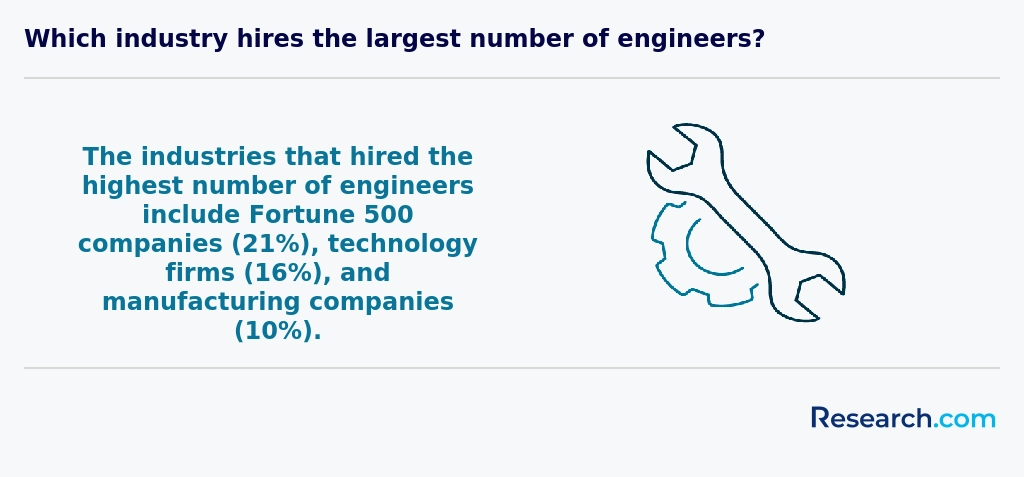
Montana’s engineering programs boast state-of-the-art facilities and robust research initiatives that immerse students in hands-on learning from day one. At Montana State University, the Norm Asbjornson College of Engineering features cutting-edge robotics labs, advanced materials testing centers, and dedicated wind energy research turbines. Similarly, Montana Tech’s Applied Research Lab offers interdisciplinary projects in areas such as autonomous systems and environmental monitoring. These well-equipped facilities ensure undergraduates can collaborate with faculty on funded research-whether optimizing solar panel efficiency or modeling geothermal systems. Undergraduate research opportunities are further enriched by partnerships with industry leaders and government agencies. Students may contribute to U.S. Department of Energy–sponsored projects or publish findings in peer-reviewed journals, strengthening their resumes and networks. For those seeking flexible learning pathways, students can explore comparative data on affordability and program quality by reviewing our anchor resource for online alternatives: Low Cost Online Bachelor's in Engineering Degree Programs Ranking in the South. By engaging in these immersive research experiences, graduates leave Montana’s campuses not only with technical expertise but also with evidence of innovation that appeals to top employers and graduate schools alike.
Engineering students in Montana often rely on a mix of federal, state, and university aid to navigate tuition costs. For example, graduates from Montana Tech recall how Pell Grants and federal student loans provided essential financial relief, allowing them to focus more on hands-on projects rather than financial stress.
State-specific programs such as Montana's State Need Grant have proven invaluable, particularly for residents attending in-state universities. One student shared how this grant dramatically lowered out-of-pocket expenses, making quality engineering education more accessible without sacrificing academic goals.
Universities like Montana State and Montana Tech offer merit-based scholarships that reward strong academic performance and active involvement in engineering clubs. Graduates often highlight how these scholarships boosted their confidence and helped them dive deeper into research and internships.
Looking ahead, growing partnerships between local industries and universities may create tailored scholarships and paid internships in sectors like renewable energy and mining, giving future students even more practical financial support while gaining career-ready experience.
Montana’s engineering programs extend learning beyond the classroom through a vibrant campus life and comprehensive student support services. Engineering students can join organizations like the Society of Women Engineers (SWE) and the American Society of Civil Engineers (ASCE), participate in intramural sports, and attend hackathons hosted by campus makerspaces. These extracurricular activities foster collaboration, leadership, and problem-solving skills, helping students build professional networks early. Dedicated career centers offer resume workshops, mock interviews, and employer networking events, ensuring graduates are well-prepared for internships and full-time roles. Housing options range from traditional residence halls to engineering-themed living-learning communities where students tackle real-world projects alongside peers and faculty mentors. Academic support includes tutoring centers for calculus and physics, writing labs for technical reports, and faculty office hours that encourage one-on-one guidance. University counseling services and peer-mentoring programs help maintain mental health and work-life balance, a crucial element in rigorous engineering curricula. To complement degree requirements, many institutions encourage students to pursue professional credentials-beyond standard coursework-such as computer hardware certifications, which can enhance technical expertise and employability. By integrating campus engagement with robust support infrastructure, Montana’s engineering schools cultivate well-rounded graduates ready to meet industry challenges.
Enrolling in an engineering degree in Montana starts with a solid foundation in high school math and science. Graduates from Montana State University often recall how their two years of algebra, coupled with courses in geometry and pre-calculus, gave them the confidence to tackle advanced calculus in their first year. These prerequisites don't just prepare students academically; they spark excitement for solving real-world problems.
Standardized tests like the SAT, particularly strong math scores, remain important for many programs despite growing test-optional policies. Successful applicants describe feeling motivated knowing their efforts in math can set them apart during admission.
Beyond exams, a complete application including transcripts and recommendation letters showcases a student's genuine passion. Engineering students at the University of Montana share that involvement in STEM clubs or internships made their application stand out and helped them visualize their future career.
Cost-conscious students appreciate that the affordability of Montana's public universities allows them to pursue engineering without overwhelming debt, fueling both ambition and optimism about what lies ahead.

Engineering degree programs in Montana, especially at institutions like Montana State University, typically blend foundational courses with hands-on learning that prepares students for the evolving demands of the field. Graduates often recall starting with essential subjects like Calculus and Physics, which form the backbone of understanding engineering challenges, while also appreciating the real-world applications explored in courses like General Chemistry and Introduction to Engineering.
As students advance, they dive into core topics such as Statics and Dynamics or Thermodynamics, deepening their grasp on mechanical systems and energy principles. A common highlight shared by many is the opportunity to engage in Computer-Aided Design (CAD) and Engineering Mechanics Labs, where theoretical knowledge turns into practical skills through teamwork and innovative projects that local industries eagerly support.
Looking ahead, Montana's engineering curricula are expected to integrate more computer science elements, reflecting the tech-driven future. Graduates feel optimistic, knowing their education not only covers traditional engineering fundamentals but also embraces emerging trends that will empower them in careers statewide and beyond.
Engineering degree specializations in Montana often reflect the state's unique economic and environmental landscape. Graduates from Montana State University and other local institutions find themselves immersed in Civil Engineering, driven by active infrastructure projects that offer hands-on experience in road and bridge construction. Mechanical Engineering is another popular path, connecting students with Montana's manufacturing hubs where innovative machine design is pivotal.
Electrical Engineering students enjoy exploring power generation and the modernization of Montana's electrical grid, while Environmental Engineering is increasingly relevant, as graduates participate in protecting natural resources and ensuring clean water. Some students pursue Computer Engineering, blending software and hardware skills tailored for Montana's emerging tech scene, often encouraged to earn computer hardware certifications to enhance their career prospects.
Those considering Montana engineering career specialization options praise the practical, research-based projects that align closely with regional needs, fostering optimism about future opportunities amid global trends toward sustainability and advanced technology.
Choosing the best engineering degree in Montana means focusing on programs that balance solid accreditation and practical experience. Graduates from Montana State University in Bozeman often share how hands-on internships with local industries, like energy or mining, made their education feel relevant and exciting. These real-world connections not only boost skills but also confidence entering the job market.
Among the numerous options, affordable engineering schools in Montana can offer competitive tuition rates near $8,300 annually, easing financial concerns without sacrificing quality. Imagine starting your studies with a clear path to internships and projects that align closely with Montana's growing demand for civil and environmental engineers, fueled by infrastructure and renewable energy initiatives.
For those exploring flexible learning, investigating online programs can be beneficial. Consider consulting the Low Cost Online Bachelor's in Engineering Degree Programs Ranking in the South to find future-friendly paths that fit your lifestyle while maintaining strong academic standards.
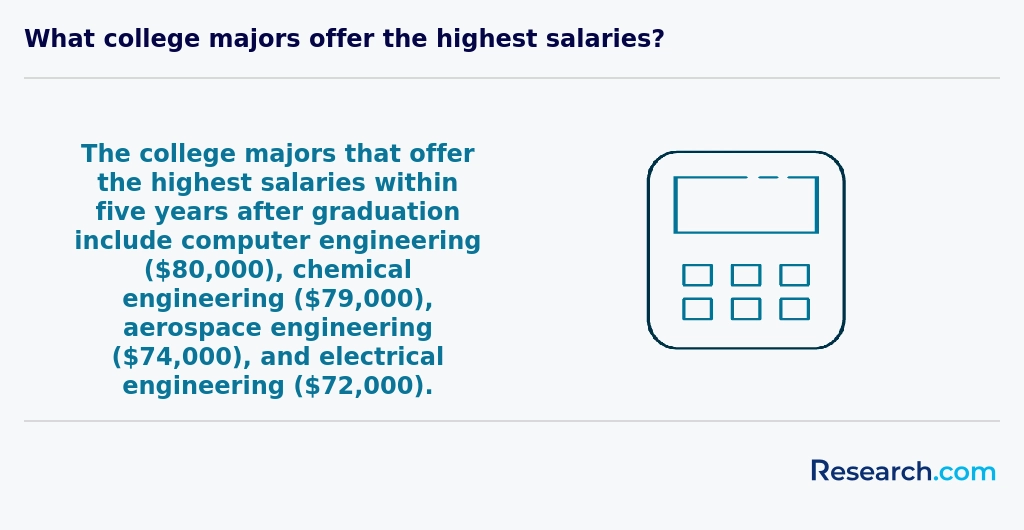
Graduates with an engineering degree in Montana find a diverse range of career paths fueled by the state's growing industries and infrastructure projects. Many pursue civil engineering roles in cities like Bozeman, working on roads, bridges, and water systems that directly impact local communities. Others with a mechanical engineering background join manufacturing and agricultural companies, contributing to innovative machinery design and maintenance. Electrical engineers are increasingly in demand for renewable energy projects, especially as Montana invests heavily in wind and hydroelectric power, creating exciting opportunities for problem solvers.
Engineering students from Montana State University Bozeman often share positive experiences landing internships related to software and systems engineering, driven by the state's emerging tech hubs. These opportunities reflect the evolving landscape of engineering career opportunities in Montana, blending traditional fields with advanced technologies. For those unsure about specialization, exploring certifications that make good money can open additional doors. The mix of affordable education and growing sectors makes the job prospects for engineering graduates Montana particularly promising and encouraging.
The engineering job outlook in Montana shows promising potential for graduates willing to engage with the state's diverse industries. Those completing degrees at Montana's universities and technical colleges often find rewarding opportunities due to strong partnerships between schools and local employers. Graduates share experiences of securing internships related to energy production and civil infrastructure, which ease the transition from study to career. These connections help students build relevant skills and networks, making them competitive candidates in the job market.
Montana's expanding sectors in renewable energy and manufacturing create steady demand, especially for electrical and mechanical engineers. While the state's rural geography may limit sheer volume of openings, the focus on specialized skills compensates by offering competitive salaries, which align with favorable cost of living. The Montana engineering career prospects include work in areas such as mining and natural resource management, giving graduates meaningful roles that impact the region's development.
Students considering their options should explore affordable education costs and financial aid, which enhance the value of degrees from local institutions. For those seeking flexibility, programs like the best degree programs for seniors online offer additional pathways, especially appealing as lifelong learning becomes more important in engineering fields.
2027 Best Engineering Degree Programs Ranking in Montana
Investing in your education is a significant decision that can shape your future, and the Research.com team understands the importance of making informed choices. To assist prospective students in Montana, we have meticulously developed the "2027 Best Engineering Degree Programs Ranking in Montana." Our dedication to quality, credibility, and accuracy is demonstrated through rigorous research and analysis to create a trustworthy ranking.
We utilized the following reputable data sources to ensure a comprehensive evaluation of engineering programs:
By exploring this ranking, readers will gain valuable insights into the top engineering degree programs in Montana, empowering them to make well-informed educational decisions. For more information on how this ranking was created, please visit our Research.com methodology page.


Frequently Asked Questions About engineering
Engineering students in Montana can maximize their learning by engaging actively with both academic and practical experiences. Montana State University, the state's primary engineering school, offers strong research programs in fields such as mechanical and civil engineering, which provide hands-on labs and internships. Participating in undergraduate research funded by agencies like the National Science Foundation can enhance practical skills. Additionally, students benefit greatly from joining professional organizations such as the Montana Society of Engineers, which offers networking and mentorship opportunities. Utilizing state resources, including Montana's growing tech and energy sectors, helps students apply classroom knowledge in real-world settings.
The engineering field in Montana is evolving rapidly, with several emerging niches gaining importance. Renewable energy engineering is growing due to the state's investment in wind and solar power. According to the Montana Department of Labor & Industry, jobs in this area are expected to increase by 12% by 2030.
Another developing area is environmental engineering, driven by the need for water resource management and mining reclamation projects. Montana's rich natural resources require engineers skilled in sustainable practices.
Additionally, aerospace engineering is becoming relevant, supported by Montana's expanding aerospace industry and research collaborations with universities such as Montana State University.
These emerging fields offer many opportunities for students pursuing engineering degrees in Montana.
Preparing for the job market after earning an engineering degree in Montana involves strategic planning and skill development. Internships and cooperative education programs offered by Montana universities provide practical experience valued by employers. According to the Montana Department of Labor & Industry, engineers in the state have a median annual wage of around $85,000, highlighting the need for competitive skills.
Students should consider obtaining professional engineering (PE) licensure, which increases job prospects. Networking through local chapters of the American Society of Civil Engineers and other groups can connect graduates with Montana employers. Additionally, proficiency in software like AutoCAD and MATLAB is frequently requested in job postings within the state's growing energy and manufacturing sectors.
Employers in Montana highly value engineering graduates who combine strong technical expertise with practical problem-solving abilities. According to the Montana Department of Labor & Industry, proficiency in computer-aided design (CAD) and understanding of renewable energy systems are increasingly important, reflecting the state's focus on sustainable infrastructure projects.
Communication skills are also critical. Engineering roles often require teamwork and clear reporting, so graduates must articulate complex ideas effectively. Additionally, Montana's growing aerospace and manufacturing sectors emphasize adaptability and knowledge of industry-specific software tools.
Data analysis and project management skills are frequently requested, aligning with national trends reported by the Bureau of Labor Statistics for engineering occupations.
Finding internships in Montana relevant to an engineering degree involves several strategic steps. Start by exploring opportunities offered through Montana universities with engineering programs, such as Montana State University, which has connections with local industries. The Montana Department of Labor and Industry reports that sectors like manufacturing and energy present numerous engineering internship openings.
Check local company websites and job boards such as MontanaWorks and Handshake for postings. Networking events and career fairs hosted by universities or professional groups like the Montana Society of Engineers are valuable for making industry contacts.
Federal programs supporting engineering internships, including those through the Department of Energy or National Science Foundation, occasionally offer Montana-specific placements. Early application and tailored resumes increase the chance of success.
Obtaining an engineering degree in Montana significantly enhances career mobility and advancement opportunities. The state's growing sectors, such as energy, construction, and manufacturing, rely heavily on skilled engineers. According to the U.S. Bureau of Labor Statistics, Montana's employment of engineers is projected to grow by approximately 5% through 2031, slightly faster than the national average.
Graduates with engineering degrees possess technical expertise that qualifies them for higher-paying roles and leadership positions. Employers in Montana often prefer candidates with a formal engineering education due to the complex nature of projects and regulatory compliance involved.
Furthermore, holding an engineering degree facilitates easier transitions across industries within the state, contributing to a dynamic career path. Montana's educational institutions also offer strong connections to local employers, fostering internships and job placements that aid career progression.
Studying for an engineering degree in Montana offers a strong foundation for interdisciplinary roles by combining technical skills with practical applications. Montana's engineering programs, such as those at Montana State University, emphasize collaboration across fields like environmental science, computer programming, and business management. This approach reflects the demands of industries in Montana, including renewable energy and natural resource management.
Students often engage in projects that require understanding diverse disciplines, preparing them for complex problem-solving in real-world settings. According to the National Science Foundation, Montana reports consistent growth in engineering employment, highlighting the value of versatile expertise. Thus, Montana's engineering education fosters adaptability and broad knowledge crucial for interdisciplinary careers.
Choosing between a thesis and a non-thesis engineering degree program in Montana depends on your career goals and learning preferences. A thesis option involves conducting original research, which can be beneficial if you plan to pursue a Ph.D. or a research-focused career. Montana's universities, such as Montana State University, offer strong research facilities supporting these paths.
Non-thesis programs focus more on coursework and practical skills, suitable for students targeting industry roles immediately after graduation. According to the National Center for Education Statistics, about 60% of engineering grads in Montana enter the workforce directly, making non-thesis degrees appealing.
Consider your long-term plans and consult faculty advisors at your chosen Montana institution to make an informed decision.
Students in Montana seeking engineering degrees have several pathways to study abroad through their home institutions. Many universities in Montana, such as Montana State University, offer exchange programs and partnerships with foreign universities, enabling students to take courses overseas while earning credits toward their degrees.
These programs usually focus on countries with strong engineering industries like Germany, Japan, and South Korea. Montana State University, for example, participates in global collaborations that allow engineering students to gain international experience.
Additionally, students can explore summer research internships or study-abroad programs designed specifically for engineering disciplines, often supported by U.S. federal grants or scholarships. According to the Institute of International Education, about 10% of U.S. engineering students engage in some form of study abroad.
Students pursuing engineering degrees in Montana have various part-time job opportunities that complement their education. Positions such as lab assistants, CAD (computer-aided design) technicians, and research aides at universities provide practical experience closely tied to engineering concepts. According to the Montana Department of Labor, internships and part-time roles in manufacturing and energy sectors are also common, offering hands-on exposure to industrial processes and systems.
Many local firms in cities like Bozeman and Missoula seek engineering interns, especially in civil and mechanical fields. Such roles often enhance skills in problem-solving and project management, essential for engineering careers.
Additionally, student roles in community-based renewable energy projects help develop knowledge in sustainable engineering, aligning with Montana's growing green energy initiatives tracked by the Montana Energy Office.
Engineering students in Montana have access to several valuable networking opportunities that can enhance their career prospects. Institutions like Montana State University (MSU) host engineering career fairs and industry panels, connecting students with local employers in sectors such as aerospace, energy, and manufacturing. The American Society of Mechanical Engineers (ASME) and other student chapters exist on campuses, fostering professional networking and technical workshops.
Additionally, Montana's engineering programs often collaborate with regional companies through internships and co-op programs, offering real-world experience and contacts. According to the Montana Department of Labor, industries employing engineers have grown 3.5% annually, indicating increasing local demand for networking and professional engagement.
Alumni networks play a significant role in supporting engineering degree students in Montana by providing access to experienced professionals and industry connections. These networks often offer mentorship programs, internships, and job placement opportunities, which can be crucial in Montana's competitive engineering job market. According to the Montana University System, schools like Montana State University regularly engage alumni to help guide current students through career pathways.
Networking events and alumni-led workshops enhance students' skills and expose them to local industries such as energy, construction, and technology. This community connection fosters professional growth and can improve employment outcomes after graduation.
Engineering degree programs in Montana offer various ways to tailor your studies according to your career goals. Many universities provide specialized tracks or concentrations within fields such as civil, mechanical, or electrical engineering. For example, Montana State University Bozeman allows students to choose electives focusing on renewable energy or robotics, reflecting the state's growing industries.
Students can also engage in internships and cooperative education programs offered through local businesses and government agencies, gaining practical experience in Montana's energy, manufacturing, and tech sectors. Additionally, research opportunities enable customization through projects aligned with regional needs.
Advisors assist in planning course selections to align with licensure requirements and professional certifications, crucial for engineers in Montana.
Engineering students in Montana often face several challenges unique to the state's educational and economic landscape. Limited access to large-scale engineering firms means fewer local internship opportunities compared to more industrialized regions. According to the Montana University System, many students must seek internships out-of-state, which can increase costs and logistical difficulties.
Another challenge is the relatively small size of engineering programs in Montana, which can lead to fewer specialized courses and research options for students. This sometimes impacts their exposure to cutting-edge technologies prevalent in larger universities nationally.
Students also report balancing demanding coursework with part-time jobs due to the state's higher-than-average tuition rates for out-of-state learners, as noted by the National Center for Education Statistics. Additionally, rural locations may limit networking events and industry connections critical for career development.
With an engineering degree in Montana, graduates can pursue several professional certifications to enhance their careers. The most recognized is the Professional Engineer (PE) license, which requires passing the Fundamentals of Engineering (FE) exam, gaining work experience, and then passing the PE exam. This license allows engineers to legally sign off on projects and offer services to the public.
Other valuable certifications include Certified Engineering Manager (CEM) and Project Management Professional (PMP), which can boost leadership skills. Montana's growing industries, such as energy and infrastructure, value these credentials highly, improving job prospects and earning potential. Data from the Montana Department of Labor supports increased demand for certified engineers statewide.
Writing a winning application for an engineering program in Montana requires careful preparation and attention to detail. First, ensure your academic record demonstrates strong skills in math and science, as these are critical for engineering programs. According to the Montana University System, competitive applicants typically have a high school GPA above 3.5 and strong ACT or SAT scores.
Highlight relevant extracurricular activities such as robotics clubs, math competitions, or internships in engineering fields. Personal statements should clearly express your passion for engineering and specific interest in Montana's industries, like renewable energy or mining.
Letters of recommendation from teachers familiar with your abilities in STEM subjects are essential. Finally, review each program's specific requirements at schools like Montana State University to tailor your application effectively.
The global perspective on an engineering career highlights its vital role in driving innovation and economic growth. Engineering skills are in high demand worldwide, and a degree from Montana's institutions is recognized for strong technical foundations. According to the U.S. Bureau of Labor Statistics, engineering jobs in the U.S. are projected to grow about 6% from 2021 to 2031, faster than average. Montana aligns with this trend, with increasing opportunities in fields like civil and environmental engineering due to infrastructure development and natural resource management.
Internationally, engineering careers offer chances to work on global challenges such as sustainable energy and infrastructure resilience. For Montana students, this global relevance means their education can open doors to diverse industries and collaborative projects beyond state borders.
Gaining practical experience while studying engineering in Montana is essential for building career-ready skills. Many universities in the state, such as Montana State University, encourage students to participate in cooperative education (co-op) and internship programs. These opportunities allow students to work with local industries, including aerospace, energy, and manufacturing sectors, gaining hands-on experience.
Additionally, engineering students can join campus organizations or clubs, like the Society of Women Engineers or the American Society of Civil Engineers, which often engage in projects and competitions. Research initiatives funded by the National Science Foundation or state grants may also provide valuable lab experience.
According to the U.S. Bureau of Labor Statistics, internships significantly improve employment prospects post-graduation, an important factor to consider when studying in Montana's growing engineering landscape.
Choosing the right concentration within an engineering degree program in Montana involves evaluating your interests and the industry demand in the state. Popular engineering fields in Montana include civil, mechanical, and environmental engineering, reflecting the region's infrastructure development and natural resources management. According to the U.S. Bureau of Labor Statistics, Montana's engineering employment is projected to grow about 8% through 2030, with civil engineers among the highest in demand.
Consider local workforce needs by reviewing job postings and internship opportunities offered through Montana's universities and technical schools. Aligning your concentration with sectors such as renewable energy and construction can improve employment prospects in Montana's growing economy. Additionally, discuss your goals with academic advisors and attend program info sessions to gain deeper insight.
- 2027 Best Engineering Degree Programs Ranking in Idaho
- 2027 Best Engineering Degree Programs Ranking in Washington
- 2027 Best Engineering Degree Programs Ranking in Colorado
- 2027 Best Engineering Degree Programs Ranking in Nevada
- 2027 Best Engineering Degree Programs Ranking in Iowa
- 2027 Best Engineering Degree Programs Ranking in California
- 2027 Best Engineering Degree Programs Ranking in Arizona
- 2027 Best Engineering Degree Programs Ranking in Illinois
- 2027 Best Engineering Degree Programs Ranking in Missouri
- 2027 Best Engineering Degree Programs Ranking in Louisiana
See What Experts Have To Say About Studying Engineering
Read our interview with Engineering experts

Joseph Reichenberger
Engineering Expert
Professor of Civil Engineering & Environmental Science
Loyola Marymount University

Jasna Jankovic
Engineering Expert
Associate Professor
University of Connecticut

Bohdan W. Oppenheim
Engineering Expert
Professor Emeritus of Healthcare Systems Engineering
Loyola Marymount University

- Top Certification Courses for Advancing Engineering Careers - IJOER Engineering Journal Blog https://ijoer.com/blog/top-certification-courses-for-advancing-engineering-careers
- Bachelor of Engineering – kierunki i perspektywy kariery https://educat.study/pl/bachelor-of-engineering/
- Executive Search and Outplacement Services for the Engineering, Architecture, Construction, and Manufacturing Industries https://www.davron.net/stand-out-niche-engineering-job-market/
- engineering degree - Tłumaczenie po polsku - Słownik angielsko-polski Diki https://www.diki.pl/slownik-angielskiego
- What To Look for When Getting an Engineering Job After College | H+M EPC https://www.hm-ec.com/blog-posts/what-to-look-for-when-getting-an-engineering-job-after-college-hm
- Study Engineering Abroad https://yocket.com/blog/study-engineering-abroad
- Montana Engineering Programs - Educating Engineers https://educatingengineers.com/states/montana/
- Julie Mowatt https://www.nspe.org/career-growth/pe-magazine/may-2019/survey-provides-global-perspective-engineering
- Civil Engineering Technology BS & AAS | MSU Northern https://www.msun.edu/academics/cots/program-CET.aspx
- How Do You Decide Which Engineering Career is Right for You? https://www.straighterline.com/blog/which-engineering-career-right-for-you