
2027 Most Valuable Education Degree Programs Ranking in Storrs

Co-Founder and Chief Data Scientist
Choosing the right education degree program can shape your future in meaningful ways. This article introduces the 2027 Most Valuable Education Degree Programs Ranking in Storrs, developed by the Research.com team of data scientists.
Designed to help you make an informed decision, the ranking highlights programs that offer strong career potential and valuable skills.
Exploring this guide can inspire confidence as you consider your path to making a positive impact through education. Discover which programs stand out and take a step toward a rewarding future in Storrs.
Key benefits of getting education degree in Storrs
- Graduates with an education degree in Storrs can expect competitive salaries, such as $76,000 for Special Education Teachers and $77,200 for Instructional Designers, providing strong financial stability.
- Education degree holders from the University of Connecticut in Storrs have diverse career paths, including teaching, instructional design, and early childhood education, allowing for fulfilling and varied work opportunities.
- Completing an education degree online from UConn offers flexibility, saving time and money while still delivering quality instruction that prepares graduates for success in their education careers.
- Key benefits of getting education degree in Storrs
- What can I expect from education degree in Storrs?
- Where can I work with education degree in Storrs?
- How much can I make with education degree in Storrs?
- 2027 Most Valuable Education Degree Programs Ranking in Storrs
- Key Findings
- How long does it take to complete education degree in Storrs?
- Affordable Online Education Alternatives
- What's the difference between online and on-campus education degree?
- Licensure and Certification Requirements
- What is the average cost of education degree in Storrs?
- Top Ranked Education Programs in Storrs, CT
- What financial aid is available to education degree students in Storrs?
- Future Trends and Innovations in Education
- What are the prerequisites for enrolling in education degree program in Storrs?
- Return on Investment
- What courses are typically in education degree programs in Storrs?
- What types of specializations are available in education degree programs in Storrs?
- How do you choose the best education degree in Storrs?
- What career paths are available for education degree students in Storrs?
- What is the job market for education degree in Storrs?
- Top Trending Education Rankings
- See What Experts Have To Say About Studying Education
What can I expect from education degree in Storrs?
When planning the cost of an education degree in Storrs, you'll find that attending the University of Connecticut (UConn) forms the core expense. For the 2023-2024 academic year, in-state undergraduate tuition runs around $15,916, while out-of-state students can expect about $42,278. Graduates frequently share how managing these costs felt manageable thanks to UConn's financial aid options and scholarships aimed specifically at education majors.
Many students experience the combination of tuition and living expenses as an investment that pays off once they start teaching locally. Clinical experiences and student teaching placements, integral parts of the program, provide hands-on learning that prepares graduates for state certification requirements.
One common scenario: a graduate balances part-time work and scholarship awards during studies, making the hefty out-of-state tuition easier to handle. The steady demand for teachers in special education and STEM fields further reassures students that the financial burden aligns with strong job prospects after graduation.
Where can I work with education degree in Storrs?
With an education degree in Storrs, many graduates find rewarding roles in public and private schools within Regional School District 19, teaching elementary through high school students. Practical experience from programs at the University of Connecticut helps prepare graduates to confidently step into classroom teaching, school counseling, or administrative roles. For example, some graduates secure positions as school counselors, using their training to support student development firsthand.
If classroom teaching isn't your only goal, consider early childhood education settings like local preschools and daycare centers, where certified educators are in demand. Many graduates from Storrs-based programs have moved into these roles, appreciating the opportunity to shape young learners' foundations.
Education administration is another practical step, with graduates advancing into leadership roles such as principals or district coordinators after earning additional certifications. Some also find jobs supporting curriculum development or educational research at the University of Connecticut, combining hands-on teaching knowledge with academic insight.
Finally, nonprofit organizations and community programs offer roles in educational outreach, allowing graduates to make a real difference locally. The diverse paths in Storrs reflect the community's strong investment in education, offering both stability and room to grow.
How much can I make with education degree in Storrs?
Graduates with education degrees in Storrs, particularly those from well-known local institutions like the University of Connecticut, typically find competitive salaries within the region. For instance, entering roles such as elementary school teachers can expect mean annual wages around $70,740, providing a solid foundation for those starting their careers.
Special Education teaching positions offer even higher average pay, with mean salaries near $76,000 annually. This is encouraging for graduates who pursue certifications in specialized fields. ESL teachers, another common path for education graduates, earn approximately $65,430 per year, which aligns well with local demand for language educators.
For those interested in early childhood education, starting salaries are generally lower but still respectable, averaging about $41,410 yearly. Many graduates enhance their prospects by moving into instructional design roles, where salaries average $77,200, reflecting the growing importance of digital learning tools.
Graduates often share that securing these roles near Storrs provides both professional satisfaction and financial stability, especially as the local education sector values experience and advanced certifications highly.
2027 Most Valuable Education Degree Programs Ranking in Storrs
How do we rank schools?
Investing in your education is a significant decision that can strongly influence your future, and the Research.com team is fully aware of the importance of making well-informed choices. To support students in Storrs, we have carefully developed the "2027 Most Valuable Education Degree Programs Ranking." Our dedication to quality, credibility, and accuracy is demonstrated through thorough research and detailed analysis underpinning this ranking.
We utilized the following reputable data sources to ensure a comprehensive evaluation of education degree programs:
By consulting this ranking, readers will receive valuable insights into the most worthwhile education degree programs in Storrs, enabling them to make confident decisions about their academic journeys. For further information on how this ranking was created, please visit our Research.com methodology page.

Key Findings
- The average in-state tuition for a bachelor's degree in education at UConn is about $14,000 per year, while out-of-state tuition can exceed $40,000 annually.
- Graduate education programs typically cost between $14,000 and $25,000 per year, depending on residency and program specifics.
- Entry-level salaries for education graduates in the Storrs area range from $45,000 to $55,000, matching Connecticut's median starting teacher salary.
- With experience and advanced degrees, education professionals can earn between $70,000 and $80,000 annually.
- Employment growth for education jobs in Storrs is projected at about 3% over the next decade, aligned with the national average.
- Certification from the Connecticut State Department of Education is required to work as a public school teacher in the area.
How long does it take to complete education degree in Storrs?
Completing an education degree in Storrs typically takes about four years for a bachelor's program, especially at the University of Connecticut (UConn), the area's main institution. Graduates often recall balancing around 120 to 130 credit hours that include general education, core education courses, and hands-on fieldwork. This structure gives a clear roadmap-focus on steady progress each semester to avoid extending your timeline.
If you're aiming for a master's degree, expect to spend an additional one to two years. Many full-time graduate students at UConn's Neag School of Education finish in about two years, juggling coursework and teaching internships. Graduates find this manageable with good planning, as the pace feels intensive yet rewarding.
Doctoral degrees, like PhD or EdD options, require more patience, typically four to six years. Graduates often note that setting realistic milestones on dissertation research and exams makes the process less overwhelming, especially if they study part-time while working.
Part-time options at UConn offer valuable flexibility, allowing students to pace their studies based on work or personal commitments without losing momentum on their goals.
Affordable Online Education Alternatives
For students in Storrs, CT seeking lower tuition rates and greater scheduling flexibility, exploring affordable online education degree programs can be a smart strategy. Many institutions outside Connecticut now offer accredited, high-quality online education degrees at a fraction of the cost of on-campus options. These programs often feature: • Competitive Tuition: By eliminating campus fees and leveraging digital resources, online providers can reduce per-credit costs by up to 40%. • Flexible Scheduling: Self-paced coursework and evening or weekend classes allow working professionals to balance study with career or family commitments. • Broad Specializations: From early childhood education to instructional design, students can choose concentrations that align with their career goals without relocating. If affordability is your top priority, consider reviewing the Cheapest Online Education Degree Programs Ranking in Virginia Beach, VA to compare tuition, program length, and student satisfaction metrics. By weighing these online alternatives alongside local offerings in Storrs, you can maximize return on investment while achieving the credentials needed for a successful teaching or educational leadership career.
What's the difference between online and on-campus education degree?
Choosing between online and on-campus education degrees in Storrs hinges on your lifestyle and learning preferences. At the University of Connecticut, for example, graduates who pursued on-campus programs highlight the value of face-to-face interaction with professors and peers, which helped them build lasting professional networks and access campus resources like research labs. This environment fosters a sense of community and smoother collaboration during student teaching placements in local schools.
On the other hand, graduates from online education programs often celebrate the flexibility to study around busy work or family schedules. They accessed lectures and assignments digitally, which required strong self-discipline but also developed their skills in remote communication-a growing asset in today's schools. While online tuition at UConn can be slightly lower, online students must budget for technology needs and occasional travel to campus for orientations or exams.
Both formats meet rigorous accreditation standards and are equally respected by employers in Storrs, so your choice depends on whether you prioritize in-person engagement or flexible scheduling for your education degree.
Licensure and Certification Requirements
Earning an Education degree in Storrs, CT is only the first step toward a rewarding teaching career-navigating Connecticut’s licensure and certification process is equally crucial. To teach in public schools, graduates must obtain an Initial Educator Certificate through the Connecticut State Department of Education (CSDE). Key requirements include: • Academic Credentials: A bachelor’s degree from a regionally accredited institution with a minimum 2.7 GPA in education coursework. • Examinations: Passing scores on the Praxis Core Academic Skills for Educators (reading, writing, mathematics) and the Praxis II Subject Assessments for your endorsement area. • Student Teaching Portfolio: Submission of a CSDE-approved edTPA portfolio demonstrating effective lesson planning, instruction, and assessment strategies. • Background Check: Completion of state and federal fingerprinting and background screenings to ensure classroom safety. Alternative certification routes are available for career changers or professionals with non-teaching backgrounds. Connecticut’s Alternate Route to Certification (ARTC) program pairs candidates with experienced mentors and allows part-time provisional teaching while completing certification requirements. After initial certification, educators must renew every five years by completing 100 hours of professional development or 15 continuing education credits, ensuring ongoing mastery of best practices and evolving curriculum standards. For those seeking flexible degree options that align with Connecticut’s certification standards, exploring the best online bachelor’s in education programs can streamline both academic and licensure pathways.
What is the average cost of education degree in Storrs?
The average cost of an education degree in Storrs, centered primarily around the University of Connecticut, reflects a careful balance of tuition and additional expenses. Graduates from UConn typically report a median total cost of about $21,044 for in-state students and $59,082 for out-of-state students. These figures include tuition, fees, and necessary supplies, giving a realistic picture of the financial commitment needed.
For those planning their budget, understanding the total tuition and fees for education degrees in Storrs is crucial. Many education students share that budgeting beyond just tuition-covering room, board, books, and technology fees-has helped them avoid surprise expenses during their studies. These costs can easily add up but are manageable with proactive planning.
One practical tip from education graduates in Storrs involves leveraging financial aid opportunities and assistantships offered by the university. Exploring scholarships early on can significantly ease the financial burden and make the investment feel more attainable. Prospective students should also consult the https://research.com/careers/education-careers resource for insights into balancing education costs with career prospects.
Choosing to study education in Storrs offers the advantage of competitive public university rates, especially for Connecticut residents, making the pursuit of teaching credentials more accessible. This affordability, paired with strong educational programs, helps many feel confident about their decision despite the high costs often associated with higher education degrees.
Top Ranked Education Programs in Storrs, CT
- University of Connecticut – Master of Arts in Curriculum & Instruction
High ROI with a 90% job placement rate and average graduate salary of $73,000.
- University of Connecticut – Bachelor of Science in Elementary Education
Combines hands-on practicum with a robust curriculum; graduates earn a mean annual wage of $56,000.
- Eastern Connecticut State University – Bachelor of Arts in Special Education
In-state tuition under $11,000 per year and prepares students for roles with a starting salary around $50,000.
For those seeking graduate study on a budget, explore our affordable masters degrees.
What financial aid is available to education degree students in Storrs?
Education students in Storrs, attending universities like UConn, often rely first on federal aid such as Pell Grants, which many graduates describe as a financial lifesaver since these do not need to be repaid. During their studies, they typically secure federal student loans with favorable interest rates-undergraduates borrowing up to $12,500 annually and graduate students up to $20,500. This layered support helps cover the average tuition of $15,000 to $18,000 per year for in-state undergrad programs and $20,000 to $25,000 for master's degrees.
State grants like the Roberta B. Willis Scholarship are a practical boost, especially for those enrolled in teacher certification tracks, while merit-based programs such as the Governor's Scholarship can further reduce costs. Many graduates recall applying to these opportunities early to maximize benefits.
Institutional aid, including scholarships and assistantships offered by Storrs universities, provides hands-on experiences while easing tuition expenses. Graduates often mention how working as teaching assistants or research aides made a significant difference.
Those currently employed might find employer tuition reimbursement valuable; many local school districts actively support teachers advancing their credentials. This combination of federal, state, institutional, and employer resources creates a practical path toward an affordable education degree in Storrs.
Future Trends and Innovations in Education
The education landscape is rapidly evolving as emerging technologies and innovative teaching methods reshape the way knowledge is delivered and consumed. Today’s forward-thinking programs are incorporating digital tools such as blended learning, adaptive assessments, and virtual reality to create dynamic, interactive classrooms that prepare graduates for modern challenges. Institutions in Storrs, CT are increasingly emphasizing continued professional development, ensuring that both educators and students remain agile in a fast-changing environment. Students are encouraged to consider programs that integrate these technological advancements and progressive methodologies into their curriculums, as these are key indicators of a future-ready education. For instance, by exploring valuable education programs in connecticut, prospective students can identify schools that not only maintain high academic standards but also invest in innovative strategies that meet industry demands. Staying updated with these trends-such as personalized learning approaches, data-driven instruction, and collaborative digital platforms-can provide a competitive edge in the job market and foster lifelong learning. This proactive approach ensures that graduates can adapt to new educational paradigms and lead the charge in transforming classrooms for a diverse and interconnected world.
What are the prerequisites for enrolling in education degree program in Storrs?
If you're aiming to enroll in an education degree program in Storrs, the path begins with having a high school diploma or GED. For undergraduates, submitting SAT or ACT scores is often required, though some schools now offer test-optional options, making it a smoother process for many applicants. Graduate programs typically expect a completed bachelor's degree from an accredited institution.
Graduates from the University of Connecticut's education programs shared that maintaining a solid GPA, usually around 3.0 or higher, was crucial. They also emphasized obtaining clear state and national background checks, which are standard prerequisites ensuring you're eligible to work with children safely.
Many students found completing prerequisite courses in English, math, and social sciences helped them stay on track. Hands-on experiences, like volunteering or internships in local classrooms, gave them confidence and valuable insight into teaching realities-something highly valued by programs in Storrs.
Lastly, strong communication skills demonstrated through writing samples or interviews greatly improved admission success for aspiring educators here.
Return on Investment
Evaluating the return on investment (ROI) helps you weigh program costs against future earnings and career growth.
- Upfront costs include tuition, fees, and living expenses, averaging $27,146/year for in-state and $45,708 for out-of-state students.
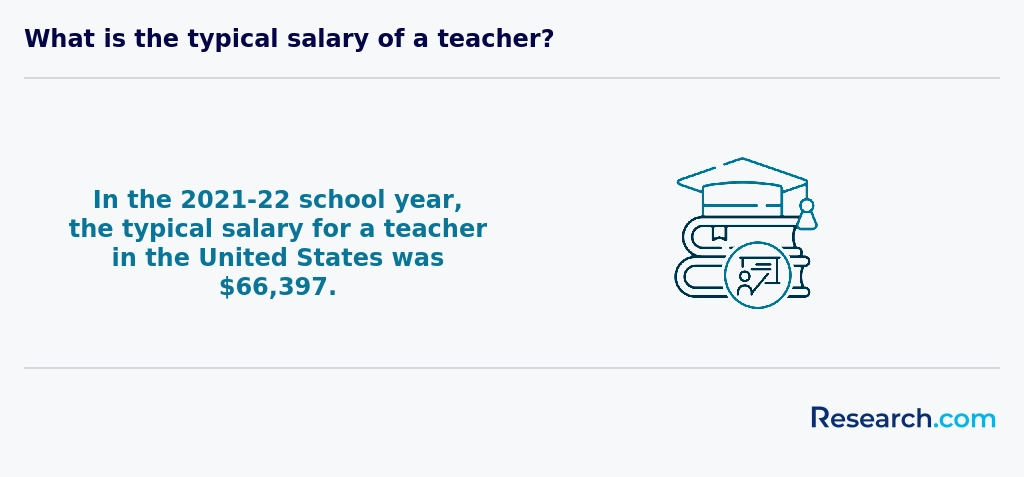
- Starting salaries range from $38,640 for early childhood educators to $73,080 for instructional designers.
- Typical payback period spans 3–5 years, based on residency status and chosen career path.
- Long-term ROI increases as educators move into leadership roles, where salaries can exceed $100,000 annually.
To further boost your earning potential, explore what bachelors degree should i get.
What courses are typically in education degree programs in Storrs?
If you're enrolling in an education degree program in Storrs, particularly at the University of Connecticut, expect a solid lineup of practical courses designed to prepare you for real classrooms. Graduates often recall starting with Introduction to Education, which grounds you in the school system and the teaching profession-helpful for first-time education majors to visualize their future roles.
Courses like Educational Psychology help you understand how kids think and learn, which proved eye-opening for many students when planning lessons. Curriculum Design and Instruction teach you step-by-step how to create engaging lesson plans, while Classroom Management offers proven strategies for maintaining control and fostering a positive environment-a must-have skill for every teacher.
Assessment and Evaluation classes show you how to measure student progress, which graduates say made grading feel less daunting and more meaningful. If you want to specialize, courses in Special Education or Educational Technology will equip you to meet diverse learner needs and use modern tools effectively. These courses combine theory with hands-on experiences, reflecting what students say made their UConn education degree both rewarding and practical.
What types of specializations are available in education degree programs in Storrs?
Education degree specializations in Storrs cover a range of practical fields designed to meet today's diverse classroom and administrative needs. Graduates from well-known local colleges often highlight their training in Early Childhood Education, where they learn to support developmental milestones from birth to age eight, making real impacts in nearby community preschools. Others focus on Elementary Education, gaining skills in curriculum design and classroom management that prepare them for roles teaching multiple subjects to younger students.
For those aiming for middle or high school settings, Secondary Education offers concentrations in subjects like math and science, helping educators feel confident guiding teens through key academic challenges. Special Education remains in high demand locally; many graduates feel rewarded working with students requiring individualized education programs tailored to diverse learning styles. Universities emphasize specializations aligned with regional workforce needs, which ensures students remain competitive. Exploring Storrs education programs by specialization also reveals pathways in Educational Leadership and Bilingual and ESL Education, equipping future administrators and bilingual instructors with essential skills.
Students considering their options should research available financial aid and consider programs such as the best low-cost MFA programs in fine arts for affordable alternatives within related fields.
How do you choose the best education degree in Storrs?
Start by identifying which education degree matches your career goals in Storrs. Graduates from the University of Connecticut often highlight how choosing specialized tracks like curriculum development or educational leadership helped them enter their desired roles confidently. Consider the reputation of programs available locally, such as those at UConn's Neag School of Education, which is known for strong licensure preparation and research opportunities.
Next, weigh the costs realistically. Tuition at in-state public schools in Connecticut typically runs around $17,000 per year, but it doubles for out-of-state students. Many students find that applying for scholarships or financial aid eases this burden, making affordable education degrees Storrs Connecticut an achievable goal. One practical step is to compare tuition fees and look at actual expenses students face beyond tuition to budget effectively.
Look into program quality by checking accreditation and employment rates. Many graduates appreciate UConn's Council for the Accreditation of Educator Preparation (CAEP) accreditation, which ensures high standards. Positive outcomes like 85% job placement within six months after graduation make a strong case for program reliability.
Finally, consider flexible learning options and hands-on experience. Student-teachers in Storrs value the chance to work in nearby schools, gaining practical skills that make their transition smoother. Whether you prefer traditional campus settings or hybrid online formats, such as those offered at UConn, assess what fits your lifestyle. For additional flexible program ideas, see the most affordable MFA degrees online.
What career paths are available for education degree students in Storrs?
Graduates with an education degree in Storrs often pursue several practical career paths tailored to the local educational ecosystem. Many become licensed K-12 teachers at nearby schools, benefiting from UConn's strong partnerships with district schools that streamline certification and job placement. These graduates appreciate the security of Connecticut's teacher demand and the competitive median salary that supports a comfortable lifestyle. Others leverage their degree to become school counselors or educational administrators, roles that frequently require additional certification or a master's degree but offer meaningful leadership opportunities.
Jobs with education degree in Storrs Connecticut extend beyond traditional classroom roles. Graduates often find rewarding positions as special education teachers or curriculum designers, helping address specific student needs and improve educational standards. Some even transition into corporate training or consultancy, applying their skills in broader sectors. For those weighing options, exploring the benefits of online physical education degree programs can offer flexible pathways into specialized fields.

What is the job market for education degree in Storrs?
The job market for education degree job opportunities in Storrs remains solid, supported by Connecticut's competitive teacher salaries that average $74,000 annually. Graduates from the University of Connecticut (UConn) often step directly into roles within local public and private schools, finding rewarding positions in special education, administration, and curriculum development. Many have shared how their internships at nearby districts provided a smooth transition into full-time employment, making the most of UConn's strong regional connections.
For prospective students, the Storrs education degree career outlook includes growing demand for educators skilled in STEM and inclusive teaching practices. This means graduates can expect diverse roles beyond traditional classrooms. Some have pursued opportunities in educational technology or counseling, benefiting from collaborative efforts between UConn and local non-profits.
It's practical to consider costs when planning your degree path, with in-state tuition around $18,000 per year at UConn. Also, exploring online resources and programs can enhance your skills; for example, students often explore online child development education benefits to widen their career options while studying.
Frequently Asked Questions About education
Education degree students in Storrs can maximize their learning experience by actively engaging with the University of Connecticut's extensive resources. The university offers access to over 200 specialized education courses, allowing students to tailor their studies to areas such as special education or curriculum design. According to the U.S. Department of Education, students who participate in hands-on field experiences improve their teaching skills by up to 30% compared to those who do not.
Storrs students benefit from local partnerships with nearby schools, providing practical classroom experience essential for licensure. Joining study groups and education-focused organizations also enhances peer learning, fostering deeper understanding of education theories and practices. Regular consultation with academic advisors is recommended to align coursework with career goals, ensuring efficient progression through degree requirements.
Emerging niches in education degrees reflect the evolving needs in U.S. schools and communities. One growing area is educational technology, where students learn to design and implement digital tools for learning. The University of Connecticut in Storrs has recently expanded programs in this field, responding to a 15% national increase in demand for ed-tech specialists reported by the U.S. Bureau of Labor Statistics.
Another important niche is special education focusing on neurodiversity and inclusive practices. With more schools adopting inclusive policies, experts anticipate a 10% growth in special education roles through 2030.
Additionally, bilingual and multicultural education programs are advancing, particularly in Connecticut, to address growing diverse student populations.
Graduates with education degrees in Storrs face a competitive job market requiring careful preparation. Building strong practical experience through student teaching placements is essential, as local school districts prioritize candidates with classroom-ready skills. According to the Connecticut State Department of Education, over 90% of graduates who complete supervised teaching internships in Storrs-area schools secure employment within a year.
Networking with local educators and attending job fairs hosted by the University of Connecticut can enhance job prospects. Additionally, pursuing state licensure promptly is critical since Connecticut requires specific certification for public school roles. Strengthening skills in technology integration and special education also reflects growing demand in regional schools.
Employers in Storrs seeking graduates with education degrees prioritize strong communication skills, essential for effective interaction with students, parents, and colleagues. According to the Connecticut State Department of Education, over 70% of local school districts emphasize classroom management abilities as a key hiring factor. Additionally, proficiency in educational technology is increasingly valued, reflecting the growing integration of digital tools in teaching environments. Critical thinking and adaptability are also frequently mentioned, as educators must respond to diverse learning needs and policy changes. Knowledge of inclusive teaching practices ranks high, given Storrs's commitment to equitable education in its public schools.
Finding internships in Storrs related to an education degree involves leveraging resources affiliated with local universities like the University of Connecticut (UConn), which offers strong education programs. UConn's Neag School of Education provides a dedicated internship portal and career services that connect students with local K-12 schools, educational nonprofits, and community programs.
Students should also explore partnerships with regional school districts, as many require interns for classroom support and educational research. According to the U.S. Department of Education, practical experience gained through internships significantly improves job prospects for education graduates.
Networking events hosted by education-focused organizations in Connecticut are another valuable source. Additionally, exploring state government education department listings can reveal paid and unpaid internship openings relevant to education majors.
In Storrs, earning an education degree significantly enhances career mobility and advancement opportunities. According to the U.S. Bureau of Labor Statistics, educators with formal degrees in education are more likely to progress into leadership roles such as administrative positions and specialized instructional roles.
Local school districts in Storrs prioritize candidates with education degrees for promotions, often offering salary increases of 10-15% when advancing from teaching to administrative jobs, according to the Connecticut State Department of Education. Additionally, an education degree establishes foundational skills critical for adapting to evolving educational technologies and state standards.
Graduates with education degrees in Storrs also benefit from strong professional networks formed through local universities like the University of Connecticut, helping them access further certifications and advanced positions.
Studying for an education degree in Storrs provides students with strong interdisciplinary training essential for diverse career paths. Programs typically integrate coursework in psychology, sociology, and technology, allowing students to understand various factors influencing learning. The University of Connecticut, the main institution in Storrs, emphasizes research-based teaching methods and collaboration across fields. According to the UConn Neag School of Education, about 40% of their curriculum includes interdisciplinary studies, preparing graduates for roles in educational policy, administration, and community outreach. This versatility supports careers beyond traditional teaching, including curriculum design and educational consulting in multiple sectors.
Choosing between a thesis and a non-thesis education degree program in Storrs depends on your career goals and learning preferences. Thesis programs typically involve conducting original research and writing a substantial paper, which suits students aiming for academic or research careers.
Non-thesis options focus more on coursework and practical experience, ideal for those seeking immediate entry into educational roles or administration. According to the University of Connecticut's latest graduate program statistics, about 40% of education master's students opt for the thesis route, highlighting its appeal for scholarly work.
Consider time commitment as thesis tracks often take longer due to research demands.
Students based in Storrs who want to study education abroad have access to various opportunities through partnerships that the University of Connecticut (UConn) maintains with international institutions. These programs often include semester exchanges, summer internships, and student teaching placements abroad, allowing hands-on experience in diverse educational systems.
UConn's Neag School of Education supports study abroad initiatives, with common destinations including countries in Europe, Asia, and Latin America. Participation rates have grown steadily, reflecting increased interest in global perspectives within education careers.
Financial aid and scholarships specifically for education majors studying abroad are often available, helping reduce costs. According to UConn's 2023 study abroad report, about 15% of education students engaged in some form of international study, signaling solid institutional support.
In Storrs, students pursuing education degrees can find several part-time job opportunities that complement their academic work and enhance practical skills. Working as a teacher's aide in local schools offers direct classroom experience, helping students apply educational theories in real situations. According to the Connecticut Department of Education, such roles can improve understanding of student engagement and instructional methods.
Another option is tutoring peers or younger students, which strengthens communication and curriculum development skills. The University of Connecticut's tutoring centers often hire education majors, providing paid experience in personalized learning support.
Finally, childcare centers in Storrs frequently seek part-time assistants, allowing students to observe child development stages relevant to early education programs. These jobs help build classroom management and organizational skills crucial for future educators.
Education students in Storrs benefit from several valuable networking opportunities through the University of Connecticut's College of Education, Health, and Human Services. The college frequently hosts events where students can connect with experienced educators and alumni. Additionally, partnerships with local school districts enable students to engage in internships and mentorship programs, fostering professional relationships early in their careers.
Professional organizations such as the UConn Education Alumni Network and student chapters of national groups provide further chances to build contacts. According to UConn's 2023 Career Services report, 68% of education graduates secured jobs through networking connections made during their studies.
Alumni networks offer significant benefits to education degree students in Storrs. These networks provide valuable professional connections that can lead to internships, job placements, and mentorship opportunities. In the U.S., a strong alumni network often increases employment prospects by up to 20%, according to the National Association of Colleges and Employers. Specifically, at institutions in Storrs, alumni frequently hold positions in local school districts, creating a direct pipeline for recent graduates.
Additionally, alumni involvement enhances access to workshops and continuing education seminars, which support lifelong learning. Networking events organized by alumni associations help students develop communication and leadership skills critical in education careers.
In Storrs, customizing an education degree to align with career goals is possible through versatile program options. Many institutions offer specialization tracks such as curriculum development, special education, or educational leadership. These allow students to focus on areas that fit their professional aspirations.
Additionally, students can often select elective courses and participate in internships or practicum experiences relevant to their intended career paths. For example, gaining hands-on classroom experience can be crucial for future teachers.
Some programs also provide opportunities for dual certifications or endorsements, increasing job market competitiveness. According to data from the National Center for Education Statistics, more than 70% of education degree graduates in Connecticut pursue specialized credentials to enhance employability.
Education students in Storrs often face several common challenges as they navigate their degree programs. A significant hurdle is balancing the demanding workload with practical field experiences. Since education degrees require both coursework and hands-on student teaching, time management becomes critical. According to a 2023 report from the University of Connecticut's Neag School of Education, over 70% of students reported stress related to managing these dual responsibilities.
Another challenge relates to adapting to diverse classroom environments during internships. Students must develop effective communication and classroom management skills quickly, often in settings with varied socioeconomic backgrounds. Additionally, keeping up with evolving educational technology and state certification requirements adds complexity to their studies.
With an education degree in Storrs, graduates can pursue several professional certifications to enhance their teaching careers and broaden their expertise. The most common certification is the Initial Educator Certificate, which permits teaching in public schools across Connecticut. This certification requires passing the Praxis exams and completing a state-approved preparation program.
Additionally, educators may seek the Professional Educator Certificate, which allows for continued teaching with added experience and professional development. For those interested in specialized roles, certifications such as Reading Specialist or ESL (English as a Second Language) certification are available through Connecticut's Department of Education.
National certifications, like those from the National Board for Professional Teaching Standards (NBPTS), are also respected credentials that can improve job prospects and salary potential. According to the Connecticut State Department of Education, approximately 40% of public K-12 teachers pursue some form of professional certification beyond their initial license, reflecting strong local demand for continual teacher development.
Applying for an education degree program in Storrs requires careful preparation and clarity. Start by researching program requirements at local institutions like the University of Connecticut, which enrolls thousands of education students annually. A strong application includes a well-written personal statement highlighting your passion for teaching and relevant experiences.
Include academic transcripts showing solid performance, especially in subjects related to education and psychology. Recommendations from professors or employers familiar with your skills can strengthen your application.
Standardized test scores, such as the GRE if required, should meet or exceed program averages. Check specific deadlines early to ensure timely submission.
Demonstrating knowledge of current educational challenges in Connecticut can also make your application stand out.
The education career offers a broad global perspective, emphasizing the increasing need for culturally aware and adaptable teaching professionals. In the United States, especially in regions like Storrs, Connecticut, educators are encouraged to understand diverse learning environments to address the needs of multicultural student populations.
According to the Connecticut State Department of Education, educators with global competencies are in higher demand, as schools incorporate international curricula and languages. This aligns with national trends valuing educators skilled in global issues, digital literacy, and cross-cultural communication.
Graduates with education degrees from institutions in Storrs often engage in exchange programs and international collaborations, reflecting the profession's worldwide interconnectedness. This global outlook helps prepare teachers to foster inclusive classrooms that reflect evolving educational standards and student demographics.
Students pursuing education degrees in Storrs can gain practical experience through structured field placements required by most teacher preparation programs. These typically include supervised classroom teaching in local K-12 schools, allowing direct interaction with students and educators. According to the University of Connecticut's Neag School of Education, pre-service teachers complete over 800 hours of clinical experience before graduating.
Additionally, many programs encourage participation in tutoring, after-school programs, and educational workshops. These opportunities help develop classroom management and instructional skills.
Local school districts often collaborate with universities to provide internship positions, helping students build professional networks while earning course credit. Such hands-on training is essential for licensure and employment readiness in Connecticut's education system.
Choosing the right concentration within an education degree program in Storrs involves aligning your interests with local and national teaching demands. According to recent data from the Connecticut State Department of Education, areas like special education, STEM education, and bilingual education show growing job opportunities in the region. Assess your career goals by considering which age group or subject you are passionate about, such as elementary education or secondary science teaching.
Research available programs at institutions in Storrs, noting faculty expertise and practicum placements. Practical experience in nearby schools can be crucial for skill development.
Furthermore, reviewing certification requirements in Connecticut helps ensure your chosen concentration meets state licensure criteria for public schools.
Related Education Rankings for Nearby Cities
- 2027 Most Valuable Education Degree Programs Ranking in Providence
- 2027 Most Valuable Education Degree Programs Ranking in Bronx
- 2027 Most Valuable Education Degree Programs Ranking in Queens
- 2027 Most Valuable Education Degree Programs Ranking in Wilkes-Barre
- 2027 Most Valuable Education Degree Programs Ranking in Dover
- 2027 Most Valuable Education Degree Programs Ranking in Washington
- 2027 Most Valuable Education Degree Programs Ranking in Buffalo
- 2027 Most Valuable Education Degree Programs Ranking in Erie
- 2027 Most Valuable Education Degree Programs Ranking in Pittsburgh
- 2027 Most Valuable Education Degree Programs Ranking in Cleveland
Top Trending Education Rankings
See What Experts Have To Say About Studying Education
Read our interview with Education experts

Alan J. Singer
Education Expert
Professor of Teaching, Learning and Technology
Hofstra University

Nooshan Ashtari
Education Expert
Professor & Book Author
University of Southern California

References
- Online Learning vs Traditional Learning Comparison https://advantagesschool.com/online-learning-vs-traditional-learning/
- Complete Guide to Study Abroad Financial Aid https://www.semesteratsea.org/study-abroad-financial-aid/
- Scholarships & Financial Aid for Students - SWPS University https://english.swps.pl/32905-scholarships-and-financial-aid-for-students
- Financial Aid & Scholarships – Three Rivers Community College Foundation https://threeriverscollegefoundation.org/admissions-2/how-to-enroll/financial-aid-scholarships/
- Teacher Training Costs & Financial Aid https://connecticut.teach.org/become/financial-aid/about
- Working in Ed Tech: How to Identify Your Niche and Build Relevant Skills https://www.highfivepartners.com/blog/working-in-ed-tech-how-to-identify-your-niche-and-build-relevant-skills
- Latest Trends in the Field of Education - ICERT https://icert.org.in/latest-trends-in-the-field-of-education/
- 5 Up-and-Coming Specializations for Special Education Degrees https://www.masters-in-special-education.com/lists/5-up-and-coming-specializations-for-special-education-degrees/
- Financial Aid For Education Majors https://www.affordablecollegesonline.org/degrees/education-and-teaching-programs/scholarships/
- Six Ways to Help Students Reach Their Potential | All4Ed https://all4ed.org/blog/six-ways-to-help-students-reach-their-potential/


