2027 Most Valuable Education Degree Programs Ranking in Connecticut

Co-Founder and Chief Data Scientist
Choosing the right education degree program can shape your future in meaningful ways. For students in Connecticut, making an informed decision is key to success.
This article presents the 2027 Most Valuable Education Degree Programs Ranking in Connecticut, created by the Research.com team of data scientists. It offers clear insights into which programs deliver the best value based on solid data.
By exploring this ranking, you'll gain confidence in selecting a program that matches your goals and leads to rewarding career opportunities.
Investing in education is an exciting step toward your dreams. Let this guide help you take that step with assurance.
Key benefits of getting education degree in Connecticut
- Education degree graduates in Connecticut can earn competitive salaries such as $76,000 for Special Education Teachers and $77,200 for Instructional Designers, offering financial stability and rewarding career options.
- Graduates from popular Connecticut schools often pursue varied paths, including Elementary or Early Childhood Education, empowering them to inspire and shape young minds in diverse learning environments.
- Online education degrees from Connecticut institutions provide flexibility and convenience, allowing graduates to balance work and study while gaining valuable credentials that employers respect.
- 2027 Most Valuable Education Degree Programs Ranking in Connecticut
- What can I expect from education degree in Connecticut?
- Where can I work with education degree in Connecticut?
What can I expect from education degree in Connecticut?
The average cost of obtaining an education degree in Connecticut varies depending on the institution, degree level, and residency status. For example, public universities like the University of Connecticut or Central Connecticut State University generally charge in-state tuition rates averaging between $12,000 and $20,000 per year for undergraduate programs. Graduate degrees such as a Master of Education may increase costs, with some programs reaching $25,000 to $35,000 annually. These figures can feel substantial, yet many graduates highlight the value they find in the quality of instruction and practical experience offered, such as student teaching placements and research opportunities.
Students often report appreciating the hands-on learning environments, like those at UConn's Neag School of Education, which help bridge theory and real classroom work. However, some students face challenges balancing these costs with daily expenses, especially those attending part-time or relying on alternative certification pathways that can affect financial planning.
Scholarships, financial aid, and employer partnerships can help mitigate expenses, making educational goals more attainable for many aspiring teachers in Connecticut's competitive job market.
Where can I work with education degree in Connecticut?
Graduates with an education degree in Connecticut typically find rewarding roles within the state's extensive K-12 school system, including classroom teaching, special education, and curriculum coordination. Many from institutions like the University of Connecticut or Southern Connecticut State University share how their hands-on practicum experiences helped them confidently manage diverse classrooms.
Others pursue administrative careers such as school principals or academic advisors, often advancing with a master's degree or certifications. These paths, while demanding, offer meaningful leadership opportunities that alumni describe as both challenging and fulfilling.
Early childhood education is another vibrant field, with graduates working in preschools and daycare centers across Connecticut, positively impacting children's foundational learning. Students from places like Central Connecticut State University often highlight how their training instilled a deep appreciation for the critical developmental stages of young learners.
Beyond K-12, some graduates contribute in higher education, nonprofit organizations, or state agencies, engaging in program development or educational research. These varied roles reflect a broad spectrum of possibilities that education degree holders can explore, adapting their passions to different community needs and professional settings.
Graduates with an education degree in Connecticut can expect a range of salary outcomes based on their specific career paths, experience, and further qualifications. For example, elementary school teachers in the state earn an average annual wage of about $70,740, which is notably competitive compared to national figures. Special education teachers typically see slightly higher salaries, around $76,000 on average, reflecting the specialized skills required. Those who pursue roles such as instructional designers can expect an average salary near $77,200 per year.
Students from nearby institutions like the University of Connecticut and Southern Connecticut State University report that their starting salaries in public schools usually range from $50,000 to $55,000. However, with advanced degrees or experience, these figures often rise above $80,000, especially in districts with higher living costs such as Greenwich.
While early childhood educators earn closer to $41,410 annually, many graduates consider the strong benefits and opportunities for growth in Connecticut's public education system, including health insurance and pension plans, as valuable parts of their total compensation. These financial factors, combined with rewarding work, contribute to the positive outlook many education graduates describe when reflecting on their career choices.
- In Connecticut, a bachelor's degree in education at a public university costs about $12,000 per year for in-state students, while private schools charge over $35,000 annually.
- Graduate education programs usually range from $15,000 to $40,000 per year, depending on the school and program length.
- The average starting salary for education graduates is between $44,000 and $48,000 annually, rising to $70,000 to $80,000 with experience and certifications.
- Employment growth in education fields is projected at about 4% from 2022 to 2032, especially in special education, STEM, and bilingual teaching.
- State certification requires completing an approved preparation program, passing Praxis exams, and passing background checks to ensure readiness to teach.
Completing an education degree in Connecticut commonly takes about four years for a bachelor's degree when studying full time, aligning with the timeline experienced by many graduates from institutions like the University of Connecticut or Central Connecticut State University. These programs prepare students for initial teacher certification and often involve a blend of coursework and practical teaching experiences. Some graduates recall balancing their studies with part-time jobs, which extended their completion time but enriched their understanding of real classroom dynamics.
Associate degrees typically require around two years full time and are less frequent among direct teaching candidates but useful for roles in education support or as stepping stones to four-year programs. For those pursuing a master's in education, many report completion within 18 to 24 months full time at schools such as Southern Connecticut State University, though part-time study can spread over several years, accommodating working professionals with family commitments.
Alternate certification pathways, like Connecticut's Alternate Route, often span one to two years, appealing to career changers focused on expedient entry into teaching. Graduates emphasize that individual circumstances-workload, program format, and transfer credits-greatly influence how quickly one completes an education degree in Connecticut.
While the article provides a thorough overview of education degree programs in Connecticut, a dedicated section on advanced career opportunities-specifically focusing on the benefits of pursuing a master’s degree and ongoing professional development-will further enhance the content’s depth. Many educators today are looking beyond initial certification and classroom roles, seeking leadership positions, specialized roles, or roles that offer higher salary potential. Advanced degrees often serve as a gateway to these opportunities by providing not only higher earning potential but also the skills needed to drive educational innovation and policy reform. Pursuing a master’s degree in education can open doors to roles such as curriculum development director, educational consultant, or administrative positions in schools and districts. These advanced career paths require a blend of deep pedagogical knowledge, research expertise, and strong leadership abilities. The investment in higher education often pays off with increased salary ranges, more responsibility, and substantial opportunities for career growth. For instance, several studies have indicated that educators with master’s degrees tend to earn significantly more over their careers compared to their counterparts with only a bachelor’s degree, while also enjoying increased job security. Moreover, professional development doesn't end with obtaining a degree; it is an ongoing journey. Engaging in continuous education through workshops, certifications, and advanced degree programs is essential to keep pace with evolving teaching methodologies and educational technologies. This approach not only enhances classroom performance but also prepares educators to mentor peers and influence broader educational strategies. For those looking to explore high-impact roles in education at an advanced level, consider checking out Best Highest Paying Masters in Education Jobs. Whether you aim to transition into leadership roles or increase your competitive edge in the job market, strategies for continuous learning and career advancement can empower you to make a lasting impact on the field of education.
Online and on-campus education degree programs in Connecticut offer notably different experiences, each with distinct advantages. Graduates from the University of Connecticut often highlight how online formats provide flexibility, allowing them to balance coursework with work or family commitments. They can engage with video lectures and online discussions on their schedules, which suits those needing a self-paced approach.
Conversely, graduates from Southern Connecticut State University typically emphasize the value of face-to-face interactions on campus. They recall hands-on practicum experiences and mentorship from professors that helped build confidence in classroom management. This traditional setting often enables more immediate networking and use of campus facilities like libraries and labs.
Cost differences are subtle but relevant. While tuition rates remain similar-around $17,000 yearly for on-campus public programs-online studies may reduce commuting and campus fees. However, students also weigh technology demands and self-motivation when considering the online path.
Understanding these contrasts in delivery, campus culture, and personal discipline helps prospective students choose a route in Connecticut that aligns with their lifestyle and learning preferences.
While Connecticut offers high-quality education degree programs, prospective students concerned about tuition expenses may also explore accredited online alternatives in other states. For example, the Affordable Online Education Degree Programs Ranking in Kansas showcases institutions with some of the most budget-friendly online education offerings nationwide. Kansas schools often feature annual tuition rates significantly lower than the New England average, combined with robust virtual classrooms, comprehensive student support services, and streamlined certification pathways. By considering these out-of-state online options, you can benefit from flexible scheduling, diverse peer networks, and comparable accreditation-while potentially reducing your overall debt load. Before enrolling, verify that credits transfer seamlessly to your preferred certification authority and confirm that the program’s curriculum aligns with your career goals in teaching or educational leadership.
Considering the average cost of education degree programs in Connecticut, students often face a wide range of tuition expenses depending on residency status and institution type. In-state undergraduates at public institutions typically pay around $35,760 in total tuition, which makes these options more affordable for local students pursuing a bachelor's degree in education. Out-of-state students, however, can expect to pay significantly more, approaching median costs of about $57,984 in total, reflecting the higher tuition fees charged to non-residents.
Graduates from programs at public universities often recall balancing these tuition costs with living expenses and additional fees for supplies or certification exams. Schools well-known for their education degrees, such as Southern Connecticut State University, illustrate how graduate tuition for in-state students may range from $15,000 to $20,000 annually, creating a meaningful investment but often justified by the career opportunities that follow. In contrast, private colleges like the University of Hartford may charge upwards of $45,000 per year, leading some students to seek scholarships and financial aid to manage the higher cost.
For those weighing tuition and fees for education degrees Connecticut residents can explore affordable education programs in Connecticut, which might offer a valuable balance between cost and academic quality. Graduates often share how managing these financial aspects alongside their passion for teaching shapes a rewarding educational journey with tangible personal and professional rewards.
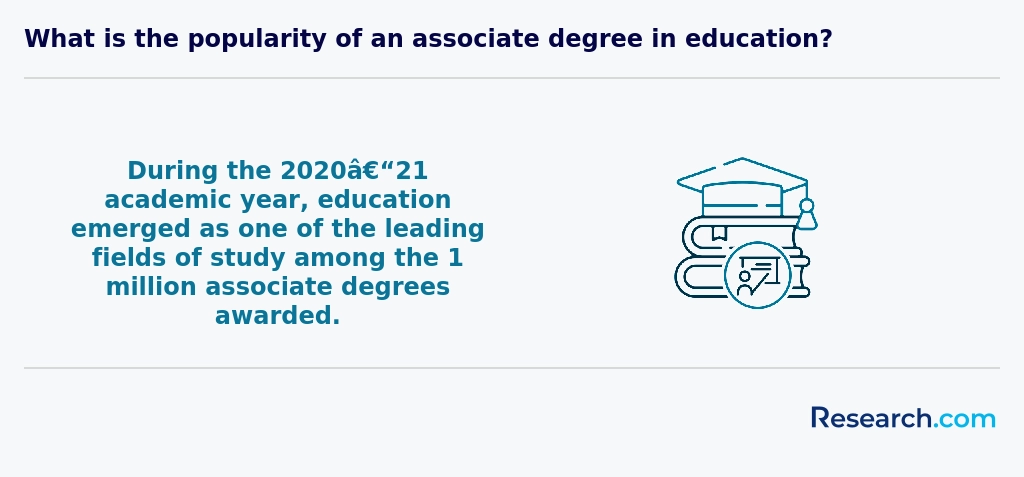
Evaluating the true value of an education degree goes beyond tuition figures-it requires a clear understanding of return on investment (ROI). In Connecticut, students incur an average total cost of approximately $108,584 for a four-year public in-state program, while private institutions can reach $234,512. Early Childhood Educators earn around $38,640 annually, ESL Teachers average $63,130, and Instructional Designers can make about $73,080 per year. By comparing these figures, graduates often recoup their investment within 2–4 years of full-time employment. Key factors that enhance ROI: • Scholarships and Grants: Reducing upfront costs through targeted aid. • In-State Tuition: Leveraging residency benefits to minimize expenses. • Part-Time Work and Work-Study: Gaining classroom experience while offsetting fees. Strategies for maximizing ROI: 1. Seek Cost-Effective Formats: Blended or online programs can lower living expenses and allow continued employment. For a broader perspective on affordable online pathways, explore our Affordable Online Education Degree Programs Ranking in Kansas. 2. Plan for Early Career Advancement: Specialize in high-demand areas like STEM or Special Education to command higher starting salaries. 3. Leverage Professional Networks: Engage with alumni and faculty mentorship to secure positions that offer signing bonuses or accelerated pay scales. By carefully balancing program costs, funding opportunities, and targeted career planning, Connecticut education graduates can achieve a strong ROI, turning their passion for teaching into both personal fulfillment and financial stability.
Financial aid for education degrees in Connecticut commonly includes federal Pell Grants, which can cover a substantial part of tuition-up to $7,395 for the 2023-2024 academic year-making it easier for many to afford schools like the University of Connecticut's Neag School of Education. Graduates often recall how these grants alleviated early financial pressure while focusing on their studies. Beyond federal aid, Connecticut's Roberta B. Willis Scholarship targets low-income students pursuing teaching in shortage areas, providing renewable support that has been a game-changer for many aspiring educators from smaller institutions across the state.
Institution-based scholarships are another key resource. For example, UConn's targeted scholarships for education majors have helped students balance expenses, often tied to commitments to teach in Connecticut public schools, which some graduates find motivating and rewarding. Work-study programs also offer hands-on experience alongside financial benefits, letting students earn while learning on campus or in local schools-a practical approach many find enriching.
Loan forgiveness programs, like the federal Public Service Loan Forgiveness and additional state assistance for teachers in shortage areas, provide long-term relief after graduation. Graduates emphasize the peace of mind these programs offer, encouraging them to stay in Connecticut's public education system despite financial challenges.
When considering an Education degree in Connecticut, understanding the affordability and available financial aid options is crucial. Prospective students often find themselves weighing the costs of tuition, living expenses, and other fees against the potential benefits of their desired program. To make informed decisions, it's essential to explore resources such as affordable education programs in Connecticut, which can provide valuable insights into budget-friendly options. By carefully planning and considering financial aid, scholarships, and grants, educators can pursue their passion for teaching without undue financial strain, ultimately leading to a fulfilling career in education.
Enrolling in an education degree program in Connecticut typically begins with having a high school diploma or GED, but this baseline requirement only scratches the surface. Graduates from popular institutions like the University of Connecticut often recall the challenge of completing a college preparatory curriculum, especially courses focused on English and mathematics, as crucial for admission.
Standardized tests like the SAT or ACT are often expected, although many schools have adopted test-optional policies recently, reflecting a more flexible approach amid changing admissions landscapes. One prospective student shared relief at not needing to submit test scores due to this shift, yet they emphasized the importance of confirming each university's current requirements.
Entering teacher preparation programs demands more specific prerequisites, including a GPA around 2.5 to 3.0, relevant prerequired coursework, and passing Connecticut's basic skills tests. These requirements, backed by background checks, underscore the state's commitment to quality and safety.
Graduate applicants often face further hurdles, such as submitting transcripts and experience documentation, anchoring the preparation process in practical readiness and reflection on educational impact.

Navigating the teacher certification process in Connecticut involves a structured pathway designed to ensure educators meet high standards of preparation and professional competence. 1. Approved Educator Preparation Program • Enroll in a state-approved program at institutions like the University of Connecticut or Central Connecticut State University. • Verify program accreditation by the Connecticut State Department of Education to satisfy coursework and clinical experience requirements. 2. Required Examinations • Praxis Series: Pass the Praxis Core Academic Skills for Educators (Core) tests in Reading, Writing and Mathematics. • Subject Assessments: Complete Praxis Subject Assessments in your content area (e.g., Secondary Math or ESL). • Performance Evaluation: Submit a satisfactory edTPA portfolio demonstrating teaching practice, planning, instruction and assessment. 3. Background Check and Professional Fitness • Undergo State and FBI fingerprint-based background checks via the Connecticut State Police. • Declare any criminal history or professional misconduct on the application to uphold the state’s professional fitness standards. 4. Application for Initial Educator Certificate • Create an account on the Educator Certification and Reporting System (ECR) portal. • Upload transcripts, test scores and verification of program completion. • Pay the non-refundable application fee (approximately $100). 5. Certificate Levels and Validity • Initial Educator Certificate: Valid for five years, allows supervised practice in public schools. • Professional Educator Certificate: Upgrade by completing two years of teaching under the initial certificate, plus 100 hours of professional development. • Continuing Education: Fulfill 250 renewal credits every five years through approved coursework, workshops or advanced degrees. 6. Reciprocity for Out-of-State Teachers • Educators holding valid out-of-state certificates may apply for reciprocity. • Submit original certificates, transcripts and verification of three years of experience (if applicable) to the CSDE for review. To explore cost-effective pathways and benchmark tuition strategies, consider our Affordable Online Education Degree Programs Ranking in Kansas, which highlights models that can inspire budgeting approaches for aspiring Connecticut teachers.
Typical education degree programs in Connecticut include a variety of courses designed to equip future teachers with both theory and practical skills. Graduates from well-regarded institutions often recall how courses like Educational Psychology helped them understand student behavior and development, making classroom challenges feel more manageable and engaging. Others praise Curriculum Design and Assessment classes for teaching them to craft meaningful lesson plans, which proved invaluable during their student teaching internships in local schools.
Core subjects such as Classroom Management and Instructional Technology are especially appreciated for their relevance in everyday teaching, helping students create positive environments and use digital tools effectively. Many programs also offer specialized courses like Special Education or Foundations of Literacy, which reflect the diverse needs of Connecticut's classrooms.
Some students note that programs at popular Connecticut colleges balance rigorous coursework with hands-on experiences, which deepen their confidence and readiness. These real-world internships highlight the benefits of preparation tailored specifically to the state's certification requirements and classroom realities.
Education degree specializations in Connecticut commonly include Elementary Education, Secondary Education, and Special Education, each addressing different career paths within teaching. Graduates from universities such as the University of Connecticut often describe their experiences in Elementary Education as rewarding, emphasizing child development and curriculum design to effectively teach young learners. In contrast, those focusing on Secondary Education develop deeper expertise in specific subjects, allowing them to engage middle and high school students in fields like math or social studies, reflecting a critical response to local educational demands.
Popular teaching majors in Connecticut colleges also include Educational Leadership and Administration or School Counseling, preparing students for roles beyond the classroom, such as principals or student support specialists. Many students from institutions like Fairfield University find these tracks fulfilling because they blend theory with real challenges faced by schools. Other paths like Early Childhood Education and Reading and Literacy address specific developmental and instructional needs, highlighting the state's diverse programming. For more on career outcomes related to these options, explore Best Highest Paying Masters in Education Jobs.
Choosing the best education degree in Connecticut requires aligning your career goals with programs that fit your needs. Graduates from popular schools like the University of Connecticut often highlight how programs focusing on teacher certification with high pass rates helped them feel confident entering classrooms. Yet, not all students prioritize the same aspects-some value flexible schedules offered by Southern Connecticut State University's hybrid programs, especially those balancing work and family.
Accreditation is crucial, as programs recognized by the Council for the Accreditation of Educator Preparation or the Connecticut State Department of Education ensure quality and licensure eligibility. Cost is another practical consideration: while public universities average around $14,000 per year for in-state students, private institutions may exceed $40,000. Many students seeking affordable teaching degrees in Connecticut find financial aid essential and explore options such as those listed in the Affordable Online Education Degree Programs Ranking in Kansas.
Hands-on experience through partnerships with local public schools is often a deciding factor. Graduates often share that student teaching within Connecticut's school districts was the highlight of their education, providing practical skills and strong employment connections. Ultimately, balancing cost, accreditation, learning format, and real-world opportunities is key when reviewing best education degree programs Connecticut offers.
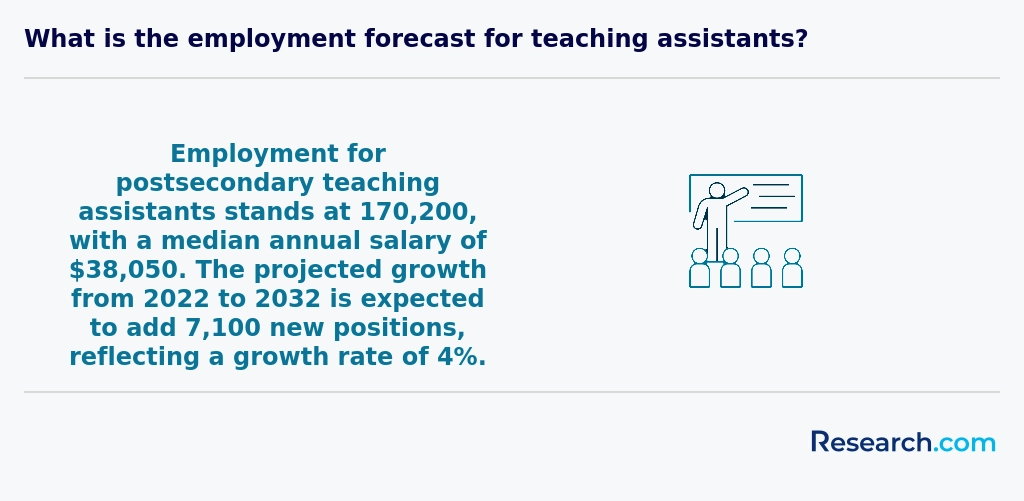
Graduates with an education degree in Connecticut often pursue licensed K-12 teaching roles, specializing in subjects such as math, science, or special education, aligning with the demand highlighted by teaching jobs for education graduates in Connecticut. Those from universities like the University of Connecticut frequently share how supervised student teaching experiences prepare them for classroom challenges, making certification attainable yet rigorous. Beyond teaching, many find fulfillment in administrative roles-such as school counselors or principals-that require further qualifications but offer leadership opportunities and higher pay, reflecting Connecticut's investment in education administrators.
Others explore alternative settings, including early childhood education and adult education, meeting diverse community needs. For example, graduates from regional colleges appreciate how their degrees open paths to workforce training and GED instruction. Additionally, higher education positions, like instructional designers or academic advisors, appeal to those pursuing graduate studies. Some graduates even pursue an online masters 1 year to enhance career flexibility. While these career paths affirm the value of an education degree, prospective students should critically weigh certification requirements and varying salary prospects across roles.
The education degree job outlook Connecticut shows a stable demand for qualified teachers, particularly in special education, mathematics, and science. Graduates from well-regarded institutions like the University of Connecticut or Southern Connecticut State University often share positive experiences about securing roles in public schools, where the state's commitment to reducing student-teacher ratios creates steady job openings. These opportunities reflect a broader statewide push to maintain educational quality.
Teacher employment opportunities Connecticut extend beyond the classroom to roles in administration and curriculum development, where additional certification can open doors to leadership positions. Graduates note that while teaching salaries in Connecticut, averaging around $84,000, are above the national norm, costs of study can vary significantly. Public universities typically charge $10,000 to $15,000 per year for in-state students, while private options may exceed $40,000 annually. For many students, accessing scholarships and financial aid is key to managing this investment.
Some education graduates find that choosing well-structured programs can make the path smoother; exploring options such as an easiest masters degree canada viewed through a similar lens helps contextualize the financial and time commitments involved. This approach assists prospective students in aligning aspirations with practical realities while aiming to meet the state's licensing standards.
2027 Most Valuable Education Degree Programs Ranking in Connecticut
Investing in your education is a significant decision that can greatly influence your future, and the Research.com team is fully aware of the importance of making well-informed choices. To support prospective students in Connecticut, we have carefully developed the "2027 Most Valuable Education Degree Programs Ranking in Connecticut." Our dedication to quality, credibility, and accuracy is demonstrated through thorough research and detailed analysis behind this ranking.
We utilized the following reputable data sources to ensure a comprehensive evaluation of education degree programs:
By exploring this ranking, readers will gain valuable insights into the most valuable education programs in Connecticut, enabling them to make confident decisions about their academic and professional futures. For further information on how we created this ranking, please visit our Research.com methodology page.


# 12 position
Post University
Master of Education Degree (M Ed)


# 19 position
Charter Oak State College
Bachelor of Science in Education
Frequently Asked Questions About education
Education degree students in Connecticut can maximize their learning experience by engaging deeply with both coursework and practical opportunities. Many Connecticut universities, such as the University of Connecticut, emphasize field experiences, where students participate in classroom observations and student teaching. According to the Connecticut State Department of Education, hands-on experience improves teacher readiness significantly.
Students should also take advantage of networking events and professional development workshops offered by education programs. Connecting with local school districts can provide insights into Connecticut's diverse student populations and educational policies.
Additionally, mastering Connecticut's certification requirements early allows students to tailor their studies effectively. Staying updated with state standards supports success in licensure exams and future employment, as reported by the Connecticut Department of Higher Education.
The education field in Connecticut is evolving with several emerging niches attracting growing interest among students and professionals. One notable area is educational technology, as schools increasingly adopt digital tools to enhance learning. According to the Connecticut Department of Education, demand for specialists who can integrate tech into classrooms has risen by over 15% in recent years.
Another niche gaining traction is special education focused on neurodiversity. Connecticut schools require qualified teachers trained to support students with autism and learning disabilities, driven by state policies emphasizing inclusive education.
Additionally, English as a Second Language (ESL) instruction remains vital due to the state's diverse student population. Educators with expertise in bilingual and multicultural education are in growing demand.
These emerging specialties reflect Connecticut's commitment to addressing new challenges and opportunities within its education system.
Preparing for the job market after earning an education degree in Connecticut involves several important steps. First, obtaining state certification is crucial, as Connecticut requires teachers to be certified by the Connecticut State Department of Education to work in public schools. This process typically includes passing the Praxis exams and completing a background check.
Gaining practical experience through student teaching placements or internships is highly recommended. These opportunities can help build classroom management skills and professional networks. Additionally, joining professional organizations such as the Connecticut Education Association offers access to resources and job listings.
According to data from the Connecticut Office of Higher Education, connections with local school districts often lead to employment offers. Maintaining an updated résumé and preparing for interviews by highlighting hands-on teaching experiences will strengthen your candidacy in this competitive market.
Employers in Connecticut seek education degree graduates who demonstrate strong communication and classroom management skills. According to the Connecticut State Department of Education, effective interpersonal abilities are crucial for fostering positive student-teacher relationships and supporting diverse learner needs.
Additionally, proficiency in instructional technology ranks highly, reflecting the growing integration of digital tools in Connecticut classrooms. Graduates familiar with educational software and adaptive learning platforms are preferred.
Critical thinking and adaptability are also emphasized. With evolving curricula and varied student populations, educators must be flexible and innovative in their teaching approaches. Data from the Connecticut Center for School Change confirms these traits as top employer priorities.
Finding internships in Connecticut related to education degrees involves leveraging a variety of local resources. Many universities, such as the University of Connecticut and Central Connecticut State University, provide career centers that connect students to regional school districts for classroom observation and student teaching opportunities. The Connecticut State Department of Education highlights partnerships with public schools across the state that often offer structured internship programs as part of licensure requirements.
Additionally, online job boards and platforms like Handshake or the Connecticut Education Association can list available internships. Networking with local educators and attending job fairs hosted by Connecticut colleges also increase chances of securing relevant experiences.
Since Connecticut requires teacher candidates to complete supervised clinical experiences, verifying programs' accreditation through the Council for the Accreditation of Educator Preparation (CAEP) helps ensure internships meet state standards.
In Connecticut, an education degree significantly enhances career mobility and advancement opportunities. According to the Connecticut Department of Labor, educators with a bachelor's or master's degree typically access higher-paying roles and leadership positions compared to those with only a teaching certificate. Advanced degrees often qualify individuals for administrative roles such as principals or curriculum coordinators, which offer both increased responsibility and salary.
Data from the National Center for Education Statistics highlights that Connecticut's emphasis on professional development encourages educators to pursue further education, which correlates with improved student outcomes and school ratings. This, in turn, can accelerate career progression.
Moreover, Connecticut's public school districts frequently require continuing education credits, incentivizing degree holders to maintain and expand their qualifications for tenure and promotion.
Studying for an education degree in Connecticut equips students with skills essential for interdisciplinary roles by emphasizing collaboration across various fields. Connecticut's teacher preparation programs often integrate coursework in psychology, sociology, and technology, allowing future educators to address diverse student needs effectively. According to the Connecticut State Department of Education, programs focus on both content knowledge and pedagogical strategies that prepare graduates for roles beyond traditional classrooms, such as educational technology coordinators or community outreach specialists.
Many institutions encourage practical experience through partnerships with local schools and organizations, fostering applied skills in real-world settings. This approach supports versatility in career paths and enhances adaptability in multidisciplinary environments.
Choosing between a thesis and a non-thesis education degree program in Connecticut depends on your academic and career goals. Thesis programs emphasize research, requiring students to produce a substantial written study. This path suits those considering doctoral studies or careers in educational research. Non-thesis programs focus more on practical skills and coursework, ideal for professionals aiming to advance in teaching or administrative roles. According to the Connecticut Department of Higher Education, over 60% of education graduate students opt for non-thesis options due to their flexibility and applicability in the state's K-12 school systems. Consider workload, interests, and future plans carefully.
Students in Connecticut interested in studying education abroad have several pathways available through local institutions' partnerships and statewide programs. Many universities in Connecticut, such as the University of Connecticut, offer study abroad opportunities focused on global education practices. These programs allow education majors to gain international experience while earning credits toward their degrees.
In addition, Connecticut participates in exchange programs with European and Latin American universities, providing diverse cultural perspectives in teaching methodologies. Programs often last a semester and include placements in international schools or educational organizations.
According to the Connecticut State Department of Education, participation in education-focused study abroad programs has increased by 15% over the past five years, reflecting growing student interest in global teaching competencies. Financial aid and scholarships are also available to help cover the costs of these experiences.
Part-time job opportunities in Connecticut that complement education degree studies often focus on practical teaching experience and educational support roles. Positions such as teaching assistants, tutors, and substitute teachers provide hands-on experience directly related to classroom management and lesson planning, essential skills for future educators.
According to the Connecticut Department of Education, nearly 30% of education majors find part-time roles in school districts around the state, helping to build valuable professional networks. Additionally, roles like after-school program coordinators or childcare providers allow students to develop communication and leadership skills.
These positions not only enhance resumes but also deepen understanding of diverse learner needs in Connecticut's public school systems.
Education students in Connecticut benefit from various networking opportunities through local universities and professional organizations. Institutions such as the University of Connecticut and Southern Connecticut State University host regular events, workshops, and career fairs that connect students with experienced educators and school administrators.
The Connecticut Education Association (CEA) is an important resource, offering student memberships that provide access to networking events and mentoring programs. According to CEA data, over 75% of education students engage in these activities to build professional relationships.
Additionally, students can join national groups like the American Educational Research Association's Connecticut chapter, which organizes conferences and seminars locally, aiding students' professional growth and connections within the state's education community.
Alumni networks provide valuable support for education degree students in Connecticut by offering professional connections and mentorship opportunities. Many universities in the state have active alumni associations that facilitate networking events and career workshops. According to the Connecticut State Department of Education, nearly 75% of education graduates find employment through connections made via alumni networks.
These networks help students access job openings in local school districts, which is crucial given Connecticut's competitive teaching job market. Additionally, alumni can share insights about certification processes and continuing education requirements specific to Connecticut.
Engaging with alumni also boosts students' chances for internships and hands-on classroom experiences, which are often prerequisites for teacher certification in the state.
Customizing an education degree program in Connecticut allows students to align their studies with specific career goals. Many universities in Connecticut offer flexible degree options such as concentrations in special education, curriculum design, or educational technology. Students can often choose elective courses or participate in targeted practicum experiences tailored to their interests. For example, the Connecticut State Department of Education supports pathways for licensure that match various teaching roles, including early childhood and secondary education. Additionally, online and hybrid courses provide options for working professionals seeking career advancement without interrupting their current jobs. This adaptability helps graduates meet Connecticut's diverse educational workforce needs.
Education students in Connecticut face several challenges that impact their academic journey. One major difficulty is balancing rigorous coursework with required field experiences, such as student teaching, which demands significant time and commitment. According to the Connecticut State Department of Education, many candidates report stress related to managing these dual responsibilities effectively.
Another issue involves adapting to diverse classroom environments while preparing to meet the needs of Connecticut's increasingly multicultural student population. Educational equity remains a priority, and students must develop culturally responsive teaching skills amid evolving state standards.
Financial strain also affects many. The average cost of tuition at public universities in Connecticut is among the highest in New England, complicating access for some prospective teachers (Connecticut Office of Higher Education, 2023). These combined challenges influence retention rates within education programs statewide.
With an education degree in Connecticut, you can pursue several professional certifications to enhance your career prospects. One common certification is the Connecticut Initial Educator Certificate, which allows you to teach in public schools across the state. This certification requires completion of an approved teacher preparation program and passing the Praxis Core exams.
Beyond initial certification, you may seek an Intermediate or Professional Educator Certificate, which demands additional teaching experience and continuing education credits. Specialized certifications in areas like special education, ESL (English as a Second Language), or school counseling are also available for educators looking to focus their careers.
According to the Connecticut State Department of Education, over 10,000 educators hold such certificates, reflecting the demand for qualified professionals in schools statewide.
Writing a winning application for an education program in Connecticut starts with understanding the admission criteria of state institutions. Many universities, such as the University of Connecticut, require a clear statement of purpose explaining your motivation and goals within education. Highlight any relevant experience, including volunteer work or prior teaching roles, to demonstrate commitment.
Connecticut's Commission on Higher Education notes that academic performance in prerequisite courses, especially in English and social sciences, significantly impacts acceptance chances.
Applicants should also prepare strong recommendation letters from educators or employers familiar with their dedication to education. Finally, meet all deadlines carefully and ensure your resume and transcripts are accurate and up-to-date.
Globally, education careers are increasingly valued for their role in shaping future generations and supporting social development. In the United States, including Connecticut, the demand for qualified educators continues to grow due to population growth and evolving educational standards.
According to the Connecticut Department of Education, teacher employment is projected to increase by 4% from 2020 to 2030. This trend reflects global recognition of education as a crucial investment in economic and social progress.
Internationally, educators often face diverse challenges, from resource availability to curriculum standards, but the underlying goal remains consistent: to foster critical thinking and inclusiveness. U.S. education degrees, especially those obtained in Connecticut, are respected worldwide for their rigorous certification and preparation standards.
Students pursuing education degrees in Connecticut can gain practical experience through student teaching placements, which are often required components of teacher preparation programs. These placements allow candidates to work in local K-12 classrooms under the supervision of certified mentor teachers. According to the Connecticut State Department of Education, many colleges partner with public schools across the state to facilitate these opportunities.
Additionally, internships and fieldwork experiences are commonly integrated into curricula, providing hands-on learning in diverse educational settings. Some universities offer specialized practicum programs focused on subjects like special education or educational technology, helping students build relevant skills.
Participating in local educational nonprofits and tutoring programs is another option to gain experience outside traditional classrooms. Engaging with community organizations can enhance practical understanding and professional networks within Connecticut's education system.
Choosing the right concentration within an education degree program in Connecticut involves considering both your career goals and the needs of local schools. The Connecticut State Department of Education reports that areas like special education and STEM (science, technology, engineering, and math) instruction are in high demand, reflecting broader national trends. Students should research concentrations that align with teacher certification pathways recognized by Connecticut, such as elementary, secondary, or bilingual education.
Additionally, reviewing job placement rates and salary projections for specific concentrations can provide practical insight. For example, special education teachers in Connecticut earn a median annual wage around $77,000 according to the U.S. Bureau of Labor Statistics.
Visits to academic advisors and Connecticut colleges' education departments can also clarify requirements and career opportunities connected to each concentration.
- 2027 Most Valuable Online Education Degree Programs Ranking in New York
- 2027 Most Valuable Online Education Degree Programs Ranking in Massachusetts
- 2027 Most Valuable Online Education Degree Programs Ranking in New Jersey
- 2027 Most Valuable Online Education Degree Programs Ranking in Pennsylvania
- 2027 Most Valuable Online Education Degree Programs Ranking in Maine
- 2027 Most Valuable Online Education Degree Programs Ranking in Ohio
- 2027 Most Valuable Online Education Degree Programs Ranking in Kentucky
- 2027 Most Valuable Online Education Degree Programs Ranking in North Carolina
- 2027 Most Valuable Online Education Degree Programs Ranking in South Carolina
- 2027 Most Valuable Online Education Degree Programs Ranking in Indiana
See What Experts Have To Say About Studying Education
Read our interview with Education experts

Nooshan Ashtari
Education Expert
Professor & Book Author
University of Southern California

Alan J. Singer
Education Expert
Professor of Teaching, Learning and Technology
Hofstra University

- Learn about the requirements for being an early childhood teacher - Connecticut Office of Early Childhood https://www.ctoec.org/become-a-provider/fake/
- Putting theory into practice: The value of an interdisciplinary approach to teaching https://my.chartered.college/impact_article/putting-theory-into-practice-the-value-of-an-interdisciplinary-approach-to-teaching/
- Academic Programs https://www.ccsu.edu/programs
- Online Learning vs Traditional Learning Comparison https://advantagesschool.com/online-learning-vs-traditional-learning/
- Networking For Educators: How To Grow A Professional Circle - Carlow University https://www.carlow.edu/networking-for-educators/
- Find a High Demand Job https://connecticut.teach.org/jobs
- Outreach & Resources https://chesla.org/outreach-resources/
- Teaching Job Roles | Teach For Life https://www.teachforlife.com/teachingjobs/global-perspectives-teacher
- How to Write a Great Letter of Intent for a Teaching Job | Zen Educate https://www.zeneducate.com/us/resources/becoming-a-teacher/how-to-write-letter-of-intent-teaching-job/
- How to Become a Teacher In Connecticut in 2025 | Teachers of Tomorrow https://www.teachersoftomorrow.org/blog/insights/how-to-become-a-teacher-in-connecticut/