2027 Most Valuable Education Degree Programs Ranking in Milwaukee

Co-Founder and Chief Data Scientist
Choosing the right education degree program can shape your future in meaningful ways. This article introduces the 2027 Most Valuable Education Degree Programs Ranking in Milwaukee, carefully compiled by the Research.com team of data scientists.
Designed to help you make confident and informed decisions, the ranking highlights programs that offer strong career potential and personal growth.
Exploring these options can open doors to rewarding opportunities in teaching and education leadership. Whether you're starting fresh or advancing your career, this guide offers valuable insights tailored for Milwaukee students.
Key benefits of getting education degree in Milwaukee
- Education degree graduates in Milwaukee can expect strong salaries, such as Special Education Teachers earning around $76,000 and Instructional Designers making approximately $77,200 annually, offering financial stability and rewarding careers.
- Graduates from local schools like the University of Wisconsin-Milwaukee often find diverse career paths in teaching, curriculum design, and educational technology, providing exciting options to impact students' lives positively.
- Completing an education degree online through Milwaukee institutions allows flexibility to balance work and study, making it easier to gain experience while earning a degree without sacrificing personal commitments.
- 2027 Most Valuable Education Degree Programs Ranking in Milwaukee
- What can I expect from education degree in Milwaukee?
- Where can I work with education degree in Milwaukee?
What can I expect from education degree in Milwaukee?
The average cost of pursuing an education degree in Milwaukee depends largely on the institution and residency status of the student. At public universities such as the University of Wisconsin-Milwaukee (UWM), in-state undergraduate students typically pay between $7,000 and $10,000 annually. This affordability is an important factor for many local students who value both quality and cost-efficiency in their studies.
Graduates from these programs often recall the financial relief provided by lower tuition rates, which allowed them to focus on gaining practical classroom experience through student teaching placements in nearby Milwaukee Public Schools. These placements are critical, providing real-world exposure while keeping expenses more manageable than out-of-state or private school tuition.
Private colleges in Milwaukee may charge higher tuition fees, but many offer scholarships specifically aimed at education students, easing the financial burden. Prospective students often express optimism knowing these options exist, making a career in education accessible despite varying economic backgrounds.
Where can I work with education degree in Milwaukee?
Graduates with an education degree in Milwaukee often find rewarding career opportunities within the Milwaukee Public Schools (MPS) system, the largest district in Wisconsin employing over 8,000 educators and administrators. Many graduates from institutions like the University of Wisconsin-Milwaukee and Marquette University secure roles such as classroom teachers, special education specialists, or curriculum coordinators, experiencing firsthand the city's vibrant educational community.
Beyond public schools, careers extend to private and charter schools, where the teaching environment offers unique challenges and innovative approaches. Graduates often share enthusiastic stories about working in charter schools that emphasize community engagement and creative teaching methods, providing dynamic alternatives to traditional settings.
Early childhood education is another thriving sector in Milwaukee, with numerous childcare centers and Head Start programs actively seeking qualified professionals. Education alumni frequently describe fulfilling experiences shaping the earliest stages of child development.
Higher education roles at Milwaukee's universities, along with positions in educational consulting and technology firms, offer additional pathways for graduates desiring non-traditional classroom careers.
Graduates holding education degrees from respected Milwaukee institutions often find rewarding career opportunities with competitive salaries. For instance, elementary school teachers in this region can anticipate a mean annual wage near $70,740, aligning closely with Milwaukee Public Schools' pay scales. Special education teachers enjoy even higher earnings, with average salaries around $76,000, reflecting the specialized expertise they bring to their roles.
Additionally, graduates who pursue instructional design careers in Milwaukee report median wages of approximately $77,200 per year. This role offers a dynamic blend of educational theory and technology, appealing to many recent education graduates seeking versatile career paths.
Another accessible option for education degree holders is working as English as a Second Language (ESL) teachers, where annual earnings average $65,430. Many graduates from Milwaukee universities appreciate that these salaries provide financial stability while allowing for a meaningful impact in diverse classroom settings.
Overall, Milwaukee's education sector offers promising earning potential, complemented by supportive local networks and strong community engagement, making it an encouraging environment for recent graduates to thrive professionally.
- In-state public institutions in Milwaukee charge between $8,000 and $15,000 per year for education degrees, while private colleges can charge up to $25,000 annually.
- Entry-level salaries for education graduates in Milwaukee range from $45,000 to $50,000, with potential increases to the mid-$60,000s for experienced teachers or those in specialized roles.
- Graduates must pass state certification exams, including the Wisconsin Foundations of Reading Test, to obtain a valid teaching license in Wisconsin.
- Many local programs collaborate with Milwaukee Public Schools to offer student teaching placements and practical classroom experience.
- Financial aid and scholarships are often available specifically for education majors to help lower education costs in Milwaukee.
Completing an education degree in Milwaukee typically aligns closely with national standards, yet offers unique flexibility tailored to local students. Undergraduate students pursuing a Bachelor of Science in Education at institutions like the University of Wisconsin-Milwaukee often finish in about four years of full-time study. These graduates recall hands-on experiences during student teaching that enriched their learning and sometimes extended their timeline by a semester or two.
For those advancing to graduate studies, a Master's degree in education generally requires 1.5 to 2 years full-time. Many graduates from programs such as the M.Ed. at UW-Milwaukee appreciate the part-time options that accommodate working professionals, allowing them to balance career and study effectively.
Doctoral candidates pursuing an Ed.D. or Ed.S. degree spend between 3 and 6 years completing rigorous coursework, research, and dissertations. Milwaukee's programs emphasize practical application, fostering a rewarding journey despite the demanding timeline.
When considering education degree programs in Milwaukee, WI, it's essential to compare the various options available to find the best fit for your academic and career goals. This involves researching the curriculum, specializations, faculty, and resources offered by different institutions. For instance, prospective students can explore the valuable education schools in Wisconsin to understand the ranking and reputation of each program. By making an informed decision, you can set yourself up for success in your future career as an educator. Comparing programs also helps you identify which ones offer the most relevant specializations, such as special education or educational leadership, and which provide the best support services, such as academic advising and career counseling. Ultimately, comparing education programs in Milwaukee, WI, is crucial for finding a program that aligns with your interests, skills, and career aspirations.
Online education degree programs in Milwaukee, offered by institutions like the University of Wisconsin-Milwaukee and Milwaukee School of Engineering, provide exceptional flexibility for students managing work or family responsibilities. Graduates often appreciate the ability to engage with coursework asynchronously, allowing for study during evenings or weekends without the stress of commuting through the city. This accessibility reduces expenses tied to housing and transportation, making education more affordable compared to traditional on-campus programs.
Conversely, on-campus education degrees emphasize face-to-face interaction, fostering immediate feedback and collaborative learning with peers and faculty. For many Milwaukee students, the hands-on experience gained through local field placements in urban schools is invaluable, enhancing readiness for classroom challenges. Those studying on campus often report a strong sense of community and direct mentoring that supports their professional growth.
Cost-wise, tuition for on-campus master's programs generally ranges from $13,000 to $18,000 annually for in-state students, similar to or slightly above online tuition. However, campus fees and living expenses add to the total investment. Both paths meet Wisconsin licensure requirements, so choice hinges on personal learning preferences and lifestyle considerations unique to Milwaukee's educational environment.
For many education graduates in Milwaukee, the journey doesn't end at an undergraduate degree. In today's competitive job market, pursuing advanced studies-especially online master’s programs-can significantly enhance career prospects and earning potential. These programs not only build on foundational teaching skills but also equip professionals with specialized expertise in curriculum development, technology integration, and administrative leadership. By obtaining an advanced degree, graduates can transition into higher-level roles such as educational leadership, instructional coordination, or academic counseling. Moreover, online programs offer the flexibility to balance professional responsibilities with academic growth. For those exploring these opportunities, you might consider options like cheap masters degrees in educational leadership online to achieve both career advancement and financial practicality. Embracing advanced education ensures that passionate educators remain at the forefront of innovative teaching practices while contributing to the evolving landscape of Milwaukee’s education sector.
The average cost of education degree programs in Milwaukee reflects a blend of in-state and out-of-state tuition fees along with associated living expenses. According to recent data, the median total cost for completing an education degree stands at approximately $46,744. In-state students typically experience a lower median total cost near $34,753, illustrating a significant financial advantage for Wisconsin residents pursuing education studies locally. Out-of-state students face similar overall expenses, aligning with the higher tuition fees charged by institutions in Milwaukee.
Graduates from public universities such as the University of Wisconsin-Milwaukee often recall balancing tuition costs averaging around $10,000 per year for in-state undergraduates with part-time jobs or financial aid, successfully managing their educational investment. Private colleges in Milwaukee, known for rigorous education programs, tend to have higher tuition rates, pushing total costs closer to the median reported. Many students emphasize the rewarding nature of their studies despite the cost, highlighting scholarships and university support resources that ease financial burdens.
When planning for the average cost of education degree in Milwaukee, prospective students should factor in additional expenses like books, fees, and housing. Total yearly costs can range broadly but commonly fall between $20,000 and $50,000 depending on the institution and individual lifestyle. Those serious about reducing financial strain often explore options through competitive financial aid or institutions recognized as valuable education schools in Wisconsin.

Aspiring educators in Milwaukee, WI, must obtain a state-issued teaching license through the Wisconsin Department of Public Instruction (DPI), ensuring they meet rigorous standards for classroom readiness and professional practice. The licensure pathway typically involves the following steps: 1. Complete an Approved Educator Preparation Program • Enroll in a DPI-accredited bachelor’s or master’s program in education. • Fulfill required coursework, including foundational subjects (child development, assessment, classroom management) and specialized pedagogy tracks. • Accrue a minimum of 12 weeks (300 hours) of supervised student teaching under a licensed mentor. 2. Satisfy Examination Requirements • Pass the Praxis Core Academic Skills for Educators (reading, writing, mathematics). • Complete the Praxis Subject Assessment aligned with the intended teaching field (e.g., elementary education, ESL). • Maintain a minimum score as specified by DPI for full licensure eligibility. 3. Background Check and Application • Submit to a fingerprint-based criminal background check via the DPI portal. • Apply online for the initial teaching license, providing official transcripts and proof of exam passage. • Pay the standard application fee (currently $50) and track application status through the DPI Educator Licensing System. 4. Renewal and Professional Growth • Renew your license every five years by completing 30 hours of continuing education or holding an advanced degree. • Stay informed about changes in state standards by participating in workshops and professional learning communities. For candidates seeking flexible or accelerated routes, especially those balancing work and family, exploring reputable online programs can be beneficial. Discover top alternatives in our Affordable Online Education Degree Programs Ranking in New York, which can inform decisions about cost-effective credentialing pathways.
Education students in Milwaukee benefit from a range of financial aid sources tailored to their needs. Many graduates recall how completing the FAFSA unlocked access to Pell Grants, which can provide up to $7,395 annually, crucial for those balancing tuition at institutions like the University of Wisconsin-Milwaukee. The Wisconsin Higher Education Grant (WHEG) offers additional state support, easing costs without repayment obligations for residents attending local colleges.
Local scholarships targeted at education majors are a significant help; graduates often highlight awards from community foundations and Milwaukee Public Schools that require teaching commitments, making the financial support feel directly connected to their future impact. The TEACH Grant, offering up to $4,000 yearly, appeals especially to those focused on high-need areas such as special education, reinforcing their dedication while alleviating debt concerns.
Loan forgiveness programs like Public Service Loan Forgiveness provide long-term relief, encouraging commitment to public education roles in Milwaukee. Combining these resources, along with merit-based institutional scholarships from schools like Marquette University, fosters confidence and optimism among education students facing educational expenses.
Investing in an education degree in Milwaukee, WI, requires balancing upfront costs against long-term earning potential. On average, completing a bachelor’s in education locally entails total expenses-tuition, fees, and living costs-ranging from $27,000 for in-state students at public institutions to over $45,000 for out-of-state attendees. With median starting salaries for roles such as ESL teachers ($63,130) and instructional designers ($73,080), graduates can expect to recoup their investment in approximately three to five years, depending on specialization and cost management. Beyond salary, educators benefit from stable employment prospects, with the education sector projected to generate over 857,600 job openings annually through 2032. When evaluating return on investment, it’s also useful to compare program affordability and outcomes against peer institutions. Prospective students may benchmark program costs and outcomes via the Affordable Online Education Degree Programs Ranking in New York, which highlights cost-effective online pathways and average graduate earnings. Moreover, pursuing accelerated or hybrid programs can further shorten the payback period. For instance, completing an online bachelor’s in three years-while working part time-reduces living expenses and allows graduates to enter the workforce faster. Factoring in potential salary increases through advanced credentials, many educators see a 20–30% salary boost within five years of obtaining a master’s degree. Ultimately, when assessing ROI, students should consider not only tuition and direct costs but also non-monetary returns: professional fulfillment, community impact, and career growth. By strategically selecting programs with strong licensure support, robust alumni networks, and clear advancement pathways, Milwaukee’s education degree holders position themselves for both financial stability and meaningful careers.
To enroll in an education degree program in Milwaukee, prospective students must first meet academic prerequisites common to many universities across the city. Most applicants present a high school diploma or GED, with a minimum GPA near 2.5 to 3.0. Graduates from institutions like the University of Wisconsin-Milwaukee often recall how maintaining competitive academic records was essential to gain admission, alongside submitting ACT or SAT scores when required.
Beyond grades, candidates frequently provide letters of recommendation and compose personal essays that express their passion for teaching, helping admissions committees understand their dedication to education. Such components prove invaluable, especially for students showcasing their drive and readiness to join Milwaukee's vibrant teaching community.
Graduate applicants typically hold a bachelor's degree in education or a related field and sometimes submit evidence of teaching experience or licensure. Many share positive reflections on preparing for Wisconsin's Department of Public Instruction requirements, including passing state assessments like the Foundations of Reading Test, which solidify their qualifications to teach locally.
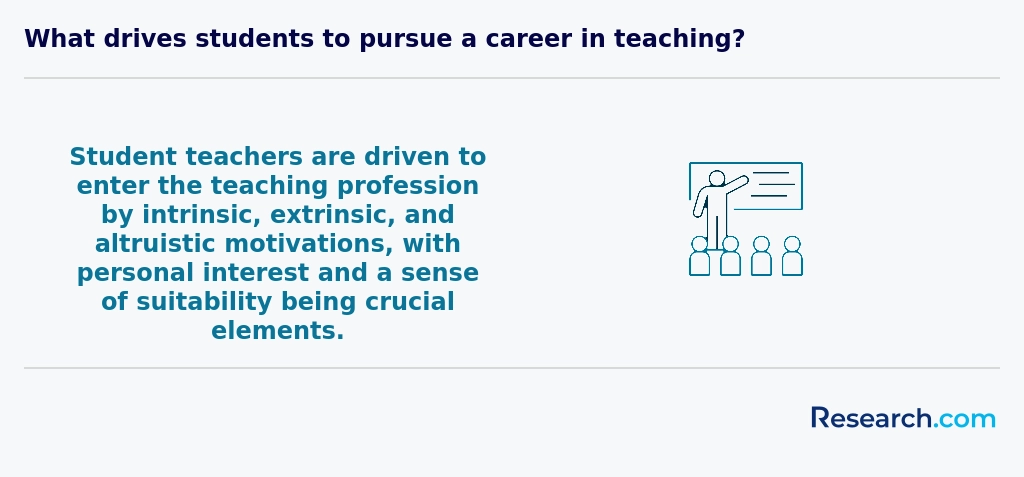
Investing in an education degree in Milwaukee, WI, requires a clear understanding of the financial return compared to upfront costs. On average, bachelor’s programs at public institutions cost between $39,000 and $55,000 total for in-state students, while private nonprofit schools can exceed $75,000. With median starting salaries for Milwaukee education graduates ranging from $38,640 for Early Childhood Educators to $63,130 for ESL Teachers, most graduates can expect to recoup their tuition investment within 5–7 years, assuming a steady career progression. Factors that accelerate ROI include program length, financial aid packages, and part-time work opportunities. Graduates who leverage scholarships, state grants, and work-study placements often reduce their net cost by 20%–30%, shortening their payback period by up to two years. Additionally, accelerated or competency-based online pathways can further drive down expenses and entry time into the workforce. For students weighing local tuition against flexible delivery models, exploring comparable programs beyond Wisconsin may reveal cost savings. For example, our Affordable Online Education Degree Programs Ranking in New York showcases nationally accredited online options with tuition rates up to 40% lower than traditional on-campus programs, potentially improving long-term ROI while maintaining program quality. Ultimately, the true ROI of an education degree in Milwaukee hinges on individual career goals, specialization choice, and funding strategies. By modeling earning projections against total program costs and factoring in available aid, prospective students can make data-driven decisions that maximize both professional impact and financial sustainability.
Education degree programs in Milwaukee typically include courses that provide both theoretical knowledge and practical skills essential for effective teaching. Graduates from institutions like the University of Wisconsin-Milwaukee often describe how foundational courses in educational psychology help them understand student learning and developmental stages, enabling them to tailor their teaching methods with confidence and empathy.
Coursework in classroom management strategies equips future educators with tools to create positive, inclusive learning environments, a frequent highlight shared by many practicum students who apply these tactics during their student-teaching placements. Instructional technology classes familiarize students with integrating digital resources, reflecting the modern classroom's evolving demands.
Milwaukee programs also emphasize curriculum development and assessment, training candidates to design lesson plans aligned with Wisconsin's standards and effectively measure student progress-skills praised by graduates as indispensable for their early teaching careers. Through diverse courses such as special education fundamentals and multicultural education, Milwaukee students feel prepared to engage with all learners thoughtfully and respectfully.
Education degree specializations in Milwaukee are designed to meet the diverse career aspirations of future educators. Popular options include Early Childhood Education, which equips graduates to support young learners in preschools and early elementary settings, and Special Education, addressing the needs of students with disabilities. Graduates from local universities often describe the rewarding experience of working directly in Milwaukee classrooms, where they apply foundational teaching skills acquired through Elementary Education programs shaping their approach to literacy and math instruction.
Secondary Education specializations enable students to focus on subject-specific teaching at the middle and high school levels, with many graduates praising the practical training received at institutions known for strong Milwaukee education degree program options. For those pursuing leadership, Educational Leadership and Administration prepare learners for roles such as principals and curriculum developers, often encouraging further study through cheap masters degrees in educational leadership online. Counseling and School Psychology specializations also gain attention, reflecting Milwaukee's commitment to supporting student well-being.
To choose the best education degree in Milwaukee, begin by defining your career goals within education, whether that be teaching at various levels or pursuing administrative roles. Graduates from popular Milwaukee universities often stress the importance of selecting a program accredited by recognized agencies like the Council for the Accreditation of Educator Preparation (CAEP), which supports licensure eligibility and employer trust. Considering affordable education degrees Milwaukee cost is crucial; public institutions such as the University of Wisconsin-Milwaukee provide competitive tuition and practical experience options that many students appreciate for balancing work and study.
Curriculum flexibility, including the availability of online and on-campus courses, allows students to adapt their education around personal commitments. Graduates frequently highlight programs offering internships and student teaching within Milwaukee-area schools as valuable for hands-on learning and networking. Examining program graduation rates and licensure success also helps gauge quality and effectiveness. For students prioritizing cost and convenience, reviewing resources like the Affordable Online Education Degree Programs Ranking in New York can provide additional guidance tailored to financial considerations.
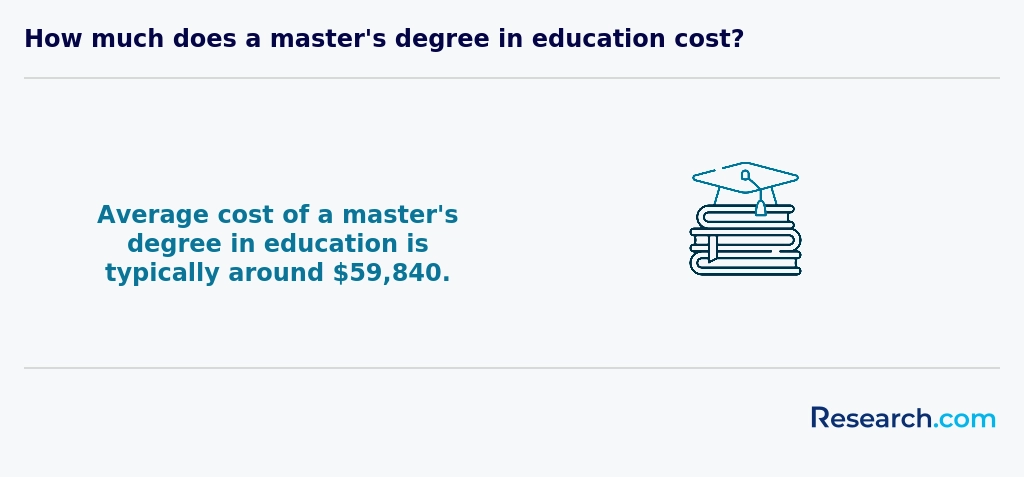
Graduates with an education degree in Milwaukee have access to diverse career paths that meet the city's growing educational needs. Many find rewarding roles as licensed classroom teachers in public, private, or charter schools, with options spanning specialties like special education and STEM. Education students from popular institutions such as the University of Wisconsin-Milwaukee often reflect on how their practical training prepared them for such positions, fueling enthusiasm as they begin careers aligned with community impact.
Other graduates pursue careers as school counselors or academic advisors, helping students navigate challenges while promoting equity and inclusion within Milwaukee's culturally diverse schools. Administrative roles, including principals or district program directors, are attainable with further certification and provide leadership opportunities with competitive salaries.
Beyond K-12 schools, education degree careers in Milwaukee extend to early childhood centers and nonprofit education program coordination, contributing significantly to workforce development. Those seeking to expand their credentials can also explore accelerated options, like pursuing a fast-track associate's degree online, adding flexibility to career advancement.
The education degree job prospects Milwaukee offers are steady, supported by the strong presence of Milwaukee Public Schools (MPS), which seeks skilled educators in early childhood, special education, and STEM fields. Graduates from local institutions frequently share experiences of receiving multiple job offers shortly after completing certification requirements such as the Wisconsin Foundations of Reading Test. This demand is also reflected in surrounding districts like Waukesha and West Allis-West Milwaukee, creating a broader regional employment outlook.
Entry-level teachers often start near $40,000 annually, with average salaries in MPS around $55,000, making the investment in an education degree worthwhile compared to tuition costs at Milwaukee-area colleges. Many graduates find satisfaction working in diverse settings, including private and charter schools needing bilingual or special education licenses. Those interested in further opportunities might explore roles requiring specialization or advanced degrees.
For students planning their career path, examining easy phd programs related to education can provide alternatives for advancement. Overall, Milwaukee's employment outlook rewards committed education graduates with promising and fulfilling career options.
2027 Most Valuable Education Degree Programs Ranking in Milwaukee
Investing in your education is a significant decision that can shape your future, and the Research.com team understands the importance of making informed choices. To assist prospective students in Milwaukee, we have meticulously developed the "2027 Most Valuable Education Degree Programs Ranking in Milwaukee." Our dedication to quality, credibility, and accuracy is demonstrated through thorough research and careful analysis conducted to produce this ranking.
We utilized the following reputable data sources to ensure a comprehensive evaluation of education degree programs:
By exploring this ranking, readers will gain valuable insights into the most valuable education degree programs in Milwaukee, empowering them to make well-informed decisions about their educational and professional futures. For further information about our approach, please visit our Research.com methodology page.


Frequently Asked Questions About education
Education degree students in Milwaukee can enhance their learning by actively engaging with local schools and community programs. Milwaukee Public Schools partners with several universities, offering valuable fieldwork opportunities that allow students to gain practical experience while completing their degrees. According to the Wisconsin Department of Public Instruction, hands-on practice in diverse classrooms significantly improves teaching readiness.
Students should also utilize Milwaukee's educational resources, such as the Education Department at the University of Wisconsin-Milwaukee, which provides workshops and tutoring sessions. Networking with local educators and attending conferences in the city can further deepen their understanding of urban education challenges specific to Milwaukee.
Additionally, staying informed about state certification requirements through the Wisconsin Education Directory helps students align their coursework with licensure standards efficiently.
The education sector in Milwaukee is evolving, with several emerging niches gaining attention among aspiring educators. One key area is special education, driven by increasing awareness of diverse learner needs. According to the Wisconsin Department of Public Instruction, demand for special education teachers in Milwaukee has grown by 12% over the past five years.
Another developing field is educational technology, which integrates digital tools to enhance learning. Milwaukee schools are adopting technology-focused curricula, encouraging interest in education degrees that emphasize tech proficiency.
Additionally, bilingual education remains vital due to Milwaukee's diverse community, with growing opportunities for educators fluent in multiple languages.
Preparing for the job market after completing an education degree in Milwaukee involves several practical steps. Graduates should focus on gaining classroom experience through student teaching or internships, which are often part of Wisconsin's teacher licensure requirements.
Building a professional network within Milwaukee's education community can improve job prospects. Joining local organizations such as the Milwaukee Teachers' Education Association or attending education job fairs helps connect with potential employers.
Understanding the specific needs of Milwaukee Public Schools, which serves over 70,000 students, can give candidates a competitive edge. Researching district priorities and state licensure standards offered by the Wisconsin Department of Public Instruction is essential.
Additionally, candidates should craft resumes highlighting relevant certifications and practical skills aligned with teaching roles in Wisconsin.
Employers in Milwaukee highly value education degree graduates who demonstrate strong classroom management skills. According to the Wisconsin Department of Public Instruction, effective organization and discipline are critical to student success. Communication skills, both verbal and written, are also essential, enabling teachers to engage with students and collaborate with parents and colleagues.
Adaptability is another key requirement. Milwaukee's diverse student population requires educators who can tailor teaching strategies to different learning needs. Data from the Milwaukee Public Schools district emphasizes cultural competence as a growing priority.
Additionally, technological proficiency has become increasingly important as schools adopt digital tools. Graduates who master education technology are more competitive in the job market.
Finding internships in Milwaukee relevant to an education degree involves leveraging local resources and university partnerships. Many Milwaukee-area universities, like the University of Wisconsin-Milwaukee, offer structured internship programs that connect education students with public and private schools.
Additionally, the Milwaukee Public Schools district, serving over 70,000 students, frequently provides internship opportunities for prospective educators. Students should also explore community organizations and nonprofits focused on youth education, such as the Milwaukee Education Partnership.
Job boards like Handshake and platforms affiliated with local colleges typically list education internships. Early application and networking with faculty advisors often increase chances of placement. According to the Wisconsin Department of Public Instruction, internships greatly improve job readiness for teacher candidates.
In Milwaukee, earning an education degree significantly enhances career mobility and advancement opportunities. According to data from the Wisconsin Department of Public Instruction, teachers with a bachelor's degree typically have access to a higher salary scale compared to those without. Obtaining advanced degrees, such as a master's in education, often qualifies educators for specialized roles, including curriculum coordinators or administrative positions.
Furthermore, Milwaukee Public Schools report that educators with higher credentials more frequently receive leadership training and are considered first for promotions. The local job market values certifications and degree advancement, which can lead to increased job stability and earning potential.
Overall, education degrees serve as a critical step for professionals in Milwaukee seeking long-term career growth within the education sector.
Studying for an education degree in Milwaukee equips students with skills essential for interdisciplinary roles by emphasizing collaboration across various fields. Milwaukee institutions often integrate coursework that connects education theory with psychology, sociology, and technology, reflecting the complexity of modern learning environments.
Programs encourage practical experience through partnerships with local schools, healthcare providers, and community organizations. This exposure helps students understand diverse learner needs and develop adaptable teaching strategies.
According to the Wisconsin Department of Public Instruction, Milwaukee graduates are increasingly prepared for roles that require knowledge beyond traditional classroom settings, such as educational consulting or curriculum design.
These interdisciplinary skills are vital as education professionals address challenges in diverse and evolving communities.
When choosing between a thesis and a non-thesis education degree program in Milwaukee, consider your career goals and learning preferences. Thesis programs emphasize research and require students to produce an original study, ideal for those aiming for doctoral study or research-focused jobs.
Non-thesis programs often focus on practical skills and coursework, suiting professionals seeking advancement in teaching or administrative roles. According to the Wisconsin Department of Public Instruction, Milwaukee schools value both practical experience and research skills, making either option viable.
Program length also differs; thesis tracks usually take longer due to research demands. Cost can vary as well, so check with Milwaukee institutions like the University of Wisconsin-Milwaukee for specific details.
Students in Milwaukee seeking education degrees with an international focus have several study abroad options through local universities. Institutions like the University of Wisconsin-Milwaukee (UWM) offer education majors opportunities to participate in exchange programs with partner universities overseas. These programs often focus on comparative education, teaching methodologies, and language immersion experiences.
Many programs provide hands-on teaching practice in international settings, preparing students for diverse classroom environments. Financial aid and scholarships are sometimes available to support these experiences.
According to UWM's Office of International Education, about 150 students per year engage in study abroad opportunities, with education majors comprising a significant portion of this group.
Additionally, students can explore short-term faculty-led trips or semester-long exchanges to gain global perspectives while earning credits towards their degree.
Students pursuing education degrees in Milwaukee can find several part-time job opportunities that enhance their academic learning and professional skills. Common roles include teacher aides, which allow direct classroom interaction and support for licensed teachers. According to the Milwaukee Public Schools district, these positions often provide flexible hours fitting student schedules.
Other options include tutoring younger students or working in educational nonprofits such as the Milwaukee Education Partnership. These roles develop communication skills and deepen pedagogical understanding. Additionally, positions in after-school programs or libraries provide practical experience with diverse learner needs.
Engaging in such part-time jobs not only complements coursework but also improves employability in Milwaukee's competitive education sector.
Education students in Milwaukee benefit from a variety of networking opportunities through local universities and professional organizations. Universities like the University of Wisconsin-Milwaukee and Marquette University offer education students access to events, workshops, and career fairs designed to connect them with local schools and education professionals.
Professional groups such as the Milwaukee Teachers' Education Association and Wisconsin Education Association Council provide events and conferences where students can meet experienced educators and potential employers. According to the Wisconsin Department of Public Instruction, these contacts often lead to student teaching placements and job opportunities.
Additionally, Milwaukee's commitment to community partnerships allows education students to engage in service-learning projects with local schools, expanding their professional network while gaining practical experience.
Alumni networks play a significant role for education degree students in Milwaukee by providing valuable professional connections and mentorship opportunities. These networks often host events and workshops that help students develop practical skills and stay updated on education trends.
In Milwaukee, universities with strong alumni communities, like the University of Wisconsin-Milwaukee, report higher employment rates for education graduates, partly due to networking advantages. According to the Wisconsin Department of Public Instruction, 68% of new teachers in Milwaukee public schools had some form of alumni referral or connection.
Additionally, alumni networks aid in job placement by sharing openings within local school districts, enhancing students' chances of gaining relevant teaching positions.
Customizing an education degree program in Milwaukee begins with selecting a school that offers flexible curricula aligned with your career goals. Many local institutions, such as the University of Wisconsin-Milwaukee, provide options to specialize in areas like curriculum development, special education, or educational leadership. This allows students to tailor their studies to their desired career paths.
Additionally, students can often choose between online, evening, or hybrid courses to fit their schedules, enhancing accessibility for working professionals. Internship opportunities in Milwaukee's diverse school districts provide practical experience, which is crucial for career advancement.
Advisors at Milwaukee universities typically help craft degree plans suited to individual goals, ensuring programs meet state certification requirements when necessary. According to the Wisconsin Department of Public Instruction, aligning education degrees with licensure standards significantly improves employability within the region.
Education students in Milwaukee often face significant challenges related to balancing coursework with practical experience requirements. Many programs mandate extensive fieldwork in local schools, which can be demanding alongside academic responsibilities. According to the Wisconsin Department of Public Instruction, Milwaukee Public Schools serve a diverse student body with complex needs, requiring education students to develop strong cultural competence early in their training.
Another challenge is the financial burden. The average cost of attending a public university in Wisconsin has risen 3% annually over recent years, impacting students' ability to focus solely on studies. Additionally, securing placements in high-quality teaching environments within Milwaukee can be competitive, limiting hands-on experience opportunities crucial for licensure.
With an education degree in Milwaukee, you can pursue several professional certifications to advance your career. One of the most common is the Wisconsin teaching license, required to teach in public schools across the state. This license often requires passing the Praxis exams and completing student teaching components.
Beyond initial licensure, educators can seek certifications such as the National Board Certification, which demonstrates advanced teaching skills and can lead to higher salaries.
Additional options include endorsements in special education, English as a Second Language (ESL), or reading specialists, which are highly valued in Milwaukee's diverse school districts according to the Wisconsin Department of Public Instruction.
Professional development certificates in administration and counseling are also available to expand career paths beyond classroom teaching.
Writing a winning application for an education program in Milwaukee begins with thorough research. Milwaukee offers numerous accredited institutions, including the University of Wisconsin-Milwaukee and Marquette University, both recognized for strong education departments. Applicants should highlight relevant experiences such as volunteer work or teaching internships, which are valued by admissions committees.
It is essential to present clear career goals in the personal statement, emphasizing a commitment to education in diverse urban settings like Milwaukee. According to the Milwaukee Area Technical College, programs prioritize candidates who demonstrate a strong understanding of current educational challenges facing Wisconsin schools.
Finally, ensure all transcripts and test scores are submitted on time. Milwaukee schools often have specific application deadlines, so early submission can improve chances of acceptance.
Education careers in the United States, including Milwaukee, increasingly reflect global trends focused on cross-cultural competence and technological integration. According to the National Center for Education Statistics, over 80% of U.S. states stress global awareness in teacher preparation programs. Milwaukee's universities align with this by emphasizing diverse student populations and multicultural curricula. Educators here are trained to support inclusive classrooms that mirror worldwide demographic shifts, preparing graduates for both local and international environments.
Institutions also encourage language learning and exchange opportunities to broaden perspectives. This global approach helps Milwaukee educators meet evolving demands, such as digital literacy and equity in education, essential in today's interconnected world.
Gaining practical experience while studying for an education degree in Milwaukee is essential for preparing to enter the teaching profession. Many local universities, such as the University of Wisconsin-Milwaukee and Marquette University, offer fieldwork components like student teaching placements in nearby schools. These programs typically require students to complete hundreds of hours in classroom settings under the supervision of experienced educators.
Additionally, Milwaukee Public Schools collaborates with universities to provide internships and practicum opportunities. According to the Wisconsin Department of Public Instruction, hands-on experience significantly improves graduate readiness and employment rates in the district.
Volunteering in community education programs and after-school initiatives can also enhance practical skills. Students are encouraged to engage in environments that expose them to diverse student populations and teaching challenges common in urban public schools.
Choosing the right concentration within an education degree program in Milwaukee involves considering both personal interests and local workforce needs. Milwaukee has a growing demand for teachers specializing in bilingual education, special education, and STEM subjects, according to the Wisconsin Department of Public Instruction.
Students should assess their strengths and career goals alongside available concentrations at area universities like the University of Wisconsin-Milwaukee or Marquette University. Exploring concentrations with strong local job placement rates can improve employment prospects after graduation.
Additionally, understanding licensing requirements in Wisconsin is critical. Certain concentrations, such as special education, require specific certifications. Consulting academic advisors and reviewing Milwaukee Public Schools' hiring trends may also guide your decision.
- 2027 Most Valuable Education Degree Programs Ranking in River Forest
- 2027 Most Valuable Education Degree Programs Ranking in Chicago
- 2027 Most Valuable Education Degree Programs Ranking in Indianapolis
- 2027 Most Valuable Education Degree Programs Ranking in Minneapolis
- 2027 Most Valuable Education Degree Programs Ranking in Cincinnati
- 2027 Most Valuable Education Degree Programs Ranking in Columbus
- 2027 Most Valuable Education Degree Programs Ranking in Cleveland
- 2027 Most Valuable Education Degree Programs Ranking in Erie
- 2027 Most Valuable Education Degree Programs Ranking in Pittsburgh
- 2027 Most Valuable Education Degree Programs Ranking in Buffalo
See What Experts Have To Say About Studying Education
Read our interview with Education experts


Nooshan Ashtari
Education Expert
Professor & Book Author
University of Southern California

- International teaching and education jobs https://www.tes.com/jobs/search/international
- What else can I do with an education or teaching degree? https://targetjobs.co.uk/careers-advice/career-ideas/what-else-can-i-do-education-or-teaching-degree
- Education Jobs https://www.milwaukeejobs.com/jobs/category/Education/Milwaukee,-WI/1555
- Benefits of Networking for Students https://www.melioeducation.com/blog/benefits-of-networking-for-students/
- Teaching Degree Requirements in 2023 | Teachers of Tomorrow https://www.teachersoftomorrow.org/blog/insights/teaching-degree-requirements/
- What Can I Do With a Teaching Degree (Besides Teach)? https://www.alleducationschools.com/blog/what-can-i-do-with-a-teaching-degree-besides-teach/
- How to Pick Your Concentration for Your M.Ed. Degree | ACE Blog https://ace.edu/blog/how-to-pick-your-med-concentration/
- Events & Opportunities https://connect.teachforall.org/events-opportunities
- Student Expectations and Perceptions of Higher Education - ACA https://aca-secretariat.be/newsletter/student-expectations-and-perceptions-of-higher-education/
- The 10 Highest Paying Jobs With a Teaching Degree [Quiz] https://www.umassglobal.edu/blog-news/highest-paying-jobs-with-a-teaching-degree