
2027 Most Valuable Education Degree Programs Ranking in Jonesboro

Co-Founder and Chief Data Scientist
Choosing the right education degree program is an important step for students in Jonesboro aiming to build a rewarding career. This article presents the 2027 Most Valuable Education Degree Programs Ranking in Jonesboro, created by the Research.com team of data scientists to help guide your decision.
By exploring this ranking, you'll gain insights into programs that offer strong career prospects and valuable skills. Reading this article can empower you to make informed choices that set you up for success and personal growth in the field of education.
Key benefits of getting education degree in Jonesboro
- Graduates with an education degree in Jonesboro can expect rewarding salaries, such as $76,000 annually for Special Education Teachers and $77,200 for Instructional Designers, reflecting strong earning potential in these roles.
- Career paths for education graduates include becoming Elementary School Teachers or ESL Teachers, offering opportunities to make a difference in local schools while enjoying job stability and community respect.
- Online education degrees from Jonesboro universities provide flexibility and convenience, allowing students to balance studies with life commitments and still achieve successful careers like those of traditional graduates.
- 2027 Most Valuable Education Degree Programs Ranking in Jonesboro
- What can I expect from education degree in Jonesboro?
- Where can I work with education degree in Jonesboro?
What can I expect from education degree in Jonesboro?
When diving into education degrees in Jonesboro, the first adventure is understanding the investment. Graduates from Arkansas State University, the heart of Jonesboro's education scene, often find the average cost for a bachelor's degree hovering around $9,000 per year for in-state students. This affordability unlocks access to top-tier education programs blending theory with hands-on classroom practice.
Picture yourself in a vibrant A-State classroom, exploring curriculum planning by day and then stepping into local schools to apply what you've learned through real internships. Graduates speak warmly of the balance between rigorous coursework and supportive field experiences that fuel their confidence and passion.
Tuition costs may vary if you aim higher with master's degrees or specialist programs, yet many students embrace financial aid opportunities and scholarships that ease this journey. This practical approach to cost, combined with genuine learning experiences, transforms Jonesboro into a lively launchpad for education careers packed with promise and purpose.
Where can I work with education degree in Jonesboro?
Graduates with education degrees in Jonesboro discover a vibrant world of possibilities right in their hometown. Imagine stepping into a bustling classroom at a local public school, where over 1,400 teachers shape young minds daily, or joining specialized efforts as a special education teacher, meeting a growing demand for supporting students with unique needs.
Many alumni from Arkansas State University dive into roles beyond teaching, like crafting innovative curricula or supporting early childhood development programs. Private schools such as Jonesboro Classical Academy also welcome fresh educators eager for different teaching experiences.
For those craving leadership, administrative paths-think principals or program coordinators-offer a rewarding challenge, often pursued after gaining hands-on classroom experience.
Others thrive as academic advisors or instructors at higher education institutions in Jonesboro, contributing to training the next generation of teachers. Community programs and nonprofits focused on literacy and youth outreach provide creative avenues to impact lives outside the traditional school setting, turning passion into action without ever leaving the city.
Graduates from education programs in Jonesboro, particularly from well-known local schools, often find themselves stepping into rewarding roles with solid earning potential. For instance, a fresh elementary school teacher might expect a mean annual salary around $70,740, bringing enthusiasm and fresh ideas into classrooms across the city.
Those passionate about special education report salaries closer to $76,000 per year, reflecting both the dedication required and the growing local demand. Imagine guiding students with unique needs while enjoying a competitive wage that supports your ambition.
If you lean toward language education, becoming an ESL teacher could earn you about $65,430 annually. This role offers fulfilling moments helping diverse learners integrate and thrive-perfect for graduates eager to make a real difference in Jonesboro's multicultural communities.
Early childhood educators may start with around $41,410 a year, a chance to shape young minds during their most formative years. Meanwhile, instructional designers can command wages near $77,200, crafting innovative learning experiences from behind the scenes in education hubs around town.
Local graduates share excited stories of combining hands-on training with these salary paths, fueled by vibrant university programs and practical internships that prepare them well for Jonesboro's education landscape.
- Arkansas State University in Jonesboro offers bachelor's and master's degrees in various teaching specialties.
- Tuition for education degrees costs about $7,800 per year for in-state students and $16,500 for out-of-state students.
- Entry-level salaries for education graduates range from $38,000 to $42,000 annually, depending on school district and certifications.
- Experienced teachers in Jonesboro can earn between $50,000 and $60,000 per year based on career growth and qualifications.
- Local schools have steady demand for educators in elementary, special education, math, and science fields.
Embarking on an education degree journey in Jonesboro is a thrilling adventure that usually spans about four years for a bachelor's degree. Imagine navigating through general courses, gaining hands-on experience with supervised teaching practica, all while attending Arkansas State University, a hub for aspiring educators. Graduates often describe this period as a time of discovery and growth, feeling the excitement of stepping into classrooms and shaping young minds.
If you're aiming higher with a master's degree, expect to invest an additional one to two years beyond the bachelor's. Many students balance work and study here, enjoying flexible schedules that turn education into a dynamic, tailored experience. This extra time refines skills and expands expertise, opening doors to specialized roles and deeper knowledge.
For those drawn to leadership or research, doctoral studies in Jonesboro can take between three and six years. It's a rewarding journey filled with intense learning and impactful discoveries, preparing you to make a lasting difference in education.
- Arkansas State University (Bachelor of Science in Education): Combines a rigorous curriculum with extensive student‐teaching placements and strong career services, leading to high job placement rates.
- University of Arkansas at Little Rock (Online Bachelor of Education): Fully accredited, flexible scheduling, ideal for working professionals seeking a balance between career and studies.
- Williams Baptist University (Bachelor of Arts in Elementary Education): Features small class sizes, personalized mentorship, and integrated technology training to prepare graduates for modern classrooms.
Graduates from these top programs often join the ranks of the highest paying bachelor degrees in the education sector, underscoring their strong return on investment.
Imagine stepping onto the vibrant campus of Arkansas State University in Jonesboro, where the buzz of conversation and the energy of face-to-face classes create an engaging, hands-on learning adventure. Graduates often reminisce about lively discussions with professors in cozy classrooms and the friendships forged over late-night study sessions and campus events. This on-campus experience immerses you fully, weaving a social fabric that supports your growth as an educator.
Now picture another path: studying education online while balancing a job or family life. Many Jonesboro students embrace this flexibility, logging in from their cozy home offices or favorite coffee shops. Online programs mirror the curriculum taught at Arkansas State's campus, offering the freedom to learn asynchronously without missing out on quality content. Graduates appreciate the reduced costs tied to commuting and housing, making education more accessible while still meeting Arkansas's certification standards.
Evaluating the long-term value of an Education degree goes beyond tuition costs and entry-level salaries-it requires a clear understanding of payback periods, salary growth, and comparative affordability. On average, graduates incur $37,850 in federal student loan debt to complete a bachelor’s program in Jonesboro. With median starting salaries of $38,640 for early childhood educators and $63,130 for ESL teachers, most graduates reach a break-even point in roughly 7–9 years, factoring in standard 10-year loan repayment plans and the potential for incremental salary increases tied to certification or advanced degrees. Key components of ROI analysis:
- Tuition vs. Earnings: At an average in-state public tuition of $9,750 per year, total tuition investment is approximately $39,000 over four years. When combined with room, board, and fees, the total cost of attendance rises to about $108,584, making understanding financial outcomes critical.
- Salary Trajectory: Early childhood educators can expect salary growth of 3–5% annually through added endorsements or Master’s credentials, while instructional designers may see quicker salary gains, reaching $73,080 within 5 years.
- Payback Period: Based on conservative salary estimates and federal loan interest rates, the typical salary-to-debt payback period ranges between 84 and 108 months. Graduates who leverage employer-sponsored tuition reimbursement or accelerated degree options can shorten this window by 1–2 years.
- Alternative Pathways: For cost-conscious students seeking comparable program quality with lower tuition, our Affordable Online Education Degree Programs Ranking in Greeley, CO highlights institutions where online formats reduce living expenses and accelerate degree completion. By integrating a clear ROI framework into program selection, prospective educators in Jonesboro can align financial planning with career ambitions, ensuring an Education degree delivers both professional fulfillment and measurable economic benefits.
When exploring the average cost of education degree in Jonesboro, one immediately encounters figures that reflect both opportunity and accessibility. For many students attending Arkansas State University, tuition for an in-state education degree hovers around $8,090, offering a financially feasible path compared to the national median. Those venturing from out of state typically face higher costs, nearing $26,932, a reality that challenges but also excites individuals ready to embrace new environments and experiences.
Graduates often share stories of balancing their budgets creatively, investing in their futures while enjoying affordable living costs in Jonesboro. These firsthand experiences reveal how the total tuition and fees for Jonesboro education degrees, combined with modest expenses for books and supplies, can fit within practical financial plans. For many, the joy of learning and the promise of impacting future generations outweigh the financial demands.
Students embarking on this journey can also explore the rewarding aspects of graduate education, where tuition fees differ and sometimes climb, yet still remain within reach for in-state residents. The vibrant education community at ASU encourages prospective learners to research financial aid and scholarships that make these dreams attainable. For those curious what awaits after graduation, resources like https://research.com/degrees/what-can-you-do-with-a-teaching-degree shed light on future possibilities, inviting students to envision the many ways an education degree shapes careers and lives.
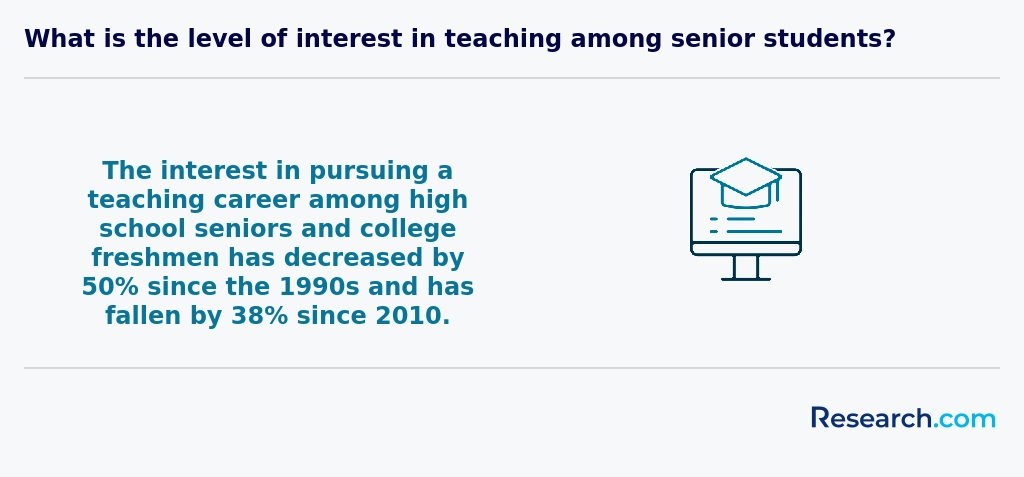
To ensure your Education degree in Jonesboro, AR meets rigorous quality standards and leads directly to a valid teaching license, it’s essential to verify both program accreditation and state certification requirements. Most respected programs are accredited by the Council for the Accreditation of Educator Preparation (CAEP) or the National Council for Accreditation of Teacher Education (NCATE), guaranteeing that the curriculum, faculty qualifications, and field experiences align with national best practices. In Arkansas, prospective teachers must also complete the state’s required assessments-typically the Praxis Core Academic Skills for Educators and the Praxis content exam relevant to their specialization-before applying for initial licensure through the Arkansas Department of Education. Field experiences such as student teaching or supervised clinical practice are integral components of accredited programs; they offer real-world classroom management practice under the mentorship of experienced educators. After meeting coursework and assessment benchmarks, candidates submit formal transcripts, test scores, and background check clearances to the licensure office. Once approved, they receive an initial teaching license valid for five years, during which time they must complete continuing education units (CEUs) or additional graduate credits for renewal. This cycle of ongoing professional learning ensures teachers remain up to date on instructional strategies, state standards, and emerging classroom technologies. For students seeking flexible pathways, many CAEP-accredited institutions now offer online bachelor’s degrees that still fulfill all Arkansas certification prerequisites. To compare accredited online options that balance academic rigor with scheduling freedom, explore our list of best online bachelors in education programs, which highlights programs with embedded licensure support, virtual field placements, and robust student-teaching networks. By prioritizing accredited coursework and aligning with Arkansas’s certification milestones, candidates can confidently progress from degree completion to the classroom, knowing they’ve fulfilled every requirement for a rewarding teaching career.
Imagine landing your education degree in Jonesboro, knowing there's a wealth of financial aid waiting to soften the blow of tuition fees. At Arkansas State University, the go-to spot for education majors here, in-state tuition clocks in around $8,242 annually, but many graduates share stories of how federal aid like the Pell Grant, offering up to $7,395, made that figure far less daunting.
Filling out the FAFSA was their first bold step-unlocking access to grants, loans, and work-study programs designed to support students while they gain hands-on experience. Many found the Direct Subsidized Loan especially helpful, with its low interest and repayment pauses during school terms.
State scholarships, such as the Arkansas Academic Challenge or Workforce Challenge, also brighten the path. Some education students fondly recall how these awards, combined with Arkansas State's own scholarships, lifted financial worries and fueled their teaching dreams.
Plus, local grants and employer tuition assistance programs have stepped in as unexpected allies, creating a network of support that turns financial struggles into stepping stones for future educators in Jonesboro.
As the landscape of education continues to evolve in Jonesboro, AR, prospective students and educators must stay informed about emerging trends that could shape their careers. In recent years, the integration of technology in learning environments has accelerated, prompting institutions to reassess curriculum design and teaching methodologies. Innovations such as blended learning, virtual classrooms, and AI-driven personalized learning experiences are not only redefining the classroom but also expanding career opportunities in instructional design and educational consulting. With changing industry demands and a greater emphasis on digital literacy, it becomes crucial for students to select programs that emphasize future-ready skills. For instance, many experts now recommend exploring valuable education programs in arkansas that incorporate both traditional teaching techniques and modern technological advances, ensuring a versatile skill set that remains competitive in a dynamic job market. As education professionals continue to adapt to these trends, staying updated through continuous learning and professional development will be essential for carving a successful career path in this ever-changing field.
Ready to embark on your education journey in Jonesboro? Most aspiring educators know that starting with a high school diploma or GED is essential. Imagine standing on the vibrant campus of Arkansas State University, feeling the buzz as peers submit official transcripts and SAT or ACT scores, demonstrating their academic strengths. Many graduates recall how maintaining a GPA around 2.5 to 3.0 opened doors for them, while heartfelt letters of recommendation and personal essays shared their passion for teaching.
For those diving into graduate programs, the adventure deepens. Once you've earned a bachelor's degree, presenting transcripts and maintaining a 3.0 GPA often proves vital. Some programs welcome GRE results, while others focus more on your teaching experience or certifications-echoing stories from teachers who've walked these halls and felt empowered by practical internships.
Jonesboro's programs also require background checks and immunization proof, as students immerse themselves in real classrooms. This ensures a safe, supportive space for everyone. Picture yourself in student teaching, guided by seasoned instructors eager to share their wisdom and light your path forward in education.

Graduating from a program accredited by the Council for the Accreditation of Educator Preparation (CAEP) and approved by the Arkansas Department of Education is essential for securing a teaching license. To earn and maintain your Arkansas teaching credential, follow these key steps:
- Enroll in a CAEP-accredited bachelor’s program and meet the minimum GPA requirement (typically 2.75).
- Complete all required coursework, including pedagogy, classroom management and assessment methods.
- Fulfill supervised field experiences with a student-teaching placement in a K–12 classroom.
- Pass the Praxis Core Academic Skills and relevant Praxis Subject Assessments mandated by the state.
- Submit your licensure application, supporting transcripts and background check to the Arkansas Department of Education.
Ongoing professional development and renewal credits are required every five years to uphold licensure. Students seeking a streamlined path to begin their teaching career may first pursue an easiest associates degree before transferring to a bachelor’s program.
Diving into an education degree in Jonesboro unlocks a world where theory meets hands-on adventure. At Arkansas State University, graduates often describe their journey through courses like educational psychology as eye-opening moments-discovering why kids learn differently sparks excitement and empathy for future classrooms.
The practical magic happens in curriculum design classes, where students craft real lesson plans that they'll soon use in local schools. Imagine mastering classroom management strategies and walking into a bustling Jonesboro elementary school ready to inspire and lead with confidence.
Specialized courses tailored to age groups-whether early childhood or secondary education-equip students to connect deeply with their future pupils. Many grads cherish courses on diversity and inclusion, which open their eyes to creating welcoming spaces for all cultural backgrounds common in the region.
Hands-on practicum experiences seal the deal by letting students immerse themselves in real classrooms, turning lessons into lively teaching moments. From learning assessment techniques to exploring education law and technology, these courses shape passionate, prepared educators ready for Jonesboro's vibrant school communities.

Choosing an education degree in Jonesboro opens doors to exciting specializations that shape your teaching journey. Graduates often talk about their experiences diving into Elementary Education, where hands-on classroom management and child development courses prepare them to inspire young learners across popular universities in the area. Others find their passion in Secondary Education, exploring subject-specific teaching like English or Science, a perfect fit within Jonesboro teaching degree program options.
Many students embrace the challenge and reward of Special Education, where meaningful work with students who have diverse needs creates a profound sense of fulfillment. Some even venture into specialized areas like Educational Leadership or Curriculum and Instruction, discovering dynamic ways to influence schools beyond the classroom walls. Hearing from graduates who thrived in these paths sparks curiosity about the wide-ranging opportunities available. The journey through education degree specializations in Jonesboro truly reflects the diverse needs of classrooms and communities.
For anyone interested, understanding careers in education with high demand can provide clarity on which specialties are both rewarding and impactful.
Choosing the best education degree in Jonesboro feels like setting out on an exciting path where your future as a teacher begins to take shape. Graduates from Arkansas State University often recall how vital it was to pick programs that balanced strong accreditation with real-world flexibility. Many embraced part-time or evening classes, allowing them to work while learning-something that truly made their educational journey manageable and rewarding.
Jonesboro offers affordable education degrees Jonesboro 2027 prospects, with tuition falling within a budget-friendly range for in-state students. This makes it a fantastic place to invest in your future without feeling overwhelmed by costs. Imagine sitting in classes that not only prepare you for Arkansan licensure but connect you with community schools eager to welcome fresh teachers.
Exploring program specializations often sparks a sense of discovery, whether it's early childhood education or leadership roles. For those interested in expanding horizons even further, some graduates found success by pursuing an online master's in teaching ESL, blending flexibility with specialization to match their goals perfectly.
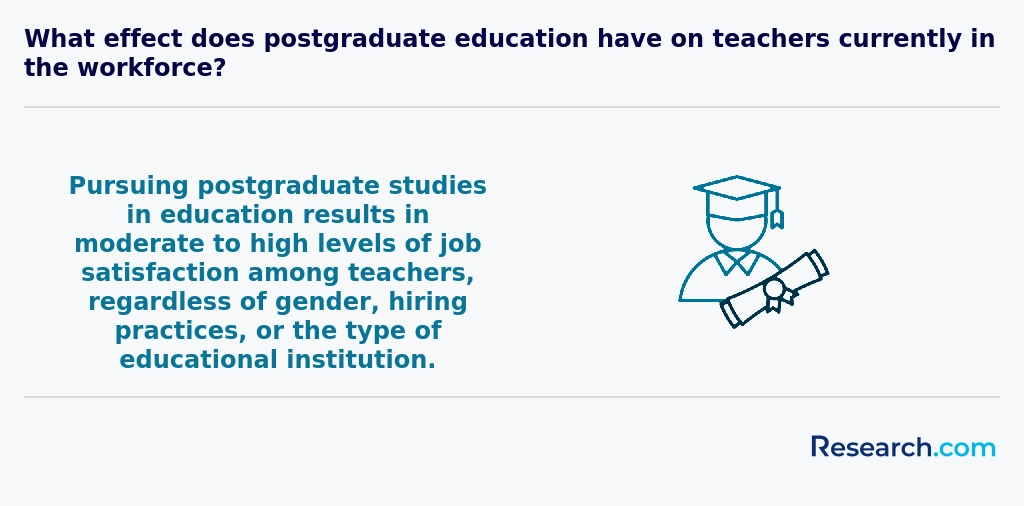
Graduates with an education degree in Jonesboro find themselves stepping into a world brimming with diverse career paths, each offering rewarding challenges and chances to make a difference. From elementary classrooms filled with curious young minds to specialized roles in middle and high schools, the journey shapes educators ready to inspire. Many graduates from Arkansas State University share stories of hands-on teacher training that prepare them to thrive in these dynamic teaching job opportunities in Jonesboro Arkansas.
Others channel their passion into school leadership, serving as principals or curriculum coordinators, where they creatively design learning experiences and manage educational programs. The vibrant educational scene here also encourages exploration beyond traditional roles-imagine working with early childhood education centers or joining cutting-edge education technology companies, truly pushing the boundaries of learning. For those interested in supportive roles, becoming an education counselor offers rich, meaningful interaction guiding students toward success.
Some graduates pursue unique certifications related to education like child life specialist certification cost, opening even more specialized career doors. Studying education in Jonesboro means embracing a community that nurtures growth, creativity, and the excitement of educational innovation.

The job market for education degree holders in Jonesboro offers an inviting landscape shaped by growing local demand. Graduates find themselves stepping into roles within elementary to high school classrooms, where schools benefit from the steady increase in student numbers. Many recent graduates from Arkansas State University share exciting stories about securing teaching positions quickly, drawn by the community's need for licensed educators. Exploring education degree job opportunities in Jonesboro reveals a region with competitive, regionally adjusted salaries averaging between $48,000 and $56,000, encouraging new teachers to build rewarding careers close to home.
Beyond classroom roles, graduates who pursued advanced paths cherish opportunities in counseling and administration, fields marked for positive growth. Local tuition rates near $8,000 make the pursuit of these careers attractive and accessible. Some students even complement their studies with options like music degree programs online, adding versatility to their skill sets. The Jonesboro teacher employment outlook 2027 inspires confidence for future educators eager to make a meaningful impact in their community.
2027 Most Valuable Education Degree Programs Ranking in Jonesboro
Investing in your education is a significant decision that can profoundly influence your future, and the Research.com team recognizes the importance of making well-informed choices. To support students exploring opportunities in Jonesboro, we have carefully developed the "2027 Most Valuable Education Degree Programs Ranking in Jonesboro." Our dedication to quality, credibility, and accuracy is demonstrated through rigorous analysis and validation processes.
We utilized the following reputable data sources to ensure a comprehensive evaluation of education degree programs:
By consulting this ranking, readers will obtain valuable insights into the most worthwhile education degree programs in Jonesboro, empowering them to make confident educational decisions. For more information on our process, please visit our Research.com methodology page.

Frequently Asked Questions About education
Education degree students in Jonesboro can maximize their learning by actively engaging in field experiences, such as student teaching placements arranged through Arkansas State University, the primary provider of education programs in the region. Practical experience is crucial, as the Arkansas Department of Education emphasizes hands-on training to prepare future educators effectively.
Additionally, students should leverage available campus resources, including tutoring centers and academic advising, to strengthen both content knowledge and teaching skills. Joining local education associations or attending workshops can provide networking opportunities and exposure to current educational trends.
Research indicates that combining classroom instruction with real-world practice significantly improves teacher preparedness and confidence, supporting better student outcomes in Jonesboro schools.
The education field in Jonesboro is seeing growth in several emerging niches that reflect broader trends in the U.S. education system. One key area is educational technology, as schools increasingly adopt digital tools to enhance learning. Jonesboro's local colleges have started offering specialized courses in instructional design and e-learning development to meet this demand.
Another growing niche is special education with a focus on inclusive practices and support for diverse learners. According to Arkansas Department of Education data, demand for certified special education teachers in Jonesboro has risen by 12% over the past five years.
Additionally, early childhood education remains vital, with an emphasis on developing evidence-based methods tailored to young learners' cognitive and social development. These niches offer promising career paths for education degree holders in Jonesboro.
After earning an education degree in Jonesboro, preparing for the job market requires practical steps. Securing student teaching placements through Arkansas State University's College of Education provides valuable classroom experience, a key factor employers seek. Networking within local school districts such as Jonesboro Public Schools can uncover job openings and mentorship opportunities. Additionally, obtaining Arkansas teaching certification is mandatory for K-12 employment, which includes passing the Praxis exams. According to the Arkansas Department of Education, candidates with certification and field experience have higher employment rates. Staying updated on educational trends and technology also enhances job readiness in this competitive market.
Employers in Jonesboro prioritize several key skills in graduates with education degrees. Strong communication abilities are essential, as teachers must effectively engage with students, parents, and colleagues. According to the Arkansas Department of Education, classroom management skills rank highly, helping maintain a productive learning environment.
Additionally, critical thinking and problem-solving skills are crucial for adapting to diverse student needs and curriculum changes. Familiarity with digital tools and educational technology is increasingly important, reflecting national trends noted by the National Education Association.
Jonesboro's public schools also emphasize cultural competency, ensuring educators can work effectively in diverse classrooms. These skills collectively enhance a graduate's employability in the local education sector.
Finding internships in Jonesboro relevant to an education degree involves leveraging local resources and institutions. Arkansas State University, the major public university in Jonesboro, partners with many local schools, offering education students access to internship placements through their College of Education. According to A-State's Career Center, over 70% of education interns secure placements within the first semester of studies.
Students should also explore local school districts, such as Jonesboro Public Schools, which often post internship opportunities on their websites. Networking through university faculty and attending local education job fairs can further increase chances of finding quality internships.
Furthermore, utilizing online platforms like Handshake, facilitated by Arkansas State University, provides access to internships in the region tailored to education majors.
In Jonesboro, possessing an education degree significantly enhances career mobility and advancement within the local school systems and related educational fields. According to data from the Arkansas Department of Education, teachers with bachelor's or higher degrees often qualify for higher pay scales and leadership roles more quickly than those without.
Additionally, the availability of education specialists and administrative positions in Jonesboro public schools typically requires at least a master's degree. This credential opens doors to roles such as curriculum coordinators or principals, where salaries are substantially higher. The local job market favors candidates with updated certifications linked to degrees from accredited institutions, which further supports promotion opportunities.
Furthermore, Jonesboro's focus on continuous professional development offers funded workshops and mentoring programs primarily accessible to educators holding advanced degrees. This facilitates expanded skills and networking, both critical for climbing the education career ladder in the region.
Studying for an education degree in Jonesboro equips students with skills that extend beyond traditional teaching roles. Programs often emphasize multidisciplinary approaches, integrating psychology, sociology, and technology to prepare graduates for diverse educational environments. For example, Arkansas State University, a major institution in Jonesboro, incorporates courses in special education and instructional technology, fostering adaptability across fields.
Jonesboro's education degrees encourage collaboration with health services and community organizations, reflecting a growing trend toward interdisciplinary roles in education. According to the Arkansas Department of Education, about 25% of educators in the region engage in cross-sector programs, enhancing student support beyond academics.
Such training helps graduates work effectively in roles combining curriculum design, counseling, and educational technology, meeting the demands of modern schools and community programs.
Choosing between a thesis and a non-thesis education degree program in Jonesboro depends on your career goals and academic interests. Thesis programs typically require original research and a formal written document, preparing students for roles in academia or research. Non-thesis options often focus on coursework and practical skills suited for immediate professional application.
In Jonesboro, Arkansas State University offers both options, with about 40% of graduate education students opting for thesis tracks, according to the latest enrollment data. Those planning to pursue doctoral studies or education policy roles may benefit from thesis experience. Conversely, educators seeking classroom leadership positions often prefer the non-thesis path for its flexibility and faster completion.
Students based in Jonesboro looking to study education abroad have access to various options through partnerships between local universities and international institutions. Arkansas State University, the primary higher education institution in Jonesboro, often facilitates study abroad programs focused on education and teaching methodologies.
These programs allow students to gain global perspectives by spending a semester or summer term in countries with diverse educational systems. Popular destinations include the United Kingdom, Spain, and Costa Rica, emphasizing both language immersion and pedagogical skills.
Financial aid and scholarships are frequently available to help offset costs, making these opportunities more accessible. According to Arkansas State University's Office of International Programs, approximately 3% of their education majors participate in some form of study abroad before graduation.
In Jonesboro, students pursuing education degrees can enhance their learning experience through various part-time job opportunities. Working as teacher assistants in local schools is common and provides hands-on classroom experience, aligning well with degree coursework. According to the Arkansas Department of Education, Jonesboro schools frequently offer such positions to support student teachers.
Additionally, tutoring roles-either privately or through community programs like the Jonesboro Public Library-allow education students to apply pedagogical skills directly. These jobs develop communication and lesson-planning abilities valuable for future educators.
Some students find positions in after-school programs or childcare centers, gaining insights into early childhood education. These roles offer practical knowledge about child development outside the standard classroom setting, supporting degree requirements.
Education students in Jonesboro benefit from a variety of networking opportunities that enhance their academic experience. Arkansas State University, the primary institution offering education degrees in the area, regularly hosts events such as career fairs and professional development workshops. These gatherings connect students with local school districts and education leaders.
Additionally, students can join organizations like the Arkansas Education Association student chapter, providing access to conferences, mentorship, and volunteer activities. These opportunities help build relationships with practicing educators and administrators in Jonesboro's public schools.
Internships and student teaching placements often include networking components, allowing future teachers to establish valuable connections for employment after graduation. According to Arkansas State University's College of Education, over 85% of education graduates find jobs locally within a year, underscoring the effectiveness of these networks.
Alumni networks offer significant advantages to education degree students in Jonesboro. These connections provide access to experienced professionals who can offer mentoring and career advice, which is crucial for first-time educators entering the workforce.
In Jonesboro, institutions such as Arkansas State University have active alumni groups that host networking events and job fairs, helping students secure local teaching positions. According to recent data from the university, over 70% of education graduates find employment within a year, often through alumni referrals.
Moreover, alumni networks can support students with resources like scholarship information and classroom materials. This community fosters professional growth and lifelong learning essential for educators.
Customizing an education degree program in Jonesboro begins with exploring options at local institutions, such as Arkansas State University, which offers flexible pathways including online, evening, and hybrid classes. Students can select concentrations like early childhood, special education, or instructional technology to align with specific career goals. Internships and practicum placements within nearby school districts provide hands-on experience tailored to your interests.
Advisors play a crucial role by helping students choose electives and certification tracks that meet Arkansas state licensure requirements. According to the Arkansas Department of Education, incorporating specialized endorsements can enhance employability and salary potential in the region's growing education sector.
Education students in Jonesboro face several challenges common to many U.S. higher education programs but also some region-specific issues. Limited access to diverse practicum opportunities can hinder hands-on experience, as many local schools have resource constraints. According to the Arkansas Department of Education, rural districts around Jonesboro often struggle with funding, impacting student-teacher ratios and available support.
Another challenge is balancing coursework with field placements. Many education degrees require substantial time in classrooms, demanding strong time management skills from students who often juggle jobs or family responsibilities. Additionally, the evolving standards for teacher certification in Arkansas require students to stay updated with changes, including passing the Praxis exams.
Finally, the cost of education and availability of scholarships specifically for education majors in Jonesboro can affect student retention and success rates. Institutional support is growing but remains an area to watch for prospective students.
With an education degree in Jonesboro, you can pursue several professional certifications that enhance your career opportunities. A common path is obtaining a state teaching license, required to teach in Arkansas public schools. The Arkansas Department of Education offers certification in various grade levels and subject areas.
Additional certifications include National Board Certification, which improves employability and earning potential. Special education and English as a Second Language (ESL) endorsements are popular among educators seeking to specialize.
Jonesboro educators also often pursue administrative certification to qualify for leadership roles such as principals or instructional coordinators. According to the Arkansas Department of Education, certified teachers in Jonesboro earn an average salary of $51,000 annually, reflecting benefits of these additional credentials.
When applying for an education degree program in Jonesboro, it is essential to tailor your application carefully. Start by clearly stating your passion for teaching and how you plan to contribute to the local community. Highlight relevant experiences, such as volunteering or tutoring, which strengthen your commitment to education.
Jonesboro hosts several accredited institutions like Arkansas State University, where approximately 2,000 students enroll in education-related programs annually, according to the National Center for Education Statistics. Demonstrating familiarity with the specific program's requirements and faculty can set your application apart.
Ensure you include strong recommendation letters and maintain a solid GPA, as many programs require a minimum 3.0. Finally, write a concise, focused personal statement that aligns your goals with the program's mission.
Education careers in the United States, including in Jonesboro, are increasingly viewed through a global lens. Educators are expected to understand diverse cultures and teaching methods, which enhances their ability to prepare students for a connected world. According to the National Center for Education Statistics, approximately 68% of public school teachers in Arkansas, including Jonesboro, incorporate multicultural education principles.
Globally, teaching remains a respected profession, with opportunities for cross-cultural exchange programs and international certifications. Jonesboro's education programs often align with international standards, helping graduates compete worldwide. The collaborative focus on technology and inclusive classrooms reflects global trends in education careers.
Gaining practical experience while studying for an education degree in Jonesboro is essential for career readiness. Many local universities, such as Arkansas State University, offer teacher preparation programs that include supervised student teaching placements in nearby public schools. These placements provide hands-on classroom experience under the guidance of certified teachers.
Additionally, students can participate in internships or volunteer with community educational programs to enhance real-world skills. The Arkansas Department of Education supports partnerships connecting students with local schools, helping them to meet certification requirements through practical work.
Engaging in these opportunities is crucial, as 90% of teachers in Arkansas report that real classroom experience significantly improves their job performance, according to recent state education surveys.
Choosing the right concentration within an education degree program in Jonesboro involves understanding your career goals and the local demand for educators. The Arkansas Department of Education highlights a growing need for special education and STEM teachers in Jonesboro and the surrounding region. Research from Arkansas State University, the area's largest institution, indicates that concentrations like early childhood education and special education offer strong job placement rates.
Students should consider their personal interests alongside these labor market trends. Exploring concentrations such as curriculum and instruction or educational leadership can also prepare you for administrative roles. Additionally, reviewing licensure requirements is important, as different concentrations may have unique certification paths in Arkansas.
- 2027 Most Valuable Education Degree Programs Ranking in Birmingham
- 2027 Most Valuable Education Degree Programs Ranking in Montgomery
- 2027 Most Valuable Education Degree Programs Ranking in Indianapolis
- 2027 Most Valuable Education Degree Programs Ranking in Atlanta
- 2027 Most Valuable Education Degree Programs Ranking in Mobile
- 2027 Most Valuable Education Degree Programs Ranking in Cincinnati
- 2027 Most Valuable Education Degree Programs Ranking in River Forest
- 2027 Most Valuable Education Degree Programs Ranking in Chicago
- 2027 Most Valuable Education Degree Programs Ranking in Macon
- 2027 Most Valuable Education Degree Programs Ranking in Greenville
See What Experts Have To Say About Studying Education
Read our interview with Education experts

Alan J. Singer
Education Expert
Professor of Teaching, Learning and Technology
Hofstra University


- Teacher of Global Perspectives (IGCSE) https://www.scie.com.cn/jobs-global-perspectives/
- Quick Links https://www.alfabetaglobal.com/schools/arkansas-state-university/programs/bachelor-of-science-in-education-elementary-education-891dcfd2-422e-4347-b9c0-08a23ee88fe4
- 10 Reasons Why Education Helps to Advance Your Career - Insight Training https://insight.edu.au/blog/career-advancement-through-education/
- How to Pick Your Concentration for Your M.Ed. Degree | ACE Blog https://ace.edu/blog/how-to-pick-your-med-concentration/
- Teaching Job Roles | Teach For Life https://www.teachforlife.com/teachingjobs/global-perspectives-teacher
- 18 Highest Paying Jobs With an Education Degree (not teaching) | Devlin Peck https://www.devlinpeck.com/content/jobs-with-an-education-degree
- How Long Does it Take to Become a Teacher? https://www.educationdegree.com/articles/how-long-to-become-a-teacher/
- Seven Major Challenges Facing Education in the 21st Century https://www.internationalschoolparent.com/articles/seven-global-education-challenges/
- An Overview of Specialization Options in Education Degrees https://www.euroeducation.net/articles/an-overview-of-specialization-options-in-education-degrees.htm
- The 8 challenges of education in a changing world https://casvitrescantos.com/en/the-8-challenges-of-education-in-a-changing-world/


