2027 Most Popular Education Degree Programs Ranking in Tucson

Co-Founder and Chief Data Scientist
Choosing the right education degree program is a big step for any student in Tucson. To make this decision easier, our article presents the 2027 Most Popular Education Degree Programs Ranking in Tucson.
This ranking was carefully developed by the Research.com team of data scientists to help you explore programs that truly fit your goals and interests.
By reading this article, you'll discover valuable insights that can guide your path to a rewarding career in education. Taking this step brings exciting opportunities to grow and make a positive impact in your community.
Key benefits of getting education degree in Tucson
- Education degree graduates in Tucson can enjoy competitive salaries, such as $76,000 for Special Education Teachers and $77,200 for Instructional Designers, reflecting strong earning potential in various education roles.
- Graduates from the University of Arizona often pursue diverse careers, including teaching young children, supporting English language learners, or designing educational programs, offering rewarding and impactful job opportunities.
- Completing an education degree online from institutions like the University of Arizona allows flexible scheduling and personalized learning, making it easier to balance studies with work or family commitments while advancing your career.
- 2027 Most Popular Education Degree Programs Ranking in Tucson
- What can I expect from education degree in Tucson?
- Where can I work with education degree in Tucson?
What can I expect from education degree in Tucson?
The average cost of pursuing an education degree in Tucson is surprisingly accessible, especially for Arizona residents. Graduates from the University of Arizona, the city's flagship institution, often recall how in-state tuition made their dreams feel within reach. For many, this affordability eased the pressure, allowing them to focus more on gaining hands-on experience rather than stressing over overwhelming debt.
Compared to national averages, tuition here tends to be competitive, creating opportunities for students to immerse themselves in dynamic coursework without constant financial strain. Local programs commonly offer financial aid and scholarships designed specifically for education students who plan to serve Arizona public schools, adding even more value to the investment.
Picture yourself in a bright Tucson classroom, learning innovative teaching strategies while feeling supported by both your peers and financial resources. This environment attracts many who are passionate about becoming educators while embracing the city's unique multicultural community and diverse schools.
Where can I work with education degree in Tucson?
Graduates with an education degree in Tucson find themselves stepping into a vibrant world of opportunities. Imagine working as a licensed teacher within the Tucson Unified School District, one of the largest employers with over 6,000 educators shaping young minds across elementary to high schools. Many grads from the University of Arizona and Pima Community College share stories of exciting roles beyond classroom walls, like special education teaching or becoming curriculum developers, where their creativity directly impacts students' lives.
Others leap into higher education, serving as academic advisors or program coordinators, thriving in environments that value leadership and innovation. The joy of guiding fellow students or designing future teacher programs is a common thread among these graduates.
Additionally, community centers and nonprofits offer rewarding positions managing youth programs and after-school learning, perfect for those eager to explore education outside traditional settings.
Entrepreneurial spirits often find success in private tutoring and consulting, fueled by Tucson's diverse population and strong demand for personalized learning.
Diving into the world of education careers in Tucson reveals exciting earning possibilities that align closely with your passion for teaching and learning. Graduates from popular institutions like the University of Arizona find their early years teaching elementary school bring a rewarding mean annual wage of about $70,740, a figure that grows with experience and dedication.
Imagine guiding young minds as a special education teacher, where salaries rise further to an average of $76,000 annually-reflecting the specialized skills and profound impact you bring to your classroom. For those drawn to language and culture, working as an ESL teacher in Tucson offers a vibrant role with an average salary of $65,430, marrying teaching with rich community connections.
Early childhood educators graduate into roles earning about $41,410 yearly, setting the foundation for a fulfilling career that nurtures the youngest learners. Meanwhile, educational designers, often requiring advanced studies, enjoy rewarding salaries around $77,200, crafting cutting-edge learning experiences.
These figures resonate with the stories of Tucson graduates who find not just jobs, but opportunities to grow, explore new specializations, and truly make a difference-all while earning a stable income in a city bursting with educational energy.
- Tuition for a bachelor's degree in education in Tucson ranges from $10,000 to $15,000 per year for in-state students, with total annual costs around $18,000 to $22,000 including fees and living expenses.
- Entry-level teachers typically start with an average salary of about $45,000 per year, which can increase to between $55,000 and $65,000 with experience or advanced degrees.
- The job market for education graduates in Tucson is stable, with steady demand for teaching positions at the elementary, middle, and high school levels.
- Education programs include required student teaching and hands-on experience to meet Arizona's licensure requirements, including passing the Arizona Educator Proficiency Assessments.
- Graduate education degrees cost between $12,000 and $18,000 per year for in-state students and prepare candidates for roles like administration and counseling.
Embarking on an education degree journey in Tucson often feels like stepping into a world full of promise and discovery. Most students aiming for a bachelor's degree at the University of Arizona find themselves fully immersed for about four years, enjoying a rich blend of coursework and hands-on teaching experiences. Some graduates share how balancing part-time studies with family life or internships stretched their path closer to five years, but also deepened their understanding and passion.
Those beginning with an associate's degree at places like Pima Community College often celebrate completing their studies in around two years, opening doors to roles such as teaching assistants or continuing toward a bachelor's degree.
For the adventurous souls pursuing a master's degree in education, the typical timeframe is one to two years full-time at the University of Arizona, often filled with specialized topics like curriculum design or educational leadership. The flexibility of part-time options means these learners craft their own pace, creating a uniquely personal academic adventure.
As Tucson's educational landscape evolves, prospective education students must be aware of emerging trends that are reshaping teaching and learning. Digital transformation is bolstering innovative classroom practices across the region, with technology integration and hybrid models enhancing both online and in-person instruction. Educators are increasingly expected to leverage data analytics to tailor learning experiences, promote inclusivity, and address the diverse needs of students. Additionally, strong industry partnerships and community-based initiatives are growing in importance, providing students with real-world exposures even before graduation. For instance, internships and mentorship programs offered by popular education schools often lead to long-lasting professional relationships that can guide graduates through their careers. As educational demands continue to evolve, staying informed about these trends will empower students and educators alike to innovate and excel in an ever-changing environment.
Imagine walking through the vibrant University of Arizona campus, sharing lively discussions with fellow education students and professors between lectures. This face-to-face interaction fuels a sense of connection and immediacy, helping many graduates feel supported and inspired. The on-campus experience in Tucson offers rich access to libraries, tutoring centers, and career services-resources that shape confident, hands-on educators.
Now picture a busy parent or working professional completing the same rigorous education degree entirely online. Their days might blend homeschooling with logging into asynchronous classes, watching recorded lectures, and joining virtual study groups at midnight. This flexibility opens doors for those who can't relocate to Tucson or need to balance family with learning, all while staying on track with accredited programs.
- On-campus students thrive on scheduled class times and direct social engagement.
- Online learners enjoy self-paced work and digital collaboration from anywhere.
To teach in Tucson, AZ, graduates must secure a valid Arizona teaching certificate by completing these core steps:
- Earn a state-approved Education degree with a supervised student teaching component.
- Obtain a Fingerprint Clearance Card through the Arizona Department of Public Safety.
- Pass the Arizona Educator Proficiency Assessments (AEPAs) relevant to your subject area.
- Submit an application, official transcripts and test scores to the Arizona Department of Education.
- Maintain ongoing professional development and renew your certificate every five years.
For flexible pathways to advanced credentials and continued career growth, consider exploring online master's programs.
Exploring the average cost of education degree Tucson students face opens up a landscape of opportunities shaped by choice and circumstance. For those attending the University of Arizona, in-state undergraduates pursuing an education degree typically encounter median total costs around $13,926. This median reflects tuition, fees, and common expenses, painting a realistic picture for local learners chasing their teaching dreams.
Community colleges like Pima offer a more budget-friendly pathway, where tuition fees are significantly lower, allowing students to embark on their education journey without overwhelming financial pressure. Graduates often share how balancing affordable tuition with quality instruction helped them stay motivated and confident in their career transitions.
Out-of-state students face an average median total cost of approximately $55,328, illustrating the financial stretch required when crossing state lines for education in Tucson. Yet, many find the investment worthwhile as they engage with renowned programs and vibrant campus communities that cultivate their passion for teaching.
Living and learning in Tucson invites students to navigate a mix of university and lifestyle expenses. Beyond classroom costs, additional fees, supplies, and the vibrant Tucson culture enrich their experience while shaping practical budgeting skills. For a deeper dive into what education degrees can lead to, curious students often explore resources like https://research.com/degrees/what-can-you-do-with-a-teaching-degree, which connects career paths and educational outcomes.
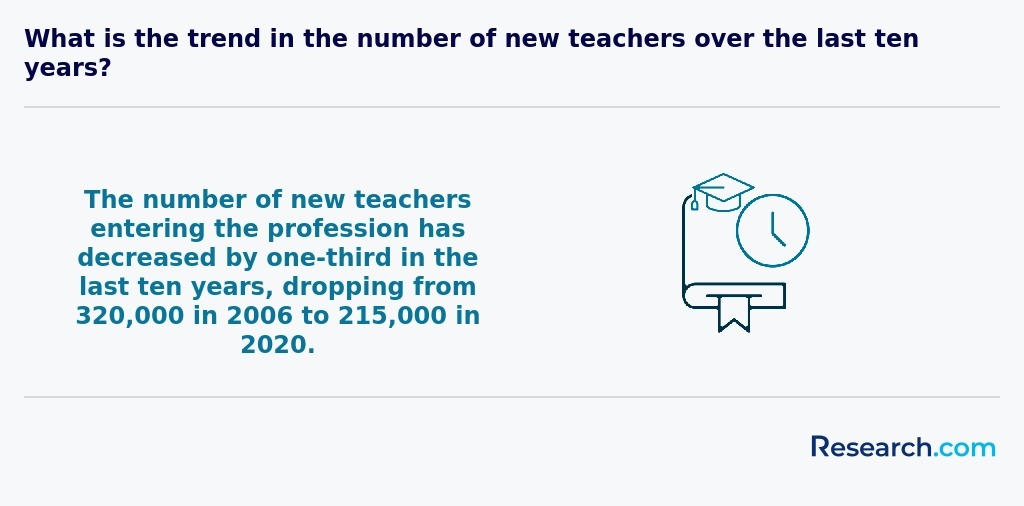
Aspiring educators in Tucson must obtain state licensure through the Arizona Department of Education (ADE) to teach in K–12 public schools. First, you’ll need a bachelor’s degree from an accredited institution and completion of an ADE-approved educator preparation program, which includes supervised student-teaching hours. Next, candidates must pass the Arizona Educator Proficiency Assessments (AEPA), covering Professional Knowledge and Subject-Specific Content. Once these requirements are met, applicants submit fingerprints for a Clearance Card and complete the online licensure application via the ADE portal. After earning a Standard Certificate, teachers must complete 100 continuing education clock hours or hold a master’s degree within five years to renew their license. For accelerated preparation or career advancement, candidates often pursue additional credentials such as reading endorsements or English as a Second Language (ESL) endorsements. Those seeking a faster route into the classroom can explore alternative certification programs, like Teach for America or university-based residencies. Maintaining licensure also involves annual professional development in areas such as cultural responsiveness and special education strategies. Educators interested in deepening their expertise or speeding up certification timelines may consider our best 1-year online master’s in education programs to fulfill renewal requirements while gaining advanced instructional skills.
If you're diving into an education degree in Tucson, you'll quickly discover a treasure trove of financial aid options designed to ease your journey. Many students at the University of Arizona, for instance, tap into federal aid like Pell Grants, which can cover up to $7,395 annually without ever having to pay it back-a true relief when tuition runs around $11,000 for in-state students.
Beyond grants, federal student loans are there to bridge gaps, with graduate students accessing specific loans tailored to their advanced studies. Imagine balancing classes with a work-study gig on campus or in local schools-earning money while gaining firsthand teaching experience, as many Tucson education grads recall fondly.
State scholarships add another sparkle to the mix. Programs like the Arizona Teacher Academy Scholarship reward commitment to Arizona classrooms after graduation, turning your passion into real support. Plus, local scholarships from the UA College of Education and groups such as the Tucson Education Foundation provide exciting opportunities that many students find motivating and financially uplifting.
Accreditation is a critical factor when evaluating Education degree programs in Tucson, AZ, as it ensures that institutions meet rigorous standards for curriculum, faculty expertise, and student support. Regionally accredited schools, such as the University of Arizona (Northwest Commission on Colleges and Universities) and Pima Community College (Higher Learning Commission), have undergone comprehensive reviews that validate the quality and transferability of credits. Prospective students should verify that their chosen program holds accreditation from bodies like the Council for the Accreditation of Educator Preparation (CAEP), which specifically endorses education programs that prepare candidates for effective teaching and leadership roles. State approval by the Arizona Department of Education further guarantees that program graduates are eligible for teacher licensure in Arizona, streamlining the path to classroom certification. Graduates often find that completing an accredited program not only boosts their competitiveness in the job market but also satisfies requirements for federal financial aid, scholarships, and loan forgiveness options. When comparing online and on-campus offerings, it’s essential to confirm that distance education formats maintain the same accreditation status and adhere to quality assurance protocols. For those considering advanced degrees, understanding how program quality influences career outcomes is paramount. Examining rankings of affordable, accredited graduate-level programs-such as the Cheapest Online Master's in Education Degree Programs Ranking in South Carolina-can provide valuable insight into cost-effective pathways that meet high academic standards. By prioritizing accreditation and program quality, students in Tucson can make informed decisions that align with licensure prerequisites, credit transferability, and long-term career success.
Envision stepping into the world of education degrees in Tucson, where the adventure begins with holding a high school diploma or GED-your golden ticket to programs at places like the University of Arizona or Pima Community College. Graduates often recall how this simple first step felt like unlocking a door to endless possibilities.
Next, imagine showcasing your academic skills through tests like the SAT or ACT, even if some schools are starting to relax these rules. It's like proving you're ready for college challenges-an encouraging rite of passage for many local students.
Graduate hopefuls embrace the journey with a bachelor's degree in hand, sometimes in education but often from various fields, bringing unique perspectives to Tucson's classrooms.
Picture the careful background checks and fingerprinting as guardians of safety, reassuring future teachers and their students alike.
Passing Arizona's Professional Knowledge Exam becomes a celebrated milestone, blending confidence and competence crucial for your teaching license.
Alongside these, letters of recommendation and heartfelt personal statements add color and personality to each applicant's story, opening doors to exciting educational careers in Tucson.

Earning additional credentials can boost your qualifications and fulfill Arizona’s teaching license requirements:
- Arizona Initial Teaching Certificate: Requires a bachelor’s degree, fingerprint clearance card and passing scores on the Arizona Educator Proficiency Assessments (AEPA).
- Endorsements: Specialize with ESOL, Special Education, Reading Specialist or STEM credentials to address diverse learning needs.
- Professional Development: Pursue short-term certificates in assessment strategies, classroom technology or leadership to stay current.
- Online Courses: Many educators complete online certification programs for TESOL or specialized credentials, offering flexibility and targeted skill-building.
Diving into an education degree in Tucson means exploring a vibrant mix of courses designed to shape confident, creative teachers ready for any classroom. At places like the University of Arizona and Pima Community College, students eagerly tackle core subjects such as Foundations of Education, where they uncover the rich history and philosophy behind how we teach. Imagine sitting in a lively discussion about how education evolved while connecting it to your own experiences in Tucson's diverse schools.
Courses like Child and Adolescent Development bring a deeper understanding of how young minds grow, sparking those "aha" moments as future educators envision supporting real students through their challenges and triumphs. Instructional Strategies and Classroom Management classes offer hands-on tools that alumni describe as game changers-helping them inspire and engage kids in ways that feel natural and exciting.
Graduates also recall the thrill of designing lesson plans in Curriculum Design and discovering how technology in education can transform lessons into interactive adventures. Combined with student teaching experiences, these courses create a journey full of discovery and practical growth right in the heart of Tucson's community.

When exploring education degree specializations in Tucson, you'll find a rich variety tailored to different passions and career goals. Graduates from local colleges often share excitement about programs in Elementary Education, where you learn to inspire young learners in vibrant classrooms, building essential skills like literacy and math. Many find the hands-on experience in Tucson's schools deeply rewarding, especially as demand for certified educators remains strong.
For those drawn to older students, Secondary Education offers a thrilling dive into subject-specific teaching, from science labs to literature discussions. Students pursuing teaching career options Tucson Arizona also discover unique paths like Special Education, which calls for compassion and specialized training to support diverse learners-many grads express pride in making a tangible difference.
Early Childhood Education is another cherished specialization that graduates praise for its impact on foundational growth, while Educational Leadership opens doors to dynamic roles like principals or curriculum directors. The diverse community in Tucson also highlights the importance of English as a Second Language programs. If you're interested in flexibility and affordability, check out elementary education degree pathways offered locally-they reflect the blend of tradition and innovation Tucson students love.
Choosing the best education degree in Tucson feels like embarking on a personal journey, where the key is finding a program that truly fits your passions and lifestyle. Graduates from the University of Arizona often speak about the excitement of specialized tracks, whether focusing on early childhood or educational leadership, that prepare them for impactful careers while connecting with local schools. If affordability sparks your curiosity, exploring affordable teaching degrees Tucson AZ, like those at Pima Community College, reveals a welcoming path with lower tuition and plenty of support.
Imagine balancing study with life's demands-Tucson's programs shine here, offering flexible online or in-person formats that seasoned graduates praise. Don't forget to dive deep into accreditation, as it ensures your hard work earns respect and opens doors. Scholarships and financial aid create hopeful possibilities, while volunteering or student teaching bring your education alive in nearby classrooms. For those pondering certification, looking into the nevada teaching license process broadens horizons beyond Tucson as well.
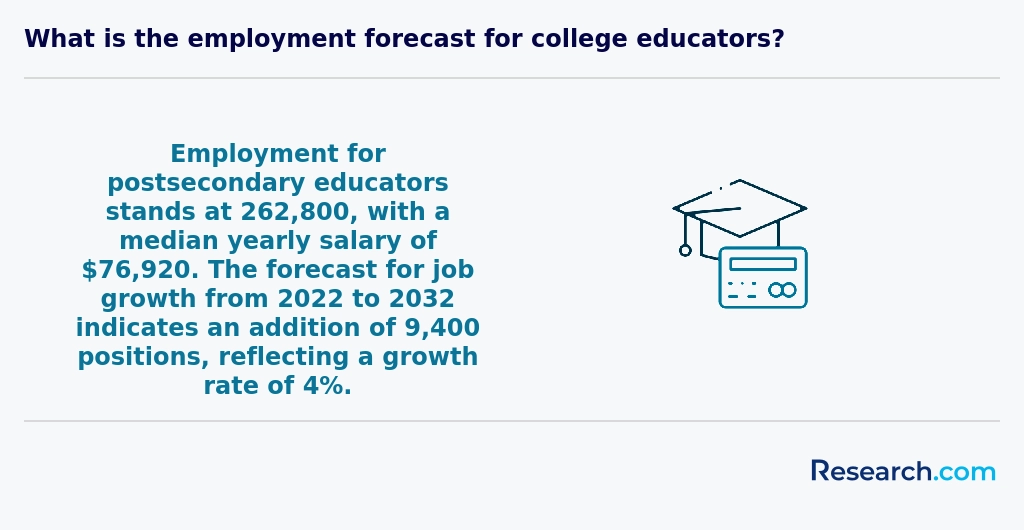
Graduates with an education degree in Tucson often find themselves embarking on vibrant career paths fueled by the city's dynamic educational landscape. Many take up roles as licensed teachers in the Tucson Unified School District, where they inspire young minds and grow alongside their students in energetic classrooms. These opportunities reflect the heart of education degree job opportunities in Tucson, especially when combined with hands-on experiences at institutions like the University of Arizona.
Others dive into educational administration, stepping into leadership roles such as school principals or curriculum coordinators. Here, graduates relish the challenge of shaping school communities, often earning competitive salaries that reward their expertise and dedication. These career options with education degree Tucson extend beyond traditional teaching, embracing innovative fields like special education, counseling, and instructional design.
Driven by curiosity, some graduates embrace less conventional roles-adult education or corporate training in Tucson's expanding sectors-helping learners develop new skills. Exploring online opportunities, many also consider programs like an online master's in speech pathology with low tuition, blending flexibility with professional growth.

Graduates holding an education degree in Tucson step into a job market vibrant with opportunity, especially for those passionate about making a local impact. Popular universities here, like the University of Arizona, prepare students well to meet the steady demand for teachers in specialties such as special education and bilingual instruction. Many recent graduates share stories of landing roles where they design engaging STEM lessons or support diverse classrooms, reflecting Tucson's unique community needs. This real-life experience highlights the practical benefits of pursuing an education degree job opportunities Tucson offers, with various paths extending into charter schools and counseling positions.
The teaching careers market Tucson Arizona embraces shows growth aligned with national trends, but with a distinctive flavor. While average salaries hover around $50,000, the region's affordable tuition-about $12,700 annually for in-state students-helps graduates start their careers with manageable debt. Exploring alternative education roles can even lead to specialized positions, adding excitement and growth potential.
For those curious about different career paths after earning a degree, Tucson's education scene invites exploration beyond traditional teaching. Students often compare these options with top paying skilled trade careers, finding rewarding possibilities that blend passion and financial stability.
2027 Most Popular Education Degree Programs Ranking in Tucson
Investing in your education is a significant decision that can shape your future, and the Research.com team understands the importance of making informed choices. To assist prospective students in Tucson, we have meticulously crafted the "2027 Most Popular Education Degree Programs Ranking in Tucson." Our commitment to quality, credibility, and accuracy is reflected in the extensive research and analysis conducted to compile this ranking.
We utilized the following reputable data sources to ensure a comprehensive evaluation of education degree programs:
By exploring this ranking, readers will gain valuable insights into the most popular education degree programs available in Tucson, empowering them to make informed decisions about their educational journeys. For more details on our methodology, please visit our Research.com methodology page.

Frequently Asked Questions About education
Education degree students in Tucson can maximize their learning experience by engaging deeply with both academic and practical components of their programs. Tucson hosts several respected institutions, including the University of Arizona, which reported over 1,200 students enrolled in its College of Education in 2023. Research shows that students who participate in hands-on internships or local school partnerships gain valuable classroom experience and better understand diverse student needs.
Additionally, students should take advantage of available campus resources such as tutoring centers and academic advising. Networking with local educators through professional organizations like the Arizona Education Association enhances career readiness. Finally, staying current with innovative teaching methods and state education standards will prepare students for success in Arizona's evolving educational landscape.
The education field in Tucson is expanding, with several emerging niches gaining traction for 2027 and beyond. One significant area is educational technology, which focuses on integrating digital tools to enhance learning experiences. Tucson's universities have increased courses to prepare graduates for this growing demand, reflecting national trends where EdTech jobs are expected to grow by 17% through 2030 (U.S. Bureau of Labor Statistics).
Another emerging niche is special education, particularly focusing on inclusive practices that support diverse learners. Tucson schools have emphasized training educators to work effectively with students with disabilities, reflecting statewide needs highlighted by Arizona Department of Education reports.
Finally, bilingual education remains critical in Tucson's multicultural community, with increasing demand for teachers skilled in English language learning programs. This niche offers promising career opportunities due to the city's diverse population and ongoing policy support.
After completing an education degree in Tucson, preparing for the job market involves several key steps. First, gaining practical experience through student teaching placements or internships within local Tucson schools helps build classroom management skills. According to the Arizona Department of Education, over 60% of education graduates in the state find employment within a year, highlighting the importance of networking.
Certification is critical; graduates must obtain state teaching credentials to qualify for jobs in public schools. Additionally, attending local job fairs and connecting with school districts like Tucson Unified School District can increase hiring chances.
Continuing education and professional development also enhance employability in this competitive market.
Employers in Tucson value a blend of interpersonal and technical skills in education degree graduates. Strong communication abilities are essential, as effective collaboration with students, parents, and colleagues is a daily requirement. According to the Arizona Department of Education, over 70% of local school districts highlight adaptability and cultural competency as top priorities due to Tucson's diverse student population.
Instructional skills, especially the ability to implement evidence-based teaching strategies, are highly regarded. Familiarity with digital tools is increasingly important; for instance, proficiency in educational technology platforms can boost employment prospects by up to 25% as reported in a 2023 Tucson education workforce survey.
Lastly, critical thinking and classroom management remain foundational skills employers seek. These competencies enable graduates to create productive learning environments and respond effectively to challenges in urban and rural Tucson schools.
Finding internships in Tucson relevant to an education degree involves several practical steps. Start by contacting local universities like the University of Arizona, which offers education programs with established partnerships in nearby school districts.
Many Tucson schools participate in internship programs that allow students to gain classroom experience. Public school districts such as Tucson Unified School District often have formal internship or student teaching placements available for education majors.
Additionally, using online platforms like Handshake or internships.com can help locate opportunities specific to Tucson. Networking with faculty and attending local education job fairs also improve chances of finding pertinent internships.
According to the Arizona Department of Education, practical experience remains a critical requirement for teacher certification, making internships essential for degree completion and employment readiness.
An education degree in Tucson significantly enhances career mobility and advancement opportunities within the local and statewide education sectors. According to the Arizona Department of Education, certified teachers with bachelor's or master's degrees can access higher salary tiers and leadership roles more readily than those without such credentials. Tucson's school districts, like Tucson Unified School District, often prioritize candidates holding advanced education degrees for positions such as curriculum coordinators, instructional coaches, and administrative roles.
Furthermore, the demand for qualified educators remains steady in Tucson, as reported by the Bureau of Labor Statistics. Advanced degrees can lead to roles beyond teaching, including education policy advisors or specialized support staff. Graduate degrees, including master's and doctoral programs offered locally, also contribute to eligibility for tenure and job security improvements.
Studying for an education degree in Tucson equips students with skills to excel in interdisciplinary roles by emphasizing collaboration across multiple fields. Universities such as the University of Arizona offer programs that integrate education theory with psychology, sociology, and technology, preparing graduates to address diverse learning needs.
Tucson's educational institutions incorporate practical experiences, including community engagement and partnerships with local schools, fostering a real-world understanding of interdisciplinary teamwork. According to the Arizona Board of Regents, nearly 65% of education students in Tucson participate in such integrative practicum experiences before graduation.
This approach reflects a growing national trend in education, where professionals must combine expertise from various disciplines to innovate and support inclusive learning environments effectively.
When deciding between a thesis and a non-thesis education degree program in Tucson, students should consider their career goals and time commitments. Thesis programs typically require original research, which is ideal for those aiming for careers in academia or research roles. Non-thesis options often focus on practical skills and coursework, fitting for professionals wanting to enter or advance in teaching or administrative positions.
In Tucson, institutions like the University of Arizona offer both tracks, with thesis programs generally taking longer to complete. According to the National Center for Education Statistics, about 40% of master's students nationwide opt for thesis options, reflecting the demand for research experience. Local employers often value practical experience, so choosing a non-thesis program may align better with immediate workforce needs.
Students in Tucson interested in pursuing education degrees abroad have several pathways through local universities such as the University of Arizona. Many institutions offer study abroad programs specifically designed for education majors, enabling students to gain international teaching experience while earning credits.
These programs often partner with schools in countries including Spain, Japan, and Australia, providing immersive cultural and pedagogical exposure. According to recent data from the Institute of International Education, around 5% of University of Arizona education students participate in these exchanges annually, reflecting growing interest.
Additionally, students can explore global internships or alternative certification programs abroad to enhance their teaching credentials and cultural competence.
Students pursuing education degrees in Tucson have several part-time job opportunities that complement their academic training. Many local schools and after-school programs hire teacher aides or tutors, providing hands-on experience with lesson planning and classroom management. These positions often offer flexible hours to accommodate student schedules.
The Tucson Unified School District, one of the largest in Arizona, frequently recruits part-time substitute teachers and paraprofessionals, roles that enhance practical understanding of educational environments. Additionally, working as a childcare assistant or in community centers can improve skills in child development and engagement.
According to the Bureau of Labor Statistics, educational support roles in Tucson are projected to grow by 5% through 2028, reflecting increasing demand for qualified personnel. Pursuing these part-time jobs allows education students to build professional networks while gaining valuable experience related to their degree program.
Education students in Tucson benefit from a variety of networking opportunities that help connect them with local schools, educators, and community leaders. The University of Arizona, the main public university in Tucson, offers numerous events, workshops, and career fairs tailored to education majors. These events facilitate direct contact with experienced teachers and school administrators in the region.
Additionally, Tucson's Public Schools and local non-profits frequently collaborate with education programs, providing internships and volunteer roles that expand students' professional networks. Organizations like the Southern Arizona Education Foundation also host seminars and networking sessions aimed at future educators.
According to the University of Arizona's College of Education, over 70% of education students participate in these experiences, which enhance job prospects after graduation.
Alumni networks play a crucial role in supporting education degree students in Tucson. These networks offer valuable opportunities for mentorship, connecting current students with experienced graduates who provide guidance on coursework, teaching strategies, and career paths.
Networking through alumni can lead to internships and job placements in local schools, which is especially important in Tucson where partnerships between universities and school districts are strong. According to the University of Arizona's College of Education, nearly 70% of their graduates find employment within six months, often aided by alumni connections.
Additionally, alumni events and workshops in Tucson help students build professional skills and stay informed on educational trends, enhancing their readiness to enter the workforce.
Students pursuing education degrees in Tucson have multiple ways to customize their programs to align with specific career goals. Many universities and colleges in the region offer concentrations such as early childhood education, special education, or educational leadership. This specialization helps target the skills needed for particular roles within schools or educational organizations.
Additionally, students can often select elective courses and practicums that provide hands-on experience in diverse educational settings. For example, fieldwork in Tucson Unified School District allows learners to apply theory in real classrooms, strengthening their resume.
Online and part-time program options also provide flexibility for working professionals. According to the Arizona Board of Regents, around 30% of education degree seekers in Tucson leverage such formats to balance personal and professional commitments.
Education students in Tucson often face several notable challenges during their studies. One significant hurdle is balancing coursework with practical classroom experience, which is a required component of teacher preparation programs. Field placements can be limited or competitive due to the number of students and local school district partnership constraints. According to the Arizona Department of Education, Tucson Unified School District remains one of the largest employers of education graduates, but placements can still be difficult to secure.
Financial strain is another concern. Although tuition at the University of Arizona and other local institutions is relatively moderate compared to national averages, education students frequently report challenges managing living expenses alongside study commitments, especially if they are working part-time. Additionally, many encounter the pressure of meeting state licensure requirements, including passing the Arizona Educator Proficiency Assessments, which can be demanding for first-time test takers.
With an education degree in Tucson, graduates can pursue a variety of professional certifications that enhance their career prospects. Common certifications include state teaching licenses issued by the Arizona Department of Education, which are required to teach in public schools. These certifications often require passing the Arizona Educator Proficiency Assessments (AEPA).
Additionally, educators can seek certifications such as Special Education, English as a Second Language (ESL), or Reading Specialist credentials to specialize further. Tucson schools value these certifications for addressing diverse student needs. According to the Arizona Department of Education's latest report, over 40% of Tucson educators hold at least one additional certification beyond basic licensure.
Other options include administrative certifications, such as Principal or Superintendent credentials, which require further study and exams. Professional development certificates, like National Board Certification, are also respected nationwide and available to Tucson teachers aiming to demonstrate advanced teaching skills.
To write a winning application for an education program in Tucson, start by clearly demonstrating your passion for teaching and commitment to local communities. Tucson's universities, including the University of Arizona, emphasize practical experience, so highlight relevant volunteer or work experience with students. Admissions committees often look for strong academic records; the average GPA for accepted education candidates at the University of Arizona is around 3.3. Be sure to craft a concise personal statement explaining your career goals and why Tucson's educational environment fits your aspirations. Including knowledge of local educational challenges and initiatives shows genuine interest and preparedness.
Strong letters of recommendation from academic or professional sources who know your teaching potential can significantly boost your application. Familiarize yourself with state certification requirements for Arizona, and indicate your readiness to meet these as part of your career plan. Finally, carefully follow all application instructions and deadlines, as Tucson's education programs can be competitive with limited spots available each year.
Education careers in the United States increasingly reflect global trends emphasizing cultural awareness and adaptability. Graduates with education degrees from Tucson institutions benefit from these perspectives by learning strategies that address diverse student populations. According to the U.S. Bureau of Labor Statistics, employment for kindergarten and elementary school teachers is expected to grow 7% from 2021 to 2031, showing steady demand nationwide.
In Tucson, local universities incorporate international education standards and multicultural training into their programs, preparing students for classrooms that mirror global diversity. These trends align with broader U.S. education goals to improve equity and inclusion.
Understanding global influences helps aspiring educators in Tucson create learning environments that are both locally relevant and globally informed.
Gaining practical experience while studying for an education degree in Tucson is essential for career readiness. Many local universities, such as the University of Arizona, include fieldwork and student teaching as core components of their education programs. Students often complete hundreds of hours in K-12 classrooms under supervision, which helps develop classroom management and instructional skills.
Additionally, Tucson's school districts, including Tucson Unified School District, offer partnerships with colleges for practicum placements. These partnerships provide hands-on experience, allowing students to engage with diverse student populations. Volunteering in after-school programs or tutoring can complement formal practicum work.
According to the Arizona Department of Education, over 80% of aspiring teachers in Tucson participate in such practical learning opportunities before graduation, enhancing job market competitiveness.
Choosing the right concentration within an education degree program in Tucson starts with understanding your career goals and the local job market. Tucson has a strong demand for teachers in special education, bilingual education, and STEM fields, reflecting Arizona Department of Education statistics from 2023.
Consider your interests and strengths when selecting a focus, such as early childhood education, secondary education, or educational leadership. Research shows that Tucson Unified School District actively hires educators with expertise in culturally responsive teaching due to its diverse student population.
Additionally, look for programs accredited by CAEP or regionally recognized to ensure quality training. Many local universities offer concentrations aligned with Tucson's educational needs, making your degree more relevant and increasing employment prospects.
- 2027 Most Popular Education Degree Programs Ranking in Phoenix
- 2027 Most Popular Education Degree Programs Ranking in Riverside
- 2027 Most Popular Education Degree Programs Ranking in San Diego
- 2027 Most Popular Education Degree Programs Ranking in La Jolla
- 2027 Most Popular Education Degree Programs Ranking in Irvine
- 2027 Most Popular Education Degree Programs Ranking in Los Angeles
- 2027 Most Popular Education Degree Programs Ranking in Lubbock
- 2027 Most Popular Education Degree Programs Ranking in Colorado Springs
- 2027 Most Popular Education Degree Programs Ranking in Salt Lake City
- 2027 Most Popular Education Degree Programs Ranking in Denver
See What Experts Have To Say About Studying Education
Read our interview with Education experts

Nooshan Ashtari
Education Expert
Professor & Book Author
University of Southern California

Alan J. Singer
Education Expert
Professor of Teaching, Learning and Technology
Hofstra University

- How to Choose a Concentration for Your Master of Education 3 Questions to Consider https://www.aiuniv.edu/degrees/education/articles/how-to-choose-an-education-specialization
- Teacher of Global Perspectives (IGCSE) https://www.scie.com.cn/jobs-global-perspectives/
- How to Pick Your Concentration for Your M.Ed. Degree | ACE Blog https://ace.edu/blog/how-to-pick-your-med-concentration/
- The Pros and Cons of Online Learning vs. Traditional Education https://www.sophia.org/blog/higher-education/pros-cons-online-learning-vs-traditional-education/
- Education https://www.pima.edu/academics-programs/degrees-certificates/education/ba/index.html
- Navigating Challenges In Education, Learning & Development - those who can https://www.thosewhocan.org/navigating-challenges-in-education-learning-and-development/
- Your career at KIDS&Co. - dwujęzyczne przedszkola KIDS&Co. https://kids-co.pl/en/career/
- Education Technology Trends to Watch in 2065: 10 Innovations Shaping the Future of Learning https://www.digitallearninginstitute.com/blog/education-technology-trends-to-watch-in-2026
- Seven Major Challenges Facing Education in the 21st Century https://www.internationalschoolparent.com/articles/seven-global-education-challenges/
- Online Degree vs. Traditional: Choosing the Right Path https://beal.edu/online-degree-vs-traditional/