2027 Most Affordable Education Degree Programs Ranking in Staten Island

Co-Founder and Chief Data Scientist
Choosing the right education degree program in Staten Island can shape your future in meaningful ways. To support you in this important decision, the Research.com team of data scientists has created the 2027 Most Affordable Education Degree Programs Ranking in Staten Island.
This article offers clear insights into affordable, quality options that fit your budget and career goals. By exploring this ranking, you'll feel more confident about pursuing an education degree that opens doors and inspires growth.
Start your journey with trusted information tailored to help you succeed.
Key benefits of getting education degree in Staten Island
- Salary for education degree graduates: Graduates can expect rewarding salaries, such as $76,000 for Special Education Teachers and $77,200 for Instructional Designers, reflecting strong earning potential in Staten Island.
- Career paths: Education degree holders from institutions like the College of Staten Island often find diverse opportunities in teaching, curriculum design, and educational consulting, ensuring a fulfilling career journey.
- Online degree benefits: Earning an education degree online from a well-regarded Staten Island university offers flexibility and convenience, allowing working students to balance studies with personal commitments effectively.
- 2027 Most Affordable Education Degree Programs Ranking in Staten Island
- What can I expect from education degree in Staten Island?
- Where can I work with education degree in Staten Island?
What can I expect from education degree in Staten Island?
The average cost of pursuing an education degree at the College of Staten Island (CSI), part of the CUNY system, is approximately $7,500 per year for in-state undergraduate students. This affordable tuition rate is a major factor attracting many aspiring teachers from Staten Island who seek quality education without the financial burden seen at private institutions.
Graduates often reflect positively on their experience, noting how CSI's balanced curriculum and practical student teaching placements in Staten Island schools enhanced their readiness for the classroom. The hands-on opportunities to work with diverse learners in local public schools provide invaluable skills in real-life settings, making the moderate cost feel like a strong investment.
Moreover, because CSI is a public college, the in-state tuition structure helps keep education accessible for community members. This reduced financial barrier encourages a steady stream of education candidates ready to meet New York State's teaching certification requirements and step confidently into rewarding careers.
Where can I work with education degree in Staten Island?
Graduates with education degrees from respected Staten Island institutions often enter the workforce as certified K-12 teachers, reflecting the demand shown by over 3,000 public school teachers employed locally as of 2022. Many find rewarding roles within elementary to high schools, bringing classroom learning to life in familiar community settings. For example, graduates from local colleges often share enthusiasm about supporting Staten Island's diverse student body, feeling a strong connection to their neighborhoods.
Beyond teaching, graduates pursue administrative careers like assistant principals or curriculum coordinators, gaining certifications to impact school policies. Special education remains a high-need area, with Staten Island schools actively hiring professionals to assist students with diverse learning challenges-a field graduates find especially fulfilling. Early childhood education roles at public and private preschools also attract many, enabling graduates to engage deeply with young learners and families.
Other practical opportunities include community nonprofits such as the Staten Island YMCA, where graduates lead educational programs and youth initiatives. Some enter higher education support roles or become educational consultants and trainers, leveraging their skills to enhance teaching quality across the borough. These paths highlight the broad, meaningful employment prospects available to education degree holders in Staten Island.
Graduates with education degrees in Staten Island can expect competitive salaries aligned with broader New York metropolitan trends. For example, elementary school teachers often earn around $70,740 annually, reflecting solid entry-level and mid-career pay in the borough. Special education teachers, who bring valuable specialized skills, typically see higher mean wages, about $76,000 per year, offering motivation for those pursuing advanced certifications.
ESL teachers, crucial in diverse Staten Island schools, earn approximately $65,430 annually, a figure that matches demand for language instruction expertise. Instructional designers, a growing career path for education graduates interested in curriculum development, command mean salaries near $77,200.
Graduates from Staten Island colleges pursuing public school teaching roles often highlight satisfaction with these salaries, especially considering strong benefit packages such as pensions and health plans. A typical scenario: after earning a bachelor's degree, a new teacher starts at just over $61,000, enjoys steady raises, and can confidently plan for a rewarding financial future within the local education system.
- Education degrees in Staten Island are available at CUNY campuses, which offer more affordable tuition than private schools.
- In-state tuition for a bachelor's degree in education at public colleges ranges from $7,000 to $10,000 per year, excluding living expenses.
- Private institutions may charge two to three times more than public colleges for the same degree.
- Entry-level teacher salaries range from $50,000 to $60,000 annually, increasing to $70,000 to $85,000 with five to ten years of experience.
- Licensing requires completion of a state-approved program, passing the NYSTCE exams, and ongoing professional development.
Completing a bachelor's degree in education in Staten Island generally takes about four years of full-time study. At institutions like the College of Staten Island (CSI), part of the CUNY system, students often follow a structured course load leading to degrees such as Bachelor of Science in Childhood Education. Graduates commonly share that maintaining a consistent schedule helps them finish on time, balancing coursework with internships or student-teaching assignments.
For master's degrees in education-such as a Master of Arts in Teaching or Master of Science in Education-full-time enrollment usually spans 1.5 to 2 years. Part-time options, popular among working professionals, may extend completion up to 3 years or more. Graduate students note the benefit of flexible pacing, allowing them to manage work and family commitments while progressing steadily toward certification requirements.
Accelerated programs are appealing to many ambitious students who want to graduate faster. For example, some bachelor's degrees can be completed in about three years, and certain intensive master's tracks last just one year, a challenging but rewarding pace for highly motivated learners.
Doctoral programs in education typically require an additional 3 to 6 years post-master's. Although Staten Island-specific data is limited, national trends show this range reflects the time needed for research, coursework, and dissertations.
Investing in an education degree requires weighing tuition costs against expected earnings. On average, in-state students at public four-year colleges in Staten Island incur total costs of approximately $108,584 over four years, while private institutions can reach $234,512. By comparison, the median starting salary for ESL teachers is $63,130 annually, and instructional designers earn around $73,080. This means most graduates recoup their undergraduate investment within two to four years of full-time employment. Key factors influencing ROI:
- Upfront Costs: Tuition, room and board, and fees can range from $15,000 to $58,000 per year, depending on institution type.
- Annual Earnings: Entry-level teachers in Staten Island earn a median of $61,250, with specialized roles like instructional coordinators exceeding $70,000.
- Break-Even Timeline: At a salary of $63,130, graduates typically break even on public college investments in about 1.7 years, while private college graduates may require 3–4 years. For those seeking advanced qualifications, pursuing a master’s online can lower costs and accelerate ROI. Comparing local master’s programs with our Affordable Online Master's in Education Degree Programs Ranking in Slippery Rock, PA reveals options with annual tuition under $15,000 and projected salary increases of 15–20%. Such programs often pay for themselves within two years through higher earning potential and loan forgiveness opportunities in high-need districts. By carefully selecting accredited, cost-effective programs and leveraging financial aid, Staten Island students can maximize their ROI, ensuring a swift return on their educational investment and long-term career growth.
On-campus education degrees in Staten Island, such as those offered by the College of Staten Island (CSI), provide a structured, immersive environment. Graduates often recall the value of face-to-face interactions with professors and peers, which fostered a strong sense of community and immediate feedback. These programs emphasize hands-on training with supervised classroom practicums in local schools, which are essential for New York State licensure. This direct experience builds confidence and practical skills in a real-world setting.
In contrast, online education degrees appeal to students needing flexible schedules, especially working adults or those with family commitments. Staten Island residents benefit from asynchronous courses that fit around personal obligations. Despite being remote, quality online programs still arrange local teaching practicums to meet state certification standards. Graduates appreciate the ability to balance education with daily life while saving on commuting and housing costs.
Financially, on-campus tuition at CUNY-related institutions averages about $7,600 annually for residents, while online programs may offset some fees with reduced living expenses. Both paths ultimately prepare students for successful education careers in Staten Island's schools.
Understanding ROI helps you compare program costs with future earnings to make an informed choice.
- Total annual cost: $14,000–$27,000 (tuition, fees, living expenses).
- Average starting salaries: ESL Teachers $63,130; Early Childhood Educators $38,640; Instructional Designers $73,080.
- Estimated payback period: Approximately 3 years for roles earning above $60K annually.
- Boost ROI by pursuing scholarships, accelerating credits, or choosing an easiest degree to get online.
The average cost of obtaining an education degree in Staten Island reflects a balance between affordability and quality, particularly at institutions like the College of Staten Island (CSI). Data indicates that the median total cost for completing an education degree here is approximately $30,345 for in-state students. Graduates often recall that this financial commitment was manageable compared to other areas in New York City, affirming Staten Island as a viable choice for budget-conscious students seeking affordable education degree programs Staten Island offers.
Out-of-state students face higher costs, with median total expenses reaching about $54,976, which aligns with the broader trend of higher tuition fees for non-residents. Many graduates emphasize how staying in-state helped ease financial strains, allowing them to focus on their studies and hands-on teaching experiences within local schools.
These costs generally cover tuition but exclude additional expenses such as books, testing fees, and living costs, which can add several thousand dollars annually. However, Staten Island's lower living expenses compared to other NYC boroughs positively impact the overall affordability. Many students find that scholarships and financial aid opportunities through CUNY help further reduce out-of-pocket expenses, making the pursuit of an education degree more accessible.
Those exploring different degrees in education may find Staten Island's educational institutions particularly appealing for integrating quality and value while preparing for rewarding careers in teaching and education administration.
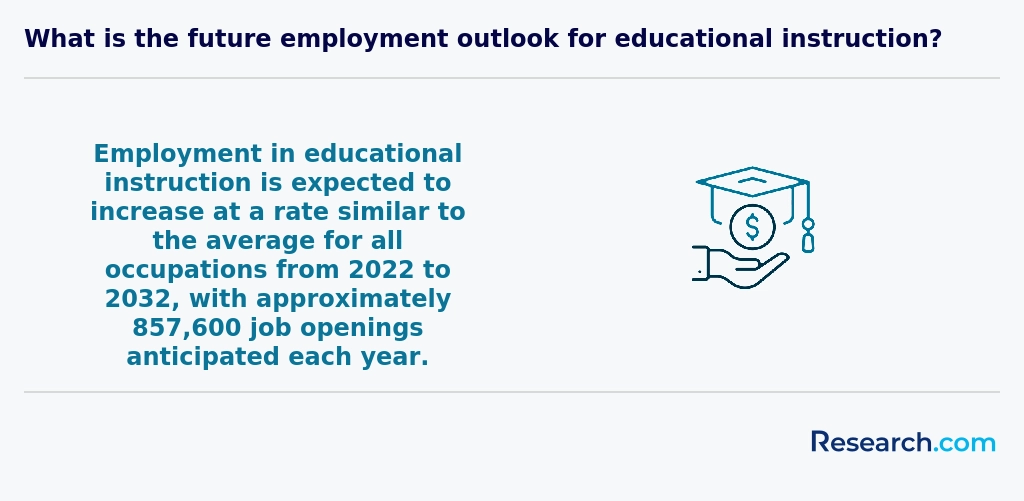
Obtaining your Education degree in Staten Island is just the first step in your journey to becoming a certified teacher in New York State. To teach in public schools, graduates must create a TEACH account through the New York State Education Department (NYSED) and pass the required certification exams, including the Educating All Students (EAS) test and the appropriate Content Specialty Tests (CSTs). Additionally, candidates must complete mandated workshops on child abuse identification, school violence prevention and intervention (Project SAVE), and Dignity for All Students Act (DASA) training. Fingerprinting and a full background check are also necessary to satisfy the state’s safety standards. Upon completing these requirements, applicants can submit their documentation to NYSED to receive their initial teaching certificate, valid for five years. For those exploring flexible learning options, enrolling in programs that integrate certification prep is crucial. Many graduates choose the best online education degree programs to ensure their coursework aligns with state certification standards and includes guided preparation for the EAS and CST exams. These programs often provide targeted workshops, mock exams, and one-on-one coaching to boost pass rates and build confidence. Beyond initial certification, New York educators must pursue professional certification by accruing three years of mentored teaching experience and completing 175 hours of additional coursework in areas such as literacy, mathematics pedagogy, or special education. Staying current with renewal requirements-every five years-allows teachers to broaden their skill sets and maintain high standards in diverse classroom environments. By understanding the full licensing pathway, prospective educators can choose programs that streamline certification and set them up for lasting success in Staten Island schools.
Students pursuing an education degree in Staten Island frequently rely on federal aid as a key resource. Completing the FAFSA is essential, unlocking eligibility for grants like the Pell Grant, which offers up to $7,395 annually for low-income students. Graduates from the College of Staten Island often commend how this support made tuition more manageable amid typical public college costs around $7,000 per year in New York.
New York State's Tuition Assistance Program (TAP) also plays a vital role, providing up to $6,470 per year to residents attending approved schools such as CSI. This state-specific aid significantly alleviates the financial burden, especially for education majors focused on local public service careers.
Many students benefit from local scholarships offered by community groups like the Staten Island Foundation, which target future educators. Work-study programs add practical value, enabling students to earn while gaining relevant experience on campus or in educational settings across Staten Island.
Beyond aid and scholarships, some graduates highlight the relief from enrolling in forgiveness programs like PSLF, which supports those dedicating a decade to public school teaching careers, making the debt load feel more manageable and worthwhile.
Prospective educators in Staten Island must navigate New York State’s certification process to teach in public schools, which ensures high standards and protects student learning outcomes. The key steps include: 1. Earn an Accredited Degree • Complete a state-approved bachelor’s program in Education from an accredited institution. • Ensure coursework covers pedagogy, subject-specific methods, and at least 100 hours of supervised student teaching. 2. Pass Required Examinations • edTPA: A performance-based assessment demonstrating planning, instruction, and assessment skills. • NYSTCE Content Specialty Test (CST): Subject-area exam for your intended teaching field (e.g., Early Childhood, Secondary Science). • ATS-W (Academic Teaching Skills Test): Evaluates pedagogical knowledge and classroom management strategies. 3. Complete a Background Check and Fingerprinting • Submit fingerprints through a state-approved vendor. • Clear the criminal history review to comply with child safety regulations. 4. Apply for Initial Certification • Create an NYSED TEACH account and submit official transcripts, exam scores, and documentation of student teaching. • Pay certification application fees and monitor your TEACH account for status updates. 5. Maintain and Advance Certification • New York’s Initial Certificate is valid for five years. To convert it to a Professional Certificate, complete: – Three years of mentored teaching. – 175 hours of continuing teacher and leader education (CTLE). • For leadership roles (e.g., school administrator), holders often pursue a Master of Education or Education Leadership degree-consider programs like Affordable Online Master's in Education Degree Programs Ranking in Slippery Rock, PA for cost-effective graduate study. Understanding this certification pathway empowers Staten Island students to plan their Education degree with licensure requirements in mind, ensuring a smooth transition from candidate to certified teacher or administrator.
To enroll in an education degree program in Staten Island, aspiring students must first hold a high school diploma or a GED. For example, many graduates from the College of Staten Island share how submitting strong transcripts showing at least a 2.5 GPA helped secure their admission. Some programs may request standardized test scores like the SAT or ACT, but numerous local schools have adopted test-optional policies, easing entry for many hopefuls.
Graduate candidates, including those pursuing a Master's in Education, typically need a bachelor's degree from an accredited institution, which doesn't always have to be in education. Many alumni reflect that letters of recommendation and a clear statement of purpose documenting their passion for teaching played a vital role in their acceptance.
Those aiming for teacher certification in New York must also complete state exams like the EAS and CST. Many students at Staten Island's institutions find preparing for these exams challenging but rewarding as they bring candidates closer to their teaching goals.
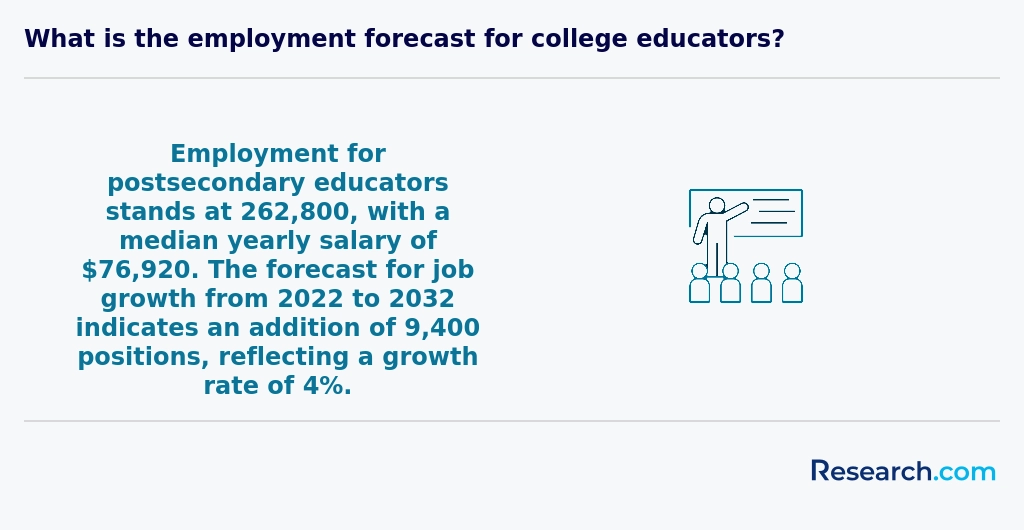
While academic and career information is essential, prospective education students in Staten Island, NY, also highly value insight into the everyday campus experience. This section offers an in-depth look at student life, extracurricular opportunities, and community engagement that shape a well-rounded education journey. At many Staten Island institutions, students not only gain academic strength through rigorous classroom instruction but also build lifelong relationships and develop leadership, communication, and teamwork skills outside traditional lectures. Campus events, student organizations, and resource centers provide a supportive environment that fosters both personal growth and professional development. Many campuses host cultural festivals, art showcases, and volunteer initiatives, encouraging students to connect with the diverse local community. For instance, several campuses have partnerships with local schools and community centers, enriching students’ hands-on experiences and offering a real-world context to classroom learning. These activities often contribute to a memorable college life, making academic pursuits more engaging and practical. Additionally, navigating campus life can be a significant factor when comparing options for higher education. In fact, for those curious about balancing academic quality with vibrant student amenities, you may also want to explore most affordable education schools in new york. This holistic experience not only supports academic success but also prepares students to excel in real-world environments, where soft skills and community involvement are just as critical as academic credentials.
Education degree programs in Staten Island commonly include a diverse range of courses designed to equip future educators with comprehensive skills. Graduates from institutions like the College of Staten Island often reflect positively on courses such as Introduction to Educational Psychology, which delves into how students of various ages learn and develop cognitive skills, helping them tailor teaching methods effectively.
Courses like Curriculum Development and Instructional Design provide practical experience in creating lesson plans that meet both classroom needs and state standards, fostering confidence through hands-on workshops. Classroom Management Strategies also play a critical role, offering techniques that graduates find immediately applicable in managing real-world classroom dynamics.
Furthermore, the integration of Educational Technology prepares students to utilize digital tools creatively, an essential skill praised by recent graduates adapting to modern learning environments. Specialized subjects, including methods for teaching Math, English, or Science, help personalize training based on student interests.
Student Teaching or Practicum components stand out as particularly valuable, offering supervised, real classroom settings where theory meets practice. This immersion is often cited by Staten Island education students as a key factor in their readiness to meet New York State certification requirements.

Education degree specializations in Staten Island typically include Early Childhood Education, Elementary Education, Secondary Education in subjects like mathematics and English, and Special Education. Graduates from local colleges often highlight how Early Childhood Education prepares them for roles in preschools and elementary settings, meeting New York State's licensing requirements. Elementary Education remains in high demand, with programs combining literacy and STEM teaching strategies aligned to state standards. Secondary Education specializations focus on subject-matter expertise for grades 7-12, vital for Staten Island's diverse high school demographics.
Special Education programs emphasize inclusive teaching approaches and compliance with the Individuals with Disabilities Education Act (IDEA), equipping teachers to support students with diverse needs effectively. Students pursuing roles beyond direct classroom teaching often explore English as a Second Language (ESL), literacy education, or educational leadership, reflecting the community's needs, such as Staten Island's growing immigrant population. These varied paths within Staten Island teaching certification programs enable graduates to feel confident and prepared for the workforce.
Local education students also explore interdisciplinary options, including programs highlighting the library science degree benefits, broadening their expertise and career flexibility.
Choosing the best education degree in Staten Island hinges on evaluating factors like program accreditation, costs, and practical experience opportunities. Graduates from the College of Staten Island, a popular institution for education degrees in this borough, often highlight the value of affordable education degree programs Staten Island residents can access. Tuition rates here are significantly lower than many private counterparts, making it financially feasible to pursue quality education without excessive debt.
Program accreditation ensures your degree meets state requirements, crucial for licensure and employment. For example, many local programs accredited by recognized bodies like CAEP maintain high teaching exam pass rates. Graduates often share how their student teaching placements in Staten Island schools gave them real-world experience and strong professional connections, making the transition to full-time teaching smoother.
Additionally, consider the total cost beyond tuition, including fees and living expenses. Balancing these factors aligns with data-driven choices about the best education degrees cost Staten Island students face. For those seeking ongoing professional development, resources such as Arkansas continuing education for teachers provide useful examples of career advancement paths.
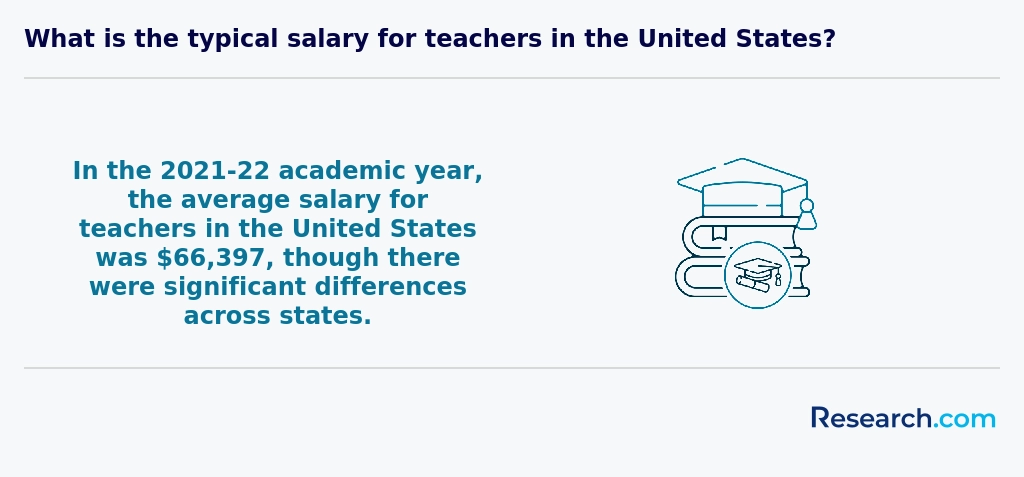
Graduates with an education degree in Staten Island can pursue diverse career paths tailored to the region's educational landscape. Teaching remains a primary option, with New York City's Department of Education consistently seeking qualified educators for elementary, middle, and high schools. Many graduates from the College of Staten Island report fulfilling roles aligned with local standards, demonstrating the value of their training in real classrooms.
Beyond traditional teaching jobs with education degree Staten Island holders can explore specialized fields such as special education, school counseling, and educational administration. For example, many alumni contribute in leadership roles like assistant principals or develop curricula to improve instructional quality. Those interested in broader impact often find opportunities in adult education and community outreach programs.
Staten Island also provides occasions to engage in emerging areas like postsecondary academic advising or education policy. Graduates benefit from access to institutions such as the College of Staten Island, which foster skills for roles including research analysts and instructional designers. Exploring special education jobs for teachers is another promising avenue for career growth in this dynamic market.

The education degree job opportunities in Staten Island reflect a steady and consistent demand, particularly strong in public schools where certified teachers in early childhood, special education, and STEM subjects are highly sought after. Graduates from popular Staten Island colleges often share positive experiences about securing positions shortly after completing their degrees, citing the borough's growing student enrollment and ongoing teacher retirements as key factors boosting vacancy rates.
The Staten Island education career market outlook is supported by average salaries near $73,000 annually for kindergarten and elementary school teachers, comparable to broader New York metropolitan figures. Graduates appreciate competitive compensation combined with union-negotiated benefits. Many report that additional certifications, such as bilingual education endorsements, enhance their employability due to the borough's diverse student population.
Costs of education programs in local public institutions remain accessible, typically ranging from $7,000 to $10,000 yearly for in-state students. Prospective students can explore the most affordable education schools in New York to minimize expenses while maximizing future job prospects.
2027 Most Affordable Education Degree Programs Ranking in Staten Island
Investing in your education is a significant decision that can shape your future, and the Research.com team understands the importance of making informed choices. To assist prospective students, we have meticulously crafted the "2027 Most Affordable Education Degree Programs Ranking in Staten Island." Our commitment to quality, credibility, and accuracy is reflected in the extensive research and analysis conducted to compile this ranking.
We utilized the following reputable data sources to ensure a comprehensive evaluation of affordable education degree programs:
By exploring this ranking, readers will gain valuable insights into the most affordable education degree programs in Staten Island, empowering them to make well-informed decisions for their academic and professional futures. For more details on our methodology, please visit our Research.com methodology page.
# 1 position
College of Staten Island CUNY
Master of Science in Education

# 2 position
College of Staten Island CUNY
Bachelor of Arts in Education
# 3 position
Wagner College
Master of Science in Education

# 4 position
Wagner College
Bachelor of Science in Education
Frequently Asked Questions About education
Education degree students in Staten Island can maximize their learning experience by engaging actively with both theoretical and practical components of their programs. Staten Island College of Staten Island (CSI), part of the City University of New York (CUNY), offers students opportunities to participate in student teaching and internships, which are key for hands-on experience. According to the National Center for Education Statistics, practical experience improves teacher readiness by over 70% compared to classroom-only learning.
Students should also take advantage of local partnerships, such as those with Staten Island schools and community centers, to gain diverse teaching perspectives. Joining education clubs or professional organizations within Staten Island provides networking and leadership development valuable for career growth.
Finally, making use of Staten Island's library resources and attending guest lectures can deepen subject knowledge and exposure to current educational trends.
The education field in Staten Island is expanding into several emerging niches that reflect broader trends in U.S. education. One significant area is educational technology, where specialists design and apply digital tools to enhance learning experiences. Demand for these skills has grown as schools integrate more online and hybrid models. Another growing niche is special education, focusing on personalized support for students with disabilities, with Staten Island public schools reporting increased enrollment in these programs according to NYC Department of Education data.
Additionally, bilingual education and English as a Second Language (ESL) teaching continue to gain importance due to Staten Island's diverse population. Finally, there is rising interest in mental health counseling in schools, addressing student well-being alongside academics. These areas offer promising career paths for education degree seekers in Staten Island.
After earning an education degree in Staten Island, preparing for the job market involves several practical steps. First, gaining teaching certification is essential; the New York State Education Department requires passing the edTPA and meeting specific coursework standards. Networking with local schools and education organizations, such as the Staten Island Teachers Association, can open opportunities.
Internships or student teaching experiences completed during the degree greatly enhance employability. Staten Island's schools often seek candidates familiar with culturally diverse classrooms, which aligns with the borough's population.
Additionally, staying informed on education trends in New York City's DOE system-employing over 7,000 teachers on Staten Island-provides insight into hiring needs and salary scales, which average around $60,000 for entry-level educators, according to NYC Open Data.
Employers in Staten Island seeking graduates with education degrees prioritize strong communication skills. Being able to clearly convey information to diverse student populations is essential. According to the New York City Department of Education, effective communication improves student engagement and learning outcomes.
Another vital skill is classroom management. Staten Island schools report that graduates who can maintain a positive and organized environment tend to be more successful. This skill supports better academic performance and reduces disciplinary issues.
Additionally, employers value adaptability and the ability to integrate technology in lessons. With digital learning becoming widespread in local schools, teachers who are comfortable with educational technology have an advantage.
Finally, collaboration is key. Education professionals often work with colleagues, parents, and community members, so teamwork skills are necessary for success.
Finding internships in Staten Island for education degree students involves leveraging local resources and school partnerships. Many institutions, such as the College of Staten Island (CSI), have dedicated career centers that connect students with local schools and educational organizations for practical experience.
Students can also explore the NYC Department of Education's Internship Programs, which occasionally offer placements specifically in Staten Island public schools. These internships provide valuable classroom exposure and mentorship opportunities.
Additionally, networking with faculty and joining local education-related groups can help uncover hidden internship opportunities. Utilizing online platforms like Handshake, often accessible through Staten Island colleges, further expands internship listings relevant to education majors.
In Staten Island, obtaining an education degree significantly enhances career mobility and advancement opportunities, especially within public and private schools. According to the New York State Education Department, educators with bachelor's or master's degrees earn higher salaries and have greater access to leadership roles, such as department heads or curriculum coordinators. Locally, the NYC Department of Education often requires advanced degrees for promotions beyond entry-level teaching positions.
The demand for qualified teachers in Staten Island remains steady, with data from the Bureau of Labor Statistics showing a projected 5% growth in education jobs in the region through 2030. Holding an education degree also improves eligibility for specialized roles, such as special education or administration, which offer higher pay and job security.
Studying for an education degree in Staten Island equips students with skills that extend beyond traditional teaching. Local programs emphasize interdisciplinary collaboration, blending pedagogy with psychology, technology, and community engagement. This approach reflects the needs of Staten Island's diverse schools, where teachers often act as mentors, counselors, and facilitators of innovative learning.
According to the New York State Education Department, many Staten Island institutions incorporate coursework focused on special education, digital literacy, and cultural competency. These prepare graduates to work effectively across disciplines and partner with healthcare professionals and social workers.
Moreover, partnerships between Staten Island colleges and local agencies offer practical experiences in varied environments, enabling students to adapt teaching methods to different community needs.
Choosing between a thesis and a non-thesis education degree program in Staten Island depends largely on your career goals and learning preferences. Thesis programs emphasize research, requiring students to conduct original studies and write a formal thesis. This path suits those aiming for roles in academia, research, or advanced study. Non-thesis options focus more on coursework and practical skills without the research component, often preferred by working professionals seeking quicker degree completion.
In Staten Island, institutions like the College of Staten Island offer both formats, reflecting trends found across New York State. According to the National Center for Education Statistics, about 40% of master's education degrees nationwide are thesis-based, indicating steady demand for research skills. Consider your personal interest in research and your timeline to pick the best fit.
Students based in Staten Island who want to study education abroad face limited direct options through local institutions. Most Staten Island schools, such as the College of Staten Island (CSI), emphasize domestic education degree programs. However, CSI and other CUNY schools participate in exchange programs that occasionally include international partnerships, allowing students to spend a semester or year overseas. These opportunities are typically part of broader liberal arts or education curricula and require careful planning with academic advisors.
Additionally, students can pursue online education degrees that incorporate global perspectives, which offer flexibility for those interested in international education without leaving Staten Island. The U.S. Department of Education reports that study abroad participation among education majors remains under 10%, reflecting cautious growth in this field. Students should explore CIEE or IES Abroad programs, which occasionally feature education-focused options compliant with U.S. teaching certification requirements.
Part-time job opportunities in Staten Island that complement education degree studies are diverse and valuable for gaining practical experience. Common roles include teacher assistants, tutoring providers, and after-school program aides. These positions offer hands-on experience with classroom management and student engagement, essential skills for future educators.
According to the New York State Education Department, approximately 20% of education students in the region work in educational support roles while studying, helping improve job readiness.
Local organizations such as the Staten Island Library system and community centers frequently seek part-time education support staff, providing flexible schedules suited for students.
Additionally, substitute teaching positions can offer certified education majors a way to earn income and build professional networks within Staten Island's school districts.
Education students in Staten Island benefit from various networking opportunities that support their academic and professional growth. Institutions such as the College of Staten Island (CSI) offer education-focused student organizations and partnerships with local schools, allowing practical experience and connections in the community. CSI's Education Club regularly hosts events where students meet educators and district representatives from the New York City Department of Education. Additionally, Staten Island's proximity to New York City expands access to conferences, workshops, and job fairs focused on teaching careers.
According to the NYC Department of Education, over 2,000 educators work on Staten Island, providing ample chances for internships and mentorships. Local libraries and community centers also hold education forums that students can attend to build professional networks.
Alumni networks in Staten Island provide education degree students with valuable connections that can advance their careers. These networks often offer mentorship opportunities, allowing current students to gain insight from experienced educators in the area. According to the National Education Association, strong local connections improve job placement rates for graduates.
Networking events hosted by universities on Staten Island connect students to local schools and educational institutions, enhancing practical job prospects. Alumni can also share internship openings, which are crucial for hands-on experience in teaching roles. Participation in these networks increases access to resources and professional development workshops tailored to the education field in New York City.
Customizing an education degree program in Staten Island to match your career goals begins with selecting the right specialization. Local institutions, such as the College of Staten Island, offer concentrations in early childhood, secondary education, and special education.
Many programs allow students to choose elective courses tailored to specific interests, such as literacy development or educational technology. This flexibility helps in aligning coursework with intended teaching environments or administrative roles. Additionally, completing internships or student-teaching placements within Staten Island schools provides practical experience directly related to your career path.
Consulting academic advisors can help you design a plan that meets state certification requirements while focusing on your professional objectives. According to the New York State Education Department, aligning your degree with certification exams is crucial for licensure in the region.
Education students in Staten Island often face several challenges tied to both academic demands and local conditions. One notable difficulty involves balancing coursework with required field experiences or student teaching in nearby schools, where placement availability can be limited. According to the New York City Department of Education, Staten Island has fewer public schools compared to other boroughs, making hands-on practicum sites more competitive.
Financial strain is another common issue. Many students manage the costs of tuition alongside living expenses in Staten Island, where housing prices are higher than the New York City average as per recent census data. This financial pressure can affect their ability to focus fully on studies.
Additionally, students often navigate adapting teaching methods to a diverse student population, which requires extensive cultural competency training and support. These challenges emphasize the need for strong academic advising and local resources tailored to education majors in the borough.
With an education degree, professionals in Staten Island can pursue several key certifications to advance their careers. The most common certification is New York State Initial Teaching Certification, required for those aiming to teach in public schools. This credential covers multiple grade levels and subjects depending on specialization.
Additional certifications include the Teacher of Students with Disabilities, which enables educators to work in special education settings. Many also pursue the New York State Literacy Teaching Certificate, addressing growing literacy needs across schools. For administrators, the School Building Leader certification offers leadership opportunities.
Local institutions like the College of Staten Island provide preparation programs aligned with these certifications. According to the New York State Education Department, over 1,000 candidates graduate annually with education credentials in this region, reflecting steady demand for qualified educators.
Writing a winning application for an education program in Staten Island requires clear focus and preparation. Begin by researching the specific programs offered, such as those at the College of Staten Island, which is part of the City University of New York (CUNY) system. Understanding unique program requirements is essential.
Strong applications often include a well-crafted personal statement explaining your motivation to pursue teaching, backed by relevant volunteer or work experience in educational settings. Include clear career goals and how the program aligns with them.
Letters of recommendation from educators or professionals familiar with your skills add credibility. Additionally, meet all deadlines and provide accurate transcripts from prior education. According to CUNY statistics, candidates with a GPA of 3.0 or higher have better chances of admission.
Global perspectives on a career in education emphasize the growing importance of skilled teachers in shaping future societies. In the United States, including Staten Island, education degrees often focus on preparing students to meet diverse classroom needs with innovative teaching methods.
Education careers worldwide value cultural awareness and adaptability. According to the National Center for Education Statistics, over 25% of educators in New York hold advanced degrees, highlighting the demand for well-qualified teachers.
Staten Island offers access to affordable education programs that align with national certification standards, making it easier for graduates to pursue international teaching opportunities or advanced roles within the U.S.
Experts agree that educators with a global mindset are better equipped to address challenges in increasingly multicultural classrooms, a trend reflected in Staten Island's diverse communities.
Gaining practical experience while studying for an education degree in Staten Island is essential for career readiness. Most local colleges, including the College of Staten Island, require students to complete fieldwork or student teaching hours as part of their program.
These placements allow students to work directly with children and school staff in nearby public and private schools. According to the New York City Department of Education, Staten Island public schools often collaborate with higher education institutions to provide supervised internship opportunities.
Additionally, volunteering or part-time work in educational nonprofits can further enhance practical skills. These experiences help students apply theory in real-world settings and build valuable professional networks in Staten Island's education community.
Choosing the right concentration within an education degree program in Staten Island involves understanding your career goals and local job market demands. Areas such as Early Childhood Education, Special Education, and Secondary Education are popular choices supported by the New York State Department of Education's certification paths. Staten Island's public schools often emphasize inclusive classrooms, making Special Education a growing field with increasing opportunities. Research from the National Center for Education Statistics indicates that teachers with specialized qualifications tend to earn higher salaries. Additionally, consider programs that offer practical student-teaching experiences in Staten Island's diverse schools to enhance your readiness.
- 2027 Most Affordable Education Degree Programs Ranking in Philadelphia
- 2027 Most Affordable Education Degree Programs Ranking in Wilkes-Barre
- 2027 Most Affordable Education Degree Programs Ranking in Dover
- 2027 Most Affordable Education Degree Programs Ranking in Providence
- 2027 Most Affordable Education Degree Programs Ranking in Washington
- 2027 Most Affordable Education Degree Programs Ranking in Buffalo
- 2027 Most Affordable Education Degree Programs Ranking in Pittsburgh
- 2027 Most Affordable Education Degree Programs Ranking in Erie
- 2027 Most Affordable Education Degree Programs Ranking in Cleveland
- 2027 Most Affordable Education Degree Programs Ranking in Raleigh
See What Experts Have To Say About Studying Education
Read our interview with Education experts

Alan J. Singer
Education Expert
Professor of Teaching, Learning and Technology
Hofstra University

Nooshan Ashtari
Education Expert
Professor & Book Author
University of Southern California

- What Can I Do With a Teaching Degree (Besides Teach)? https://www.alleducationschools.com/blog/what-can-i-do-with-a-teaching-degree-besides-teach/
- Top 10 Effective Networking Tips for Students https://www.unfc.ca/blog/networking-tips-for-students
- Education Technology Trends to Watch in 2065: 10 Innovations Shaping the Future of Learning https://www.digitallearninginstitute.com/blog/education-technology-trends-to-watch-in-2026
- 5 Tips on Choosing the Right Course or Study Program - Edunation https://www.edunation.co/5-tips-on-choosing-the-right-course-or-study-program/
- Student Expectations and Perceptions of Higher Education - ACA https://aca-secretariat.be/newsletter/student-expectations-and-perceptions-of-higher-education/
- Education Study Abroad | CIEE https://www.ciee.org/go-abroad/college-study-abroad/programs/subjects-disciplines/education-study-abroad
- Online Learning vs Traditional Learning Comparison https://advantagesschool.com/online-learning-vs-traditional-learning/
- Seven Major Challenges Facing Education in the 21st Century https://www.internationalschoolparent.com/articles/seven-global-education-challenges/
- The 8 challenges of education in a changing world https://casvitrescantos.com/en/the-8-challenges-of-education-in-a-changing-world/
- Know more about thesis vs non- thesis: what is the difference? https://studyfans.com/en/blogs/816