2027 Most Affordable Education Degree Programs Ranking in East Lansing

Co-Founder and Chief Data Scientist
Are you considering pursuing an education degree in East Lansing? Choosing the right program can feel overwhelming, but it doesn't have to be. This article presents the 2027 Most Affordable Education Degree Programs Ranking in East Lansing, created by the Research.com team of data scientists to guide you toward the best value options.
Exploring this ranking will help you find affordable programs that align with your goals, making your journey smoother and more rewarding. An education degree opens doors to meaningful careers, and this guide supports your path with trustworthy insights.
Key benefits of getting education degree in East Lansing
- Graduates with an education degree in East Lansing can expect competitive salaries, such as $70,740 annually for elementary school teachers and $76,000 for special education teachers, offering financial stability and rewarding career options.
- Career paths include roles like instructional designers, early childhood educators, and ESL teachers, making use of diverse skills gained at institutions like Michigan State University with its strong education programs.
- Online education degrees provide flexibility and convenience, allowing graduates from programs like Michigan State's online offerings to balance work and study while gaining respected credentials without compromising quality.
- 2027 Most Affordable Education Degree Programs Ranking in East Lansing
- What can I expect from education degree in East Lansing?
- Where can I work with education degree in East Lansing?
What can I expect from education degree in East Lansing?
The average cost of pursuing an education degree in East Lansing, particularly at Michigan State University (MSU), remains notably affordable for in-state students. Undergraduate tuition for residents typically averages around $15,000 annually, making it a financially accessible choice compared to other national programs. Graduates often recall balancing rigorous coursework with practical field placements in local schools, which enhance learning without incurring additional expenses.
These hands-on experiences, embedded within the curriculum, provide invaluable preparation for future educators, complementing the cost-effective tuition. Many students express satisfaction with the value gained from scholarships and financial aid opportunities offered by MSU, which further ease the economic burden.
Graduate-level programs vary in duration from one to five years depending on the degree, affecting total costs accordingly but maintaining a competitive rate that appeals to prospective educators. The combination of affordability, experiential learning, and strong local employment prospects makes East Lansing a practical and encouraging environment for education students.
Where can I work with education degree in East Lansing?
Graduates with an education degree in East Lansing commonly find rewarding career opportunities in K-12 public schools, particularly within the East Lansing School District, where demand is high for skilled teachers in areas such as special education, science, and mathematics. Many alumni from Michigan State University (MSU), a leading institution in the region, secure positions as classroom teachers or instructional coordinators, experiencing a strong sense of fulfillment contributing directly to student success.
Beyond K-12 teaching, education graduates engage with higher education roles at MSU, including academic advising, research support, and curriculum development, where they apply innovative digital learning strategies. This diversity allows graduates to align their career interests with evolving educational technologies and policy trends.
Additionally, local government agencies and nonprofits in East Lansing offer meaningful roles in program coordination and community education initiatives. Graduates often highlight the rewarding nature of these positions, which address early childhood education, adult literacy, and public outreach. Some also transition into healthcare settings, focusing on patient education and health communication, expanding the impact of their degrees.
Graduates with education degrees from East Lansing institutions often find promising salary prospects in various teaching and instructional roles. For example, elementary school teachers typically earn a mean annual wage of $70,740, reflecting a solid starting point for those entering public schools in the Lansing-East Lansing area. Special education teachers, who often benefit from additional training provided by local programs, can expect even higher earnings around $76,000 annually, a rewarding outcome for those passionate about inclusive education.
Those specializing as English as a Second Language (ESL) teachers, a field increasingly emphasized in East Lansing schools, earn approximately $65,430 per year. Early childhood educators, who play a vital role in community programs connected with area colleges, earn about $41,410 annually, which provides a steady and gratifying career path.
Additionally, graduates pursuing roles in instructional design-a growing field supported by universities in East Lansing-can anticipate salaries near $77,200, highlighting opportunities beyond classroom teaching. These figures align well with state averages and reflect a robust local demand, encouraging new graduates to envision rewarding careers right here in East Lansing.
- Michigan State University offers education degrees at undergraduate, graduate, and doctoral levels in fields like elementary and special education.
- Tuition for in-state undergraduates ranges from $15,000 to $17,000 per year, while out-of-state students pay around $40,000 annually.
- Graduate education tuition for in-state students averages between $17,000 and $25,000 per year.
- Entry-level teaching positions start at about $45,000 per year, with experienced educators earning between $60,000 and $80,000 annually.
- Teaching certification requires completing an accredited program, student teaching, and passing the Michigan Test for Teacher Certification (MTTC).
- Local programs offer practicum placements and career services to support job readiness and professional growth.
Completing an education degree in East Lansing varies by program level and enrollment status, with Michigan State University being the primary institution serving local students. Graduates pursuing a Bachelor's in Education typically invest around four years of full-time study, balancing coursework and practical experiences that prepare them effectively for teaching careers.
Those advancing to a Master's in Education often find flexible timelines; full-time students complete their degrees in 12 to 18 months, while part-time students-frequently working professionals-may take two years or more. This flexibility allows individuals to manage work-life commitments while advancing their expertise in areas like curriculum development or educational leadership.
Further specialization through an Education Specialist (Ed.S.) degree requires an additional 1 to 3 years beyond the master's, offering graduates an opportunity to deepen their practical skills. Doctoral candidates at MSU typically spend 3 to 7 years, depending on research progress and dissertation milestones, reflecting the rigorous scholarly commitment required for advanced education roles.
East Lansing offers a balanced blend of affordability and vibrant campus culture that complements the tuition savings highlighted in our ranking. On average, students can expect to pay around $700–$900 per month for off-campus shared housing, while on-campus residence halls range from $8,000 to $11,000 per academic year, inclusive of utilities. Groceries and dining out cost approximately $250–$350 monthly, and a monthly MSU bus pass is just $35, making transportation both eco-friendly and budget-friendly. Beyond expenses, the city’s student life flourishes through more than 900 registered student organizations, from the Education Club to the Spartan Student Senate, offering leadership, networking, and community-service opportunities. Recreational amenities include the Campus Rec Center-featuring fitness classes, intramural sports, and wellness workshops-and cultural hubs like the MSU Broad Art Museum, which hosts free student events. Seasonal farmer’s markets, downtown festivals, and the new Collegeville Art & Activity District provide affordable entertainment and local engagement. For students seeking even greater flexibility, consider supplementing your on-campus experience with accredited online coursework. Research.com’s Cheapest Online Education Degree Programs Ranking in New York highlights programs that can reduce living-cost pressures while maintaining high academic standards-perfect for those looking to balance a tight budget with diverse learning formats.
The primary difference between online and on-campus education degrees in East Lansing lies in the learning environment and flexibility. Graduates from Michigan State University's online programs often highlight the convenience of attending classes remotely on their own schedules, which allows them to balance work and family commitments effectively. In contrast, on-campus students value the immediate interaction with professors and peers, as well as access to campus resources like libraries and education labs, fostering a more immersive learning experience.
Online programs tend to offer slightly lower tuition per credit-typically $500 to $700 for residents-compared to $600 to $800 for on-campus courses, though students should consider additional technology costs. Those pursuing on-campus degrees frequently appreciate the structured routine and hands-on opportunities such as local practicum placements, essential for acquiring teaching certification in Michigan. Both formats maintain rigorous academic standards, ensuring graduates are well-prepared whether they learn remotely or in person.
To teach in Michigan public schools, Education degree graduates in East Lansing must secure state certification through the Michigan Department of Education (MDE). The process includes: 1. Academic Prerequisites • Bachelor’s degree in Education from an accredited institution. • Completion of state-approved teacher preparation program, including at least 16 weeks of student teaching. 2. Examinations • Michigan Test for Teacher Certification (MTTC): Pass both the Basic Skills test and the subject-area assessment for your endorsement (e.g., Early Childhood, ESL). • Basic Skills Waiver (available for applicants with a cumulative GPA above 3.0). 3. Background Clearance • FBI and Michigan State Police fingerprinting. • Child abuse and neglect central registry check. 4. Application and Fees • Submit the online certification application via the Michigan Online Educator Certification System (MOECS). • Pay the non-refundable application fee (currently $124). 5. Professional Development and Renewal • Initial teaching certificates are valid for five years. • To earn a Professional Educator License (PEL), complete MDE-approved continuing education (six credit hours or 240 renewal points) and submit a renewal application before expiration. For those exploring flexible pathways, consider affordable online programs with licensure support, such as our Cheapest Online Education Degree Programs Ranking in New York. These programs often incorporate MTTC prep and state-aligned curriculum to streamline your path to certification.
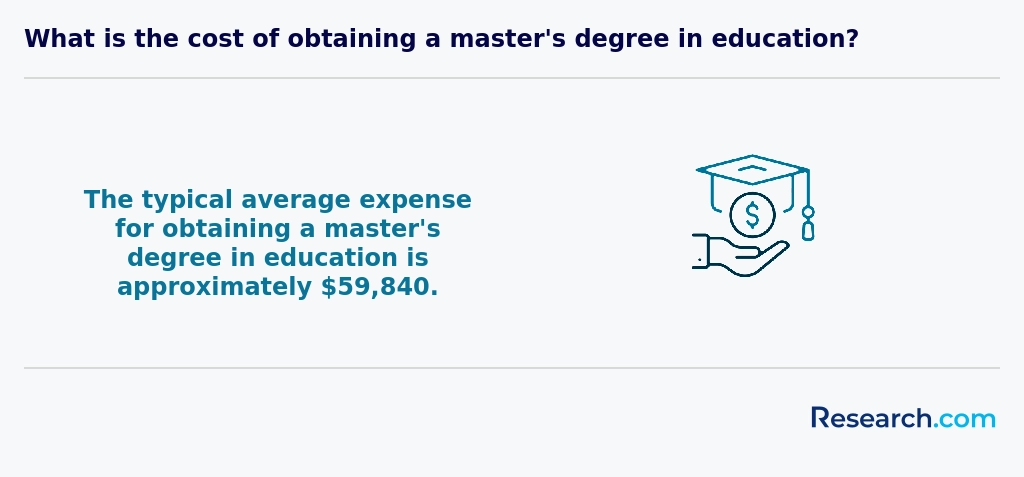
The average cost of obtaining an education degree in East Lansing reflects both in-state and out-of-state tuition rates at Michigan State University, the city's leading institution for education programs. While the median total cost for in-state students stands near $16,458, out-of-state students face significantly higher expenses, with median costs around $57,786. These costs encompass tuition, fees, and typical academic expenses over the full course of study. Graduates from MSU often recall carefully balancing these costs with the quality education and practical experience gained through the College of Education's programs.
Many students pursuing an affordable education degree program in East Lansing find that the university's support services-such as scholarships, federal aid, and graduate assistantships-make a substantial impact in reducing the overall financial burden. Part-time enrollment options allow learners to manage expenses more sustainably by extending their study timeline. Additionally, students frequently highlight the flexibility and cost-effectiveness of online courses offered through MSU, which also contribute to accessibility without compromising academic standards.
Beyond tuition, education students often budget for materials and practicum experiences that can add to their total investment. This reality is familiar to many graduates who appreciate the value of hands-on training preparing them for rewarding careers. For those exploring career pathways, programs in East Lansing provide a solid foundation not only for teaching roles but also for government jobs for history majors and related fields, expanding professional opportunities.

Ensuring your Education degree is accredited and meets Michigan’s licensure standards is vital for a successful teaching career. In East Lansing, most reputable programs hold CAEP (Council for the Accreditation of Educator Preparation) accreditation or NCATE recognition, signaling they meet rigorous national quality benchmarks. Graduates from CAEP-accredited institutions not only satisfy federal Title II requirements but are also eligible for state licensure without additional program reviews. To become a certified teacher in Michigan, students must: 1. Complete an approved educator preparation program at an accredited college or university. 2. Pass the Michigan Test for Teacher Certification (MTTC) relevant to their endorsement area (e.g., Elementary, Secondary, or Special Education). 3. Fulfill professional readiness assessments, such as the Foundations of Reading Test for early childhood and elementary candidates. 4. Submit official transcripts and background checks to the Michigan Department of Education (MDE) via the Michigan Online Educator Certification System. For aspiring educators who require flexibility, accredited online pathways can streamline both coursework and certification prep. To explore top-ranked options that align with state standards and offer comprehensive licensure support, see our guide on what is the best online education degree program. Whether you pursue on-campus or virtual instruction, verifying program accreditation and state approval ensures your degree translates directly into a valid Michigan teaching certificate.
Students pursuing education degrees in East Lansing benefit from a variety of financial aid options that significantly alleviate the cost of attendance. At institutions like Michigan State University, future educators often secure federal Pell Grants and FSEOG awards, which provide crucial need-based funding without the pressure of repayment. Graduates frequently share how these grants made their academic journey more manageable, allowing them to focus on their studies rather than financial stress.
State-specific programs such as the Michigan Competitive Scholarship and the Tuition Incentive Program further support residents enrolled in education programs, rewarding both financial need and academic achievement. Many recipients express gratitude for these opportunities, as they often prove instrumental in maintaining enrollment through degree completion.
Additionally, the TEACH Grant stands out as a valuable resource for those committed to teaching in high-need areas within Michigan, offering up to $4,000 annually. Students often report feeling motivated by this targeted support, knowing their efforts directly contribute to addressing teacher shortages.
Work-study positions and graduate assistantships at Michigan State provide hands-on experience and income, enhancing both financial stability and professional growth. Taken together, these resources create a robust support system for education students navigating the demands of their programs in East Lansing.
Before taking the plunge into choosing an education degree program, it’s essential to plan your path with clear, actionable steps that not only align with your academic interests but also your long-term career goals. Begin by researching programs that have a strong reputation for both academic excellence and real-world results. Verify accreditation and read up on detailed program reviews to build confidence in your choices. Evaluate your preferred learning format-whether traditional, hybrid, or online-to ensure that the pace and style suit your lifestyle and career aspirations. Once you’ve gathered the basic information, compare tuition fees, available specialization tracks, and student support services to narrow down your options. For instance, you might explore comprehensive data listings that highlight the most affordable education programs in michigan to balance quality with cost-effectiveness. Finally, connect with current students and program alumni through forums and open house events to get first-hand insights that can guide your decision. By following these steps, you’ll empower yourself to select a program that fosters both your personal growth and professional success.
Prospective students enrolling in education degree programs in East Lansing must meet foundational academic prerequisites to demonstrate readiness and commitment. For undergraduate candidates, a high school diploma or equivalent is essential, with many programs requiring a minimum GPA between 2.5 and 3.0. Graduates from local high schools often find that meeting these standards opens doors to enrolling in well-regarded institutions such as Michigan State University, where the learning environment fosters both academic growth and practical teaching skills.
Graduate applicants typically need a bachelor's degree with a 3.0 GPA from an accredited university. Many who have successfully advanced through graduate education programs in East Lansing share instances of submitting GRE scores and thoughtful statements of purpose that highlight their passion for education.
Real-world experience also plays a crucial role. Educational programs commonly require background checks and documentation of prior volunteer or work experience with children, reflecting a strong commitment to ethical teaching practices. This ensures that future educators enter classrooms prepared to engage meaningfully and safely with students.
After earning your Education degree in East Lansing, you must secure Michigan teacher certification and may pursue specialized credentials to advance your career. Key steps include:
- Complete a state-approved teacher preparation program with required student teaching hours.
- Pass the Michigan Test for Teacher Certification (MTTC) in your chosen subject area.
- Submit your application and official transcripts to the Michigan Department of Education.
- Maintain and renew certification every five years by completing continuing education credits.
For added expertise-such as ESL instruction or educational technology-consider enhancing your qualifications with online certificates.
Education degree programs in East Lansing, particularly at institutions like Michigan State University, include a robust selection of courses designed to thoroughly prepare aspiring educators. Students engage deeply with foundational subjects such as educational psychology and curriculum development, gaining insight into how children and adolescents learn within diverse environments. Graduates often recount how courses like classroom management and instructional strategies helped them confidently handle real classroom challenges during their student-teaching placements.
Specialized coursework in areas like special education fundamentals and literacy development equips students to address varied learner needs effectively. The integration of educational technology courses ensures future teachers are proficient with digital tools increasingly essential in modern classrooms. Many East Lansing programs emphasize clinical practice, where hands-on teaching experiences in local schools foster meaningful professional growth, reflecting the nationally recognized standards set by the Council for the Accreditation of Educator Preparation (CAEP).
These courses collectively nurture a well-rounded skill set, enabling graduates to thrive in both teaching roles and educational leadership positions across diverse school settings in Michigan and beyond.
Education degree specializations in East Lansing cover a diverse range of focused areas designed to meet current educational demands. Students enrolled at Michigan State University, a leading institution in the region, often select concentrations such as Elementary Education, which trains graduates in effective teaching of foundational subjects like reading and math to young learners. Another popular track is Secondary Education, where future educators develop expertise in subject-specific pedagogy for middle and high school students in disciplines like English and science.
Graduates frequently express enthusiasm about the Special Education specialization, which equips them with skills to support students with disabilities through tailored learning plans. Meanwhile, those interested in leadership roles pursue Educational Leadership and Administration, preparing for careers as principals or policymakers. East Lansing teaching program concentration options also include Curriculum and Instruction for those passionate about designing innovative teaching strategies, and Early Childhood Education aimed at nurturing preschool and kindergarten children's development.
Many local students find that choosing a specialization aligned with community needs enhances their career potential. For guidance on entering the profession, resources explaining how to become a teacher in oklahoma offer useful parallels in certification paths across states.
Selecting the best education degree in East Lansing involves evaluating program quality, costs, and career alignment. Graduates from Michigan State University often highlight the benefits of CAEP accreditation, which assures that the curriculum meets rigorous national standards and supports effective licensure. Hands-on experience through student teaching placements at local schools enhances practical skills and confidence, making students feel prepared and valued in their future roles. Considering the affordable education degree programs East Lansing offers, it is important to analyze in-state and out-of-state tuition rates, as well as financial aid availability, to manage expenses wisely.
Many education students also appreciate the smaller class sizes and faculty expertise that facilitate personalized guidance and mentoring throughout their studies. Exploring various specializations-from early childhood education to educational leadership-helps clarify career goals. For those focused on working with young learners, understanding local jobs in childhood development reveals promising pathways and salary expectations, reinforcing the value of chosen programs. Thus, combining cost-awareness with practical training and reputable accreditation ensures a rewarding educational journey.

Graduates with an education degree in East Lansing have access to diverse career paths that extend beyond traditional classroom teaching. Many pursue teaching positions in public and private schools, benefiting from hands-on student teaching and internships at institutions like Michigan State University. This practical experience often leads to rewarding jobs within local school districts. The availability of education degree career options in East Lansing also includes roles such as school counselors who support student development, special education teachers addressing diverse learning needs, and educational administrators overseeing school operations.
Others leverage their skills as curriculum developers or adult education instructors, with some finding opportunities as corporate trainers. Graduates frequently share positive experiences of strong community connections that help them transition smoothly into the workforce. For those interested in branching into related fields, resources such as library science career advice provide valuable guidance on additional professional pathways.

The job market for education degree job opportunities in East Lansing is shaped by steady local demand and regional education trends. Graduates from institutions like Michigan State University find themselves well-positioned, as schools continuously seek qualified teachers, particularly in areas such as special education, STEM, and literacy. These roles offer a satisfying career path as schools actively expand their workforce to meet growing student needs.
East Lansing education degree employment outlook extends beyond classroom teaching, embracing roles in administration, counseling, and curriculum development. Graduates often share positive experiences of engaging internships and collaborations with local schools, which enhance practical skills and improve employment prospects. This ecosystem supports career growth in diverse educational settings.
Financially, the region benefits prospective students due to competitive tuition rates at Michigan State University, one of the more affordable public options. Many choose programs recognized among the most affordable education programs in michigan, making the investment in an education degree more accessible while preparing for rewarding employment.
2027 Most Affordable Education Degree Programs Ranking in East Lansing
Investing in your education is a significant decision that can shape your future, and the Research.com team is keenly aware of the importance of making well-informed choices. To support prospective students in East Lansing, we have carefully developed the "2027 Most Affordable Education Degree Programs Ranking in East Lansing." Our dedication to quality, credibility, and accuracy is reflected in the thorough research and analysis conducted to compile this ranking.
We utilized the following reputable data sources to ensure a comprehensive evaluation of education degree programs:
By exploring this ranking, readers will gain valuable insights into the most affordable education degree programs offered in East Lansing, empowering them to make informed decisions tailored to their financial and academic goals. For more details on the methodology behind this ranking, please visit our Research.com methodology page.

Frequently Asked Questions About education
Education degree students in East Lansing can enhance their learning by actively engaging in both classroom and community experiences. Partnering with local schools through internships or student teaching placements offers practical insight beyond textbooks. Michigan State University, based in East Lansing, reports that hands-on experience can increase job readiness by over 30% according to their 2023 Graduate Outcomes Survey.
Additionally, networking with education professionals through local workshops and seminars helps students stay updated on teaching innovations and policy changes in Michigan's education system. Utilizing university resources like tutoring centers and research libraries also supports academic success. Consistent academic advising ensures alignment with certification requirements, crucial for career advancement in teaching.
The education field is evolving, with several emerging niches attracting interest, especially in regions like East Lansing. One major growth area is educational technology, where professionals develop digital tools to enhance learning. According to recent data from the National Center for Education Statistics, over 70% of U.S. schools adopted some form of tech-enhanced instruction by 2023.
Another rising niche is special education with a focus on inclusive practices, responding to increasing diversity in classrooms. East Lansing schools mirror this trend, emphasizing training educators to support students with varied learning needs.
Additionally, there is growing demand for expertise in educational leadership, preparing graduates for administrative roles in school systems and community programs.
These niches reflect broader trends in U.S. education, making East Lansing an important hub for innovative education degrees.
Preparing for the job market after earning an education degree in East Lansing involves several key steps. First, gaining practical experience through student teaching or internships is essential. Local school districts often partner with nearby universities, providing valuable hands-on opportunities.
Networking with education professionals in the East Lansing area can open doors to job opportunities. Attending local education job fairs and joining professional organizations like the Michigan Education Association is beneficial.
According to the National Center for Education Statistics, candidates with active teaching licenses and endorsements tailored to Michigan's standards have improved employment prospects. Additionally, familiarity with local curriculum standards and state assessment requirements helps graduates stand out.
Lastly, developing technology skills relevant to modern classrooms is increasingly important, as many schools in East Lansing integrate digital tools in teaching.
Employers in East Lansing prioritize several key skills when hiring graduates with education degrees. Strong communication abilities are essential, as effective interaction with students, parents, and colleagues is vital. Adaptability is also highly valued due to the evolving nature of educational technology and curriculum changes. According to the Michigan Department of Education, problem-solving skills and classroom management rank among the top competencies needed.
Data from the East Lansing school districts highlight the importance of cultural competency and inclusivity, reflecting the diverse student population. Additionally, proficiency in digital tools and remote teaching methods has become increasingly critical following recent education trends.
Finding internships in East Lansing relevant to an education degree involves leveraging local resources and university connections. Michigan State University (MSU), located in East Lansing, offers a strong education program with established partnerships with nearby schools and educational centers. Students often secure internships through MSU's College of Education career services, which helps place them in K-12 schools in the Lansing School District and surrounding areas.
Additionally, utilizing the Michigan Department of Education's online platforms can provide updated listings of education internship opportunities. Networking through local educational events and workshops also enhances chances of finding internships. According to recent MSU data, approximately 70% of education students obtain internships through university-affiliated programs.
Obtaining an education degree in East Lansing significantly impacts career mobility and advancement. Local school districts such as East Lansing Public Schools often require state certification, which a degree program provides. According to the Michigan Department of Education, educators holding advanced degrees typically earn 20% higher salaries than those with only a bachelor's degree.
Further education degrees also offer access to leadership roles like curriculum specialists or administrators. Michigan State University, located in East Lansing, offers graduate programs that align with these career paths, enhancing professional credentials.
Overall, a formal education degree combined with certification improves job stability and opportunities within East Lansing's educational sector.
Studying for an education degree in East Lansing equips students with skills beyond traditional teaching methods, preparing them for interdisciplinary roles. Programs emphasize collaboration across fields such as psychology, sociology, and technology, reflecting the region's focus on integrated learning strategies. For example, Michigan State University, a key institution in East Lansing, offers education curricula that incorporate research-based practices and applied learning in diverse settings.
Courses often involve teamwork with health sciences or community development, fostering versatility.
In 2023, MSU reported over 75% of education graduates engaged in roles combining multiple disciplines, demonstrating the region's commitment to multidisciplinary preparation.
When choosing between a thesis and a non-thesis education degree program in East Lansing, consider your career goals and learning preferences. Thesis programs focus on original research, ideal for students planning to pursue doctoral studies or work in academic fields. Non-thesis options typically emphasize practical skills and internships, better suited for immediate entry into teaching or administrative roles.
Michigan State University in East Lansing offers both paths, with approximately 40% of education graduate students opting for thesis tracks. According to U.S. Department of Education data, thesis students often spend more time on research, which can extend program length by up to one semester.
Financial considerations may also influence your choice; thesis programs sometimes provide more assistantships or research funding. Ultimately, weighing your professional objectives and the program structure available locally will guide a suitable decision.
Students based in East Lansing have several opportunities to study education abroad through programs offered by local universities such as Michigan State University (MSU). MSU provides a variety of study-abroad options tailored for education majors, including semester-long exchanges and short-term international teaching practicums. According to MSU's Office for Education Abroad, approximately 20% of education students participate in global study experiences, enhancing their cultural competence and teaching skills.
These programs often include partnerships with schools in countries like Spain, Japan, and Costa Rica, allowing future educators to gain firsthand experience in diverse educational settings. Students can earn credits toward their degrees, facilitating smooth program integration.
Financial aid and scholarships specifically for study abroad in education are also accessible through East Lansing institutions, helping reduce program costs.
East Lansing offers several part-time job opportunities that effectively complement education degree studies. Working as a teacher's aide in local schools provides hands-on experience with classroom management and lesson planning. According to Michigan State University's Career Services, about 30% of education students engage in such roles to strengthen their teaching skills.
Additionally, tutoring services are widely sought after in East Lansing. Many education students find part-time work helping K-12 students improve in subjects like math and reading, gaining valuable instructional experience.
Positions in after-school programs and educational nonprofits also align well with education degrees. These roles often involve mentoring and developing youth programs, which are key skills in education careers.
Education students in East Lansing benefit from strong networking opportunities primarily through Michigan State University (MSU), which hosts one of the largest colleges of education in the U.S. MSU's College of Education regularly organizes workshops, job fairs, and guest lectures featuring experienced educators and school administrators.
Students also have access to professional organizations like the Michigan Education Association, which offers local events and conferences in the Lansing area, fostering connections between future teachers and educational leaders.
Additionally, partnerships with nearby school districts provide internships and practicum placements, enabling hands-on experience and valuable professional contacts essential for career development.
According to MSU's annual Career Services report, over 70% of education graduates secure positions through contacts made during their studies, highlighting the effectiveness of these networking avenues.
Alumni networks play a vital role for education degree students in East Lansing by offering strong professional connections. Graduates often gain access to exclusive job listings and teaching opportunities throughout Michigan's school districts, enhancing their career prospects.
These networks provide mentorship from experienced educators who share practical advice on certification processes and classroom management. According to the Michigan Education Association, networking boosts employment rates by helping new teachers connect with schools seeking qualified staff.
Additionally, alumni events and workshops create spaces for skill development beyond the classroom. East Lansing-based education students benefit from these resources, increasing their readiness for diverse educational environments.
Customizing an education degree program in East Lansing typically involves selecting specialized tracks or electives that align with your career goals. Many institutions in the area, including those connected with Michigan State University, offer options such as curriculum design, special education, or educational technology. These options allow students to tailor their studies to meet demands in local and national education sectors.
Students can often combine coursework with practical experiences, like student teaching or internships, which help develop real-world skills. According to the National Center for Education Statistics, customized programs increase graduates' employment rates in specialized roles. Checking with academic advisors and program coordinators in East Lansing can provide up-to-date guidance on customization opportunities and licensing requirements.
Education students in East Lansing often face challenges related to balancing demanding coursework with practical experience requirements. The Michigan State University College of Education, a central institution in East Lansing, emphasizes fieldwork and student teaching, which can be time-consuming and stressful.
Financial strain is another common issue. The National Center for Education Statistics reports that the average tuition for graduate education programs has steadily increased, impacting many East Lansing students who must also manage living expenses.
Additionally, students frequently encounter the challenge of adapting to diverse classroom environments, reflecting broader national trends in U.S. education. Meeting certification standards while gaining sufficient hands-on experience remains a key hurdle.
With an education degree, individuals in East Lansing can pursue several professional certifications that enhance their teaching credentials and career opportunities. The most common is state teacher certification or licensure, which is required to teach in public schools. Michigan's Department of Education oversees this process, requiring completion of an approved education program and passing the Michigan Test for Teacher Certification (MTTC).
Educators can also seek specialized certifications such as Reading Specialist, Special Education, or English as a Second Language (ESL), which allow teachers to address specific student needs. Additionally, National Board Certification is a respected voluntary credential that can increase salary potential and professional growth.
Crafting a winning application for an education program in East Lansing begins with thorough research on local universities, such as Michigan State University, well-known for its education degrees. Admissions committees often prioritize candidates with clear goals and relevant experience in teaching or community service. Including specific examples of leadership or educational impact in your personal statement can strengthen your profile.
Applicants should aim for a strong academic record, particularly in subjects related to education, to meet typical requirements. Standardized test scores and letters of recommendation from educators familiar with your skills are also influential.
It is advisable to carefully follow each program's application guidelines and deadlines. In 2023, Michigan State University reported an acceptance rate around 78% for education programs, indicating competitive but accessible entry when applications are well-prepared (source: university admissions data).
A career in education is highly valued worldwide for its role in shaping future generations. In the United States, education degrees often emphasize practical skills, pedagogy, and research, preparing graduates for diverse roles in teaching, administration, and policy. East Lansing, home to Michigan State University, is significant in education research, hosting prominent centers that influence global educational practices.
According to the National Center for Education Statistics, the demand for qualified educators in the U.S. remains strong, with projected growth of 4% through 2031. Globally, there is an increasing focus on inclusive education and technological integration, trends reflected in curriculum frameworks in many U.S. programs. For students in East Lansing, access to cutting-edge research and community partnerships enhances career prospects in education both domestically and internationally.
Gaining practical experience while studying for an education degree in East Lansing is essential for building classroom skills. Many programs, including those at Michigan State University, incorporate student teaching placements as a core requirement. These placements allow candidates to work directly in local schools under the supervision of experienced teachers.
Additionally, students can participate in internships or volunteer opportunities within the East Lansing Public Schools district. According to the Michigan Department of Education, hands-on experience is a key factor in teacher certification and employment readiness.
Workshops and seminars offered by education departments also help students engage with current teaching methods and technologies used in classrooms.
Choosing the right concentration within an education degree in East Lansing begins with reflecting on your career goals and personal interests. Education programs at institutions like Michigan State University offer various specializations, including early childhood, secondary education, and special education. Understanding local job market demands can also guide your choice. For example, the Michigan Department of Education reports a steady need for special education teachers statewide.
Next, consider program strengths. East Lansing's education schools often provide strong faculty support and practical classroom experiences. Researching program curricula and available internships will help identify concentrations that align with your learning preferences. Additionally, certifications required for Michigan teachers vary by concentration, so ensure your choice meets licensure criteria.
- 2027 Most Affordable Education Degree Programs Ranking in Cleveland
- 2027 Most Affordable Education Degree Programs Ranking in Chicago
- 2027 Most Affordable Education Degree Programs Ranking in River Forest
- 2027 Most Affordable Education Degree Programs Ranking in Columbus
- 2027 Most Affordable Education Degree Programs Ranking in Indianapolis
- 2027 Most Affordable Education Degree Programs Ranking in Erie
- 2027 Most Affordable Education Degree Programs Ranking in Cincinnati
- 2027 Most Affordable Education Degree Programs Ranking in Pittsburgh
- 2027 Most Affordable Education Degree Programs Ranking in Buffalo
- 2027 Most Affordable Education Degree Programs Ranking in Dubuque
See What Experts Have To Say About Studying Education
Read our interview with Education experts

Alan J. Singer
Education Expert
Professor of Teaching, Learning and Technology
Hofstra University


- MONPERATOTO Jati Diri Situs Togel Online Resmi Bersama Agen Toto Togel 4D Terpercaya https://writerslife.org/educational-markets/
- Promising Niches in the Global EdTech Landscape - Blog https://rocketech.it/blog/post/global-edtech-landscape-what-niches-are-the-most-promising
- Finding Networking Opportunities as a Student | National Society of High School Scholars https://www.nshss.org/resources/blog/blog-posts/how-to-find-networking-opportunities-as-a-student/
- Skills Employers Look for In Graduates https://careerdc.com.au/resources/what-skills-employers-want/
- Is a thesis always mandatory in a master's degree program? - EFMU: The Euler-Franeker Memorial University and Institute https://euler.euclid.int/is-a-thesis-always-mandatory-in-masters-degree-program/
- The 8 challenges of education in a changing world https://casvitrescantos.com/en/the-8-challenges-of-education-in-a-changing-world/
- Events & Opportunities https://connect.teachforall.org/events-opportunities
- Education Cover Letter: 6 Steps to Write a Job-Winning One [+Example & Template] | Cake https://www.cake.me/resources/cover-letter/education-cover-letter
- The Future of Education: Emerging Trends Reshaping Learning Environments http://www.gesseducation.com/gess-talks/articles/future-education-emerging-trends-reshaping-learning-environments
- Online Learning vs Traditional Learning Comparison https://advantagesschool.com/online-learning-vs-traditional-learning/