
2027 Best Education Degree Programs Ranking in Clinton

Co-Founder and Chief Data Scientist
Choosing the right education degree program in Clinton can be a big decision for your future. This article presents the 2027 Best Education Degree Programs Ranking in Clinton, created by the Research.com team of data scientists to guide you in finding programs that truly stand out.
By exploring this ranking, you'll gain valuable insights to help make an informed choice about your education path. Getting a degree in education opens doors to meaningful careers that can impact lives and communities.
We hope this resource inspires you as you plan your educational journey forward.
Key benefits of getting education degree in Clinton
- Graduates with an education degree in Clinton can expect competitive salaries, such as $76,000 annually for Special Education Teachers and $77,200 for Instructional Designers, reflecting strong earning potential in meaningful careers.
- Career paths for education graduates from Clinton-based universities often include teaching, curriculum design, and education consulting, offering diverse opportunities to impact students and communities positively.
- Completing an education degree online from a Clinton university allows for flexible scheduling and practical experience, enabling graduates to balance work and study while advancing their careers efficiently.
- Key benefits of getting education degree in Clinton
- What can I expect from education degree in Clinton?
- Where can I work with education degree in Clinton?
- How much can I make with education degree in Clinton?
- 2027 Best Education Degree Programs Ranking in Clinton
- Key Findings
- How long does it take to complete education degree in Clinton?
- Return on Investment for Education Degrees in Clinton, MS
- What's the difference between online and on-campus education degree?
- Best Online Education Degree Programs for Clinton, MS Students
- What is the average cost of education degree in Clinton?
- Affordability and Financial Considerations for Education Degree Programs in Clinton, MS
- What financial aid is available to education degree students in Clinton?
- Certification and Licensure Requirements
- What are the prerequisites for enrolling in education degree program in Clinton?
- Certification and Licensure Requirements
- What courses are typically in education degree programs in Clinton?
- What types of specializations are available in education degree programs in Clinton?
- How do you choose the best education degree in Clinton?
- What career paths are available for education degree students in Clinton?
- What is the job market for education degree in Clinton?
- Top Trending Education Rankings
- See What Experts Have To Say About Studying Education
What can I expect from education degree in Clinton?
Imagine stepping onto a lively campus in Clinton where education majors exchange excited ideas about child development and classroom magic. Graduates from popular local universities often share stories of balancing textbooks with real-world student teaching placements-sometimes hustling between evening classes while working a part-time job. The average cost for an education degree here hovers around $10,000 to $20,000 per year, depending on whether you attend a public or private institution and the level of degree pursued.
Many find relief in scholarships tailored specifically for education students offered by local foundations and universities, which soften the financial load. One graduate recalls the joy of receiving hands-on training in nearby Clinton schools, where theory merged beautifully with practice. This direct classroom experience is invaluable, not just for certification, but for the confidence it builds.
The journey reflects a blend of intellectual growth and heartfelt commitment, fostering educators ready to inspire the next generation while navigating affordable pathways right here in Clinton.
Where can I work with education degree in Clinton?
Graduates clutch their diplomas from Clinton's well-regarded universities and step confidently into classrooms buzzing with eager minds. Picture an education degree holder leading a math lesson at a neighborhood K-12 school, their enthusiasm lighting up faces as complex concepts suddenly click. These local schools are the beating heart of Clinton's education career landscape, hiring passionate teachers especially in high-demand areas like science and special education.
For those craving a blend of leadership and impact, administrative roles await in district offices. Imagine a graduate transforming curriculum plans or mentoring new teachers, fueled by a Master's degree earned while juggling life and work. Early childhood centers are another vibrant stage, where graduates nurture discovery through playful learning, riding the wave of state-backed initiatives that champion early education growth.
Special education specialists become champions in schools and nonprofits, providing tailored support that changes lives day by day. And for the ambitious, nearby community colleges offer a gateway to academia, where seasoned graduates inspire future educators with both wisdom and heart.
How much can I make with education degree in Clinton?
Graduates holding an education degree in Clinton often find themselves stepping into roles where salaries reflect both passion and practicality. Imagine a fresh graduate from a leading Clinton college landing a job as an elementary school teacher with a mean annual wage around $70,740. It's a solid start, offering both financial stability and the chance to make a real difference in young lives.
For those who specialize further, say in special education, the financial rewards brighten-special education teachers can expect about $76,000 per year, thanks to the extra certifications that recognize their vital expertise. This bump often brings a sense of pride and accomplishment, knowing the work profoundly impacts students needing tailored support.
Meanwhile, graduates leaning into instructional design, maybe creating innovative curricula within Clinton's school districts or ed-tech hubs, see average earnings around $77,200. This role blends creativity with strategy, making it an exciting avenue for education majors who want to shape learning behind the scenes.
And then there are ESL teachers, essential in Clinton's diverse classrooms, earning a neat $65,430 annually while fostering cultural bridges. Early childhood educators, nurturing the youngest minds, earn about $41,410, reminding graduates that every dollar earned nurtures the future.
2027 Best Education Degree Programs Ranking in Clinton
How do we rank schools?
Investing in your education is a significant decision that can profoundly impact your future, and the Research.com team is keenly aware of the importance of making well-informed choices. To support prospective students in Clinton, we have carefully developed the "2027 Best Education Degree Programs Ranking in Clinton." Our dedication to quality, credibility, and accuracy is demonstrated through the thorough research and analysis undertaken in compiling this ranking.
We utilized the following reputable data sources to ensure a comprehensive evaluation of education programs:
By exploring this ranking, readers will gain valuable insights into the top education degree programs in Clinton, empowering them to make confident and informed decisions about their academic journey. For further information on our ranking process, please visit our Research.com methodology page.

Key Findings
- Tuition for education degrees in Clinton ranges from $8,000 to $15,000 per year at public schools, with private colleges charging over $20,000 annually.
- Additional costs like books and fees add about $1,200 to $2,000 yearly.
- Entry-level teacher salaries in Clinton are between $40,000 and $45,000 annually, increasing to $50,000-$60,000 with experience.
- Job opportunities include elementary, secondary, special education, and administrative roles, supported by steady school district hiring.
- Hands-on student teaching and passing certification exams are required for state licensure.
- Master's degrees in education offer potential for higher salaries and leadership positions, with financial aid often available.
How long does it take to complete education degree in Clinton?
Imagine starting your education journey at a Clinton community college, where an associate degree embraces you like a two-year adventure filled with hands-on experiences in early childhood classrooms. Graduates often recall how quickly those semesters flew by, fueled by passion and energetic peers. Moving onward, a bachelor's degree at one of Clinton's renowned universities typically unfolds over four years-like crafting a detailed map that balances theory, student teaching, and real-world certification exams. Many graduates cherish the sense of accomplishment as they prepare to lead classrooms, supported by programs accredited to meet rigorous national standards.
For those seeking to climb higher-toward administration or specialized roles-a master's degree becomes a flexible journey, often lasting between 18 months and three years depending on life's demands. Working professionals find comfort in evening classes or hybrid schedules designed to fit hectic lives. Doctoral candidates at Clinton's regional universities embark on a longer quest, from three to six years, diving deep into research and leadership. Each milestone reflects a rewarding chapter woven into the rich fabric of education in Clinton, where dedication turns dreams into reality.
Return on Investment for Education Degrees in Clinton, MS
Investing in an education degree requires weighing tuition and living expenses against projected earnings. In Clinton, MS, in-state students at public four-year institutions pay an average of $10,740 in tuition plus roughly $12,302 for room and board, totaling about $27,146 per year. Graduates entering roles such as ESL Teachers earn a median $63,130 annually, while Instructional Designers can command around $73,080. By comparing total cost of attendance (approximately $108,584 over four years) to starting salaries, students can anticipate a payback period of roughly two years post-graduation. When factoring in typical financial aid-such as HELP covering full tuition or MTAG grants of up to $1,000 per year-the net investment shrinks significantly, improving ROI and shortening the break-even timeline. For those seeking even greater savings, exploring lower-cost online programs may be beneficial; see the Cheapest Online Education Degree Programs Ranking in Murray, KY for additional options. Beyond salary data, career advancement in education often leads to leadership positions-administrators and instructional coordinators report median salaries above $66,000, further enhancing long-term returns. When calculated over a 20-year career span, the cumulative earnings uplift, especially for roles like Curriculum Developers or Academic Advisors, can offset initial expenses by a factor of six to eight. By clearly mapping expected costs, aid opportunities, and income trajectories, prospective educators in Clinton can make informed decisions that align educational aspirations with financial goals.
What's the difference between online and on-campus education degree?
Picture this: a graduate from Clinton's state university recalls the rush of walking across campus, exchanging ideas face-to-face, and stepping into local classrooms for hands-on teaching practice. That tactile connection-the vibrant buzz of in-person lectures, spontaneous debates buzzing in the halls-forms the heartbeat of on-campus education degrees here. It's an immersive experience, where every handshake can lead to a new opportunity.
Meanwhile, another graduate from a popular Clinton online program marvels at the freedom of logging in from anywhere-coffee in hand, balancing work shifts and family calls while engaging in real-time discussions or catching up via recorded lectures. The virtual classroom breaks geographical chains and molds itself around life's unpredictability.
Tuition numbers in Clinton might look similar, but the online student smiles remembering savings on gas, parking, and those last-minute dorm snacks. Both paths converge on certification and accreditation, but the journeys paint distinct portraits: one grounded in community energy, the other in flexible autonomy tailored to today's fast-paced rhythm.
Best Online Education Degree Programs for Clinton, MS Students
For aspiring educators in Clinton, MS seeking flexibility without compromising quality, online degree programs offer an ideal solution. These programs combine rigorous coursework with interactive platforms, ensuring you gain practical teaching skills on your own schedule. Here are some top options:
- Mississippi Christian University Online Bachelor of Elementary Education: Accredited by NCATE, this program features synchronous seminars, virtual student-teaching placements, and a strong support network of faculty mentors.
- Hinds Community College Online Associate of Arts in Education: With low in-district tuition and asynchronous modules, this pathway prepares you for transfer to four-year institutions or entry-level teaching roles.
- Jackson State University Online Master of Education in Curriculum & Instruction: Designed for working professionals, this 100% online M.Ed. emphasizes instructional design, data-driven assessment, and leadership in diverse classrooms.
- Belhaven University Online Master of Arts in Teaching: Combines faith-based pedagogical theory with digital practicum experiences, ideal for those pursuing certification in ESL or special education. To explore additional affordable online options beyond Clinton, check out our Cheapest Online Education Degree Programs Ranking in Murray, KY, featuring programs renowned for quality and cost-effectiveness.
What is the average cost of education degree in Clinton?
Imagine stepping into the lecture halls of Clinton's well-known universities, where the average cost of an education degree is a tangible figure every aspiring teacher keeps in mind. For locals, the median in-state total cost hovers around $23,500, striking a balance that many graduates recall as an investment that rewarded their passion for teaching. Out-of-state students, however, face a median total cost closer to $50,250, reflecting the wider financial horizon beyond their home turf. This range captures tuition, fees, and the essentials that form the backbone of a student's academic life in Clinton.
One graduate fondly remembers juggling diligent study sessions with cost-conscious budget plans, enabled by scholarships and aid, transforming the daunting sum into a manageable journey. The average cost of education degree in Clinton is more than a number; it's the starting point of a meaningful career path at institutions where resources and community create nurturing learning environments. It's common to find these students seizing opportunities such as child development degree internships, enhancing their practical skills while making every dollar count.
Fees for additional necessities-books, supplies, living expenses-add layers of complexity but also contribute to the full student experience. Reflecting on education degree tuition and fees Clinton 2027 reveals a landscape where dedication meets affordability, enabling students to dream big even as they pay close attention to the cost ledger for their career launchpad.
Affordability and Financial Considerations for Education Degree Programs in Clinton, MS
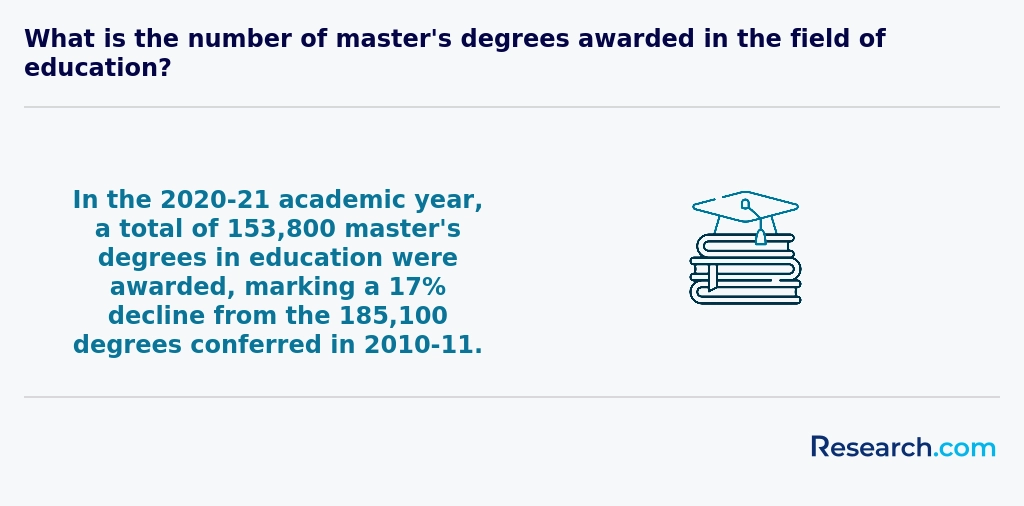
When considering an education degree program in Clinton, MS, one crucial aspect to think about is the affordability of the program. Prospective students should research the costs associated with each institution, including tuition, fees, and living expenses. It's also essential to look into financial aid options, scholarships, and grants that can help make the program more affordable. For instance, students can explore opportunities to attend an affordable education school in Mississippi, which can significantly reduce the financial burden. By weighing the costs and benefits, students can make informed decisions about their educational investments and choose a program that aligns with their financial situation and career goals.
What financial aid is available to education degree students in Clinton?
Picture yourself as a hopeful education student at one of Clinton's vibrant colleges, feeling the weight of tuition but buoyed by the promise of financial aid that feels like a personalized lifeline. Many graduates recall how the Federal Pell Grant, capping at $7,395 for 2023-2024, swooped in like a financial hero, lessening that burden without a repayment shadow looming. At institutions around Clinton, the Mississippi Eminent Scholars Grant and Tuition Assistance Grant act as golden tickets for in-state students, combining merit and need into tangible support that's often enough to cover textbooks or part of tuition.
One recent grad shared how juggling classes at their Clinton university became manageable thanks to the Federal Work-Study Program, where they worked as a tutoring assistant, turning their studies into real-world teaching experience-and cash in hand. Local employers often step up too, offering tuition reimbursement that transforms the dream of teacher certification into a doable reality for those already in education roles. Together, these avenues provide a mosaic of aid, making the path to becoming a teacher in Clinton both hopeful and attainable.
Certification and Licensure Requirements
To teach in Mississippi public schools, graduates must obtain state licensure through the Mississippi Department of Education (MDE). First, candidates should complete an approved teacher preparation program and submit official transcripts to the MDE. Next, aspiring educators must pass the required Praxis exams-Praxis Core Academic Skills for Educators (reading, writing, mathematics) and Praxis Subject Assessments aligned with their certification area. Additionally, many programs include the edTPA performance–based assessment, which evaluates teaching practice through guided video submissions and reflective commentary. After meeting academic and testing benchmarks, candidates undergo a criminal background check and submit a completed licensure application, including fingerprint clearance, to the MDE. Licenses are issued for specific endorsements (e.g., Elementary Education K–6, Special Education K–12) and must be renewed every five years through continuing education units (CEUs) or advanced degrees. Alternative certification pathways, such as the Mississippi Assessment for Teacher Certification (MATC) route, allow career changers to earn licensure by passing the MATC content test and completing a structured induction program. For those exploring flexible or online preparation options, affordable pathways exist beyond Mississippi. For example, prospective educators may consider the Cheapest Online Education Degree Programs Ranking in Murray, KY, which can complement state-specific licensure requirements with cost-effective coursework and robust support services.
What are the prerequisites for enrolling in education degree program in Clinton?
Imagine walking through the halls of a popular Clinton college, where the air buzzes with the eager whispers of future educators. To join this vibrant community, you'll need a high school diploma or something equivalent tucked under your arm. It's not just a formality; it's your launchpad, showing you've tackled essential courses like English and math, the very tools of your future craft.
Graduates often recall how maintaining a GPA around 2.5 to 3.0 felt like a personal pact, a quiet promise that they were ready to embrace college challenges. Many faced the SAT or ACT crossroads, with scores hovering between 20 and 25 often opening doors, though some colleges in Clinton have begun offering more flexible pathways with test-optional policies.
Letters of recommendation and heartfelt personal statements are more than paperwork-they're your voice, your story. Graduates from Clinton's education programs often say such essays helped instructors glimpse their passion beyond transcripts. Some even find volunteering or childcare experience adds a vivid brushstroke to their applications, painting them as hands-on, committed future teachers.
For those stepping into graduate education degrees, like the M.Ed., the journey continues with a bachelor's degree in hand, usually decorated with a GPA around 3.0. Occasionally, GRE scores join the admission dance, though many find this hurdle easing away, reflecting a more human-centered approach to assessing potential in Clinton's schools.

Certification and Licensure Requirements
To teach in Clinton, MS public schools, candidates must secure state certification through the Mississippi Department of Education (MDE), ensuring they meet both academic and professional standards. First, applicants complete a state‐approved educator preparation program and obtain official transcripts verifying coursework in pedagogy and subject matter. Next, prospective teachers register for and pass the Praxis Core Academic Skills for Educators tests (reading, writing, and mathematics) as well as the Praxis II content exams specific to their endorsement area. After passing these exams, candidates submit a completed application, fingerprint clearance from the Mississippi Criminal Records office, and pay the certification fee. MDE then issues the initial Class “A” standard teaching license, valid for five years. During this period, educators must complete six semester hours of approved graduate coursework or earn a National Board Certification to renew their license. For those interested in alternative career pathways or roles that don’t require state licensure-such as instructional design, corporate training, or educational consulting-check out the best jobs you can get with an education degree that aren’t teaching to explore opportunities beyond the classroom. Continuous professional development hours and compliance with MDE’s renewal deadlines are essential to maintain an active teaching status and ensure educators remain current with evolving educational standards and instructional technologies.
What courses are typically in education degree programs in Clinton?
Imagine diving into educational psychology at a bustling Clinton university, where graduates recall moments of awe as they unlocked the mysteries of how children think and grow. This course becomes a compass for crafting teaching strategies, much like piecing together a puzzle of young minds.
Curriculum development classes transform students into architects of learning, designing lessons that fit both standards and the colorful needs of diverse classrooms in Clinton schools. These future educators leave feeling empowered, like artists with a palette of knowledge.
Instructional methods and classroom management courses bring theory to life, often celebrated by those who have practiced calming chaotic classrooms or innovated ways to engage teenagers in local community schools. Here, hands-on practicum experiences cement confidence, turning nervous learners into confident leaders.
In specialized courses at Clinton's popular colleges, students explore special education or educational technology, tailoring their journey toward unique passions. Graduates speak of these moments with a spark-knowing they're ready to make a difference in real Clinton classrooms tomorrow.

What types of specializations are available in education degree programs in Clinton?
In Clinton's vibrant classrooms and bustling campuses, students pursuing education degrees often dive into dynamic specializations that shape their future impact. Graduates from popular colleges here speak fondly of their journey through Elementary Education, where they master arts like storytelling to ignite young minds or use math games that turn numbers into adventures. The path of Secondary Education unleashes their passion for subjects like science or English, equipping them to inspire middle and high school students with hands-on experiments or literary explorations.
Special education stands out as a heartfelt voyage, training students to craft personalized support for learners with diverse needs-a calling many Clinton graduates describe as deeply rewarding. For those drawn to leadership, Educational Administration and Leadership offers a strategic playground, blending school law and finance into real-world solutions. Students embracing education degree specializations in Clinton often mention how this variety fuels their ambition.
Amid these, innovative programs like Educational Technology turn classrooms into digital wonderlands. Many find themselves curious about teaching careers and seek guidance through resources like teaching certification south carolina requirements, ensuring their path is clear and achievable.
How do you choose the best education degree in Clinton?
Choosing the best education degree programs in Clinton feels like crafting your own unique blueprint for the future. Imagine sitting in a cozy campus café, chatting with a recent graduate who thrived because their chosen program not only matched their passion-like early childhood development or special education-but also offered flexible formats perfect for juggling family or a part-time job. These students often praise the real-world classroom experiences secured through strong partnerships Clinton colleges maintain with local schools, turning theory into vibrant practice.
Affordable teaching degrees Clinton 2027 are more than just numbers; they represent peace of mind. Graduates from public institutions often reflect fondly on their ability to access quality education without drowning in debt, thanks to regional accreditation that unlocks scholarships and federal aid. For those dreaming beyond traditional boundaries, programs blending online coursework with hands-on student teaching provide a rhythm that feels more like a personal journey than a race.
Don't forget to peek into specialties that feel like hidden gems, such as the benefits of a library science degree benefits, which can broaden your professional scope in education. Success stories from Clinton's alumni often mention how graduation rates and career support gave them confidence walking into their first classroom-ready, eager, and resilient.

What career paths are available for education degree students in Clinton?
Graduates with an education degree in Clinton often find themselves stepping into vibrant roles that shape minds and futures. From the bustling classrooms of local public schools, where K-12 teachers ignite curiosity and foster growth, to specialized positions like special education teachers tailoring support for diverse learners, the career paths are as varied as they are impactful. Many graduates from popular Clinton colleges eagerly share stories of their transitions into educational administration, leading schools with spirited vision and heart.
Beyond traditional teaching, Clinton's education degree career options in Clinton stretch into dynamic arenas-school counselors offering emotional guidance, curriculum developers crafting engaging lesson plans, and early childhood educators cultivating young minds during their most formative years. With local tuition aligning closely to the national average, students embrace these paths knowing they're investing in fulfilling, stable futures.
Others carve out meaningful roles outside schools, joining educational technology firms or nonprofit groups focused on youth outreach. Those inspired by innovation often explore online child development education benefits, enhancing their impact beyond ground-level classrooms.
What is the job market for education degree in Clinton?
Graduates with an education degree in Clinton find themselves entering a vibrant job market where demand hums steadily like a well-tuned classroom. Recent education grads from local universities share stories of landing roles as engaging classroom teachers or stepping into crucial special education positions that truly make a difference. Clinton's public schools eagerly welcome bachelors and masters degree holders, especially those who've embraced the challenge of STEM or early childhood education, areas that are flourishing thanks to increased funding.
The journey through accredited education programs here primes students not just academically but also for state certification, a key stepping stone to those rewarding teaching jobs in Clinton teaching jobs and salary outlook.
Many graduates recount how the dynamic environment in Clinton's school districts-rich with opportunities for leadership roles and instructional coordination-has kept them inspired. For those balancing choices, locals often weigh trade school vs traditional college paths, finding that education degrees in Clinton still open doors with promising career futures.
Frequently Asked Questions About education
Education degree students in Clinton can maximize their learning experience by actively engaging with local schools through practicum and internship opportunities. The area offers partnerships between universities and Clarke County School District, providing hands-on teaching experiences that enhance classroom theory.
Additionally, students should take advantage of small class sizes common in Clinton's education programs, which allow more personalized feedback from instructors. According to the National Center for Education Statistics, programs with student-to-faculty ratios below 20:1, typical in Clinton institutions, lead to better academic outcomes.
Utilizing technology resources and attending workshops on instructional strategies offered by local colleges further support skill development. Networking with experienced educators at regional conferences can also provide valuable insights into best practices and career growth.
Emerging niches within the education field reflect the growing needs for specialized skills in today's learning environments. In Clinton, more institutions now offer degrees focused on educational technology, which integrates digital tools to enhance teaching and learning. According to the National Center for Education Statistics, over 30% of education graduates in the region are pursuing certifications related to online instruction and e-learning design.
Another expanding area is special education, particularly for students with autism spectrum disorders and other developmental challenges. Local schools report a rising demand for educators with advanced training in this specialty.
Lastly, culturally responsive teaching is gaining traction, emphasizing curriculum development that embraces diversity and inclusion. These niches align with national trends but have particular relevance to Clinton's diverse student population.
Preparing for the job market after completing an education degree in Clinton involves several key steps. Graduates should begin by gaining practical experience through student teaching or internships, as these opportunities improve classroom skills and build professional networks.
In Clinton, the demand for qualified teachers remains steady, with the Bureau of Labor Statistics projecting a 4% growth nationwide for education professionals through 2030. Local school districts often prefer candidates holding state certification and familiarity with Clinton's curriculum standards.
Networking with local educators and attending job fairs in Clinton can increase employment chances. Additionally, continuing education or specialized certifications in areas like special education can enhance competitiveness.
Finally, staying informed about shifts in educational technology and policy in Iowa helps new graduates adapt and thrive in their careers.
Employers hiring education degree graduates in Clinton prioritize a variety of key skills essential for effective teaching. Strong communication abilities top the list, enabling graduates to engage students and collaborate with parents and colleagues. According to the Clinton School District's 2023 report, 87% of employers seek graduates proficient in classroom management and differentiated instruction.
Additionally, critical thinking and adaptability are vital as educators face diverse learning needs and changing curricula. Technological competency is increasingly important; the state's Department of Education highlights that 74% of schools in Clinton integrate digital tools, making tech literacy a must-have.
Finally, cultural competency and empathy are crucial for fostering inclusive learning environments. These skills collectively prepare graduates to succeed in Clinton's evolving educational landscape.
Finding internships in Clinton relevant to an education degree involves several practical steps. Start by contacting local school districts, such as Clinton Community School District, which often collaborate with nearby universities to offer placements. Internships typically focus on classroom experience, assisting teachers, and developing lesson plans.
Clinton hosts partnerships between institutions like Clinton Community College and K-12 schools, providing students with structured programs. Checking university career services and education departments can reveal specific internship opportunities.
Additionally, exploring nonprofit organizations focused on youth education and tutoring within Clinton can widen options. According to the National Center for Education Statistics, such community-based internships enhance practical skills crucial for certification.
Networking with faculty and attending education fairs held locally can also help secure internships focused on teaching and administration.
In Clinton, earning an education degree significantly enhances career mobility and advancement opportunities within the local school districts. According to data from the Mississippi Department of Education, teachers holding a bachelor's degree in education with state certification are 25% more likely to secure full-time teaching positions compared to those without a degree.
Additionally, higher degrees such as a master's in education often lead to roles in school administration or specialized instructional positions, offering salary increases averaging 10-15%. With Clinton's commitment to improving educational outcomes, advanced credentials remain a critical factor for career growth among educators.
Studying for an education degree in Clinton equips students with versatile skills that are essential for interdisciplinary roles. Many programs in Clinton integrate coursework from psychology, sociology, and communication, helping future educators understand diverse learning environments. According to the National Center for Education Statistics, education degrees increasingly emphasize collaboration across fields to address complex classroom challenges.
Local institutions in Clinton often offer student teaching experiences in varied settings, fostering adaptability. This hands-on approach allows students to apply knowledge from multiple disciplines, such as technology integration and cultural studies, in real classrooms. The interdisciplinary focus prepares graduates to work effectively with specialists and support staff in schools.
When choosing between a thesis and a non-thesis education degree program in Clinton, consider your career goals and learning preferences. Thesis programs typically involve conducting original research, which is ideal for students interested in academic or research roles. Non-thesis programs usually focus on practical coursework and may include internships, appealing to those aiming for direct classroom teaching or administrative positions.
In Clinton, programs like those at the University of Arkansas at Little Rock offer both options, reflecting national trends where about 60% of education graduate students select non-thesis paths for quicker degree completion (NCES, 2023).
Assess the time commitment, research interest, and future job requirements when making your decision.
Students based in Clinton who wish to study education abroad have several pathways through US higher education institutions and exchange programs. Many universities in the region participate in federal and private international education initiatives, allowing education majors to spend a semester or year at partner schools overseas.
For example, some programs offer study abroad opportunities in countries with strong educational systems, like Finland or Japan, providing exposure to diverse teaching methods. According to the Institute of International Education, approximately 10% of education students nationwide take part in such programs, and Clinton-area colleges actively promote these experiences.
Moreover, scholarships specifically for education students interested in global learning are available through organizations like the Fulbright Program, which supports graduate-level study abroad.
Students pursuing education degrees in Clinton have access to various part-time job opportunities that enhance their academic experience. Common roles include teacher's aides, tutoring assistants, and after-school program coordinators. These positions provide practical classroom management and instructional skills valuable for future educators.
According to local labor statistics, teacher's aide roles in educational institutions around Clinton pay an average of $13 to $17 per hour, making them financially viable alongside studies. Additionally, many community centers and public libraries offer part-time jobs related to educational programming, supporting skill development in curriculum delivery and child engagement.
Workshops and internship programs affiliated with Clinton's school districts also offer paid opportunities, allowing students to gain direct exposure to K-12 education settings. These roles help build essential connections within the local education system and improve employment prospects after graduation.
Education students in Clinton have access to a range of networking opportunities designed to support their academic and professional growth. Local universities often host education-specific career fairs and networking events, connecting students with teachers, administrators, and education organizations in the region. For example, the University of Arkansas at Little Rock, which serves the greater Clinton area, regularly partners with local school districts to facilitate internships and field experiences.
Additionally, professional organizations like the Arkansas Education Association offer student memberships that provide access to conferences, workshops, and online networking platforms. These opportunities enable students to build connections within the education community and stay updated on trends and job openings. Networking in Clinton's education sector is further supported by community-based programs aimed at fostering practical experience and collaboration.
Alumni networks play a significant role for education degree students in Clinton by offering valuable connections and support. Graduates frequently gain access to job opportunities in local schools and educational organizations through these networks. According to the National Education Association, strong alumni ties can improve employment chances by up to 30%. In Clinton, education alumni often participate in mentoring current students, providing guidance on career paths and classroom challenges.
These networks also facilitate professional development events and workshops, keeping members informed about state-specific teaching standards and certification updates. Participation in alumni groups helps students build a community that extends beyond graduation, enhancing both personal and career growth.
Customizing an education degree program in Clinton allows students to align their studies with specific career goals. Many institutions offer flexible curricula where you can choose concentrations such as special education, curriculum design, or administration.
Additionally, internships and practicum experiences within Clinton's diverse school districts provide practical training tailored to your interests. According to the National Center for Education Statistics, experiential learning boosts job placement rates by up to 20% for education graduates.
Students can also select electives focusing on emerging fields like educational technology or bilingual education, enhancing their marketability. Advisors in Clinton typically work closely with students to ensure course selections meet state licensure requirements and career aspirations.
Education students in Clinton commonly face several challenges as they pursue their degrees. One significant difficulty is balancing coursework with practical teaching placements, which require considerable time and adaptability. According to a 2023 report by the National Center for Education Statistics, students often struggle with the demands of applying theory in real classroom settings while managing academic deadlines.
Another challenge is navigating evolving certification requirements in Mississippi, which can impact students' progress and career planning. Additionally, limited access to diverse teaching environments in Clinton may restrict exposure to varied student populations, which is essential for comprehensive training.
This combination of rigorous academic expectations, state-specific credentialing rules, and local placement limitations shapes the experience of education students in Clinton today.
With an education degree in Clinton, graduates can pursue several professional certifications to enhance their career prospects. The most common is state teacher certification, required to teach in public schools. In Arkansas, where Clinton is located, candidates must pass the Praxis exams and complete licensure through the Arkansas Department of Education.
Beyond standard teaching credentials, education degree holders can pursue specialized certifications such as ESL (English as a Second Language), special education, and reading specialist licenses. These certifications often lead to higher pay and targeted teaching roles.
For leadership roles, candidates may seek administrative certifications to become school principals or supervisors, requiring additional coursework and examinations.
Professional organizations such as the Arkansas Education Association provide resources and guidelines on obtaining these certifications, reflecting local standards and requirements.
When applying for an education degree program in Clinton, your application should clearly reflect your commitment to teaching and learning. Start with a compelling personal statement that highlights your motivation and relevant experiences. Make sure to align your goals with the values and mission of the institution, as this shows you've researched the program thoroughly.
Include strong recommendation letters, ideally from educators or professionals familiar with your abilities. Many schools in Clinton emphasize practical experience, so detail any volunteer or work positions related to education.
Standardized test scores and GPA remain important; according to the National Center for Education Statistics, average GPA expectations for education programs hover around 3.0 or higher.
Lastly, submit all materials before deadlines and follow specific application instructions to avoid disqualification.
The global perspective on an education career highlights increasing demand for skilled educators who can address diverse learning needs. In the United States, including Clinton, education degrees prepare professionals to work in varied settings, from K-12 schools to higher education and community programs. According to the U.S. Bureau of Labor Statistics, employment for preschool, primary, secondary, and special education teachers is expected to grow about 5% from 2021 to 2031, reflecting steady opportunities.
Clinton's education programs often emphasize cultural competency and technology integration, aligning with global trends that prioritize inclusivity and digital literacy. Many institutions also support certification pathways recognized nationwide, offering graduates flexibility in their careers.
Internationally, education careers are valued for fostering social development and equity, which complements U.S. goals to improve education quality and access. Thus, pursuing an education degree in Clinton positions students well for both local impact and understanding global educational challenges.
Gaining practical experience while studying for an education degree in Clinton is essential for career readiness. Many local universities in Clinton integrate fieldwork into their curricula, requiring students to complete a set number of supervised teaching hours. For example, Clinton Community College recommends at least 100 hours of classroom observation and student teaching, allowing hands-on practice in real schools.
Additionally, internships through partnerships with nearby school districts offer opportunities to work alongside experienced educators. According to data from the Clinton Department of Education, more than 70% of education students participate in practicum placements before graduation.
These experiences help you develop classroom management skills, lesson planning, and direct interaction with students-key components for future educators.
Choosing the right concentration within an education degree program in Clinton depends on your career goals and interests in the education field. Common concentrations include early childhood education, special education, curriculum and instruction, and educational leadership. Each focuses on different student needs and school roles.
Consider labor market trends in Clinton and nearby areas. For example, the Missouri Department of Elementary and Secondary Education reports growing demand for special education teachers, reflecting national trends.
Review the curriculum offered by Clinton-area colleges to find a concentration matching your strengths and preferred student age group. Also, check if local schools provide student teaching opportunities aligned with your concentration.
Consult academic advisors and career counselors who understand Clinton's specific education landscape to refine your choice based on personal aptitudes and job placement rates.
Related Education Rankings for Nearby Cities
- 2027 Best Education Degree Programs Ranking in New Orleans
- 2027 Best Education Degree Programs Ranking in Mobile
- 2027 Best Education Degree Programs Ranking in Birmingham
- 2027 Best Education Degree Programs Ranking in Montgomery
- 2027 Best Education Degree Programs Ranking in Atlanta
- 2027 Best Education Degree Programs Ranking in Tallahassee
- 2027 Best Education Degree Programs Ranking in Macon
- 2027 Best Education Degree Programs Ranking in Columbia
- 2027 Best Education Degree Programs Ranking in Louisville
- 2027 Best Education Degree Programs Ranking in Gainesville
Top Trending Education Rankings
See What Experts Have To Say About Studying Education
Read our interview with Education experts

Nooshan Ashtari
Education Expert
Professor & Book Author
University of Southern California

Alan J. Singer
Education Expert
Professor of Teaching, Learning and Technology
Hofstra University

References
- 10 Reasons Why Education Helps to Advance Your Career - Insight Training https://insight.edu.au/blog/career-advancement-through-education/
- Education Cover Letter: 6 Steps to Write a Job-Winning One [+Example & Template] | Cake https://www.cake.me/resources/cover-letter/education-cover-letter
- Bachelor of Science in Education https://www.mc.edu/academics/departments/education/undergraduate/bachelor-science-education
- Practical Learning: Real-World Experience https://www.studiumalliance.com/post/how-practical-experience-enhances-learning
- Concurrent Degrees | Master of Public Service https://clintonschool.uasys.edu/academics/master-of-public-service/concurrent-degrees/
- How To Write A Great Cover Letter For Teacher Training - Engage Education https://engage-education.com/blog/how-to-write-a-great-cover-letter-for-teacher-training/
- The Pros and Cons of Online Learning vs. Traditional Education https://www.sophia.org/blog/higher-education/pros-cons-online-learning-vs-traditional-education/
- Is a thesis always mandatory in a master's degree program? - EFMU: The Euler-Franeker Memorial University and Institute https://euler.euclid.int/is-a-thesis-always-mandatory-in-masters-degree-program/
- How to Choose a Concentration for Your Master of Education 3 Questions to Consider https://www.aiuniv.edu/degrees/education/articles/how-to-choose-an-education-specialization
- Teacher of Global Perspectives (IGCSE) https://www.scie.com.cn/jobs-global-perspectives/


