2027 Fastest Online Doctorate in Special Education Degree Programs Ranking in the USA

Co-Founder and Chief Data Scientist
Embarking on a journey toward an online doctorate in special education can be both exciting and challenging. Choosing the right program is essential for your success and career growth.
This article features the 2027 Fastest Online Doctorate in Special Education Degree Programs Ranking in the USA, created by the Research.com team of data scientists. It aims to guide you through the best options available, saving you time and effort in your search.
By exploring this ranking, you'll gain valuable insights to confidently select a program that fits your goals. Earning a special education degree opens doors to meaningful work and personal fulfillment.
Key benefits of getting online special education degree in America
- Special education graduates in the US typically earn between $40,000 and $60,000 annually, reflecting steady demand and attractive salaries for those working in schools or specialized support roles.
- Graduates from popular universities like the University of Florida often pursue careers as special education teachers, instructional coordinators, or behavioral therapists, enjoying diverse and fulfilling job opportunities.
- Online degrees from institutions such as Arizona State University offer flexibility and convenience, allowing students to balance work and study while gaining the same respected credentials as traditional programs.
- 2027 Fastest Online Doctorate in Special Education Degree Programs Ranking in the USA
- What can I expect from online special education degree in America?
- Where can I work with online special education degree in America?
What can I expect from online special education degree in America?
The average cost of an online special education degree in America typically ranges from $15,000 to $45,000 for a bachelor's program, with master's degrees often falling between $10,000 and $30,000. Graduates from popular universities like the University of Florida or Arizona State University often describe balancing these costs with the flexibility of asynchronous courses, allowing them to work full-time while advancing their careers. Many find that financial aid, scholarships, or employer tuition reimbursement options help ease the investment.
Students appreciate the practical value embedded in these programs, where coursework dovetails with real-life classroom scenarios-such as developing individualized education programs (IEPs) or using assistive technologies-equipping them to meet certification requirements without sacrificing income.
Looking forward, as demand grows, some institutions might offer more affordable or tiered pricing models. This evolution could make quality special education training increasingly accessible, encouraging more graduates to feel confident and enthusiastic about their professional futures in inclusive education settings.
Where can I work with online special education degree in America?
Graduates with an online special education degree in America often find rewarding careers in K-12 public and private schools, where they support students with diverse learning needs. Many alumni from well-known institutions like the University of Florida or Arizona State University share how the flexibility of online programs allowed them to balance work and study while gaining state licensure, opening doors to meaningful teaching roles nationwide.
Emerging trends show expanding opportunities beyond classrooms. Graduates increasingly step into roles such as curriculum developers or educational coordinators, shaping programs at district levels. Others venture into early intervention services for children under five, supported by federal laws like IDEA, working through healthcare agencies or specialized centers.
Colleges and universities also hire special education graduates as disability support coordinators, ensuring students access necessary accommodations. Some find fulfillment in healthcare, serving as behavioral consultants, often complementing their degree with certification. These diverse paths reflect a future where online special education degrees empower professionals to impact educational and community settings across America.
Graduates from online special education degree programs in America often see starting salaries between $40,000 and $50,000 annually, especially when entering K-12 teaching roles in less urbanized regions. For instance, those earning their degrees through well-known programs at universities popular for special education often feel encouraged by these modest yet stable beginnings.
As experience grows or educators move into larger districts or higher-cost states, salaries can rise beyond $75,000. Graduates pursuing advanced degrees, such as doctorates from respected institutions, find doors opening to leadership roles like special education coordinators or consultants. These positions can offer annual incomes ranging from $75,000 up to $110,000, creating an exciting pathway for those eager to advance.
Many alumni recall how their initial public school teaching experience laid a foundation not just for income but for meaningful impact, with added benefits like health insurance and retirement plans boosting overall compensation. These evolving trends suggest promising financial growth alongside rewarding career opportunities as inclusive education expands nationwide.
- Online special education degrees include fully online bachelor's, master's, and doctoral programs designed to meet state licensure requirements.
- Tuition for a bachelor's degree ranges from $20,000 to $50,000, while master's programs typically cost between $15,000 and $40,000, excluding fees and materials.
- Employment for special education teachers is projected to grow by about 10% from 2022 to 2032, faster than average job growth.
- Starting salaries for new special education teachers are approximately $43,000 to $50,000, with experienced teachers earning around $60,000 to $65,000 annually.
- Online programs usually require completing in-person student teaching or clinical internships for practical experience.
Master's degrees typically range from 18 months to three years, with many students at universities such as the University of Florida enjoying the flexibility of part-time study. This adaptability allows working professionals to progress steadily without sacrificing income or personal commitments, creating a positive learning experience.
Doctoral programs usually require three to five years, as seen with online candidates at Vanderbilt University, who appreciate personalized pacing combined with rigorous research opportunities. These programs increasingly offer accelerated tracks, reflecting a trend toward faster, more efficient degree completion while maintaining quality.
Future trends suggest these timelines might shrink further with growing use of AI-driven learning tools and adaptive course designs, enabling students to customize their pace and focus on hands-on practice essential for special education careers.
Online and on-campus special education degrees in the U.S. differ mainly in delivery and experience, yet both uphold rigorous standards from bodies like the Council for Exceptional Children. Graduates from top institutions such as the University of Florida and Syracuse University often recall how online programs offered them priceless flexibility, allowing them to balance coursework with jobs or family life through asynchronous classes. This contrasts with on-campus peers who value structured schedules and immediate face-to-face interactions.
A graduate from an esteemed in-person program shares that hands-on practicum placements arranged by the university foster a sense of community and direct support. Meanwhile, online learners take pride in independently coordinating diverse practicum sites near their homes, gaining unique real-world exposure that can enrich future teaching approaches.
Emerging digital engagement tools are bridging interaction gaps for online students. Some online learners express excitement over integrating video discussions and virtual collaboration, while institutions increasingly provide strong tech support to ensure no student feels isolated or unsupported in this evolving landscape.
The average cost of an online special education degree in America currently centers around a median total of about $41,680, with out-of-state students often paying closer to $34,080 and in-state students around $30,960. These figures reflect a broad range influenced by program level, institution type, and residency status. For instance, graduates from well-known universities with strong reputations in special education report spending within these ranges but emphasize that the investment often pays off in career opportunities and personal growth.
Many students pursuing these degrees find the costs manageable, especially when considering flexible online formats that allow them to continue working while studying. Popular colleges known for accessible online special education programs often include built-in financial aid options and payment plans, which help ease the financial burden. As a result, learners describe feeling empowered and hopeful about entering the field without being overwhelmed by debt.
Emerging trends in tuition fees special education doctorate programs USA show a steady rise, but some universities now offer hybrid models or accelerated tracks that can reduce total time and expense. Innovative financial support systems are also helping students balance costs with quality, which is essential given the specialized nature of these careers. Many graduates encourage prospective students to research thoroughly, including how certain programs link to real-world job opportunities, such as those described in resources on bachelor degree in special ed jobs.
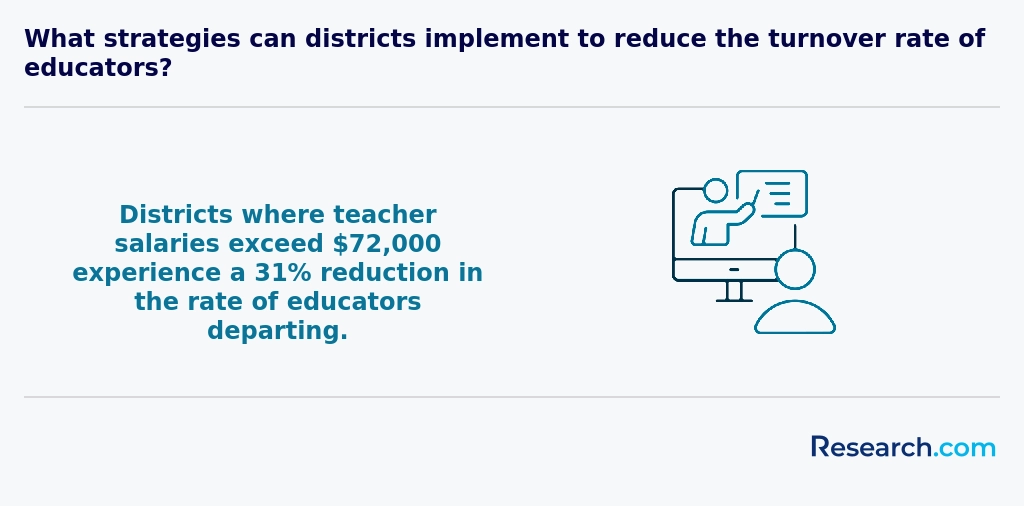
Students pursuing an online special education degree in America often find financial aid options more accessible than expected, helping ease the journey toward their career goals. Many graduates from institutions like the University of Southern California or Vanderbilt University share how federal aid sources such as Pell Grants and Direct Loans proved essential in covering tuition and living expenses. These supports, accessed through FAFSA, create a real chance to focus on studies without overwhelming debt.
State scholarships aimed at future educators, like the TEACH Grant offering up to $4,000 annually, make a tangible difference for those committed to working in high-need areas. Graduates praise how these grants transformed their financial outlook, allowing them to concentrate fully on certifications and practicum experiences.
Employer tuition assistance programs emerge as a powerful option too, especially for those currently teaching or working in educational settings. Stories from graduates who balanced jobs with studies highlight the relief of tuition reimbursement, which turns professional development into a shared investment.
Looking forward, universities are increasingly tailoring merit-based scholarships and discounts exclusively for special education students, creating hopeful pathways where financial strain no longer blocks passionate educators from advancing.
Enrolling in an online special education degree program in America typically requires a high school diploma for bachelor's candidates or a relevant bachelor's degree for graduate applicants. Many graduates from well-known universities describe how meeting these prerequisites gave them confidence to tackle the coursework, knowing they had the essential foundation. Some programs now emphasize prior volunteer experience or work in special needs classrooms, reflecting a trend toward valuing practical engagement alongside academics.
Standardized test requirements like the GRE are gradually becoming optional at several respected colleges, easing access and reducing stress for prospective students. Applicants often share that submitting a personalized statement of purpose and recommendation letters helped them highlight their passion and unique experiences, making the admission process more human and encouraging.
Future trends may include more flexible pathways, such as recognition of micro-credentials or targeted professional development, enabling busy adults to transition smoothly into the field. State certification remains a vital step, with some graduates recounting positive experiences navigating background checks and meeting IDEA-aligned standards. These evolving prerequisites ensure students are well-prepared and motivated for impactful careers.

Online special education degree programs in America typically include courses designed to prepare students for real-world classroom challenges. Graduates from well-known universities describe how courses like Introduction to Special Education helped them understand important laws and policies that protect students with disabilities, making them feel confident advocating for their future pupils. Others highlight Assessment and Evaluation Techniques as crucial for learning to create effective Individualized Education Programs (IEPs), a skill they applied during practicum experiences.
Many students find Behavior Management Strategies invaluable for handling diverse classroom behaviors with patience and positive approaches. Instructional methods emphasizing differentiation resonate deeply, as students share stories of successfully adapting lessons to fit unique learning needs in schools like those affiliated with the Council for Exceptional Children standards.
Emerging trends in these programs include expanding knowledge of Assistive Technology, enabling future educators to harness new tools that foster student independence and interaction. Collaboration with families, another key course, prepares candidates to build supportive communities, reflecting experiences shared by recent graduates who found this teamwork deeply rewarding.
Online special education degrees in America typically offer a range of specialized tracks designed to address varied student needs. Graduates from universities known for strong special education programs often share how focusing on Autism Spectrum Disorders or Learning Disabilities deeply shaped their teaching approach, enabling them to create inclusive classroom environments that truly resonate with students' unique challenges. The trend toward integrating Emotional and Behavioral Disorders further highlights a growing awareness of mental health in education.
Many students choose Early Childhood Special Education, fueled by rewarding experiences supporting young learners and collaborating with families, while others find Deaf and Hard of Hearing Education or Visual Impairments specializations open pathways to mastering assistive technologies and communication strategies. These focused studies not only prepare educators for diverse classroom realities but also inspire confidence and professional fulfillment among graduates from prestigious American colleges.
As the demand for specialized skills grows, programs evolve rapidly, and prospective students aiming for the fastest online doctorate special education programs USA should explore diverse options, including accelerated ones. Resources like the accelerated special education graduate certification online provide flexible pathways aligned with evolving educational needs and career aspirations.
Choosing the best online special education degree in America involves more than just comparing tuition costs. Graduates from popular colleges often highlight the importance of regionally accredited programs that align closely with state licensure requirements. This ensures your credential is recognized and valued nationwide, especially as special education laws evolve. Many find that programs offering flexible, asynchronous learning empower them to balance career and family, making the pursuit feel achievable and rewarding.
Looking ahead, emerging trends indicate growing emphasis on programs integrating evidence-based behavioral interventions and real-world practicum placements, which deepen practical expertise. Graduates from leading universities frequently praise the involvement of faculty engaged in cutting-edge research, which enriches the curriculum and networking opportunities. For those interested in advancing quickly, an accelerated online special education masters degree can be a transformative option.
Considering affordability and quality together is crucial. With more options for affordable special education doctorate programs America-wide, prospective students can find robust programs that meet both budget and professional goals. Prioritizing these factors helps align your education with a future-focused career in special education.
- best online special education degrees USA
- affordable special education doctorate programs America
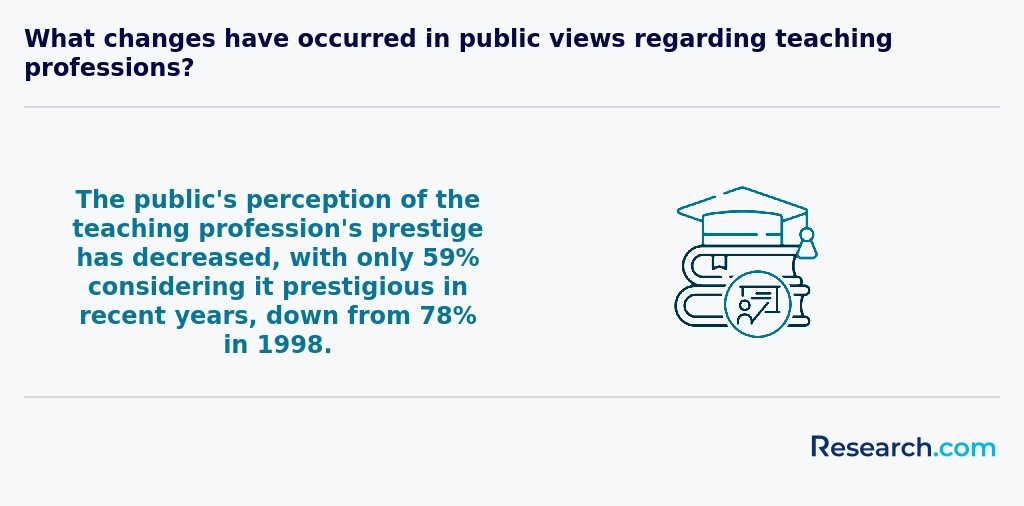
Graduates with an online special education degree in America find themselves stepping into diverse and impactful career paths that evolve alongside educational and technological advancements. Many enter traditional roles as licensed special education teachers in public and private K-12 schools, where they create Individualized Education Programs (IEPs) tailored to student needs. For example, graduates from universities like the University of Florida often share how their training helped them confidently support learners with complex challenges, fostering inclusive classrooms.
Expanding beyond classrooms, career opportunities include becoming behavioral therapists or assistive technology specialists-fields growing in demand as schools integrate advanced tools to enhance accessibility. Educational diagnosticians, trained at renowned institutions such as Arizona State University, assess learning difficulties and craft personalized interventions that change lives. These evolving roles offer graduates exciting futures filled with meaningful work and innovation in special education.
For those considering further advancement, exploring online special education degrees can be a strategic step toward roles in administration or specialized consultancy, reflecting emerging trends in special education doctorate job opportunities America offers.
The job market for graduates with an online special education degree in America remains encouraging and full of potential. Many graduates from renowned institutions like the University of Florida or Arizona State University share stories of quickly finding rewarding roles in public schools or community organizations. These professionals often highlight how their online programs prepared them for state certification and licensure, crucial for employment success. With the rising demand for inclusive education and the increasing recognition of diverse student needs, opportunities continue to expand in various settings.
Those pursuing a special education doctorate or higher often encounter promising prospects beyond classroom teaching, including leadership and consultancy roles. These career paths align well with evolving education policies and growing emphasis on specialized support. Prospective students can explore how programs from popular colleges fit their goals while consulting education degree requirements to ensure proper licensure. This outlook suggests strong online special education degree employment opportunities America-wide for those committed to making a difference.
2027 Fastest Online Doctorate in Special Education Degree Programs Ranking in the USA
Investing in your education is a significant decision that can shape your future, and the Research.com team understands the importance of making informed choices. To assist prospective students, we have meticulously crafted the "2027 Fastest Online Doctorate in Special Education Degree Programs Ranking in the USA." Our commitment to quality, credibility, and accuracy is reflected in the extensive research and analysis conducted to compile this ranking.
We utilized the following reputable data sources to ensure a comprehensive evaluation of online doctorate programs:
By exploring this ranking, readers will gain valuable insights into the fastest accredited online doctoral programs in special education, allowing them to make informed and timely decisions about their academic and professional futures. For more details on our methodology, please visit our Research.com methodology page.


Frequently Asked Questions About special education
Online special education degree students in America can maximize their learning by actively engaging with coursework and peer discussions. Utilizing university resources such as virtual libraries and academic advising improves understanding and retention. According to the U.S. Department of Education, students who participate in interactive online components tend to perform better than those who do not.
Scheduling dedicated study times supports consistency, which is critical given the demanding nature of special education topics. Additionally, applying theory through internships or practicum experiences enhances practical skills and knowledge. The Council for Exceptional Children highlights that hands-on experience significantly reinforces learning outcomes in this field.
Maintaining communication with faculty and classmates fosters a collaborative learning environment that can reduce feelings of isolation frequently reported by online learners. Lastly, staying updated on federal and state special education laws, such as the Individuals with Disabilities Education Act (IDEA), is essential for relevance and professional growth.
Emerging niches within the special education field in the United States reflect the evolving needs of diverse student populations. One fast-growing area is technology integration, which focuses on using assistive technology to support students with learning disabilities. According to the National Center for Educational Statistics (NCES), over 14% of public school students receive special education services, highlighting demand for technology-driven support.
Another niche is early intervention, emphasizing services for young children with developmental delays to improve long-term outcomes. Additionally, there is increasing attention to culturally responsive teaching practices that address equity in special education for minority students.
Behavioral intervention specialists are also in demand, supporting students with emotional and behavioral disorders by applying evidence-based strategies.
Preparing for the job market after completing an online special education degree in America involves several key steps. First, obtaining state licensure is essential, as every state requires special education teachers to be licensed. Candidates should research individual state requirements through their Department of Education websites.
Gaining practical experience via student-teaching or internships during the degree program strengthens resumes. According to the National Center for Education Statistics, over 70% of special education teachers find jobs within six months of graduation, often aided by connections made during practicum placements.
Networking is also important. Joining professional organizations like the Council for Exceptional Children provides access to job boards, mentorship, and professional development.
Finally, staying informed about the latest teaching methods and legal requirements in special education enhances employability and effectiveness in the field.
Employers in the United States seek several key skills in graduates with special education degrees. Strong communication skills are essential, enabling educators to collaborate effectively with students, families, and multidisciplinary teams. According to the U.S. Bureau of Labor Statistics, adaptability and problem-solving abilities rank high, as special education professionals must tailor instructional strategies to diverse learner needs.
Understanding Individualized Education Programs (IEPs) is critical; graduates must be proficient in developing and implementing these legally required plans. Data from the National Center for Education Statistics highlights that knowledge of assistive technology also enhances job prospects, helping students overcome learning barriers.
Overall, empathy and patience remain foundational qualities valued by employers nationwide.
Finding internships in America relevant to a special education degree involves leveraging multiple resources. Start by contacting your online program's career services, as many partner with local schools and organizations to place students. The U.S. Department of Education's Office of Special Education Programs (OSEP) supports initiatives that sometimes offer internship opportunities.
School districts, nonprofits, and therapy centers frequently offer internships in special education to gain hands-on experience. According to the National Center for Education Statistics, nearly 14% of students in public schools receive special education services, indicating strong demand for skilled professionals.
Professional associations like the Council for Exceptional Children (CEC) also list internships and networking events. Utilizing platforms such as Handshake or Indeed, filtering for "special education internships," can reveal additional openings statewide.
Actively reach out to your local education agencies and special education resource centers to inquire about available placements and to build relationships before applying.
Obtaining an online special education degree in America significantly enhances career mobility and advancement opportunities. According to the U.S. Bureau of Labor Statistics, employment of special education teachers is projected to grow 8% from 2022 to 2032, faster than average. An advanced degree often qualifies educators for higher-paying roles, such as specialist positions, program coordinators, or administrative roles in schools and districts.
Online degrees provide flexibility, allowing working professionals to gain credentials without pausing their careers. This flexibility supports upward mobility, as many districts prioritize candidates with master's or doctoral degrees for leadership roles.
Certification and licensure requirements vary by state, but earning a specialized degree improves competitiveness in a crowded job market. The Council for Exceptional Children reports that advanced qualifications often correlate with better job stability and salary increases.
Studying for a special education degree in America equips students with skills that extend beyond traditional teaching. The curriculum emphasizes collaboration with professionals from various fields such as speech therapy, psychology, and social work. This interdisciplinary focus prepares graduates to design and implement individualized education programs (IEPs) effectively.
According to the U.S. Department of Education, about 14% of public school students receive special education services, highlighting the need for educators skilled in diverse specialist cooperation. Online programs often integrate case studies and group projects that reflect real-world teamwork. This approach fosters communication and problem-solving abilities essential across disciplines in special education settings.
Choosing between a thesis and a non-thesis special education degree program in America depends on your career goals and learning preferences. A thesis program involves conducting original research and writing a formal paper, suitable for those interested in pursuing academic or research careers. The Council for Exceptional Children notes that research skills are crucial for policy and program development in this field.
Non-thesis programs focus more on coursework and practical application, ideal for professionals aiming at advanced certification or leadership roles in schools. According to the National Center for Education Statistics, many online programs offer both options to accommodate diverse student needs.
Consider the time commitment: thesis tracks often require additional 6-12 months to complete. Your choice should align with your professional aspirations and readiness to engage in deep research.
American students interested in studying special education abroad have limited options for fully online degrees from foreign institutions due to accreditation and licensure differences. Most international universities offer on-campus programs, but some collaborate with U.S. schools to provide joint or dual degrees. According to the Council for Exceptional Children, aligning international coursework with U.S. special education certification requirements remains challenging.
Students should verify whether credits earned abroad transfer back to their U.S. certification path. Additionally, understanding regional licensure laws is critical, as each state enforces specific standards for special educators.
Programs from U.K., Australia, and Canada are popular among U.S. students seeking international perspectives, often requiring some in-person experiences.
Part-time jobs that complement an online special education degree in America often involve roles supporting students with disabilities. Popular options include paraprofessional positions, where individuals assist licensed teachers in classrooms. According to the U.S. Bureau of Labor Statistics, paraprofessional jobs are expected to grow 7% from 2021 to 2031, reflecting steady demand.
Other opportunities include behavioral aides and tutors specializing in special needs education. These roles allow students to gain hands-on experience working with diverse learners while pursuing their degrees.
Working in after-school programs or community centers serving children with disabilities also provides valuable practical skills and networking advantages.
Online special education degree programs in America offer several networking opportunities despite the virtual format. Many universities provide access to exclusive online communities where students can connect with peers, faculty, and special education professionals across the country.
Professional organizations like the Council for Exceptional Children (CEC) also play a crucial role. Members can access webinars, virtual conferences, and discussion boards, helping students interact with experienced educators and researchers.
Additionally, virtual internships and practicum placements allow students to build relationships with local schools and agencies, enhancing professional connections. These combined resources foster collaboration, career growth, and knowledge exchange in the special education field.
Alumni networks play a vital role for students pursuing online special education degrees in America. These networks provide valuable connections with professionals who understand the unique challenges and opportunities in special education. Access to experienced alumni can offer mentorship, career advice, and job referrals, which are crucial considering the competitive nature of the field.
According to the Council for Exceptional Children, districts increasingly seek candidates with strong professional networks for roles in special education. Alumni groups often host webinars, workshops, and networking events that allow students to stay updated on best practices and policy changes, such as IDEA regulations.
These connections also help students navigate licensure and certification requirements specific to each state, improving employment outcomes after graduation.
Customizing an online special education degree program in America allows students to align their studies with specific career goals. Many universities offer flexible curricula with electives focused on areas such as autism spectrum disorders, behavioral interventions, or administration. This flexibility supports educators targeting roles in classrooms, therapy, or leadership positions.
Students can also select practicum or internship placements tailored to their interests, gaining hands-on experience in relevant settings. Accreditation by the Council for Exceptional Children ensures programs meet national standards.
According to the U.S. Bureau of Labor Statistics, special education employment is projected to grow 8% through 2031, highlighting the advantage of customized education paths.
Online special education students in America often face several challenges that can impact their academic progress. One major issue is limited access to hands-on training, which is crucial since special education requires practical experience working with diverse learners. The need for field placements or internships can be harder to arrange remotely.
Technological barriers also affect students, with about 15% of U.S. households lacking reliable internet, according to the National Center for Education Statistics. This digital divide can create unequal learning opportunities.
Additionally, communicating effectively with instructors and peers in an online setting can be challenging, impacting student engagement and support networks.
With an online special education degree in the United States, graduates can pursue a variety of professional certifications that enhance their careers. One of the most common certifications is the Licensed Special Education Teacher credential, which allows professionals to work directly with students with disabilities in K-12 public schools. This certification typically requires passing state-specific exams and completing supervised teaching hours.
Additional certifications include Board Certified Behavior Analyst (BCBA), which focuses on applied behavior analysis and is highly valued in special education settings. Nationally, over 25,000 BCBAs are certified, according to the Behavior Analyst Certification Board.
Many states also offer endorsements in areas like Autism Spectrum Disorder or Emotional Disabilities. These add specialized skills recognized by employers and boost job prospects.
To write a winning application for an online special education program in America, start by clearly demonstrating your passion for supporting diverse learners. Highlight any relevant experience, such as volunteering or working with children with disabilities, as real-world insight strengthens your candidacy.
Ensure your personal statement aligns with program goals and reflects knowledge of key laws like the Individuals with Disabilities Education Act (IDEA).
Submit strong letters of recommendation from professionals familiar with your dedication to special education. According to the National Center for Education Statistics, demand for qualified special educators is rising, making your motivation and qualifications crucial.
Special education careers in the United States are increasingly valued within a global context. According to the National Center for Education Statistics (NCES), about 14% of public school students receive special education services, highlighting the need for qualified professionals. Internationally, many countries emphasize inclusive education, yet the U.S. often leads with its extensive legislative support like the Individuals with Disabilities Education Act (IDEA).
American special education degrees, especially online, prepare educators to meet diverse needs and contribute to worldwide best practices. The global perspective recognizes U.S. training programs for combining theory and practical skills, setting a benchmark for educator preparation.
Career opportunities in the U.S. continue to grow, with the Bureau of Labor Statistics projecting a 10% increase in special education teaching jobs through 2031, reflecting both domestic and international demand for skilled professionals.
Gaining practical experience while pursuing an online special education degree in America is essential for developing effective teaching skills. Candidates typically complete supervised fieldwork or practicum hours as part of their program requirements. These hands-on experiences often occur in local schools, special education centers, or community agencies arranged through the university.
Many programs collaborate with nearby school districts to facilitate placements, ensuring students work directly with individuals with disabilities. According to the U.S. Department of Education, practical training is a critical component to meet state licensure standards for special educators.
Additionally, some online programs offer virtual simulations and case studies designed to strengthen real-world problem-solving abilities.
Choosing the right concentration within an online special education degree program depends on your career goals and the needs of learners you wish to support. In the U.S., common concentrations include Autism Spectrum Disorders, Learning Disabilities, and Emotional and Behavioral Disorders, each addressing specific student challenges. According to the National Center for Education Statistics, about 7.1 million students received special education services in 2021, highlighting diverse needs across areas.
Consider your background and interests, as well as state licensure requirements, since many states require specific endorsements related to special education areas. Review program curricula carefully to ensure alignment with your professional ambitions.
Researching faculty expertise and available practicum opportunities can also guide your choice. Strong mentorship and field experience are crucial for applying theory in real-world settings.
- Online M.Ed. in Special Education https://ace.edu/degree-programs/masters-degrees/masters-education/master-of-education-in-special-education/
- How Special Education Teachers Can Fully Utilize ... https://www.graduateprogram.org/blog/how-special-education-teachers-can-fully-utilize-financial-aid/
- Special Education Email/Letter Templates https://www.calldac.com/post/special-education-email-letter-templates
- Careers With a Special Education Degree https://www.phoenix.edu/articles/education/careers-with-a-special-education-degree.html
- 10 Best Practices for Improving Special Education https://www.dmgroupk12.com/blog/10-best-practices-for-improving-special-education
- Making a Difference: Service Learning in Special Education https://www.hetl.org/making-a-difference-service-learning-in-special-education/
- Inclusive, Thriving Learning for Students with Special… | NGLC https://www.nextgenlearning.org/articles/inclusive-thriving-learning-environments-for-students-with-special-education-needs
- 2026 Best Online Degrees in Special Education https://www.onlineu.com/degrees/special-education
- Bachelor's Degree in Special Education | CCU Online https://www.ccu.edu/ccu/specialeducation/
- Why Teaching Special Education Is One of the Most ... https://webber.edu/why-teaching-special-education-is-one-of-the-most-rewarding-and-in-demand-careers-today/