
2027 Most Valuable Psychology Degree Programs Ranking in Reading

Co-Founder and Chief Data Scientist
Choosing the right psychology degree program is an important step toward a fulfilling career. For students in Reading, this article presents the 2027 Most Valuable Psychology Degree Programs Ranking in Reading, developed by the Research.com team of data scientists.
By exploring this ranking, you'll gain insight into which programs offer the best value and opportunities. This resource helps you make an informed decision, focusing on quality education that can open doors in psychology.
Reading this article brings you closer to a meaningful future in a rewarding field.
Key benefits of getting psychology degree in Reading
- Salary for psychology degree graduates: Graduates in Reading can expect rewarding careers such as Human Resources Specialist with a mean annual wage of $76,060 or Marketing Research Analyst earning about $83,190, offering strong financial stability.
- Career paths overview: Psychology graduates from popular Reading universities often pursue roles like Clinical Research Associate or Survey Researcher, both with mean annual wages around $62,370, demonstrating diverse opportunities in health and research sectors.
- Benefits of online degrees: Earning a psychology degree online provides flexible learning that fits busy lifestyles, and graduates report feeling empowered by balancing studies with work, which enhances job readiness and confidence.
- 2027 Most Valuable Psychology Degree Programs Ranking in Reading
- What can I expect from psychology degree in Reading?
- Where can I work with psychology degree in Reading?
What can I expect from psychology degree in Reading?
The average cost of pursuing a psychology degree near Reading, Pennsylvania, typically centers around public universities like Kutztown University, where in-state tuition averages about $10,000 per year. Graduates often describe this as a manageable investment, especially considering the scholarships and financial aid options available. One graduate recalled how these funds eased the burden, allowing focus on building practical skills rather than stressing over expenses.
Students choosing a program here can expect to engage deeply with research methodology and hands-on lab work, which makes the cost worthwhile as it directly supports career readiness. For example, a recent graduate shared how internship opportunities in Philadelphia provided invaluable experience without additional out-of-pocket costs, enhancing their job prospects.
When planning your budget, factor in these tuition rates along with living expenses, but keep in mind the strong post-graduate growth in psychology careers that makes this an investment in a rewarding professional future.
Where can I work with psychology degree in Reading?
Graduates with a psychology degree from institutions in Reading often find rewarding roles in mental health services. For example, many start as licensed counselors or therapists at local hospitals and clinics, turning their academic knowledge into real support for community members facing challenges. This direct application of skills brings a strong sense of accomplishment and purpose.
Others pursue school psychology positions within Reading's school districts, helping students navigate learning difficulties and emotional hurdles. Graduates often describe the satisfaction of making a tangible difference in children's lives, which aligns well with their training at local colleges known for practical coursework and internships.
Positions in social services are common too, including work in child welfare and rehabilitation centers. Graduates frequently highlight the meaningful impact of working closely with individuals during difficult transitions. Additionally, business sectors in Reading increasingly value organizational psychology skills, with roles in employee development and workplace efficiency offering dynamic career paths.
Finally, research opportunities at nearby universities and forensic psychology roles tied to law enforcement provide varied options. Across these paths, Reading graduates consistently find work that matches their skills, interests, and desire for community engagement.
Graduates with a psychology degree from institutions in Reading often find entry-level roles such as clinical research associates or survey researchers, which offer mean annual wages around $62,370 according to recent data. These positions provide valuable hands-on experience that can lead to higher-paying opportunities.
Those pursuing roles like human resources specialists can expect mean salaries near $76,060 annually, a solid starting point for psychology graduates applying their understanding of human behavior in organizational settings. Similarly, marketing research analyst positions, which appeal to graduates interested in data-driven decisions, pay an average of $83,190 per year.
Many graduates from Reading's colleges appreciate that these salaries reflect local demand and cost of living, supporting a comfortable lifestyle while gaining experience. Some have shared how balancing part-time work in research roles during studies helped them transition smoothly into these career paths.
For students considering childcare work as a stepping stone or passion, the mean wage of $32,070 offers a realistic perspective on earnings at this level. Understanding these figures helps psychology graduates plan their next steps strategically within Reading's job market.
- The typical psychology bachelor's degree in Reading takes four years to complete under the US higher education system.
- Annual tuition for psychology programs ranges from $10,000 to $25,000 depending on the institution and residency status.
- Entry-level salaries for psychology graduates usually start between $40,000 and $50,000 per year in the Reading area.
- Experienced psychology professionals can earn between $75,000 and $90,000 or more within five to ten years.
- Job growth in psychology-related fields in Reading is expected to increase by about 8% over the next decade.
- Many psychology careers require advanced degrees or certifications, with local universities offering master's and doctoral pathways including internships or practicum experiences.
Completing a psychology degree in Reading typically takes about four years for full-time students enrolled in bachelor's programs at popular local universities. Graduates often share how balancing coursework and part-time jobs, especially in a university known for its strong psychology department, helped them manage the standard 120-130 credit hours effectively. This includes a mix of general education, core psychology subjects, and electives tailored to their career goals.
For those pursuing a master's degree, expect around two additional years of study beyond the bachelor's. Many graduates from master's programs in Reading mention feeling energized by the focused hands-on research and internships offered by their colleges, accelerating their readiness for professional roles.
Doctoral programs, such as PhD or PsyD, generally require 4 to 7 years after the bachelor's degree. Graduates describe these years as demanding but rewarding, often involving deep research projects and clinical practica within Reading's academic community.
Part-time and accelerated study options provide flexibility. Some students attending evening classes express satisfaction with balancing work, family, and school, though this can extend the total completion time.
Choosing between online and on-campus psychology degrees in Reading hinges on your lifestyle and learning preferences. On-campus programs at local universities, for instance, immerse you in face-to-face interactions, offering hands-on lab work and group projects that sharpen experimental skills. Graduates often recall the vibrant campus atmosphere and easy access to resources like counseling centers and internship networks, which made their learning experience fulfilling and social.
Conversely, online degrees provide unmatched flexibility for those balancing work or family, with courses delivered via video lectures and virtual discussions. Many students appreciate being able to study at their own pace without daily commuting expenses, which is especially practical if you live outside Reading or have a busy schedule.
Keep in mind that on-campus options may involve added costs for housing and transport, while online programs can vary widely in tuition, typically between $7,000 and $15,000 annually. Some graduates highlight the challenge of securing local internships on their own when studying online but value the chance to continue working while earning their degree.
Ultimately, if you thrive in a dynamic, interactive setting and value direct networking with professors and peers at Reading's universities, on-campus might suit you better. If flexibility is your priority, an online program can still lead to licensure and career advancement, provided you plan for experiential requirements.
The average cost of a psychology degree in Reading generally aligns with the national figures but varies based on whether you are an in-state or out-of-state student. Graduates from local universities often report a median total expense around $29,000 for in-state students, while out-of-state students typically incur about $44,800. These numbers include tuition and basic fees but remember to factor in additional costs such as textbooks and lab materials that can add a couple of thousand dollars each year. For example, students attending popular colleges in Reading find that budgeting carefully helps manage these expenses without overwhelming financial stress.
Understanding the total expenses for psychology degree Reading options is critical for effective planning. Students often describe the experience as manageable when combined with financial aid and scholarships offered by the institutions. Since the median total cost figure reflects a solid baseline, you can compare this against what other universities nationally charge. Some graduates mention that exploring work-study programs makes a positive difference in covering living costs while they focus on their studies.
While tuition is a key factor, practical advice from successful psychology graduates emphasizes checking specific program requirements and fees because they may vary widely. Those interested in combining psychology studies with strong career potential may also explore top paying certifications to supplement their education and offset expenses.

Psychology students in Reading often rely on Federal financial aid as their primary resource. Completing the FAFSA is crucial since it unlocks access to Federal Pell Grants-free money that can cover up to $7,395 annually-as well as low-interest Direct Subsidized and Unsubsidized Loans. Many graduates recall how these grants eased their financial stress during their time at institutions like Albright College or Penn State Berks.
Residents of Reading and Berks County should also explore state-specific options such as the Pennsylvania State Grant Program, which provides need-based awards if you meet residency and FAFSA requirements. Local scholarships aimed at psychology students can come from academic bodies or professional groups like the American Psychological Association, and taking time to apply can yield surprisingly helpful awards.
Working students often benefit from Federal Work-Study programs, combining educational expenses coverage with practical experience. Additionally, employer tuition reimbursement or graduate-focused education loans may offer flexible repayment, as many former students have appreciated while balancing school and work.
Contacting the financial aid office at your chosen Reading-area university is also highly recommended. Personalized packages based on merit or need could make a real difference in your budgeting and overall college experience.
To enroll in a psychology degree program in Reading, start by securing a high school diploma or GED with solid grades in English, math, and basic science. Graduates from local institutions often share how having these foundational skills helped them confidently tackle their first psychology courses at Reading-based colleges.
Maintaining a GPA between 2.5 and 3.0 is typically essential, though more competitive programs might ask for higher. For example, students aiming for top local universities often focus on boosting their GPA and preparing SAT or ACT scores, even if some schools have test-optional policies.
Letters of recommendation from teachers or counselors who know your academic drive add a personal touch to applications. Sharing a clear statement of purpose, explaining your passion for psychology, can set you apart just like graduates who recalled how this step helped committees see their genuine commitment.
Many students also choose to complete introductory psychology or social science courses at community colleges in Reading before applying, which builds readiness for advanced study and confidence in handling the coursework ahead.

When studying psychology in Reading, you typically start with foundational courses on cognitive processes, behavioral science, and developmental psychology. Graduates often say these classes gave them a clear framework to understand how thoughts and behaviors develop, which was essential during their time at well-known local colleges.
Research methods and statistics are next, and they are critical. Many students recall hands-on use of SPSS or R in their coursework, helping them confidently design experiments and analyze data-skills highly valued whether you aim for research or applied psychology careers.
Core classes also include Biological Psychology, Social Psychology, and Personality Psychology. For example, one graduate remembers how studying brain function in Biological Psychology brought theory to life during a lab session focused on real neural data.
Electives like forensic or health psychology are available at some Reading institutions, adding variety and helping students align their studies with future job goals. Practical internships complement these courses, offering valuable real-world experience right in the community.
When exploring psychology degree specializations in Reading, students often find practical paths that match their career goals. Popular options include Clinical Psychology, where graduates recall hands-on experiences diagnosing and treating mental health issues in local clinics linked to universities. Cognitive Psychology is another favorite, with students engaging in lab research that deepens understanding of memory and perception. Developmental Psychology attracts those passionate about working with children or aging adults, often through community programs nearby. Industrial-Organizational Psychology is a smart choice too, focusing on workplace dynamics and offering internships with regional businesses, which past graduates have found rewarding both intellectually and financially.
Other specializations like Forensic Psychology provide exciting insights into legal settings, appealing to students eager to connect psychology with criminal investigations. Health Psychology graduates appreciate roles in hospitals that improve patient outcomes by addressing mental and physical wellness together. Students at well-known colleges in Reading have shared how selecting the right specialization helps clarify their career path and boosts confidence in job prospects. For beginners weighing options, exploring resources on easiest associates degrees can help align interests with manageable program demands, making success more attainable.
These realistic choices highlight some of the best psychology career options Reading offers, enabling students to make informed, practical decisions based on their strengths and community connections.
Start by verifying the accreditation of psychology programs in Reading. Graduates from regionally accredited universities or those recognized by the American Psychological Association often report stronger job prospects and smoother graduate school admissions. Next, determine the degree level that fits your ambition-bachelor's programs available at local colleges offer foundational skills while master's or doctoral degrees prepare you for clinical roles or research careers.
Students frequently praise programs in Reading for their diverse course offerings in areas like cognitive and clinical psychology, which help clarify career direction. Hands-on internships partnered with local healthcare or social service providers enhance practical skills, making graduates more confident and employable. Affordability is key; many seek out affordable psychology colleges Reading that balance quality and cost, with some public institutions offering tuition under $15,000 annually.
For guidance on advancing your education without overwhelming costs, consider exploring easy master's degrees that pay well. This approach helps align your studies with realistic career goals while managing financial investment effectively.
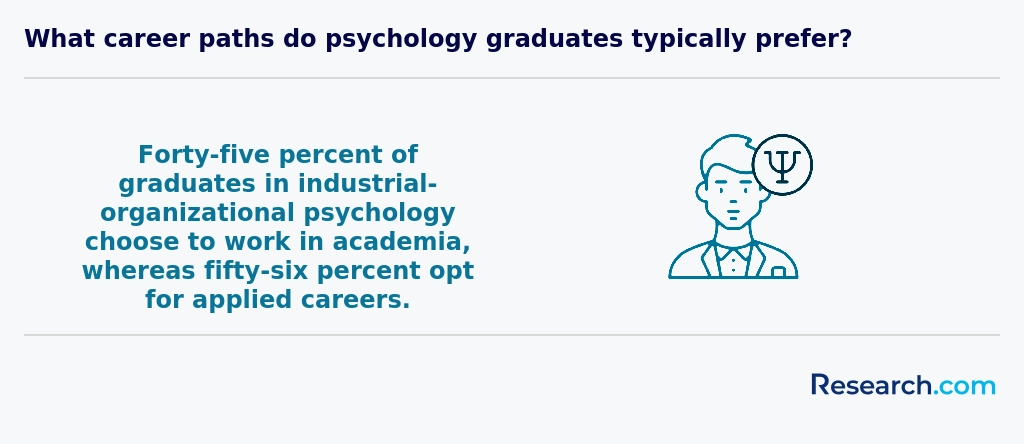
Graduates with a psychology degree in Reading can pursue several rewarding career paths tailored to their interests and skills. Many choose clinical and counseling psychology, roles that involve diagnosing and treating mental health issues, often requiring further study and licensure. Those attending popular local institutions report that internships in clinical settings help solidify their career direction. For practical experience, jobs with a psychology degree in Reading often span human resources, where understanding workplace behavior enhances recruitment and employee relations within the city's diverse businesses.
Other graduates find roles in educational psychology, supporting schools and community programs, or industrial-organizational psychology, which focuses on improving workplace productivity. Some opt for research positions at universities or private companies, analyzing behavioral data to inform real-world solutions. Health psychology is another vibrant field, addressing patient wellness in medical environments. Students often reference programs at Reading colleges as valuable stepping stones to these careers.
For those weighing their options, exploring the fastest highest paying degrees can provide insight into paths that balance time and financial reward effectively.
The job market for psychology degree holders in Reading offers steady opportunities, especially in healthcare, education, and human services sectors. Graduates from popular local institutions often find entry-level roles as case managers or behavioral technicians to begin with, gaining valuable hands-on experience. Many noted that working in community health centers or private practices treating mental health issues provides both practical skills and a fulfilling work environment. Those exploring psychology degree job opportunities in Reading will need to consider that advanced credentials and licensure are commonly required for clinical and counseling roles, which aligns with the increasing demand in schools and social services.
Several graduates highlight that internships and partnerships arranged by Reading universities help ease entry into the workforce while keeping costs manageable, with tuition for local public universities ranging between $10,000 and $15,000 annually. For students aiming to balance work and study, focusing on sectors like organizational psychology or human services may offer quicker employment paths. Exploring the best introvert jobs can also guide those seeking fitting roles within the psychology field.
Employment outlook for psychology graduates Reading shows growth consistent with national trends, making persistence and continued education key factors for long-term success.
2027 Most Valuable Psychology Degree Programs Ranking in Reading
Investing in your education is a significant decision that can shape your future, and the Research.com team recognizes the importance of making well-informed choices. To aid prospective students in Reading, we have carefully developed the "2027 Most Valuable Psychology Degree Programs Ranking in Reading." Our dedication to quality, credibility, and accuracy is reflected in the thorough research and rigorous analysis behind this ranking.
We utilized the following reputable data sources to ensure a comprehensive evaluation of psychology degree programs:
By exploring this ranking, readers will gain valuable insights into the most valuable psychology degree programs in Reading, enabling them to make confident and informed decisions about their educational journeys. For more information on our ranking process, please visit our Research.com methodology page.

# 3 position
Pennsylvania State University-Penn State Berks
Bachelor of Science in Psychology


Frequently Asked Questions About psychology
Psychology degree students in Reading can maximize their learning experience by actively engaging in both coursework and practical opportunities. Many US psychology programs emphasize research participation, which helps students apply theory and develop critical thinking skills. According to the American Psychological Association, students involved in research projects show higher academic success and better job prospects.
In addition, internships or volunteer work in clinical or community settings in Reading offer real-world experience that strengthens resumes. Joining psychology clubs or societies also provides networking and peer learning benefits. Utilizing university resources like career counseling and tutoring can further support student growth.
Lastly, staying updated on developments in psychology through journals and conferences enhances understanding and professional readiness.
The field of psychology is expanding with several emerging niches that offer new opportunities for students pursuing degrees in Reading. One fast-growing area is neuropsychology, which explores how brain function affects behavior and is increasingly relevant due to advances in neuroscience. Another rising niche is health psychology, focusing on how psychological factors influence physical health, a sector expected to grow by 13% nationwide according to the U.S. Bureau of Labor Statistics.
Additionally, forensic psychology is gaining attention in Reading, as local law enforcement agencies seek experts to assist with criminal profiling and legal cases. Lastly, digital and cyberpsychology, which studies human interaction with technology, is becoming crucial amid the rise of social media and virtual environments.
Preparing for the job market after completing a psychology degree in Reading involves combining academic knowledge with practical experience. Graduates should seek internships or volunteer opportunities within local healthcare facilities, schools, or counseling centers, which provide valuable hands-on skills. According to the U.S. Bureau of Labor Statistics, demand for psychologists is expected to grow 8% from 2022 to 2032, highlighting the importance of gaining relevant experience.
Networking is also crucial; connecting with professionals via local psychology associations or university alumni groups can open doors to job leads. Additionally, pursuing certifications in specialized fields like behavioral analysis or counseling can enhance employability in this competitive market.
Employers in Reading highly value psychology graduates who demonstrate strong analytical skills. These skills enable graduates to interpret complex data and research findings effectively, a crucial requirement in many psychology roles.
Communication abilities also rank among the top skills sought, as professionals must clearly explain psychological concepts to clients, colleagues, and stakeholders.
According to the U.S. Bureau of Labor Statistics, critical thinking and problem-solving are essential skills in psychology careers that help graduates adapt to various workplace challenges.
Additionally, attention to detail and ethical judgment are important due to the sensitive nature of psychological work, especially in clinical or counseling settings in Reading's healthcare sector.
Finding internships in Reading relevant to a psychology degree involves a strategic approach. First, students should explore connections with local universities such as the University of Reading's psychology department, which often posts internship opportunities and research assistant positions. Additionally, nearby hospitals and mental health clinics provide practical placements where students can gain experience in clinical psychology settings.
Networking is essential. Attending career fairs, joining psychology student associations, and contacting professors for advice can open doors. The American Psychological Association (APA) also offers resources to locate accredited internships nationwide.
Keep in mind that internships in healthcare and social services in Reading may require background checks and specific training.
A psychology degree can significantly enhance career mobility and advancement for individuals in Reading. According to the U.S. Bureau of Labor Statistics, jobs in psychology-related fields are projected to grow by 8% from 2022 to 2032, faster than the average for all occupations. In Reading, employers value candidates with a solid foundation in psychological principles, especially in health care, education, and human services sectors.
Graduates with a bachelor's or master's degree in psychology often find opportunities in counseling, social work, and administrative roles. Earning advanced degrees or certifications can lead to licensure, increasing eligibility for higher-paying positions. Networking with local psychology associations also supports career growth in the region.
Studying for a psychology degree in Reading equips students with versatile skills valuable across various disciplines. Programs typically emphasize research methods, critical thinking, and understanding human behavior, which are crucial in fields like healthcare, education, and business.
Interdisciplinary collaboration is encouraged through coursework that integrates psychology with biology, sociology, and even technology. For example, Reading's proximity to healthcare institutions offers students practical exposure to clinical and counseling psychology, fostering teamwork with medical professionals. According to the Bureau of Labor Statistics, psychology graduates in interdisciplinary roles often see employment growth, highlighting the relevance of this approach.
Choosing between a thesis and a non-thesis psychology degree program in Reading depends on your career goals and academic interests. A thesis program typically involves original research, suitable for students considering a PhD or research-oriented career. It demands strong analytical and writing skills, and can take longer to complete.
Non-thesis options focus more on coursework and practical experience, ideal for those aiming to enter the workforce quickly or pursue applied psychology roles. According to the American Psychological Association, nearly 40% of psychology master's students nationwide choose non-thesis tracks for faster graduation.
In Reading, institutions may vary their offerings, so reviewing course catalogs and faculty expertise can help make an informed decision.
Students based in Reading interested in studying psychology abroad have several options within the US higher education system. Many American universities offer study abroad programs with partner institutions where psychology is a prominent field of study. These programs often last a semester or a full academic year, allowing students to earn credits toward their degrees while experiencing different cultural perspectives on psychological research and practice.
Some US universities have exchange agreements with European schools, providing access to diverse psychology curricula. According to the Institute of International Education, over 40% of US study abroad students engage in social science fields, including psychology.
Participation in these programs can enhance a student's understanding of global psychological theories, which is beneficial for careers in research or clinical practice. Students should consult their home institutions' international offices for specific opportunities aligned with their psychology studies.
Students pursuing psychology degrees in Reading can find valuable part-time job opportunities that complement their academic studies. Many local mental health clinics and counseling centers seek interns or aides, providing practical experience in client communication and therapeutic techniques. According to the U.S. Bureau of Labor Statistics, hands-on experience significantly enhances employability in psychology-related fields.
Additionally, research assistant positions at nearby universities or private research firms offer exposure to experimental design and data analysis. Jobs in social services agencies also allow students to develop skills in case management and crisis intervention, which are crucial for clinical psychology careers.
These work experiences help build both resumes and professional networks within the Reading community.
Psychology students in Reading benefit from various networking opportunities that can enhance their academic and professional growth. Local universities often host guest lectures and seminars featuring recognized psychologists and researchers, encouraging students to engage directly with experts. According to the American Psychological Association, such events are crucial in building professional connections.
Internship programs in Reading frequently collaborate with nearby clinics and mental health organizations, providing students hands-on experience and contacts within the field. Additionally, students can join psychology clubs and local chapters of national psychology associations, which organize networking meetups and career workshops. These platforms help students exchange ideas and find mentors.
Finally, psychology students can participate in regional conferences held in the broader Greater Boston area, known for its concentration of psychology research institutions. These conferences offer excellent chances to present research and connect with professionals beyond Reading's immediate vicinity.
Alumni networks offer valuable support for psychology degree students in Reading by connecting them with graduates who have relevant professional experience. These networks facilitate mentorship opportunities, enabling current students to receive guidance on academic pathways and career planning. According to the National Association of Colleges and Employers (NACE), 70% of jobs are found through networking, underscoring the importance of alumni connections.
In Reading, some universities maintain active alumni groups that host workshops, panel discussions, and networking events specific to psychology, helping students build local professional relationships. This access to a community can increase internship placements and job prospects.
Moreover, alumni can provide insights into evolving trends in psychology careers and share real-world experiences that enrich students' academic pursuit.
Customizing a psychology degree in Reading allows students to align their education with career goals by choosing specialized courses and practicum experiences. Many programs offer electives in areas such as clinical, developmental, or industrial-organizational psychology. This flexibility helps tailor the degree to fields like counseling, research, or human resources.
Students can also engage in internships or research projects with local organizations, gaining hands-on experience relevant to their aspirations. According to the American Psychological Association, practical training enhances job readiness and marketability. Additionally, some Reading institutions provide options for dual degrees or certificates, further expanding career opportunities within psychology-related fields.
Psychology students in Reading often encounter several common challenges during their studies. One major difficulty is balancing intensive coursework with practical experience requirements. Many programs in the area require students to complete internships or volunteering within clinical or research settings, which can be time-consuming alongside academic demands.
A 2023 survey by the American Psychological Association highlights that around 62% of psychology students nationwide, including those in Reading, report stress due to heavy reading loads and complex material involving statistical methods and research design.
Additionally, competition for limited research assistant positions in Reading universities adds pressure as these roles are critical for gaining hands-on skills and strengthening graduate school applications.
Financial strain is another notable challenge, with tuition increases outpacing inflation and limited local scholarships specifically for psychology majors, according to the National Center for Education Statistics.
With a psychology degree, graduates in Reading can pursue several professional certifications that enhance their career prospects. Common options include becoming a Licensed Professional Counselor (LPC) or a Certified Behavior Analyst (CBA), both of which require completing supervised clinical hours and passing state exams. The National Board for Certified Counselors (NBCC) offers the National Certified Counselor (NCC) credential, widely recognized across the US.
Additionally, Reading-based graduates may consider certification from the American Psychological Association (APA) for specializations such as clinical or school psychology, though these typically require an advanced degree. Career advancement often depends on meeting specific state licensing requirements.
Writing a winning application for a psychology program in Reading requires careful preparation and clarity. Start by highlighting your academic achievements, especially in biology, social sciences, and statistics, since these subjects are foundational for psychology studies.
Include any relevant experience, such as internships, volunteer work, or research projects, to demonstrate practical interest and commitment. According to the American Psychological Association, programs often look for applicants who show both academic ability and applied experience.
Personal statements should clearly express your passion for psychology and explain how studying in Reading aligns with your career goals. Tailor your essays to reflect knowledge of the specific programs and faculty expertise available in the area.
Lastly, strong letters of recommendation from educators or supervisors who can attest to your skills and character will strengthen your application significantly.
Psychology careers in the United States, including Reading, reflect a growing global demand for mental health professionals. According to the U.S. Bureau of Labor Statistics, employment of psychologists is expected to grow 6% from 2021 to 2031, faster than the average for all occupations. This growth is driven by increased awareness of mental health and expanding healthcare services.
Internationally, psychology is recognized as an essential discipline, with professional standards often aligned through organizations like the American Psychological Association (APA). Many psychology principles taught in Reading's degree programs have global applicability, supporting careers in research, clinical work, and counseling worldwide.
Reading students can benefit from understanding diverse cultural perspectives on psychology, preparing them for global or multicultural contexts. This global perspective is valuable as psychological practice increasingly addresses worldwide issues such as trauma, developmental disorders, and workplace mental health.
Gaining practical experience while studying for a psychology degree in Reading is essential for career development. Many universities offer internships through partnerships with local clinics, schools, and community centers where students can apply theoretical knowledge. According to the American Psychological Association, securing hands-on experience enhances skillsets and employability.
Students can also participate in research projects led by faculty members. These opportunities allow involvement in data collection, analysis, and report writing. Additionally, joining psychology clubs or volunteer programs provides exposure to different psychological practices within the community.
Career services at Reading institutions often help connect students with relevant placement programs, promoting valuable real-world experience during coursework.
Choosing the right concentration within a psychology degree program in Reading depends on your interests and career goals. Many universities offer specializations such as clinical, cognitive, developmental, or social psychology. Exploring course descriptions and faculty expertise at institutions in Reading helps identify which concentration aligns best with your ambitions.
The U.S. Bureau of Labor Statistics highlights that clinical and counseling psychologists often require advanced degrees and licenses, which can influence your choice. Additionally, Reading's local job market favors applied psychology fields, especially those connected to healthcare and education sectors.
Visiting campus advisors or attending open houses in Reading can provide personalized advice tailored to your strengths and the region's opportunities.
- 2027 Most Valuable Psychology Degree Programs Ranking in Bethlehem
- 2027 Most Valuable Psychology Degree Programs Ranking in Newark
- 2027 Most Valuable Psychology Degree Programs Ranking in Philadelphia
- 2027 Most Valuable Psychology Degree Programs Ranking in Glassboro
- 2027 Most Valuable Psychology Degree Programs Ranking in Scranton
- 2027 Most Valuable Psychology Degree Programs Ranking in New Brunswick
- 2027 Most Valuable Psychology Degree Programs Ranking in Baltimore
- 2027 Most Valuable Psychology Degree Programs Ranking in Morristown
- 2027 Most Valuable Psychology Degree Programs Ranking in Madison
- 2027 Most Valuable Psychology Degree Programs Ranking in Union
See What Experts Have To Say About Studying Psychology
Read our interview with Psychology experts

Elizabeth L. Jeglic Ph.D.
Psychology Expert
Professor of Psychology
City University of New York

Joann Farrell Quinn, Ph.D., MBA
Psychology Expert
Director at the College of Medicine Department of Medical Education
Morsani College of Medicine

Catherine Caldwell-Harris, Ph.D.
Psychology Expert
Associate Professor of Psychology
Boston University

- A Guide to Psychology Internships | Psychology Degree Guide https://psychologydegreeguide.org/resources/internships/
- Psychology Alumni - Graduate School for Social Research https://www.gssr.edu.pl/alumni/doctoral-school-graduates/psychology-alumni/
- Community Psychology in Global Perspective http://siba-ese.unisalento.it/index.php/cpgp
- Psychology https://www.reading.ac.uk/ready-to-study/study/2026/psychology-ug
- Sample letters in psychology https://www.mystudies.com/en-in/human-and-social-sciences/psychology/letter-model/
- Bachelor of Psychology (Honours)|University of Reading Malaysia https://www.reading.edu.my/programmes/bachelor-of-psychology
- Know more about thesis vs non- thesis: what is the difference? https://studyfans.com/en/blogs/816
- Psychology A Level - Reading College https://reading.activatelearning.ac.uk/courses/detail/a-level-psychology/
- Psychology Placement Opportunities for Year 12 Students https://studymind.co.uk/ucas-guide/year-12-guide-to-gaining-psychology-work-experience/
- Careers in and Related to Psychology - Canadian Psychological Association https://cpa.ca/students/career/careersinpsychology/


