
2027 Most Popular Psychology Degree Programs Ranking in Stanford

Co-Founder and Chief Data Scientist
Choosing the right psychology degree program can shape your future in meaningful ways. This article introduces the 2027 Most Popular Psychology Degree Programs Ranking in Stanford, created by the Research.com team of data scientists to guide you through your options.
By exploring this ranking, you'll gain insights into standout programs worth considering, helping you make informed decisions with confidence.
Whether you're passionate about understanding human behavior or aiming for a rewarding career, a psychology degree offers valuable opportunities to grow personally and professionally.
Key benefits of getting psychology degree in Stanford
- Salary for psychology degree graduates: Graduates can expect rewarding salaries, such as $76,060 annually for Human Resources Specialists and $83,190 for Marketing Research Analysts, reflecting strong earning potential in diverse roles.
- Career paths: Stanford psychology alumni often find exciting opportunities in research, clinical work, or business analytics, allowing them to apply their skills in meaningful ways across various industries.
- Benefits of an online degree: Earning a psychology degree online offers flexibility and convenience, enabling students to balance work and study, just like some successful Stanford graduates have experienced.
- 2027 Most Popular Psychology Degree Programs Ranking in Stanford
- What can I expect from psychology degree in Stanford?
- Where can I work with psychology degree in Stanford?
What can I expect from psychology degree in Stanford?
The average cost of pursuing a psychology degree at Stanford University can feel like a significant investment, yet it opens doors to extraordinary opportunities. Tuition for undergraduate students typically exceeds $60,000 per year, but many graduates highlight how financial aid, scholarships, and fellowships lighten this load, making the experience accessible and worthwhile. Graduate students, especially PhD candidates, often receive funding through assistantships that cover tuition and living expenses, allowing them to focus fully on groundbreaking research.
Imagine joining a vibrant community where nearly 80% of undergraduates dive into real research projects early, working alongside faculty in tech-rich spaces right in Silicon Valley. Graduates often describe their time engaging in cutting-edge neuroimaging labs and collaborating on social justice initiatives as deeply rewarding moments that validated every dollar spent.
Stanford's commitment to diversity, innovation, and hands-on learning creates an environment where investing in a psychology degree feels less like a cost and more like a life-changing opportunity full of promise and growth.
Where can I work with psychology degree in Stanford?
Graduates with a psychology degree from Stanford University find themselves welcomed into a world of inspiring career paths. Many embark on clinical roles within renowned hospitals, outpatient clinics, or private practices, where they make meaningful differences by supporting individuals through mental health challenges. Imagine working alongside compassionate teams, applying knowledge gained at Stanford's rich academic environment to foster healing and growth.
Others thrive in research labs across Silicon Valley, engaging in groundbreaking studies in cognitive neuroscience or social psychology. Taking part in projects at institutions like the Palo Alto VA Health Care System, graduates contribute to innovations that directly impact communities, fueling a sense of purpose with every discovery.
In the fast-paced corporate world, psychology alumni collaborate with tech giants such as Google and Facebook, enhancing user experience and organizational culture. Many find joy in seeing how their expertise shapes smarter, more empathetic technologies that touch millions daily.
Local schools also embrace Stanford-trained psychologists, offering opportunities to guide students toward success and wellbeing through counseling and educational support-making each day rewarding and impactful.
Graduates who earn their psychology degree from Stanford University step into a world of strong earning potential and exciting career paths. Many find roles such as Human Resources Specialists, where the mean annual salary is around $76,060, blending people skills with organizational impact in Silicon Valley's dynamic environment.
Others pursue careers like Marketing Research Analysts, taking advantage of their keen understanding of human behavior to secure positions paying an average of $83,190 yearly. This allows grads to contribute creatively to innovation-driven companies while earning competitive wages.
For those interested in the research side, becoming Clinical Research Associates or Survey Researchers is a popular option, with mean salaries near $62,370. These careers offer the chance to engage deeply with scientific inquiry, often collaborating with Stanford's renowned research community.
Stanford psychology graduates proudly share experiences of thriving in diverse settings-from tech firms to healthcare-where their expertise brings rewarding financial and professional growth, fueling a bright future in their chosen fields.
- Stanford's psychology program covers cognitive neuroscience, developmental, social, and clinical psychology.
- Undergraduate tuition for 2023-2024 is about $63,000 annually, with graduate tuition often exceeding $55,000 per year.
- Early career salaries for psychology graduates in the Stanford area range from $60,000 to $70,000 annually.
- Graduates have strong job prospects in research, healthcare, education, and tech sectors due to interdisciplinary training.
- There is rising demand for skills in behavioral science, data analysis, and human-computer interaction, especially in Silicon Valley tech companies.
Completing a psychology degree at Stanford is an inspiring journey that typically lasts four years for undergraduates. Many graduates share how the immersive research opportunities and hands-on learning at Stanford transform their understanding of human behavior well before they finish their senior year. These years are filled with exciting challenges and rewarding moments, whether diving into coursework or collaborating on innovative projects at Stanford's renowned colleges.
For those pursuing further study, a Master's degree usually takes about two years, offering a deeper dive into specialized topics. Though less common, it provides a valuable stepping stone for driven students looking to enrich their expertise.
Doctoral candidates often spend five to seven years fully engaged in groundbreaking research and original studies, a timeframe that reflects both the rigor and the incredible growth they experience on campus. Stanford graduates frequently describe this process as a chance to shape their future while contributing to meaningful advances in psychology.
- Four years for a Bachelor's degree in Psychology
- Two years for a Master's degree (less common at Stanford)
- Five to seven years for a PhD in Psychology
. When considering a psychology degree program in Stanford, CA, it's essential to weigh various factors that align with your career aspirations and personal interests. As you navigate the plethora of options, understanding the significance of each program's unique features can make a substantial difference in your educational journey. For those seeking to enroll in a reputable institution, researching the best popular psychology colleges can provide invaluable insights, helping you make an informed decision about your future in psychology. By carefully evaluating accreditation, curriculum, faculty expertise, and research opportunities, you can identify a program that not only resonates with your passions but also equips you with the skills and knowledge necessary to thrive in your chosen career path.
Choosing between online and on-campus psychology degrees at Stanford means embracing different but equally valuable learning journeys. On-campus students thrive in dynamic environments like Stanford's cutting-edge laboratories and vibrant research centers, enjoying face-to-face mentorship that fuels inspiration and deep connection with professors and peers. Graduates often recall how hands-on clinical training and collaborative projects enriched their learning and expanded their career networks.
Meanwhile, online psychology programs offer the incredible freedom to balance studies with life's many commitments. Many working professionals find joy in studying from home or any comfortable place, crafting a personalized routine that fits their pace. Online learners appreciate the ability to access quality courses without the need to relocate or commute, while still earning degrees backed by strong accreditation.
Both paths empower students to grow, excel, and pursue their passions-with on-campus experiences bringing immersive community energy, and online programs delivering flexibility and convenience-all within the inspiring context of Stanford's exceptional psychology education.
Graduates aiming for clinical practice must navigate a multi-step licensure process governed by state psychology boards. Key milestones include: 1. Educational Credentials • Completion of a regionally accredited bachelor’s and graduate degree in psychology or a related field. • Coursework aligned with APA standards, covering ethics, assessment, and intervention. Many candidates choose specialized tracks; for example, our online apa accredited psyd programs include integrated practicum placements that satisfy predoctoral internship criteria. 2. Supervised Professional Experience • Predoctoral Internship: Minimum of 1,500–2,000 supervised hours in an APA- or state-approved setting. • Postdoctoral Fellowship: Additional 1,500–2,000 hours under a licensed psychologist, focusing on assessment, therapy, and ethics. 3. Examination Requirements • Examination for Professional Practice in Psychology (EPPP): National standardized exam assessing core domains such as biological bases of behavior and psychological measurement. • Jurisprudence or State Law Exam: Some states require a supplementary test on local laws, regulations, and ethical codes. 4. Application and Continuing Education • Submission of official transcripts, internship evaluations, and exam scores to the state board. • Renewal: Typically every 1–2 years, with 20–40 continuing education credits covering emerging practices, cultural competency, and ethics. By understanding these licensure steps and selecting programs with built-in practicum and supervision components, future psychologists can streamline their path to independent practice and ensure full compliance with state regulations.
For students pursuing a psychology degree in Stanford, the average cost of attendance reflects the university's prestigious reputation and commitment to excellence. Undergraduate tuition sits at about $65,910 annually, which covers a comprehensive academic experience tailored to ambitious minds. This figure reflects the dedication Stanford has to maintaining top-tier resources, expert faculty, and groundbreaking research opportunities that enrich every student's personal growth.
Beyond tuition, psychology degree expenses California 2027 include student activity fees, health insurance, books, and room and board - factors that contribute to a comprehensive college experience. Graduates often recall vibrant campus life and collaborative learning environments that accompany these costs, making their investment well worth it. Experiencing such support systems while engaging in psychology courses at popular institutions like Stanford offers a transformative journey, fostering inspiration and meaningful professional connections.
Many aspiring students also explore financial aid options that significantly ease the path to earning a degree. Stanford's commitment to meeting full demonstrated need empowers future psychologists to focus more on their studies and less on financial worries. Students keen on exploring specialized paths can benefit from programs such as the business psychology master'sdegree, which opens doors to diverse career opportunities.
Obtaining a professional license validates your expertise and allows you to practice independently in California. To become a licensed psychologist:
- Earn a doctoral degree (PhD or PsyD) from an APA-accredited program.
- Complete at least 3,000 hours of supervised professional experience.
- Pass the Examination for Professional Practice in Psychology (EPPP) and the California Psychology Law Exam.
- Submit your application, official transcripts, exam scores, and background check to the California Board of Psychology.
Aspiring marriage and family therapists must also:
- Obtain a master’s degree in marriage and family therapy.
- Accumulate 3,000 hours of supervised clinical work.
- Pass the California Law and Ethics Exam and the national MFT exam.
Consider accredited online marriage and family therapy programs to fulfill coursework and supervision requirements with greater flexibility.
Stanford's psychology program opens doors not only to world-class education but also to generous financial support that transforms dreams into reality. Many psychology undergraduates share how the university's need-based grants lifted a huge financial weight off their shoulders, covering most expenses beyond the estimated $63,000 tuition. Imagine focusing fully on groundbreaking research or internships, knowing that 80% of your costs-tuition, room, and board-are covered, thanks to Stanford's commitment to meeting 100% of demonstrated financial need.
Graduate students often find relief through assistantships and fellowships. Psychology doctoral candidates commonly experience the joy of receiving stipends and tuition coverage by working as research or teaching assistants, allowing them to immerse themselves in pioneering studies without financial stress. These opportunities foster both professional growth and peace of mind, encouraging students to thrive in their academic journey.
Federal Pell Grants, state grants, and campus work-study programs further brighten the path, enabling students to contribute to their education through meaningful campus roles. Many Stanford psychology alumni recall how early FAFSA applications unlocked these aids, fueling their passion and success.
For many Stanford, CA residents seeking a psychology degree without the hefty price tag, accredited online programs present a flexible, budget-friendly alternative. These degrees often match on-campus curricula in rigor and accreditation while eliminating relocation and campus fees. Prospective students can compare tuition rates, course delivery methods, and student support services across institutions to find the best fit.
Our comprehensive Low Cost Online Bachelor's in Psychology Degree Programs Ranking in the West highlights top programs that combine affordability with academic excellence. Many of these schools offer rolling admissions, generous transfer-credit policies, and virtual tutoring, allowing learners to accelerate their studies and reduce overall costs.
Beyond tuition savings, online learners benefit from digital libraries, career services, and networking platforms that mirror on-campus experiences. Whether you’re balancing work, family, or other commitments, these programs deliver the key psychology courses-developmental, cognitive, social, and research methods-while supporting financial planning through monthly payment plans and online scholarship opportunities.
To embark on a psychology degree at Stanford, strong academic preparation is key. Many successful undergraduates from Stanford's colleges share that a high GPA, often above 3.9, paired with foundational courses in biology, mathematics, and social sciences laid the groundwork for their thriving college experience. These essential studies help students confidently engage with complex psychological concepts and research from day one.
Graduate students pursuing a Master's or PhD highlight the importance of having a bachelor's degree with relevant coursework in neuroscience, biology, or statistics. Those who dove deeply into research methods and developmental psychology found themselves well-equipped to contribute meaningfully to Stanford's vibrant research community. Picture yourself in lively discussions or hands-on lab work, just like many Stanford graduates do.
Notably, while the GRE isn't always required, strong letters of recommendation and research experience often open doors. The rigorous but supportive environment motivates students to push boundaries, making the demanding application process a rewarding first step toward a bright future in psychology.
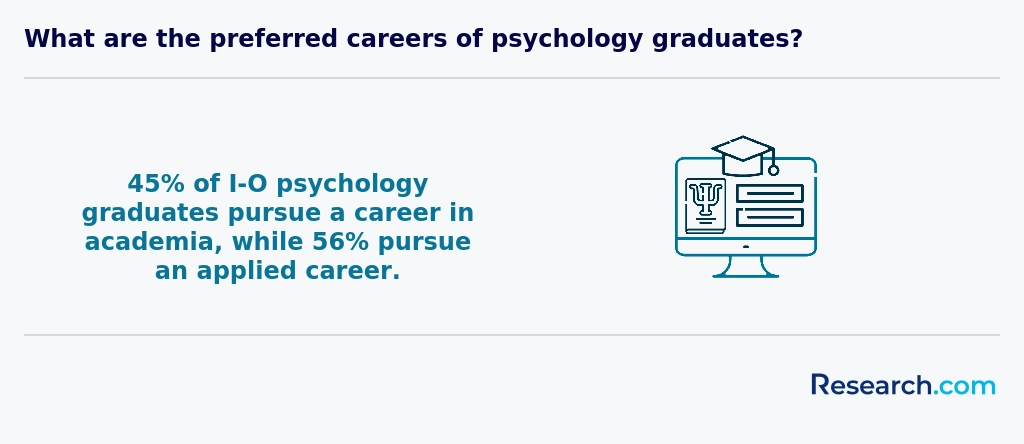
As the field of psychology evolves, new trends and innovative practices are reshaping the academic landscape and professional opportunities available to graduates in Stanford, CA. Today’s programs are increasingly integrating technology with traditional methods, from advanced neuroimaging techniques to virtual research laboratories, fostering a dynamic blend of theoretical knowledge and practical application. These emerging trends not only enhance the learning experience but also open pathways to specialized fields such as forensic psychology. For example, students interested in delving deeper into the intersection of psychology and the legal system can explore criminal psychology careers, a rapidly growing area driven by the need for expertise in behavioral analysis and legal consulting. Moreover, the rise of interdisciplinary studies is encouraging collaborations between psychology and areas like data science, cybersecurity, and public health, preparing graduates to excel in diverse roles. Institutions in Stanford are now placing a greater emphasis on experiential learning, including internships and collaborative projects with local organizations, which further enriches students’ career readiness. This forward-thinking approach ensures that as market demands evolve, psychology graduates remain well-equipped to meet the challenges and seize the innovative opportunities of tomorrow.
At Stanford, psychology students dive into courses that ignite curiosity and deepen understanding of the human mind. Graduates often recall their first immersive experience in Psychological Science, a course that opens doors to fundamental theories and research methods, setting a solid foundation for their studies. Imagine exploring neural pathways in Biological Psychology, where students connect brain functions to behaviors, bringing textbook concepts vividly to life. Others thrive in Cognitive Psychology and Developmental Psychology, gaining insight into thought processes and growth stages, much like observing real people's journeys through life's challenges.
Stanford's passionate emphasis on research skills means students eagerly engage in hands-on courses such as Experimental Psychology and Statistical Methods, mastering tools that empower them to conduct meaningful experiments. Electives like Clinical Psychology and Neuroscience allow students to shape unique academic paths, enriching their educational adventure and boosting confidence for future careers. This dynamic curriculum truly inspires students to see psychology not just as study, but a vibrant, evolving experience.
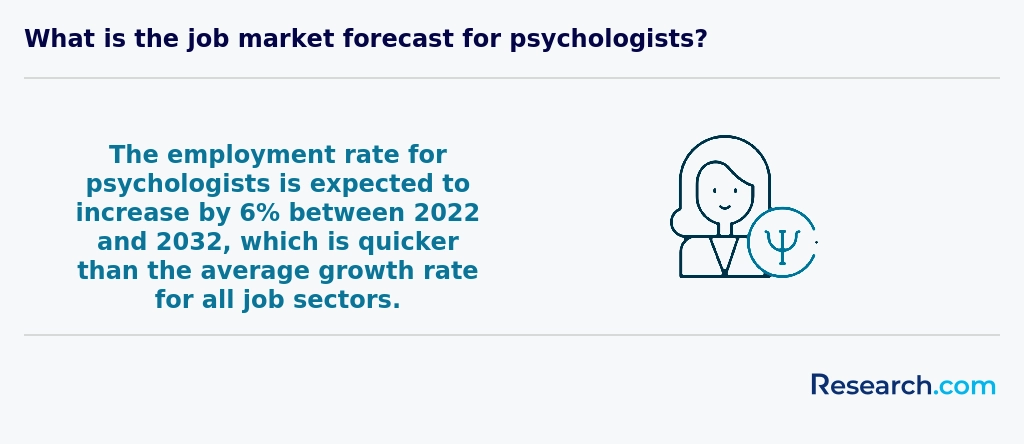
Stanford's psychology degree offers exciting specializations that inspire students to dive deeply into their passions. Graduates often describe their journey through cognitive psychology, exploring how memory and decision-making shape everyday life, or through behavioral neuroscience, where understanding brain function sparks awe and curiosity. Those drawn to the transformative nature of human growth find fulfillment in developmental psychology, while social psychology empowers students to grasp the rich dynamics of human interactions on campus and beyond.
Many students pursuing psychology degree specializations in Stanford embrace clinical psychology to make a positive impact on mental health, while others are energized by quantitative psychology's blend of math and research. This diversity of options reflects the vibrant intellectual environment at Stanford's colleges, where interdisciplinary learning nurtures creativity and innovation.
Students often share how their time at Stanford, complemented by resources and collaborative opportunities, emboldens them to shape meaningful careers. For those seeking practical applications within social work and mental health, exploring top-rated online MSW degrees can be a natural extension of their academic path.
Stanford psychology program concentration options are enriched by a culture of discovery and support, empowering students to pursue their aspirations with confidence and joy.
Choosing the best psychology degree in Stanford means focusing on what truly excites and motivates you. Many graduates from well-known Stanford colleges describe how immersing themselves in cutting-edge research and connecting with passionate professors transformed their learning experience and opened doors to fulfilling careers. Whether you opt for the Bachelor of Arts program or pursue a PhD, aligning your goals with the strong research culture and interdisciplinary approaches Stanford offers will inspire you to grow both personally and professionally.
Consider the flexibility of the curriculum, which allows you to explore diverse areas like cognitive science and neuroscience, helping you build a unique expertise that fits your ambitions. Graduates often highlight the invaluable internships and collaborations facilitated by Stanford's close ties to Silicon Valley and local healthcare institutions, which provide hands-on experiences and real-world impact.
For those seeking affordable psychology degrees in Stanford California, it's encouraging to know many students benefit from fellowships and assistantships that reduce costs significantly. Planning your finances carefully, while embracing the vibrant academic community, will empower your journey. For more information on health psychology career pathways, click here.
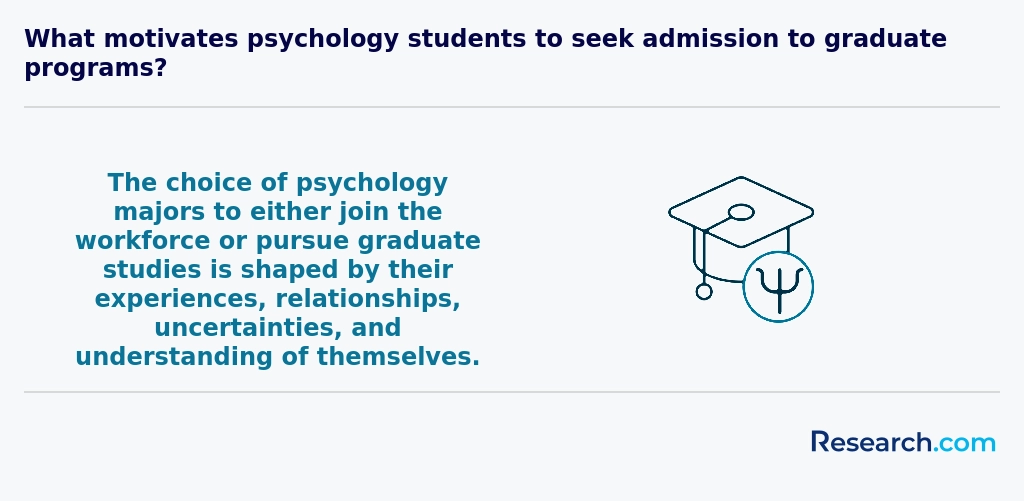
Graduates with a psychology degree from Stanford enjoy diverse opportunities due to the program's rigorous training and close connection to Silicon Valley innovation. Many find fulfilling careers in clinical and counseling psychology, working as licensed psychologists in hospitals or private practice, where they make a meaningful difference in people's lives. This highlights one exciting aspect of job opportunities with psychology degree in Stanford, as graduates benefit from excellent credentials and strong local demand.
Others pursue advanced research or academic roles, becoming university professors or leading groundbreaking psychological studies. Stanford's unique environment inspires graduates to explore fields like cognitive neuroscience and behavioral economics, where they integrate technology with psychology. Alumni often describe the thrill of contributing to transformative research that shapes the future, reinforcing why psychology degree career options Stanford are so appealing.
Applied psychology paths also thrive, with graduates improving workplace dynamics as industrial-organizational psychologists earning rewarding salaries. Furthermore, many find purpose in education, human resources, or social services. Prospective students can even explore flexible options like michigan online psychology education to complement their studies or career goals.

The job market for psychology degree holders in Stanford is vibrant and full of promise, reflecting the region's expanding focus on mental health and behavioral science. Graduates from Stanford's top-tier psychology programs frequently emerge well-prepared to pursue diverse career opportunities, from clinical roles in local healthcare settings to innovative positions in user experience research at Silicon Valley tech companies. Those with a psychology degree job outlook Stanford can expect to benefit from strong industry connections and a reputation that opens doors easily.
Many graduates find themselves thriving in places like Stanford University and nearby colleges, where rigorous training meets real-world application. Graduates often describe the rewarding challenge of applying psychological principles to improve technology interfaces or enhance organizational culture, fueling both personal passion and professional success.
With California's growing need for licensed clinical psychologists and applied behavioral experts, salary prospects remain attractive, complementing the competitive but encouraging environment. Students interested in the field should explore resources like the best popular psychology colleges to align their goals with leading programs.
Career opportunities for psychology graduates Stanford continue to increase in variety and scope, making it a truly inspiring time to pursue this field in the Bay Area.
2027 Most Popular Psychology Degree Programs Ranking in Stanford
Investing in your education is a significant decision that can shape your future, and the Research.com team understands the importance of making informed choices. To assist prospective students, we have meticulously crafted the "2027 Most Popular Psychology Degree Programs Ranking in Stanford." Our commitment to quality, credibility, and accuracy is reflected in the extensive research and analysis conducted to compile this ranking.
We utilized the following reputable data sources to ensure a comprehensive evaluation of psychology programs:
By exploring this ranking, readers will gain valuable insights into the most popular psychology degree programs at Stanford, helping them make well-informed decisions about their educational journeys. For more details on how the ranking was created, please visit our Research.com methodology page.

Frequently Asked Questions About psychology
Psychology degree students at Stanford can maximize their learning experience by actively engaging in both coursework and research opportunities. Stanford's Department of Psychology is renowned for its cutting-edge research facilities and access to leading faculty, offering students a chance to participate in projects addressing cognitive neuroscience, developmental psychology, and social behavior.
Students should take advantage of undergraduate research assistantships, which are highly encouraged and available to most psychology majors. According to Stanford's 2023 enrollment data, over 70% of psychology undergraduates engage in research, gaining critical hands-on experience that strengthens their academic foundation and career prospects.
Additionally, interdisciplinary studies and collaboration with nearby institutes such as the Stanford Neurosciences Institute can broaden perspectives and skills. Students are advised to attend workshops, seminars, and guest lectures regularly, which Stanford frequently hosts, providing exposure to emerging psychological theories and methodologies.
Emerging niches within the psychology field reflect growing societal and technological changes, attracting many students in Stanford. One key area is neuropsychology, which focuses on brain-behavior relationships and benefits from Stanford's cutting-edge neuroscience research. Another expanding niche is health psychology, emphasizing mental and physical health interactions, important as chronic illnesses rise.
Additionally, Stanford highlights the growth of digital and cyberpsychology, studying how technology affects human behavior, crucial in today's digital age. Environmental psychology also gains attention, exploring how surroundings influence wellbeing. These niches align with current job market trends, with the U.S. Bureau of Labor Statistics projecting faster-than-average growth in clinical and counseling psychology roles specializing in these areas.
To prepare for the job market after completing a psychology degree at Stanford, students should leverage the university's strong network and career services. Stanford's Psychology Department reports that about 85% of graduates secure relevant employment or enroll in graduate programs within six months. Engaging in internships, research projects, and laboratory assistantships during studies significantly enhances practical experience and employability.
Additionally, students can benefit from workshops on resume writing, interview skills, and networking hosted by Stanford Career Education. Pursuing certification in specialized areas like clinical psychology or data analysis further strengthens job prospects. Understanding labor market trends in California, where psychology-related jobs are growing by 6% annually, is also valuable.
Employers seeking psychology graduates in Stanford prioritize a combination of analytical and interpersonal skills. Graduates must demonstrate strong critical thinking abilities, as these are essential for designing experiments and interpreting data. According to the Bureau of Labor Statistics, employers value proficiency in statistical software and research methods, which are often emphasized in Stanford's psychology curriculum.
Effective communication is also a top skill, enabling graduates to present findings clearly to both scientific and non-expert audiences. Furthermore, problem-solving and ethical reasoning are critical, reflecting the field's focus on human behavior and mental health.
Stanford graduates with experience in teamwork and empathy frequently attract attention from local employers in healthcare, education, and tech industries, where collaborative skills are crucial.
Finding internships relevant to a psychology degree in Stanford involves utilizing university resources and local opportunities. Stanford's Department of Psychology offers a dedicated internship program connecting students with labs, clinics, and community organizations.
Students can also explore the Stanford Career Education center, which lists internship openings and provides workshops on application strategies. According to Stanford's latest Career Outcomes Report, over 70% of psychology undergraduates secured internships before graduation.
Additionally, partnerships with nearby research institutes, such as the Stanford Neurosciences Institute, widen available options for hands-on experience.
Networking through faculty recommendations and attending psychology-related events is strongly advised to increase chances of placement.
A psychology degree from Stanford can significantly enhance career mobility and advancement within the local job market. Graduates benefit from the university's strong reputation and connections to Bay Area industries such as technology, healthcare, and education. According to the National Center for Education Statistics, psychology majors often transition into diverse roles including human resources, marketing, and clinical services.
Stanford's psychology program emphasizes research skills and applied knowledge, which employers highly value. Many students gain internships or collaborative projects with Silicon Valley firms, improving practical experience. This exposure facilitates entry into competitive positions and fosters upward career movement.
Moreover, advanced degrees in psychology from Stanford can lead to specialized roles in counseling, neuroscience, or organizational psychology, fields showing steady employment growth as reported by the U.S. Bureau of Labor Statistics.
Stanford University's psychology degree program is designed to equip students with a strong foundation in both theory and applied research methods. The curriculum emphasizes critical thinking and quantitative skills, which are essential for navigating interdisciplinary fields.
Students engage with diverse areas such as cognitive science, neuroscience, and social psychology, promoting a cross-disciplinary understanding. Stanford's collaborative environment allows psychology majors to work alongside departments like computer science, education, and bioengineering, enhancing their adaptability in various roles.
According to Stanford's Psychology Department, over 40% of graduates pursue careers that integrate psychology with technology, health, or policy, highlighting the degree's broad applicability.
Choosing between a thesis and a non-thesis psychology degree program at Stanford depends largely on your academic goals and career plans. The thesis option emphasizes original research, requiring students to design, execute, and defend a research project. This path is ideal for those considering doctoral studies or research-intensive careers. Stanford's psychology department reports that about 40% of their graduate students pursue this track, often supported by faculty funding or research assistantships.
Conversely, a non-thesis program focuses more on coursework and practical skills, which may suit individuals aiming for professional roles in clinical or counseling settings. The non-thesis route can be completed faster, typically within 1.5 to 2 years, compared to 2 to 3 years for thesis students.
Students based in Stanford pursuing psychology degrees have several opportunities to study abroad through university-sponsored programs. Stanford University partners with institutions worldwide, offering psychology majors access to tailored exchange programs in Europe, Asia, and Australia. These programs typically last one quarter or one semester, allowing students to earn credits toward their psychology degree.
The Bing Overseas Studies Program is particularly popular, with destinations including London and Paris that support psychology coursework. According to Stanford's Study Away Office, over 600 students participate annually, reflecting strong interest in global learning experiences.
Additionally, many psychology students benefit from the flexibility of Stanford's academic calendar, facilitating summer research internships abroad that complement classroom learning. These options enhance cultural competence and expand understanding of psychology in diverse contexts.
Students pursuing psychology degrees in Stanford can enhance their education through various part-time job opportunities. Many engage in research assistant roles within Stanford's Psychology Department, gaining hands-on experience in experimental design and data analysis. According to the Stanford School of Humanities and Sciences, about 40% of psychology undergraduates participate in such positions annually.
Another popular option includes working at local clinical facilities or counseling centers, where students can observe therapeutic practices and support mental health services. Additionally, part-time positions as lab coordinators help develop organizational and leadership skills relevant to psychology careers.
Volunteer roles in community programs addressing mental health also provide valuable exposure to applied psychology. These experiences not only enrich academic learning but strengthen future graduate school or job applications.
Stanford psychology students benefit from extensive networking opportunities through its renowned faculty and interdisciplinary research centers. The department hosts regular seminars and workshops, attracting leading scholars in fields like cognitive neuroscience and social psychology. This environment fosters connections between students, faculty, and professionals.
The Stanford Psychology Association actively organizes events to help students build professional relationships, including career panels and alumni networking sessions. Furthermore, students can engage with the broader Stanford community through initiatives such as the Stanford Neurosciences Institute, which encourages collaboration across departments.
These connections often lead to internships and research roles, essential for career development in psychology. According to Stanford's official data, more than 75% of psychology undergraduates participate in at least one research project before graduation, enhancing professional networks.
The alumni network for psychology degree students at Stanford offers significant advantages. Graduates connect with a wide range of professionals within psychology-related fields, enhancing career opportunities. According to Stanford's Career Education department, nearly 85% of psychology alumni report that networking helped them secure internships or job placements.
This community provides mentorship, allowing current students to seek guidance from experienced alumni who understand the academic and professional landscape of psychology. Events and workshops organized by the alumni association foster valuable relationships crucial for research collaborations and career growth.
Furthermore, alumni often support students financially through scholarships and grants specifically for psychology majors, according to Stanford's financial aid office.
Stanford University offers a flexible psychology degree that students can tailor to match their career aspirations. You can choose electives from various subfields such as cognitive neuroscience, clinical psychology, or developmental psychology, allowing you to specialize based on your interests.
Students may also engage in independent study or research projects under faculty guidance, gaining hands-on experience in areas aligned with professional goals. Stanford's extensive research facilities and interdisciplinary opportunities enhance this customization.
Additionally, the program encourages collaboration with departments like education or medicine, broadening career pathways. The Psychology Department's advising team assists in crafting a personalized academic plan that aligns with specific career objectives.
Psychology students at Stanford often face intense academic pressure due to the program's rigorous curriculum. Balancing extensive coursework with research commitments can be challenging, as many students participate in cutting-edge labs and studies. According to Stanford's Psychology Department, over 60% of undergraduates engage in research, which demands strong time management skills.
Another common issue is the competitive environment. With limited spots for postgraduate opportunities and internships, students frequently experience stress related to career prospects. Additionally, navigating the complexity of psychological theories and statistical methods can be difficult for those without a strong quantitative background.
Mental health challenges, including anxiety and burnout, also affect many psychology students. Stanford provides support services, but awareness and effective utilization remain a concern.
With a psychology degree from Stanford, students can pursue various professional certifications to enhance their career prospects. Common certifications include Licensed Professional Counselor (LPC) and Licensed Clinical Social Worker (LCSW), which require graduate-level education and supervised clinical hours. Additionally, becoming a Board Certified Behavior Analyst (BCBA) is a popular choice for those interested in applied behavior analysis. Stanford's psychology graduates also often pursue certification as a Certified School Psychologist, needing state-specific licensure exams. According to the Bureau of Labor Statistics, employment for psychologists is expected to grow by 8% from 2021 to 2031, reflecting steady demand in these fields.
Applying to Stanford's psychology program requires careful preparation and clear demonstration of your academic potential. Begin by maintaining a strong GPA, ideally above 3.8, as Stanford is highly competitive. Highlight your research experience, as the university prioritizes applicants with hands-on work in experimental psychology or cognitive neuroscience.
Craft a compelling personal statement that explains your interest in psychology and how Stanford's faculty and resources align with your goals. Mention specific professors or labs to show your familiarity with the program. Additionally, secure strong letters of recommendation from faculty familiar with your research or academic work, as these weigh heavily in admissions decisions.
Standardized test requirements may vary, so check the latest GRE policies for Stanford psychology. According to Stanford Graduate Admissions, interdisciplinary academic achievements and leadership in psychology-related projects improve your chances. Attention to detail and adherence to application deadlines are essential for a winning application.
Psychology careers offer diverse opportunities worldwide, shaped by cultural and economic factors. In the United States, and particularly in areas like Stanford, psychological research and clinical practice emphasize evidence-based methods and innovation. According to the American Psychological Association, psychology professions are growing at a rate of 3% annually, reflecting increasing demand in healthcare, education, and technology sectors.
Globally, career paths vary; some countries focus more on counseling and mental health services, while others prioritize research or industrial-organizational psychology. In the U.S., a psychology degree from Stanford provides strong preparation for roles in clinical psychology, cognitive science, and neuroscience, supported by access to leading research facilities.
Graduates from Stanford's psychology program benefit from the university's extensive network, enhancing international collaboration opportunities. Moreover, U.S. licensure requirements ensure standardized professional credentials, which influence career mobility worldwide.
Students pursuing a psychology degree at Stanford can gain practical experience through several well-established opportunities on campus. The Department of Psychology encourages involvement in faculty-led research labs, where undergraduates and graduates can participate in experiments, data collection, and analysis. According to Stanford's official resources, over 70% of psychology undergraduates engage in research activities during their studies.
Additionally, internships in local hospitals, schools, or community organizations provide real-world exposure. The Psychology Undergraduate Advising Office helps students connect with these placements, which complement academic learning.
Workshops and seminars on clinical skills also enhance hands-on experience, preparing students for careers or advanced studies.
Choosing the right concentration within Stanford's psychology degree program requires understanding your career goals and interests. Stanford offers diverse concentrations such as cognitive psychology, clinical psychology, developmental psychology, and social psychology. Each focuses on different research methods and applications. For example, clinical psychology prepares students for therapy or counseling roles, while cognitive psychology centers on brain function and behavior.
Stanford's Psychology Department is renowned for its interdisciplinary research and access to cutting-edge resources, making it essential to review faculty expertise and ongoing projects. According to Stanford's 2023 Graduate Profile, many students align concentrations with future academic or professional plans.
It is also helpful to attend open houses or speak with current graduate students to gain insight. Additionally, considering practical opportunities such as lab involvement can better inform your decision.
- 2027 Most Popular Psychology Degree Programs Ranking in San Francisco
- 2027 Most Popular Psychology Degree Programs Ranking in Santa Barbara
- 2027 Most Popular Psychology Degree Programs Ranking in Pasadena
- 2027 Most Popular Psychology Degree Programs Ranking in Los Angeles
- 2027 Most Popular Psychology Degree Programs Ranking in Claremont
- 2027 Most Popular Psychology Degree Programs Ranking in Irvine
- 2027 Most Popular Psychology Degree Programs Ranking in La Jolla
- 2027 Most Popular Psychology Degree Programs Ranking in Riverside
- 2027 Most Popular Psychology Degree Programs Ranking in San Diego
- 2027 Most Popular Psychology Degree Programs Ranking in Eugene
See What Experts Have To Say About Studying Psychology
Read our interview with Psychology experts

Robin M. Kowalski. Ph.D.
Psychology Expert
Professor of Psychology
Clemson University

Joann Farrell Quinn, Ph.D., MBA
Psychology Expert
Director at the College of Medicine Department of Medical Education
Morsani College of Medicine

Elizabeth L. Jeglic Ph.D.
Psychology Expert
Professor of Psychology
City University of New York

- Psychology - SWPS University https://english.swps.pl/academics/warsaw/ba-programs/psychology
- How Psychology Students Can Get Clinical Experience Before Graduating | The Playful Psychologist https://www.theplayfulpsychologist.com/post/students-experience-how-to-get-the-experience-you-need-before-you-graduate
- Stanford researchers reveal how to study more effectively https://stanforddaily.com/2017/05/10/stanford-researchers-reveal-how-to-study-more-effectively/
- Know more about thesis vs non- thesis: what is the difference? https://studyfans.com/en/blogs/816
- Best Types Of Online Psychology Degrees 2025 https://www.psychology.org/degrees/
- Sample letters in psychology https://www.mystudies.com/en-in/human-and-social-sciences/psychology/letter-model/
- Study Psychology Abroad https://astarfuture.co.uk/study_psychology_abroad.html
- Call for papers https://www.hogrefe.com/us/journal/international-perspectives-in-psychology-research-practice-consultation
- How to help students cope with mental health challenges https://www.eaie.org/resource/help-students-cope-mental-health-challenges.html
- Psychology at Stanford: Deep Dive - TKG https://www.koppelmangroup.com/blog/2025/6/27/psychology-at-stanford-deep-dive


