
2027 Most Affordable Psychology Degree Programs Ranking in Bloomington

Co-Founder and Chief Data Scientist
Choosing the right psychology degree program in Bloomington can feel overwhelming, but this article is here to help. We present the 2027 Most Affordable Psychology Degree Programs Ranking in Bloomington, developed by the Research.com team of data scientists to offer clear, trustworthy insights.
By exploring these options, you'll discover affordable programs that balance quality and value, helping you make an informed decision. A psychology degree opens doors to meaningful careers, personal growth, and the chance to make a positive impact in your community.
Take this step confidently and start your journey today.
Key benefits of getting psychology degree in Bloomington
- Salary for psychology degree graduates: Jobs like Clinical Research Associate and Survey Researcher offer mean annual wages of about $62,370, while Marketing Research Analysts can earn around $83,190 annually, providing solid earning potential.
- Career paths: Psychology graduates from Bloomington universities often find rewarding roles in research, counseling, or human resources, with diverse opportunities to make a positive impact on people's lives.
- Online degree benefits: Earning a psychology degree online in Bloomington offers flexibility, allowing students to balance work and study while gaining the same valuable skills that open doors to fulfilling careers.
- 2027 Most Affordable Psychology Degree Programs Ranking in Bloomington
- What can I expect from psychology degree in Bloomington?
- Where can I work with psychology degree in Bloomington?
What can I expect from psychology degree in Bloomington?
When considering the cost of a psychology degree in Bloomington, students will find it quite manageable compared to many urban areas across the country. For instance, those attending Indiana University Bloomington, the city's flagship institution for psychology, often pay in-state tuition rates between $11,000 and $12,000 per year as of 2024. This affordability allows many local students to pursue their passion without overwhelming financial stress.
Graduates frequently share how this investment feels worthwhile as they benefit from rich opportunities like hands-on research projects and internships at local mental health clinics. These real-world experiences, combined with supportive faculty mentorship, make the value of this education palpable. Imagine spending your day applying cognitive psychology theories in a lab, then interning at a nearby hospital-this balance enriches learning while keeping costs reasonable.
Where can I work with psychology degree in Bloomington?
With a psychology degree in Bloomington, you step into a vibrant job market rich with diverse opportunities. Many graduates begin their careers within Indiana University Bloomington, where roles range from research assistants analyzing cutting-edge behavioral studies to counselors supporting student mental health.
Imagine working alongside dedicated professionals in hospitals like Bloomington Hospital or community mental health centers, providing therapy or patient evaluations. These hands-on roles allow you to apply your knowledge directly to improve lives, making a real difference every day.
Social service agencies in Bloomington also eagerly welcome psychology graduates. Here, you might manage programs aimed at youth development or offer counseling in substance abuse settings-work that combines compassion with practical impact. Many of my former students find this path deeply rewarding and empowering.
Finally, the city's research nonprofits present exciting careers for those interested in data analysis and social science studies. Whether supporting public health projects or community research, these positions hone your skills in meaningful ways.
Bloomington's blend of education, healthcare, social services, and research sectors ensures psychology graduates have fulfilling, impactful career paths close to home.
If you graduate with a psychology degree in Bloomington, your earning potential can vary quite a bit depending on your chosen career path and level of education. For example, many graduates from Indiana University Bloomington who start as clinical research associates earn around $62,370 annually. This role offers valuable hands-on experience in research settings, which can be a stepping stone to higher-paying jobs.
Some psychology graduates pursue roles like marketing research analysts, where the average salary reaches about $83,190 per year. This career path lets you apply your skills to real-world questions about consumer behavior, often at businesses or agencies within the Bloomington area.
Others start as human resources specialists, earning roughly $76,060 a year, helping organizations recruit and support employees-an excellent fit for those who love working with people and organizational psychology.
Even entry-level roles such as childcare workers, with salaries near $32,070, provide foundational experience working closely with children, a common passion for many psychology students at local colleges.
Graduates often share how combining their Bloomington education with internships and networking in local health and research facilities boosts both confidence and earning power significantly.
- Indiana University Bloomington offers psychology degrees from bachelor's to doctoral levels.
- In-state tuition averages about $11,000 per year, while out-of-state tuition is around $39,000 annually.
- Entry-level salaries for psychology graduates in Bloomington average approximately $45,000 per year.
- Mid-career psychologists earn between $70,000 and $80,000 annually depending on specialization and credentials.
- Internships and practicum placements are available, supporting practical training and better job prospects.
- Licensure in Indiana requires a doctoral degree and supervised clinical hours for professional practice.
If you're aiming to complete a psychology degree in Bloomington, expect about four years for a bachelor's degree when studying full-time. Graduates from Indiana University Bloomington often share how this solid timeframe allows them to build a strong foundation in psychology through engaging courses and meaningful campus experiences. The structure encourages timely progress while balancing electives and required classes.
For those passionate about diving deeper, pursuing a master's degree typically takes two years. Many find this period rewarding as they engage in clinical training and research, feeling their skills and confidence grow steadily with each semester.
Doctoral degrees, such as a PhD or PsyD, demand more time-between five and seven years. Graduates often describe this journey as challenging yet incredibly fulfilling, filled with internships and hands-on practice that truly prepare them for impactful careers. Keep in mind, enrolling part-time or selecting specialized tracks can affect how long you stay in school, but the vibrant psychology community in Bloomington supports every step of the way.
Evaluating the return on investment (ROI) of a psychology degree involves comparing total program costs-tuition, fees, and living expenses-against projected career earnings. In Bloomington, IN, in-state tuition averages $7,070 per year, while out-of-state students may pay upwards of $32,954 annually. When factoring in textbooks, supplies, and room and board (approximately $12,000 per year), the total four-year cost ranges from $76,280 to $179,816. Average starting salaries for psychology graduates in Bloomington span $29,570 for childcare roles to $73,080 for human resources specialists. Assuming a graduate secures a position at the midpoint salary of $57,760, the estimated payback period-time needed to recoup educational expenses-falls between 1.3 and 3.1 years, depending on residency status. This swift breakeven highlights Bloomington’s strong ROI for both in-state and out-of-state students. Comparatively, national data indicates an average psychology graduate salary of $57,000, with a typical payback period of 2.5 to 4 years. Bloomington’s lower living costs and competitive salaries accelerate the ROI timeline. For additional context on affordability and long-term value, consider exploring the Cheapest Psychology Degree Programs Ranking in Buffalo, NY, which offers insights into similar metrics across different regions. To maximize ROI, prospective students should leverage scholarships, work-study programs, and part-time research assistantships. Prioritizing accredited programs with strong career services and internship pipelines can further reduce out-of-pocket expenses and enhance early-career earning potential. Ultimately, a data-driven approach to cost versus salary expectations empowers students to choose the most financially sound psychology degree pathway in Bloomington, IN.
Choosing between online and on-campus psychology degrees in Bloomington boils down to your lifestyle and goals. Graduates from Indiana University Bloomington often recall the vibrant campus atmosphere-the buzz of in-person lectures, hands-on access to labs, and lively discussions with professors and peers. This immersive environment not only strengthens understanding but builds vital networks for internships and research that shape a successful psychology career.
Conversely, alumni who pursued online psychology programs appreciate the freedom to study around busy schedules. Whether managing family or work, they found video lectures and virtual forums effective for deep learning without the commute. Yet, they emphasize that clinical internships require in-person attendance, preserving the crucial real-world experience.
Both paths maintain strong accreditation in Bloomington, assuring you meet licensure requirements. Reflecting on your daily rhythm and learning style will guide this decision-whether it's the dynamic campus energy or the adaptable online pace, each offers a meaningful journey toward becoming a skilled psychology professional.
Ensuring that your psychology degree program is accredited and upholds high educational standards is crucial to your future success. Accreditation not only signals that the institution meets rigorous quality benchmarks but also enhances your eligibility for licensure and employment opportunities upon graduation. In Bloomington, IN, many programs have earned regional and national accreditation, which guarantees that they adhere to strict academic and ethical standards. Prospective students should verify accreditation details through recognized bodies, such as the American Psychological Association (APA) for doctoral-level clinical programs. For those interested in doctoral psychology pathways, exploring the top apa-accredited psyd programs can provide further assurance of quality and comprehensive training. This critical evaluation also helps in identifying programs with robust curricula, distinguished faculty, and effective support services that together foster an environment conducive to both academic excellence and practical competencies.
The average cost of obtaining a psychology degree in Bloomington typically centers around $12,144 for in-state students, making it a fairly affordable choice compared to national figures. Graduates from Indiana University Bloomington and similar institutions often reflect on this investment with a sense of accomplishment, knowing their commitment has positioned them well for future opportunities. Many share stories of balancing part-time work and scholarships specifically aimed at psychology students, which helped ease tuition expenses significantly.
For out-of-state students, costs can be higher, sometimes reaching about $57,125 for the entire degree. However, many find this investment worthwhile given the quality of education and hands-on experiences available in Bloomington's psychology programs. Practicums and internships, critical to gaining real-world skills, may add to costs but also enhance employability, creating long-term value beyond tuition fees.
Those exploring affordable psychology programs Bloomington tuition fees show a pattern where financial planning and utilizing campus resources like assistantships become key strategies. Students often encourage newcomers to consider program format carefully-full-time versus part-time-as this directly impacts how many semesters of tuition are needed. If you are unsure which path best fits your needs, consulting with advisors about degree programs for my goals can provide clear direction and help manage costs effectively.
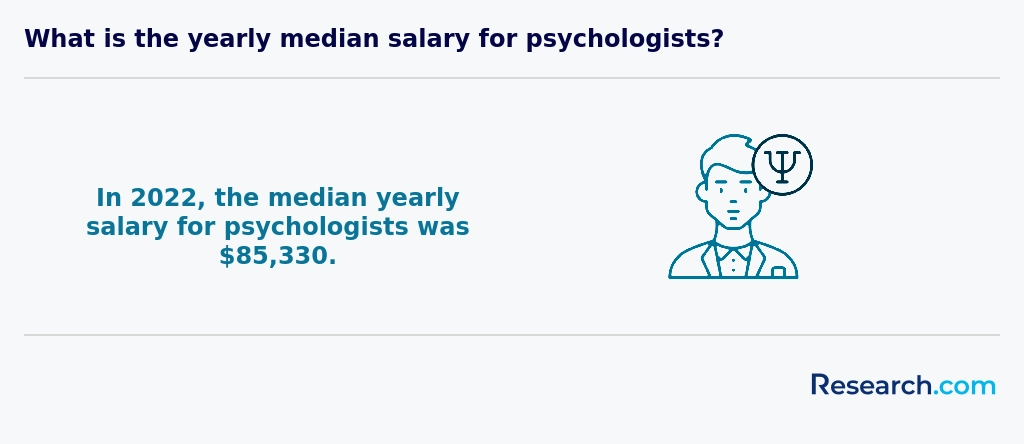
Choosing a program with the right accreditation is crucial for ensuring your degree is recognized by employers and meets Indiana’s licensure standards.
- American Psychological Association (APA): Required for doctoral programs if you plan to become a licensed psychologist; ensures curriculum, faculty and practicum meet national standards.
- Council for Accreditation of Counseling and Related Educational Programs (CACREP): Key for master’s-level counselors; graduates are eligible for national certification and Indiana licensure.
- Indiana State Licensure: Bachelor’s graduates cannot obtain a psychologist license but can enter roles under supervision; master’s holders apply for LPC (Licensed Professional Counselor) by completing 1,500–2,000 supervised hours and passing the NCE (National Counselor Examination).
- Examination Requirements: Psychologists must pass the Examination for Professional Practice in Psychology (EPPP); counselors sit for the NCE or NCMHCE depending on specialization.
- Supervised Experience: Document your practicum and internship hours carefully; Indiana requires post-degree supervised practice before full licensure.
For flexible CACREP-accredited options, consider accredited online counseling programs.
When pursuing a psychology degree in Bloomington, financial aid can open doors and ease the burden of tuition. Many graduates from Indiana University Bloomington share how completing the FAFSA early unlocked federal aid like Pell Grants, which can offer up to $7,395 annually without requiring repayment. This kind of support makes a real difference, especially for those balancing studies and personal life.
State programs such as the Frank O'Bannon Grant and the 21st Century Scholarship are game changers for students attending local public universities, reducing tuition costs significantly. Many psychology majors benefit from these need-based and merit-based awards, transforming their academic dreams into achievable goals.
Scholarships from Bloomington organizations and IU's psychology department have helped countless students gain financial relief while recognizing their dedication and excellence. Combining these with work-study options - often in psychology labs - not only funds education but also builds valuable experience that graduates carry confidently into their careers.
Selecting an accredited program ensures quality education and eligibility for professional practice in Indiana. In psychology, recognized accreditations validate curriculum standards and streamline your path to licensure.
- APA Accreditation: Doctoral programs accredited by the American Psychological Association meet requirements for licensure as a clinical psychologist in Indiana.
- CACREP Accreditation: For counseling psychology or school counseling tracks, consider programs with CACREP approval; explore the cheapest cacrep-accredited programs online to balance quality and cost.
Indiana State Licensure Steps:
- Earn a master’s or doctoral degree from an accredited institution.
- Complete 3,000 hours of supervised experience (typically two years post-degree).
- Pass the Examination for Professional Practice in Psychology (EPPP) and the Indiana jurisprudence exam.
- Submit an application to the Indiana Psychology Board and meet any additional state requirements.
Understanding accreditation and licensure processes early in your studies can save time, reduce unexpected costs, and position you for a successful psychology career in Bloomington, IN.
To enroll in a psychology degree program in Bloomington, you'll need to meet clear academic prerequisites that set the foundation for your success. For example, graduates from Indiana University Bloomington often share how their strong high school preparation-especially in English, math, and science-helped them feel confident tackling psychology courses.
Most colleges require a high school diploma or equivalent, along with a GPA around 2.5 or higher. For more competitive programs, expect that number closer to 3.0. While the SAT or ACT may still be requested, many schools in Bloomington have moved toward test-optional policies, reducing some pressure during admission.
If you're aiming for graduate study, holding a bachelor's degree with relevant coursework matters. Graduates recall how preparing official transcripts, letters of recommendation, and a thoughtful statement of purpose clarified their goals and impressed admissions teams. GRE scores might still be asked for some programs, but this is becoming less common.
Understanding these requirements early turns your aspirations into actionable steps, bringing you closer to thriving in Bloomington's psychology community.

When selecting an affordable psychology program, several factors come into play, each influencing the overall quality and value of the educational experience. Prospective students should prioritize institutions that offer a balance of academic rigor, practical experience, and financial accessibility. One crucial aspect to consider is the cost of tuition, which can vary significantly between in-state public colleges and out-of-state private colleges. For instance, understanding the average cost of a psychology degree in Bloomington, IN, can help prospective students make informed decisions about their education. Furthermore, exploring options like the most affordable psychology schools in Indiana can provide valuable insights into affordable pathways. Additionally, the availability of financial aid, such as scholarships and grants, can substantially reduce the financial burden, making a psychology degree more attainable for a wider range of students. By carefully evaluating these factors, aspiring psychologists can choose a program that not only fits their budget but also aligns with their career aspirations and personal growth goals.
In Bloomington, pursuing a psychology degree means engaging deeply with courses that shape your understanding of human behavior from multiple angles. Graduates from Indiana University Bloomington often reflect on how foundational classes like Introduction to Psychology and Developmental Psychology opened their eyes to everyday interactions and personal growth stories, making theory feel alive and relevant.
Classes in Biopsychology and Neuroscience are particularly exciting, offering a glimpse into the biological mechanisms driving thoughts and emotions-imagine connecting classroom discoveries to real brain functions you observe during internships or lab work.
Research Methods and Statistics empower you with practical skills to design studies and interpret data, vital tools for anyone aiming to impact psychology beyond textbooks. Social and Cognitive Psychology courses enrich your understanding of the mind's role in community and decision-making, which many graduates say reshaped how they connect with people daily.
Electives like Clinical and Forensic Psychology add valuable layers, helping students envision themselves in specialized fields. Bloomington's rich research environment, especially at Indiana University, ensures these studies are more than academic-they're a path to meaningful, hands-on learning experiences.
If you're exploring psychology degree specializations in Bloomington, you'll discover a variety of exciting paths that allow you to tailor your studies to your passions. At Indiana University Bloomington, for example, graduates often speak about the value of focusing on Clinical Psychology, where they learn to diagnose and support individuals facing mental health challenges. Others are drawn to Cognitive Psychology, diving deep into how our minds perceive and remember the world around us.
Many students also choose Developmental or Social Psychology, gaining insights into human growth or social interactions that feel relevant to everyday experiences. The neuroscience track attracts those fascinated by the brain's biological workings. Such specialization options give you the chance to turn theory into action, supported by faculty who bring real-world expertise.
To broaden your opportunities, consider complementing these well-known tracks with an industrial-organizational psychology degree, helping you apply psychology in workplace settings. These Bloomington psychology program concentration options not only enrich your academic journey but also help you build a meaningful career.
Choosing the best psychology degree in Bloomington means focusing on what truly matters to your future. Many graduates from Indiana University Bloomington recall how the strong research opportunities and connections to local clinics gave them confidence and practical skills. Reflect on whether you're drawn to applied psychology, counseling, or research-each path offers different campus resources and hands-on experiences. For those prioritizing affordability without sacrificing quality, exploring affordable psychology degree programs in Bloomington is essential since tuition rates can vary greatly depending on residency and program specifics.
Consider where you want to grow not just academically but also professionally. Students often find value in programs with strong practicum placements nearby, allowing real-world interaction with mental health professionals. Location here is more than just campus-it's the vibrant Bloomington community offering internships and meaningful work. Don't forget accreditation and faculty expertise; these elements shape your educational rigor and job readiness.
For guidance on cost-effective options beyond Bloomington, explore universities offering affordable psychology schools in Louisiana, as they often provide competitive alternatives with excellent reputations.

Graduates holding a psychology degree in Bloomington find a variety of fulfilling career paths that align with their passions and skills. Many alumni from well-known universities in the area have pursued roles in mental health, becoming licensed counselors or clinical psychologists, serving the community's growing need for support and care. Exploring these psychology careers in Bloomington means tapping into a sector that deeply values empathy and expertise.
Others have discovered rewarding opportunities in education, working as school counselors or educational psychologists who make a tangible difference in student lives within Bloomington's public schools and colleges. These roles embody the practical impact of psychological knowledge in nurturing growth and learning.
For those drawn to research, Bloomington's institutions offer active programs where psychology graduates collaborate on cognitive or developmental studies, enriching their skills and contributing to psychological science. Recently graduated students often share how this hands-on experience ignites their career aspirations.
Some have transitioned to human resources and business environments, utilizing psychological insights to improve workplace well-being and organizational culture. This diverse range of Bloomington psychology degree job opportunities reflects the adaptability and value of the degree.
Students also consider financial planning carefully, with options like the best affordable online MSW programs as part of a strategic approach to managing education costs and debt.
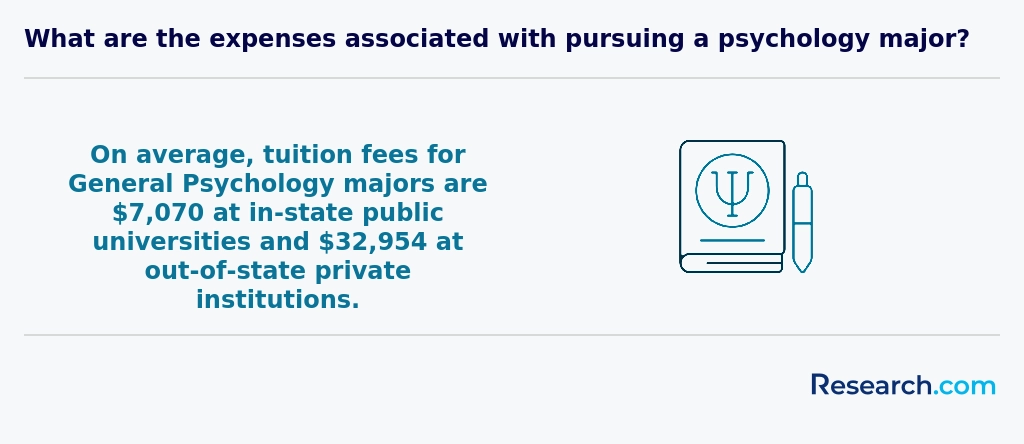
The job market for psychology degree holders in Bloomington is encouraging, reflecting steady growth and varied opportunities. Graduates from Indiana University Bloomington often find roles in mental health clinics, schools, and research centers, where their skills apply directly to improving community wellbeing. Many alumni recall starting as research assistants or case managers earning between $40,000 and $50,000, which feels rewarding as they build experience and impact lives.
Bloomington's employment prospects for psychology graduates include positions as licensed psychologists, once they fulfill rigorous certification and licensing requirements in Indiana. These advanced roles offer median salaries from $75,000 to $100,000, presenting motivating growth potential. Graduates also appreciate the affordable in-state tuition costs at Indiana University, making the pursuit of such careers more accessible and realistic.
For those interested in becoming licensed counselors, detailed guidance is available here. Understanding local market demands and educational pathways helps students envision a meaningful career right from their time studying psychology in Bloomington.
2027 Most Affordable Psychology Degree Programs Ranking in Bloomington
Investing in your education is a significant decision that can shape your future, and the Research.com team understands the importance of making informed choices. To assist prospective students in Bloomington, we have meticulously crafted the "2027 Most Affordable Psychology Degree Programs Ranking in Bloomington." Our commitment to quality, credibility, and accuracy is reflected in the extensive research and analysis conducted to compile this ranking.
We utilized the following reputable data sources to ensure a comprehensive evaluation of psychology programs:
By exploring this ranking, readers will gain valuable insights into the most affordable and quality psychology degree programs available in Bloomington, helping them make informed decisions about their educational investment. For more details on our methodology, please visit our Research.com methodology page.

Frequently Asked Questions About psychology
Psychology degree students in Bloomington can maximize their learning by actively engaging in both academic and practical experiences. Participating in research projects at local universities, such as Indiana University Bloomington, offers hands-on learning with established faculty. According to the university's website, about 70% of psychology undergraduates partake in research opportunities, enhancing critical thinking and analytical skills.
Internships through community mental health centers or local hospitals provide real-world applications of classroom theories. Students should also join psychology student organizations to network and learn from peers. Utilizing campus resources, like tutoring centers and writing labs, supports academic success and skill development. Balancing coursework with these activities enriches the overall education experience in Bloomington.
The field of psychology is rapidly evolving, and several emerging niches have gained attention in recent years, especially for students pursuing degrees in Bloomington. One notable area is neuropsychology, which focuses on understanding brain-behavior relationships and is growing due to advances in brain imaging technologies.
Another expanding niche is health psychology, where practitioners study how psychological factors affect physical health and illness. This is particularly relevant as the U.S. faces increasing chronic health conditions.
Additionally, industrial-organizational psychology, which applies psychological principles to workplace environments, is in high demand. According to the U.S. Bureau of Labor Statistics, this field is projected to grow 10% from 2021 to 2031, faster than average.
Environmental psychology is also emerging, studying the impact of surroundings on human behavior, broadening career options for psychology graduates in Bloomington and beyond.
Preparing for the job market after earning a psychology degree in Bloomington involves several strategic steps. First, gaining practical experience during your studies is crucial. Many Bloomington institutions encourage internships or research assistant positions, which strengthen résumés and expand professional networks. According to the Bureau of Labor Statistics, psychology-related jobs in Indiana are projected to grow about 3% through 2031.
Additionally, consider obtaining licensure or certifications depending on your career goals, such as becoming a Licensed Mental Health Counselor. Local organizations like the Indiana Psychological Association provide resources and networking events to connect graduates with employers. Enhancing skills in data analysis and communication also boosts employability in this competitive field.
Employers in Bloomington consistently seek psychology graduates with strong analytical and communication skills. According to the Bureau of Labor Statistics, critical thinking is vital for interpreting research data and applying psychological theories in real-world settings. Employers also value proficiency in statistical software, such as SPSS or R, which is essential for conducting studies and analyzing results.
Interpersonal skills rank highly as well, since many roles require collaboration with clients or healthcare teams. Additionally, ethical judgment and cultural competence are important, reflecting the diverse populations served in Bloomington's clinical and counseling environments. Mastery of these skills increases employability within the local psychology job market.
Finding internships in Bloomington relevant to a psychology degree involves exploring several key resources available locally. Students should start by contacting career services at institutions like Indiana University Bloomington, which offers dedicated internship listings and partnerships with local mental health clinics and research centers.
Additionally, the Bloomington Economic Development Corporation provides connections to nonprofit organizations and healthcare providers seeking interns. According to the Indiana Department of Workforce Development, psychology internships in Bloomington often focus on clinical, counseling, and behavioral research settings.
Networking through professional associations such as the Indiana Psychological Association can also expose students to internship opportunities. It is important to apply early and tailor applications to highlight relevant coursework and skills.
A psychology degree in Bloomington significantly enhances career mobility by equipping graduates with skills applicable across multiple sectors, including healthcare, education, and business. According to the U.S. Bureau of Labor Statistics (BLS), psychology-related jobs in the Bloomington metropolitan area are expected to grow by 8% through 2030, highlighting increasing opportunities.
Graduates often advance into specialized roles such as clinical psychologists, counselors, or human resource experts, facilitated by local employers like Indiana University's health system and community agencies. Additionally, advanced degrees improve earning potential and eligibility for leadership positions, offering a clear pathway for professional growth within Bloomington.
Studying for a psychology degree in Bloomington offers strong preparation for interdisciplinary roles by emphasizing collaboration across diverse fields such as health sciences, education, and social work. Programs often integrate coursework in biology, sociology, and statistics, which enhances analytical and research skills valuable in many professions.
Bloomington's universities frequently encourage internships and research projects with local hospitals, schools, and community organizations. According to the National Center for Education Statistics, psychology graduates from Indiana institutions have a 15% higher placement rate in interdisciplinary jobs compared to the national average.
This environment equips students to work effectively in teams, applying psychological principles in medicine, counseling, and policy development.
Choosing between a thesis and a non-thesis psychology degree program in Bloomington depends largely on career goals and personal preferences. A thesis program typically involves conducting original research and writing a formal thesis, which can be essential for students planning to pursue doctoral studies or research-focused careers.
Non-thesis programs often emphasize coursework and practical experience, making them suitable for those aiming to enter clinical work, counseling, or applied psychology fields sooner. According to data from the National Center for Education Statistics, Bloomington institutions offer both options with varying credit requirements-thesis tracks usually require fewer credits but more research commitment.
Consider your learning style, time availability, and long-term plans when deciding. Speaking with academic advisors or faculty members at Bloomington universities can provide tailored guidance based on current program structures and job market trends.
Students based in Bloomington who wish to study psychology abroad have several pathways within the US higher education system. Many universities, including Indiana University Bloomington, offer exchange programs or study abroad opportunities that allow psychology majors to spend a semester or year at partner institutions worldwide. These programs typically provide credits transferable toward their psychology degree.
Additionally, Bloomington students can explore summer immersion programs focused on psychology research or clinical practice available at international universities. According to the Institute of International Education, about 5% of US psychology students participate in study abroad programs, highlighting growing interest in global perspectives.
Scholarships and financial aid specifically for psychology students studying abroad are increasingly accessible, helping reduce costs and encourage participation. Consulting the university's study abroad office and psychology department is essential for tailored advice and program options.
Bloomington offers several part-time job opportunities that complement psychology degree education, enhancing practical experience alongside academic learning. Students can find positions as research assistants at institutions like Indiana University, where psychology research projects often seek support staff for data collection and analysis. According to IU's Career Development Center, such roles provide exposure to experimental design and statistical software.
Another option is working as a behavioral intervention aide in local clinics, supporting patients under supervision. This role helps develop skills in applied psychology and client interaction. Additionally, tutoring psychology courses or working in campus counseling centers allows students to reinforce their knowledge while gaining hands-on experience.
Psychology students in Bloomington have access to numerous networking opportunities that enhance their academic and professional growth. Indiana University Bloomington, the city's primary higher education institution, hosts events like the annual Psi Chi Psychology Honor Society meetings and research symposiums, which attract both students and faculty experts.
Additionally, the university's Career Development Center offers workshops and career fairs tailored to psychology majors, connecting students with local mental health organizations and clinics. Bloomington also benefits from proximity to professional groups such as the Indiana Psychological Association, which holds regional conferences and networking sessions.
These resources provide valuable contacts for internships, research collaborations, and employment within the psychology field.
Alumni networks offer psychology degree students in Bloomington valuable connections that can significantly impact their academic and professional growth. Graduates often provide mentorship, career advice, and internship opportunities tailored to the local job market. According to the National Association of Colleges and Employers, students leveraging strong alumni networks have a 20% higher likelihood of securing relevant internships during their studies.
The University of Bloomington's psychology alumni group hosts events and workshops that help current students build essential skills and networks. These connections often lead to job referrals in Bloomington's growing mental health sector, which is expanding at about 5% annually, according to Bureau of Labor Statistics data.
Customizing a psychology degree program in Bloomington allows students to align their education with specific career goals. Many local institutions offer elective courses and specializations in areas such as clinical psychology, counseling, or behavioral neuroscience. According to the Indiana Commission for Higher Education, students can often choose internships or research projects to gain hands-on experience relevant to their desired field.
Furthermore, Bloomington's universities frequently provide flexible scheduling, including evening and online classes, which help students balance studies with work or other commitments. Collaborating with academic advisors ensures selection of coursework that supports licensure requirements or graduate studies. This tailored approach maximizes career readiness upon graduation.
Psychology students in Bloomington often face several common challenges related to both academic demands and personal adjustments. A primary issue is managing the rigorous coursework, which covers diverse fields such as cognitive psychology, research methods, and statistics. According to the National Center for Education Statistics, nearly 40% of psychology undergraduates report difficulty balancing heavy reading and complex experimental design projects.
Another frequent challenge is securing relevant internships or research opportunities, crucial for hands-on experience. Bloomington's competitive environment, especially at Indiana University, means students must be proactive and often face limited placement availability.
Additionally, many students experience stress related to graduate school preparation, including standardized tests and application pressures. Mental health support services are available on campus, but utilization varies among students.
With a psychology degree in Bloomington, graduates can pursue several professional certifications to advance their careers. Popular options include becoming a Licensed Professional Counselor (LPC) or Licensed Clinical Social Worker (LCSW), both requiring additional supervised experience and state exams. Bloomington is part of Indiana, where the Indiana Professional Licensing Agency oversees these certifications. For those interested in school settings, the National Certified School Psychologist (NCSP) credential is available through the National Association of School Psychologists and requires a master's or doctoral degree plus internship hours.
Additionally, certifications like Certified Addiction Counselor (CAC) are accessible to psychology graduates aiming to work in substance abuse treatment. The demand for certified mental health professionals in Bloomington has grown steadily, reflecting national trends reported by the Bureau of Labor Statistics. Pursuing certification enhances job prospects and credibility in clinical and counseling roles within the region.
To write a winning application for a psychology program in Bloomington, start by researching each school's specific requirements, as institutions like Indiana University Bloomington emphasize a strong academic record with a minimum GPA of 3.0. Highlight relevant coursework in psychology, statistics, and research methods to demonstrate your preparedness.
Craft a compelling personal statement that clearly explains your motivation for studying psychology, your career goals, and how the program aligns with these aims. Include any research experience or internships, as these are valued by admissions committees.
Strong letters of recommendation from professors or professionals familiar with your academic abilities and character enhance your application. Make sure to submit all materials by the stated deadlines to avoid disqualification. According to the National Center for Education Statistics, psychology remains one of the most popular majors in Bloomington, intensifying competition.
Globally, psychology is a versatile and growing career field. In the United States, and specifically in Bloomington, a psychology degree opens doors to multiple paths, including clinical practice, research, education, and counseling. According to the U.S. Bureau of Labor Statistics, psychology jobs are projected to grow 8% from 2022 to 2032, faster than average for all occupations.
Internationally, the understanding of mental health is expanding, with increased demand for psychology professionals. Globally, psychological research and practice often emphasize cultural differences, which enrich the career opportunities available to graduates.
Bloomington's academic institutions offer programs that align with these global trends, preparing students with both local and international perspectives in psychology.
Students pursuing a psychology degree in Bloomington can gain practical experience through internships, research assistantships, and community service. Local universities often partner with mental health clinics, schools, and social service agencies, providing students with hands-on exposure. For example, Indiana University Bloomington offers psychology undergraduates multiple internship options where they engage directly with clients under supervision.
Participating in faculty-led research projects is another valuable way to build skills. Many professors involve students in studies focusing on behavioral health and neuroscience, which helps develop critical analysis and experimental techniques.
Additionally, organizations like the Monroe County Mental Health Association facilitate volunteer opportunities, enabling students to apply classroom knowledge in real-world settings.
Choosing the right concentration within a psychology degree program in Bloomington largely depends on your career goals and personal interests. Bloomington offers various psychology tracks including clinical, cognitive, developmental, and social psychology. According to the National Center for Education Statistics, concentrations with strong practical applications like clinical psychology often lead to higher job placement rates locally.
Students should review course offerings and faculty expertise at institutions like Indiana University Bloomington, which is well-known for its comprehensive psychology programs. Local internship opportunities in healthcare, schools, and community centers can provide essential hands-on experience in chosen concentrations.
Understanding licensure requirements in Indiana is also crucial, especially for clinical and counseling psychology, where additional certifications are necessary. Carefully evaluating these factors will help align your education with future employment prospects in Bloomington's psychology field.
- 2027 Most Affordable Psychology Degree Programs Ranking in Indianapolis
- 2027 Most Affordable Psychology Degree Programs Ranking in Louisville
- 2027 Most Affordable Psychology Degree Programs Ranking in Fort Wayne
- 2027 Most Affordable Psychology Degree Programs Ranking in Notre Dame
- 2027 Most Affordable Psychology Degree Programs Ranking in Chicago
- 2027 Most Affordable Psychology Degree Programs Ranking in Saint Louis
- 2027 Most Affordable Psychology Degree Programs Ranking in Detroit
- 2027 Most Affordable Psychology Degree Programs Ranking in Birmingham
- 2027 Most Affordable Psychology Degree Programs Ranking in Springfield
- 2027 Most Affordable Psychology Degree Programs Ranking in Atlanta
See What Experts Have To Say About Studying Psychology
Read our interview with Psychology experts

Robin M. Kowalski. Ph.D.
Psychology Expert
Professor of Psychology
Clemson University

Catherine Caldwell-Harris, Ph.D.
Psychology Expert
Associate Professor of Psychology
Boston University

Elizabeth L. Jeglic Ph.D.
Psychology Expert
Professor of Psychology
City University of New York

- Jobs With A Bachelor's Degree In Psychology https://www.psychology.org/resources/jobs-with-a-bachelor-of-arts-in-psychology/
- Sample letters in psychology https://www.mystudies.com/en-in/human-and-social-sciences/psychology/letter-model/
- Psychology Major https://www.hamline.edu/academics/undergraduate/psychology
- Unveiling IU Bloomington Tuition: Costs, Aid & More https://w3.framtida.no/framtida-news/unveiling-iu-bloomington-tuition-costs-aid-and-more-1764798126
- CLINICAL PSYCHOLOGY (THESIS / NON-THESIS) - Lisansüstü Eğitim Enstitüsü https://lee.nisantasi.edu.tr/en/clinical-psychology-thesis-non-thesis/
- Cost of a Psychology Degree https://www.professionaldevelopmentpath.com/cost-of-a-psychology-degree/
- How to help students cope with mental health challenges https://www.eaie.org/resource/help-students-cope-mental-health-challenges.html
- What can I do with a psychology degree? https://www.hull.ac.uk/study/undergraduate/courses/psychology-bsc-hons/what-can-i-do-with-a-psychology-degree
- Know more about thesis vs non- thesis: what is the difference? https://studyfans.com/en/blogs/816
- Why Get a Psychology Degree Online? | University of Bridgeport https://www.bridgeport.edu/news/reasons-to-get-your-psychology-degree-online/


