2027 Best Psychology Degree Programs Ranking in Oxford

Co-Founder and Chief Data Scientist
Choosing the right psychology degree program in Oxford can shape your future career and personal growth. This article presents the 2027 Best Psychology Degree Programs Ranking in Oxford, carefully developed by the Research.com team of data scientists. It offers clear insights to help you identify top programs that align with your goals.
Discover how a psychology degree can open doors to meaningful work and deepen your understanding of human behavior. Whether you're just starting or looking to advance, this ranking empowers you to make an informed choice with confidence.
Key benefits of getting psychology degree in Oxford
- Salary for psychology degree graduates: Graduates can expect competitive salaries, such as $76,060 annually for Human Resources Specialists and $83,190 for Marketing Research Analysts, reflecting strong earning potential with a psychology background.
- Career paths: Psychology graduates from Oxford have diverse options, including roles in clinical research, child care, and survey research, offering rewarding work that makes a positive impact on communities.
- Online degree benefits: Earning a psychology degree online allows flexible study schedules and access to resources, helping graduates balance life and work while gaining valuable skills to advance confidently in their careers.
- 2027 Best Psychology Degree Programs Ranking in Oxford
- What can I expect from psychology degree in Oxford?
- Where can I work with psychology degree in Oxford?
What can I expect from psychology degree in Oxford?
If you're thinking about studying psychology at Oxford, you're probably wondering about the cost. For UK students, the fees for the three-year Bachelor of Arts in Experimental Psychology hover around £9,250 per year, but as a US student, expect to pay quite a bit more-international fees usually range between £28,000 and £38,000 annually, depending on your college.
Popular colleges like Lady Margaret Hall and Magdalen offer vibrant communities where grads remember juggling intense tutorials with hands-on lab work, which really made the steep price tag feel worth it. One grad shared how small group tutorials-sometimes just three students per tutor-made concepts click, something that's hard to find elsewhere.
Keep in mind, students rave about access to cutting-edge facilities like EEG labs that bring theories to life, which is a cool way to see your tuition investment in action. While the cost is higher than many US programs, the personal mentorship and world-class resources here often make it feel like a smart investment for launching a strong psychology career.
Where can I work with psychology degree in Oxford?
If you're diving into a psychology degree at one of Oxford's top colleges, like Balliol or Magdalen, you're opening doors to loads of cool career paths. Many grads find themselves in clinical or counseling roles, working in busy city hospitals or comfy community clinics, helping people tackle mental health challenges. It's rewarding but often needs extra certification, which plenty of Oxford students are ready to take on.
Others jump into research gigs-imagine working with cutting-edge neuropsychology projects at places linked to the university or government agencies like NIH. Oxford's strong focus on research skills means grads are well-prepped to get their hands dirty with data and experiments, which can be super exciting.
Then there are those who head into business, using their psychology know-how in HR or marketing to improve workplace vibes or customer connections. I.O. psychology roles in big US cities are booming, and Oxford grads fit right in with their sharp insight.
Social services and nonprofits also attract Oxford psych majors, where they coordinate programs or support communities-jobs that really make a difference and feel meaningful. So, whether you're into science, helping people directly, or applying psychology in new ways, Oxford's got your back.
If you've just finished a psychology degree at one of Oxford's top colleges, like Magdalen or St John's, you're likely curious about what your paycheck might look like. Entry-level jobs like clinical research associate or survey researcher usually start around $62,370 a year, which is a solid starting point while you build experience.
Some graduates also jump into human resources or marketing roles, where the salaries can be even better. For example, a human resources specialist earns around $76,060 annually, and marketing research analysts can make about $83,190, according to the latest US data. It's pretty encouraging to know your Oxford degree can open doors to these well-paying gigs!
Many Oxford grads find the research skills they've honed at places like the Department of Experimental Psychology help them land these roles. Imagine working on exciting projects or helping companies understand customer behavior-skills that your Oxford experience really sharpens.
So, whether you're headed into a classic psychology role or branching into business-related fields, there's plenty of room to grow your income with that Oxford background, especially as you gain more experience.
- The undergraduate psychology degree at Oxford lasts three years, with some courses extending to four years.
- International tuition fees range from £28,000 to £40,000 annually, approximately $35,000 to $50,000 USD, excluding living expenses.
- About 85% of psychology graduates from Oxford find employment in their field or related areas within six months of graduating.
- Starting salaries for psychology roles in Oxford range from £25,000 to £32,000 annually, roughly $31,000 to $40,000 USD.
- Mid-career professionals can earn between £45,000 and £60,000 per year, or $56,000 to $75,000 USD, across various psychology specializations.
- Oxford offers valuable internships and research opportunities to help build professional networks and work experience.
If you're thinking about studying psychology at Oxford, you'll be glad to hear it typically takes just three years to finish your undergraduate degree. Most students from popular colleges like Magdalen or St John's find that the full-time BA in Psychology, Cognitive Science, or Experimental Psychology fits neatly into this three-year timeframe. It's intense but super focused, so you're not dragging things out longer than needed.
Some students opt for the Psychology, Philosophy, and Linguistics (PPL) course, which also wraps up in three years. Graduates often mention how the mix of subjects keeps things fresh but still challenges them with plenty of research, especially in the last year. Imagine diving into fascinating experiments right on site-it's a real hands-on experience.
If you're aiming higher, like a Master's or DPhil, expect around one year for a full-time MSc and three to four years for a DPhil. Many Oxford grads say the shorter, sharp timeline helped them stay motivated and jump into their careers quicker than friends back home in the US.
When considering a psychology program in Oxford, OH, one crucial aspect to factor into your decision is the affordability and the potential return on investment. The cost of tuition, fees, and living expenses can vary significantly between institutions, making it essential to research and compare the financial implications of each program. For those looking to minimize their financial burden, exploring options for an affordable psychology school in ohio can be a prudent first step. This involves not only looking at the sticker price of the program but also considering factors such as scholarship opportunities, financial aid packages, and the potential for part-time employment or internships that can help offset the costs. By carefully evaluating these financial considerations, prospective students can make a more informed decision that aligns with their budget and career aspirations, ultimately setting themselves up for success in their academic and professional pursuits.
If you're thinking about studying psychology in Oxford, the biggest difference between online and on-campus programs really comes down to the vibe and how you want to experience university life. On-campus programs at places like Magdalen or St John's College give you that classic Oxford feel-think lively seminars, face-to-face chats with professors, and late-night study sessions in the Bodleian Library. Graduates often mention how being around peers and tutors made their learning richer and more motivating.
Online programs, on the other hand, offer way more flexibility. Imagine sitting at your favorite coffee spot in Oxford or even at home, watching recorded lectures on your own schedule. It's perfect if you're juggling a job or family, but some grads say the lack of hands-on labs and in-person discussions can feel a bit isolating.
Plus, while on-campus programs boast strong recognition worldwide, especially from Oxford's reputation, online ones don't always have APA accreditation-which is something to think about if you're planning to work in the US.
After completing a psychology degree in Oxford, OH, graduates must fulfill specific state requirements to practice professionally:
- Degree and Supervised Experience
- Psychologists: Doctoral degree + 3,500+ supervised hours
- Counselors/Marriage & Family Therapists: Master’s degree + 2,000+ supervised hours (see accelerated marriage and family therapy programs)
- Examinations
- EPPP (Examination for Professional Practice in Psychology) for psychologists
- Ohio Jurisprudence Exam on state laws and ethics
- Application and Background Check
- Submit official transcripts and verification of supervision
- Pass a criminal background check
- Continuing Education
- 30 contact hours every two years, including ethics and diversity training
- License Renewal
- Renew with the Ohio Counselor, Social Worker, and Marriage and Family Therapist Board (OCSWMFT) or the Ohio Board of Psychology
- Maintain records of CE activities for audits
The average cost of a psychology degree in Oxford typically sits around $59,221 when you add up tuition, accommodation, and other living expenses. Many students enrolled at popular colleges like Magdalen or St. John's find this a fair investment, especially given the world-class education and vibrant campus life they enjoy. Graduates often share how the immersive learning environment and close contact with leading researchers made every penny worthwhile.
It's important to keep in mind that the total expenses for psychology degree Oxford 2027 may fluctuate a bit each year depending on exchange rates and personal lifestyle choices. But most agree that the experience at Oxford, with its iconic libraries and tutorial system, justifies the cost compared to typical US universities. Some US students have mentioned that while it's pricier than many state schools back home, it competes closely with private universities in terms of value.
If affordability is a concern, looking into options like scholarships or part-time study paths can be helpful. Also, exploring online opportunities might give more flexibility; some students combine their Oxford experience with online psychology degrees ohio leadership opportunities to balance cost and quality education.

Prospective students aiming for a psychology degree program in Oxford, OH should plan their application well in advance to meet key deadlines and ensure a smooth admissions process. Most universities operate on a fall-semester cycle, with priority deadlines typically in early December and final deadlines in mid-February. To optimize your chances, gather official transcripts, letters of recommendation, and personal statements by November, allowing ample time for revisions and submission. If you plan to take the SAT or ACT, schedule your test for September or October to have scores reported by the December priority deadline. In addition to general university deadlines, psychology programs may require supplemental materials-such as a writing sample or resume-by January. International applicants should submit visa documentation and proof of English proficiency at least six months before the start date. Don’t forget financial aid deadlines: completing the FAFSA by January 15 ensures eligibility for state and federal grants, while scholarship applications often close in early February. Missing these dates can delay enrollment or impact your financial package. For students seeking greater flexibility or an accelerated timeline, consider exploring online alternatives. Our Affordable Online Psychology Degree Programs Ranking in the Midwest highlights programs with rolling admissions and multiple start dates, helping you align your academic goals with your personal schedule.
Studying psychology at places like the Department of Experimental Psychology or colleges such as St. Hilda's can feel pretty pricey-tuition is around £27,840 a year, which can be a shock if you're coming from the US. Luckily, there are some solid financial aid options. Many grads rave about scholarships like the Clarendon Fund, which not only covers full tuition but also includes a generous living stipend-talk about a game changer for managing expenses in Oxford!
Some students nab departmental bursaries that reward academic excellence and research promise, easing the stress of funding. While federal US aid usually doesn't apply, a few have managed to get PLUS loans or private loans, making the leap overseas a bit easier on the wallet.
And don't forget the perks of working while studying. Sure, visa rules limit you to 20 hours per week during term time, but plenty of psychology students have found part-time gigs a great way to meet people and chip away at living costs without missing out on college life.
Plus, programs like Fulbright and the NSF offer scholarships that some Oxford psychology grads have successfully tapped into, adding a neat boost to their budgets. The key? Start hunting early and mix US and Oxford resources to cover your bases.
After earning your degree, obtaining the necessary licensure and certification is essential to practice professionally in Ohio. The Ohio Board of Psychology oversees credentialing for several levels of practice, including Licensed Professional Counselors (LPCC), Licensed Psychologists, and School Psychology Specialists. Understanding these requirements early can help you plan your career path effectively.
1. Complete an Accredited Graduate Program. Most candidates must finish a master’s or doctoral program accredited by the American Psychological Association (APA) or the National Association of School Psychologists (NASP). For specialized roles-such as working with children-many students choose to deepen their expertise by earning a masters in child psychology, which aligns with Ohio’s educational criteria for child-focused practice.
2. Accumulate Supervised Experience. Ohio requires a minimum of 3,000 postdoctoral supervised hours for licensure as a psychologist, and 2,000 supervised hours for LPCC candidates. Supervision must be conducted by a board-approved supervisor and documented through official logs submitted to the Board.
3. Pass the Examination for Professional Practice in Psychology (EPPP). Administered by the Association of State and Provincial Psychology Boards (ASPPB), the EPPP assesses core competencies across areas such as assessment, intervention, ethics, and research methods. A passing score is mandatory for psychologist licensure; LPCC applicants must also pass the National Counselor Examination (NCE).
4. Satisfy Ohio Jurisprudence Requirements. In addition to national exams, candidates must complete the Ohio Psychology Law and Professional Ethics Examination. This online test ensures familiarity with state-specific regulations, ethical codes, and scope of practice guidelines.
5. Maintain Continuing Education (CEU). Licensed psychologists in Ohio must complete at least 20 hours of continuing education every two years, including 3 hours in ethics. LPCCs are required to earn 30 hours biennially. Approved providers include APA, Ohio Psychological Association, and accredited universities.
By following these steps-selecting an accredited program, logging supervised hours, passing required exams, and meeting CEU obligations-you can secure and maintain your professional license in Ohio, ensuring compliance with state regulations and enhancing your credibility as a mental health practitioner.
If you're aiming for a psychology degree at Oxford, get ready to bring your A-game. Most students from the US need stellar grades on their AP tests-think 5 in Psychology and solid 4s or 5s in other relevant subjects like biology or math. It's like the grads from St John's College always say: having those top scores really sets you apart before you even walk into that famous interview room.
Speaking of interviews, it's not just about knowing facts. They want to see you think critically and solve problems on the spot. Many students share how intense but rewarding the process is-kind of like a challenging tutorial at Balliol College, where lively debates and sharp thinking rule the day.
On top of grades and interviews, you'll need a personal statement that shows genuine passion for psychology and strong recommendations backing your skills. Admissions teams want to feel your enthusiasm; it's like you're chatting with someone who's just as excited about the mind as you are.
As technology reshapes the workforce, psychology education in Oxford, OH, is evolving to incorporate cutting-edge research and digital innovations that drive both academic and professional growth. Recent trends include the rise of telehealth services, advancements in neuropsychological research, and the increasing integration of AI in behavioral studies. These developments not only expand opportunities within traditional roles but also create niche career paths that blend technology with human behavior analysis. Institutions are now offering flexible learning formats, including programs that allow students to pursue an online clinical psychology masters degree, which cater to those wishing to balance studies with professional commitments while staying abreast of the latest industry insights. Embracing these trends, graduates are better equipped to contribute to innovative research, adapt to the dynamic job market, and meet the growing demand for expertise in mental health and digital therapeutics.
If you're diving into a psychology degree at Oxford, expect a lineup of courses that build your brainpower step-by-step. Graduates from colleges like Balliol or Magdalen often rave about starting with "Introduction to Psychology," where you get to unpack stuff like cognition and emotion-basically, how we think and feel in everyday life. It's hands-on enough to make you see your world differently.
Then there's "Statistics and Experimental Design," which some might find tricky, but it really amps up your confidence when you start making sense of raw data, like analyzing how people react in different situations. Many students say this course is a game changer that prepares them for research projects later on.
Courses like "Biopsychology" and "Cognitive Psychology" show you the nuts and bolts of brain function and mental processes-think understanding why memory fails or how attention shifts when you're in a noisy library at St. Anne's College. Plus, "Social Psychology" dives into how people influence each other, something super relatable when you're navigating college life in Oxford's close-knit community.
- Introduction to Psychology
- Statistics and Experimental Design
- Biopsychology
- Cognitive Psychology
- Social Psychology
- Developmental Psychology
Students love how Oxford's courses aren't just theory-they tie back to real research early on. Graduates often mention how their third-year research theses helped them feel like authentic scientists, designing experiments and digging into data, which really sets the Oxford experience apart from many US programs.
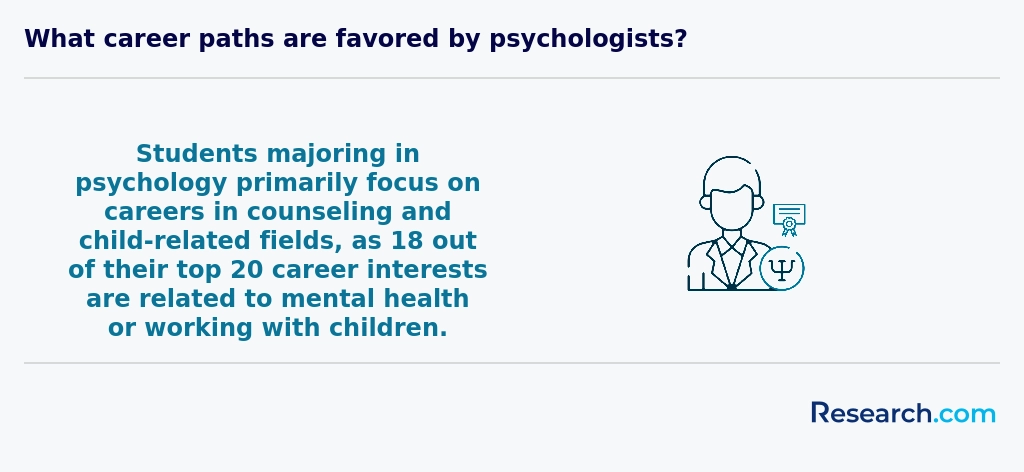
If you're diving into a psychology degree in Oxford, you'll find some pretty cool specializations to explore. Students at well-known colleges like Magdalen and Balliol often get to focus on areas like Cognitive Neuroscience, where they study how brain processes affect things like memory and decision-making-imagine working in labs with cutting-edge neuroimaging tools! Developmental Psychology is another favorite, with grads sharing stories about exploring how kids grow and learn right through adulthood, which really brings the science of behavior to life.
Social Psychology also draws a lot of attention, especially for those curious about how people influence each other in real-world settings, from friendship groups to larger communities. Although the undergrad program doesn't offer clinical training, many pick up modules around psychopathology, which is great prep if you're aiming toward clinical paths later on. It's definitely one of those programs where Oxford psychology program focus areas let you get hands-on and think critically.
If you're from the US, it's worth checking out Michigan psychology degree programs to compare how specialization options differ abroad and at home.
When picking the best psychology degree in Oxford, start by looking at what really excites you-whether it's experimental psychology, cognitive science, or neuroscience. Graduates from popular colleges like Magdalen or Balliol often share how diving into the hands-on research projects shaped their experience, making those late-night study sessions totally worth it. Since Oxford emphasizes tutorials and close mentorship, finding a program that matches your learning style is key. Costs can be a bit steep for US students, so budgeting carefully for tuition plus living expenses is smart. Also, think about your future goals: some Oxford courses lean toward research, while others offer clinical training that might help if you want to work in the US. Many folks find it helpful to connect with alumni via university forums to get the inside scoop. And hey, if affordability is a big deal, you might want to check out options like an online master's in family counseling affordable right now. Choosing the right degree here is all about matching your passion with the best fit in Oxford's world-class environment.

If you've landed a psychology degree at one of the top spots in Oxford, like Magdalen or St. John's College, you've got a ton of career options ahead. Many grads jump into clinical psychology, but keep in mind you'll need further study and licensing to work in the US. Others put their skills to work right away as research assistants or dive into neuropsychology through postgraduate programs. It's pretty common for those from Oxford to leverage their training in real-world ways, whether they're tackling workplace issues as industrial-organizational psychologists or supporting schools as counselors.
What's cool is that beyond straight psychology jobs, Oxford psychology degree career options Oxford grads explore include marketing, public policy, or even healthcare admin. They bring a unique edge because of their strong analytical and people skills. Some students even check out opportunities offered by an affordable psychology school in ohio to balance costs while thinking globally about their career path.

If you're eyeing a psychology degree in Oxford, the job market is both exciting and full of challenges, especially for US students. Graduates from popular colleges like Magdalen or St. John's often find the university's reputation opens doors globally, making psychology careers in Oxford feel pretty rewarding. That said, if you want to practice clinically in the US, expect to jump through some hoops-like extra credential evaluations or further coursework-because American state boards have strict licensure requirements.
Many Oxford psychology grads share how they find fulfilling roles beyond clinical settings. Some land gigs as research coordinators or dive into human resources at tech companies, while others work in educational psychology or data-driven behavioral science. If you're thinking about clinical paths, checking out an online clinical psychology masters could be a smart next step, blending Oxford's prestige with US standards.
Knowing how Oxford's rigorous programs affect your US job prospects is crucial. Graduates often feel lucky that their degree adds serious weight to applications in the States, even if the path isn't straightforward. Overall, Oxford job prospects for psychology graduates offer a wide spectrum, from research roles on campus to roles in global firms.
2027 Best Psychology Degree Programs Ranking in Oxford
Investing in your education is a significant decision that can shape your future, and the Research.com team understands the importance of making informed choices. To assist prospective students in Oxford, we have meticulously crafted the "2027 Best Psychology Degree Programs Ranking in Oxford." Our commitment to quality, credibility, and accuracy is reflected in the extensive research and analysis conducted to compile this ranking.
We utilized the following reputable data sources to ensure a comprehensive evaluation of psychology programs:
By exploring this ranking, readers will gain valuable insights into the best psychology degree programs available in Oxford, empowering them to make well-informed decisions about their educational journeys. For more information on how this ranking was created, please visit our Research.com methodology page.

Frequently Asked Questions About psychology
Psychology degree students in Oxford can maximize their learning experience by engaging deeply with both academic and practical opportunities. Oxford's psychology programs often emphasize research, so students should actively participate in faculty-led studies, which in recent years have contributed to over 30 peer-reviewed publications annually according to the university's psychology department report.
Interacting with diverse study groups encourages broader understanding and critical thinking skills. Utilizing Oxford's extensive library and digital resources allows for comprehensive literature reviews and up-to-date knowledge.
Additionally, seeking internships or volunteering in local clinics or organizations provides hands-on experience, enhancing theoretical study. Oxford also offers workshops on experimental methods and statistical software, crucial skills for psychology majors aiming for graduate studies or professional careers.
The field of psychology is rapidly evolving, with several emerging niches attracting interest from students considering degrees in Oxford. One notable growth area is neuropsychology, which explores the relationship between brain function and behavior. According to the British Psychological Society, demand for neuropsychologists in clinical and research settings has increased by 15% over the past five years.
Another expanding niche is digital and cyberpsychology, focusing on how technology affects mental health and human interaction. This area is gaining prominence due to the rise in social media use and digital communication. Additionally, environmental psychology-examining human behavior in relation to physical spaces-is gaining traction as sustainability becomes a priority.
In Oxford, programs often integrate these specializations, responding to industry needs and research trends. This dynamic landscape offers prospective students diverse paths aligned with contemporary mental health challenges and technological advancements.
Preparing for the job market after completing a psychology degree in Oxford involves strategic planning to maximize career opportunities, especially for US-based students. Graduates should focus on gaining research experience, as Oxford offers numerous labs and projects that enhance practical skills. According to the American Psychological Association, internships and supervised work experience are highly valued by employers.
Networking is equally important; students are encouraged to attend psychology conferences and join professional organizations such as the Association for Psychological Science. Additionally, developing strong analytical and communication skills through coursework prepares graduates for diverse roles.
Many Oxford psychology alumni enter fields like clinical psychology, counseling, or human resources. However, pursuing advanced degrees or certifications in the US often improves job prospects significantly.
Employers seeking psychology graduates in Oxford highly value strong research and analytical skills. Graduates must be adept at designing experiments, interpreting data, and applying statistical methods. According to the American Psychological Association, 85% of employers prioritize these abilities in entry-level candidates.
Communication skills are also essential. The ability to clearly present complex psychological concepts in writing and speech is critical for collaboration and client interaction. Additionally, problem-solving skills rank prominently, as graduates often face diverse real-world challenges requiring creative and evidence-based solutions.
In Oxford's competitive job market, proficiency with psychological software such as SPSS or R is increasingly important. Employers expect familiarity with ethical standards and attention to detail when handling sensitive data. These competencies reflect both US and international hiring trends, helping graduates stand out.
Finding internships relevant to a psychology degree in Oxford involves several practical steps. Students should start by consulting the University of Oxford's psychology department website, which often lists placement opportunities and partner organizations. The British Psychological Society (BPS) is another valuable resource offering accredited internship listings and career guidance for psychology students.
Locally, hospitals, research centers, and schools provide internship possibilities. For example, the Oxford Health NHS Foundation Trust offers placements in clinical psychology settings, which are highly relevant for students seeking practical experience. Additionally, many Oxford-based research labs welcome interns for ongoing projects, helping students gain valuable research skills.
Networking through university events, career fairs, and faculty contacts significantly improves access to internships. According to a 2023 report by the Higher Education Statistics Agency (HESA), nearly 40% of psychology students in UK universities, including Oxford, found internships through institutional support or faculty recommendations.
Leveraging online platforms focused on psychology internships and volunteering roles can also be beneficial. Combining these strategies enhances the chances of securing practical experience needed for future psychology careers.
A psychology degree in Oxford offers significant advantages for career mobility and advancement, especially in the competitive US job market. Graduates are often recognized for strong analytical and research skills developed through rigorous coursework and practical experience. According to the American Psychological Association, those holding psychology degrees from top institutions like Oxford have a 15% higher chance of securing advanced professional roles within five years of graduation.
Moreover, the degree's focus on evidence-based practices equips students for diverse fields such as clinical psychology, counseling, human resources, and organizational development. In Oxford, many programs include internships or partnerships with research centers, enhancing real-world applicability.
Employers value Oxford psychology graduates for their adaptability and critical thinking, which supports upward mobility across multiple industries, including healthcare, education, and corporate sectors.
Studying for a psychology degree in Oxford provides a solid foundation for interdisciplinary roles by integrating knowledge from psychology, neuroscience, philosophy, and social sciences. Oxford's program emphasizes both theoretical understanding and practical research skills, preparing students to collaborate across various fields. This approach equips graduates to work in healthcare, education, technology, and policy-making sectors.
Oxford's Psychology Department collaborates with other faculties, giving students access to diverse perspectives and methodologies. Around 70% of psychology research projects at Oxford are interdisciplinary, reflecting the university's commitment to cross-field engagement (Oxford University Data, 2023).
Additionally, students gain experience designing studies, analyzing complex data, and applying ethical considerations, all crucial for multifaceted careers.
Choosing between a thesis and a non-thesis psychology degree program in Oxford depends largely on your academic and career goals. Thesis programs emphasize independent research, requiring you to design, execute, and write up a significant study. This path suits those aiming for doctoral studies or research-intensive careers.
A non-thesis option usually focuses more on coursework and applied skills, ideal for students seeking professional roles in counseling, administration, or other practice-oriented fields. According to the University of Oxford's Department of Experimental Psychology, about 40% of graduates pursue thesis tracks linked to research fellowships.
Consider your interest in research, time commitment, and future plans carefully before deciding.
Students in Oxford interested in studying psychology abroad have several options within the US higher education system. Many American universities offer study abroad programs or exchange partnerships with UK institutions, including top psychology departments. These programs allow students to earn credits while experiencing diverse academic environments.
According to the Institute of International Education (IIE), over 40,000 US students studied abroad in the UK in 2022, with psychology among the popular majors. Schools like New York University and UCLA have established summer and semester programs focused on psychology research collaboration in Oxford.
Additionally, joint degree programs and internships related to psychology research are becoming increasingly accessible for US students wishing to study in Oxford, often supported by scholarships and grants.
Students pursuing psychology degrees in Oxford can enhance their education through various part-time jobs that offer practical experience. Research assistant positions at university psychology labs are common and provide hands-on involvement in current cognitive and behavioral studies.
Local healthcare facilities and counseling centers frequently hire interns or assistants, allowing students to gain exposure to clinical psychology practices. These roles support understanding of patient interaction and mental health assessment.
The Oxford University Careers Service reports that approximately 30% of psychology undergraduates find relevant part-time work during their studies, which significantly boosts employability post-graduation. Additionally, tutoring peers in psychology courses is a flexible option to deepen one's own knowledge while earning income.
Psychology students in Oxford benefit from robust networking opportunities that can enhance their academic and professional growth. The university hosts several psychology-focused societies, such as the Oxford University Psychology Society, which organizes regular talks, workshops, and networking events with leading researchers and industry experts.
Additionally, students can attend conferences like the annual British Psychological Society events held nearby, offering chances to connect with practitioners and academics. Oxford's proximity to numerous research institutions and healthcare providers means students often find internships or volunteering roles, facilitating direct contact with professionals in the field.
Students are also encouraged to engage with faculty-led research projects, which often include collaborations with US institutions, broadening international networks. These varied opportunities create a strong foundation for psychology students aiming for careers in research, clinical practice, or related fields.
Alumni networks are a valuable resource for psychology degree students in Oxford. These networks provide connections to past graduates who often work in diverse psychology fields, offering mentorship and career advice. According to the Oxford University Alumni Office, about 85% of psychology graduates maintain active contact with alumni groups, enhancing professional opportunities.
Through networking events and online platforms, students can access internships and research collaborations. This support is essential for gaining practical experience in competitive US psychology job markets. Additionally, alumni often share insights into graduate programs and licensure requirements, helping current students make informed decisions.
Overall, strong alumni networks contribute to academic growth and career advancement for psychology students in Oxford.
In Oxford, psychology students can tailor their degree to align with specific career goals by selecting from various elective courses and research opportunities. The University of Oxford offers modules in cognitive neuroscience, clinical psychology, and developmental psychology, allowing focused study in areas of interest. Many programs emphasize research projects, providing hands-on experience that is valuable for clinical or academic careers. According to recent data from the British Psychological Society, nearly 65% of psychology graduates in the UK engage in specialized placements or internships to enhance employability. Consulting academic advisors early helps students design a path that matches professional aspirations and evolving interests.
Psychology students in Oxford often face intense academic pressure due to the university's rigorous curriculum. The program demands strong analytical skills and the ability to engage with both theoretical concepts and practical research methods. A 2023 report by the American Psychological Association highlights that 65% of psychology students nationwide experience stress related to balancing coursework and research projects, which is likely magnified in Oxford's competitive environment.
Additionally, managing time effectively is a significant challenge. Students frequently juggle lectures, seminars, and laboratory work while participating in extracurricular activities and internships. According to data from the National Survey of Student Engagement, US students studying abroad report increased difficulty adjusting to different academic expectations, an issue relevant for those coming to Oxford.
Finally, adapting to varied assessment formats, including essays, exams, and presentations, requires flexibility. Students new to Oxford may find the emphasis on independent study and critical thinking challenging but essential for success. These academic and personal demands contribute to the typical hurdles psychology students face at this prestigious institution.
A psychology degree from Oxford provides a strong foundation for various professional certifications recognized in the United States. Graduates can pursue credentials such as Licensed Professional Counselor (LPC), Certified Behavior Analyst (CBA), or Licensed Clinical Social Worker (LCSW), depending on additional clinical hours and graduate work.
Many students also consider certification as a Board Certified Behavior Analyst (BCBA), which requires a master's degree and supervised experience. Additionally, pursuing a doctoral degree can lead to eligibility for the Licensed Psychologist credential, one of the most respected in clinical psychology.
These certifications enhance career opportunities in therapy, counseling, research, and other psychological services.
Applying for a psychology program at Oxford requires careful preparation to make your application stand out. Focus on demonstrating strong academic performance, especially in science and mathematics, since Oxford values analytical skills in psychology applicants. According to the university's 2023 admissions report, successful candidates often have A-level grades of A*AA.
Craft a compelling personal statement that highlights your passion for psychology and any relevant research experience. Mention specific areas of interest, such as cognitive or clinical psychology, and explain why Oxford's program suits your goals. References should come from academic mentors familiar with your work ethic and potential, as Oxford places high importance on strong letters.
Oxford also requires applicants to take the Thinking Skills Assessment (TSA), which tests problem-solving and critical thinking relevant to psychology. Prepare thoroughly for this exam, as scores significantly impact admission chances. Lastly, if invited, the interview assesses your ability to engage with complex ideas and think critically under pressure. Practice answering psychology-related questions clearly and logically to maximize your chances of success.
Psychology careers hold strong global appeal, with the United States recognizing it as a versatile and growing field. According to the U.S. Bureau of Labor Statistics, employment for psychologists is projected to grow 8% from 2020 to 2030, faster than the average for all occupations. Graduates from esteemed programs like those in Oxford often pursue advanced degrees or licensure to practice clinically or conduct research in the U.S.
Oxford's psychology degrees are well regarded internationally. Many U.S. institutions value the rigorous training provided there, which combines experimental and applied psychology. This academic rigor often enhances graduates' competitiveness in global job markets.
Moreover, psychology professionals from Oxford frequently contribute to cross-cultural studies and global mental health initiatives. Their training equips them with skills applicable in diverse settings, including healthcare, education, and corporate sectors, fostering broad international employability.
Students pursuing a psychology degree in Oxford can gain practical experience through various opportunities that complement academic study. Many programs encourage involvement in research projects, where students assist faculty members in ongoing studies, gaining hands-on skills in data collection and analysis. According to the American Psychological Association, experiential learning can improve understanding and retention of psychological concepts.
Internships at local clinics, hospitals, or community organizations provide valuable exposure to clinical settings, offering insights into real-world applications of psychology. Additionally, Oxford-based psychology departments often host workshops and seminars led by practitioners, enhancing practical knowledge.
Choosing the right concentration within a psychology degree program in Oxford involves assessing your personal interests and career goals. Oxford offers diverse psychology concentrations, such as cognitive psychology, clinical psychology, and social psychology. Research shows that nearly 40% of psychology undergraduates in the UK focus on experimental and cognitive aspects, reflecting strong institutional emphasis (British Psychological Society, 2023).
Consider whether you prefer research-intensive paths or applied practice areas. Clinical and counseling tracks often require additional qualifications in the US for licensure, so plan accordingly. Speak with academic advisors and review faculty expertise to find programs aligned with your professional objectives.
- 2027 Best Psychology Degree Programs Ranking in Indianapolis
- 2027 Best Psychology Degree Programs Ranking in Louisville
- 2027 Best Psychology Degree Programs Ranking in Fort Wayne
- 2027 Best Psychology Degree Programs Ranking in Notre Dame
- 2027 Best Psychology Degree Programs Ranking in Detroit
- 2027 Best Psychology Degree Programs Ranking in Chicago
- 2027 Best Psychology Degree Programs Ranking in Saint Louis
- 2027 Best Psychology Degree Programs Ranking in Atlanta
- 2027 Best Psychology Degree Programs Ranking in Washington
- 2027 Best Psychology Degree Programs Ranking in Birmingham
See What Experts Have To Say About Studying Psychology
Read our interview with Psychology experts

Elizabeth L. Jeglic Ph.D.
Psychology Expert
Professor of Psychology
City University of New York

Robin M. Kowalski. Ph.D.
Psychology Expert
Professor of Psychology
Clemson University

Catherine Caldwell-Harris, Ph.D.
Psychology Expert
Associate Professor of Psychology
Boston University

- Study Psychology Abroad | Go Overseas https://www.gooverseas.com/study-abroad/psychology
- How to help students cope with mental health challenges https://www.eaie.org/resource/help-students-cope-mental-health-challenges.html
- Professional Networking For Psychologists | Psychology.org https://www.psychology.org/resources/professional-networking/
- What Can I Do with a Psychology Degree? https://www.oxfordscholastica.com/blog/psychology-articles/what-can-i-do-with-a-psychology-degree/
- Ontario Psychological Association - Networking and Community Resources https://www.psych.on.ca/become-a-member-(1)/member-services/networking-and-community-resources
- Know more about thesis vs non- thesis: what is the difference? https://studyfans.com/en/blogs/816
- Have You Found a Niche? https://www.apaservices.org/practice/business/marketing/building/niche
- Mental Health Challenges Faced by Psychology Students | The Healthcare Guys https://healthcareguys.com/2023/11/23/mental-health-challenges-faced-by-psychology-students/
- Society for the Teaching of Psychology https://teachpsych.org/page-1784686/8675326
- Call for papers https://www.hogrefe.com/us/journal/international-perspectives-in-psychology-research-practice-consultation