2027 Best Psychology Degree Programs Ranking in Norfolk

Co-Founder and Chief Data Scientist
Choosing the right psychology degree program is an important step toward building a rewarding career. For students in Norfolk, finding a program that fits your goals can feel overwhelming.
This article introduces the 2027 Best Psychology Degree Programs Ranking in Norfolk, created by the Research.com team of data scientists. It offers clear insights to help you compare programs based on solid data, making your decision easier and more confident.
Discovering the right program opens doors to meaningful work and personal growth. We're here to support your journey.
Key benefits of getting psychology degree in Norfolk
- Psychology degree graduates in Norfolk can earn competitive salaries, with roles like Human Resources Specialist averaging $76,060 annually and Marketing Research Analysts earning around $83,190 per year.
- Career paths include clinical research, marketing analysis, and human resources, reflecting the diverse opportunities a graduate from a Norfolk college might enjoy in the local job market.
- Online psychology degrees offer flexibility and accessibility, allowing students in Norfolk to balance work and study while gaining valuable skills, just like graduates from popular online programs in the region.
- 2027 Best Psychology Degree Programs Ranking in Norfolk
- What can I expect from psychology degree in Norfolk?
- Where can I work with psychology degree in Norfolk?
What can I expect from psychology degree in Norfolk?
The average cost of a psychology degree in Norfolk varies depending on the institution, but students at Old Dominion University (ODU) typically spend between $8,000 and $12,000 per year for in-state tuition. Graduates often recall budgeting carefully for their tuition, books, and lab fees, which are essential for the hands-on research experiences emphasized in Norfolk's programs. Out-of-state students should expect higher fees, sometimes nearly double, but many find scholarships and assistantships through ODU's Department of Psychology to ease the financial load.
Many psychology students also highlight the value of internships arranged through local hospitals or counseling centers. These experiences not only enrich learning but sometimes offer stipends or paid opportunities, helping offset costs while gaining crucial practical skills.
Overall, budgeting for a psychology degree in Norfolk means planning for tuition, materials, and living expenses, but the investment pays off through strong academic support and excellent career placement in a growing job market.
Where can I work with psychology degree in Norfolk?
With a psychology degree in Norfolk, you can find rewarding jobs across several thriving sectors. Graduates from Old Dominion University often share how they moved directly into roles at Sentara Norfolk General Hospital, gaining hands-on experience in clinical psychology and counseling. These positions let you support mental health patients in dynamic, real-world settings, boosting both your skills and confidence.
Another common path is working within local schools. Norfolk Public Schools frequently hire psychology grads as school counselors or psychologists to help students manage behavioral challenges. Alumni describe this work as deeply fulfilling, noting the positive impact they have on young lives daily.
For those interested in business or military careers, Norfolk's Naval Station and nearby corporations often seek psychology professionals to enhance leadership training, employee well-being, or organizational development. Graduates appreciate how these roles blend psychology theory with practical, mission-driven outcomes.
Nonprofits and social services also offer meaningful opportunities. Psychology grads help design community programs or provide case management addressing mental health and substance abuse, a growing local priority. These roles offer a sense of purpose while tapping into Norfolk's commitment to community care.
Graduates with a psychology degree from Norfolk's well-regarded programs, such as those at Old Dominion University, often find practical entry points into the local job market with roles like Human Resources Specialist, earning a mean annual wage of about $76,060. This position offers a stable salary as well as opportunities to apply foundational psychology knowledge in real workplace settings.
Others leverage their skills in research-oriented positions. For example, a recent graduate working as a Marketing Research Analyst in Norfolk can expect to make around $83,190 annually, benefiting from a role that combines psychology with data analysis to understand consumer behavior. Those interested in clinical research may start as Clinical Research Associates or Survey Researchers, with mean annual salaries near $62,370, offering a fulfilling pathway to contribute to important health studies.
Entry-level roles such as Childcare Worker tend to pay less, with salaries around $32,070, but can serve as valuable hands-on experience for graduates exploring developmental psychology careers within Norfolk's local communities. Many graduates describe the reassurance of seeing their degree translate into these tangible salaries as motivating and a solid base for further specialization.
- Tuition for psychology degrees in Norfolk ranges from $10,000 to $15,000 per year at public universities and $25,000 to $40,000 at private colleges.
- Graduate programs can cost between $20,000 and $50,000 total, depending on the school and program length.
- Job growth for psychologists in the Norfolk area is steady, supported by sectors like healthcare, military, education, and social services.
- Starting salaries for psychology graduates are typically $40,000 to $50,000 annually, with experienced professionals earning $70,000 to $90,000 or more.
- Professional licensure in Virginia requires an accredited degree, supervised clinical hours, and passing licensure exams.
Completing a psychology degree in Norfolk typically takes about four years for full-time undergraduates. Graduates from universities like Old Dominion University often find that this timeline allows them to balance fulfilling core general education courses with specialized psychology classes, such as cognitive and clinical psychology. For many, this journey feels manageable and rewarding as they gain a solid foundation without unnecessary delay.
Those who decide to pursue graduate studies can expect an additional two years for a Master's degree, which involves more focused coursework and practical experiences, often including internships. Many Norfolk students appreciate how this step deepens their expertise and prepares them for licensure or research roles.
If your goal is to become a licensed clinical psychologist, plan for a doctoral program that lasts between four to seven years. Since doctoral offerings are limited locally, some students expand their options by studying online or at institutions outside Norfolk, making flexible schedules key to sustaining motivation over this extended period.
Part-time study is also a common and practical option for those balancing work or family, though it naturally lengthens the time to graduate. Knowing this upfront helps set realistic goals and reduces stress throughout the process.
Choosing an accredited psychology program ensures you meet Virginia’s standards for quality education and licensure eligibility. Accreditation also affects transfer credits, graduate school acceptance, and employer recognition.
- Regional accreditation (e.g., SACSCOC) validates institutional quality and access to federal financial aid
- APA accreditation (American Psychological Association) is essential for many clinical and counseling licenses
- Specialized accreditors (e.g., CACREP for counseling) signal adherence to rigorous curricular and practicum standards
After graduation, Virginia requires:
- Completion of supervised clinical hours (usually 1,500–3,000 depending on license level)
- Passing the Examination for Professional Practice in Psychology (EPPP)
- Applying to the Virginia Board of Psychology for licensure
For those exploring affordable graduate paths that align with these standards, our online masters psychology guide highlights accredited programs designed to streamline your journey to licensure.
When choosing between online and on-campus psychology degrees in Norfolk, consider your lifestyle and learning preferences first. Online programs offer flexibility-ideal if you're juggling work or family. Graduates often praise the ability to study at their own pace using digital lectures and discussion boards. However, this requires strong self-discipline since there's limited face-to-face interaction.
On-campus programs at Norfolk universities, like those popular in the area, foster direct connections with professors and peers. Graduates frequently highlight access to research labs and hands-on internships that build practical skills needed for clinical psychology careers. The social environment on campus adds motivation and immediate support.
Cost-wise, on-campus tuition averages around $12,000 annually for in-state students, with extra expenses like commuting or housing. Online options can cost 10-25% less but vary widely. Ensure any program you choose has proper accreditation, especially if you want licensure later, since supervised in-person practica are often required in Norfolk.
Ultimately, balance your need for flexibility, budget, and practical experience when deciding which path fits your goals best.
When considering psychology programs in Norfolk, VA, one crucial factor is affordability. The cost of tuition, along with additional expenses such as textbooks and living costs, can significantly impact a student's decision. Prospective students should research programs that fit their budget while also offering quality education and career opportunities. For instance, those looking for the cheapest psychology school in virginia can find options that balance affordability with academic excellence. Understanding the financial implications and exploring available financial aid options are essential steps in choosing the right psychology program in Norfolk, VA. By doing so, students can make informed decisions that align with their financial situation and career aspirations, setting them up for success in their educational and professional journeys.
The average cost of a psychology degree in Norfolk varies depending on residency status and institution type. In-state students attending public universities in Norfolk can expect median total costs around $12,750 for their entire degree. This figure reflects tuition, fees, and other typical expenses over the usual four years of study. Graduates from these programs often share that while costs are manageable, budgeting carefully for lab fees and practicum placements is essential.
Out-of-state students or those pursuing psychology at private colleges in Norfolk face significantly higher expenses, with median total costs closer to $51,948. These amounts cover tuition and additional fees. Those attending well-known local universities like Old Dominion University or Regent University notice that financial aid offerings and scholarships help lighten these costs, making the investment feel worthwhile. Many graduates recall how scholarships transformed their financial experience, turning a daunting price tag into a practical goal.
Prospective students should research options like the cheapest psychology school in virginia to identify programs that balance cost with quality. Recognizing these typical cost ranges enables better planning for the average cost of psychology degree in Norfolk. Exploring financial aid early on and factoring additional expenses such as testing materials or internship travel can make a significant difference in managing the overall psychology degree tuition and fees Norfolk students encounter.

Accelerated online psychology degrees let you complete your studies more quickly without sacrificing accreditation or quality. Key features include:
- Shortened program lengths, with some bachelor’s degrees finished in as little as two years.
- Flexible, fully online coursework paired with local practicum or internship opportunities.
- Identical accreditation and licensure eligibility compared to on-campus tracks.
Evaluate course load, support services and practicum arrangements when choosing a path. Explore our fastest online psychology degree to find the best fit for your goals.
Psychology students in Norfolk can start by applying for federal aid through the FAFSA to access grants, loans, and work-study programs. Many find the Pell Grant especially helpful, as it can cover up to $7,395 annually without needing repayment. This kind of support made a big difference for graduates from Norfolk State University, easing monthly expenses while they focused on their studies.
For those attending private colleges in Norfolk, the Virginia Tuition Assistance Grant offers valuable financial relief. Meanwhile, in-state students at public institutions benefit from the Virginia Commonwealth Grant, which helps bring down tuition at schools like Norfolk State University, making psychology degrees more affordable.
Scholarships targeted at psychology students are another avenue. Graduates often mention exploring awards from the American Psychological Association or merit scholarships offered by local universities based on academic success and community involvement. Many students working part-time through Federal Work-Study have enjoyed the flexibility and extra income during semesters.
Combining these resources-federal grants and loans, state aid, scholarships, and work-study-helps Norfolk psychology students manage costs realistically and stay focused on their goals.
Graduates aiming to become licensed psychologists in Norfolk, VA must navigate a multi-step process regulated by the Virginia Board of Psychology, ensuring both professional competence and public safety. 1. Education and Supervised Experience • Earn a doctoral degree (PhD or PsyD) from a regionally accredited institution with APA-accredited clinical training. • Complete at least 3,000 hours of supervised post-doctoral experience under a board-approved supervisor, typically over 1–2 years. 2. Examination Requirements • Pass the Examination for Professional Practice in Psychology (EPPP), administered by the Association of State and Provincial Psychology Boards (ASPPB). • Satisfy Virginia’s jurisprudence requirement by completing an online law and ethics exam specific to state regulations. 3. Application and Background Check • Submit a licensure application, official transcripts, supervisor evaluations, and exam scores to the Virginia Board of Psychology. • Undergo a criminal background check and provide proof of liability insurance where required. 4. Maintaining Your License • Complete a minimum of 20 hours of continuing education (CE) every two years, including at least 3 hours in ethics and 3 hours in assessment. • Renew your license biennially, submitting CE documentation and renewal fees by the board’s deadline. For psychology graduates exploring roles that don’t require licensure-or looking to enter the field through alternative pathways-consider exploring jobs in psychology without a degree, which outline entry-level positions and certification options in behavioral health support, case management, and peer counseling.
To enroll in a psychology degree program in Norfolk, the first essential step is having a high school diploma or equivalent. Graduates from popular local colleges often emphasize how submitting strong official transcripts, especially with good grades in biology and social sciences, helped them stand out during admissions.
Next, check if the institution requires standardized tests like the SAT or ACT. Many Norfolk colleges now offer test-optional policies, which means you can decide whether submitting scores benefits your application. For example, some students found applying without test scores to be less stressful and still received acceptance.
Maintaining a solid GPA-usually between 2.5 and 3.0-proves you're ready for the challenging coursework ahead. Graduates often recall how this academic benchmark gave them confidence tackling research projects and analytical assignments.
Writing a personal statement is another practical step. Applicants who shared genuine motivation for psychology and relevant experiences often impressed admissions committees at Norfolk institutions.
Lastly, if you're aiming for graduate programs, having an undergraduate degree in psychology or related fields, along with recommendation letters and some research or work experience, makes your application notably stronger.

In today’s rapidly evolving educational landscape, graduate-level online programs are emerging as a popular pathway for aspiring psychologists. These programs offer the flexibility to balance academic pursuits with professional and personal obligations, while still delivering rigorous training in clinical practice and research. For prospective students considering advanced degrees, online PsyD programs provide a viable alternative to traditional campus-based formats, equipping graduates with the skills needed to excel in both therapeutic settings and broader mental health roles. Notably, many students now explore options like the best online psyd to achieve their career goals while accommodating busy lifestyles. Additionally, these programs are increasingly integrating state-of-the-art virtual classrooms and tele-therapy simulations, thereby ensuring that learners receive a well-rounded, modern education that aligns with industry trends and future job market demands.
When pursuing a psychology degree in Norfolk, expect a mix of core courses that lay a solid foundation in the field. Graduates from institutions like Norfolk State University often highlight classes such as Introduction to Psychology, which gives a clear overview of key ideas and historical milestones in psychology. These basics quickly became essential in understanding how human behavior is studied.
Research Methods and Statistics is another critical course, teaching you how to design experiments and analyze data-a skill that former students found invaluable during internships or lab work.
Subjects like Developmental Psychology and Cognitive Psychology bring theory to life by exploring human growth stages and mental processes, relatable for anyone observing people around them, whether family or peers.
At Norfolk colleges, you'll also tackle Social and Biological Psychology to grasp how environment and brain function impact behavior, which many graduates say deepened their empathy and critical thinking.
Electives and ethics courses offer flexibility, allowing you to focus on forensic or health psychology or prepare for professional practice, making your study path both practical and personally meaningful.
Psychology degree specializations in Norfolk typically include clinical, counseling, developmental, and industrial-organizational psychology. Graduates from popular Norfolk colleges often share how the clinical track prepared them to diagnose and treat mental health disorders effectively, giving a real sense of purpose when helping others. Meanwhile, those focusing on counseling psychology find themselves well-equipped to support clients through emotional challenges, a rewarding experience frequently highlighted in internship reflections at local universities.
Developmental psychology students appreciate studying human growth across the lifespan, which proved valuable during hands-on practicum work with children in educational settings around Norfolk. Others have thrived in industrial-organizational psychology, applying their skills to workplace dynamics, boosting employee satisfaction and productivity, which many found exciting and impactful. For those looking to explore all options, forensic and health psychology occasionally appear as electives, broadening career avenues.
To optimize your educational journey, consider programs that combine these concentrations with practical internships. Many Norfolk students recommend checking the curriculum carefully and exploring the best online psyd options if flexibility is needed while pursuing these specializations.
Start by verifying the accreditation of your chosen school and psychology program-graduates from regionally accredited Norfolk colleges often feel confident that their degree holds real value nationwide. Hands-on experiences matter: psychology students at Norfolk institutions praise programs offering practicums or internships that build both skills and connections. Look for programs with focused tracks like clinical or forensic psychology to match your interests.
Affordability plays a big role. Many aspiring students find that affordable psychology degrees in Norfolk fit their budgets, especially when financial aid and scholarships are considered. One graduate shared how balancing small class sizes-typically 20 to 40 peers at local universities-helped them thrive under closer faculty mentorship and build lifelong networks.
Also, consider the success rate of programs in placing students into rewarding psychology careers or graduate schools. If you want to explore outside traditional pathways, researching jobs in psychology without a degree can offer additional options for your future.
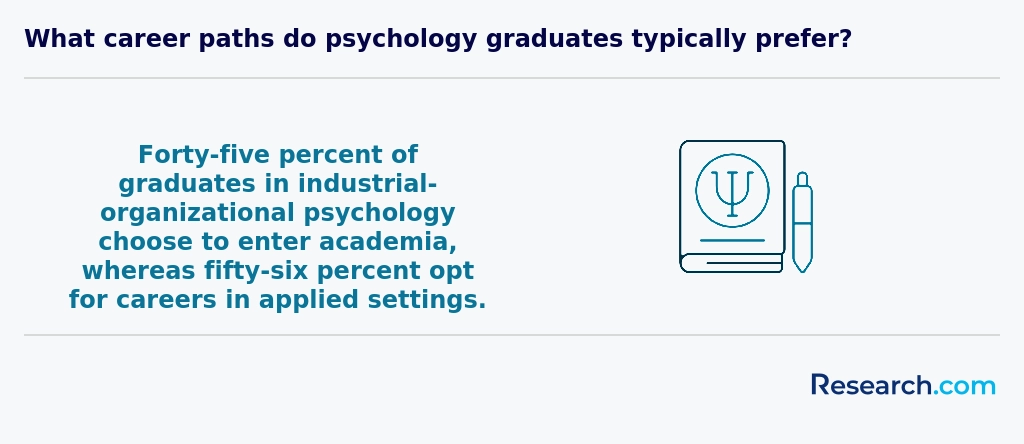
Graduates with a psychology degree in Norfolk can pursue diverse career paths that match their interests and strengths. Many find fulfilling roles as mental health counselors or clinical psychologists, providing vital support to individuals facing anxiety or depression. Achieving licensure through graduate education and supervised practice is a common step to enter this field. Others choose educational psychology, working directly in Norfolk Public Schools or private settings to help shape learning strategies and support children's well-being.
Industrial-organizational psychology offers another practical route, especially as Norfolk's business sector expands. Here, psychologists contribute to improving workplace culture and employee development, a growing need in the Hampton Roads area. For those passionate about research, universities like Old Dominion University offer opportunities to engage in cutting-edge studies on human behavior, blending academic rigor with real-world impact. Understanding local demand and salary trends helps in planning your career effectively.
To accelerate your path, consider exploring accelerated bachelors programs that fit Norfolk's educational landscape and enhance your job prospects with psychology degree Norfolk.
The psychology degree job opportunities Norfolk offers are closely tied to the region's healthcare, education, and military sectors. Graduates from popular local universities find roles ranging from behavioral health technicians to licensed clinical psychologists. For example, new graduates report gaining valuable hands-on experience through internships at places like Sentara Norfolk General Hospital, which improves job prospects significantly. Entry-level positions typically require a bachelor's degree and pay between $35,000 and $50,000 annually. Those who pursue advanced degrees often secure roles in counseling or school psychology with salaries from $70,000 to $100,000.
Norfolk's growing demand for mental health services means many jobs are available in counseling and substance abuse programs, reflecting a positive career outlook by 2027. Students often complement their studies with volunteering at local nonprofits, boosting employment chances. Additionally, for students wondering about educational costs, a smart start might be exploring easy associate degrees to build foundational skills affordably before advancing.
2027 Best Psychology Degree Programs Ranking in Norfolk
Investing in your education is a significant decision that can shape your future, and the Research.com team fully understands the importance of making informed choices. To assist prospective students in Norfolk, we have carefully developed the "2027 Best Psychology Degree Programs Ranking in Norfolk." Our dedication to quality, credibility, and accuracy is reflected in the thorough research and analysis behind this ranking.
We utilized the following reputable data sources to ensure a comprehensive evaluation of psychology programs:
By consulting this ranking, readers will gain valuable insights that empower them to select the best psychology degree programs in Norfolk, tailored to their educational and career goals. For more information about how we created this ranking, please visit our Research.com methodology page.


Frequently Asked Questions About psychology
Psychology degree students in Norfolk can maximize their learning experience by engaging actively in both coursework and practical opportunities. Local institutions, such as Old Dominion University, offer research projects and internships that help students apply theoretical knowledge to real-world settings. According to the National Center for Education Statistics, hands-on experiences significantly improve retention and understanding in psychology programs. Students should also participate in psychology clubs and local professional organizations to network and stay updated on the latest field developments. Additionally, utilizing Norfolk's diverse community for volunteer work can enhance cultural competence, an essential skill in psychology careers.
Emerging niches within the psychology field reflect evolving societal needs and technological advances. In Norfolk, areas such as neuropsychology, which studies brain-behavior relationships, show growing interest due to local healthcare partnerships with institutions like Sentara Healthcare.
Another advancing niche is forensic psychology. With Virginia's expanding legal system, professionals trained in assessing criminal behavior and providing expert testimony are increasingly valued.
Health psychology also gains prominence, focusing on how behavior affects physical health. Norfolk's public health initiatives boost demand for psychologists who specialize in stress management and chronic illness coping strategies.
Additionally, rural and telepsychology services are expanding to improve mental health access in underserved communities near Norfolk.
Preparing for the job market after earning a psychology degree in Norfolk involves several key steps. Graduates should seek internships or practicum experiences during their studies to gain practical skills and enhance employability. According to the American Psychological Association, hands-on experience is crucial in this field.
Networking through local professional organizations, such as the Virginia Psychological Association, can open doors to job opportunities. Norfolk's proximity to healthcare facilities and research centers offers access to various psychology-related roles. Additionally, obtaining relevant certifications or considering graduate education can improve job prospects, as many positions require advanced qualifications.
Staying updated with trends in behavioral health and counseling in Norfolk's job market also helps graduates tailor their skills effectively.
Employers in Norfolk value psychology graduates who possess strong analytical and communication skills. According to the Norfolk Workforce Development Report 2023, 78% of local employers prioritize the ability to interpret data and apply psychological principles effectively. This includes familiarity with research methods and statistical software commonly taught in accredited US psychology programs.
Additionally, critical thinking and ethical judgment are essential, reflecting the emphasis on professional conduct in both clinical and organizational settings. Employers also highlight the importance of interpersonal skills for working collaboratively in diverse teams, especially in Norfolk's healthcare and social service sectors.
Familiarity with evidence-based interventions and cultural competence ranks highly as Norfolk's population grows more diverse. Employers typically seek graduates who demonstrate adaptability and problem-solving abilities developed through internships or practicum experiences.
Finding psychology internships in Norfolk involves targeted research within local institutions and organizations. Norfolk hosts several healthcare facilities and community centers that offer clinical and research internships relevant to psychology students. For example, Sentara Healthcare and Eastern Virginia Medical School often provide internship opportunities for psychology majors focused on behavioral health.
University career centers, such as those at Old Dominion University, are valuable resources. They maintain updated internship listings and connections with local employers. Additionally, students should explore nonprofit organizations addressing mental health in Norfolk, as these often seek interns to assist in counseling, outreach, or research projects.
Networking through academic advisors and attending local psychology associations' events can increase access to internships. According to the Bureau of Labor Statistics, psychology internship experience greatly enhances employability in Virginia's competitive mental health sector.
A psychology degree in Norfolk can significantly improve career mobility and advancement opportunities. According to the U.S. Bureau of Labor Statistics, the Hampton Roads area, including Norfolk, is seeing steady growth in psychology-related jobs, such as clinical, counseling, and industrial-organizational psychology. Employers in health services, education, and government sectors often prefer candidates with a recognized psychology degree.
Graduates gain critical skills like research, data analysis, and interpersonal communication, which are highly valued in various fields. Additionally, Norfolk's proximity to military and healthcare institutions offers specialized career paths for psychology degree holders. Earning an advanced degree or licensure further enhances promotion prospects locally.
Studying for a psychology degree in Norfolk equips students with skills that extend beyond traditional psychology roles, fostering interdisciplinary collaboration. Programs typically emphasize research methods, critical thinking, and applied knowledge, preparing graduates to work alongside professionals in health care, education, social work, and business sectors.
Norfolk's psychology curricula often integrate courses in neuroscience, sociology, and counseling, encouraging a holistic understanding of human behavior. According to the National Center for Education Statistics, universities in Virginia, including those serving Norfolk students, report psychology as one of the top three majors supporting careers in multiple disciplines.
Furthermore, hands-on experiences such as internships and community projects are common, allowing students to apply psychological principles in diverse settings. This practical training boosts adaptability and communication skills essential for interdisciplinary roles in today's workforce.
Choosing between a thesis and a non-thesis psychology degree program in Norfolk depends largely on your career goals. A thesis program involves conducting original research, allowing students to develop strong research skills useful for doctoral studies or research positions. Non-thesis programs typically emphasize coursework and practical training, which suit those aiming for applied psychology roles or immediate workforce entry.
In Norfolk, institutions like Old Dominion University offer both options. According to the National Center for Education Statistics, about 35% of psychology graduate students nationwide choose thesis tracks, while 65% opt for non-thesis paths, reflecting practical career demands. Understanding program requirements and your professional objectives is essential to make an informed choice.
Students based in Norfolk interested in studying psychology abroad have several pathways through US higher education exchange programs and international partnerships. Universities in Norfolk often participate in study abroad initiatives, allowing psychology majors to spend a semester or year at accredited institutions in countries like the UK, Canada, and Australia.
Programs typically include coursework aligned with American Psychological Association (APA) standards, ensuring credits transfer smoothly. According to the Institute of International Education, about 15% of psychology students nationwide choose study abroad options.
Students can also pursue dual-degree programs that combine Norfolk-based study with time overseas, broadening their cultural and academic experience. Consulting with academic advisors at Norfolk colleges is essential for tailored opportunities.
In Norfolk, part-time job opportunities that complement psychology degree education often focus on roles in healthcare and social services. Positions such as psychiatric technician assistants, mental health aides, or case management assistants provide practical experience related to psychology fields. According to the U.S. Bureau of Labor Statistics, Norfolk's healthcare sector continues to grow, so students can find relevant part-time work in hospitals or community centers.
Additionally, internships or volunteer roles in counseling centers and non-profits can enhance skills in client communication and behavioral observation. These roles often allow flexible schedules, accommodating students' academic timelines. Networking through local organizations like the Virginia Psychological Association may uncover further part-time positions tailored to psychology students.
Psychology students in Norfolk benefit from various networking opportunities through local universities such as Old Dominion University, which hosts psychology-related events and guest lectures. These events provide students with chances to connect with faculty, professionals, and peers in the field.
The Virginia Psychological Association offers local chapter meetings and workshops where Norfolk students can engage with practicing psychologists and graduate students. Participation can expand professional networks and improve job prospects.
Additionally, internships and research assistant positions available in Norfolk's healthcare systems and community organizations allow students to build practical connections. According to the Bureau of Labor Statistics, psychology-related employment in Virginia is expected to grow by 14% through 2032, highlighting the value of early networking.
Alumni networks offer significant advantages to psychology degree students in Norfolk. These networks create valuable connections with graduates who have experience in local mental health agencies, schools, and research institutions. According to the National Association of Colleges and Employers (NACE), 85% of jobs are filled through networking, highlighting the importance of these relationships. Norfolk's psychology programs often encourage students to participate in alumni events, which can lead to mentorship opportunities and career guidance. Additionally, alumni connections may provide access to internships and job openings in the Hampton Roads area, where demand for psychology professionals is steadily growing.
Students pursuing psychology degrees in Norfolk have several options to tailor their education to specific career goals. Many local institutions offer electives and concentrations such as clinical psychology, counseling, or industrial-organizational psychology. This flexibility allows individuals to focus on areas like mental health services or workplace psychology.
Internships and practicum placements are also widely available through partnerships with Norfolk hospitals, schools, and community centers. These hands-on experiences can be crucial for career preparation.
Additionally, some programs provide opportunities for research involvement, which benefits those interested in academic or applied psychology careers. According to the Virginia Employment Commission, psychology-related roles in the Norfolk area are projected to grow by 10% through 2030, underscoring the value of specialization.
Psychology students in Norfolk often face several common challenges during their studies. One major difficulty is managing the heavy coursework alongside practical training. Psychology programs usually require students to balance theoretical classes with internships or lab work, which can be time-consuming and stressful.
Another challenge relates to the competitive nature of graduate admissions. According to the American Psychological Association, admission rates for advanced psychology degrees have declined, adding pressure to undergraduate students to maintain high GPAs and gain relevant experience.
Financial stress is also prevalent. While Norfolk has a variety of public and private institutions offering psychology degrees, tuition costs and living expenses can be significant obstacles for many students.
Lastly, students frequently report the emotional demands of studying human behavior and mental health. Exposure to sensitive material requires strong coping skills and support systems, which some students struggle to find.
With a psychology degree in Norfolk, graduates can pursue several professional certifications that enhance career opportunities. Popular certifications include Licensed Professional Counselor (LPC) and Board Certified Behavior Analyst (BCBA), both requiring graduate study and supervised experience. LPC licensure is regulated by the Virginia Board of Counseling, serving the Norfolk area.
Additionally, certification as a Certified Clinical Mental Health Counselor (CCMHC) offers specialization in mental health counseling. Earning these credentials often leads to roles in therapy, assessment, or behavioral analysis. According to the Virginia Department of Behavioral Health, demand for licensed counselors is projected to grow by 14% through 2030, reflecting a strong regional need.
For research-focused careers, becoming a Certified Psychological Assistant allows supervised practice toward full psychologist licensure. These certifications help psychology graduates in Norfolk meet professional standards and expand employment options in healthcare, education, and social services.
Applying for a psychology program in Norfolk requires a clear and focused approach. Start by researching local institutions such as Old Dominion University, which offers accredited psychology degrees recognized by the American Psychological Association. Highlight relevant coursework and any volunteer or internship experience in mental health settings.
Strong letters of recommendation are vital. Choose referees who can speak to your academic abilities and commitment to psychology. Norfolk programs often emphasize personal statements, so craft yours to reflect your motivation, career goals, and understanding of psychological concepts.
Official transcripts and standardized test scores, if required, should demonstrate consistent academic achievement. Meeting application deadlines and tailoring each application to specific program requirements improves your chances significantly.
Psychology careers offer diverse opportunities both in the US and globally, reflecting a growing demand for mental health professionals. In Norfolk, students benefit from this trend as local universities align their programs with national standards, preparing graduates for international applicability. According to the U.S. Bureau of Labor Statistics, employment for psychologists is projected to grow 8% from 2022 to 2032, faster than average, highlighting strong career prospects.
Globally, psychology professionals work in varied settings such as healthcare, education, and research. Understanding cultural differences and international ethical standards is essential for those pursuing global careers. Norfolk psychology degrees often include training in multicultural competence, enhancing graduates' readiness for global engagement.
Notably, a psychology degree grounded in US education principles-like those offered near Norfolk-opens doors for advanced studies or licensure in many countries, supporting career mobility.
Gaining practical experience while studying for a psychology degree in Norfolk is essential for career readiness. Many programs encourage students to participate in internships or practicum placements at local healthcare facilities, schools, or community organizations. For example, Old Dominion University in Norfolk offers supervised internship opportunities that allow students to apply classroom knowledge in real-world settings.
Additionally, students can engage in research projects alongside faculty members, gaining hands-on experience in psychological methods and data analysis. Organizations like the Norfolk Psychological Association provide networking events and volunteer positions, which further enhance practical skills. According to the U.S. Bureau of Labor Statistics, experiential learning significantly improves employment prospects in psychology fields.
Choosing the right concentration within a psychology degree program in Norfolk involves understanding your career goals and interests. Psychology offers diverse fields like clinical, counseling, developmental, or industrial-organizational psychology. Norfolk's universities, such as Old Dominion University, provide specialized tracks aligning with local workforce demands.
Research local employment trends; for example, the Virginia Employment Commission reports growth in mental health services, highlighting demand for clinical and counseling psychologists. Consider concentrations offering hands-on opportunities, internships, or research projects, which Norfolk institutions often facilitate through community partnerships.
Additionally, review program accreditation and faculty expertise, as these affect education quality and licensure eligibility. Consulting academic advisors in Norfolk's schools also helps tailor your focus to practical and academic strengths.
- 2027 Best Psychology Degree Programs Ranking in Washington
- 2027 Best Psychology Degree Programs Ranking in Baltimore
- 2027 Best Psychology Degree Programs Ranking in New York
- 2027 Best Psychology Degree Programs Ranking in New Haven
- 2027 Best Psychology Degree Programs Ranking in Springfield
- 2027 Best Psychology Degree Programs Ranking in Albany
- 2027 Best Psychology Degree Programs Ranking in Amherst
- 2027 Best Psychology Degree Programs Ranking in Worcester
- 2027 Best Psychology Degree Programs Ranking in Cambridge
- 2027 Best Psychology Degree Programs Ranking in Boston
See What Experts Have To Say About Studying Psychology
Read our interview with Psychology experts

Elizabeth L. Jeglic Ph.D.
Psychology Expert
Professor of Psychology
City University of New York

Joann Farrell Quinn, Ph.D., MBA
Psychology Expert
Director at the College of Medicine Department of Medical Education
Morsani College of Medicine

Catherine Caldwell-Harris, Ph.D.
Psychology Expert
Associate Professor of Psychology
Boston University

- Scholarships https://www.nsu.edu/financial-aid/scholarships
- Norfolk State University https://mastersinpsychologyguide.com/schools/norfolk-state-university/
- Bachelor of Arts in Psychology https://catalog.nsu.edu/undergraduate/liberal-arts/psychology/psychology-ba/
- Psychology - SWPS University https://english.swps.pl/academics/warsaw/ba-programs/psychology
- Study Psychology Abroad https://astarfuture.co.uk/study_psychology_abroad.html
- What can I do with a psychology degree? https://www.hull.ac.uk/study/undergraduate/courses/psychology-bsc-hons/what-can-i-do-with-a-psychology-degree
- Psychology Online Degree Pathway https://www.learndirect.com/course/psychology-online-degree
- Alumni Perspectives - Meet Our FPN Alumni https://www.aanmelder.nl/alumni-perspectives-june-2023
- Have You Found a Niche? https://www.apaservices.org/practice/business/marketing/building/niche
- Psychology Placement Opportunities for Year 12 Students https://studymind.co.uk/ucas-guide/year-12-guide-to-gaining-psychology-work-experience/