2027 Most Valuable Online Nursing Degree Programs Ranking in Minnesota

Co-Founder and Chief Data Scientist
Choosing the right nursing degree program can shape your future career and personal growth. This article features the 2027 Most Valuable Online Nursing Degree Programs Ranking in Minnesota, created by the Research.com team of data scientists.
Designed to help you make informed decisions, this ranking highlights programs that offer strong educational value and convenient online formats. Pursuing a nursing degree opens doors to rewarding opportunities in healthcare, making a positive impact on others while building a stable and fulfilling career.
Explore options that suit your goals and lifestyle with confidence.
Key benefits of getting online nursing degree in Minnesota
- Graduates with a nursing degree in Minnesota can expect strong salary prospects, with roles like Registered Nurse earning a mean annual wage of $94,480 and Operating Room Nurses earning up to $128,490.
- Career paths for nursing graduates from institutions like the University of Minnesota include clinical nurse educator, public health nurse, and emergency room nurse, offering diverse and rewarding opportunities.
- Online nursing degrees from schools such as Minnesota State University provide flexibility and convenience, allowing you to balance work and study while achieving the same respected qualifications as traditional programs.
- 2027 Most Valuable Online Nursing Degree Programs Ranking in Minnesota
- What can I expect from online nursing degree in Minnesota?
- Where can I work with online nursing degree in Minnesota?
What can I expect from online nursing degree in Minnesota?
The average tuition cost for an online nursing degree in Minnesota typically ranges from $15,000 to $30,000, depending on the program's level and institution. For example, graduates from well-known universities such as the University of Minnesota or Minnesota State University report manageable tuition fees that align closely with these figures, making online nursing education accessible and competitive with on-campus options.
These students often highlight the value of flexible payment plans and scholarships, such as those from the Minnesota Nurses Association, which significantly reduce financial strain. For working professionals balancing family and jobs, this affordability paired with asynchronous coursework creates a supportive learning environment.
Moreover, clinical requirements at local healthcare facilities add to the overall experience but are typically coordinated by the schools, preventing unexpected costs. The investment in these programs is viewed positively by graduates, who emphasize the return on investment through solid job placement results in Minnesota's growing nursing market.
Where can I work with online nursing degree in Minnesota?
Graduates with online nursing degrees from well-regarded Minnesota institutions such as the University of Minnesota and Bemidji State University find diverse employment opportunities throughout the state's healthcare system. Many secure roles in hospitals, including major employers like Mayo Clinic and Allina Health, where they provide care in critical units such as intensive care and emergency departments. This hands-on experience often receives praise from recent graduates as rewarding and impactful.
Others work in long-term care facilities or nursing homes, addressing the growing needs of Minnesota's aging population. Nursing students often share how they appreciate making meaningful differences in senior living communities and home healthcare, environments where patient relationships deepen over time.
Outpatient clinics and community health centers offer roles focused on preventive care and chronic disease management. Graduates from Minnesota State University, Mankato, report satisfaction in contributing to public health initiatives through local agencies, schools, and correctional facilities, expanding their career flexibility.
With a median annual RN salary around $75,000, Minnesota's supportive licensure compacts help graduates confidently pursue advanced practice roles or cross-state employment, enhancing professional growth and stability.
Graduates from online nursing programs in Minnesota can anticipate competitive earnings aligned with state demand and healthcare standards. Registered Nurses (RNs), including those educated at universities such as the University of Minnesota or Minnesota State University, typically earn a mean annual wage of about $94,480, with an average hourly wage near $45.42. This reflects real-world outcomes where recent online BSN graduates report starting salaries ranging from roughly $70,000 to $95,000 depending on the healthcare setting.
Specialized roles supported by advanced degrees see higher pay. For example, Operating Room Nurses, a role often accessible after gaining experience and further certification, earn significantly more with mean annual wages around $128,490 and hourly earnings of approximately $61.78. Graduates who pursue careers as Clinical Nurse Educators, Public Health Nurses, or Emergency Room Nurses also report mean wages similar to RNs, at about $94,480 annually.
These salaries illustrate the tangible benefits of completing accredited online nursing degrees in Minnesota. Many graduates emphasize the flexibility of online programs combined with strong clinical placements as a pathway to earning potential competing well above national averages and supporting long-term career growth.
- Online nursing degrees in Minnesota include associate, bachelor's, and master's programs approved by the Minnesota Board of Nursing for licensure eligibility.
- Tuition costs vary widely: associate degrees range from $8,000 to $15,000, BSN programs from $12,000 to $30,000, and MSN programs can exceed $40,000.
- New registered nurses typically earn between $65,000 and $70,000 annually, with experienced nurses making $80,000 or more.
- Nurse practitioners and other advanced roles can earn over $100,000 per year.
- Job growth for nurses in Minnesota is projected at about 10% through 2028, faster than the average for all jobs.
- Clinical training must be completed in person near the student's residence, which is required for state licensure.
Completing an online nursing degree in Minnesota varies by program type and student background. For example, graduates from institutions like the University of Minnesota and Bethel University report that Associate Degree in Nursing (ADN) programs typically take 2 to 3 years. These programs suit those new to nursing and build essential skills efficiently.
For a Bachelor of Science in Nursing (BSN) through online programs at schools such as Augsburg University, full-time students generally spend around 4 years finishing the degree. However, graduates with prior non-nursing bachelor's degrees praise accelerated options that reduce completion time to 12-18 months, offering a faster route to meet Minnesota's rising demand for BSN-qualified nurses.
Working registered nurses pursuing RN-to-BSN programs, especially those balancing jobs and studies, often complete their degrees between 12 and 24 months. These flexible schedules, offered at colleges like Metropolitan State University, allow professionals to advance their education while continuing their careers.
Part-time enrollment and clinical placement logistics-arranged locally even in online formats-can lengthen completion times, but many graduates appreciate this hands-on experience as crucial to their success in Minnesota's healthcare landscape.
Understanding graduation outcomes and NCLEX pass rates is essential when evaluating online nursing degree programs in Minnesota. Prospective students should look for programs with high completion rates-ideally above 80%-and first-time NCLEX-RN pass rates that meet or exceed the state average of 88%. These metrics demonstrate a program’s ability to prepare learners for real-world practice and licensure. Key factors to assess include: • Graduation Rate: The percentage of students who complete the program within the expected time frame (e.g., 12–36 months for ADN, BSN, or MSN pathways). • NCLEX-RN First-Time Pass Rate: A critical indicator of curriculum quality and exam preparation support; top programs often report rates above 90%. • Employment Placement: The proportion of graduates who secure nursing positions within six months of licensure. For example, University A boasts a 92% NCLEX pass rate and an 85% on-time graduation rate, reflecting robust academic advising and clinical mentorship. In contrast, Program B offers targeted NCLEX prep modules, virtual simulations, and live review workshops that have consistently pushed its first-time pass rate to 95%. Cost-conscious students may also benefit from regional comparisons. For insights into affordable options beyond Minnesota, explore the Inexpensive Nursing Degree Programs Ranking in Oregon, which highlights programs balancing quality outcomes with lower tuition.
Online nursing degrees in Minnesota, such as those offered by the University of Minnesota and St. Catherine University, primarily differ from on-campus programs in their delivery format and flexibility. Graduates from online tracks often emphasize the benefit of managing coursework around full-time jobs or family commitments, highlighting the ability to access lectures and assignments anytime without commuting.
Conversely, on-campus students enjoy direct interaction with instructors and peers in facilities like those at the Mayo Clinic School of Health Sciences, which some alumni recall as crucial for hands-on learning and networking. Both online and on-campus students must complete clinical hours locally, coordinating with Minnesota healthcare providers to fulfill state licensing requirements.
Tuition varies but typically ranges from $12,000 to $18,000 annually for in-state students. Online students frequently note savings on housing and transportation, though tuition rates themselves may be comparable. Across both formats, graduates stress the importance of accredited programs and passing the NCLEX-RN exam as key milestones toward rewarding nursing careers.
Online nursing programs in Minnesota can offer significant cost savings compared to traditional on-campus programs, making them a more affordable option for students. For instance, students can save on university fees, room, and board, and other expenses associated with attending a brick-and-mortar institution. Additionally, online programs can provide flexibility in terms of scheduling, allowing students to balance their studies with work and family responsibilities, which can help reduce the overall cost of pursuing a nursing degree. Those looking for affordable options can research the cheapest nursing school in minnesota to find programs that fit their budget and career goals. By choosing an online nursing program, students in Minnesota can achieve their goal of becoming a nurse while minimizing their financial burden.
The average cost of an online nursing degree in Minnesota varies significantly based on residency status and the institution chosen. For in-state students, the median total cost is approximately $22,415, which reflects the affordability of public programs within the state. Out-of-state students typically face higher tuition, with median costs around $44,830. Overall, the median total cost across all students tends to hover near $49,590, revealing a wide range of investment levels depending on multiple factors.
Graduates from well-known Minnesota universities often report that the tuition costs are manageable, especially when weighed against the value of a flexible online nursing program. For instance, a graduate from the University of Minnesota's online RN to BSN program appreciated the balance of quality education and reasonable fees, while those attending private institutions experienced higher tuition expenses but benefited from dedicated faculty and enhanced resources.
When evaluating Minnesota online nursing program tuition and fees, it's important to consider additional expenses such as technology or lab fees, which can add to the total cost. Supportive options like flexible payment plans and employer tuition reimbursement make the investment feel more attainable. Many find that the ability to study online while working helps reduce financial pressure and contributes positively to their educational journey.
Comparing nursing degree costs nationwide highlights Minnesota's competitive position, especially for local students. Prospective students may also find financial aid and scholarships targeted at healthcare fields, further easing the burden. Considering all factors, the average cost in Minnesota aligns with a strong return on investment for those entering nursing careers.
For those looking to understand related compensation early in their career paths, examining the dentist salary range early career can provide broader context on healthcare earnings.
Before you can practice as a registered nurse in Minnesota, graduates of online nursing programs must meet specific state licensure and certification requirements to ensure quality patient care and professional accountability. Understanding these steps early will help you transition smoothly from virtual coursework to clinical practice:
- Educational Verification: Submit official transcripts from your accredited online nursing program to the Minnesota Board of Nursing. Ensure your program holds CCNE or ACEN accreditation and Minnesota Board approval.
- NCLEX-RN Examination: Register for and pass the NCLEX-RN exam through Pearson VUE. Review the Board’s candidate bulletin for deadlines, fees, and testing accommodations.
- Background Check & Fingerprinting: Complete a criminal background check and electronic fingerprinting as required by state law. Results must be received by the Board before license issuance.
- Application & Fees: File an online licensure application via the Minnesota eLICENSING portal and pay the associated fees. Track your application status and address any deficiencies promptly.
- Endorsement for Out-of-State Graduates: If you hold an active RN license in another U.S. jurisdiction, apply for endorsement by providing verification of licensure, practice hours, and exam scores.
- Renewal & Continuing Education: Renew your license every two years and complete any mandated continuing education hours. Check Minnesota Board updates for evolving CE requirements. For students exploring initial pathways into nursing, consider exploring easy lpn programs to bridge your way toward RN licensure with foundational clinical experience.
Online nursing students in Minnesota benefit from diverse financial aid options that significantly ease the cost, which typically ranges from $40,000 to $80,000 depending on the program. Graduates from institutions like the University of Minnesota and Minnesota State University highlight the critical role of federal aid, including the Pell Grant that offers up to $7,395 annually without repayment requirements.
Federal loans, both subsidized and unsubsidized, provide flexible borrowing with deferred repayment, helping many manage expenses while studying. Minnesota's State Grant program further supports undergraduates demonstrating financial need at accredited colleges offering online nursing degrees, adding another layer of assistance.
Specific nursing scholarships from organizations such as the Minnesota Nurses Foundation empower students committed to practicing locally, especially in underserved areas. Working students often mention employer tuition assistance from hospitals and clinics as a valuable resource that supports continuing education alongside their duties.
Loan forgiveness programs, like Perkins Loan Cancellation and Public Service Loan Forgiveness, also motivate graduates to remain in Minnesota healthcare roles. Access to resources through the Minnesota Office of Higher Education ensures these opportunities are well understood and utilized.
One of the most critical components of any online nursing program in Minnesota is securing high-quality clinical placements. Leading programs collaborate with top healthcare systems-such as Mayo Clinic Health System, Allina Health, and Essentia Health-to ensure students complete required rotations in medical-surgical, pediatric, and community health settings. These partnerships not only guarantee hands-on experience under the supervision of seasoned nurse preceptors but also streamline scheduling by offering flexible shifts at hospitals and outpatient clinics across the state. Many online nursing programs maintain dedicated clinical coordinators who assist students in matching with preceptors that align with their specialty track. Coordinators facilitate background checks, immunization verifications, and documentation of clinical hours, reducing administrative hurdles. Additionally, state-of-the-art virtual simulation labs supplement in-person training, allowing learners to practice assessments, medication administration, and critical-care scenarios in a risk-free environment. This blended approach reinforces core competencies before students engage with real patients. For those exploring alternative healthcare pathways, Minnesota’s robust ecosystem also offers accelerated bridges-such as cma to lpn programs-that can complement a nursing career. By leveraging local partnerships and simulation technology, online nursing students in Minnesota are well equipped to meet Minnesota Board of Nursing requirements, excel on the NCLEX-RN exam, and transition seamlessly into high-demand clinical roles.
Enrolling in an online nursing degree in Minnesota requires a high school diploma or GED as the fundamental entry point, a standard upheld across institutions like the University of Minnesota and Augsburg University. Many students recall needing to complete prerequisite courses in anatomy, physiology, microbiology, chemistry, and math to build a solid scientific foundation before officially starting their nursing degree.
Applicants aiming for a Bachelor of Science in Nursing (BSN) typically must submit applications demonstrating a minimum GPA around 2.5 to 3.0 on a 4.0 scale. Graduates often mention that while standardized test scores like the ACT or SAT are less emphasized for online paths, clear academic records ensure smoother admissions. For bridge programs-from LPN to RN or RN to BSN-an active nursing license is essential, confirming prior clinical experience and knowledge.
Many students appreciate that Minnesota's online programs require arranging local clinical placements, often necessitating residency in the state. This hands-on practice, regulated by the Minnesota Board of Nursing, deepens practical skills and confidence. Successful enrollees frequently emphasize that meeting these prerequisites upfront avoided delays and allowed a focused, fulfilling learning journey.
Graduates of online nursing programs in Minnesota must meet state licensure standards before practicing. Key steps include:
- Complete a nursing program accredited by the Commission on Collegiate Nursing Education or the Accreditation Commission for Education in Nursing.
- Apply to the Minnesota Board of Nursing: submit official transcripts, a completed application form, fingerprinting, and required fees.
- Pass the NCLEX-RN examination to demonstrate mastery of nursing knowledge and clinical skills.
- Maintain licensure by renewing every two years and fulfilling continuing competence requirements, such as approved continuing education or clinical practice hours.
For advanced practice credentials like a Doctor of Nursing Practice, explore accredited dnp programs to meet certification prerequisites.
Online nursing degree programs in Minnesota typically feature a curriculum combining foundational science with specialized nursing coursework. Graduates from institutions like the University of Minnesota and St. Catherine University report that core courses include Human Anatomy and Physiology, Microbiology, Pharmacology, and Pathophysiology. These subjects establish essential medical knowledge crucial for understanding patient care in diverse healthcare settings.
Students also engage in applied nursing topics such as Health Assessment, Adult and Pediatric Nursing, and Mental Health Nursing, which prepare them for real-world clinical situations. Leadership and Management in Nursing and Evidence-Based Practice courses equip learners with skills to navigate evolving healthcare environments and improve patient outcomes.
Many online programs emphasize Ethics and Legal Issues in Healthcare, ensuring graduates understand professional responsibilities. Clinical practicums, completed locally, complement theoretical learning. Such hybrid formats enable Minnesota students to balance education with personal obligations while fulfilling licensure requirements-a balance praised by former students who appreciate this flexibility. This coursework structure aligns with Minnesota's robust standards for Registered Nurse licensure and workforce readiness.
Online nursing degree specializations Minnesota include several targeted tracks designed to address pressing healthcare needs locally. Popular options encompass Family Nurse Practitioner (FNP), which equips graduates to deliver comprehensive primary care across all age groups-this is highly relevant for students attending schools like the University of Minnesota, where graduates appreciate the program's balance of theory and rural clinical experiences. Psychiatric-Mental Health Nurse Practitioner (PMHNP) tracks cater to the increasing demand for mental health services statewide, reflecting a critical area of professional growth for many nurses. Adult-Gerontology Nurse Practitioner (AGNP) programs focus on elder care, an essential field given Minnesota's aging population.
Additionally, the Registered Nurse to Bachelor of Science in Nursing (RN to BSN) pathway offers flexible progression for working nurses aiming to advance their careers without relocating or sacrificing income, often highlighted by graduates from metropolitan colleges. Leadership and Healthcare Administration specializations prepare students for managerial roles within Minnesota's evolving healthcare system. Prospective students interested in comparing regional program outcomes might also explore the online nursing degrees colorado job satisfaction data for broader context on graduate success and program strengths.
Choosing the best online nursing degree in Minnesota starts with verifying program accreditation by the Commission on Collegiate Nursing Education (CCNE) or Accreditation Commission for Education in Nursing (ACEN), ensuring eligibility for NCLEX-RN licensure. Graduates from Minnesota State University highlight strong NCLEX-RN pass rates surpassing the national average, reflecting robust academic preparation and enhancing employment opportunities in the state.
Degree type directly influences career prospects. Employers increasingly prefer Bachelor of Science in Nursing (BSN) graduates due to their comprehensive clinical training and leadership readiness. Therefore, when selecting affordable online nursing programs Minnesota offers, prioritize BSN options if aiming for long-term growth. Public universities typically provide lower tuition, making them a strategic choice for cost-conscious students.
Flexibility is crucial for working professionals. Programs with asynchronous courses and supported clinical placements ease balancing work and study. Many students appreciate clear clinical practicum arrangements within Minnesota, which blend in-person and virtual simulation experiences.
For those considering broader nursing opportunities beyond Minnesota, exploring a nursing career in Texas might offer additional pathways and insights.
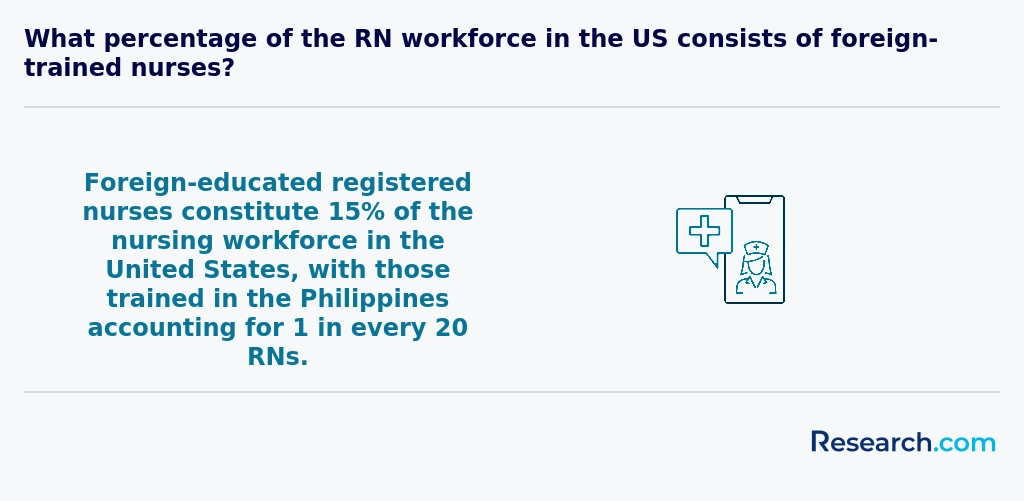
Graduates with an online nursing degree in Minnesota have diverse career paths reflecting the state's growing healthcare needs. Registered Nurses (RNs) often start their careers in hospital settings across Minneapolis or St. Paul, benefiting from a 15% projected job growth between 2020 and 2030. Those pursuing specialties may work in high-intensity environments such as intensive care or pediatrics, experiencing the rewarding challenges these roles offer. Nursing students from colleges like the University of Minnesota share that gaining practical experience while studying online prepares them to confidently transition into demanding roles.
Advanced roles such as Nurse Practitioners (NPs) and clinical nurse specialists are also prominent career options, supported by steady licensure growth reported by the Minnesota Board of Nursing. Additionally, online nursing career options Minnesota graduates explore include nurse educators and healthcare administrators in academic institutions and hospitals, where influencing patient outcomes and healthcare delivery is highly valued. Those seeking further flexibility sometimes combine career goals with educational advancement by referencing lpn degrees tennessee undergraduate programs for transferable insights.

The job market for online nursing degree graduates in Minnesota remains strong, supported by a 12% projected growth in registered nurse employment from 2020 to 2030. Popular institutions like the University of Minnesota and Minnesota State University offer online programs praised by graduates for their flexibility, allowing working adults and career changers to earn their degree without sacrificing current commitments. This adaptability helps fill workforce gaps, especially in underserved rural communities.
Starting salaries in Minnesota range between $60,000 and $75,000, with median wage figures around $77,000 as of 2022, providing a competitive employment outlook. Roles available include staff nurses, nurse coordinators, and public health nurses, all requiring degrees aligned with state licensure standards. Many graduates share positive experiences about passing the NCLEX-RN through accelerated online pathways.
For those exploring online nursing jobs Minnesota, understanding the tuition investment is crucial. Costs vary widely, but financial aid and employer tuition support ease affordability. The steady demand in hospitals and clinics is reinforced by the state's emphasis on community health, with employment projections healthcare indicating continued growth.
2027 Most Valuable Online Nursing Degree Programs Ranking in Minnesota
Investing in your education is a significant decision that can shape your future, and the Research.com team understands the importance of making informed choices. To assist prospective students in Minnesota, we have meticulously developed the "2027 Most Valuable Online Nursing Degree Programs Ranking in Minnesota." Our commitment to quality, credibility, and accuracy is demonstrated through the thorough research and careful analysis undertaken to compile this ranking.
We utilized the following reputable data sources to ensure a comprehensive evaluation of nursing programs:
By exploring this ranking, readers will gain valuable insights into the most valuable online nursing degree programs in Minnesota, helping them make confident and well-informed decisions about their educational futures. For more information about how this ranking was created, please visit our Research.com methodology page.
# 1 position
Bethel University, Minnesota
Nursing RN to BS
# 2 position
Walden University
Master of Nursing

# 3 position
Walden University
Doctor of Nursing
# 5 position
Walden University
Bachelor of Nursing
Frequently Asked Questions About nursing
Online nursing degree students in Minnesota can maximize their learning by actively engaging with their coursework and clinical experiences. Many programs require hands-on clinical hours at approved local healthcare facilities, so selecting a program with strong clinical partnerships in Minnesota is essential. According to the Minnesota Board of Nursing, completing clinical hours under licensed supervision helps develop practical skills and meet state licensure requirements.
Students should also take advantage of virtual simulations and interactive modules, which studies show improve critical thinking in nursing education. Participating in online forums and forming study groups with peers fosters collaboration and deeper understanding. Finally, staying informed about Minnesota's healthcare regulations and attending webinars offered by organizations like the Minnesota Nurses Association can enhance both knowledge and professional networking.
The nursing field in Minnesota is evolving with several emerging niches driven by demographic changes and technological advances.
One of the fastest-growing areas is gerontological nursing, reflecting Minnesota's aging population. According to the Minnesota Department of Health, the number of residents aged 65 and older is expected to nearly double by 2040, increasing demand for specialized elder care.
Another niche gaining prominence is informatics nursing, where nurses manage healthcare data and improve patient outcomes through advanced technology. The rise of telehealth during the COVID-19 pandemic accelerated this trend statewide.
Additionally, psychiatric-mental health nursing is expanding to meet increased awareness and treatment needs for behavioral health issues. The Minnesota Board of Nursing reports growing numbers of jobs in this specialty.
After completing an online nursing degree in Minnesota, preparing for the job market involves several strategic steps. First, obtaining state licensure is essential; Minnesota requires candidates to pass the NCLEX-RN exam for registered nurses. According to the Minnesota Board of Nursing, meeting all licensure requirements ensures eligibility to practice legally in the state.
Networking plays a crucial role. Joining professional organizations such as the Minnesota Nurses Association can provide access to job boards, mentorship, and continuing education. Additionally, gaining clinical experience through internships or volunteer work strengthens your resume.
The Minnesota Department of Employment and Economic Development reports a strong demand for nurses, with employment projected to grow by 15% over the next decade. Tailoring your resume to highlight skills like patient care, electronic health records, and communication helps stand out in this competitive market.
Employers in Minnesota value nursing graduates who demonstrate strong clinical skills, including patient assessment, care planning, and medication administration. According to the Minnesota Board of Nursing, proficiency in evidence-based practice and critical thinking is essential for delivering safe and effective care.
Communication skills are highly prized, as nurses must effectively collaborate with healthcare teams and engage patients and families. Attention to detail and adaptability also rank as top skills, especially given the dynamic nature of healthcare settings across Minnesota.
Additionally, familiarity with electronic health records (EHR) and digital tools is increasingly important, reflecting nationwide healthcare trends.
Finding nursing internships in Minnesota requires a strategic approach that combines research and networking. Many nursing programs in the state collaborate with local hospitals and healthcare facilities to offer clinical placements. The Minnesota Board of Nursing and the Minnesota Hospital Association provide resources and listings that can help identify approved internship sites.
Students can also explore opportunities at renowned institutions such as Mayo Clinic and Hennepin Healthcare, both known for extensive nursing internships. Contacting university career centers and joining professional nursing organizations like the Minnesota Nurses Association can expand access to internship openings.
According to the Minnesota Department of Employment and Economic Development, nursing internships often lead to higher employment rates, making early internship experience valuable for career growth.
Online nursing degrees in Minnesota offer significant advantages for career mobility and advancement. With the growing demand for qualified nurses statewide, pursuing an online degree can provide the flexibility needed to balance work, family, and education.
According to the Minnesota Department of Employment and Economic Development, the nursing profession in Minnesota is expected to grow by 12% from 2020 to 2030. Nurses with advanced degrees, such as a Bachelor of Science in Nursing (BSN) or higher, often qualify for leadership roles and specialized positions.
Completing an online degree from an accredited Minnesota institution also ensures eligibility for state licensure and certification exams. This accreditation is crucial for transferring credits and qualifying for promotions within the healthcare system.
Overall, online nursing programs in Minnesota support career advancement by expanding educational access, enhancing professional credentials, and meeting employer preferences in an evolving healthcare environment.
Studying for an online nursing degree in Minnesota offers strong preparation for interdisciplinary roles in healthcare. Minnesota's nursing programs emphasize collaboration with other health professionals, reflecting the state's integrated care models endorsed by the Minnesota Board of Nursing. Students develop skills in communication, teamwork, and leadership, which are essential in settings where nurses work alongside doctors, social workers, and therapists.
Programs often include coursework on healthcare systems, ethics, and patient-centered care, promoting a holistic understanding of treatment challenges. According to the Minnesota Center for Nursing, nearly 65% of nurses engage in collaborative practices, highlighting the importance of interdisciplinary training. This focus equips graduates to effectively contribute in diverse healthcare teams.
When choosing between a thesis and a non-thesis nursing degree online in Minnesota, consider your career goals and learning preferences. A thesis program involves conducting original research, ideal for those aiming at advanced clinical roles, teaching, or doctoral studies. These programs often require more time and strong research skills.
Non-thesis programs focus on practical skills and coursework, suiting students seeking to advance in clinical practice or managerial roles without the research component. According to the Minnesota Board of Nursing, over 60% of local nursing jobs emphasize clinical experience over research.
Additionally, non-thesis paths usually offer flexibility, important for working professionals balancing responsibilities.
Students based in Minnesota who wish to study nursing abroad have several options, typically through exchange programs or international partnerships between U.S. and foreign institutions. While fully online nursing degrees must meet U.S. accreditation standards, some students combine online studies with short-term clinical experiences overseas.
Universities in Minnesota often collaborate with schools in countries like the United Kingdom, Australia, and Canada, offering opportunities for clinical placements abroad. According to the Minnesota Board of Nursing, any foreign training must meet state licensing requirements to ensure eligibility for RN licensure in Minnesota.
It is important to confirm that foreign programs are accredited by recognized agencies, such as the Commission on Collegiate Nursing Education (CCNE) or the Accreditation Commission for Education in Nursing (ACEN). This ensures clinical hours and coursework will be accepted for licensure and further study.
Part-time job opportunities in Minnesota that complement nursing degree education often align with healthcare settings where practical experience enhances learning. Common roles include certified nursing assistant (CNA), patient care technician, and home health aide positions. These jobs allow students to develop clinical skills while maintaining flexible schedules.
According to the Minnesota Department of Employment and Economic Development, healthcare support roles are projected to grow by over 15% through 2030, providing ample part-time opportunities. Working in clinics, long-term care facilities, or community health centers can also help students network within the nursing field.
Such employment not only builds hands-on experience but can also improve understanding of patient interaction and healthcare protocols vital for nursing success.
Online nursing students in Minnesota have several networking opportunities to enhance their professional growth. Many programs encourage participation in virtual study groups and discussion forums, fostering peer connections across the state. Additionally, Minnesota's strong healthcare industry supports nursing students through memberships in organizations like the Minnesota Nurses Association (MNA), which offers access to conferences, webinars, and local networking events.
Clinical placements often take place in Minnesota hospitals and clinics, allowing students to build local professional relationships. According to the Minnesota Department of Health, these partnerships connect students with licensed nurses and healthcare leaders, expanding their network and potential job prospects.
Alumni networks provide significant benefits for students pursuing online nursing degrees in Minnesota. These networks connect current students with graduates who have firsthand knowledge of the nursing field within the state.
Through alumni events and online platforms, students can access mentorship opportunities that help clarify career paths and professional challenges specific to Minnesota's healthcare system. According to the Minnesota Board of Nursing, strong professional connections are crucial for licensure guidance and job placement in local hospitals and clinics.
Additionally, alumni networks often share job openings and continuing education resources, which can improve employment outcomes. For online students, who may lack in-person campus interactions, these networks offer vital community support and help build lasting professional relationships.
Customizing an online nursing degree program in Minnesota starts with selecting specializations and electives that align with your career goals. Many Minnesota nursing schools offer tracks like family nurse practitioner, gerontology, or psychiatric nursing, allowing students to tailor their education.
Students can also choose between degree levels, such as RN-to-BSN, BSN, or MSN, which impact job opportunities and salary potential. According to the Minnesota Board of Nursing, the state's strong healthcare sector rewards advanced credentials with higher demand and wages.
Clinical placements remain essential and can often be arranged locally to fit your schedule and interests, ensuring practical experience supports your chosen path.
Online nursing students in Minnesota often face several challenges unique to their education format and local context. One significant difficulty is balancing clinical practice requirements with remote learning. Minnesota mandates hands-on clinical hours, which students must coordinate independently with local healthcare facilities, sometimes causing scheduling conflicts and travel issues. According to the Minnesota Board of Nursing, this in-person component is essential for licensure but can be hard to arrange alongside full-time jobs or family responsibilities.
Access to reliable high-speed internet is also crucial, especially in rural areas where connectivity remains inconsistent. The Minnesota Department of Education highlights that uneven broadband access may hinder some students' ability to attend live lectures or participate in simulations.
Furthermore, online learners often report feelings of isolation and reduced peer interaction, which can impact motivation and engagement. Support services vary by institution, making it important for students to seek programs with robust academic advising and virtual community-building efforts.
With an online nursing degree in Minnesota, graduates can pursue several professional certifications to advance their careers. Common certifications include the Registered Nurse (RN) license, which is essential for clinical practice and regulated by the Minnesota Board of Nursing. Beyond licensure, nurses can seek specialty certifications such as Certified Nurse Practitioner (CNP), Certified Clinical Nurse Specialist (CNS), and certifications in areas like pediatric or geriatric care.
These certifications often require passing national exams from organizations like the American Nurses Credentialing Center (ANCC) or the American Association of Nurse Practitioners (AANP). According to the Minnesota Department of Employment and Economic Development, specialized certifications can improve job prospects and lead to higher salaries within the state's healthcare system.
Writing a winning application for an online nursing program in Minnesota begins with thorough research of the program's requirements. Many Minnesota nursing schools emphasize a solid academic record, including prerequisite courses in anatomy, physiology, and microbiology. According to the Minnesota Board of Nursing, maintaining a minimum GPA of 3.0 can improve your chances.
Highlight your clinical experience, even if informal, as practical skills are highly valued. Including letters of recommendation from healthcare professionals can strengthen your application. Additionally, a well-crafted personal statement explaining your motivation to join Minnesota's growing nursing workforce-projected to grow by 16% through 2030 per Minnesota's Department of Employment-can set you apart.
Finally, ensure all documentation, such as transcripts and licenses, is complete and accurate to avoid delays.
The nursing profession is recognized globally as essential and growing, with increasing demand for qualified nurses. In the United States, including Minnesota, nursing offers diverse career paths and strong job security. According to the Minnesota Board of Nursing, the state expects a 16% growth in registered nurse jobs from 2020 to 2030, reflecting national trends.
Internationally, nursing is seen as a respected healthcare profession with opportunities to work in various settings, from hospitals to community health. Online nursing degrees from Minnesota meet rigorous US educational standards, helping graduates compete globally.
The World Health Organization highlights that nurses represent over half of the global healthcare workforce, emphasizing their critical role worldwide. Minnesota's emphasis on flexible online programs supports this growing global need.
Gaining practical experience while studying for an online nursing degree in Minnesota is essential. Most online nursing programs require clinical hours that must be completed in person at approved healthcare facilities. Students often arrange these placements locally, working with hospitals, clinics, or long-term care centers. Minnesota's Board of Nursing provides guidelines ensuring clinical experiences meet state standards.
According to the Minnesota Department of Employment and Economic Development, about 70% of nursing positions require hands-on training. Additionally, some schools partner with local health systems to facilitate clinical placements, making it easier for remote students to gain experience near their homes.
Choosing the right concentration within an online nursing degree program in Minnesota depends on your career goals and local healthcare needs. Minnesota has a high demand for nurse practitioners, especially in rural areas, according to the Minnesota Department of Health. Specializations like family nurse practitioner, psychiatric-mental health, and pediatric nursing are popular and aligned with workforce needs.
Consider your interests and strengths: if you prefer direct patient care, family or pediatric nursing may suit you. For those interested in mental health, psychiatric nursing offers strong job prospects. Research the state's licensing requirements for your chosen concentration to ensure eligibility.
Also, look at program accreditation and clinical placement opportunities in Minnesota hospitals or clinics, which enhance practical experience and networking.
- 2027 Most Valuable Online Nursing Degree Programs Ranking in Wisconsin
- 2027 Most Valuable Online Nursing Degree Programs Ranking in Iowa
- 2027 Most Valuable Online Nursing Degree Programs Ranking in North Dakota
- 2027 Most Valuable Online Nursing Degree Programs Ranking in Illinois
- 2027 Most Valuable Online Nursing Degree Programs Ranking in Missouri
- 2027 Most Valuable Online Nursing Degree Programs Ranking in Michigan
- 2027 Most Valuable Online Nursing Degree Programs Ranking in Kansas
- 2027 Most Valuable Online Nursing Degree Programs Ranking in Indiana
- 2027 Most Valuable Online Nursing Degree Programs Ranking in Ohio
- 2027 Most Valuable Online Nursing Degree Programs Ranking in Kentucky
See What Experts Have To Say About Studying Nursing
Read our interview with Nursing experts

Lisa Grubb
Nursing Expert
Assistant Professor
Johns Hopkins School of Nursing

- Minnesota RN-BSN Programs: Affordable & Fast Options for 2025 https://www.rntomsn.org/rn-to-bsn-online/minnesota/
- Nursing https://www.mnwest.edu/academics/all-programs/nursing.php
- What Nursing Concentration Is Right for Me? | Maryville Nursing https://nursing.maryville.edu/blog/what-nursing-concentration-is-right-for-me
- 10 Nursing Fields That Are Growing in Demand https://promedcert.com/blog/10-nursing-fields-that-are-growing-in-demand
- 3 Ways to Get Your Nursing Degree Paid for in Minnesota - Caring Careers Start Here https://www.caringcareersstarthere.com/blog/career-guidance/3-ways-to-get-your-nursing-degree-paid-for-in-minnesota/
- Essential Tips for Nursing Students to Advance Their Careers https://almanaltraining.com/essential-tips-for-nursing-students-to-advance-their-careers/
- Best Minnesota Nursing Schools and Programs | NursingEducation https://nursingeducation.org/state/minnesota/
- Top Nursing Skills U.S. Employers Want to See on Your Resume | O'Grady Peyton https://www.ogradypeyton.com/blog/job-seeker-resources/top-nursing-skills-u.s.-employers-want-to-see-on-your-resume
- How to Switch to Nursing as a Second Career | All Nursing Schools https://www.allnursingschools.com/articles/second-career-nursing/
- How to Choose a Nursing Program: A Comprehensive Guide - Madonna ABSN https://absn.madonna.edu/blog/how-to-choose-a-nursing-program/