
2027 Most Popular Nursing Degree Programs Ranking in Boise

Co-Founder and Chief Data Scientist
If you're considering a nursing career in Boise, finding the right program is key to your success. This article introduces the 2027 Most Popular Nursing Degree Programs Ranking in Boise, created by the Research.com team of data scientists. It helps you make an informed choice about which nursing degrees to pursue.
Exploring this ranking offers valuable insights into programs that balance quality and popularity, guiding you toward a rewarding educational path. Earning a nursing degree opens doors to meaningful work and personal growth, making this resource a helpful step in your journey.
Key benefits of getting nursing degree in Boise
- Salary for nursing degree graduates: Nursing graduates in Boise can expect rewarding salaries, such as $94,480 annually for Registered Nurses or Public Health Nurses, and even higher earnings like $128,490 for Operating Room Nurses.
- Career paths: Nursing graduates from Boise State University enjoy diverse opportunities in hospitals, clinics, or community health, with roles ranging from Clinical Nurse Educator to Emergency Room Nurse.
- Online degree benefits: Pursuing a nursing degree online from a Boise university offers flexibility and convenience, allowing students to balance work and study while accessing quality education without commuting.
- 2027 Most Popular Nursing Degree Programs Ranking in Boise
- What can I expect from nursing degree in Boise?
- Where can I work with nursing degree in Boise?
What can I expect from nursing degree in Boise?
The average cost of a nursing degree in Boise is generally more affordable than many other US cities, especially if you attend Boise State University, the city's leading public institution. Graduates often share how manageable in-state tuition makes it possible to focus on studies without overwhelming financial stress. For example, many nursing students at Boise State report tuition costs that allow them to balance part-time work and clinical hours effectively, rather than juggling heavy loan debt.
Financial aid opportunities also ease the burden. From scholarships to grants targeted at health professions, students find helpful resources through the university and Idaho's healthcare workforce programs. This support means that hands-on clinical training, which partners with local hospitals, can be tackled confidently without constant worry about finances.
One graduate mentions how affordable tuition allowed full engagement in challenging NCLEX-RN prep courses, leading to successful licensure. Such practical affordability combined with strong clinical experiences sets Boise apart for pragmatic students planning their nursing careers.
Where can I work with nursing degree in Boise?
With a nursing degree from institutions like Boise State University, graduates find diverse employment options right in their backyard. Many quickly land positions at Saint Alphonsus Regional Medical Center, a large hospital constantly seeking RNs with ADN or BSN credentials for roles in emergency rooms or intensive care units. This gives new nurses hands-on experience with fast-paced, critical care situations that build confidence.
Others start in outpatient clinics or urgent care centers operated by St. Luke's Health System, where nursing grads enjoy closer patient interactions and develop skills in primary care and specialty clinics. The steady growth in Boise's healthcare sector means jobs here remain stable and promising.
Some graduates choose long-term care facilities, caring for elderly patients in nursing homes or assisted living centers, a rewarding path offering deep patient relationships. Those with advanced degrees often join private practices or public health departments, focusing on wellness outreach or specialized fields like pediatrics or mental health.
Boise nursing grads often share how local opportunities let them build practical skills and meaningful careers without relocating, making it an ideal place to start and grow.
Graduates with nursing degrees from Boise's well-regarded programs often start with salaries around $80,000 annually for roles such as registered nurses, aligning with the city's demand for healthcare professionals. For example, many recent graduates from Boise State University's nursing program report securing positions with starting pay close to the mean annual wage of $94,480, based on U.S. Bureau of Labor Statistics data. This figure applies similarly to clinical nurse educators and public health nurses, offering a solid salary foundation early in one's career.
Specialized roles offer even more promising incomes. Those who pursued advanced clinical training as operating room nurses, for instance, can earn mean annual wages as high as $128,490. Graduates recognizing this path often describe the financial confidence this brings while working in Boise's top hospitals. Practical experience in diverse settings, from urban Boise clinics to regional hospitals, also boosts earnings.
It's common for Boise nursing graduates to feel optimistic about career progression since local healthcare facilities frequently provide opportunities for overtime and shift differentials, which further enhance income. Taking advantage of certifications and training after graduation can lead to more specialized nursing roles and higher pay in this thriving market.
- Tuition for an Associate Degree in Nursing (ADN) in Boise ranges from $8,000 to $15,000, while Bachelor of Science in Nursing (BSN) programs cost between $20,000 and $40,000 depending on the institution.
- Additional expenses such as books, uniforms, and licensure exam fees are not included in tuition costs.
- Idaho expects a 16% growth in nursing employment between 2020 and 2030, which is higher than the national average.
- New nursing graduates in Boise typically earn between $55,000 and $65,000 annually, with experienced nurses making $75,000 to $85,000 per year.
- Graduates must pass the NCLEX-RN exam and benefit from local clinical placements in hospitals, clinics, and long-term care facilities.
Completing a nursing degree in Boise typically takes between 2 and 4 years, depending on the program you choose. For example, students at Boise State University often take 4 years to earn a Bachelor of Science in Nursing (BSN), which combines classroom learning with valuable clinical experience. Graduates frequently share how the thorough training helped them feel confident stepping into their nursing careers.
If you're looking for a quicker route, consider the Associate Degree in Nursing (ADN) offered by Boise's community colleges, which usually takes about 2 to 3 years. Graduates mention appreciating this path for its efficiency, allowing them to start working as registered nurses sooner while balancing part-time jobs or family commitments.
For those with bachelor's degrees in other fields, accelerated BSN programs in Boise provide a practical option to finish in roughly 12 to 18 months. This flexibility fits well with busy schedules and adds an encouraging sense of accomplishment quickly.
Online nursing degrees in Boise offer the flexibility many working adults and parents appreciate. For instance, graduates from Boise State University often share how attending virtual lectures and completing assignments from home allowed them to balance family care while progressing in their nursing careers.
However, hands-on clinical experience remains a non-negotiable component. Both online and on-campus students must complete these hours at approved local healthcare facilities. Many online students arrange their clinics at Boise hospitals or clinics conveniently near home or work, ensuring practical skills meet program standards.
In contrast, on-campus nursing programs at Boise State University provide regular face-to-face interaction, which some graduates find invaluable for developing clinical confidence and benefiting from in-person mentorship. Engaging directly with instructors and classmates often creates a supportive, community-driven learning environment.
Cost-wise, tuition is fairly similar, but online students often save on commuting and housing expenses. This practical trade-off means you can choose the format that best fits your lifestyle without compromising on education quality or clinical requirements.
The average cost of a nursing degree in Boise typically centers around $14,000 for in-state students, making it an accessible option compared to many other regions. Graduates from Boise State University and the College of Western Idaho have found that careful planning around tuition and fees helps manage expenses effectively. Boise nursing degree tuition and fees usually reflect this median cost, with out-of-state students facing expenses closer to $42,000-a significant difference but still competitive when factoring in the quality of education and clinical opportunities available locally.
Many students opt for the Associate Degree in Nursing (ADN) pathway at community colleges like CWI, which offers a more affordable entry point, often costing between $3,000 and $7,000 in total. This strategy allows students to begin working sooner while saving money. Meanwhile, those pursuing a Bachelor of Science in Nursing (BSN) at Boise State invest more upfront, with yearly tuition ranging between $7,000 and $9,000 for residents. Graduates emphasize the value of these programs in preparing them for clinical realities and providing hands-on experience that enhances their confidence.
Beyond tuition, students must budget for additional costs such as textbooks, uniforms, and licensing exams like the NCLEX-RN, totaling around $1,000 to $2,500. Exploring scholarships and financial aid, including local programs and the Idaho Opportunity Scholarship, can significantly reduce net expenses. For those weighing career options, researching certificates that make good money in related health fields may provide alternative pathways or supplemental skills to optimize earning potential while studying.

Nursing students in Boise commonly rely on federal financial aid as their primary support. For example, many graduates from Boise State University have used Pell Grants, which provide up to $7,395 per year without repayment, to cover tuition and essential supplies. Federal student loans also play a crucial role; these loans offer lower interest rates and options like subsidized loans that don't accumulate interest while you're still in school, helping to ease financial stress.
Work-study programs are another common avenue. At institutions such as the College of Western Idaho, students often find part-time campus jobs that not only help pay bills but also build relevant healthcare experience.
Idaho state scholarships and loan repayment programs offer targeted relief. The Idaho Nursing Incentive Program, especially for those ready to serve in rural areas, has enabled recent graduates to reduce or eliminate their loan balances by committing to critical shortage locations.
Local merit-based scholarships from Boise nursing schools and partner hospitals reward high-achieving students, easing costs through recognition of academic and community contributions.
To enroll in a nursing degree in Boise, you must start by having a high school diploma or GED. Graduates from local colleges like the College of Western Idaho often share how this first step builds confidence, knowing they have the essential skills in reading, writing, and math. Next, you'll need to complete prerequisite courses-think Anatomy and Physiology, Chemistry, Microbiology, Nutrition, and basic Math or Statistics. These subjects prepare you for the challenging science content ahead.
Many successful Boise students recall how earning at least a "C" in these courses was crucial for their applications. They took these classes either at community colleges or universities across Boise, making the process manageable and accessible.
Nursing programs also require standardized tests such as the TEAS to prove readiness in key academic areas. Real-life experience helps too - volunteers or workers in healthcare environments often find their applications stand out.
Lastly, expect to provide background checks and immunization records, reflecting the responsibility and professionalism expected in clinical settings. Boise's nursing applicants appreciate these clear, practical steps, knowing they set the stage for a rewarding career.
Courses in Boise nursing programs begin with foundational subjects like human anatomy, physiology, microbiology, and chemistry. Graduates often recall how understanding these basics built their confidence when they first stepped into clinical settings at colleges such as Boise State University. This solid groundwork makes later classes more manageable.
As you progress, expect to take specialized courses including pharmacology, where you learn safe medication practices, and pathophysiology, which explains how diseases develop. Many grads highlight how studying health assessment prepared them for evaluating patients during hands-on rotations at local health clinics.
Boise programs also cover adult and pediatric nursing, mental health nursing, and community health nursing, giving you a range of skills applicable in varied healthcare environments around the city. Leadership and management courses round out the curriculum, helping students feel ready to take on responsibility after graduation.
Real-world application is frequent-students thrive by applying theory during clinicals at nearby hospitals, making these courses feel practical and directly relevant to their career goals in Boise's healthcare system.
Specializations in a nursing degree in Boise cover diverse areas to help you tailor your career to local healthcare demands. For example, the Registered Nurse (RN) to Bachelor of Science in Nursing (BSN) pathway is widely pursued at institutions like Boise State University, preparing graduates for the NCLEX-RN exam and entry-level nursing roles. Many students find this track fulfills crucial certification needs and opens doors to further specialization.
Practical specializations aligned with Boise nursing degree program specialties include Pediatric Nursing, Geriatric Nursing, and Mental Health Nursing. Graduates often share that working with distinct patient groups in these fields gives them rewarding experiences, especially as Idaho's population trends create rising demand. Other students pursuing Medical-Surgical Nursing appreciate the hands-on work with acute adult patients, a key strength of Boise's hospital systems.
Additionally, fields like Clinical Nurse Leadership and Community Health Nursing prepare you to address rural health challenges in Idaho. Many nursing students benefit from programs offered by colleges offering open enrollment that support flexible learning, fitting busy schedules while meeting certification goals. Exploring these specialization options in Boise helps you plan a career with strong local relevance and growing opportunities.
Start by identifying which nursing degree fits your goals. Graduates from Boise State University often recommend a Bachelor of Science in Nursing (BSN) for better job prospects and higher earnings, while others appreciate the Associate Degree in Nursing (ADN) for its affordability and shorter completion time. Consider these factors carefully when exploring the best nursing degree programs in Boise.
Next, evaluate tuition costs alongside potential salaries. Nursing students in Boise find that programs at local institutions usually align with statewide tuition averages between $5,000 and $10,000, helping you balance cost and quality. Graduates frequently mention the value of financial aid options that ease this burden while targeting the rewarding nursing field. Knowing that registered nurses in Idaho earn a median wage of around $67,000 can motivate you to choose wisely.
Check for accreditation by recognized bodies such as CCNE or ACEN-an important step graduates stress to ensure eligibility for the NCLEX-RN licensing exam. Additionally, factor in program format and location: some prefer Boise's on-campus classes for hands-on clinical experience at hospitals like St. Luke's, while others choose online or hybrid formats for flexibility. Lastly, compare graduation and NCLEX pass rates from Boise schools before committing.
For ambitious students aiming even higher, exploring the top paying masters degrees can guide your long-term career planning in nursing.

Graduates with a nursing degree in Boise often start their careers as registered nurses in settings like St. Luke's Health System, Idaho's largest employer, where many find stable work with clear advancement opportunities. Nurses from Boise State University report feeling well-prepared to enter acute hospital care, outpatient clinics, or community health roles, reflecting the strong local demand for healthcare professionals. Exploring nursing career opportunities in Boise also means considering specialized fields such as pediatrics, geriatrics, or mental health nursing, which graduates have pursued to match their interests with patient needs.
Many Boise nursing graduates choose home health or public health nursing, roles that allow them to build long-term relationships within the community. For those aiming higher, advancing to APRN roles like nurse practitioner is common, often supported by graduate programs at local universities. Practical financial planning is essential here; students value programs that balance cost and quality, with options ranging around $7,000 to $9,000 per year for in-state tuition. Prospective students looking for affordable programs may find value by exploring affordable online bachelor degree programs tailored to their needs.
Boise nursing degree job prospects are promising due to the city's growing healthcare sector and strong educational infrastructure, encouraging graduates to envision fulfilling careers that evolve alongside their skills and ambitions.
Graduates from Boise's nursing programs, including those at Boise State University, often find a steady job market supported by the city's growing healthcare sector. Nursing job opportunities in Boise benefit from expanding facilities like St. Luke's and Saint Alphonsus, which actively seek to hire both new graduates and nurses with advanced degrees. Many Boise nursing degree employment outlooks highlight the value of obtaining a BSN, as employers show preference for candidates prepared for advanced clinical roles.
For example, recent graduates report smooth transitions into positions at local hospitals and outpatient clinics, grateful for Boise's competitive salaries that align well with the city's cost of living. Students also find encouragement in local state initiatives that support continuing education. Pursuing higher nursing credentials here not only increases employability but also opens doors to leadership and specialized nursing jobs.
Considering healthcare demands and education options, prospective students should evaluate programs that combine strong clinical training with flexible paths for advancement. To explore financial benefits and career alternatives, Boise students often compare nursing paths with high paying trade school jobs, helping them make pragmatic decisions for their futures.
2027 Most Popular Nursing Degree Programs Ranking in Boise
Investing in your education is a significant decision that can shape your future, and the Research.com team understands the importance of making informed choices. To assist prospective students in Boise, we have meticulously crafted the "2027 Most Popular Nursing Degree Programs Ranking in Boise." Our commitment to quality, credibility, and accuracy is reflected in the extensive research and analysis conducted to compile this ranking.
We utilized the following reputable data sources to ensure a comprehensive evaluation of nursing programs:
By exploring this ranking, readers will gain valuable insights into the most popular nursing degree programs available in Boise, empowering them to make well-informed decisions about their educational journey. For more details on our methodology, please visit our Research.com methodology page.

# 3 position
Eagle Gate College-Boise Campus
Bachelor of Science in Nursing

# 4 position
Eagle Gate College-Boise Campus
Master of Science in Nursing
Frequently Asked Questions About nursing
Nursing degree students in Boise can maximize their learning experience by combining classroom knowledge with hands-on clinical practice. Many Boise institutions, such as Boise State University, collaborate with local hospitals to provide real-world training. This approach strengthens critical thinking and patient care skills, essential for a successful nursing career.
Students should actively engage in simulation labs, which mimic complex medical scenarios. According to the Idaho Board of Nursing, programs incorporating simulation have higher NCLEX pass rates, reflecting better preparedness.
Joining local nursing organizations and networking with professionals also enhances learning through mentorship and community involvement.
Emerging niches within the nursing field reflect growing healthcare needs, especially in Boise's expanding communities. One rapidly developing area is geriatric nursing, driven by Idaho's increasing senior population, which grew by 20% in the last decade according to the Idaho Department of Health and Welfare. Nurses specializing in geriatrics provide critical care tailored to older adults' complex conditions.
Another niche is telehealth nursing, which has surged following the COVID-19 pandemic. Boise health systems now heavily integrate remote patient monitoring and virtual care, requiring nurses skilled in digital communication and technology.
Additionally, psychiatric-mental health nursing is expanding due to rising awareness of mental health issues across Idaho. This specialty focuses on behavioral health support in various clinical settings.
After completing a nursing degree in Boise, preparing for the job market involves several key steps. First, passing the NCLEX-RN exam is essential to obtain licensure as a registered nurse in Idaho. According to the Idaho Board of Nursing, Boise graduates have an NCLEX pass rate close to the national average of 87%. Gaining clinical experience through internships or volunteer work in local hospitals like St. Luke's Health System also enhances employability.
Networking with Boise healthcare professionals and joining organizations such as the Idaho Nurses Association can provide job leads. Additionally, keeping skills current with continuing education is important in a competitive job market.
Employers in Boise highly value nursing degree graduates who demonstrate strong clinical competence. According to the Idaho Workforce Development Council, proficiency in patient care, medication administration, and critical thinking ranks among the top skills sought after.
Effective communication is also crucial. Nurses must clearly interact with patients, families, and healthcare teams to ensure safety and quality of care. Boise healthcare employers often emphasize teamwork and adaptability due to the fast-paced nature of medical settings.
Additionally, familiarity with electronic health records (EHR) systems is increasingly important as Boise hospitals continue digital transformation. Leadership potential and cultural sensitivity are also recognized skills that improve patient outcomes in Boise's diverse community.
Finding nursing internships in Boise involves several strategic steps. First, explore local hospitals such as St. Luke's Boise Medical Center and Saint Alphonsus Regional Medical Center, which frequently offer clinical placements for nursing students. These internships provide hands-on experience in various specialties.
Next, contact Boise State University's School of Nursing, as it maintains partnerships with healthcare facilities to facilitate student internships. Additionally, use Idaho's Department of Health and Welfare resources to identify community health internship opportunities.
Networking through local nursing associations and attending healthcare job fairs in Boise can also connect students to internship openings. Early application is key due to competitive placements.
Obtaining a nursing degree in Boise significantly enhances career mobility and advancement opportunities within Idaho's healthcare sector. According to the Idaho Department of Labor, registered nurses in Boise earn a median annual wage above the state average, reflecting strong local demand. A degree not only qualifies graduates for entry-level positions but also opens pathways to specialized roles such as nurse practitioner or nurse educator, which offer higher salaries and leadership potential.
Boise's expanding healthcare facilities, including St. Luke's Health System, emphasize hiring nurses with formal education and certifications. Advanced degrees like a Bachelor of Science in Nursing (BSN) are increasingly preferred for promotions and management roles. The regional emphasis on continuous education fosters upward mobility, making a nursing degree crucial for career growth in Boise's competitive job market.
Studying for a nursing degree in Boise provides strong preparation for interdisciplinary healthcare roles through comprehensive curricula that emphasize collaboration. Nursing programs in Boise often include courses designed to build communication skills essential for teamwork with doctors, therapists, and social workers.
Local institutions align their programs with national standards, such as those from the American Association of Colleges of Nursing (AACN), ensuring graduates are ready to participate effectively in diverse clinical settings. Boise's growing healthcare industry offers students practical experience opportunities in hospitals and clinics where interdisciplinary teams are the norm.
According to the Idaho Department of Labor, registered nurses in the Boise area are increasingly called to work in integrated care environments, highlighting the importance of interdisciplinary skills.
Choosing between a thesis and a non-thesis nursing degree program in Boise depends on your career goals and learning preferences. Thesis programs typically require conducting original research and writing a substantial paper. This path suits students interested in advanced clinical roles, research, or pursuing a doctorate later.
Non-thesis programs focus more on practical skills and coursework, ideal for those aiming to enter the workforce quickly or enhance clinical expertise. According to Boise State University data, non-thesis options often take less time to complete, averaging around 18-24 months.
Consider your long-term aspirations and consult academic advisors for tailored guidance.
Students based in Boise seeking to study nursing abroad have several pathways to consider. Many local universities, such as Boise State University, offer study abroad programs or partnerships with international institutions that allow nursing courses to be completed overseas for part of the degree. These programs provide practical experience in diverse healthcare settings, which is valuable for nursing careers.
Additionally, students can enroll directly in accredited foreign nursing programs, though they should ensure these programs meet US licensing standards. According to the Idaho Board of Nursing, foreign-educated nurses must pass the NCLEX-RN exam to practice in the state. This means verifying curriculum compatibility is crucial before committing.
While specific Boise-focused data on study abroad enrollment is limited, national trends show increasing interest in global nursing experiences, supported by scholarships and exchange agreements. Students should consult their university's international office and nursing department for updated opportunities and guidance.
Students pursuing nursing degrees in Boise can benefit from several part-time job opportunities that align with their education. Positions such as certified nursing assistants (CNAs) or medical assistants in local clinics and hospitals provide practical experience relevant to nursing roles. Boise's healthcare sector is growing, with St. Luke's Health System employing over 7,000 staff locally, offering ample job openings.
Working as a pharmacy technician or home health aide also helps students develop patient care skills. According to the Idaho Department of Labor, healthcare support occupations in Boise grew by 6% in recent years, reflecting demand for such roles. These jobs help nursing students apply theory to practice while managing their studies.
Nursing students in Boise have several networking opportunities through local colleges and healthcare institutions. Boise State University, which offers reputable nursing programs, encourages students to join the Student Nurses Association. This group facilitates connections with peers and local nursing professionals.
Additionally, Boise's healthcare centers, such as Saint Luke's Health System and St. Alphonsus Health System, often sponsor workshops and internships. These programs provide practical experience and chances to meet registered nurses and healthcare leaders in the region.
The Idaho Nurses Association, with a local Boise chapter, also hosts events and conferences. These gatherings are valuable for students to engage with practicing nurses across Idaho and build professional relationships.
Alumni networks in Boise play a crucial role in supporting nursing degree students by providing valuable professional connections within the local healthcare community. Many Boise nursing programs report that active alumni associations help students access internships and job opportunities through referrals, increasing employment rates after graduation.
These networks often organize mentorship programs, allowing students to gain insights from experienced nurses about clinical practices and workplace expectations, which enhances student confidence and readiness.
Moreover, Boise alumni events foster strong community ties, enabling students to build relationships that can lead to collaboration and continued learning throughout their careers. According to the Idaho Board of Nursing, networks significantly influence retention and career advancement in Idaho's nursing workforce.
Customizing a nursing degree program in Boise involves selecting courses and clinical experiences that align with your career goals. Many local institutions offer flexible tracks such as registered nurse (RN) to bachelor of science in nursing (BSN), or specialized certifications in areas like gerontology or pediatrics.
Students can often choose electives that focus on community health or advanced practice roles. Clinical placements in Boise's growing healthcare facilities provide practical, hands-on experience tailored to your interests.
According to the Idaho Board of Nursing, Boise has seen a 12% increase in demand for nurse practitioners, making advanced study programs relevant for career growth.
Advisors at Boise schools typically help tailor course loads and schedules for working professionals, ensuring your education fits your life and ambitions.
Nursing students in Boise face several challenges typical to rigorous healthcare programs across the United States, compounded by local factors. One major hurdle is balancing demanding clinical hours with academic coursework, as Boise schools require students to complete extensive hands-on training in various healthcare settings.
Another common challenge is limited availability of clinical placements due to the growing number of nursing students versus the capacity of Boise hospitals, which can delay graduation timelines. According to the Idaho Board of Nursing, the state has seen a 15% increase in nursing program enrollment in recent years without a proportional rise in clinical sites.
Financial stress also affects many students, as the average tuition for nursing programs in Boise ranges between $7,000 and $15,000 per year, not including supplies and exam fees. Finally, adapting to evolving technology and healthcare protocols requires continuous learning, which can be overwhelming without sufficient support.
With a nursing degree, graduates in Boise can pursue several professional certifications that enhance career opportunities and expertise. Common certifications include the Registered Nurse (RN) license, essential for practicing nursing in Idaho. Beyond RN licensure, nurses can seek specialty certificates such as Certified Nurse Assistant (CNA), Certified Medical-Surgical Registered Nurse (CMSRN), and Basic Life Support (BLS).
Advanced certifications often pursued include Certified Nurse Practitioner (CNP) and Certified Clinical Nurse Specialist (CNS), depending on further education and experience. These credentials are recognized nationally and supported by organizations like the American Nurses Credentialing Center (ANCC).
Local Boise health employers highly value such certifications, as they reflect commitment to quality care and proficiency. According to the Idaho Department of Labor, certified nurses in Boise often experience better job placement and higher salaries.
Writing a winning application for a nursing program in Boise requires careful preparation. Start by highlighting your academic achievements, especially in biology, chemistry, and math, as these subjects form the foundation of nursing education. Boise's nursing programs, such as those at Boise State University, often expect a competitive GPA, typically above 3.0.
Include detailed descriptions of your clinical experiences or volunteer work in healthcare settings. Programs value applicants who demonstrate commitment to patient care and practical skills.
Strong letters of recommendation from healthcare professionals or instructors strengthen your application. Additionally, craft a clear and sincere personal statement explaining your motivation to pursue nursing in Boise.
Check specific admission requirements and deadlines for each institution and ensure you submit standardized test scores, like the TEAS, if required.
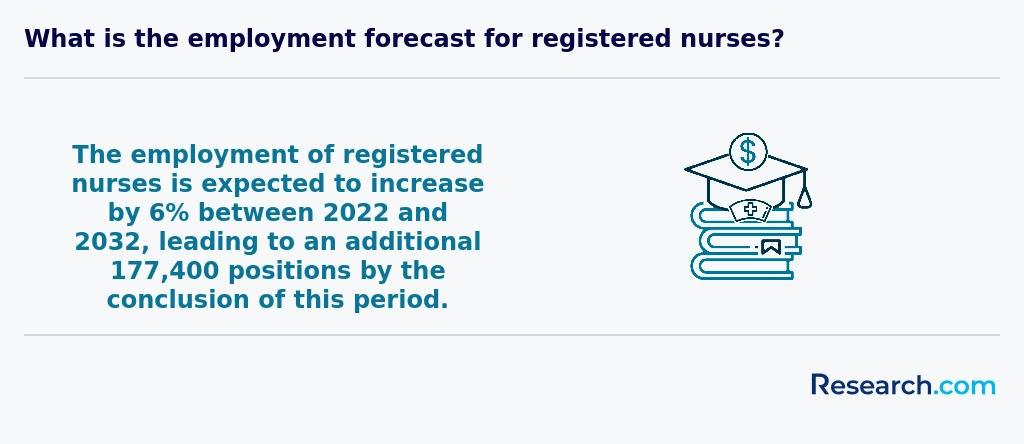
Globally, nursing is recognized as a vital healthcare profession with growing demand due to aging populations and complex medical needs. In the United States, including Boise, nursing careers offer diverse opportunities, from bedside care to research and leadership roles. According to the U.S. Bureau of Labor Statistics, employment of registered nurses is projected to grow 9% from 2022 to 2032, faster than average for all occupations.
Internationally, nurses often face varying licensing standards, but U.S. qualifications, especially degrees from accredited programs in Boise, are highly respected. Many graduates pursue advanced degrees to meet global healthcare challenges. Boise's nursing programs emphasize clinical experience and cultural competency, preparing students for both local and international careers.
Gaining practical experience while studying for a nursing degree in Boise is essential for building clinical skills and meeting licensure requirements. Many nursing programs in Boise include clinical rotations at local hospitals such as St. Luke's Boise Medical Center and Saint Alphonsus Regional Medical Center. These rotations allow students to work directly with patients under supervision.
Additionally, students can participate in simulation labs offered by schools, replicating real-world medical scenarios. Volunteer opportunities with local health organizations also provide valuable hands-on experience.
According to the Idaho Board of Nursing, completing clinical hours is mandatory for program completion and licensure, ensuring students graduate with practical exposure in healthcare settings.
Choosing the right concentration within a nursing degree program in Boise starts with understanding your career goals. Boise offers various specializations such as family nurse practitioner, psychiatric nursing, and pediatric nursing. Each concentration aligns with different healthcare needs and work environments.
Consider the job market in Boise, where registered nurses earn an average annual salary of around $75,000 according to the U.S. Bureau of Labor Statistics. Specializations in primary care and mental health are increasingly in demand due to regional healthcare priorities.
Research local healthcare facilities and their growth trends. Contact Boise State University's College of Health Sciences or the Idaho Board of Nursing for updated program details and licensure requirements. This helps ensure your chosen concentration meets both academic and regional workforce needs.
- 2027 Most Popular Nursing Degree Programs Ranking in Pullman
- 2027 Most Popular Nursing Degree Programs Ranking in Spokane
- 2027 Most Popular Nursing Degree Programs Ranking in Salt Lake City
- 2027 Most Popular Nursing Degree Programs Ranking in Provo
- 2027 Most Popular Nursing Degree Programs Ranking in Reno
- 2027 Most Popular Nursing Degree Programs Ranking in Portland
- 2027 Most Popular Nursing Degree Programs Ranking in Tacoma
- 2027 Most Popular Nursing Degree Programs Ranking in Seattle
- 2027 Most Popular Nursing Degree Programs Ranking in Fresno
- 2027 Most Popular Nursing Degree Programs Ranking in Oakland
See What Experts Have To Say About Studying Nursing
Read our interview with Nursing experts


- Client Challenge https://www.slideshare.net/slideshow/nursing-perspectivepdf/257210042
- Know more about thesis vs non- thesis: what is the difference? https://studyfans.com/en/blogs/816
- Pros And Cons Of Online Nursing In 2025 | Davis & Elkins https://www.dewv.edu/the-pros-and-cons-of-online-nusing-in-2025-is-it-right-for-you/
- THE FIELD OF NURSING - FIRST-DEGREE OF STUDIES https://wnoz.wum.edu.pl/pl/content/field-nursing-first-degree-studies
- How Do Nurses Navigate Career Advancement? | NursingEducation https://nursingeducation.org/insights/career-advancement/
- Nursing Degree You Need to Become an RN https://www.allnursingschools.com/registered-nursing/degrees/
- What Are the Best RN Certifications for Your Career? https://credenzahealth.com/career-advice/what-are-the-best-rn-certifications-for-your-career
- Medical University of GdaÅsk https://admission.mug.edu.pl/29318.html
- Boise, Idaho Campus | Carrington College https://carrington.edu/location/boise-idaho/
- Career Advancement Pathways for Nurses : Expert RN shares 10+ Professional growth opportunities - MuminMed https://blog.muminmed.com/career-advancement-pathways-for-nurses/


