
2027 Best Nursing Degree Programs Ranking in Humacao

Co-Founder and Chief Data Scientist
Choosing the right nursing degree program in Humacao can shape your future in healthcare. This article introduces the 2027 Best Nursing Degree Programs Ranking in Humacao, carefully created by the Research.com team of data scientists to help you make a well-informed decision.
Exploring these top programs gives you guidance on quality education paths that align with your goals. Pursuing a nursing degree opens doors to rewarding careers dedicated to helping others, offering stability and growth.
Discover opportunities that inspire confidence and success as you step into this meaningful profession.
Key benefits of getting nursing degree in Humacao
• Graduates with a nursing degree in Humacao can expect competitive salaries, such as $94,480 annually for Registered Nurses and Public Health Nurses, with Operating Room Nurses earning up to $128,490 per year, offering financial stability and rewarding career prospects.
• Career paths for nursing graduates from local institutions in Humacao include roles like Clinical Nurse Educator, Emergency Room Nurse, and Public Health Nurse, providing diverse opportunities to impact healthcare and serve the community.
• Earning a nursing degree online from a Humacao-based university allows flexible schedules and the ability to balance work and study, making it easier to achieve your goals without sacrificing quality or connection to your local healthcare network.
- 2027 Best Nursing Degree Programs Ranking in Humacao
- What can I expect from nursing degree in Humacao?
- Where can I work with nursing degree in Humacao?
What can I expect from nursing degree in Humacao?
The average cost of pursuing a nursing degree in Humacao tends to be lower compared to mainland U.S. programs, though it varies by institution. For example, graduates from Universidad Ana G. Méndez report tuition rates that are affordable due to localized tuition structures and available financial aid options. Many students highlight access to federal aid and local scholarships as key to managing expenses without excessive debt.
Tuition fees for ADN or BSN programs typically fall within a moderate range, making nursing education accessible for residents. Students often emphasize the value of combining classroom learning with clinical rotations in nearby hospitals, which are included in program costs and enrich practical skills without extra fees. This real-world experience in Humacao's healthcare facilities helps graduates feel confident and prepared, reinforcing positive feelings about the return on investment.
Financial transparency and support from universities contribute to an encouraging pathway for aspiring nurses. Graduates frequently note that this manageable cost, alongside strong program accreditation, leads to broad licensure eligibility and good employment prospects both locally and across the United States.
Where can I work with nursing degree in Humacao?
Graduates with nursing degrees from institutions in Humacao, such as the University of Puerto Rico at Humacao, regularly secure positions across diverse healthcare settings. Many find rewarding roles at Ryder Memorial Hospital, a major local employer providing opportunities in acute care, emergency services, and outpatient departments. These roles allow graduates to apply their clinical skills in fast-paced, impactful environments.
Community health centers also offer growing employment avenues for nursing graduates. Here, nurses engage in preventive care and chronic disease management for Humacao's aging population-an area experiencing increased demand according to Puerto Rico Department of Health data. Graduates express satisfaction working directly with patients to promote healthier lifestyles within their own communities.
Long-term care facilities in the region provide roles overseeing elderly and disabled patient care, with demand projected to rise by 15% by 2030 as indicated by the Puerto Rico Health Workforce Report. Graduates appreciate the meaningful daily interactions such jobs offer, managing medication, rehabilitation, and wellness programs.
Additionally, nurses with specialized certifications are thriving in home healthcare roles, serving rural and semi-rural Humacao residents. The practicality and personalized nature of home care appeal to many graduates pursuing this path.
Positions in public health, urgent care clinics, and mental health services further broaden opportunities, offering graduates a chance to impact community health outcomes while utilizing versatile nursing skills.
Graduates of nursing degree programs in Humacao typically enter roles such as registered nurses (RNs), clinical nurse educators, or public health nurses, with average annual salaries around $94,480 according to the latest U.S. Bureau of Labor Statistics data. This figure applies broadly to many nursing-related positions, reflecting solid earning potential despite Humacao's local salary adjustments.
Many graduates from popular institutions in Humacao find initial employment in hospital settings or community health centers, where real-life experiences shape their early careers and reinforce the value of their education. For example, a graduate starting as an RN in a nearby hospital may feel motivated seeing peers earn hourly wages near $45.42, aligning with the national mean, even if local wages can vary.
For those advancing into specialized areas, such as operating room nursing, the annual mean salary can reach approximately $128,490 with an hourly rate near $61.78. This higher pay often reflects additional training and certification, underscoring the benefits of pursuing advanced nursing roles post-graduation.
- Nursing degrees in Humacao include ADN and BSN programs, which prepare students for the RN licensure exam.
- Tuition for ADN programs ranges from $8,000 to $15,000, while BSN programs cost between $15,000 and $25,000, with additional fees of $2,000 to $3,000.
- Starting salaries for entry-level registered nurses range from $40,000 to $50,000 annually, increasing to $60,000-$75,000 with experience and certifications.
- Nursing programs include clinical training through partnerships with local hospitals essential for licensure and skills.
- Further education options such as Master's degrees and Nurse Practitioner certifications are available and can enhance career and salary prospects.
Completing an Associate Degree in Nursing (ADN) in Humacao generally takes about two to three years. Graduates from local community colleges often share how this period allowed them to efficiently develop essential clinical skills while balancing part-time jobs or family commitments, reflecting the program's practical design suited to real-life demands.
For those enrolling in a Bachelor of Science in Nursing (BSN) program at universities around Humacao, the standard timeline is approximately four years of full-time study. Many students appreciate the depth of leadership and research knowledge gained, which broadens career opportunities beyond bedside care. One graduate explained how the structured schedule helped maintain motivation despite the program's rigor.
Accelerated BSN options, available less commonly but still present, enable students with prior college credits to complete their degree in 12 to 18 months. These intensive courses, favored by career changers, require focused effort but offer a quicker path to licensure.
Licensed RNs advancing through RN-to-BSN programs benefit from flexible, often part-time formats that can be completed in 1 to 2 years, accommodating work-life balance in Humacao's nursing workforce.
Online nursing degrees in Humacao provide significant flexibility, allowing students to balance studies with work or family life by accessing lectures and assignments anytime. Graduates from local colleges remark on the convenience of managing coursework remotely while fulfilling essential in-person clinical hours at nearby healthcare facilities. This hybrid approach ensures they gain practical skills crucial for nursing careers.
Conversely, traditional on-campus programs at Humacao institutions offer a more structured environment with fixed schedules. Students appreciate direct interaction with faculty and peers, along with access to simulation labs and campus resources that enrich learning. Graduates often highlight the mentorship received and networking opportunities, which can be pivotal when seeking employment after graduation.
Cost differences are notable. According to national data, nursing tuition ranges between $7,000 and $22,000 annually. Online programs may lower expenses by eliminating commuting and housing costs, but local students still face fees linked to clinical placements and technology. Choosing between formats depends on personal circumstances and learning preferences within Humacao's accredited nursing education landscape.
The average cost of obtaining a nursing degree in Humacao typically reflects both in-state and out-of-state tuition figures. For local students, the median in-state total cost is around $6,560, making nursing education more accessible compared to many mainland options. Graduates from popular institutions such as the University of Puerto Rico at Humacao often share positive experiences about balancing quality education with reasonable tuition and fees. Their investment usually includes additional expenses like lab fees and clinical supplies, which can add up but remain affordable relative to private programs.
Students aiming to budget for nursing degree tuition and fees Humacao 2027 should consider the median total cost, which is approximately $17,490 for out-of-state or private institution attendees. This figure aligns with the broader spectrum of costs seen across the island and highlights the financial advantages of studying locally. Many nursing students appreciate the tangible benefits of lower tuition while gaining hands-on experience through clinical placements in nearby healthcare facilities, a practical component that enhances both skills and confidence.
Successful graduates often reflect on how the cost-effectiveness of their nursing degree allowed them to focus on career development without overwhelming debt. Furthermore, planning for post-degree expenses, such as certification exams, is crucial. For those interested in combining healthcare education with administrative skills, exploring a most affordable master's in healthcare administration could be a strategic next step toward broader career opportunities.

Students pursuing nursing degrees in Humacao benefit from a range of financial aid options tailored to reduce their education costs. Federal aid remains the cornerstone, with Pell Grants offering up to $7,395 in the 2023-2024 year for eligible nursing students. Many who attended the University of Turabo recall how this grant significantly eased their tuition burden. Additionally, Direct Subsidized Loans provide critical support by covering interest while students remain in school, making repayment more manageable upon graduation.
Beyond federal aid, local scholarships and hospital programs play a vital role. Some nursing graduates share that receiving scholarships from Puerto Rico's Department of Education or local healthcare facilities not only lowered tuition but also funded supplies and living expenses. Institutional scholarships at universities like the University of Turabo often consider both academic merit and financial need, offering personalized support to deserving students.
- Work-study opportunities enable students to earn while gaining experience in clinical or campus settings.
- Specialized grants assist minority students or those committing to underserved healthcare areas.
To enroll in a nursing degree program in Humacao, students must meet several clear prerequisites that ensure readiness for demanding coursework and clinical practice. Local institutions, such as those favored by many nursing graduates, require a high school diploma or GED as a baseline. A minimum GPA around 2.5 is often expected, reflecting the academic seriousness necessary to succeed.
Applicants must complete prerequisite courses in biology, chemistry, anatomy, and physiology, typically earning a grade of "C" or higher. For example, many students at Humacao's nursing colleges recall the challenge and reward of mastering these science foundations before entering the program.
Standardized tests like the TEAS are frequently part of admissions, helping faculty gauge skills in reading, math, and science. Graduates emphasize how these exams prepared them for real clinical situations.
Additional requirements include letters of recommendation and a personal essay, which allow applicants to express their passion and commitment-an aspect many graduates found crucial to their acceptance.
Finally, health clearances, vaccinations, background checks, and sometimes CPR certification are mandatory to ensure safe participation in clinical rotations at local healthcare facilities.
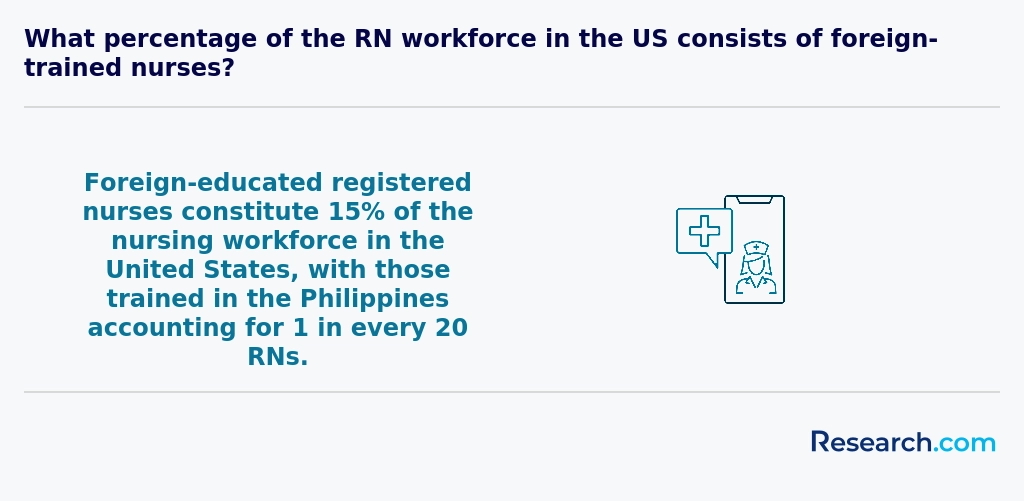
Nursing degree programs in Humacao, offered by well-known institutions, combine foundational sciences with essential nursing practice courses to prepare students thoroughly. Graduates often reflect on how courses like human anatomy and physiology helped them visualize body systems, making concepts more tangible during clinical rotations in hospitals and clinics. Microbiology and chemistry are also core, grounding students in understanding pathogens and medication interactions.
Specific nursing classes include Introduction to Nursing Practice, Health Assessment, Pharmacology, and Pathophysiology. For example, in Health Assessment, students learn to perform physical exams and patient interviews, skills they use confidently while caring for diverse populations, from pediatric to elderly patients. Pharmacology classes provide critical knowledge about safe medication administration, which graduates frequently mention as a turning point in their clinical confidence.
- Introduction to Nursing Practice
- Health Assessment
- Pharmacology
- Pathophysiology
- Medical-Surgical Nursing
- Pediatric Nursing
- Maternal and Newborn Nursing
- Mental Health Nursing
At popular colleges in Humacao, this course combination, paired with supervised clinical experiences, equips students to meet the demanding healthcare environment and succeed in the NCLEX-RN exam, essential for their future roles as registered nurses.

Nursing students in Humacao typically encounter a range of specializations designed to meet both local and national healthcare needs. Popular nursing degree concentration options Humacao include Medical-Surgical Nursing, where graduates often share how managing adult patients with complex conditions fosters practical skills essential in busy hospital settings. Pediatric Nursing is another key specialization, with students appreciating the focus on caring for children and adolescents, which resonates deeply in community hospitals around Humacao. Geriatric Nursing reflects the island's demographic trends, preparing nurses to support an aging population effectively.
Other common tracks include Emergency Nursing, praised by graduates for preparing them to handle critical, fast-paced situations, and Psychiatric and Mental Health Nursing, vital due to rising awareness of mental health. Community Health Nursing is especially important in Humacao's rural areas, emphasizing prevention and education. Many nursing programs in the area also allow pathways toward advanced roles like nurse practitioners through BSN programs.
Students interested in expanding their healthcare education can explore related fields through accredited online nutrition schools as part of a holistic approach to patient care.
Choosing the best nursing degree in Humacao requires careful evaluation of program types, accreditation, and outcomes. Students often select between an Associate Degree in Nursing (ADN) or a Bachelor of Science in Nursing (BSN), with the latter favored by local employers for its demonstrated link to better patient care. Graduates from popular Humacao colleges report satisfaction with programs accredited by the Commission on Collegiate Nursing Education (CCNE), ensuring eligibility to take the NCLEX-RN exam, a critical step toward licensure in Puerto Rico.
Affordability is another significant factor when searching for affordable nursing schools near Humacao. Tuition typically ranges between $3,000 and $7,000 annually, which is notably less than mainland programs. Financial aid options frequently ease this burden. Flexibility also matters; many students appreciate part-time or hybrid formats that allow balancing studies with work or family, plus local clinical placements that provide essential hands-on nursing experience.
Graduates emphasize program outcomes like NCLEX pass rates above 85% and strong employment statistics as indicators of quality. Comparing these metrics helps secure a nursing education that leads to meaningful career prospects. For students considering alternatives, exploring online nursing programs in Nebraska can offer insight into flexible learning models that complement traditional offerings in Humacao.
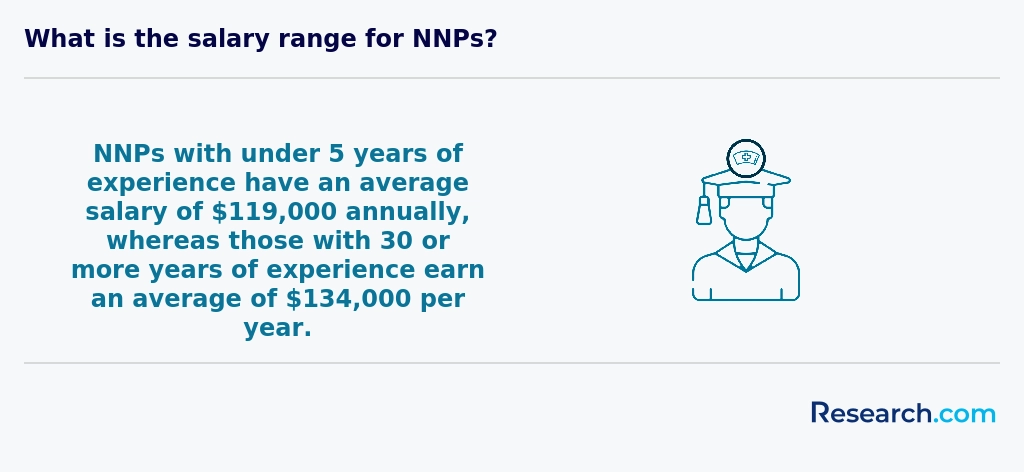
Graduates holding a nursing degree in Humacao have diverse nursing career opportunities in Humacao, supported by local healthcare facilities such as Ryder Memorial Hospital and Humacao Health Center. Entry-level roles include Licensed Practical Nurses (LPNs) and Registered Nurses (RNs), with national median salaries around $77,600 as of 2022. These positions range from bedside patient care to emergency response, aligning well with hands-on experiences gained during studies at prominent institutions like the University of Puerto Rico at Humacao.
For those with a bachelor's degree, job prospects for nursing graduates Humacao expand into specialized fields such as Clinical Nurse Specialists and Nurse Educators, who contribute directly to improving patient outcomes and educating future nurses. Nurse Practitioners in the region also have expanded responsibilities, crucial for underserved communities in Puerto Rico.
Graduates often highlight how local programs emphasize not only clinical skills but also project management skills, preparing them for advanced roles. These career paths reflect a spectrum of possibilities tailored to students seeking both practical and leadership positions within Humacao's growing healthcare environment.

The nursing job opportunities in Humacao reflect a growing demand fueled by ongoing staffing shortages and an aging population. Graduates from popular local institutions often find employment in hospitals, clinics, and long-term care centers that urgently need skilled nurses, especially in geriatric and bilingual care. Many nursing degree holders appreciate that despite lower average salaries-approximately $45,000 annually compared to mainland U.S.-the cost of living and tuition in Humacao provide a practical balance for starting their careers.
Humacao nursing degree employment outlook benefits from government initiatives targeting healthcare improvement and increased access, which create fresh roles in both community health settings and elder care facilities. Graduates frequently share experiences of gaining stable positions quickly, allowing them to build on their skills through specialized certifications or advanced degrees. Those considering nursing programs in Humacao might also explore options like the best online nursing programs in Colorado for flexible pathways.
2027 Best Nursing Degree Programs Ranking in Humacao
Investing in your education is a significant decision that can profoundly impact your future, and the Research.com team recognizes the importance of making well-informed choices. To support prospective students in Humacao, we have carefully developed the "2027 Best Nursing Degree Programs Ranking in Humacao." Our dedication to quality, credibility, and accuracy is demonstrated through rigorous research and detailed analysis behind this ranking.
We utilized the following reputable data sources to ensure a comprehensive evaluation of nursing programs:
By reviewing this ranking, readers will gain valuable insights into the top nursing degree programs available in Humacao, empowering them to make confident and informed educational decisions. For more information on how this ranking was created, please visit our Research.com methodology page.

# 2 position
CEM College-Humacao
Bachelor of Science in Nursing
# 3 position
Humacao Community College
Bachelor of Science in Nursing
Frequently Asked Questions About nursing
To maximize their learning experience, nursing degree students in Humacao should actively engage in both classroom and clinical settings. Practical experience is crucial; students benefit greatly from internships at local hospitals such as Ryder Memorial Hospital, which offer hands-on patient care opportunities. According to the Puerto Rico Board of Nursing, integrating clinical hours with academic study enhances skills retention and professional confidence.
Additionally, students should utilize available academic resources, including tutoring and study groups, to strengthen their understanding of core nursing subjects. Staying current with US healthcare standards and pursuing certifications like CPR or ACLS can further improve employability.
Networking with local healthcare professionals and participating in community health initiatives in Humacao also provide valuable real-world insights and build professional relationships.
The nursing field is evolving with new specialized areas that offer exciting career paths. In Humacao, as across the US, emerging niches include telehealth nursing, where nurses provide care remotely using technology. This area is growing due to expanded digital health access. Another promising niche is gerontological nursing, focusing on the care of the aging population, which is particularly relevant given Puerto Rico's rising elderly demographic.
Additionally, informatics nursing is gaining prominence as nurses use data and technology to improve patient outcomes. Advanced practice registered nurses (APRNs) in psychiatric and mental health are also in high demand, reflecting increased awareness of mental health needs. According to the US Bureau of Labor Statistics, these specialties are projected to grow faster than average through 2031, supporting a strong job market for graduates in Humacao.
Preparing for the job market after completing a nursing degree in Humacao involves several critical steps. Graduates should prioritize obtaining licensure by successfully passing the NCLEX-RN exam, which is required to practice as a registered nurse in Puerto Rico and the US.
Hands-on experience, through internships or clinical rotations during the degree, significantly boosts employability. Networking with local healthcare providers is also beneficial, as Humacao has numerous hospitals and clinics seeking qualified nurses.
Continuing education and certification in specialties like gerontology or critical care can enhance job opportunities. According to the Puerto Rico Department of Labor, nursing employment in Humacao is projected to grow steadily, reflecting rising healthcare demands.
Employers in Humacao highly value both technical and interpersonal skills in nursing degree graduates. Clinical competence, including proficiency in patient care, medication administration, and electronic health record management, is fundamental. According to the Puerto Rico Department of Health, strong critical thinking and decision-making abilities are essential due to the complex healthcare environment on the island.
Communication skills are also crucial; nurses must effectively interact with patients, families, and healthcare teams. Additionally, cultural sensitivity is important in Humacao's diverse communities to provide respectful and personalized care. Time management and adaptability are frequently highlighted skills that help nurses handle demanding workloads and emergency situations efficiently.
Finding nursing internships in Humacao involves connecting with local healthcare facilities and educational institutions. Prospective nursing students should begin by contacting hospitals such as Ryder Memorial Hospital, which often offer clinical rotation opportunities as part of accredited nursing programs.
Many nursing schools collaborate with local clinics and long-term care centers to provide internships. It is advisable to check with programs accredited by the Commission on Collegiate Nursing Education (CCNE), as they typically facilitate internships relevant to degree requirements.
The Puerto Rico Department of Education and Health also lists approved internship sites and guidelines for nursing students seeking practical experience within Humacao and surrounding areas.
Obtaining a nursing degree in Humacao significantly enhances career mobility within Puerto Rico's healthcare sector. Registered nurses (RNs) with an Associate's or Bachelor's degree often find more job opportunities across hospitals, clinics, and long-term care facilities in the region.
According to the Puerto Rico Department of Labor, areas around Humacao have seen a steady growth in healthcare jobs, with nursing occupations expected to increase by approximately 7% through 2028. This growth creates avenues for advancement into specialized roles or leadership positions.
Moreover, higher nursing degrees facilitate eligibility for certifications and advanced practice roles such as Nurse Practitioner, which typically come with increased salaries and responsibilities.
Studying for a nursing degree in Humacao equips students with essential interdisciplinary skills valued across the US healthcare system. Programs emphasize collaboration with professionals in medicine, social work, pharmacy, and public health, reflecting the integrated approach required in modern patient care. Local institutions often include clinical rotations in diverse healthcare settings, such as community clinics and hospitals, providing real-world teamwork experience.
According to the Puerto Rico Board of Nursing, graduates from Humacao's nursing programs show above-average readiness in communication and coordination skills, critical for interdisciplinary roles. This practical exposure prepares students to navigate the complexities of patient care involving multiple specialties effectively.
When choosing between thesis and non-thesis nursing degree programs in Humacao, students should consider their career goals and learning preferences. Thesis programs focus on research, requiring a formal written thesis, ideal for those interested in clinical research or pursuing doctoral studies. Non-thesis options emphasize practical skills and clinical experience, better suited for nurses aiming to advance in clinical practice or administration.
According to the Puerto Rico Board of Nursing, many local nursing roles prioritize hands-on skills, making non-thesis programs popular in Humacao. However, universities like Universidad de Turabo offer thesis tracks for students targeting academic or research careers.
Cost and time commitment also differ; thesis programs may take longer due to research requirements. Evaluating these factors helps students align their education with personal and professional objectives.
Students based in Humacao interested in studying nursing abroad have several pathways within the U.S. higher education system. Many opt for mainland institutions offering accredited Bachelor of Science in Nursing (BSN) programs, which often provide flexible options such as online courses combined with clinical placements near Humacao. This hybrid approach suits those balancing local commitments with broader educational goals.
Additionally, Puerto Rican students benefit from agreements between local universities and U.S. mainland schools, facilitating credit transfers and admission for nursing programs. According to the Puerto Rico State Board of Nursing, over 60% of nursing students in Humacao pursue further studies outside the island to access diverse clinical experiences and specialized training.
Institutions in states like Florida and New York are popular choices due to their sizable Puerto Rican communities and culturally responsive nursing curricula, which improve student integration and success rates. Exploring scholarship programs and federal aid designed for Puerto Rican students can also ease financial barriers when studying in the continental U.S.
Students pursuing nursing degrees in Humacao have various part-time job opportunities that enhance their education and practical experience. Many local healthcare facilities, including Humacao Medical Center, offer positions as nursing assistants or patient care aides. These roles provide hands-on patient interaction and clinical exposure crucial for nursing students.
Additionally, pharmacies in Humacao look for part-time technicians or clerks, helping students understand medication management and pharmaceutical care. According to the Bureau of Labor Statistics, such experiences improve job prospects post-graduation.
Community health organizations in Humacao often employ part-time health educators or support staff, allowing nursing students to develop communication and public health skills relevant to their future careers.
Nursing students in Humacao benefit from multiple networking opportunities due to the region's strong ties to the healthcare community. Local institutions such as the University of Puerto Rico at Humacao regularly host events, workshops, and guest lectures featuring nursing professionals. These occasions allow students to interact directly with experienced practitioners and potential employers.
Additionally, clinical placements in Humacao's hospitals and healthcare centers create valuable hands-on experiences while fostering professional connections. Organizations like the Puerto Rico Nurses Association also offer regional chapters that encourage student participation through conferences and seminars.
Networking in Humacao is further supported by collaborations between academic programs and local medical facilities, which increase job placement possibilities and mentorship options for future nurses.
Alumni networks provide significant benefits to nursing degree students in Humacao by offering vital professional connections upon graduation. These networks help students access local job opportunities in healthcare facilities, which are crucial given the competitive nursing job market in Puerto Rico.
According to the Puerto Rico Nursing Board, strong community ties enhance employment rates for new nurses. Alumni connections often facilitate mentorship, allowing current students to receive guidance from experienced graduates familiar with Humacao's healthcare system.
Moreover, these networks support continuing education by sharing information about local workshops and certifications relevant for nursing professionals in the region.
Customizing a nursing degree program in Humacao allows students to align their education with specific career goals. Many local institutions offer flexible options such as elective courses, clinical rotations, and specialized certifications. For example, students can focus on geriatrics, pediatric nursing, or community health, according to their interests and the demands of Puerto Rico's healthcare sector.
Programs often include opportunities for part-time study or accelerated tracks, helping students manage work and education simultaneously. According to the Puerto Rico Board of Nursing, hands-on clinical practice in local hospitals helps tailor experience to targeted specialties. Exploring internships in Humacao's medical centers can further refine practical skills relevant to one's career path.
Nursing students in Humacao face several common challenges during their studies. Many struggle with balancing rigorous coursework and clinical practice hours, which often demand more than 40 hours weekly, leading to stress and fatigue. According to regional education reports, limited access to local clinical sites can restrict hands-on experience, affecting skill development. Financial concerns also play a role, as tuition and living costs in Puerto Rico have increased, and financial aid options may be limited. Additionally, language barriers can affect communication in clinical settings, impacting learning outcomes. These factors combined make nursing education in Humacao a demanding but rewarding pursuit.
With a nursing degree, graduates in Humacao can pursue several professional certifications to advance their careers. Common certifications include the Registered Nurse (RN) license, which is essential for clinical practice and requires passing the NCLEX-RN exam. After obtaining an RN license, nurses may seek specialty certifications such as the Certified Nurse Assistant (CNA), Licensed Practical Nurse (LPN), or advanced credentials like the Certified Nurse Practitioner (CNP).
Additional certifications focus on specialties like pediatrics, geriatrics, or critical care, offered by organizations such as the American Nurses Credentialing Center (ANCC). These credentials improve job prospects and demonstrate expertise in specific areas.
Applying to a nursing program in Humacao requires careful preparation and attention to detail. Start by reviewing the specific requirements of programs offered by local institutions such as the University of Puerto Rico at Humacao. Most programs expect a minimum GPA of 2.75, completion of prerequisite courses like anatomy and chemistry, and a demonstrated commitment to healthcare.
Strong personal statements are essential; focus on your motivation for nursing and experiences that highlight your compassion and work ethic. Including volunteer or healthcare-related experience can improve your chances significantly.
Many programs also require letters of recommendation from academic or professional sources familiar with your qualifications. Finally, ensure all application materials are submitted before deadlines, typically several months before classes begin, to avoid delays.
The nursing profession holds a vital role in healthcare systems worldwide, including in the United States. Globally, nurses are recognized as essential providers of patient care, health education, and support, especially during health crises. In the US, nursing careers are projected to grow 9% from 2020 to 2030, faster than the average for all occupations, according to the Bureau of Labor Statistics.
For students in Humacao, Puerto Rico, pursuing a nursing degree connects them to this global demand. The US nursing workforce increasingly values culturally competent care, addressing diverse populations both locally and abroad. Graduates with degrees from accredited institutions in Humacao can work across various settings, benefiting from the region's unique health needs and contributing to broader healthcare improvements.
International collaboration and standards, such as those from the World Health Organization, support consistent nursing education and practice worldwide. This alignment ensures nurses trained in Humacao stay current with best practices, allowing mobility and opportunities in the US and beyond.
To gain practical experience while studying for a nursing degree in Humacao, students often participate in clinical rotations arranged by their nursing programs. These rotations typically occur in local hospitals, clinics, and long-term care facilities, allowing students to apply classroom knowledge in real-world healthcare settings.
Many nursing schools in Humacao collaborate with nearby medical centers, such as Ryder Memorial Hospital, providing supervised hands-on training. The Puerto Rico Board of Nursing requires students to complete a set number of clinical hours, generally around 500 to 700 hours, depending on the specific nursing program.
This experiential learning is essential for developing patient care skills and meeting licensure requirements in Puerto Rico and the broader US.
Choosing the right concentration within a nursing degree program in Humacao requires careful consideration of your career goals and local healthcare needs. Nursing concentrations typically include areas like pediatric nursing, geriatric care, or emergency nursing. Understand which specialties are most in demand in the Humacao region by reviewing employment trends reported by the Puerto Rico Department of Labor and Human Resources. For example, registered nurses in Humacao saw steady job growth of about 3% annually from 2019 to 2023. Additionally, consider your interests and strengths, as well as licensing requirements specific to each specialty, to ensure alignment with your professional goals.
See What Experts Have To Say About Studying Nursing
Read our interview with Nursing experts

Lisa Grubb
Nursing Expert
Assistant Professor
Johns Hopkins School of Nursing

- 7 Nursing School Tips for Studying https://www.denvercollegeofnursing.edu/blog/nursing/7-Nursing-School-Tips-for-Studying.html
- Nursing Loan Repayment, Scholarship, and Grant Programs https://bhw.hrsa.gov/nursing-programs
- Sign Up for the Journal of Nursing. https://www.asrn.org/journal-advanced-practice-nursing/3399-10-business-ideas-for-nurses-in-2026.html
- How to Choose a Nursing Program | All Nursing Schools https://www.allnursingschools.com/how-to-get-into-nursing-school/choose-the-right-school/
- Types of Nursing Careers & Specialties https://nursinglicensemap.com/nursing-specialties/
- From our readers…Strengthening nursing networks https://www.myamericannurse.com/from-our-readersstrengthening-nursing-networks/
- Top Skills Employers Want in Practical Nursing Graduates https://vervecollege.edu/what-employers-look-for-in-practical-nursing-graduates/
- School of Nursing Alumni Resources https://nursing.utmb.edu/About/Alumni
- Guide to Making a Career Change to Nursing https://teach.com/online-ed/healthcare-degrees/online-msn-programs/career-change-to-nursing/
- The Nurses' Alumni Association https://giving.mainlinehealth.org/get-involved/auxiliaries-and-womens-boards/lankenau-medical-center-womens-board/the-nurses-alumni-association


