
2027 Most Valuable Healthcare Degree Programs Ranking in South Dakota

Co-Founder and Chief Data Scientist
Choosing the right healthcare degree program can be a pivotal step toward a rewarding career. This article introduces the 2027 Most Valuable Healthcare Degree Programs Ranking in South Dakota, crafted by the Research.com team of data scientists to guide students like you.
By exploring this ranking, you'll gain valuable insights into the most promising programs that balance quality education and career potential. Whether you're just starting or considering a change, understanding your options can empower you to make confident decisions for a bright future in healthcare.
Key benefits of getting healthcare degree in South Dakota
- Healthcare degree graduates in South Dakota can earn competitive salaries, with Medical Assistants making around $43,350 annually and Patient Care Technicians earning about $60,790 per year, offering strong financial stability.
- Graduates from universities like South Dakota State University enjoy diverse career options, including roles as Health Information Technicians or Clinical Research Coordinators, allowing for rewarding and varied work environments.
- Obtaining a healthcare degree online through institutions such as the University of South Dakota offers flexible learning schedules and the ability to balance work and study, making education more accessible and convenient.
- Key benefits of getting healthcare degree in South Dakota
- What can I expect from healthcare degree in South Dakota?
- Where can I work with healthcare degree in South Dakota?
- How much can I make with healthcare degree in South Dakota?
- 2027 Most Valuable Healthcare Degree Programs Ranking in South Dakota
- Key Findings
- How long does it take to complete healthcare degree in South Dakota?
- Student Life and Campus Experience
- What's the difference between online and on-campus healthcare degree?
- Emerging Trends in Healthcare Education
- What is the average cost of healthcare degree in South Dakota?
- Return on Investment (ROI) of a Healthcare Degree in South Dakota
- What financial aid is available to healthcare degree students in South Dakota?
- Accreditation and Licensure Requirements
- What are the prerequisites for enrolling in healthcare degree program in South Dakota?
- Emerging Trends and Future Opportunities in Healthcare Education
- What courses are typically in healthcare degree programs in South Dakota?
- What types of specializations are available in healthcare degree programs in South Dakota?
- How do you choose the best healthcare degree in South Dakota?
- What career paths are available for healthcare degree students in South Dakota?
- What is the job market for healthcare degree in South Dakota?
- Related Healthcare Rankings for Nearby States
- Top Trending Healthcare Rankings
- See What Experts Have To Say About Studying Healthcare
What can I expect from healthcare degree in South Dakota?
The average cost of a healthcare degree in South Dakota varies by institution but generally reflects the state's commitment to affordable, quality education. For example, students enrolled in nursing or allied health programs at South Dakota State University or the University of South Dakota typically encounter tuition rates ranging from $8,000 to $12,000 per year for in-state students. Graduates from these programs often recall balancing rigorous coursework with valuable clinical experiences in local hospitals, reinforcing both their skills and confidence in real-world healthcare settings.
Many students appreciate the affordability combined with the strong reputation of South Dakota's healthcare programs, allowing them to pursue their careers without overwhelming debt. This practical investment is especially important given the projected growth in healthcare jobs within the state and the rewarding salaries that usually follow graduation. With financial aid and scholarships also commonly available, aspiring healthcare professionals find meaningful support throughout their educational journey in South Dakota's institutions.
Where can I work with healthcare degree in South Dakota?
Graduates holding healthcare degrees from South Dakota institutions such as the University of South Dakota and South Dakota State University often secure employment in prominent local healthcare providers, including Avera Health and Sanford Health. Many find rewarding positions as nurses, medical technologists, or healthcare administrators within hospitals, clinics, and specialized medical centers. These roles offer hands-on experience and community impact, which alumni frequently describe as fulfilling and motivating.
In addition, rural healthcare settings across South Dakota present distinctive opportunities, where graduates contribute to underserved populations through clinics and community health centers. Students often express satisfaction working in these environments, appreciating the close patient relationships and meaningful career growth. Telehealth initiatives expanding in these areas further increase demand for versatile healthcare professionals.
Beyond clinical practice, healthcare graduates also thrive in public health agencies or research roles at local universities, engaging in health education, policy development, and medical research. Collaborative projects with health departments provide enriching experiences that graduates value highly when starting their careers in South Dakota.
How much can I make with healthcare degree in South Dakota?
Graduates holding healthcare degrees in South Dakota can anticipate competitive earnings aligned with the state's labor market. For example, medical assistants typically earn around $43,350 annually, offering a solid entry point for recent graduates from institutions such as the University of South Dakota or South Dakota State University. This salary allows new professionals to begin building their careers with confidence.
Patient care technicians, another common role for healthcare degree holders, command a higher mean annual wage of approximately $60,790. Graduates often share positive experiences about quickly finding meaningful employment in Sioux Falls and Rapid City healthcare facilities, where demand for skilled support staff remains strong.
Those specializing in health information technology can expect similar earnings near $43,380 per year. These roles appeal to graduates who enjoy combining healthcare knowledge with data management, often citing the ability to impact patient outcomes through accurate record-keeping. Clinical research coordinators also earn about $43,350 annually, reflecting growing opportunities in medical research programs within South Dakota's universities.
More advanced positions such as quality improvement coordinators report significantly higher salaries, averaging $103,150, underscoring the value of continued education and specialization. Graduates pursuing these roles frequently mention the rewarding challenge of enhancing healthcare quality at local hospitals, providing a sense of professional fulfillment alongside financial stability.
Ultimately, South Dakota's healthcare degrees open doors to varied careers with strong earning potential, supported by real pathways seen at state universities and regional medical centers. For students envisioning a meaningful career close to home, these salary figures highlight the tangible benefits of investing in healthcare education within the state.
2027 Most Valuable Healthcare Degree Programs Ranking in South Dakota
How do we rank schools?
Investing in your education is a significant decision that can shape your future, and the Research.com team understands the importance of making informed choices. To assist prospective students in South Dakota, we have carefully developed the "2027 Most Valuable Healthcare Degree Programs Ranking in South Dakota." Our dedication to quality, credibility, and accuracy is demonstrated through rigorous research and thorough analysis behind this ranking.
We utilized the following reputable data sources to ensure a comprehensive evaluation of healthcare degree programs:
By exploring this ranking, readers will gain valuable insights into the most valuable healthcare degree programs in South Dakota, empowering them to make well-informed decisions about their education and career paths. For more details on our methodology, please visit our Research.com methodology page.



# 9 position
National American University-Rapid City
Bachelor of Science in Healthcare

# 10 position
California Intercontinental University
Master of Science in Health Sciences

Key Findings
- In-state tuition for public universities in South Dakota ranges from $8,000 to $10,000 per year, with total yearly costs including fees and supplies around $12,000 to $15,000.
- Healthcare employment in South Dakota is expected to grow by about 16% over the next decade, driven by demand in nursing, medical technology, physical therapy, and administration.
- Entry-level registered nurses earn an average of $58,000 annually, while healthcare professionals overall make between $62,000 and $65,000, with some specialists earning over $80,000.
- South Dakota offers accredited Associate, Bachelor's, and advanced healthcare degrees that include clinical experience required for licensure and employment.
- Licensure requirements vary by profession but generally require graduation from an accredited program and passing state or national exams.
How long does it take to complete healthcare degree in South Dakota?
Completing a healthcare degree in South Dakota generally aligns with established U.S. timelines, yet offers flexibility tailored to students' individual circumstances. Graduates from community colleges pursuing an Associate of Science in Nursing (ASN) often complete their studies in about two years, gaining practical skills to enter the workforce promptly.
At universities like the University of South Dakota and South Dakota State University, typical bachelor's degree programs, such as the Bachelor of Science in Nursing (BSN) or healthcare administration, span approximately four years. Many students appreciate the availability of accelerated BSN tracks, allowing those with prior degrees to shorten their path and advance faster in their careers.
Graduate programs, including the Master of Science in Nursing (MSN), usually require an additional two years post-bachelor's, offering working professionals the chance to study part-time or online. Doctoral degrees, such as the Doctor of Nursing Practice (DNP), take three to four years beyond the master's level, preparing graduates for leadership and advanced practice roles within South Dakota's healthcare system.
- Associate degrees: approximately 2 years
- Bachelor's degrees: approximately 4 years
- Master's degrees: about 2 years post-bachelor's
- Doctoral degrees: 3 to 4 years post-master's
Student Life and Campus Experience
South Dakota’s healthcare programs extend beyond classroom learning, offering a vibrant campus life that enriches the overall educational journey. Prospective students can immerse themselves in student organizations, mentorship programs, and community service projects that foster both personal growth and professional networking. Campus events and interactive workshops provide opportunities to build lasting relationships with peers and faculty members, ensuring a supportive environment that prepares students for real-world challenges. Moreover, many institutions highlight initiatives like career fairs and internships that seamlessly connect academic learning with practical experience-including opportunities with the most affordable healthcare programs in south dakota. These extracurricular activities, combined with well-equipped facilities and modern learning centers, contribute to a dynamic campus culture where students not only excel academically, but also develop the soft skills needed in a rapidly evolving healthcare landscape.
What's the difference between online and on-campus healthcare degree?
Online healthcare degree programs in South Dakota offer remarkable flexibility, allowing students to balance coursework with careers or family responsibilities. For example, a graduate from the University of South Dakota appreciated accessing lectures remotely while completing clinical placements at a local hospital near their home. This hybrid approach supports practical experience while eliminating daily commutes to campus.
In contrast, on-campus programs at institutions like South Dakota State University immerse students in a vibrant academic environment with direct access to labs and simulation centers. Graduates often highlight how face-to-face interactions with faculty and peers fostered deeper understanding and confidence in clinical skills. Participating in campus events and networking opportunities also enriched their educational journey.
Tuition costs typically differ, with on-campus study averaging about $9,000 annually for in-state students. Some online programs are more affordable by reducing housing and commuting expenses, but many maintain similar tuition rates. Both pathways require accredited clinical training, ensuring graduates meet employer expectations statewide.
Emerging Trends in Healthcare Education
In today’s rapidly evolving healthcare landscape, educational programs in South Dakota are incorporating innovative teaching methods that prepare students for the challenges of tomorrow. With advancements in telemedicine, digital simulation, and interprofessional collaboration, many institutions are rethinking traditional curricula to integrate technology and real-world applications. These emerging trends not only enhance learning outcomes but also increase opportunities for hands-on experience, such as virtual clinical simulations and remote patient monitoring projects. Moreover, trends like competency-based education and adaptive learning are reshaping how foundational skills are assessed, allowing students to progress at their own pace while mastering critical healthcare competencies. For prospective students seeking quality yet affordable options, exploring the most affordable healthcare programs in south dakota can offer valuable insights into innovative approaches and cost-effective educational pathways. By embracing these forward-thinking strategies, South Dakota healthcare programs are not only keeping up with global trends but are also setting the stage for a more efficient, patient-centered, and technologically advanced future in healthcare.
What is the average cost of healthcare degree in South Dakota?
The average cost of a healthcare degree in South Dakota generally aligns with a median in-state total tuition of approximately $9,654 per year. Students pursuing healthcare education at institutions like South Dakota State University often find that the total tuition and fees for healthcare degrees SD fall near this amount, making it a financially viable option within the region. Healthcare graduates frequently share that balancing the tuition with living expenses remains manageable, especially when compared to other states.
Many students appreciate the value offered by public universities and community colleges in South Dakota. For example, associate degrees in nursing or similar fields typically involve around two years of study, resulting in tuition costs roughly between $19,000 and $25,000 for in-state students. Bachelor's level programs, commonly lasting four years, usually accumulate to a total tuition fee near $38,000 to $42,000. These numbers reflect the median total cost and often exclude other necessary expenditures like books and clinical supplies.
Graduate healthcare programs in South Dakota may cost more, with students reporting tuition expenses ranging from approximately $26,000 up to $60,000 for specialized fields such as advanced nursing or physician assistant degrees. Despite the variation, many find the investment worthwhile as these degrees open doors to rewarding healthcare careers. Prospective students are encouraged to explore options for scholarships and state grants, which can significantly offset these costs.
For those seeking financial efficiency without compromising quality, South Dakota's offerings are recognized as more affordable than many national options, which contributes positively to students' overall satisfaction. To learn more about the most affordable healthcare programs in South Dakota, consider visiting most affordable healthcare programs in south dakota.
Return on Investment (ROI) of a Healthcare Degree in South Dakota
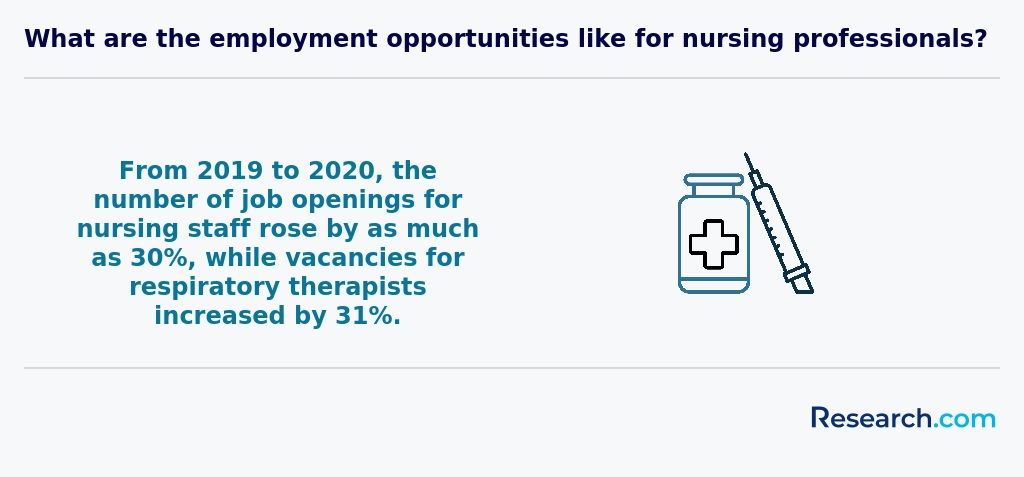
Investing in a healthcare degree in South Dakota yields a compelling ROI when you compare tuition costs against average starting salaries. With in-state bachelor’s programs averaging $8,000–$10,000 per year and graduates like Patient Care Technicians earning $55,860 annually, most students recoup their tuition investment within two to three years of full-time employment. Even when accounting for living expenses, clinical fees, and certification costs, the strong demand for healthcare professionals in South Dakota-driven by an aging population-ensures a rapid payback period that outpaces many other fields. For students seeking further cost savings without sacrificing quality, exploring regional affordability can be beneficial. For example, Kansas offers competitive online master’s options that minimize relocation and housing expenses; check out our Inexpensive Online Master's in Healthcare Degree Programs Ranking in Kansas to compare costs and ROI. By strategically selecting accredited programs with robust clinical partnerships and strong career services, prospective healthcare students can maximize long-term earning potential while minimizing debt burdens.
What financial aid is available to healthcare degree students in South Dakota?
Students pursuing healthcare degrees in South Dakota benefit from a variety of financial aid options tailored to their needs and career goals. Federal aid, including Pell Grants and Federal Work-Study programs, forms the cornerstone of support, offering grants that do not require repayment and work opportunities that help cover expenses. For instance, a recent graduate from the University of South Dakota's nursing program recalled how Pell Grants significantly eased tuition costs, allowing them to focus more on clinical practice than financial stress.
State-specific programs, such as the South Dakota Opportunity Scholarship and the Health Care Scholarship Program, further assist students by rewarding academic excellence and incentivizing work in underserved rural areas through forgivable loans. This combination of aid sources creates a viable funding pathway for students at institutions like South Dakota State University, where many have accessed institutional scholarships as well.
Additionally, employer tuition reimbursement and workforce development initiatives bolster financial support, demonstrating local healthcare providers' commitment to cultivating skilled professionals. This network of aid options helps students manage education costs while preparing for rewarding healthcare careers within the state.
Accreditation and Licensure Requirements
Selecting an accredited healthcare degree program ensures you meet educational standards set by recognized bodies such as the Commission on Accreditation of Allied Health Education Programs (CAAHEP) or the Higher Learning Commission (HLC). Accreditation affects your eligibility for federal financial aid, transfer credits, and acceptance by employers and licensing boards. In South Dakota, programs approved by the South Dakota Board of Nursing or the Board of Medical and Osteopathic Examiners align with state requirements for clinical licensure. To practice as a registered nurse or allied health professional, graduates must pass national certification exams – for example, the NCLEX-RN for nursing or the Registered Health Information Technician (RHIT) exam for medical coders. Programs often report first-time pass rates, a key indicator of curriculum quality. Prospective students should review published pass rates and verify that clinical placements meet state-mandated hour requirements, ensuring a smooth path to licensure. For those interested in complementary fields like exercise science or kinesiology, it’s essential to choose programs with specialized accreditation. A flexible pathway to credentials in movement and rehabilitation sciences can be found in our best online kinesiology programs. Verifying accreditation and licensure criteria up front streamlines certification and lays a solid foundation for a successful healthcare career in South Dakota.
What are the prerequisites for enrolling in healthcare degree program in South Dakota?
Applicants seeking healthcare degrees in South Dakota must demonstrate solid academic preparation, particularly in science and math subjects such as biology, chemistry, physics, and algebra. Graduates from South Dakota State University often reflect on how mastering these subjects helped them handle challenging coursework and clinical experiences confidently. Maintaining a GPA of around 3.0 or higher is commonly expected, although specific programs may adjust this criterion.
Standardized tests like the SAT or ACT play a significant role in admissions decisions at institutions such as the University of South Dakota, where balanced scores alongside GPA provide a comprehensive evaluation of applicant readiness.
Hands-on experience is equally valued. Many students recount volunteering in hospitals or clinics, which not only strengthened their commitment but also offered practical insights into healthcare settings integral to their future professions.
For advanced healthcare degrees, prerequisites include college-level anatomy, physiology, microbiology, and statistics. These courses build a crucial knowledge base, enabling students to excel in specialized roles such as nursing or physician assistant programs within the state.

Emerging Trends and Future Opportunities in Healthcare Education
As the healthcare landscape rapidly evolves, emerging trends such as telemedicine, simulation-based training, and digital health records are reshaping education and career prospects in South Dakota. Innovative programs are increasingly integrating advanced technology with hands-on clinical experience, ensuring students are well-prepared to meet future industry demands. These forward-thinking curricula foster interdisciplinary collaboration, encouraging students to merge traditional medical training with modern tech-focused skills. Moreover, flexible degree options-such as the mha degree available online-allow learners to balance rigorous academic schedules with real-world practice, creating well-rounded professionals poised for success. Faculty and industry leaders are partnering to develop research initiatives and community outreach projects, further enhancing the practical impact of these programs and setting a high standard for future healthcare excellence.
What courses are typically in healthcare degree programs in South Dakota?
Healthcare degree programs in South Dakota, such as those offered at South Dakota State University, typically include a comprehensive range of courses designed to prepare students for dynamic roles in healthcare. Graduates often recall foundational classes in human anatomy, physiology, and microbiology as essential, providing a practical understanding of how the human body functions and responds to illness.
Students also engage deeply with biochemistry and pharmacology, learning about medications and their biological effects, which enhances their confidence in clinical settings. Core ethics and healthcare law courses help students navigate real-world challenges, ensuring readiness for complex regulatory environments encountered during internships and later professional practice.
Hands-on learning is emphasized through medical terminology, patient care techniques, and clinical procedures, often supported by supervised labs and clinical experiences. Many students express satisfaction with courses in healthcare informatics and administration, reflecting South Dakota's growing focus on technological integration in healthcare management.
Additional subjects like nutrition, psychology, and statistics equip students with a broad perspective on patient health and data analysis, making healthcare degree programs in South Dakota well-rounded and aligned with industry needs.
What types of specializations are available in healthcare degree programs in South Dakota?
Healthcare degree specializations in South Dakota cover a diverse range of fields designed to meet current and future workforce demands. Graduates from institutions like South Dakota State University often highlight Nursing as a particularly rewarding path, offering roles from Licensed Practical Nurse (LPN) to advanced practice Nurse Practitioner (NP). The state anticipates a 15% growth in nursing positions by 2030, reflecting strong career prospects. Additionally, Health Information Management trains students for roles in managing electronic health records, a growing priority in modern healthcare systems.
Other prominent specializations include Public Health, which addresses critical community health challenges such as rural healthcare access, and Medical Laboratory Science, where graduates apply advanced testing techniques essential for accurate diagnoses. Physical Therapy programs also attract many, especially given South Dakota's aging population and the increasing need for rehabilitative services. Many students appreciate the tight integration of these programs with clinical experiences, a key factor in their practical readiness upon graduation. For those seeking advanced administrative roles, the mha degree is another accessible option offered in the region.
How do you choose the best healthcare degree in South Dakota?
Choosing the best healthcare degree in South Dakota requires assessing your career goals alongside practical considerations such as program reputation and cost. Graduates from universities like the University of South Dakota often highlight the value of attending accredited programs, which enhance licensure success and job prospects in this competitive field. Many find that programs recognized by bodies like the CCNE or ACEN provide rigorous training that fosters confidence and competence.
Cost remains a crucial factor for many students pursuing affordable healthcare degrees South Dakota offers. Public institutions typically charge between $8,000 and $10,000 annually for in-state tuition, a significant saving compared to national averages. However, it is important to account for additional expenses such as clinical fees or certification costs, which graduates frequently note can impact budgeting throughout their studies.
Students praise institutions with strong connections to local hospitals and clinics, where hands-on experience has proven indispensable in developing real-world skills and forming professional networks. For those interested in a more flexible approach, programs incorporating online components, including some of the best online kinesiology programs, offer adaptable learning formats that support diverse lifestyles and commitments.
What career paths are available for healthcare degree students in South Dakota?
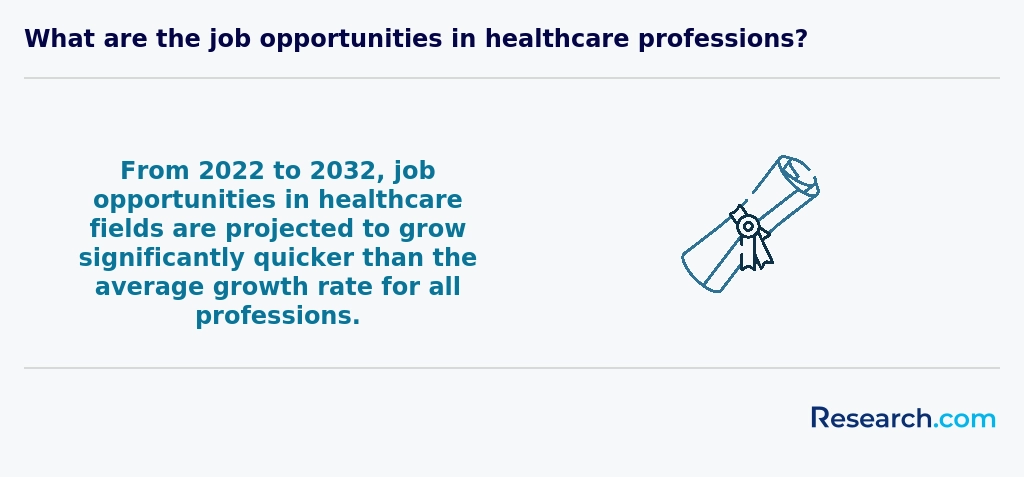
Healthcare degree graduates in South Dakota can pursue diverse career paths that align with the state's expanding medical sector. Popular roles include Registered Nurses, who form the largest workforce and often find employment swiftly after programs at institutions like the University of South Dakota. Advanced positions such as Nurse Practitioners offer higher earning potential and professional growth. Many graduates appreciate how South Dakota's healthcare environment supports specialized paths, including Physician Assistants and Medical Laboratory Technologists, both in demand due to the state's aging population and rural healthcare needs. These roles provide stable salaries and fulfilling patient-centered work experiences.
Graduates from South Dakota's colleges frequently highlight opportunities in healthcare administration and management, critical for running hospitals and clinics efficiently. Others find rewarding careers as Physical and Occupational Therapists, addressing rehabilitation needs. With growing telehealth services, career prospects now blend technology with patient care, demonstrating the versatility of a healthcare degree. For those exploring cost-effective education options, students often consult the Inexpensive Online Master's in Healthcare Degree Programs Ranking in Kansas to supplement their training while benefiting from South Dakota's competitive tuition. These factors combined offer promising South Dakota healthcare degree job prospects for new professionals.
What is the job market for healthcare degree in South Dakota?
The healthcare employment opportunities in South Dakota continue to grow strongly, driven by expanding needs across both urban centers and rural communities. Graduates from prominent institutions like South Dakota State University often find themselves in high demand, particularly in nursing, physical therapy, and healthcare administration roles. Many recent graduates share positive experiences about securing jobs soon after completing their degrees, especially when willing to work in underserved rural areas where staffing shortages create increased opportunities. The South Dakota healthcare job market outlook projects a 15% growth in healthcare occupations through 2030, well above many other industries in the state.
Students benefit from relatively affordable tuition at public universities, such as South Dakota State University, where in-state costs hover around $9,000 annually. This lower investment paired with strong job prospects encourages many to pursue healthcare degrees locally. Aspiring professionals interested in advancing quickly might explore options like 1 year master's programs online to accelerate their qualifications and job readiness within this favorable market.
Frequently Asked Questions About healthcare
Healthcare degree students in South Dakota can maximize their learning experience by engaging in hands-on clinical practice, which is essential for skill development. South Dakota's universities often partner with local hospitals and clinics, providing students with real-world exposure. According to the South Dakota Department of Labor and Regulation, healthcare occupations are projected to grow by 16% through 2030, highlighting the importance of practical experience.
Students should also take advantage of internships and networking opportunities offered by organizations like the South Dakota Association of Healthcare Organizations. Participating in workshops and research related to rural healthcare challenges can further deepen understanding of statewide needs.
Emerging niches within South Dakota's healthcare field reflect broader national trends driven by technological advances and demographic shifts. One rapidly growing area is telehealth, boosted by rural healthcare needs and expanded broadband access. According to the South Dakota Department of Health, telemedicine usage increased significantly between 2020 and 2023 due to accessibility demands.
Another promising sector is geriatric care, aligned with South Dakota's aging population, where specialized training in elder care is in high demand. Additionally, behavioral health fields, including mental health counseling and substance abuse treatment, are expanding as awareness and services grow statewide. Healthcare data analytics also offer new opportunities to improve patient outcomes through effective data management.
After completing a healthcare degree in South Dakota, preparing for the job market involves several important steps. First, gaining relevant clinical experience through internships or practicums is crucial, as South Dakota employers highly value hands-on skills. South Dakota's healthcare workforce demand is expected to grow by 13% from 2020 to 2030, according to the Bureau of Labor Statistics, creating strong opportunities for graduates.
Networking also plays a key role. Joining state healthcare associations like the South Dakota State Medical Association can connect graduates with local professionals. Additionally, pursuing necessary licensure and certifications promptly is essential for many healthcare careers.
Finally, utilizing campus career services and job fairs focused on healthcare can help graduates find suitable positions in hospitals, clinics, and rural health centers across South Dakota.
Healthcare employers in South Dakota prioritize a combination of technical expertise and soft skills in graduates. Clinical competence, such as proficiency in patient care and medical procedures, is essential for entry-level roles. According to the South Dakota Department of Health, familiarity with electronic health records (EHR) systems is increasingly important due to ongoing digitalization.
Equally valued are communication and teamwork abilities. Healthcare professionals must effectively interact with patients and collaborate within interdisciplinary teams.
Cultural sensitivity and adaptability also rank highly, given South Dakota's diverse patient population. According to recent workforce surveys, employers seek graduates who demonstrate critical thinking and problem-solving skills, helping to improve patient outcomes in rural and urban settings.
Finding internships relevant to healthcare degrees in South Dakota involves targeting local hospitals, clinics, and public health agencies. Major institutions like Avera Health and Sanford Health offer structured internship programs that provide hands-on experience in clinical and administrative roles.
University career centers, such as those at the University of South Dakota and South Dakota State University, facilitate connections between students and internship opportunities. They often maintain updated listings of available positions tailored to healthcare fields.
Additionally, South Dakota Department of Health supports internships focusing on community health initiatives, providing practical fieldwork options. Networking through professional organizations like the South Dakota Healthcare Association can also enhance internship prospects.
Healthcare jobs in South Dakota are projected to grow 12% from 2020 to 2030, increasing demand for skilled interns and entry-level professionals (Bureau of Labor Statistics).
In South Dakota, earning a healthcare degree can significantly enhance career mobility and advancement opportunities. The state's growing healthcare sector, supported by institutions like Avera Health and Sanford Health, offers diverse roles that often require specialized education. According to the South Dakota Department of Labor, healthcare occupations are expected to grow faster than the average for all jobs through 2030, with a 16% increase in employment.
Healthcare degrees provide essential skills and credentials, enabling graduates to qualify for higher-level positions and specialized roles. Advanced degrees may lead to leadership or clinical specialization, increasing salary potential and job security. Employers in South Dakota value formal education when considering promotions or transfers within healthcare systems.
Studying for a healthcare degree in South Dakota offers strong preparation for interdisciplinary roles by emphasizing collaboration across multiple health professions. Many state institutions integrate coursework that encourages teamwork between nursing, public health, medicine, and allied health fields. This approach matches the growing demand for healthcare workers who can effectively communicate and coordinate patient care in diverse settings.
South Dakota faces unique healthcare challenges, including rural health disparities and provider shortages, making interdisciplinary training especially valuable. According to the South Dakota Department of Health, rural communities often require professionals capable of managing multiple roles, which these programs reflect in their curricula.
Hands-on clinical experiences, combined with interprofessional education, are common in South Dakota's healthcare degrees. These prepare students to understand different healthcare perspectives, promoting coordinated and patient-centered care that is crucial in today's healthcare environment.
When choosing between a thesis and a non-thesis healthcare degree program in South Dakota, consider your career goals and learning preferences. Thesis programs typically focus on research, requiring students to conduct original studies and write a detailed paper. This path is suited for those interested in pursuing doctoral studies, academic careers, or research roles within healthcare.
Non-thesis programs, on the other hand, emphasize practical skills and coursework, with students completing additional classes or projects instead of a formal thesis. This option is often preferred by professionals aiming for clinical or administrative positions.
South Dakota's healthcare workforce demand is growing, with a 12% increase in healthcare employment projected by 2030 (South Dakota Department of Labor). Choosing a program aligned with your career intentions can improve job prospects within the state.
Students in South Dakota interested in studying healthcare abroad have several pathways through U.S. universities with international partnerships. Many South Dakota institutions, such as the University of South Dakota, offer study abroad programs or clinical rotations in countries with advanced healthcare systems. These programs allow students to gain global perspectives while earning credits toward their degrees.
South Dakota ranks highly in healthcare training, with over 1,500 graduates entering healthcare fields annually according to the South Dakota Department of Health. Students can leverage exchange programs in countries like Canada or the United Kingdom, which align with U.S. healthcare standards and accreditation.
Additionally, federal financial aid and scholarships may support eligible study abroad experiences, making global education more accessible for South Dakota residents.
In South Dakota, students pursuing healthcare degrees can complement their education with part-time jobs that provide practical experience and income. Common opportunities include working as certified nursing assistants (CNAs), medical assistants, or pharmacy technicians. These roles offer hands-on patient care and exposure to clinical settings, aligning well with healthcare coursework.
According to the South Dakota Department of Labor, healthcare support jobs are projected to grow by 11% through 2030, signaling strong demand. Part-time work in hospitals, clinics, or pharmacies can help students develop essential skills while networking for future employment.
Such roles also help meet the state's rural healthcare needs, giving students valuable insight into diverse patient populations and healthcare delivery challenges.
Healthcare students in South Dakota benefit from a variety of networking opportunities that connect them with professionals and peers. Universities like South Dakota State University and the University of South Dakota offer student organizations, internships, and clinical placements affiliated with local hospitals and clinics. These experiences enable students to build relationships with practicing healthcare providers. Additionally, South Dakota's Department of Health and regional healthcare associations host conferences and workshops where students can meet industry leaders. According to the South Dakota Board of Regents, partnerships between educational institutions and healthcare employers support over 1,000 clinical internship placements yearly, enhancing practical experience and professional networking.
Alumni networks play a significant role in supporting healthcare degree students in South Dakota. These networks connect current students with graduates working in hospitals, clinics, and public health organizations across the state. Such connections often lead to mentorship opportunities, internships, and job placements.
According to the South Dakota Department of Health, about 65% of healthcare professionals in the state find positions through personal or professional contacts. Alumni networks help students navigate the competitive job market by providing inside knowledge of openings and industry trends.
They also foster continuous learning by organizing events and workshops, keeping students updated on evolving healthcare practices in South Dakota.
Customizing a healthcare degree program in South Dakota involves choosing specializations and elective courses that align with your career goals. Many institutions offer flexible curricula where students can focus on areas such as nursing, public health, or healthcare administration. Incorporating practical experience through internships or clinical rotations in South Dakota's healthcare facilities helps build relevant skills and local professional networks.
Additionally, South Dakota's universities often provide options for part-time study or online courses, allowing working professionals to tailor their education. According to the South Dakota Department of Labor, healthcare jobs are expected to grow by 16% through 2030, emphasizing the value of customized training for emerging roles.
Healthcare students in South Dakota face several challenges that can impact their academic success. One major issue is the limited availability of clinical placement sites, especially in rural areas where healthcare facilities are fewer. According to the South Dakota Board of Nursing, this shortage affects practical training opportunities essential for degree completion.
Financial constraints represent another barrier. Many students must balance work and study to cover tuition and living expenses, as scholarships for healthcare programs are competitive and limited.
Additionally, the rigorous coursework and fast-evolving medical knowledge demand strong time management and adaptability skills.
With a healthcare degree in South Dakota, graduates can pursue several professional certifications to advance their careers. Common options include Certified Nursing Assistant (CNA), Registered Nurse (RN) licensure through the NCLEX-RN exam, and the Certified Medical Assistant (CMA) credential. For those interested in specialized fields, certifications like the Certified Healthcare Administrator or Medical Billing and Coding Specialist are available.
South Dakota's healthcare industry reported steady growth, increasing demand for certified professionals, especially in rural areas, as noted by the South Dakota Department of Labor and Regulation. Earning certifications enhances job prospects and potential salaries statewide.
Writing a winning application for a healthcare program in South Dakota begins with thorough research. Applicants should carefully review each program's prerequisites and tailor their application to meet those criteria. Highlighting relevant healthcare experience and volunteer work can significantly strengthen the application, as South Dakota programs value practical exposure to the field.
Strong academic records, including competitive GPAs and standardized test scores, remain essential. Additionally, applicants should craft clear, concise personal statements that emphasize their passion for healthcare and commitment to serving local communities.
References play a critical role; letters from healthcare professionals or educators familiar with the applicant's skills add credibility. According to the South Dakota Department of Labor and Regulation, healthcare occupations are projected to grow by 16% through 2030, reflecting the sector's expanding opportunities.
The healthcare field offers diverse opportunities worldwide, with strong demand driven by aging populations and technological advances. In the United States, including South Dakota, the healthcare sector is among the fastest-growing employment areas, with the Bureau of Labor Statistics projecting a 16% growth rate from 2021 to 2031 for healthcare occupations. This growth reflects global trends where healthcare workers are increasingly essential.
South Dakota's healthcare system benefits from a rising need for qualified professionals, especially in rural areas. According to the South Dakota Department of Health, shortages exist in nursing and allied health professions, encouraging broader career prospects locally and globally.
Internationally, healthcare careers emphasize adaptability and cross-disciplinary skills, preparing graduates to work in different healthcare systems and cultural settings. Studying healthcare degrees in South Dakota equips students with credentials recognized nationally, enhancing mobility and opportunity worldwide.
Gaining practical experience while studying for a healthcare degree in South Dakota is crucial for skill development and job readiness. Many institutions require clinical rotations or internships as part of their curriculum, allowing students to work in hospitals, clinics, or community health settings.
The South Dakota Board of Medical and Osteopathic Examiners and the Board of Nursing regulate clinical hours, ensuring students meet state standards.
Some universities partner with local healthcare providers such as Sanford Health and Avera Health, offering hands-on learning opportunities. According to the South Dakota Department of Labor, internships increase employment chances by 30% for healthcare graduates.
Volunteering at health organizations and participating in simulation labs are additional ways to build experience.
Choosing the right concentration within a healthcare degree in South Dakota begins with understanding your career goals and local job market needs. Healthcare fields such as nursing, health administration, and public health are in high demand statewide, with the South Dakota Department of Labor projecting growth rates of 10% or more by 2030 for many healthcare roles.
Assess your interests and strengths, whether in direct patient care, healthcare technology, or management. Research programs at South Dakota institutions to compare specializations and clinical opportunities. For instance, nursing programs at Dakota State University and the University of South Dakota offer different tracks that align with various healthcare settings.
Finally, consider licensure requirements in South Dakota, as some concentrations require specific certifications. Reviewing statistics from the Bureau of Labor Statistics and state health department resources can help guide your decision based on demand and salary trends in the region.
Related Healthcare Rankings for Nearby States
- 2027 Most Valuable Online Healthcare Degree Programs Ranking in North Dakota
- 2027 Most Valuable Online Healthcare Degree Programs Ranking in Nebraska
- 2027 Most Valuable Online Healthcare Degree Programs Ranking in Minnesota
- 2027 Most Valuable Online Healthcare Degree Programs Ranking in Iowa
- 2027 Most Valuable Online Healthcare Degree Programs Ranking in Kansas
- 2027 Most Valuable Online Healthcare Degree Programs Ranking in Wisconsin
- 2027 Most Valuable Online Healthcare Degree Programs Ranking in Missouri
- 2027 Most Valuable Online Healthcare Degree Programs Ranking in Illinois
- 2027 Most Valuable Online Healthcare Degree Programs Ranking in Michigan
- 2027 Most Valuable Online Healthcare Degree Programs Ranking in Texas
Top Trending Healthcare Rankings
See What Experts Have To Say About Studying Healthcare
Read our interview with Healthcare experts

References
- Recruitment Assistance for Healthcare Professionals | South Dakota Department of Health https://doh.sd.gov/healthcare-professionals/rural-health/careers-and-recruiting/recruitment-assistance/
- Career Opportunities in Healthcare Without a Medical Degree https://www.just-medical.ch/en/blog/medical-careers-without-formal-education
- 1+ Healthcare Cover Letter Examples (with In-Depth Guidance) https://www.tealhq.com/cover-letter-examples/healthcare
- Community Partnerships Healthcare Careers South Dakota Area Health Education Center https://www.sdahec.org/about/
- Why South Dakota health care is the nation's second most expensive • South Dakota Searchlight https://southdakotasearchlight.com/2024/06/09/why-south-dakota-health-care-is-the-nations-second-most-expensive/
- Advancing Your Career in Healthcare: Tips and Strategies https://www.sunshinecarenetwork.com/blog/advancing-your-career-in-healthcare-tips-and-strategies
- Overcoming Common Challenges in Nursing School: Tips for Success - American Healthcare Institute https://amhealthinstitute.com/blog/overcoming-common-challenges-in-nursing-school-tips-for-success/
- Nurse Practitioner (University) Careers - Our Dakota Dreams https://ourdakotadreams.com/career/nurse-practitioner/
- Trends and opportunities in healthcare across emerging markets - Inizio https://inizio.com/insights/trends-and-opportunities-in-healthcare-across-emerging-markets/
- South Dakota State University https://www.healthcare-management-degree.net/school-profiles/south-dakota-state-university/





