
2027 Most Popular Healthcare Degree Programs Ranking in Winston-Salem

Co-Founder and Chief Data Scientist
Choosing the right healthcare degree program in Winston-Salem can be overwhelming. To help you navigate this important decision, this article presents the 2027 Most Popular Healthcare Degree Programs Ranking in Winston-Salem, created by the Research.com team of data scientists.
By exploring this ranking, you'll gain valuable insights into programs that align with your goals and interests. Pursuing a healthcare degree can open doors to a rewarding career and make a real difference in people's lives. Let this guide support your journey toward a fulfilling future in healthcare.
Key benefits of getting healthcare degree in Winston-Salem
- Salary for healthcare degree graduates: Graduates in Winston-Salem can expect rewarding salaries, such as Medical Assistants earning around $43,350 annually and Quality Improvement Coordinators making up to $103,150 per year, reflecting strong financial potential in healthcare fields.
- Career paths: A healthcare graduate from Wake Forest University can pursue diverse roles including Patient Care Technicians or Health Information Technicians, offering flexible options that match various interests and skills.
- Online degree benefits: Earning a healthcare degree online in Winston-Salem offers convenience and flexibility for working professionals, helping graduates balance life and education without sacrificing quality.
- Key benefits of getting healthcare degree in Winston-Salem
- What can I expect from healthcare degree in Winston-Salem?
- Where can I work with healthcare degree in Winston-Salem?
- How much can I make with healthcare degree in Winston-Salem?
- 2027 Most Popular Healthcare Degree Programs Ranking in Winston-Salem
- Key Findings
- How long does it take to complete healthcare degree in Winston-Salem?
- Licensure and Certification Requirements
- What's the difference between online and on-campus healthcare degree?
- Campus Life & Student Support in Healthcare Education
- What is the average cost of healthcare degree in Winston-Salem?
- Return on Investment: Calculating the Payback Period for Your Healthcare Degree
- What financial aid is available to healthcare degree students in Winston-Salem?
- Emerging Trends and Digital Innovations in Healthcare Education
- What are the prerequisites for enrolling in healthcare degree program in Winston-Salem?
- What courses are typically in healthcare degree programs in Winston-Salem?
- What types of specializations are available in healthcare degree programs in Winston-Salem?
- How do you choose the best healthcare degree in Winston-Salem?
- What career paths are available for healthcare degree students in Winston-Salem?
- What is the job market for healthcare degree in Winston-Salem?
- Top Trending Healthcare Rankings
- See What Experts Have To Say About Studying Healthcare
What can I expect from healthcare degree in Winston-Salem?
Wondering about the cost of diving into a healthcare degree in Winston-Salem? At Wake Forest University, one of the city's top spots for health programs, graduate tuition for healthcare fields hovers around $57,000 per year. While that number might seem steep at first glance, many graduates recall how scholarships and financial aid opened doors, making advanced study much more accessible than expected.
Imagine balancing the investment with the real-world experience you gain through clinical placements at renowned local hospitals like Atrium Health Wake Forest Baptist. Graduates often describe these moments as priceless opportunities that bring classroom lessons vividly to life.
Compared to national averages, tuition costs here are competitive, especially when considering the depth of training and connections students build. Many healthcare students find excitement in knowing that their investment is matched by a city that sustains a healthcare workforce employing a quarter of its population-translating to strong job prospects right after graduation.
Where can I work with healthcare degree in Winston-Salem?
Graduates holding healthcare degrees in Winston-Salem dive into a vibrant job market bursting with diverse career paths just waiting to be explored. Imagine stepping out from a program at Wake Forest University or Forsyth Technical Community College and finding yourself at Wake Forest Baptist Health, where roles range from hands-on nursing to behind-the-scenes healthcare administration. Many alumni cherish the thrill of contributing directly to patient care or innovating health systems in such a dynamic environment.
Others embark on journeys through Novant Health Forsyth Medical Center, discovering opportunities in physical therapy, pharmacy, or healthcare informatics. The excitement of applying classroom knowledge to real-world patient outcomes fuels their passion daily. Graduates often describe the rewarding feeling of joining local clinics or rehabilitation centers, where they coordinate patient care or support mental health initiatives within the community.
With healthcare jobs projected to grow rapidly in Winston-Salem, students know their degrees unlock doors to meaningful roles in hospitals, outpatient facilities, and public health agencies. Every position offers a unique adventure in improving lives, whether through direct clinical work or advancing community wellness programs.
How much can I make with healthcare degree in Winston-Salem?
Graduates from healthcare programs in Winston-Salem often find themselves stepping into roles with promising salaries. For instance, those who start as medical assistants can expect an average annual wage around $43,350, a figure that reflects both practical skills and the growing healthcare demand in the region.
Others pursuing careers as patient care technicians receive about $60,790 yearly, showing how specialized training can quickly increase earning potential. Students from well-known local institutions like Wake Forest University and Forsyth Technical Community College often share stories of landing these rewarding entry-level jobs, feeling excited about making a meaningful impact while earning a solid income.
More advanced paths, such as becoming a quality improvement coordinator, can bring annual wages around $103,150. This jump in salary highlights the benefits of further education and experience that many healthcare graduates embrace once they see the dynamic healthcare community thriving in Winston-Salem.
Meanwhile, roles like clinical research coordinators and health information technicians typically make roughly $43,350 to $43,380 per year-perfect for those enthusiastic about combining healthcare knowledge with data and research skills.
2027 Most Popular Healthcare Degree Programs Ranking in Winston-Salem
How do we rank schools?
Investing in your education is a significant decision that can shape your future, and the Research.com team understands the importance of making informed choices. To support prospective students in Winston-Salem, we have carefully developed the "2027 Most Popular Healthcare Degree Programs Ranking in Winston-Salem." Our dedication to quality, credibility, and accuracy is reflected in the thorough research and analysis behind this ranking.
We utilized the following reputable data sources to ensure a comprehensive evaluation of healthcare degree programs:
By reviewing this ranking, readers will gain valuable insights into the most popular and credible healthcare programs in Winston-Salem, empowering them to make informed decisions about their educational futures. For more information on how this ranking was created, please visit our Research.com methodology page.


Key Findings
- The total cost for earning a healthcare degree in Winston-Salem ranges from $20,000 to $45,000, including tuition, fees, and supplies.
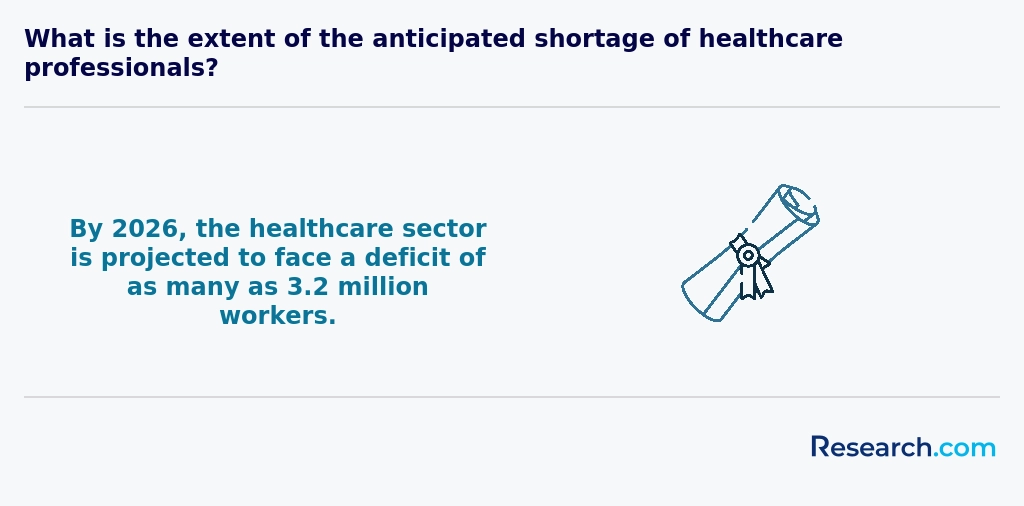
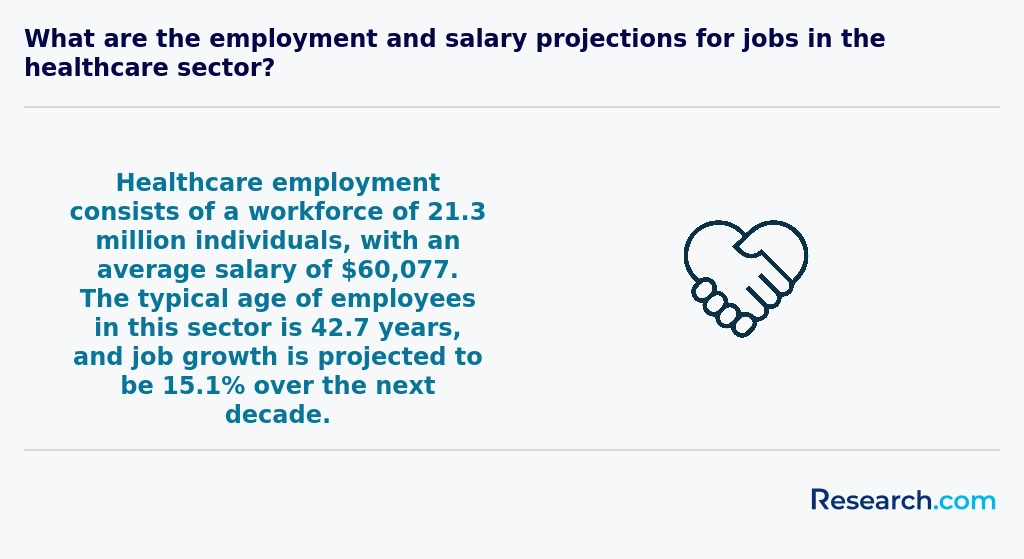
- Major employers like Wake Forest Baptist Medical Center and Novant Health support a growing healthcare job market, with a projected 15% employment increase over the next decade.
- Entry-level salaries for healthcare graduates average between $48,000 and $58,000 annually, with registered nurses starting near $55,000 and physician assistants around $70,000.
- Experienced healthcare professionals in the area can expect median salaries of $70,000 to $90,000 within five to ten years.
- Educational programs include clinical training and internships with local healthcare facilities, and many schools offer flexible part-time or evening classes.
How long does it take to complete healthcare degree in Winston-Salem?
Diving into a healthcare degree in Winston-Salem sparks excitement as you map out your journey ahead. If you're eyeing a quick start, community colleges and technical schools offer associate degrees that wrap up in about two years, perfect for those eager to jump into hands-on roles. Graduates often share how these programs opened doors to local healthcare jobs swiftly, blending classroom skills with practical training.
For a fuller dive, bachelor's degrees at institutions like Wake Forest University come with a four-year rhythm. Many students find the steady pace rewarding, balancing coursework with lively clinical rotations at places like Atrium Health Wake Forest Baptist. These real-world experiences bring lessons to life, fueling that adventurous spirit in healthcare education.
Venturing further, master's programs stretch two to three years, allowing flexible schedules that many appreciate when juggling work or family. And doctoral paths demand even more time-four or more years-offering profound expertise and opportunities for research success, often transforming students into true leaders in healthcare.
Licensure and Certification Requirements
After earning a healthcare degree in Winston-Salem, NC, graduates must navigate specific licensure and certification processes to begin their professional practice. For nursing programs, this typically involves passing the NCLEX-RN or NCLEX-PN exam, administered by the North Carolina Board of Nursing. Aspiring medical assistants and allied health technicians may pursue certification through bodies such as the American Association of Medical Assistants (AAMA) or the Commission on Accreditation of Allied Health Education Programs (CAAHEP). Health Information Technicians often seek the Registered Health Information Technician (RHIT) credential from the American Health Information Management Association (AHIMA) to validate their expertise in medical coding and records management. Certification requirements vary by specialization. For example, graduates of respiratory therapy programs must pass the National Board for Respiratory Care (NBRC) exams to earn the Certified Respiratory Therapist (CRT) credential, while physical therapist assistants sit for the National Physical Therapy Exam (NPTE) overseen by the Federation of State Boards of Physical Therapy. Each certification usually mandates continuing education units (CEUs) or annual renewal fees to maintain active status, ensuring professionals stay current with evolving healthcare standards. Preparation strategies are crucial for success. Many institutions in Winston-Salem integrate exam-focused review sessions into their curricula, offer access to licensed preceptors for practical guidance, and provide online practice tests. Graduates often recommend allocating dedicated study time, joining peer study groups, and leveraging institutional resources like simulation labs. Prospective students should verify that their chosen program aligns with accrediting bodies to guarantee eligibility for certification exams. For those exploring cost-effective pathways that include comprehensive licensure support, consider reviewing our Low Cost Online Healthcare Degree Programs Ranking in Springfield, MO, which highlights accredited programs designed to prepare students for certification success without the burden of excessive tuition.
What's the difference between online and on-campus healthcare degree?
Imagine choosing between logging in from your cozy home in Winston-Salem or stepping onto the bustling campus of Wake Forest University for your healthcare degree. Online programs offer incredible flexibility, perfect for juggling work or family while diving into nursing or public health courses at your own pace. Many online learners feel empowered by the freedom to study anytime, anywhere-no morning commute, just focused time in front of a screen. Technology opens doors to vibrant virtual discussions and digital labs that bring lessons alive.
On the flip side, those who crave hands-on experience thrive in on-campus programs at schools like Winston-Salem State University. Here, days are filled with real clinical simulations and face-to-face mentorships that build confidence before internships at Wake Forest Baptist Health. Graduates often share how the energy of in-person learning sparked lasting friendships and invaluable networking that online environments can struggle to replicate.
Both paths shape skilled healthcare professionals, but your choice depends on how you want to blend flexibility with immersive experiences in the heart of Winston-Salem.
Campus Life & Student Support in Healthcare Education
A thriving campus environment plays a pivotal role in shaping a fulfilling educational journey, especially in the demanding field of healthcare. Beyond rigorous academics, students greatly benefit from vibrant community engagement, mentorship programs, and comprehensive career support services that help them transition seamlessly into the healthcare workforce. Campus life offers more than traditional classroom learning-it provides access to student clubs, networking events, and health-related workshops that foster both personal and professional growth. Many institutions also feature dedicated career centers that arrange internships, collaborative projects, and interactive seminars designed to connect students with industry professionals. For example, exploring the offerings at the most popular healthcare colleges can expose students to exclusive opportunities to enhance their résumés and build lifelong connections. By immersing themselves in a supportive community, healthcare students not only sharpen their technical skills but also develop critical soft skills such as teamwork, communication, and leadership, thereby laying a robust foundation for long-term career success.
What is the average cost of healthcare degree in Winston-Salem?
The average cost of a healthcare degree in Winston-Salem offers an intriguing mix of accessibility and investment, inviting students to explore their educational paths confidently. At community colleges like Forsyth Technical, many graduates share how the median in-state tuition of about $6,126 makes pursuing healthcare certifications or associate degrees a practical and encouraging first step. This affordable pricing often allows students to focus more on hands-on training and clinical experiences rather than worrying about overwhelming tuition fees.
Venturing into four-year programs at private institutions such as Wake Forest University reveals a different financial landscape. Here, the learning journey becomes a more substantial commitment, with total costs climbing toward a median of $29,272. Graduates often recall balancing this investment with a sense of pride and achievement, knowing these programs equip them deeply for careers in nursing, physician assistant studies, or other specialized healthcare fields. The additional expenses for lab materials and clinical placements add layers to the experience, making every dollar spent a seed sown in future expertise.
For those curious about how Winston-Salem fits into broader trends, the most popular healthcare colleges in the area reflect tuition and fees that align with national averages while also offering unique financial aid opportunities. Exploring these options helps turn the spotlight on managing the average cost of healthcare degree in Winston-Salem while embracing the excitement of a rewarding career ahead.
Return on Investment: Calculating the Payback Period for Your Healthcare Degree
Understanding the return on investment (ROI) for a healthcare degree in Winston-Salem, NC, helps you evaluate both cost and long-term earning potential. By comparing tuition expenses against median salaries, prospective students can make data-driven decisions about which program offers the best financial outcome. Many healthcare roles in Winston-Salem offer rapid payback periods: • Associate Degree (2 years) – Estimated total cost: $16,000 (public community college) – Median starting salary: $41,260 (Health Information Technician) – Payback period: under 5 months • Bachelor’s Degree (4 years) – Estimated total cost: $60,000 (public university in-state) – Median starting salary: $55,860 (Patient Care Technician) – Payback period: approximately 1.3 years • Master’s Degree (additional 2 years) – Estimated total cost: $40,000 (private institution average) – Median starting salary: $110,680 (Medical and Health Services Manager) – Payback period: under 6 months These calculations underscore the strong ROI of healthcare education in Winston-Salem, with even higher returns for advanced degrees. For those seeking to minimize upfront costs, exploring our cheapest way to become a medical assistant can further reduce your financial investment while delivering swift career entry.
What financial aid is available to healthcare degree students in Winston-Salem?
Imagine starting your healthcare journey in Winston-Salem, where financial aid opens doors to endless possibilities. Many students at Wake Forest University find that completing the FAFSA is their golden ticket, unlocking access to Pell Grants that can cover thousands annually without the weight of repayment. The relief felt when seeing that grant appear in their account is a moment of true excitement and hope.
Meanwhile, at Forsyth Technical Community College, state programs like the North Carolina Community College Grant and the UNC Need-Based Scholarship provide powerful support, slicing away tuition costs and reducing the pressure of student debt. Graduates often recall how these scholarships made their dreams tangible, enabling them to focus rather than worry.
Local healthcare systems also play a vital role. Scholarships from Wake Forest Baptist Health ease the financial strain while encouraging students to serve their community. Add in work-study opportunities or paid clinical internships, and you have a perfect combination of earnings and hands-on experience, making the long study hours feel rewarding.
Lastly, many healthcare graduates cherish loan forgiveness programs like PSLF that lighten the load after graduation, especially for those dedicated to underserved areas. These opportunities create a sense of adventure in giving back, fueling both career growth and heartfelt satisfaction.
Emerging Trends and Digital Innovations in Healthcare Education
In today’s dynamic healthcare landscape, embracing emerging trends and digital innovations plays a crucial role in enhancing the educational experience and boosting career readiness. As traditional classroom learning evolves, many institutions are incorporating advanced simulation labs, telemedicine practices, and virtual learning platforms that allow students to experience realistic patient scenarios and acquire critical technical skills remotely. This integration not only prepares graduates for modern clinical settings but also equips them with competencies needed to navigate digital health solutions that are increasingly prevalent in the industry. Moreover, as the field of healthcare becomes more interconnected with wellness and preventive care, students are exploring complementary areas like nutrition and lifestyle management. For those interested in broadening their scope beyond conventional healthcare degrees, additional resources can offer valuable insights. For instance, you may find the ranking of the top online nutrition programs beneficial in understanding how nutrition education dovetails with overall patient care. By staying abreast of these innovations and emerging trends, prospective students can make informed decisions that align with evolving industry standards, ensuring their education remains relevant, engaging, and future-focused.
What are the prerequisites for enrolling in healthcare degree program in Winston-Salem?
Local programs often look for proof of this groundwork: high school courses in biology, chemistry, algebra, and English. Graduates often share how mastering these basics cleared the path for smoother study in anatomy or physiology classes later on. Forsyth Technical Community College students reflect on how college-level prerequisites like microbiology prepare them for hands-on clinical experiences with real patients.
Test scores like SAT or ACT might still pop up on application forms, but many schools are more flexible now. Still, maintaining a solid GPA - usually around 2.5 to 3.0 - is a badge of honor that shows you're ready for the rigors ahead.
Beyond grades, getting background checks and health screenings done feels like setting the stage for real-world impact - those moments where classroom learning meets compassionate care in local clinics and hospitals.

What courses are typically in healthcare degree programs in Winston-Salem?
Diving into healthcare degrees in Winston-Salem reveals a vibrant blend of courses that spark curiosity and build confidence. Imagine studying anatomy and physiology at a bustling campus like Wake Forest University, where graduates describe feeling awe as they explore the intricate workings of the human body, laying a foundation for a lifelong healthcare adventure.
Alongside these hard sciences, students encounter engaging classes in healthcare ethics and medical terminology, which graduates often say helped them develop a strong sense of purpose and responsibility. Picture yourself navigating real-world challenges, understanding the "why" behind healthcare decisions before stepping into clinical settings.
Clinical placements at local hubs such as Wake Forest Baptist Medical Center give an exhilarating taste of actual patient care, turning theory into practice. Graduates recall moments of excitement and growth while applying skills in nursing or medical technology, knowing they're ready to make an impact.
For those drawn to health management, courses in healthcare administration and health information technology unlock opportunities to lead systems in a thriving region like Winston-Salem, where technology and care converge.
What types of specializations are available in healthcare degree programs in Winston-Salem?
If you're diving into healthcare degree specializations in Winston-Salem, get ready to explore a variety of passionate pathways. Many students at popular local schools find themselves drawn to Nursing, where programs span from LPN up to BSN, blending hands-on care with clinical expertise. Graduates often recall moments working alongside experienced nurses at Wake Forest Baptist Medical Center, gaining confidence while making a real difference.
Others chase leadership roles through Healthcare Administration, managing hospital operations or shaping health policies. The thrill of guiding teams at renowned Winston-Salem institutions fuels their drive. Physical Therapy is another exciting option, offering immersive rehab training that prepares grads to respond to an aging population's needs-students often share how practical labs created eye-opening insights into patient recovery.
Beyond these, students eager to think broadly embrace specializations like Public Health, Medical Laboratory Science, Health Informatics, or Dietetics and Nutrition. For those curious about nutrition paths, there's the handy ranking of the top online nutrition programs to discover tailored options. Local healthcare programs with specialization options encourage every student's unique journey.
How do you choose the best healthcare degree in Winston-Salem?
Choosing the best healthcare degree in Winston-Salem is an exciting adventure that begins with exploring what truly sparks your passion. Imagine yourself stepping into classrooms at Wake Forest University, where graduates rave about the blend of rigorous academics and real-world experiences. Or picture enrolling at Forsyth Technical Community College, celebrated for delivering affordable healthcare degrees Winston-Salem locals find practical and accessible. Each program offers a unique pathway-from associate's degrees that jumpstart careers quickly, to bachelor's programs that open doors to leadership roles.
Picture a recent graduate sharing how the accredited nursing program at Wake Forest connected them with Wake Forest Baptist Medical Center, turning textbook knowledge into healing hands-on skills. For students eager to balance budgets and education, choosing the cheapest way to become a medical assistant can feel like discovering a hidden treasure that leads directly to work. The key is to embrace your curiosity, weigh program reputation, clinical opportunities, and cost, and embark on your unique healthcare journey right here in Winston-Salem.
What career paths are available for healthcare degree students in Winston-Salem?
Graduates exploring healthcare degree career opportunities in Winston-Salem discover a world of vibrant paths. Nursing roles like Registered Nurses and Nurse Practitioners are especially popular, with many graduates from Wake Forest School of Medicine feeling proud as they step confidently into demanding clinical positions. Meanwhile, others find excitement in medical and health services management, where overseeing hospital operations offers a fast-paced, impactful career. Allied health professions also draw many graduates attracted by hands-on work in physical therapy or radiologic technology, blending science with personal connection.
Winston-Salem healthcare degree job prospects extend beyond traditional areas. Graduates passionate about community impact often pursue public health careers, working to improve wellness across Forsyth County. Thanks to strong ties between local institutions and healthcare providers, students relish opportunities to gain real-world experience, making their journey both practical and rewarding. For those eager to expand skills, exploring emerging fields or certifications that pay well offers exciting new avenues to grow.
What is the job market for healthcare degree in Winston-Salem?
The healthcare degree job outlook Winston-Salem is vibrant and filled with promise. Graduates from popular institutions like Wake Forest School of Medicine find themselves welcomed by a thriving local market fueled by top employers such as Wake Forest Baptist Health. Imagine stepping into roles as registered nurses or healthcare managers, where starting salaries around $65,000 to $75,000 offer not just financial reward but a chance to impact lives directly in a community that values healthcare innovation.
Local graduates often share how internships and residencies at major hospitals transform theory into practice, opening doors to clinical research or advanced care positions. The city's aging population creates a steady demand, making Winston-Salem healthcare career opportunities ideal for those ready to embrace fulfilling challenges in senior care or outpatient services.
For those wondering about affordability, tuition ranges are balanced against competitive wages, sparking excitement for future professionals. Students interested can also explore the best degree programs for older adults online, expanding their options beyond traditional pathways to success.
Frequently Asked Questions About healthcare
Healthcare degree students in Winston-Salem can maximize their learning by actively engaging with local clinical internship opportunities. Institutions like Wake Forest Baptist Health provide valuable hands-on experience, essential in applied healthcare education. According to the North Carolina Department of Health, practical training boosts employment prospects by nearly 20% for graduates in the region.
Participating in community health initiatives in Forsyth County also enhances understanding of public health challenges. Students benefit from collaborative projects addressing prevalent issues such as chronic diseases, which affect 35% of the local population.
Utilizing university resources like simulation labs and research centers helps to deepen theoretical knowledge. Staying connected with professional organizations, such as the North Carolina Healthcare Association, provides networking and continuing education opportunities.
The healthcare sector in Winston-Salem is experiencing rapid growth in several specialized areas. Emerging niches include telehealth, which has expanded significantly due to technological advances and patient demand for remote care. According to the North Carolina Department of Health and Human Services, telemedicine visits in the state increased by over 50% from 2020 to 2023.
Another growing field is healthcare informatics, focusing on managing patient data to improve outcomes. Wake Forest Baptist Health, a local leader, invests heavily in digital health technologies, highlighting this niche's importance. Additionally, geriatric care and chronic disease management are expanding, reflecting the aging population in Forsyth County. These evolving areas offer promising career paths for students pursuing healthcare degrees in Winston-Salem.
After completing a healthcare degree in Winston-Salem, preparing for the job market involves several important steps. Begin by gaining practical experience through internships or clinical placements, which are often part of healthcare programs at local institutions like Wake Forest University. Networking is also vital; connect with professionals and organizations such as Novant Health and Atrium Health, major employers in the region. Certifications relevant to your field, like CNA or EMT licenses, can improve employability.
Additionally, utilize career services offered by your school for resume building and interview preparation. The healthcare sector in Winston-Salem is growing, with a projected 12% increase in jobs through 2030 according to the U.S. Bureau of Labor Statistics, making timely job preparation essential.
Employers in Winston-Salem value healthcare graduates who demonstrate strong clinical skills alongside effective communication. According to a 2023 report by the North Carolina Healthcare Association, 85% of local healthcare providers emphasize critical thinking and adaptability as essential.
Technical proficiency with electronic health records (EHR) systems is increasingly important, reflecting the region's growing investment in health IT infrastructure. Additionally, teamwork and cultural competence are top priorities due to Winston-Salem's diverse patient populations served by institutions such as Wake Forest Baptist Medical Center.
Graduates who also show empathy and ethical professionalism tend to be favored by employers in this competitive market.
Finding internships in Winston-Salem relevant to healthcare degrees involves several practical steps. Start by exploring partnerships local colleges have with major healthcare providers like Wake Forest Baptist Health, which offers numerous opportunities for clinical and research internships. According to Winston-Salem's Economic Development Coalition, healthcare accounts for nearly 20% of local employment, indicating a strong demand for healthcare interns. Students should also leverage career services at institutions such as Winston-Salem State University and Forsyth Technical Community College, which maintain updated internship listings.
Networking through professional organizations like the American Healthcare Association's local chapters can further improve access to internships. Online platforms, including Handshake and local hospital websites, regularly list openings. Early applications and tailored resumes focused on healthcare skills increase chances of selection in this competitive market.
A healthcare degree can significantly enhance career mobility and advancement in Winston-Salem, a city recognized for its robust medical and research facilities. Employers such as Wake Forest Baptist Medical Center and Novant Health prioritize candidates with formal healthcare education, often leading to higher starting salaries and faster promotion opportunities. According to the U.S. Bureau of Labor Statistics, healthcare jobs in the Winston-Salem metropolitan area are projected to grow by over 15% through 2030, reflecting strong demand for qualified professionals.
Holding a degree also allows access to specialized roles in nursing, medical technology, and healthcare administration, which typically require formal credentials. Furthermore, Winston-Salem's connection to research institutions offers graduates chances to participate in advanced clinical programs and continuing education, crucial for career progression. This educational foundation can open doors to leadership positions within the local healthcare industry.
Studying for a healthcare degree in Winston-Salem equips students for interdisciplinary roles through a curriculum emphasizing collaboration across multiple healthcare disciplines. Local institutions, such as Wake Forest University School of Medicine, incorporate teamwork-focused training that combines nursing, medicine, and public health education. This prepares graduates to work effectively in diverse healthcare teams.
Winston-Salem's strong healthcare network, including Atrium Health Wake Forest Baptist, offers clinical experiences that expose students to various specialties. According to the North Carolina Department of Health and Human Services, the region's growing demand for integrated care professionals supports practical learning in real-world interdisciplinary settings.
Programs also emphasize communication, ethics, and patient-centered care, essential for working across healthcare roles. These skills are critical as healthcare increasingly relies on collaborative approaches to improve patient outcomes.
Choosing between a thesis and a non-thesis healthcare degree program in Winston-Salem depends largely on your career goals and learning preferences. Thesis programs typically require original research and are suited for students aiming for academic, research, or doctoral paths. Non-thesis options focus more on practical skills and coursework, which can better serve those looking to enter clinical roles or healthcare administration directly.
Winston-Salem is home to several institutions offering such options, including Wake Forest School of Medicine, which emphasizes research opportunities. According to the U.S. Bureau of Labor Statistics, healthcare employment in North Carolina is projected to grow 16% through 2031, supporting diverse career paths.
Consider your interest in research, time commitment, and whether you want to pursue further education. Also, evaluate faculty support and available resources in the local programs before deciding.
Students in Winston-Salem interested in studying healthcare abroad have several pathways through U.S. universities and exchange programs. Wake Forest University, a prominent institution in Winston-Salem, often supports study abroad in healthcare-related fields such as public health, nursing, and biomedical sciences. These programs allow students to gain international experience while earning academic credit.
Additionally, many healthcare students opt for summer internships or semester exchanges in countries with advanced healthcare systems like the United Kingdom or Australia. U.S. schools frequently partner with international institutions to facilitate clinical placements or research opportunities.
According to the Institute of International Education, healthcare fields rank among the top areas for study abroad participation, emphasizing growing student interest in global health perspectives.
In Winston-Salem, students pursuing healthcare degrees can benefit from a variety of part-time job opportunities that enhance their education and professional skills. Healthcare facilities like Wake Forest Baptist Health, a major medical center in the area, frequently offer positions such as medical assistants, patient service representatives, and lab assistants. These roles provide practical experience in clinical environments, complementing academic learning.
Additionally, pharmacies and urgent care clinics around Winston-Salem often hire part-time pharmacy technicians or front-desk staff, introducing students to patient interaction and healthcare processes.
According to the North Carolina Department of Commerce, healthcare occupations are projected to grow by 15% through 2028, indicating strong local demand.
Healthcare students in Winston-Salem have access to strong networking opportunities due to the city's robust medical community. Wake Forest School of Medicine, a leading institution, frequently hosts events like career fairs and research symposia that connect students with professionals. The local healthcare sector employs over 50,000 workers, creating diverse internship and shadowing options for students (US Bureau of Labor Statistics, 2023).
Additionally, organizations such as the Forsyth County Medical Society offer student memberships that facilitate networking with practicing clinicians. Professional groups like the North Carolina Healthcare Association also hold regional events in Winston-Salem. These opportunities enhance students' chances of job placement and professional growth.
Alumni networks in Winston-Salem provide crucial support for healthcare degree students by offering valuable connections within the local medical community. These networks often facilitate mentorship opportunities, helping students gain guidance from experienced professionals who understand the region's healthcare landscape.
Given Winston-Salem's growing healthcare sector, including major employers like Atrium Health Wake Forest Baptist, alumni connections can open doors to internships and jobs. According to the Bureau of Labor Statistics, healthcare employment in the area is projected to grow 15% by 2030, increasing demand for well-connected graduates.
Furthermore, alumni associations frequently organize workshops and seminars tailored to healthcare fields, helping students stay updated on industry trends and certifications. This access to professional development encourages stronger career readiness and networking skills among healthcare students in Winston-Salem.
Customizing a healthcare degree program in Winston-Salem allows students to align their education with specific career goals. Many local institutions offer flexible curricula with electives in areas such as nursing, public health, health informatics, and therapy specialties. For example, Wake Forest University, a prominent school in the region, provides interdisciplinary options and hands-on clinical experiences tailored to student interests.
Students can often choose specializations or minors that complement their main degree, helping them prepare for roles in hospital administration, patient care, or healthcare technology. Local healthcare employment grew by 5.4% from 2019 to 2023, reflecting diverse job opportunities (Bureau of Labor Statistics).
Additionally, part-time, online, and accelerated program options are increasingly available to accommodate working professionals seeking to advance their qualifications without interrupting their careers. Internships or practicums with Winston-Salem's healthcare providers enhance practical skills and networking.
Healthcare students in Winston-Salem often face significant academic pressure due to rigorous coursework and clinical requirements. Programs like nursing and allied health demand strong time management skills because students must balance classroom learning with hands-on experiences.
Additionally, the cost of education is a common challenge. According to the North Carolina Board of Nursing, tuition and fees for local healthcare programs can range from $8,000 to $20,000 per year, causing financial strain for many.
Another hurdle is limited access to clinical placements, as competition for spots in regional hospitals such as Novant Health and Wake Forest Baptist Health remains high. This scarcity may delay graduation timelines.
Finally, students often report stress related to adapting to evolving healthcare technologies and maintaining up-to-date certifications, critical in a fast-changing industry.
With a healthcare degree in Winston-Salem, students can pursue several professional certifications to advance their careers. Common certifications include Certified Nursing Assistant (CNA), Registered Nurse (RN), and Licensed Practical Nurse (LPN), which are essential for clinical roles.
Additionally, graduates may seek certifications in specialized fields such as Medical Coding, Health Information Management (RHIT), or Pharmacy Technician credentials. According to the North Carolina Department of Health and Human Services, the demand for certified healthcare professionals in Winston-Salem is growing, driven by institutions like Wake Forest Baptist Health.
Professional certifications enhance job prospects and often lead to higher salaries and better job security in the expanding healthcare sector.
Writing a winning application for a healthcare program in Winston-Salem requires careful preparation and attention to detail. Start by researching programs at local institutions such as Wake Forest University and Winston-Salem State University, which offer reputable healthcare degrees. Tailor your personal statement to highlight your passion for healthcare and relevant experiences, such as volunteering or internships within Forsyth County's extensive medical facilities.
Strong academic records are essential; aim for a minimum GPA of 3.0, as many programs emphasize this benchmark. Letters of recommendation from healthcare professionals familiar with your skills can significantly enhance your application. Additionally, preparing for and submitting competitive standardized test scores, if required, will improve your chances. According to the North Carolina Department of Health and Human Services, healthcare professions in Winston-Salem are growing steadily, making a focused, well-prepared application critical.
Healthcare careers are increasingly valued worldwide, reflecting global demographic shifts and rising health demands. In the U.S., including Winston-Salem, the healthcare sector is one of the fastest-growing fields, with the Bureau of Labor Statistics projecting a 16% growth from 2021 to 2031. This trend aligns with global needs for skilled healthcare professionals to manage aging populations and chronic diseases.
Internationally, healthcare education emphasizes both technical skills and cultural competence, preparing workers for diverse patient populations. In Winston-Salem, programs often incorporate community health to address local disparities, reflecting a global recognition that effective healthcare must consider social determinants of health.
Understanding these global and local connections equips students to contribute meaningfully to their communities and beyond.
Students pursuing healthcare degrees in Winston-Salem can gain practical experience through clinical rotations, internships, and volunteer opportunities. Local institutions like Wake Forest Baptist Health offer affiliations for nursing, public health, and allied health students to work alongside professionals. These placements help students apply classroom knowledge in real healthcare settings, improving skills and employability.
The city's growing healthcare industry supports hands-on training, with over 1,000 healthcare establishments registered in Forsyth County according to the North Carolina Department of Health and Human Services. Additionally, programs often require clinical hours to meet accreditation standards.
Students are encouraged to connect with university career centers and use local job boards specific to healthcare for more opportunities.
When choosing the right concentration within a healthcare degree program in Winston-Salem, start by assessing your career goals and personal interests. Healthcare is a broad field, encompassing areas such as nursing, public health, health administration, and medical laboratory science.
Consider the local job market in Winston-Salem, where healthcare employment is projected to grow by over 15% by 2030, according to the North Carolina Department of Commerce. This growth suggests strong demand for nursing and allied health professionals.
Research programs' accreditation and faculty expertise to ensure quality education. Also, look for hands-on clinical opportunities, as Wake Forest Baptist Health offers many practical experiences for students in the area.
Finally, evaluate factors like program length, costs, and potential for licensure or certification in your chosen concentration to make an informed decision.
Related Healthcare Rankings for Nearby Cities
- 2027 Most Popular Healthcare Degree Programs Ranking in Greensboro
- 2027 Most Popular Healthcare Degree Programs Ranking in Charlotte
- 2027 Most Popular Healthcare Degree Programs Ranking in Durham
- 2027 Most Popular Healthcare Degree Programs Ranking in Lynchburg
- 2027 Most Popular Healthcare Degree Programs Ranking in Columbia
- 2027 Most Popular Healthcare Degree Programs Ranking in Charleston
- 2027 Most Popular Healthcare Degree Programs Ranking in Fairfax
- 2027 Most Popular Healthcare Degree Programs Ranking in Arlington
- 2027 Most Popular Healthcare Degree Programs Ranking in Baltimore
- 2027 Most Popular Healthcare Degree Programs Ranking in Pittsburgh
Top Trending Healthcare Rankings
See What Experts Have To Say About Studying Healthcare
Read our interview with Healthcare experts

References
- What to Expect as a Health Science Major https://www.grace.edu/what-to-expect-as-a-health-science-major/
- Explore Healthcare Admin Degree Concentrations https://www.baypath.edu/news/bay-path-university-blogs/post/explore-healthcare-admin-degree-concentrations/
- Pursuing Your Career Goals: Strategies and Examples https://www.ultimatemedical.edu/blog/career-goals-importance-strategies-and-examples/
- The impact of postgraduate education on career advancement in healthcare https://sets.com.ua/journals/vol-3-no-2-2024/the-impact-of-postgraduate-education-on-career-advancement-in-healthcare
- Thesis vs. Non-Thesis Master's Programs: Which is Right for You? https://potomac.edu/thesis-vs-non-thesis-masters/
- Networking and Mentorship During Clinical Rotations https://rotatingroom.com/blog/medical-students-the-importance-of-networking-mentorship-during-your-clinical-rotations
- Overcoming Common Challenges in Nursing School: Tips for Success - American Healthcare Institute https://amhealthinstitute.com/blog/overcoming-common-challenges-in-nursing-school-tips-for-success/
- Niche Markets in Healthcare https://ultrariskadvisors.com/niche-markets-in-healthcare/
- 20 healthcare investment niches and 3 things to know: The evolution of ... https://blackbookmarketresearch.com/20-healthcare-investment-niches-and-3-things-to-know-the-evolution-of
- Healthcare Administration Certifications https://www.publichealthdegrees.org/careers/healthcare-administrator/certification/


