
2027 Most Affordable Healthcare Degree Programs Ranking in Huntsville

Co-Founder and Chief Data Scientist
Choosing the right healthcare degree program can be a challenging step for students in Huntsville. To make this easier, the Research.com team of data scientists has created the 2027 Most Affordable Healthcare Degree Programs Ranking in Huntsville. This ranking helps you discover which programs deliver strong value without breaking the bank.
Reading this article will guide you toward quality options that fit your budget and career goals. Pursuing a healthcare degree opens doors to rewarding opportunities, and this ranking supports you in making an informed, confident decision for a bright future.
Key benefits of getting healthcare degree in Huntsville
- Salary for healthcare degree graduates: Jobs like Patient Care Technician offer a mean annual wage of $60,790, while Quality Improvement Coordinators can earn up to $103,150, showing strong earning potential in Huntsville.
- Career paths: Graduates from Huntsville's universities often find roles in positions such as Medical Assistant or Clinical Research Coordinator, opening doors to diverse and rewarding healthcare opportunities.
- Benefits of online degrees: Earning a healthcare degree online from local schools offers flexibility, allowing students to balance work and study while still gaining valuable credentials recognized in Huntsville's healthcare sector.
- Key benefits of getting healthcare degree in Huntsville
- What can I expect from healthcare degree in Huntsville?
- Where can I work with healthcare degree in Huntsville?
- How much can I make with healthcare degree in Huntsville?
- 2027 Most Affordable Healthcare Degree Programs Ranking in Huntsville
- Key Findings
- How long does it take to complete healthcare degree in Huntsville?
- Emerging Trends in Healthcare Education and Technology
- What's the difference between online and on-campus healthcare degree?
- What is the average cost of healthcare degree in Huntsville?
- Campus Life and Student Resources in Huntsville, AL
- What financial aid is available to healthcare degree students in Huntsville?
- Licensing and Certification Requirements in Alabama for Healthcare Graduates
- What are the prerequisites for enrolling in healthcare degree program in Huntsville?
- Accreditation and Licensure Success Rates
- What courses are typically in healthcare degree programs in Huntsville?
- What types of specializations are available in healthcare degree programs in Huntsville?
- How do you choose the best healthcare degree in Huntsville?
- What career paths are available for healthcare degree students in Huntsville?
- What is the job market for healthcare degree in Huntsville?
- Top Trending Healthcare Rankings
- See What Experts Have To Say About Studying Healthcare
What can I expect from healthcare degree in Huntsville?
The average cost of pursuing a healthcare degree in Huntsville varies, but many students discover it's an investment that feels worthwhile and manageable. For instance, attending community colleges like Drake State Community & Technical College can be a surprising advantage for those wanting an affordable start-with programs often costing less than four years of tuition at a university. Graduates often share how the lower price combined with short completion times, especially in medical assisting or phlebotomy certificates, gave them an energizing boost into the healthcare world without heavy debt.
At universities such as Alabama A&M or the University of Alabama in Huntsville, bachelor's degree programs typically stretch over four years and may carry higher tuition. Yet, students often feel reassured by the availability of scholarships and financial aid like the Alabama Student Assistance Program, helping balance costs and opening doors to valuable experiences.
Many healthcare students recall how clinical rotations and internships provided priceless hands-on moments that made every dollar spent worth it, creating a strong link between cost and real-world readiness in the thriving Huntsville healthcare landscape.
Where can I work with healthcare degree in Huntsville?
Graduates from healthcare programs at Huntsville's universities often find themselves stepping into dynamic roles at the Huntsville Hospital Health System, where the vibrant hospital environment offers positions like nursing, medical technologists, and healthcare administrators. Imagine starting your day coordinating patient care in bustling wards, where every moment counts and your expertise directly impacts lives.
Other graduates explore opportunities in outpatient clinics scattered throughout the city, taking on roles as clinical coordinators or physician assistants. These settings often provide a close-knit community feel, allowing professionals to build meaningful patient relationships while honing their skills.
Some choose to dive into innovative fields linked with research centers near Redstone Arsenal, where developing new healthcare technologies unlocks exciting frontiers. Meanwhile, those with a drive for elder care find rewarding careers in nursing homes or home healthcare agencies, responding to Huntsville's growing population needs.
Healthcare administration roles and public health positions also beckon, offering chances to shape policy and improve community wellness. Graduates from local colleges regularly share how these diverse paths let them connect their passion to real-world impact right here in Huntsville.
How much can I make with healthcare degree in Huntsville?
Imagine finishing your healthcare degree in Huntsville and stepping into a role with a mean annual wage of around $43,350, like medical assistants and clinical research coordinators do. Graduates from local institutions often share the excitement of landing these entry-level roles, kicking off their careers with solid pay while gaining invaluable hands-on experience.
For those diving deeper, becoming patient care technicians in Huntsville means earning an average of $60,790 yearly. Many recent grads tell stories of thriving in bustling hospitals, where every day offers new challenges and rewards.
If jumping into the tech side of healthcare sparks your interest, health information technicians make about $43,380 on average, blending healthcare knowledge with data skills - perfect for those who love organizing and improving patient care behind the scenes.
Ambitious graduates aiming high might pursue roles like quality improvement coordinators, earning a remarkable $103,150 annually. Alumni often describe how their advanced training from Huntsville's respected colleges opens doors to leadership roles that truly impact healthcare quality.
The variety of earnings reflects not just your degree but the adventure of exploring exciting healthcare paths right here in Huntsville.
2027 Most Affordable Healthcare Degree Programs Ranking in Huntsville
How do we rank schools?
Investing in your education is a significant decision that can shape your future, and the Research.com team understands the importance of making informed choices. To support prospective students in Huntsville, we have carefully developed the "2027 Most Affordable Healthcare Degree Programs Ranking in Huntsville." Our dedication to quality, credibility, and accuracy is evident in the thorough research and analysis performed to create this ranking.
We utilized the following reputable data sources to ensure a comprehensive evaluation of healthcare degree programs:
By exploring this ranking, readers will gain valuable insights into the most affordable healthcare degrees available in Huntsville, helping them make well-informed decisions about their educational futures. For more information on how this ranking was created, please visit our Research.com methodology page.


Key Findings
- In-state tuition for public universities like the University of Alabama in Huntsville averages around $8,000 per year, while out-of-state tuition is about $22,000 annually.
- Private institutions in Huntsville charge between $20,000 and $35,000 per year depending on the program.
- The healthcare job market is projected to grow by approximately 15% over the next decade in Huntsville.
- Entry-level salaries for healthcare jobs, such as registered nurses, start around $50,000 per year.
- Median salaries for experienced healthcare professionals range from $75,000 to $85,000 annually in the region.
- Many healthcare programs emphasize clinical experience and partnerships with local medical facilities, aiding hands-on training and job placement.
How long does it take to complete healthcare degree in Huntsville?
In Huntsville, the journey to a healthcare degree feels like embarking on a personal quest filled with growth and discovery. Graduates from the University of Alabama in Huntsville often recall their two-year adventure through associate degree programs-intensive but rewarding, laying a solid foundation in fields like medical assisting or nursing. For those aiming higher, a bachelor's degree typically unfolds over about four years, blending classroom challenges with hands-on experiences that spark both confidence and curiosity.
Imagine balancing studies at Calhoun Community College, where part-time options offer flexibility to working professionals eager to advance without pausing life's other commitments. Graduates frequently express pride in mastering their skills while managing real-world responsibilities.
For the truly adventurous, master's programs stretch that timeline to two or three years post-bachelor's, while doctoral candidates embrace three to five years filled with deep research and clinical explorations. Here in Huntsville, the journey adapts beautifully to your goals, making the deeply personal achievement of a healthcare degree all the more exciting and fulfilling.
Emerging Trends in Healthcare Education and Technology
As the healthcare industry continues to evolve, so do the educational programs that prepare tomorrow’s professionals. Modern classroom technologies, digital learning platforms, and industry-driven innovations are reshaping how healthcare is taught and practiced. Students in Huntsville, AL, benefit from curricula that not only cover traditional topics but also integrate cutting-edge advancements such as telemedicine, electronic health records, and simulation labs for practical training. These trends are paving the way for adaptable learning environments, including flexible options like diagnostic medical sonography programs online, that meet the diverse needs of today's students. By keeping pace with emerging technologies, academic institutions ensure that their graduates are well-equipped to navigate a dynamic job market and address modern healthcare challenges with confidence and technical prowess.
What's the difference between online and on-campus healthcare degree?
Choosing between online and on-campus healthcare degrees in Huntsville often feels like stepping into two distinct worlds. Imagine a graduate from the University of Alabama in Huntsville juggling work and family while accessing lectures anytime through their laptop-this flexibility creates a sense of freedom and control. Yet, their clinical hours still bring them face-to-face with patients at local hospitals, blending remote convenience with hands-on experience.
On the other hand, another graduate from Alabama A&M University treasures the vibrant campus life-the buzz of labs, lively study groups, and direct mentoring from faculty around their bustling healthcare programs. The structured days and face-to-face connections cultivate confidence and deep engagement, fueling their passion for nursing or public health.
Tuition reflects these experiences: public institutions in Huntsville often charge around $22,000 annually for on-campus learning; online options might save commuting costs but maintain rigorous standards. Both paths carry solid accreditation, ensuring your degree opens doors in Huntsville's dynamic medical landscape.
What is the average cost of healthcare degree in Huntsville?
Embarking on a healthcare degree adventure in Huntsville means navigating a landscape where the average total cost hovers around $41,498. For many students, this investment opens doors to impactful careers fueled by passion and dedication. Imagine graduates who chose the University of Alabama in Huntsville, where their in-state tuition averaged about $12,132 annually-allowing them to dive into rigorous programs without overwhelming financial stress. Out-of-state students, while facing a higher total, often find the return on investment through career opportunities and community impact well worth the price.
For those seeking more affordable healthcare degree programs in Huntsville, community colleges provide a welcoming gateway. Graduates often share how attending these institutions shaped their professional journeys while keeping costs manageable. From labs to clinicals, the hands-on experience paired with reasonable tuition creates a valuable blend of learning and saving. Many find creative ways to offset expenses, tapping into financial aid and scholarships tailored for healthcare students.
The excitement and challenge of acquiring skills at local colleges encourage students to explore different paths-even linking up with resources from other regions. For example, those interested in expanding their knowledge can explore further options like nursing schools in Sacramento, gaining fresh perspectives beyond Huntsville. This spirit of discovery fuels motivation, proving that the average healthcare degree cost in Huntsville is just part of the thrilling educational quest.
Campus Life and Student Resources in Huntsville, AL
Prospective students benefit from understanding the full spectrum of campus life and the resources available to support their academic and personal growth. In Huntsville, AL, healthcare institutions not only focus on rigorous academics but also foster vibrant, supportive communities designed to ensure student well-being. From state-of-the-art libraries and career counseling centers to mental health services and peer-mentoring programs, the campus environment plays a critical role in students’ success. Many local colleges host regular events, workshops, and networking sessions to help students connect with faculty and industry professionals, providing real-world insights and boosting career readiness. Moreover, several programs offer special assistance with academic tutoring and transitional support for those new to college life, making the adjustment smoother for every student. If you’re considering your education options, exploring affordable healthcare schools in alabama can provide you with deeper insights into not only the academic offerings but also the extensive student services that help shape a well-rounded, fulfilling college experience.
What financial aid is available to healthcare degree students in Huntsville?
Imagine starting your healthcare journey at the University of Alabama in Huntsville, knowing federal financial aid like Pell Grants could brighten your path by covering up to $7,395 a year without repayment. Graduates often recall how completing the FAFSA unlocked this vital support, easing the burden of tuition and everyday expenses.
Others studying at Calhoun Community College have tapped into the Federal Direct Student Loan Program, benefiting from low-interest loans with flexible repayment-perfect for those balancing work and classes.
State-level aid from the Alabama Student Assistance Program also opens doors, especially for Huntsville residents eager to stay local. Some have felt lucky receiving scholarships from Huntsville Hospital Health System, which reward commitment to the area's healthcare community.
Institutional scholarships, awarded for academic excellence or leadership, have sparked pride and relief among many students facing the costs of books and fees. Plus, external awards from organizations like the American Association of Colleges of Nursing can add thrilling boosts to a student's financial landscape, making the dream of a healthcare career feel truly within reach.
Licensing and Certification Requirements in Alabama for Healthcare Graduates
Before entering the workforce, healthcare degree graduates in Huntsville, AL must secure the appropriate licenses and certifications to practice legally and safely. For nursing graduates, this involves passing the National Council Licensure Examination for Registered Nurses (NCLEX-RN) and applying for licensure through the Alabama Board of Nursing. The application process typically requires submission of official transcripts, background checks, and a non-refundable fee of around $100. Continued licensure mandates completion of at least 25 contact hours of approved continuing education every two years. Allied health professionals-such as radiologic technologists, respiratory therapists, and health information technicians-must also meet state and national credentialing standards. For example, respiratory therapists need the Certified Respiratory Therapist (CRT) credential from the National Board for Respiratory Care, followed by state licensure. Health information technicians can earn the Registered Health Information Technician (RHIT) credential through the American Health Information Management Association. Costs for national exams range from $200 to $300, with recertification fees and continuing education requirements varying by credential. Students seeking affordable pathways to meet educational prerequisites for these certifications may compare options like the Low Cost Online Healthcare Degree Programs Ranking in Peoria, IL, which offers insights into online coursework that fulfills state-mandated training hours.
What are the prerequisites for enrolling in healthcare degree program in Huntsville?
Jumping into a healthcare degree in Huntsville means gearing up with some solid prerequisites that set the stage for success. Imagine a future nursing student at Calhoun Community College recalling how mastering high school biology and chemistry laid the groundwork for confidently tackling clinical skills. Most programs, whether at Calhoun or the University of Alabama in Huntsville, expect you to show proficiency in science and math-think algebra, anatomy, even a bit of physiology-to navigate the complexities of healthcare studies.
Many graduates remember the mix of excitement and challenge when submitting SAT or ACT scores, a step often required for four-year degrees, while community college hopefuls successfully navigated placement tests in reading, writing, and math. Letters of recommendation and personal statements become your chance to shine beyond grades, reinforcing your passion for care and commitment. And for hands-on programs, passing background checks or drug screenings reflects the trust placed in future professionals, an essential part of patient safety.
Securing a spot also means earning at least a C in prerequisite courses like anatomy, a milestone graduates recall with pride as they prepared for their clinical adventures in Huntsville's healthcare landscape.
Accreditation and Licensure Success Rates
Accreditation is the cornerstone of any reputable healthcare degree program in Huntsville, AL, ensuring that curricula meet rigorous national standards and graduates are eligible for professional licensure. Most nursing programs in the region hold CCNE or ACEN accreditation, with recent NCLEX-RN first-time pass rates averaging over 90%. Healthcare administration degrees accredited by CAHME report certification exam pass rates above 85%, reflecting robust preparation in management principles and healthcare policy. Prospective students should verify each institution’s accreditation status through the U.S. Department of Education’s database and review published licensure statistics to gauge program quality and outcomes. Licensure success rates directly influence employability and earning potential. For example, graduates of accredited respiratory therapy programs often exceed the national CRT and RRT credentialing pass rates, positioning them for immediate hire in local hospitals and clinics. Similarly, health information management students trained in AHIMA-approved curricula consistently achieve RHIA exam pass rates above 80%, underscoring the value of accredited coursework in mastering medical coding and informatics. Tracking these metrics helps applicants prioritize institutions that demonstrate strong student support, exam prep resources, and clinical partnerships. When comparing degree options, students interested in public health may consult our list of affordable public health programs to ensure programs are accredited by CEPH (Council on Education for Public Health). Accreditation not only safeguards educational quality but also guarantees eligibility for federal financial aid and professional credentials, ultimately enhancing graduates’ competitiveness in Huntsville’s booming healthcare job market.
What courses are typically in healthcare degree programs in Huntsville?
Diving into healthcare degrees in Huntsville means exploring a rich mix of courses designed to spark your passion for healing and innovation. Imagine yourself walking the halls of a well-known local college, engrossed in anatomy and physiology classes that unlock the mysteries of the human body, just like many graduates recall as the moment their curiosity truly soared.
Alongside this foundational knowledge, microbiology and nutrition courses paint vivid pictures of how tiny organisms and daily diets profoundly influence health. Students often describe these lessons as eye-opening, connecting textbook theory to real patient stories they encounter during clinical hours.
Popular programs in Huntsville also embrace healthcare technology, where you get hands-on with electronic health records and cutting-edge informatics - skills that local healthcare employers highly value. Graduates frequently share how these tech courses helped them feel confident stepping into Huntsville's booming medical sector.
- Introduction to Healthcare Systems and Policy
- Pharmacology and Medication Administration
- Clinical Practices and Patient Care Techniques
- Health Assessment and Diagnostic Procedures
- Medical Law and Ethics
- Public Health and Epidemiology
Whether navigating ethical dilemmas or mastering patient care techniques, Huntsville's programs offer a hands-on adventure blending knowledge with meaningful community impact.

What types of specializations are available in healthcare degree programs in Huntsville?
Exploring healthcare degree specializations in Huntsville opens a world of exciting opportunities tailored to the city's vibrant medical community. Students at local colleges often choose Nursing, where hands-on clinical experiences prepare them for rewarding roles as Registered Nurses or Nurse Practitioners, inspiring confidence as they enter bustling hospital environments. Others dive into Health Information Management, mastering patient data systems critical to Huntsville's tech-forward hospitals, while Medical Laboratory Science students relish the challenge of performing vital diagnostic tests behind the scenes.
Public Health enthusiasts embrace the challenge of improving community wellness across Madison County, creating meaningful impact through disease prevention programs. Meanwhile, Healthcare Administration students develop leadership skills needed to manage large health systems like Huntsville Hospital Health System, blending business savvy with care.
Local graduates often describe their time focusing on Huntsville healthcare program concentration options as transformative, gaining real-world skills that ignite their passion to serve. For those looking to balance practical training with cost, programs like Drake State offer affordable paths. Along the way, students naturally consider future prospects and can explore a spectrum of fields including top trade school jobs for high salary, helping them navigate toward rewarding careers.
How do you choose the best healthcare degree in Huntsville?
Choosing the best healthcare degree in Huntsville starts with exploring the many pathways that match your passions and local opportunities. Imagine stepping into Calhoun Community College, where a graduate found the perfect balance of hands-on clinical placements at Huntsville Hospital along with affordable healthcare degree programs Huntsville students rave about. These real-life experiences show how crucial it is to pick a program that offers strong ties to the city's healthcare scene. Another graduate who attended the University of Alabama in Huntsville describes the excitement of joining fields like nursing or health information management, guided by the city's growing demand for these roles.
Look closely at accreditation too; programs recognized by leading bodies ensure you're not just learning but also qualifying for future licenses. Part-time and online formats fit neatly into busy lives, a feature celebrated by many exploring their options. For a deeper dive into nursing programs with top-notch credentials, be sure to check out nursing colleges atlanta accreditation for inspiration on what to seek locally.
What career paths are available for healthcare degree students in Huntsville?
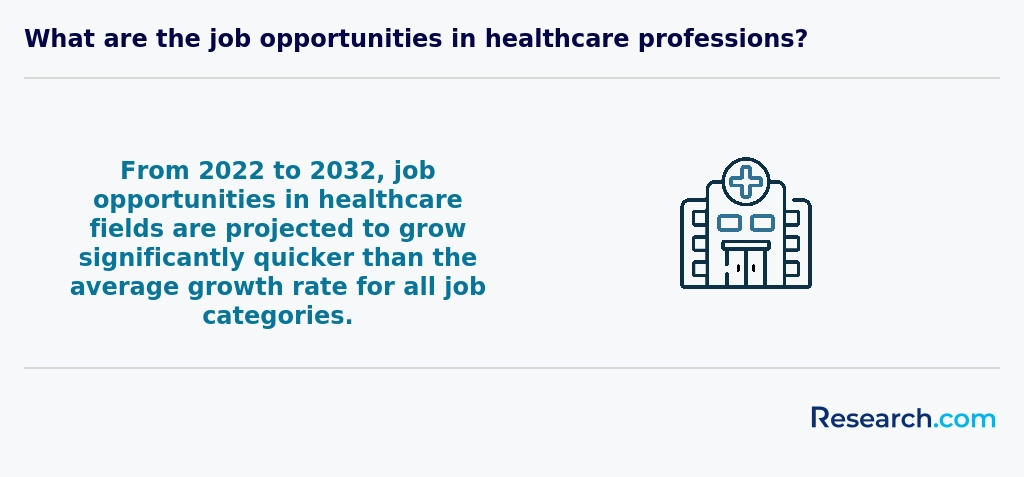
Healthcare careers in Huntsville open doors to a world of exciting roles, from hands-on patient care to behind-the-scenes management. Graduates from local institutions often share stories of thriving as registered nurses, nurse practitioners, or licensed practical nurses, drawn by the city's expanding hospitals and clinics. Imagine working alongside a team at Huntsville Hospital, one of the city's largest employers, where your skills directly impact growing communities. Others find fulfillment in healthcare administration, steering operations in medical centers or public health initiatives that shape regional wellness.
Exploring healthcare degree job opportunities in Huntsville also leads many toward specialized roles like medical and clinical laboratory technicians or physical therapy assistants, where an associate or bachelor's degree makes a real difference in patient recovery journeys. Whether it's assisting with rehabilitation or supporting diagnostic labs, these positions offer dynamic, rewarding experiences. For adventurous learners, considering advanced paths like nurse practitioner roles paves the way for new challenges; some graduates seek out top-notch pediatric nurse practitioner programs Texas to enhance their careers beyond local opportunities.
What is the job market for healthcare degree in Huntsville?
The healthcare job outlook in Huntsville is truly promising, with graduates frequently discovering a vibrant market ready to embrace their skills. Those earning healthcare degrees from popular local institutions often describe landing roles at Huntsville Hospital or Crestwood Medical Center as thrilling steps into rewarding careers. Imagine stepping from your last college lecture into a bustling ward, where your knowledge directly impacts patient care and outcomes. This city's healthcare degree employment opportunities extend beyond hospitals to outpatient clinics and emerging medical research linked to aerospace and defense industries, creating dynamic career paths.
Many graduates share how the balance of affordable education costs and steady job growth makes Huntsville a savvy choice for aspiring healthcare professionals. The median wage for registered nurses hovers around $68,000, reflecting the value employers place on skilled individuals. Students pursuing a healthcare administration degree near me enjoy pathways into leadership roles that influence the future of local healthcare delivery.
Frequently Asked Questions About healthcare
Healthcare degree students in Huntsville can maximize their learning experience by engaging with the city's diverse medical facilities, including Huntsville Hospital, the largest in Alabama with over 941 beds. Hands-on clinical experience is vital, so seeking internships and practicums there offers real-world exposure.
Students should also take advantage of Huntsville's growing biotech industry, which provides research opportunities in health sciences. Collaborations with local institutions like the University of Alabama in Huntsville can enhance academic learning with technological innovation.
Joining professional organizations and attending local healthcare conferences helps students build networks and stay informed on industry trends. Active participation in community health initiatives also improves practical skills and community awareness.
The healthcare field in Huntsville is expanding into several emerging niches that offer promising career opportunities. One rapidly growing area is telehealth, which has surged due to the increased demand for remote medical services. According to the Alabama Department of Public Health, telehealth visits in Huntsville grew by over 50% between 2020 and 2023, driving the need for professionals trained in digital health technologies.
Another niche is personalized medicine, which involves tailoring treatments based on individual genetic profiles. Huntsville's proximity to advanced research centers supports growth in this field.
Additionally, healthcare data analytics is gaining importance as providers seek to improve patient outcomes through data-driven decisions. Graduates with degrees focusing on health informatics are well-positioned to enter this sector.
After completing a healthcare degree in Huntsville, preparation for the job market involves several key steps. First, students should pursue relevant internships or clinical rotations locally, as Huntsville's growing healthcare sector offers hands-on experiences, particularly in hospitals like Huntsville Hospital and Crestwood Medical Center. According to the Alabama Department of Labor, healthcare jobs in Huntsville are projected to grow by over 12% through 2030, creating opportunities in nursing, medical technology, and administration.
Networking is also crucial; joining local professional groups such as the Huntsville/Madison County Medical Society can connect graduates with employers. Additionally, obtaining proper certifications and licenses aligned with state requirements improves employability. Career services at local institutions like the University of Alabama in Huntsville provide tailored support to navigate this process effectively.
Employers in Huntsville seeking healthcare degree graduates prioritize a combination of technical knowledge and interpersonal skills. According to local healthcare providers, strong clinical competence is essential, especially proficiency in electronic health records (EHR) systems, which are widely used across Huntsville's hospitals and clinics.
Communication skills rank highly, as healthcare workers must collaborate with multidisciplinary teams and explain complex information clearly to patients. The Huntsville Hospital system highlights adaptability and critical thinking as key traits due to the fast-paced healthcare environment.
Data from the Alabama Department of Labor indicates healthcare occupations in Huntsville are growing by 15% annually, increasing demand for professionals with problem-solving abilities and cultural competence to serve diverse patient populations.
Additionally, employers value graduates who demonstrate ethical decision-making and strong organizational skills, essential for managing both patient care and administrative tasks efficiently.
To find internships in Huntsville relevant to a healthcare degree, start by exploring local hospitals and healthcare providers. Huntsville Hospital, a major healthcare employer with over 1,200 beds, offers structured internship programs for students in nursing, medical technology, and allied health fields. Additionally, universities like the University of Alabama in Huntsville often partner with local clinics and labs to facilitate internship opportunities.
Next, use online platforms like Handshake or the Alabama Career Center System that list healthcare internships specific to the region. Networking through local healthcare associations, such as the Huntsville-Madison County Medical Society, can also increase chances of finding internships.
Finally, contacting your academic advisor early is key since many healthcare degrees require clinical hours that can be fulfilled via internships or practicums at approved local sites.
Obtaining a healthcare degree in Huntsville significantly enhances career mobility and advancement opportunities. The city's expanding medical sector, including major employers like Huntsville Hospital and Horizon Health, values skilled professionals with formal education. According to the U.S. Bureau of Labor Statistics, healthcare occupations in the Huntsville metropolitan area are projected to grow by over 15% through 2030, faster than many other industries.
Higher education credentials often lead to higher wages and leadership roles. For example, individuals with nursing or healthcare administration degrees in Huntsville can move from entry-level positions into management or specialized clinical roles more swiftly.
Moreover, local colleges offer programs aligned with industry demand, facilitating smooth transitions into area healthcare jobs. Credentials can also open doors to certifications and advanced licenses, essential for career progression.
Studying for a healthcare degree in Huntsville offers students unique preparation for interdisciplinary roles by emphasizing collaboration across multiple healthcare fields. Local institutions integrate coursework that explores nursing, public health, and health administration, reflecting the region's growing healthcare industry.
Huntsville's healthcare sector employs over 12,000 professionals, requiring teamwork among specialists to meet community needs, according to the Huntsville Hospital Foundation. This environment encourages students to develop skills in communication, critical thinking, and coordinated care.
Programs often include clinical rotations and internships with local hospitals, fostering real-world experience in diverse healthcare settings. These practical components help students understand how to work effectively with physicians, therapists, and health technologists.
Such training aligns with national trends that recognize interdisciplinary cooperation as key to improving patient outcomes and healthcare efficiency.
Choosing between a thesis and a non-thesis healthcare degree program in Huntsville depends largely on your career goals and learning preferences. Thesis programs emphasize research, requiring students to conduct original studies and produce detailed papers. This path is ideal if you plan to pursue a PhD or work in research-intensive roles.
Non-thesis programs focus more on practical skills and coursework, making them suitable for those seeking direct clinical or administrative roles in healthcare. Huntsville offers several accredited programs with both options, reflecting the city's growing healthcare industry that employs over 25,000 professionals (Bureau of Labor Statistics, 2023).
Consider time commitment as thesis tracks often take longer to complete. Your choice should align with whether you prefer hands-on practice or academic research in your healthcare career.
Students based in Huntsville seeking healthcare degrees abroad can explore various international study programs partnered with US institutions. Many universities offer exchange programs or dual degrees in fields such as nursing, public health, and healthcare administration. These programs allow Huntsville students to gain global experience while earning credits transferable to their home institutions.
While Huntsville itself is home to reputable healthcare education providers like the University of Alabama in Huntsville, abroad options expand exposure to different healthcare systems and practices. According to the Institute of International Education, approximately 12% of US healthcare students participate in study abroad annually, reflecting growing interest.
Financial aid and scholarships specifically designed for healthcare students often support such programs, making international study more accessible.
Students pursuing healthcare degrees in Huntsville can enhance their education by engaging in part-time job opportunities that offer practical experience. Popular roles include medical assistants, pharmacy aides, and patient care technicians, all of which provide direct exposure to clinical environments. According to the Alabama Department of Labor, healthcare support occupations in the Huntsville metro area are projected to grow by 15% through 2030, reflecting strong local demand.
Positions in local hospitals like Huntsville Hospital and Crestwood Medical Center are ideal for gaining relevant skills while studying. Additionally, working at urgent care centers or home health agencies can deepen understanding of patient care dynamics. These roles often provide flexible schedules, accommodating academic commitments.
Healthcare students in Huntsville benefit from a variety of local networking opportunities that support professional growth. The city hosts chapters of national organizations such as the American Medical Student Association (AMSA) and the Healthcare Information and Management Systems Society (HIMSS), providing events, workshops, and conferences for students.
Additionally, Huntsville's healthcare industry is supported by institutions like Huntsville Hospital and Crestwood Medical Center, where students can participate in internships and clinical rotations to build connections.
Local universities also organize career fairs and alumni networking sessions specifically for healthcare programs, often partnering with regional healthcare employers.
The city's growing biotech and research sectors offer further environments to engage with professionals actively shaping healthcare innovation in Alabama.
Alumni networks play a significant role in supporting healthcare degree students in Huntsville by connecting them with experienced professionals in the field. These networks often provide mentorship, internship opportunities, and guidance on navigating local healthcare systems.
Huntsville's healthcare sector is growing rapidly, with institutions like Huntsville Hospital employing thousands. Alumni connections can open doors within these organizations, helping students secure practical experience and job placements after graduation.
Strong alumni communities also offer access to workshops, continuing education, and industry updates, which are critical in a field that evolves quickly.
According to the Alabama Department of Public Health, networking within local healthcare circles substantially improves employment prospects for graduates.
Customizing a healthcare degree program in Huntsville involves selecting courses and specializations that align with your career goals. Many local institutions offer flexible degree options, allowing students to focus on areas like nursing, health administration, or medical technology. Elective courses and certificate programs can enhance your skills in emerging fields such as telehealth or healthcare informatics.
The University of Alabama in Huntsville, for example, provides opportunities to integrate research projects with coursework, helping students gain practical experience. Additionally, internships and partnerships with local hospitals like Huntsville Hospital enable hands-on training tailored to specific healthcare sectors.
According to the Alabama Department of Labor, healthcare occupations in Huntsville are expected to grow by over 10% in the next decade, increasing demand for specialized knowledge. By leveraging customizable academic tracks, students can position themselves competitively for these expanding job markets.
Healthcare students in Huntsville often face challenges balancing rigorous coursework with clinical hours required for licensure. Many programs demand hands-on experience in busy local hospitals like Huntsville Hospital, which can be competitive to secure.
Additionally, costs of education remain a significant barrier; although Alabama offers some financial aid options, the average student loan debt for healthcare graduates nationwide exceeds $50,000, which affects Huntsville students similarly (American Association of Medical Colleges, 2023).
Another challenge involves keeping pace with evolving technology and healthcare standards. Students must adapt to new electronic health records systems and telemedicine, increasingly used in Huntsville's healthcare centers.
Lastly, limited local job placements for specialized healthcare roles can require Huntsville graduates to consider relocation for certain career paths.
With a healthcare degree in Huntsville, you can pursue various professional certifications that enhance your qualifications and job prospects. Common certifications include Certified Nursing Assistant (CNA), Registered Nurse (RN) licensure, and Medical Assistant certification. For advanced roles, certifications such as Certified Health Education Specialist (CHES) or Emergency Medical Technician (EMT) are also popular.
Huntsville's healthcare sector employs over 15,000 professionals, increasing demand for certified workers, according to local labor statistics. These credentials often require passing exams and meeting clinical practice hours, ensuring practical competence.
Many healthcare programs in the area prepare students for these certifications, aligning education with workforce needs and improving employability.
Applying to a healthcare program in Huntsville requires careful preparation and attention to detail. Start by researching local institutions such as the University of Alabama in Huntsville or Calhoun Community College, which offer respected healthcare degrees. Focus on highlighting relevant experience, including any healthcare-related volunteer or work opportunities, as admissions committees value practical exposure.
Ensure your personal statement clearly communicates your passion for healthcare, backed by specific examples. Huntsville's healthcare sector is growing, with the Huntsville Hospital system employing over 7,000 staff (Huntsville Hospital reports, 2023), indicating a strong local demand for trained professionals.
Submit all required documents early, and prepare for any entrance exams such as the TEAS. Strong academic records, clear career goals, and understanding of local healthcare needs will help create a winning application.
Healthcare careers are increasingly valued worldwide due to growing populations and aging demographics. In the United States, pursuing a healthcare degree offers strong job security and diverse opportunities, especially in cities like Huntsville. According to the U.S. Bureau of Labor Statistics, healthcare occupations are projected to grow by 13% from 2021 to 2031, faster than the average for all professions.
Huntsville benefits from a robust healthcare system supported by institutions such as Huntsville Hospital and the growing biotech sector. This regional growth reflects global trends emphasizing healthcare innovation and accessibility.
Globally, healthcare professionals are critical in addressing public health challenges, which enhances the value of a U.S. healthcare education. Many international organizations collaborate with U.S. institutions, expanding career paths for graduates.
Practical experience is essential for healthcare students in Huntsville. Many local colleges collaborate with nearby hospitals and clinics, such as Huntsville Hospital and Crestwood Medical Center, to offer clinical rotations and internships. These hands-on opportunities help students apply classroom knowledge to real-world settings.
Additionally, Huntsville's robust healthcare sector provides volunteering options through organizations like the American Red Cross and local nursing homes, enhancing patient care skills.
Some programs incorporate simulation labs, allowing students to practice procedures with advanced mannequins before direct patient interaction.
According to the Alabama Community College System, over 60% of healthcare students in the state engage in internships during their studies.
Choosing the right concentration within a healthcare degree in Huntsville requires understanding local industry demands and personal career goals. Huntsville is growing rapidly in healthcare, supported by institutions like Huntsville Hospital and numerous specialized clinics. According to the Alabama Department of Labor, jobs in nursing, medical technology, and health administration are among the fastest-growing sectors locally.
Consider programs that align with these in-demand areas to increase job prospects after graduation. Research the curriculum offered by Huntsville universities, looking for accredited concentrations that provide hands-on experience and internship opportunities. Additionally, connect with local healthcare professionals or academic advisors to gain insights into career stability and salary expectations in each concentration.
Given Huntsville's expanding healthcare infrastructure, concentrations like nursing, healthcare informatics, and public health often offer favorable employment outcomes. Prioritize concentrations with a balance between your interests and the city's workforce needs.
Related Healthcare Rankings for Nearby Cities
- 2027 Most Affordable Healthcare Degree Programs Ranking in Birmingham
- 2027 Most Affordable Healthcare Degree Programs Ranking in Atlanta
- 2027 Most Affordable Healthcare Degree Programs Ranking in Montgomery
- 2027 Most Affordable Healthcare Degree Programs Ranking in Macon
- 2027 Most Affordable Healthcare Degree Programs Ranking in Louisville
- 2027 Most Affordable Healthcare Degree Programs Ranking in Mobile
- 2027 Most Affordable Healthcare Degree Programs Ranking in Little Rock
- 2027 Most Affordable Healthcare Degree Programs Ranking in Tallahassee
- 2027 Most Affordable Healthcare Degree Programs Ranking in Indianapolis
- 2027 Most Affordable Healthcare Degree Programs Ranking in New Orleans
Top Trending Healthcare Rankings
See What Experts Have To Say About Studying Healthcare
Read our interview with Healthcare experts

References
- Clinical Experience for Nursing Students: A Critical Career Step https://beal.edu/clinical-experience-for-nursing-students/
- Education https://www.huntsvillehospital.org/education
- Clinical Support Training at Huntsville Hospital - Careers with Huntsville Hospital Health System https://careers.hhsys.org/education/clinical-support-training-at-huntsville-hospital/
- HEALTH MANAGEMENT (THESIS / NON-THESIS) - Lisansüstü Eğitim Enstitüsü https://lee.nisantasi.edu.tr/en/health-management-thesis-non-thesis/
- Huntsville Hospital Health System https://ace.edu/strategic-partners/huntsville-hospital-health-system/
- Client Challenge https://www.springerpflege.de/nursing-graduates-perceived-future-career-pathway-and-career-shi/50653658
- Top 5 Part-Time Healthcare Jobs For Students https://www.sumnercollege.edu/blog/top-5-part-time-healthcare-jobs-for-students/
- Global Perspectives – Healthcare Beyond Borders https://www.cedars-sinai.org/international-stories/healthcare-beyond-borders.html
- Career Opportunities in Healthcare Without a Medical Degree https://www.just-medical.ch/en/blog/medical-careers-without-formal-education
- Thesis vs. Non-Thesis Master's Programs: Which is Right for You? https://potomac.edu/thesis-vs-non-thesis-masters/


