
2027 Most Popular Healthcare Degree Programs Ranking in Salt Lake City

Co-Founder and Chief Data Scientist
Choosing the right healthcare degree program can be overwhelming, especially with so many options in Salt Lake City. To help you navigate this important decision, the article presents the 2027 Most Popular Healthcare Degree Programs Ranking in Salt Lake City created by the Research.com team of data scientists.
This ranking offers clear insights into the best programs based on reliable data, making it easier for you to identify quality options. Pursuing a healthcare degree opens doors to a rewarding career where you can make a real difference in people's lives.
Explore this guide to discover programs that align with your goals and set a strong foundation for your future.
Key benefits of getting healthcare degree in Salt Lake City
- Healthcare degree graduates in Salt Lake City can earn competitive salaries, such as $43,350 annually for Medical Assistants or $60,790 for Patient Care Technicians, offering financial stability and growth opportunities.
- Graduates from universities like the University of Utah enjoy diverse career paths including Clinical Research Coordinator or Health Information Technician roles, allowing for rewarding work in various healthcare settings.
- Online healthcare degrees from local schools provide flexible learning schedules and accessibility, helping busy students balance education with life while still achieving strong career outcomes.
- Key benefits of getting healthcare degree in Salt Lake City
- What can I expect from healthcare degree in Salt Lake City?
- Where can I work with healthcare degree in Salt Lake City?
- How much can I make with healthcare degree in Salt Lake City?
- 2027 Most Popular Healthcare Degree Programs Ranking in Salt Lake City
- Key Findings
- How long does it take to complete healthcare degree in Salt Lake City?
- Next Steps: Planning Your Healthcare Education Journey
- What's the difference between online and on-campus healthcare degree?
- Continuing Education and Certification Opportunities
- What is the average cost of healthcare degree in Salt Lake City?
- Licensing and Certification Requirements in Utah for Healthcare Graduates
- What financial aid is available to healthcare degree students in Salt Lake City?
- Campus Life and Student Support: A Key Component of Your Healthcare Journey in Salt Lake City
- What are the prerequisites for enrolling in healthcare degree program in Salt Lake City?
- Accreditation and Licensure Pass Rates
- What courses are typically in healthcare degree programs in Salt Lake City?
- What types of specializations are available in healthcare degree programs in Salt Lake City?
- How do you choose the best healthcare degree in Salt Lake City?
- What career paths are available for healthcare degree students in Salt Lake City?
- What is the job market for healthcare degree in Salt Lake City?
- Top Trending Healthcare Rankings
- See What Experts Have To Say About Studying Healthcare
What can I expect from healthcare degree in Salt Lake City?
If you're thinking about getting a healthcare degree in Salt Lake City, you'll be happy to know that the cost is pretty reasonable, especially at public universities like the University of Utah. Many students find that tuition is affordable compared to other parts of the country, particularly if you're an in-state resident. Graduates often share how the manageable tuition fees allowed them to focus more on their studies and clinical experiences without stressing too much about debt.
For example, students at the University of Utah can take advantage of competitive in-state tuition rates that make pursuing nursing or health informatics degrees feel doable on a budget. Plus, there are lots of scholarships and financial aid options tailored for healthcare students, which many people mention as a huge help during their journey.
Their typical semesters blend classroom learning with hands-on training at nearby hospitals like University of Utah Health, making each dollar spent feel well worth it because of the practical skills gained. It's a win-win for those aiming for a solid education without breaking the bank.
Where can I work with healthcare degree in Salt Lake City?
If you've got a healthcare degree from a school like the University of Utah, getting a job in Salt Lake City is pretty exciting because there are loads of options. Many grads find themselves working at big places like University of Utah Health or Intermountain Healthcare, where they join teams of nurses, therapists, or even healthcare admins. It's common to hear how grads love the variety-they might be at a busy hospital one day and at a neighborhood clinic the next.
Others take a more community-focused route, working with the Salt Lake County Health Department or local public health groups. These roles often involve health education and helping people prevent disease, which feels pretty rewarding for those who want to make a real difference close to home.
Then, there's the growing biotech and health tech scene in Salt Lake City. Graduates who combine their clinical knowledge with tech skills often jump into jobs developing medical devices or healthcare software. Some even find themselves at startups, which can be a fun and fast-paced way to work with cutting-edge health tech.
Plus, with Utah's aging population, home healthcare jobs are booming. Many grads take roles as home health aides or therapists, which lets them build close relationships with patients while working independently. Salt Lake City really offers something for every kind of healthcare professional, making it a fantastic place to start your career.
How much can I make with healthcare degree in Salt Lake City?
If you're thinking about a healthcare degree in Salt Lake City, you'll be glad to know that many graduates land jobs with solid pay right after finishing their studies. For example, grads working as Medical Assistants or Clinical Research Coordinators often start off around $43,350 a year. That's what recent alumni from local schools like the University of Utah and Salt Lake Community College are seeing.
Some graduates find roles as Patient Care Technicians, where the average salary bumps up to about $60,790 a year-definitely a step up. Those who dive into Health Information Technician positions typically earn around $43,380 annually, which is great for entry-level healthcare folks focusing on tech and data.
For those aiming higher, Quality Improvement Coordinators in Salt Lake City are pulling in roughly $103,150 a year. Graduates who studied healthcare management or specialized certifications at well-known local colleges feel this is a rewarding goal, turning their education into a paycheck that reflects their effort and skills.
2027 Most Popular Healthcare Degree Programs Ranking in Salt Lake City
How do we rank schools?
Investing in your education is a significant decision that can shape your future, and the Research.com team understands the importance of making informed choices. To assist prospective students in Salt Lake City, we have meticulously crafted the "2027 Most Popular Healthcare Degree Programs Ranking in Salt Lake City." Our commitment to quality, credibility, and accuracy is reflected in the thorough research and analysis conducted to compile this ranking.
We utilized the following reputable data sources to ensure a comprehensive evaluation of healthcare degree programs:
By exploring this ranking, readers will gain valuable insights into the most popular healthcare degree programs available in Salt Lake City, empowering them to make well-informed educational decisions. For more details on our methodology, please visit our Research.com methodology page.


Key Findings
- In-state tuition for healthcare degrees in Salt Lake City ranges from $8,500 to $10,500 per year, while private college tuition ranges from $25,000 to $35,000 annually.
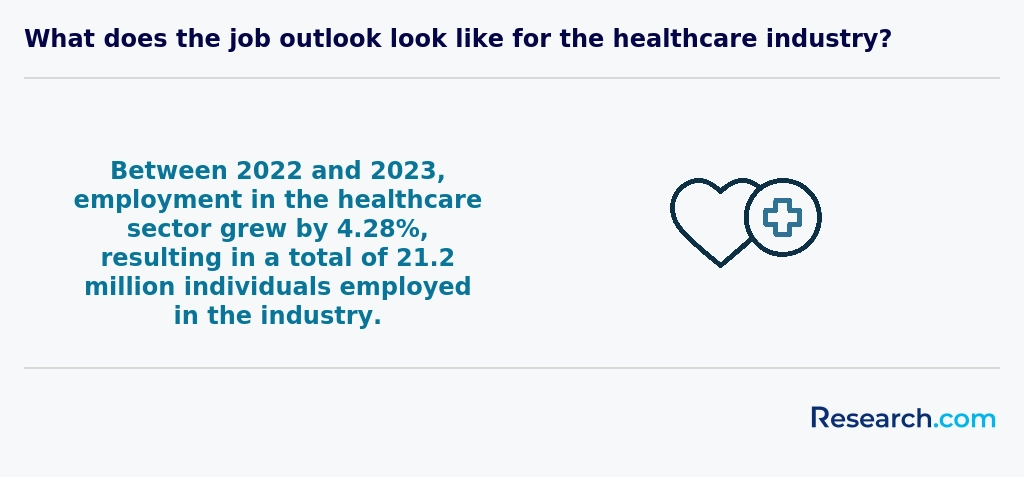
- Healthcare employment in Salt Lake City is projected to grow by about 15% over the next decade, driven by expanding population and healthcare facilities.
- The average starting salary for healthcare graduates is around $55,000 per year, increasing to $75,000 or more with five years of experience.
- Local healthcare providers like the University of Utah Health offer clinical and internship opportunities essential for practical experience and certification readiness.
- Accreditation from agencies such as CAAHEP or ACEN is important to ensure quality education and eligibility for professional licensure.
How long does it take to complete healthcare degree in Salt Lake City?
Getting a healthcare degree in Salt Lake City usually depends on what level you're aiming for. For example, if you're going after a Bachelor of Science in Nursing (BSN) or a Health Sciences degree at the University of Utah, expect about four years of full-time study. Many grads mention that sticking to this timeline helped them jump into the workforce feeling confident and ready.
If you're thinking about going deeper with a Master of Science in Nursing (MSN) or a Physician Assistant program, schools like Westminster College offer options that typically take two to three years after you finish your bachelor's. Students there often share how accelerated paths helped them get certified faster, especially if they had some healthcare experience already.
For those wanting quicker entry, associate degrees like the ADN-common at Salt Lake Community College-can be done in just around two years, which is perfect for those eager to start working.
Plus, if you need more flexibility, many of these schools let you study part-time, though that can stretch out your timeline a bit. Overall, most folks find local programs well-paced and manageable while juggling life outside school.
Next Steps: Planning Your Healthcare Education Journey
Embarking on your healthcare education journey involves more than selecting a program-it requires careful planning to align your academic goals, financial situation, and long-term career aspirations. As you prepare your applications, consider tailoring personal statements that highlight your passion for healthcare and your readiness for a challenging curriculum. Explore available resources such as webinars, virtual campus tours, and admission counseling sessions to better understand the specific strengths of each institution. Additionally, research accreditation details, internship opportunities, and student support services to ensure a smooth transition into your chosen program. Many prospective students start by reviewing rankings and program overviews, such as those found through popular healthcare programs, which provide valuable insights into each program's reputation and performance. By integrating these actionable steps and continuously engaging with school representatives, you can confidently shape a future in the dynamic healthcare field while optimizing your academic and career success.
What's the difference between online and on-campus healthcare degree?
If you're thinking about studying healthcare in Salt Lake City, the biggest difference between online and on-campus programs boils down to how you learn and connect. Online degrees offer you the freedom to study from anywhere-perfect if you're juggling a job or family. Many students appreciate this flexibility, especially since it saves time and money on commuting. Imagine watching lectures from home while managing your own schedule, like some graduates from local online programs describe.
On the flip side, on-campus programs at schools around Salt Lake City bring you right into the action with hands-on labs and clinical placements. Graduates often mention how working directly in university-affiliated hospitals or simulation labs gave them confidence and real-world skills that online classes just can't fully replicate.
Both paths meet solid accreditation standards, so you know the education quality is strong. But on-campus students get more face-to-face time and instant feedback, while online peers lean heavily on virtual discussions and video calls to stay connected.
Continuing Education and Certification Opportunities
In today’s fast-evolving healthcare landscape, continuous learning and additional certifications play a crucial role in enhancing your career prospects. Beyond obtaining a degree, many successful graduates pursue specialized certifications that not only validate their skills but also broaden their opportunities in areas such as health informatics, patient safety, and healthcare management. Integrating certification programs into your educational journey demonstrates your commitment to staying current with industry standards and technological advancements. For instance, enrolling in a course like free online medical billing and coding can provide you with practical skills that set you apart in a competitive job market. Whether you are new to the field or looking to advance your career, exploring these additional certification options, attending workshops, and participating in professional webinars can significantly boost your resume and your ability to meet the dynamic needs of employers.
What is the average cost of healthcare degree in Salt Lake City?
If you're wondering about the average healthcare degree cost in Salt Lake City, here's the lowdown. For most local students attending public schools like the University of Utah, in-state tuition tends to be around $9,620 for the full program. That's a pretty manageable price, especially when you think about how quickly a graduate can start working in a healthcare job and feel proud of making it through those tough clinical hours. Out-of-state students, though, should expect to pay more, with total costs hovering near $54,400.
Private colleges in Salt Lake City, known for smaller class sizes and personalized attention, usually charge about $54,400 as well for their healthcare degrees. Graduates from these schools often mention the tight-knit community and supportive professors that made the investment feel worthwhile. Beyond just tuition, keep in mind you'll encounter extra costs like lab fees or clinical supplies, but those are typically manageable.
Many students choose Salt Lake City because of its great balance between quality education and affordability. Whether you're eyeing the University of Utah or exploring other options, you can find plenty of financial aid, scholarships, and job programs to ease the burden. For more info about popular healthcare programs in the area, check out popular healthcare programs to see what others are pursuing and getting excited about.
When you weigh tuition with those extra expenses, figuring out your total budget for Salt Lake City healthcare degree tuition and fees becomes a lot easier. It's all about planning ahead and seeing your future career unfold one course at a time.
Licensing and Certification Requirements in Utah for Healthcare Graduates
Upon completing a healthcare degree in Salt Lake City, UT, graduates must obtain the appropriate state licensure or certification to practice legally and competitively. In Utah, the Division of Professional Licensing oversees certifications for roles such as Registered Nurses (RNs), Licensed Practical Nurses (LPNs), and Health Information Technicians. Prospective RNs must graduate from an ACEN- or CCNE-accredited nursing program, pass the NCLEX-RN exam, and submit a background check. LPN candidates follow a similar pathway, culminating in the NCLEX-PN. Health Information Technician graduates are encouraged to sit for the Registered Health Information Technician (RHIT) exam through AHIMA, which validates expertise in electronic health records and data management. Certification fees vary by profession: the NCLEX exam fee is approximately $200, while RHIT registration costs around $228. Applicants should budget an additional $50–$100 for fingerprinting and licensure application. Average NCLEX-RN pass rates for Utah institutions hover around 92%, reflecting robust program quality. Graduates can improve exam readiness by enrolling in prep courses offered through university testing centers and local workforce development workshops. For those considering advanced credentials, exploring master’s pathways can be advantageous. Cost-conscious students may find value in our curated rankings of affordable graduate programs; for example, see the Inexpensive Online Master’s in Healthcare Degree Programs Ranking in Minnesota for insight into budget-friendly options. Maintaining active certification also requires periodic continuing education units (CEUs): RNs and LPNs must complete 30 CEUs every two years, while RHITs need 20 CEUs over a two-year cycle. Understanding these requirements ensures smooth transition from graduate to licensed professional in Utah’s dynamic healthcare landscape.
What financial aid is available to healthcare degree students in Salt Lake City?
When you're diving into a healthcare degree in Salt Lake City, there's a solid mix of financial aid to help ease the load. Most students start with federal aid by filling out the FAFSA - this opens doors to grants like Pell Grants that don't need to be paid back, plus subsidized and unsubsidized loans to cover the rest. It's a relief for many who worry about how to handle tuition, especially with costs in Utah's public schools ranging from $15,000 to $30,000 a year.
Local scholarships are a lifesaver too. Lots of healthcare students at places like the University of Utah or Salt Lake Community College find scholarships through groups like the Utah Nurses Association, which reward hard work and community spirit. Some awards range from $1,000 to $5,000 annually, perfect for picking up books or covering fees.
On top of that, state programs-like the Utah Centennial Scholarship-focus on healthcare fields to meet local job needs, which really motivates students to finish strong. Many grads have shared how work-study gigs on campus and employer tuition assistance programs have made juggling school and work much less stressful, letting them gain experience while earning.
Campus Life and Student Support: A Key Component of Your Healthcare Journey in Salt Lake City
Salt Lake City’s educational institutions not only offer rigorous academic programs but also provide a vibrant campus life and robust support services designed to enrich your overall learning experience. From dedicated career centers and mentorship programs to student clubs and wellness initiatives, these resources help you build essential soft skills and create long-lasting professional relationships. For instance, many students in popular healthcare programs benefit from regular networking events, interactive workshops, and internship fairs that seamlessly integrate theory with real-world practice. Emphasizing a holistic approach, institutions in Salt Lake City encourage active community engagement and experiential learning, ensuring that you are well-prepared to face the dynamic challenges of the healthcare industry. This supportive environment not only fosters academic excellence but also boosts your confidence, making it easier to transition into a competitive job market after graduation.
What are the prerequisites for enrolling in healthcare degree program in Salt Lake City?
Jumping into a healthcare degree in Salt Lake City means you'll need some basics checked off first. Most schools, like the University of Utah or Utah Valley University, expect you to have your high school diploma or GED ready to go. It's important because it shows you've got the foundation to tackle the coursework ahead without too much struggle.
From there, the usual must-haves for classes include biology, chemistry, math, and English or composition. These set you up for the kind of science and communication work you'll be doing later. Some programs ask for extras like anatomy, physiology, or statistics, especially if they're more competitive.
Graduates often say that these prerequisites, while sometimes tough at first, really pay off once clinicals start, and you're working hands-on with real patients. Plus, you'll need to be up to date on immunizations and clear background checks, which is just part of the process before you get to the exciting stuff.

Accreditation and Licensure Pass Rates
Accreditation from recognized bodies ensures programs meet rigorous standards and prepare you for licensure exams. In Salt Lake City:
- Nursing programs accredited by CCNE or ACEN consistently achieve first-time NCLEX pass rates above 90%
- Allied health programs (medical imaging, sonography) accredited by CAAHEP report certification exam pass rates around 85–95%
- Health information management programs accredited by CAHIIM maintain RHIA/RHIT pass rates near 80–90%
High licensure pass rates demonstrate curriculum quality, strong clinical partnerships, and graduate readiness. For insights on nursing program entry, explore our easiest nursing schools to get into.
What courses are typically in healthcare degree programs in Salt Lake City?
If you're diving into a healthcare degree in Salt Lake City, expect to tackle classes that really build your foundation. Graduates from places like the University of Utah often talk about how courses in biology, anatomy, and physiology gave them a clear picture of how the body works and why it's so important in healthcare jobs.
Many students find hands-on classes-like nursing fundamentals or health assessment-super valuable because they get to practice real skills through labs or clinical rotations. It's one thing to read about patient care in a textbook, but another to actually apply it during internships at local hospitals, which Salt Lake City offers plenty of thanks to its strong healthcare community.
You'll also touch on chemistry and medical terminology, which might sound tough, but they really help you speak the same language as other professionals. Some programs even let you specialize with courses in health informatics, rehab sciences, or public health, so you can zero in on your passion while studying right in the heart of Utah's healthcare scene.
What types of specializations are available in healthcare degree programs in Salt Lake City?
In Salt Lake City, healthcare degrees offer a cool mix of specializations that really fit the city's growing medical scene. If you're eyeing a program here, you might jump into nursing paths like registered nurse or pediatric nursing, which many graduates find super rewarding and hands-on. Others love diving into health information management, learning how to keep patient data safe and organized-perfect if you're into tech and healthcare combined. Public health is also a big deal, with a focus on community care and tackling health issues both in the city and rural parts of Utah. Healthcare administration programs usually attract those who want to run the behind-the-scenes of hospitals and clinics, and allied health fields cover everything from lab tech to respiratory therapy.
Popular universities in Salt Lake City offer solid training in these areas, making them favorites for students who want practical skills alongside academic knowledge. If coding and billing sound interesting, you might even check out some free online medical billing and coding courses that help you start fast. Most grads feel prepared and excited about their futures, knowing Salt Lake City's healthcare scene is expanding.
How do you choose the best healthcare degree in Salt Lake City?
Picking the best healthcare degree programs in Salt Lake City really comes down to what you want to do in healthcare and how you want to learn it. Graduates from local universities often mention how valuable hands-on clinical placements at places like Intermountain Healthcare or University of Utah Health were in shaping their confidence and skills. If nursing is your goal, seeking out programs with strong accreditation, like those recognized by CCNE or ACEN, makes a big difference when you're applying for jobs around Salt Lake City.
Money matters too, and Salt Lake City has a mix of public schools with affordable tuition and pricier private options, so it's smart to compare costs and financial aid options. Also, many working students appreciate programs that offer online or evening classes to fit busy schedules. You might want to check out rankings like the Inexpensive Online Master's in Healthcare Degree Programs Ranking in Minnesota to get ideas on affordable healthcare degrees Salt Lake City area students consider before committing.
What career paths are available for healthcare degree students in Salt Lake City?
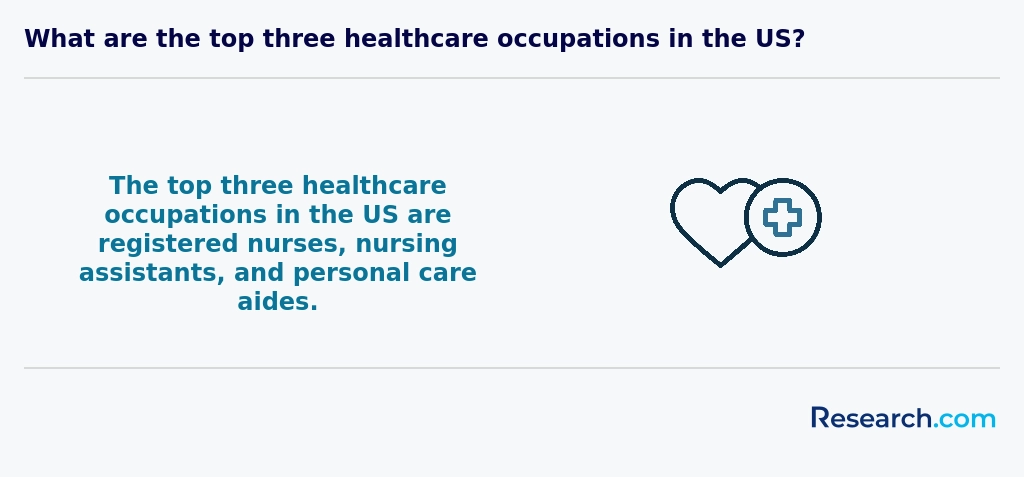
If you're eyeing a healthcare degree career opportunities in Salt Lake City, you'll find plenty of options to dive into right after graduation. Whether you're graduating from the University of Utah or Westminster College, many locals start out as Registered Nurses, earning solid pay and diving straight into patient care. Others jump into roles like Physician Assistants, who work closely with doctors and enjoy competitive salaries that reflect the city's healthcare growth.
Graduates often share how rewarding healthcare administration has been, especially with Salt Lake City's expanding hospitals, where managing the backend keeps things bustling. Some get hands-on as Medical Laboratory Technicians, running tests behind the scenes. For those passionate about movement and recovery, becoming a Physical Therapist is also a popular path, with steady demand in local clinics and rehab centers.
Public health roles are booming too, and many students explore opportunities in epidemiology or healthcare policy, especially given the city's strong community focus. If you want to speed things up, some choose accelerated programs at local schools, which is perfect for jumping into the field faster.
What is the job market for healthcare degree in Salt Lake City?
The job market for healthcare degree holders in Salt Lake City is buzzing with opportunity. Graduates from local universities, like the University of Utah, often find themselves landing roles quickly thanks to strong connections with prominent employers such as Intermountain Healthcare and University of Utah Health. Many healthcare degree job prospects Salt Lake City offers stem from the city's diverse healthcare system-from hospitals to outpatient centers-giving recent grads plenty of paths to explore.
One common story among new graduates is the ease of finding solid-paying jobs, with salaries often matching or beating national averages. For instance, graduates working as registered nurses report earning around $80,000 a year, which feels both satisfying and motivating. Plus, healthcare managers with advanced degrees in the area often boast salaries above $110,000, reflecting the potential to grow quickly within this field.
Apart from strong employment, the cost-friendly tuition at schools like the University of Utah makes Salt Lake City an especially appealing spot to study. Those weighing options can even consider the easiest subject for phd as a strategic route to boost credentials without overwhelming financial strain. This all blends into a reassuring picture for anyone eager to join the Salt Lake City healthcare degree employment opportunities scene.
Frequently Asked Questions About healthcare
Healthcare degree students in Salt Lake City can enhance their learning by engaging with local healthcare institutions like the University of Utah Health, which offers diverse clinical training opportunities. Participating in internships or volunteer programs within Salt Lake's extensive healthcare system allows students to gain practical experience and build professional networks.
Utilizing resources at institutions such as Salt Lake Community College, which reports a growing enrollment in health sciences, can deepen theoretical knowledge. Additionally, attending health-related workshops and seminars in Salt Lake City contributes to staying current with industry trends and research.
Networking with professionals in the city's vibrant healthcare community is essential; Salt Lake City's focus on biotechnology and health innovation provides students with career-ready skills.
The healthcare field in Salt Lake City is expanding into several emerging niches driven by technological advances and evolving patient needs. One notable area is telehealth, which surged during the COVID-19 pandemic and continues growing, allowing remote patient monitoring and virtual consultations. According to the Utah Department of Health, telehealth visits increased by over 50% since 2020 in the region.
Another promising niche is healthcare data analytics. Professionals skilled in analyzing health data to improve patient outcomes are in high demand in Utah's growing medical centers. Additionally, integrative and holistic health roles combining traditional and alternative therapies are gaining popularity.
Finally, geriatric care is critical in Salt Lake City's aging population, creating opportunities in specialized nursing and care coordination. These niches reflect broader national trends but are particularly relevant locally due to demographic and technological factors.
After completing a healthcare degree in Salt Lake City, preparing for the job market involves several critical steps. Graduates should begin by obtaining professional certifications relevant to their specific field, such as CPR or specialized nursing credentials. Local healthcare employers like Intermountain Healthcare and University of Utah Health often prioritize applicants with hands-on clinical experience, so gaining internships or volunteering in these institutions can be beneficial.
Networking through local professional associations, such as the Utah Nurses Association, enhances job prospects. Additionally, Salt Lake City's healthcare sector is projected to grow by 20% through 2030, according to the Utah Department of Workforce Services, highlighting increasing opportunities for qualified graduates.
Employers in Salt Lake City's healthcare sector value a combination of practical and interpersonal skills in graduates holding healthcare degrees. Clinical competence is essential, including proficiency in patient care techniques and familiarity with medical technology.
Communication skills rank highly, as professionals must effectively interact with patients and multidisciplinary teams. According to the Utah Department of Workforce Services, healthcare jobs in Salt Lake City grew by 17% over the past five years, increasing demand for graduates who are adaptable and culturally competent.
Critical thinking and problem-solving abilities help graduates navigate complex medical situations. Additionally, knowledge of electronic health records (EHR) systems is increasingly important due to the digitization of healthcare data.
Time management and stress resilience also emerge as key attributes in fast-paced Salt Lake City healthcare settings.
Finding internships in Salt Lake City relevant to a healthcare degree involves leveraging local healthcare institutions and academic resources. Salt Lake City is home to major healthcare providers such as Intermountain Healthcare and University of Utah Health, both offering structured internship programs for healthcare students. These institutions often partner with universities to provide clinical and administrative internship opportunities.
Students should also explore career services at local colleges like the University of Utah, which maintains listings of healthcare internships and can connect students with local employers. Additionally, online platforms such as Utah's state workforce development websites provide updated listings for healthcare internships.
Networking through local healthcare organizations and professional associations in Salt Lake City can increase access to internship openings, giving students hands-on experience in patient care, health administration, or research.
In Salt Lake City, earning a healthcare degree significantly enhances career mobility and advancement opportunities within the region's expanding healthcare industry. According to the Utah Department of Workforce Services, healthcare occupations are expected to grow by over 20% from 2020 to 2030, the fastest among all sectors locally.
A formal degree provides not only essential clinical skills but also access to professional networks and certifications that employers value. For example, registered nurses with bachelor's degrees in nursing (BSN) often qualify for higher-paying supervisory roles compared to those with associate degrees.
Moreover, many local hospitals and clinics in Salt Lake City, such as Intermountain Healthcare, prioritize candidates with advanced healthcare education for leadership and specialized positions. This trend reflects national data showing degree holders benefit from better job security and salary growth over time.
Studying for a healthcare degree in Salt Lake City equips students with skills essential for interdisciplinary roles by emphasizing collaborative learning and practical experience. Many local programs incorporate joint coursework spanning nursing, public health, and allied health fields, fostering communication across professions. Salt Lake City's healthcare system, featuring institutions like Intermountain Healthcare, encourages partnerships between various disciplines, offering students real-world exposure. According to Utah Department of Health data, Salt Lake County's integrated care initiatives highlight the need for adaptable professionals skilled in teamwork.
This environment prepares graduates to navigate complex patient needs where medical, social, and behavioral health intersect. Programs often include simulation labs and community-based projects to develop critical thinking and coordination abilities, critical for today's healthcare workforce.
Choosing between a thesis and a non-thesis healthcare degree program in Salt Lake City depends primarily on your career goals. A thesis option is research-focused and ideal if you plan to pursue advanced study or a career in healthcare research or academia.
On the other hand, a non-thesis program emphasizes practical skills and coursework, which suits professionals aiming to enter clinical practice or administrative roles directly. For example, the University of Utah in Salt Lake City offers both tracks in nursing and public health.
According to Utah's Department of Workforce Services, healthcare jobs in Salt Lake City are expected to grow by 18% from 2022 to 2032, signaling diverse opportunities. If you want to develop analytical research skills, choose thesis; for quicker workforce entry, consider non-thesis.
Students based in Salt Lake City interested in pursuing healthcare degrees abroad have several pathways available through partnerships and exchange programs offered by local institutions. The University of Utah, a prominent research university in the city, facilitates study abroad opportunities in countries known for advanced healthcare education, such as the United Kingdom, Canada, and Australia.
These programs often allow students to earn credits towards nursing, public health, or medical degrees while gaining international experience. According to the University of Utah's global engagement office, approximately 300 students participate annually in healthcare-related study abroad programs.
Additionally, community colleges in Salt Lake City, such as Salt Lake Community College, may offer collaborative programs or support for students seeking international clinical experience. The emphasis is largely on combining rigorous academic curriculum with practical exposure, which can enhance employability in the healthcare sector.
Salt Lake City offers a range of part-time job opportunities that effectively complement healthcare degree education. Positions such as medical scribe, pharmacy technician, and patient care assistant provide valuable hands-on experience. These roles enhance clinical knowledge and improve patient interaction skills, which are essential for healthcare careers.
According to the Utah Department of Workforce Services, healthcare jobs in Salt Lake City are expected to grow by over 20% through 2030, creating numerous part-time openings for students. Additionally, local hospitals and clinics often hire interns and aides, allowing students to apply classroom learning in real medical environments.
Part-time work in medical offices also helps develop administrative skills relevant to healthcare management. These opportunities support networking and enhance resumes, ultimately benefiting long-term career prospects in the healthcare sector.
Healthcare students in Salt Lake City benefit from numerous networking opportunities that support their academic and professional growth. The city hosts several healthcare-related organizations and professional associations, such as the Utah Nurses Association and the Utah Medical Association, which regularly organize events and conferences. These gatherings allow students to connect with seasoned practitioners and potential employers.
In addition, Salt Lake City is home to major healthcare employers like Intermountain Healthcare and University of Utah Health. Both institutions offer internships, job fairs, and mentoring programs, creating valuable industry connections for students. According to Utah Department of Workforce Services, healthcare jobs in Salt Lake City grew by 7% over the last five years, highlighting a robust job market for networked graduates.
Local universities also facilitate networking through career centers, guest lectures, and health-focused student organizations, encouraging peer and faculty interaction. These resources collectively enhance students' ability to build professional relationships critical to career success.
Alumni networks provide valuable support for healthcare degree students in Salt Lake City by connecting them with experienced professionals in the local medical community. These networks often facilitate mentorship programs, offering guidance on career paths and practical advice for navigating healthcare roles. According to the Salt Lake Chamber, the city hosts over 20 major healthcare employers, making connections crucial for job placement.
Many alumni associations organize networking events and workshops, helping students build relationships that lead to internships and employment opportunities. Additionally, access to a strong alumni network can improve awareness of emerging healthcare trends and certifications.
Customizing a healthcare degree program in Salt Lake City allows students to align their education with specific career goals. Many institutions offer flexible curricula with options for concentrations such as nursing, public health, or health informatics. Students can choose electives that build skills in areas like leadership or clinical practice.
Salt Lake City hosts universities and colleges accredited by regional bodies ensuring recognized qualifications. Additionally, the area's growing healthcare industry, including major employers like Intermountain Healthcare, provides numerous internship and practicum opportunities to enhance real-world experience.
Advising services typically help students tailor course paths, explore certifications, and connect with local healthcare networks, supporting their professional aspirations.
Healthcare students in Salt Lake City often face several challenges during their education. One common issue is balancing rigorous coursework with clinical rotations, which demand significant time and energy. According to the Utah Department of Health, many students report stress due to the fast-paced nature of healthcare training combined with personal responsibilities.
Another challenge is finding affordable housing near clinical sites, as Salt Lake City's growing population has driven rent prices up by nearly 15% over the past five years. Limited access to hands-on training in specialized fields can also hinder some students, as competition for placements in top facilities is intense.
Lastly, adapting to the evolving healthcare technology used in local hospitals requires continuous learning, which can be overwhelming for new students.
With a healthcare degree in Salt Lake City, you can pursue a variety of professional certifications recognized nationwide. Common certifications include the Registered Nurse (RN) license, Certified Medical Assistant (CMA), and Emergency Medical Technician (EMT) credentials. Many healthcare employers in Utah prefer candidates holding certifications from organizations like the American Nurses Credentialing Center (ANCC) or the National Healthcareer Association (NHA).
Salt Lake City's healthcare industry is growing rapidly, increasing demand for certified professionals. For example, the Utah Department of Workforce Services reports a 12% growth in healthcare jobs through 2028, emphasizing certifications' value in boosting employability and salary prospects.
Advanced certifications, such as Certified Health Education Specialist (CHES) or Medical Coding Specialist, are also popular for degree holders seeking specialization. Many institutions in Salt Lake City offer exam prep courses to help students earn these credentials.
Applying for a healthcare program in Salt Lake City requires thorough preparation and attention to detail. Applicants should highlight relevant experience, such as volunteering or internships in local hospitals like the University of Utah Health, a leading healthcare provider. Demonstrating strong academic performance in science courses is crucial, as programs often require a minimum GPA of 3.0.
Including a well-crafted personal statement tailored to the Salt Lake City healthcare environment can set candidates apart. Emphasize commitment to serving diverse populations, as the region's healthcare sector values cultural competence.
Additionally, securing letters of recommendation from healthcare professionals or professors familiar with your skills strengthens your application.
Finally, familiarize yourself with program-specific prerequisites and deadlines posted by Utah universities to ensure timely submission.
Healthcare careers are increasingly viewed through a global lens, reflecting growing international collaboration and workforce mobility. In the U.S., including Salt Lake City, healthcare education prepares students for challenges shaped by global health trends like aging populations and infectious diseases. According to the Utah Department of Health, the state's healthcare sector is expected to grow 18% through 2030, mirroring nationwide demand. This growth is fueled partly by global health issues requiring skilled professionals trained in culturally competent care.
Internationally, healthcare workers often adapt to diverse settings, making global perspectives essential. Many U.S. programs now integrate global health topics to prepare graduates for leadership roles. Salt Lake City's healthcare institutions emphasize such training, recognizing the city's role as a growing hub for healthcare innovation and cross-border partnerships.
Gaining practical experience while studying for a healthcare degree in Salt Lake City is essential for career readiness. Many local colleges and universities partner with nearby hospitals and clinics, such as the University of Utah Health and Intermountain Healthcare, offering students clinical internships and practicum placements. These opportunities allow students to work directly with patients under professional supervision.
Additionally, Salt Lake City benefits from community health programs where students can volunteer to assist underserved populations. According to the Utah Department of Health, such involvement enhances hands-on skills and builds professional networks. Simulation labs at institutions also provide realistic training environments to practice medical procedures safely.
Choosing the right concentration within a healthcare degree in Salt Lake City starts with understanding local healthcare needs and job market trends. Areas like nursing, healthcare administration, and medical technology are in high demand due to the region's growing population and expanding healthcare facilities, such as those reported by the Utah Department of Workforce Services.
Research each concentration's curriculum and career outcomes. For example, nursing programs often lead to opportunities in hospitals and clinics, whereas healthcare administration focuses on the business side of health services. Consider your personal interests and strengths.
Internship availability in Salt Lake City's healthcare institutions is another key factor. Practical experience boosts employability post-graduation.
Accreditation of the program ensures quality education recognized by employers and licensing bodies.
Related Healthcare Rankings for Nearby Cities
- 2027 Most Popular Healthcare Degree Programs Ranking in Provo
- 2027 Most Popular Healthcare Degree Programs Ranking in Las Vegas
- 2027 Most Popular Healthcare Degree Programs Ranking in Spokane
- 2027 Most Popular Healthcare Degree Programs Ranking in Portland
- 2027 Most Popular Healthcare Degree Programs Ranking in Tacoma
- 2027 Most Popular Healthcare Degree Programs Ranking in El Paso
- 2027 Most Popular Healthcare Degree Programs Ranking in Lubbock
- 2027 Most Popular Healthcare Degree Programs Ranking in Lincoln
- 2027 Most Popular Healthcare Degree Programs Ranking in Wichita
- 2027 Most Popular Healthcare Degree Programs Ranking in Sioux City
Top Trending Healthcare Rankings
See What Experts Have To Say About Studying Healthcare
Read our interview with Healthcare experts

References
- Explore Healthcare Admin Degree Concentrations https://www.baypath.edu/news/bay-path-university-blogs/post/explore-healthcare-admin-degree-concentrations/
- Networking in Medicine: Build Lasting Connections l Windsor https://www.windsor.edu/networking-in-medicine-building-relationships-from-day-one/
- The Role of Interdisciplinary Studies in Medical Career Training https://georgia-med.com/the-role-of-interdisciplinary-studies-in-medical-career-training.html
- What are the top 10 skills that'll get you a job when you graduate? https://targetjobs.co.uk/careers-advice/skills-for-getting-a-job/what-are-top-10-skills-thatll-get-you-job-when-you-graduate
- Education requirements for the fastest-growing healthcare jobs https://www.corridorcareers.com/job-tips/blog-news-education-requirements-fastest-growing-healthcare-jobs
- 5 Concentrations for a Bachelor’s of Healthcare Administration - Healthcare Administration Degree Programs https://www.healthcare-administration-degree.net/lists/5-concentrations-for-a-bachelors-of-healthcare-administration/
- Pursuing Your Career Goals: Strategies and Examples https://www.ultimatemedical.edu/blog/career-goals-importance-strategies-and-examples/
- Healthcare and Medical Career Training in Salt Lake City https://chartercollege.edu/locations/utah/salt-lake-city-ut/
- Trade School Program in Salt Lake City, Utah | Fortis https://www.fortis.edu/campuses/utah/salt-lake-city.html
- Medical Assistant https://www.slcc.edu/medical_assistant.aspx


