
2027 Most Popular Healthcare Degree Programs Ranking in Rochester Hills

Co-Founder and Chief Data Scientist
Choosing the right healthcare degree program is an important step toward a rewarding career. If you're a student in Rochester Hills, this article can help guide your decision-making.
We present the 2027 Most Popular Healthcare Degree Programs Ranking in Rochester Hills, carefully crafted by the Research.com team of data scientists. This ranking offers valuable insights about programs worth considering, making your search easier and more informed.
Exploring these options can open doors to meaningful work and personal growth. Reading on will help you discover opportunities that align with your goals and passions.
Key benefits of getting healthcare degree in Rochester Hills
- Healthcare degree graduates in Rochester Hills can expect strong earning potential, with jobs like Patient Care Technicians earning a mean annual wage of $60,790 and Quality Improvement Coordinators earning up to $103,150.
- Graduates have diverse career paths available, ranging from hands-on roles as Medical Assistants to administrative positions like Health Information Technicians, providing flexibility and growth opportunities.
- Online healthcare degrees from local universities offer convenient scheduling and lower costs while delivering the same quality education, allowing students to balance studies with personal and work commitments effectively.
- Key benefits of getting healthcare degree in Rochester Hills
- What can I expect from healthcare degree in Rochester Hills?
- Where can I work with healthcare degree in Rochester Hills?
- How much can I make with healthcare degree in Rochester Hills?
- 2027 Most Popular Healthcare Degree Programs Ranking in Rochester Hills
- Key Findings
- How long does it take to complete healthcare degree in Rochester Hills?
- Accreditation and Licensing Requirements for Healthcare Degrees in Rochester Hills, MI
- What's the difference between online and on-campus healthcare degree?
- Licensing and Certification Requirements for Healthcare Professionals in Michigan
- What is the average cost of healthcare degree in Rochester Hills?
- Future Trends and Innovations in Healthcare Education
- What financial aid is available to healthcare degree students in Rochester Hills?
- Licensure, Certification, and Continuing Education Roadmap
- What are the prerequisites for enrolling in healthcare degree program in Rochester Hills?
- Student Life and Campus Experience in Rochester Hills, MI
- What courses are typically in healthcare degree programs in Rochester Hills?
- What types of specializations are available in healthcare degree programs in Rochester Hills?
- How do you choose the best healthcare degree in Rochester Hills?
- What career paths are available for healthcare degree students in Rochester Hills?
- What is the job market for healthcare degree in Rochester Hills?
- Top Trending Healthcare Rankings
- See What Experts Have To Say About Studying Healthcare
What can I expect from healthcare degree in Rochester Hills?
The average cost of obtaining a healthcare degree in Rochester Hills varies depending on the program and institution, typically ranging from $10,000 to $30,000 for associate degrees, and upwards of $40,000 for bachelor's programs. Graduates from local colleges such as Oakland Community College or Rochester University frequently report managing expenses through a combination of financial aid, scholarships, and flexible payment plans tailored for working adults.
Many students share positive experiences balancing evening or online classes while working part-time, which reduces the financial burden and allows steady progress toward licensure. These programs blend rigorous coursework with hands-on clinical practice at nearby hospitals, creating an engaging learning environment that students find both challenging and rewarding.
Graduates often reflect on the value of acquiring skills in patient communication and electronic health records within flexible schedules, which help them feel confident entering the healthcare job market in Oakland County. The local industry's projected 15% growth through 2030 further motivates students to invest in these programs despite the costs involved.
Where can I work with healthcare degree in Rochester Hills?
Healthcare degree graduates in Rochester Hills can expect diverse employment opportunities across multiple healthcare settings. Many secure positions at major local hospital systems like Ascension Providence Rochester Hospital or Beaumont Health, where roles span nursing, medical imaging, healthcare administration, and health information management. These hospitals, known for employing thousands regionally, offer hands-on experience and career advancement, as reported by recent graduates from Oakland University's healthcare programs.
Others find rewarding careers in outpatient care centers and specialty clinics, such as those focusing on cardiovascular or pediatric care. Graduates have shared how their clinical training at local colleges prepared them for roles in respiratory therapy and physical therapy within these fast-growing facilities.
Skilled nursing facilities and long-term care centers also actively recruit professionals with specialties in gerontology and healthcare management, addressing the area's increasing senior population.
Public health roles at the Oakland County Health Division enable healthcare graduates to participate in disease prevention and wellness programs, offering a fulfilling community impact experience.
Finally, health insurance companies and medical billing firms provide career paths involving claims processing and compliance, attracting graduates with strong healthcare administration skills.
How much can I make with healthcare degree in Rochester Hills?
Graduates with healthcare degrees in Rochester Hills can expect competitive salaries that reflect both local demand and the quality of education from institutions such as Oakland University and Baker College. For example, Medical Assistants typically earn a mean annual wage of around $43,350, allowing entry-level graduates to secure steady roles in clinics and hospitals nearby.
Those who specialize as Patient Care Technicians enjoy higher earnings, averaging approximately $60,790 per year, reflecting the added skills and responsibilities they bring to direct patient care. Graduates working as Health Information Technicians also make about $43,380 annually, a solid income for roles focused on managing healthcare data and records.
For graduates advancing into leadership or specialized coordination roles, such as Quality Improvement Coordinators, salaries jump to an impressive mean of $103,150. This level of income rewards expertise acquired through continued education and hands-on experience, making these positions highly sought after by Rochester Hills alumni.
These figures illustrate promising financial prospects for healthcare graduates in Rochester Hills, encouraging those studying locally to pursue various healthcare pathways confident in their ability to earn well soon after graduation.
2027 Most Popular Healthcare Degree Programs Ranking in Rochester Hills
How do we rank schools?
Investing in your education is a significant decision that can shape your future, and the Research.com team understands the importance of making informed choices. To assist prospective students in Rochester Hills, we have meticulously developed the "2027 Most Popular Healthcare Degree Programs Ranking in Rochester Hills." Our commitment to quality, credibility, and accuracy is reflected in the extensive research and rigorous analysis undertaken to compile this ranking.
We utilized the following reputable data sources to ensure a comprehensive evaluation of healthcare degree programs:
By exploring this ranking, readers will gain valuable insights into the most popular healthcare degree programs available in Rochester Hills, empowering them to make well-informed educational decisions. For more details on our methodology, please visit our Research.com methodology page.


Key Findings
- Healthcare degree tuition in Rochester Hills typically ranges from $10,000 to $25,000 per year, depending on the institution and level of study.
- Community colleges in the area offer more affordable options for associate degrees and certificate programs.
- Starting salaries for entry-level healthcare graduates range between $45,000 and $60,000 annually, varying by specific healthcare field.
- Experienced healthcare professionals can earn between $70,000 and $100,000 or more in nursing, administration, or specialized roles.
- Healthcare job growth in Rochester Hills is expected to exceed 15% over the next decade, driven by strong regional demand.
How long does it take to complete healthcare degree in Rochester Hills?
Completing a healthcare degree in Rochester Hills varies significantly by program type. Many students in community colleges start with an associate degree, often finishing in two years. This timeline fits well for those aiming to become medical assistants or dental hygienists, offering a manageable balance between study and part-time work.
Bachelor's degrees at local universities, popular among aspiring registered nurses or healthcare managers, typically require four years of full-time study. Graduates recall a structured experience combining general education, clinical practice, and core healthcare courses that effectively prepare them for the workforce.
Pursuing a master's degree adds approximately two years, extending the educational journey to about six years total from the start. This is common for those targeting leadership or specialized roles in health services administration or public health, where advanced knowledge creates notable confidence and career growth.
Doctoral candidates in Rochester Hills may spend an additional three to six years depending on research and specialization focus. Students pursuing a DNP or PhD appreciate the demanding yet rewarding path toward leadership or academic careers in healthcare.
Accreditation and Licensing Requirements for Healthcare Degrees in Rochester Hills, MI
Choosing a healthcare degree program that meets rigorous accreditation and licensing standards is essential to ensure your education is recognized by employers and eligible for state certification. In Rochester Hills, MI, most reputable institutions hold regional accreditation by the Higher Learning Commission (HLC), while programmatic accrediting bodies oversee specific disciplines-such as the Commission on Collegiate Nursing Education (CCNE) for nursing or the Commission on Accreditation for Health Informatics and Information Management Education (CAHIIM) for health information management. • Regional vs. Programmatic Accreditation: - Regional (HLC): Validates overall institutional quality, financial stability, and student support services. - Programmatic (e.g., CCNE, ACEN, CAHIIM): Ensures curricula, faculty qualifications, and clinical experiences meet industry benchmarks. • State Licensing and Board Exams: - Nursing: Graduates must pass the NCLEX-RN for registered nurses or NCLEX-PN for practical nurses, and apply for Michigan licensure through the Department of Licensing and Regulatory Affairs (LARA). - Allied Health: Roles like radiologic technologists require ARRT certification, while respiratory therapists pursue NBRC credentials. • Clinical Site Approval: - Accredited programs secure partnerships with local hospitals and clinics-such as Ascension Providence Rochester Hospital and Corewell Health-to provide supervised clinical rotations that satisfy state board requirements. • Maintaining Licensure: - Michigan mandates continuing education units (CEUs) every two years. Accredited programs often integrate CEU resources and workshops into alumni services. For students seeking accredited online pathways with proven affordability, the Most Affordable Online Healthcare Degree Programs Ranking in Morgantown, WV offers a comparative benchmark to evaluate cost-effective options without compromising on quality or licensure eligibility.
What's the difference between online and on-campus healthcare degree?
Online and on-campus healthcare degrees in Rochester Hills differ primarily in delivery and experience. On-campus programs, like those offered at Oakland University, provide hands-on access to labs and clinical sites, essential for fields like nursing or radiologic technology. Graduates often highlight the benefit of close mentorship and real-time peer collaboration, which enhances understanding and builds professional networks with local healthcare providers.
Conversely, online degrees cater to those needing flexibility, such as working adults or parents. Programs affiliated with institutions that serve Rochester Hills students offer asynchronous coursework, enabling study on one's own schedule. While theoretical classes are virtual, in-person clinical requirements remain, ensuring practical skills development. According to the National Center for Education Statistics, such hybrid models maintain academic rigor while supporting varied lifestyles.
Cost also plays a role; in-state tuition for on-campus programs typically ranges $8,000-$15,000 annually. Online options may reduce some costs like commuting, but additional fees for technology or travel to clinical sites can arise. Students appreciate how online learning balances affordability with quality.
Licensing and Certification Requirements for Healthcare Professionals in Michigan
Healthcare degree graduates in Rochester Hills must satisfy state licensure and certification standards to practice legally and advance their careers. In Michigan, each profession is governed by a specific board-understanding these requirements early helps you plan coursework and clinical hours effectively. 1. Nursing (RN/LPN): • Complete an accredited nursing program and pass the NCLEX-RN or NCLEX-PN exam. • Submit an online application to the Michigan Board of Nursing, including fingerprinting and background check. • Maintain licensure with 25 contact hours of continuing education every two years. 2. Health Information Technician: • Graduate from a CAHIIM-accredited program or hold relevant work experience. • Pass the Registered Health Information Technician (RHIT) exam administered by AHIMA. • Renew certification biennially with 20 continuing education units. 3. Patient Care Technician & Allied Roles: • Complete state-approved training and CPR/BLS certification. • Obtain national certification (e.g., NHA’s Patient Care Technician/Assistant). • Adhere to Michigan’s Department of Licensing and Regulatory Affairs (LARA) guidelines for facility-based registration. 4. Public Health & Administration: For those aiming to influence community health policy, pursuing accredited public health programs is essential. Explore public health programs that offer financial aid to ensure both quality education and cost-effectiveness. By aligning your academic path with Michigan’s licensing timelines and exam schedules, you’ll streamline your entry into the workforce and uphold the highest standards of patient care.
What is the average cost of healthcare degree in Rochester Hills?
The average cost of a healthcare degree in Rochester Hills typically reflects state and local trends, with the median total cost around $32,392. For in-state students, this figure drops significantly to approximately $15,262, making local public institutions more accessible financially. Graduates from Oakland University and nearby Wayne State University often share how managing tuition costs while balancing demanding clinical hours requires thoughtful budgeting but remains achievable with available financial aid options. This financial landscape aligns with the average cost of healthcare degree programs in Rochester Hills, illustrating clear expectations for new students entering these fields.
Beyond tuition, students pursuing healthcare degrees in Rochester Hills regularly account for fees, books, and living expenses. Books and supplies typically add about $1,200 annually, while room and board can reach $10,000 to $12,000 per year. These practical costs shape the total tuition and fees for healthcare degrees Rochester Hills students must consider when planning for their education. Many graduates recall how scholarships and employer tuition assistance programs helped them reduce the financial burden without compromising their intensive study schedules.
Local institutions like Oakland University provide in-state tuition rates around $14,000 annually, which offers a balanced option for residents aiming for careers in healthcare. Additionally, the area's proximity to larger universities expands options for comprehensive healthcare education programs. Some students, particularly those exploring specialized roles such as the role of fertility nurses, find that investing in a degree here brings rewarding career opportunities aligned with their passions and financial goals.

Future Trends and Innovations in Healthcare Education
As the healthcare landscape continues to evolve, today's students in Rochester Hills, MI, must be prepared for the dynamic shifts that lie ahead. Emerging technologies, evolving patient needs, and increasing regulatory demands are reshaping how healthcare professionals are trained and deployed. Institutions are now integrating advanced simulation labs, telemedicine training, and interdisciplinary learning approaches into their curricula to meet these demands. Students are encouraged to stay informed about trends such as artificial intelligence in diagnostics, personalized medicine, and remote patient monitoring-areas that promise to redefine patient care in the near future. Additionally, for those looking to diversify their skills, exploring opportunities like diagnostic medical sonography programs online can open doors to emerging niches in medical imaging. This proactive approach not only enhances career readiness but also empowers graduates to contribute meaningfully to innovative healthcare solutions, ensuring they remain competitive in a rapidly transforming field.
What financial aid is available to healthcare degree students in Rochester Hills?
Healthcare students in Rochester Hills commonly rely on federal financial aid, with the Free Application for Federal Student Aid (FAFSA) being the first step. Completing the FAFSA opens eligibility for Pell Grants, which provide up to $7,395 annually without requiring repayment. Graduates from local institutions like Oakland Community College often note how this grant substantially reduced their tuition burden.
Federal student loans with comparatively low interest rates offer flexible repayment options, which recent healthcare graduates found essential in managing post-graduation finances. Additionally, loan forgiveness programs aimed at healthcare workers in underserved regions have been a key resource for many who remain in Michigan after graduation.
State programs such as the Michigan Competitive Scholarship and Tuition Grant also lower costs for in-state students pursuing healthcare at colleges in Rochester Hills. Local scholarships from hospitals and healthcare nonprofits further ease expenses, particularly for fields like nursing and medical assisting. These opportunities provide crucial support, allowing students to focus more on their clinical training and less on financial stress.
Work-study programs and regional employer tuition reimbursements give students practical experience and monetary support, as reported by those attending Rochester University. This combination of aid sources creates a viable path for students committed to healthcare careers in Rochester Hills.
Licensure, Certification, and Continuing Education Roadmap
Earning a healthcare degree in Rochester Hills, MI, is just the first step toward a rewarding career. To fully capitalize on your educational investment, it’s essential to understand the pathway to professional licensure and certification. Many roles-such as Patient Care Technicians and Health Information Technicians-require passing state-specific exams and obtaining industry-recognized credentials. Prospective students should research the licensure requirements for their chosen career early in their academic journey. Many local institutions provide integrated exam preparation workshops and clinical training opportunities that not only build practical skills but also strengthen your understanding of licensing standards. Additionally, successful professionals often emphasize the importance of continuing education to keep pace with rapid advancements in medical technology and regulatory changes. Exploring the education landscape can help you find programs that emphasize exam readiness and lifelong learning. For instance, partnerships with institutions like most popular healthcare schools can offer you extra resources and guidance on certification steps. By proactively planning for licensure and certification-and by taking advantage of continuing education opportunities-you set the stage for both immediate job placement and long-term career growth in the dynamic field of healthcare.
What are the prerequisites for enrolling in healthcare degree program in Rochester Hills?
To enroll in a healthcare degree program in Rochester Hills, students must hold a high school diploma or equivalent, such as a GED, meeting the baseline requirement common across U.S. colleges. Graduates from local institutions often reflect that completing foundational courses in biology, chemistry, and mathematics was crucial, as these build essential knowledge for healthcare studies.
Applicants typically need a minimum GPA of 2.5 to 3.0 on a 4.0 scale, which Rochester Hills community colleges and universities enforce to ensure readiness for demanding coursework. Standardized tests like the SAT or ACT might still be part of the application, though many schools have adopted test-optional policies, making academic preparation more accessible.
Additional prerequisites may include specialized courses such as anatomy, physiology, or healthcare ethics. Practical requirements like background checks and immunization records are mandatory to safeguard clinical training environments, a condition echoed by Rochester Hills program alumni who emphasize the importance of these steps for hands-on learning.
Competitive programs also often request letters of recommendation, personal statements, or interviews, providing opportunities for applicants to showcase their dedication and suitability, experiences many Rochester Hills healthcare graduates consider pivotal to their acceptance.

Student Life and Campus Experience in Rochester Hills, MI
Beyond the academic curriculum, the vibrant student life and campus experience in Rochester Hills play a pivotal role in shaping a successful healthcare professional. Prospective students can expect a supportive community where collaboration extends beyond lecture halls, fostering strong professional networks through extracurricular activities, study groups, and career events. Local institutions often host health fairs, clinical workshops, and guest lectures featuring industry experts, providing real-world insights that complement classroom learning. Additionally, campus events and student organizations create a lively atmosphere that not only enriches personal growth but also helps in building connections, aiding in smoother transitions into competitive healthcare careers. For students seeking a comprehensive view of what makes these institutions stand out, exploring the most popular healthcare schools can provide further perspective on campus culture and academic excellence, ensuring that every aspect of the student experience is considered when choosing the right program.
What courses are typically in healthcare degree programs in Rochester Hills?
Healthcare degree programs in Rochester Hills commonly include courses in anatomy, physiology, and microbiology, providing students with essential knowledge of the human body and disease mechanisms. Graduates from local institutions often describe how mastering medical terminology early on greatly enhanced their confidence in clinical settings.
Many programs integrate practical courses in patient care, medical ethics, and healthcare laws, which prepare students to navigate real-world challenges in hospitals and clinics throughout Rochester Hills. Coursework in healthcare administration covers critical topics such as insurance and medical billing, reflecting the region's robust healthcare industry and job market.
Specialized classes like pharmacology, nutrition, and emergency medical services equip learners with skills directly applicable to diverse roles within local healthcare facilities. Internships and clinical practice, frequently offered at popular colleges in the area, provide hands-on experience that students value as a key to their professional readiness.
With the rise of technology in healthcare, many programs also teach health informatics, preparing students to handle digital health records and data systems effectively, making them highly competitive in Rochester Hills' evolving medical workforce.
What types of specializations are available in healthcare degree programs in Rochester Hills?
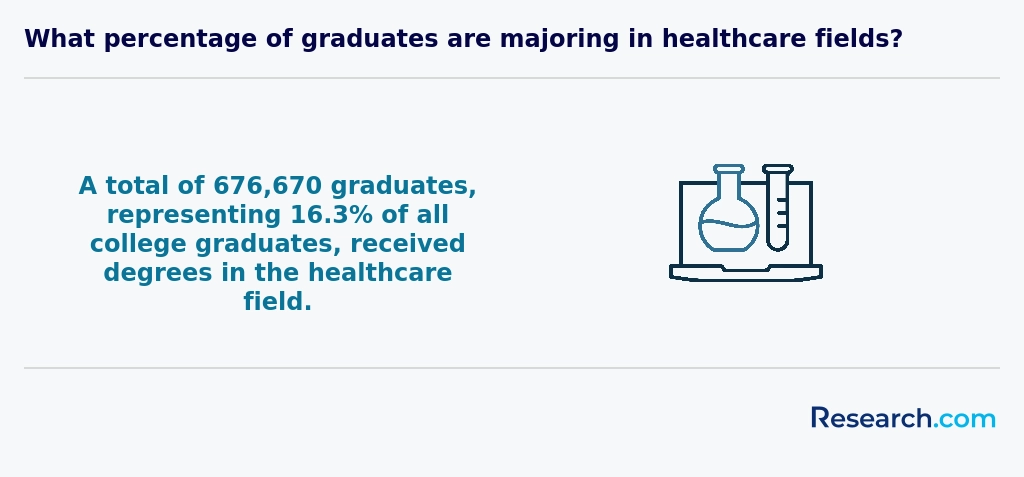
Healthcare degree specializations in Rochester Hills cater to diverse interests and workforce demands. Nursing remains prominent with pathways like Licensed Practical Nursing (LPN), Registered Nursing (RN), and Nurse Practitioner (NP), supported by local hospitals that provide essential clinical training. Graduates often highlight how direct patient care experience builds confidence and practical skills.
Rochester Hills healthcare program concentrations also include healthcare administration, focusing on management, healthcare laws, and finance. This specialization suits students aiming for leadership roles amid the region's growing healthcare organizations, reflecting trends identified by the Michigan Department of Labor.
Health information technology and medical coding are increasingly vital due to medical record digitization. Regional job markets in Southeast Michigan mirror the national projections from HIMSS, with over 10% annual growth. Many students in Rochester Hills appreciate that these programs prepare them for stable, tech-focused healthcare roles.
Public and community health degrees emphasize wellness and disease prevention, aligning with Oakland County initiatives. Physical and occupational therapy assisting programs offer hands-on clinical experiences, often through internships supported by local healthcare providers. Some students pursue affordable options like rn to bsn online pathways to enhance nursing credentials while balancing work and study.
How do you choose the best healthcare degree in Rochester Hills?
Choosing the best healthcare degree programs Rochester Hills means evaluating programs that balance rigorous curriculum with hands-on experience. Graduates from popular local colleges often highlight the benefit of clinical placements at nearby Detroit hospitals, which enhance practical skills and networking. Accreditation from recognized bodies such as CCNE or CAAHEP is critical to ensure your degree is valued by employers and licensing boards. Flexible schedules and options for online classes can support working students balancing commitments.
Affordability is a key factor; associate degrees in nursing cost between $6,000 and $20,000, while bachelor's degrees may range from $40,000 to $120,000. Many students find financial aid and scholarships within the Detroit metropolitan area essential to manage these expenses. Evaluating graduation and job placement rates at Rochester Hills institutions also offers insight into program quality and career prospects.
Students interested in degree specifics often refer to the direct entry msn program curriculum to understand accelerated paths toward nursing careers. Considering Oakland County's expected 15% sector growth through 2030, selecting a degree aligned with local healthcare demands increases the chance of rewarding employment.
Finally, networking links with clinics and research centers provide invaluable internship and job opportunities. Graduates frequently express satisfaction with programs that connect theory to real-world healthcare settings, reinforcing confidence and career readiness.
What career paths are available for healthcare degree students in Rochester Hills?
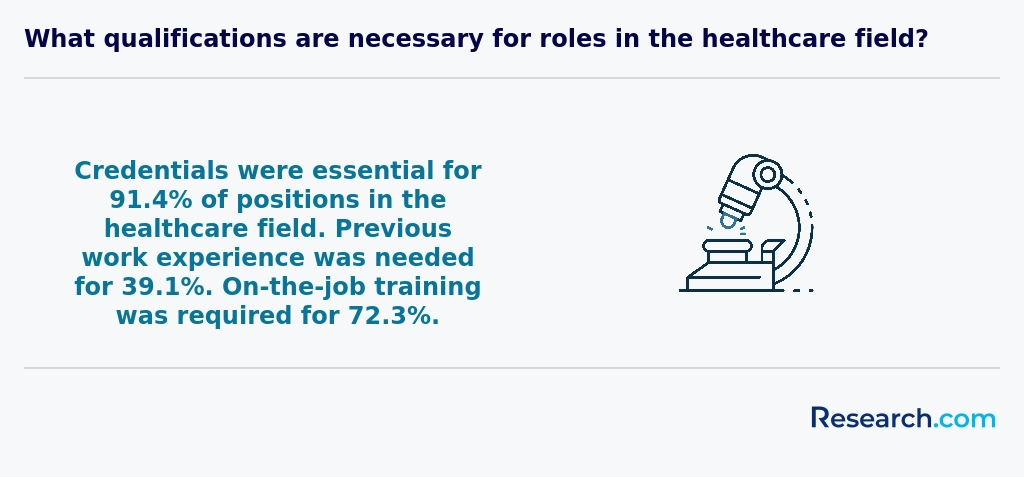
A healthcare degree in Rochester Hills opens diverse career avenues supported by local demand and growing healthcare infrastructure. Graduates often pursue roles as Registered Nurses with median wages of $77,600 annually, working in settings from Ascension St. John Hospital to outpatient clinics. Medical and Health Services Managers are another prominent path, with projected job growth of 28% nationally by 2031. Physical therapists are critical in Rochester Hills due to its aging population, earning median salaries near $95,620. Other options include medical technologists, laboratory technicians, pharmacists, and health informatics specialists, roles expanding alongside healthcare digitalization.
Students completing healthcare degrees in Rochester Hills from institutions like Oakland Community College and nearby universities report fulfilling career opportunities and practical skills applicable locally. Many appreciate the ability to contribute directly to community well-being while enjoying competitive compensation and job security. Those exploring detailed career options and salary data might find valuable insights through opportunities for healthcare research, further informing career decisions. Overall, healthcare degree jobs in Rochester Hills combine stability with purposeful work and promising employment outlooks.
What is the job market for healthcare degree in Rochester Hills?
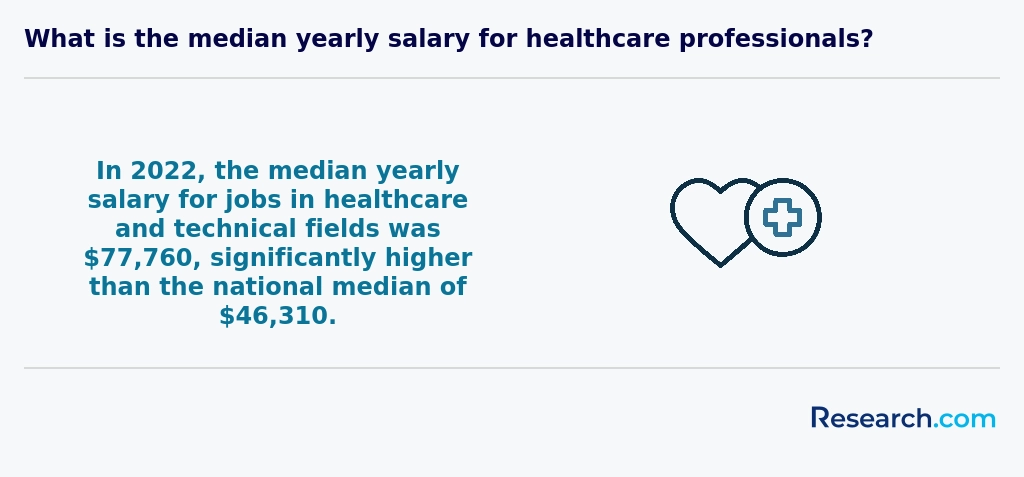
The healthcare job opportunities in Rochester Hills remain robust, driven by a growing demand for skilled professionals in hospitals, outpatient centers, and nursing homes. Graduates from local institutions experience strong employment prospects, with many securing roles in reputable systems like Beaumont Health and Henry Ford Health System. This dynamic job market reflects the state's projected 13% growth in healthcare occupations through 2032, offering graduates optimistic career paths.
Many recent graduates from area colleges report satisfaction with competitive starting salaries often ranging from $45,000 to $70,000 annually, depending on their specialization. For example, those completing nursing or allied health programs find steady demand combined with job security and benefits, encouraging them to build lasting careers locally. Prospective students looking for affordable options often turn to community colleges or state universities in the region for cost-effective degrees.
Students exploring healthcare in Rochester Hills should also consider financial aid opportunities such as lpn degrees oklahoma scholarships. Practical experience and networking within this strong local healthcare community contribute positively to employment outcomes and professional growth. The Rochester Hills healthcare degree employment outlook remains promising amid expanding elder care and chronic disease management needs.
Frequently Asked Questions About healthcare
Healthcare degree students in Rochester Hills can maximize their learning by engaging with local healthcare facilities for hands-on experience. Institutions such as the Beaumont Health System provide clinical placements, allowing students to apply theoretical knowledge in real-world settings. Combining classroom study with internships enhances practical skills, essential for employment in healthcare fields.
Additionally, students should take advantage of networking opportunities through local professional organizations like the Michigan Health Information Management Association. Rochester Hills benefits from access to advanced healthcare technologies and research resources via nearby universities, which students can utilize to deepen their understanding.
Staying informed about regional healthcare trends and participating in workshops or seminars helps students remain current with industry developments and improves career readiness.
The healthcare field in Rochester Hills is rapidly evolving, with several emerging niches gaining attention. One significant area is telehealth, which has expanded due to increased demand for remote care options. According to recent data, telehealth services in Michigan grew by over 50% between 2020 and 2023.
Another growing niche is health informatics, combining healthcare and information technology to improve patient outcomes. The need for professionals in this field has risen alongside advancements in electronic health records.
Additionally, specialized fields such as gerontology and behavioral health are expanding, reflecting demographic changes and rising awareness of mental health issues. Prospective students can find tailored degree programs addressing these niches in Rochester Hills colleges.
After completing a healthcare degree in Rochester Hills, preparing for the job market involves several key steps. First, obtaining proper certification and licensure is essential, as many healthcare roles require state-specific credentials. Michigan's Department of Licensing and Regulatory Affairs provides clear guidelines for healthcare professionals.
Next, gaining practical experience through internships or clinical rotations in local hospitals or clinics, such as those within the Beaumont Health system, strengthens resumes. Networking at healthcare job fairs in the Detroit metro area, which includes Rochester Hills, also increases job opportunities.
Finally, staying updated on healthcare trends and continuing education helps graduates remain competitive in this evolving industry.
Employers in Rochester Hills highly value healthcare degree graduates who demonstrate strong clinical skills combined with effective communication. According to the Michigan Association of Health Plans, teamwork and patient interaction abilities rank among the top priorities for local healthcare providers. Additionally, proficiency in electronic health records (EHR) systems and familiarity with HIPAA regulations are essential due to the region's emphasis on data security and patient privacy.
The increasing use of telehealth in Rochester Hills also requires graduates to be comfortable with technology and remote patient care. Critical thinking and adaptability stand out as key skills for professionals dealing with the evolving healthcare landscape in Michigan.
Finding internships related to healthcare degrees in Rochester Hills involves leveraging local resources and healthcare institutions. Start by exploring hospital systems such as Beaumont Health, which operates nearby and often offers clinical internships and volunteer opportunities. Many internships require enrollment in an accredited healthcare program, so consult your college's career services for connections and application guidance.
Networking plays a crucial role. Join local healthcare organizations like the Oakland County Medical Control Authority or attend Rochester Area Chamber of Commerce events to meet professionals. Online platforms like Handshake or the National Healthcare Career Association portal also list internships in the region.
In 2023, Michigan's healthcare sector employed over 300,000 workers, reflecting strong internship availability.
Obtaining a healthcare degree in Rochester Hills significantly enhances career mobility and advancement opportunities. The city's growing healthcare sector, driven by local hospitals and specialized clinics, demands skilled professionals. According to the U.S. Bureau of Labor Statistics, healthcare occupations in the Detroit metropolitan area, including Rochester Hills, are projected to grow by 14% through 2030, outpacing other industries.
Having a degree enables access to a broader range of roles, from clinical positions to healthcare management. Employers in Rochester Hills often prefer candidates with formal education due to regulatory requirements and quality standards.
Additionally, many local institutions offer continuing education and certification programs, allowing degree holders to upskill and progress within their careers. This flexibility is key to adapting in a rapidly evolving healthcare landscape.
Studying for a healthcare degree in Rochester Hills equips students with the skills needed for interdisciplinary roles, emphasizing collaboration across healthcare professions. Local programs often integrate coursework in communication, ethics, and healthcare technology, fostering teamwork between nurses, therapists, and medical technicians.
Rochester Hills benefits from proximity to major medical centers in Metro Detroit, allowing students to engage in practical, team-based experiences during clinical placements. This exposure helps build adaptability in diverse healthcare settings.
According to the Michigan Department of Health and Human Services, interdisciplinary approaches improve patient outcomes, a focus reflected in regional curricula. Graduates leave prepared to contribute effectively in dynamic healthcare environments.
Choosing between a thesis and a non-thesis healthcare degree in Rochester Hills depends on your career goals. Thesis programs focus on research, requiring original study and a written thesis. These are ideal if you plan to pursue a PhD or a research-intensive role in healthcare. Non-thesis options emphasize practical skills and coursework, suited for those aiming for immediate employment in clinical or administrative roles.
In Rochester Hills, healthcare employers increasingly value practical experience. Local hospitals like Ascension Providence and Beaumont Health often prefer graduates with hands-on training. According to the Michigan Center for Health Statistics, non-thesis graduates have a higher initial employment rate.
Consider your learning style and time commitment. Thesis programs typically take longer due to research demands, while non-thesis paths are usually shorter.
Students based in Rochester Hills who want to study healthcare abroad have several options through U.S. institutions offering international programs. Many universities with healthcare degrees provide study abroad opportunities, allowing students to gain clinical experience or research exposure in countries like Canada, the United Kingdom, or Australia. These programs align with U.S. accreditation standards, ensuring credits transfer smoothly.
According to the Institute of International Education, around 15% of American health sciences students participate in study abroad programs. While Rochester Hills does not have universities with extensive study abroad healthcare programs, students often enroll in nearby institutions like Oakland University or University of Michigan, which facilitate global learning experiences.
Additionally, some schools offer dual degree or exchange programs focused on public health or nursing, popular fields among Rochester Hills healthcare students seeking international credentials.
Rochester Hills offers various part-time job opportunities that complement healthcare degree education effectively. Many students find positions as medical assistants, patient care technicians, or pharmacy aides in local clinics and hospitals. These roles provide direct exposure to clinical settings, helping students build practical skills alongside their academic knowledge.
Additionally, administrative jobs in healthcare offices or insurance companies allow students to understand healthcare operations and patient management. According to the Michigan Department of Labor, healthcare support roles are expected to grow by 15% between 2022 and 2032, reflecting strong local demand.
Volunteering in Rochester Hills-area hospitals also remains a valuable option for hands-on experience without a formal job structure.
Healthcare students in Rochester Hills have access to a variety of networking opportunities that can enhance their education and career prospects. Local institutions such as Oakland Community College and nearby Oakland University often host healthcare career fairs and industry-specific events. These gatherings enable students to connect with professionals from health systems like Ascension Providence and McLaren Macomb, which are active in the region.
Additionally, students benefit from professional organizations such as the Michigan State Medical Society and local chapters of national groups like the American Medical Association. These offer workshops, mentorship programs, and conferences to foster connections. Internship placements in nearby hospitals and clinics also provide valuable hands-on experience and networking channels within the healthcare community.
Alumni networks play a crucial role in supporting healthcare degree students in Rochester Hills. These networks connect students with former graduates who work in various healthcare fields, providing mentorship and career guidance. Research from the National Association of Colleges and Employers shows that students with strong alumni connections are 20% more likely to secure internships and job placements.
In Rochester Hills, where healthcare employers include major hospitals and clinics, alumni networks often help students access local job markets. Networking events and online platforms facilitate introductions, increasing access to opportunities in nursing, allied health, and administration.
Such connections also provide insight into industry trends and continuing education resources, enhancing students' professional growth during and after their degrees.
Customizing a healthcare degree program in Rochester Hills allows students to align their education with specific career goals. Many local colleges and universities offer flexible course options, including electives in specialized fields like medical technology, healthcare administration, or nursing. Rochester Hills benefits from proximity to Detroit's medical centers, creating opportunities for internships and hands-on experiences.
Students can also choose from various degree levels such as associate, bachelor's, or master's programs, depending on their desired profession. Additionally, some institutions provide certificate programs focusing on skills like patient care or health information management, catering to more specific career paths.
Advisors at Rochester Hills schools often help tailor study plans based on labor market demand in Southeast Michigan, where healthcare jobs are projected to grow 15% by 2030 according to the Michigan Department of Labor and Economic Opportunity. This personalized approach ensures education matches industry needs and personal ambitions.
Healthcare students in Rochester Hills often face a range of challenges as they pursue their degrees. One key difficulty is balancing demanding clinical practice hours with coursework, which requires strong time management skills. Many students also report stress related to mastering complex medical terminology and staying current with rapidly evolving healthcare practices.
Financial pressures are common, with tuition and fees averaging above the national median for healthcare programs, according to Michigan's Department of Education. Additionally, securing local clinical placements can be competitive due to limited slots in area hospitals and clinics.
Another challenge is adapting to technology integration in healthcare, such as electronic health records systems, which demand both technical aptitude and patient-care sensitivity. Finally, students often encounter emotional strain caused by exposure to patient suffering, making support services vital for mental health.
With a healthcare degree in Rochester Hills, you can pursue various professional certifications that enhance your career prospects. Common certifications include Certified Nursing Assistant (CNA), Licensed Practical Nurse (LPN), and Registered Nurse (RN) credentials, which are essential for nursing roles.
Other popular certifications relate to medical coding and billing, such as Certified Professional Coder (CPC), which is in demand due to Rochester Hills' growing healthcare administration sector, according to the Michigan Department of Health and Human Services.
Additionally, certifications like Emergency Medical Technician (EMT) and Certified Medical Assistant (CMA) provide pathways into emergency and clinical support roles. These certifications are recognized nationally and can boost job opportunities locally.
Writing a winning application for a healthcare program in Rochester Hills requires careful preparation and attention to detail. Start by researching local programs to understand their prerequisites and unique offerings. Most programs value strong academic records, so highlight your GPA, especially in science courses like biology and chemistry. Include relevant healthcare experience, such as volunteering or internships, to demonstrate commitment and practical skills.
Personal statements should clearly express your passion for healthcare and specific career goals. According to the Michigan Department of Labor and Economic Opportunity, healthcare jobs in the Rochester Hills area are expected to grow by over 10% by 2030, underscoring the importance of focused goals.
Finally, secure strong letters of recommendation from educators or healthcare professionals who can attest to your abilities and character.
Global perspectives on healthcare careers emphasize the growing demand for skilled professionals due to aging populations and increased chronic illnesses. In the US, and specifically in areas like Rochester Hills, this trend aligns with national data showing healthcare occupations are projected to grow 13% from 2021 to 2031, faster than average. This growth reflects a global need for qualified healthcare workers with diverse skills ranging from clinical care to healthcare technology.
Internationally, healthcare roles often require advanced education and licensing, similar to standards in the US system. Rochester Hills residents benefit from proximity to educational institutions offering accredited degrees, preparing students for both local and global healthcare challenges.
These global demands highlight opportunities for careers not only in hospitals and clinics but also in research and public health, sectors increasingly vital worldwide. Understanding these trends can help students in Rochester Hills make informed decisions about their education and future career paths in healthcare.
Gaining practical experience while studying for a healthcare degree in Rochester Hills is essential for career readiness. Many local colleges and universities partner with nearby hospitals, clinics, and long-term care facilities to offer internships and clinical placements. For example, Oakland University collaborates with health systems in the Detroit metropolitan area, allowing students hands-on exposure in fields such as nursing, physical therapy, and medical imaging.
Students can also participate in community health programs or volunteer opportunities coordinated through campus health departments. These experiences help develop skills and professional networks.
According to the Bureau of Labor Statistics, healthcare occupations in Michigan are projected to grow 13% from 2022 to 2032, emphasizing the importance of practical training.
Choosing the right concentration within a healthcare degree program in Rochester Hills begins with understanding local job market demands. According to the Michigan Department of Labor and Economic Opportunity, healthcare occupations in the Rochester Hills area are expected to grow by 15% over the next decade, with nursing, medical technology, and health administration leading the surge.
Students should assess their personal interests and strengths, such as patient care versus healthcare management. Many Rochester Hills programs offer options like nursing, physical therapy, or health informatics. Researching specific courses and certification opportunities at local institutions helps align career goals with program offerings. Additionally, considering internships and partnerships local hospitals provide can influence the decision.
Related Healthcare Rankings for Nearby Cities
- 2027 Most Popular Healthcare Degree Programs Ranking in Detroit
- 2027 Most Popular Healthcare Degree Programs Ranking in Toledo
- 2027 Most Popular Healthcare Degree Programs Ranking in Cleveland
- 2027 Most Popular Healthcare Degree Programs Ranking in Grand Rapids
- 2027 Most Popular Healthcare Degree Programs Ranking in Erie
- 2027 Most Popular Healthcare Degree Programs Ranking in Columbus
- 2027 Most Popular Healthcare Degree Programs Ranking in Buffalo
- 2027 Most Popular Healthcare Degree Programs Ranking in Pittsburgh
- 2027 Most Popular Healthcare Degree Programs Ranking in Milwaukee
- 2027 Most Popular Healthcare Degree Programs Ranking in West Lafayette
Top Trending Healthcare Rankings
See What Experts Have To Say About Studying Healthcare
Read our interview with Healthcare experts

References
- Advancing Your Career in Healthcare: Tips and Strategies https://www.sunshinecarenetwork.com/blog/advancing-your-career-in-healthcare-tips-and-strategies
- How to Write Your Cover Letter | NQRTH https://www.nqrth.edu.au/career-planning/how-to-write-your-cover-letter/
- Healthcare Careers & Accredited Degree Programs https://www.healthcaredegree.com/
- Medical Assistant Certification Rochester Hills Michigan - NPS https://npscerts.com/medical-assistant-certification-rochester-hills-michigan/
- Financial Assistance https://www.henryford.com/visitors/billing/financial-assistance
- How Long Does It Take to Earn a Healthcare Administration Degree Online? https://campus.edu/blog/hash-campus/how-long-does-it-take-to-earn-a-healthcare-administration-degree-online
- Course Benefits https://www.premedprojects.co.uk/hospital-work-experience-benefits
- Health Studies Associate Degree | Academics | Monroe Community College https://www.monroecc.edu/academics/majors-programs/health-sciences/health-studies-associate-degree/
- The Role of Interdisciplinary Studies in Medical Career Training https://georgia-med.com/the-role-of-interdisciplinary-studies-in-medical-career-training.html
- Enhancing Clinical Education: Strategies for Health Professions - European Society of Medicine https://esmed.org/enhancing-clinical-education-strategies-for-health-professions/


