2027 Most Affordable Online Doctorate in Healthcare Degree Programs Ranking in Florida

Co-Founder and Chief Data Scientist
Choosing the right healthcare doctorate program can be challenging, especially when looking for affordable, quality options in Florida. This article features the 2027 Most Affordable Online Doctorate in Healthcare Degree Programs Ranking in Florida, created by the Research.com team of data scientists. It is designed to help you make an informed decision by presenting trustworthy data on top programs.
Reading this article will guide you toward programs that fit your budget and career goals, empowering you to advance confidently in healthcare. Pursuing a doctorate is a rewarding step that opens many doors for your future.
Key benefits of getting online healthcare degree in Florida
- Healthcare degree graduates in Florida can expect strong earning potential, with job roles such as Program Director earning a mean annual wage of $129,330 and Healthcare Services Researchers earning around $112,380 per year.
- Graduates from Florida universities, like the University of Florida, have diverse career options including positions as Research Directors or Principal Scientists, offering exciting paths in healthcare leadership and innovation.
- Completing a healthcare degree online through institutions like Florida State University provides flexibility to balance work and study, making it easier to advance your career without interrupting your daily life.
- 2027 Most Affordable Online Doctorate in Healthcare Degree Programs Ranking in Florida
- What can I expect from online healthcare degree in Florida?
- Where can I work with online healthcare degree in Florida?
What can I expect from online healthcare degree in Florida?
The average cost of an online healthcare degree in Florida dances between practicality and opportunity, often landing around $5,000 to $15,000 per year for public universities once in-state tuition discounts are applied. Graduates from the University of Florida or Florida State University recall balancing tight budgets with flexible schedules, where asynchronous classes allowed them to juggle family life or work shifts. These affordable price points mean students can focus on learning healthcare policy or biostatistics without drowning in debt.
Private institutions might ask for a bit more-sometimes upwards of $20,000 annually-but many students find the personalized support and smaller class sizes worth the investment. Picture a graduate from a Florida community college who praises the blend of theory and hands-on practicums that online programs demand, making each dollar feel like a step toward real transformation in healthcare roles across the Sunshine State.
Financial aid options and scholarships tailored to Florida residents further lighten the load, making advanced degrees in nursing or health informatics not just a dream, but a reachable milestone.
Where can I work with online healthcare degree in Florida?
Picture this: a graduate from the University of Central Florida, armed with an online Doctor of Health Administration, stepping into a sprawling outpatient center in Tampa, orchestrating patient care with precision and heart. Across the state, another graduate from Florida State University navigates the buzzing corridors of a rehabilitation facility in Miami, their online healthcare management degree serving as a key to improving elderly care for Florida's growing senior population.
Then there's the online Doctor of Nursing Practice graduate from the University of South Florida, finding their calling in a rural clinic near Gainesville, where advanced practice nurses are lifelines to under-served communities. With each digital lesson, they honed skills that now translate into life-changing care for patients lacking easy access to healthcare.
Meanwhile, graduates with online degrees in healthcare informatics from Nova Southeastern University dive into data streams at Jacksonville's public health departments, decoding patterns that safeguard communities from outbreaks. Their work behind the scenes powers Florida's emergency readiness.
From bustling hospital systems in Orlando to innovative healthcare tech firms in Sarasota, online degrees harvested in Florida unlock dynamic roles-each graduate weaving their unique thread into the fabric of the state's vast healthcare landscape.
Imagine finishing your online healthcare degree from a well-known Florida institution like the University of Florida or Florida State University and stepping into a role where your paycheck matches your dedication. Graduates who become Program Directors in healthcare can anticipate a mean annual wage of around $129,330, translating to about $62 an hour, which breathes life into the idea of valuing leadership in health services.
For those drawn to strategy and development, a Chief Development Officer position offers a solid mean annual wage near $95,600. It's a vibrant path for graduates eager to shape the future of healthcare organizations while enjoying financial stability.
Graduates diving into research-oriented careers, like Healthcare Services Researchers, Research Directors, or Principal Scientists, see mean annual wages at an identical $112,380. Whether analyzing data flow at the University of Miami's health informatics program or leading grants at Nova Southeastern, these roles open doors to rewarding and intellectually stimulating lives.
Such salaries reflect a flourishing Florida healthcare ecosystem that rewards expertise from those who studied remotely but still embraced the state's dynamic healthcare landscape.
- Florida offers many accredited online healthcare degree programs ranging from associate to doctoral levels with flexible study options.
- Bachelor's degree programs typically cost between $15,000 and $40,000, while graduate and doctoral programs range from $20,000 to $60,000.
- Entry-level healthcare professionals with bachelor's degrees in Florida earn between $50,000 and $65,000 annually, with advanced degree holders earning above $90,000.
- The healthcare job market is expected to grow by 15% to 20% over the next decade in Florida, driven by demand in nursing, health services management, and specialized fields.
- Many online programs help students gain the required licensure or certification for healthcare careers recognized by Florida's licensing boards.
Imagine juggling work, family, and your dream of a healthcare career-this is the reality for many online healthcare students in Florida. Most find that an Associate degree, like those offered at Miami Dade College, wraps up in about two years if they study full-time, opening doors to jobs as medical assistants or health information specialists. For those aiming higher, graduates from the University of Central Florida often share how their Bachelor of Science degrees in Healthcare Administration or Nursing took roughly four years, though accelerated options trimmed this to three for some.
Graduate students at institutions like the University of Florida embrace a different rhythm-master's programs typically span two to three years, while a Doctor of Nursing Practice might stretch to four years. What unites these experiences is the flexible pacing Florida universities provide, crucial for balancing life's demands with education. Part-time options extend timelines but empower students to stay motivated and engaged, making the journey uniquely theirs.
- Online healthcare certificate programs in Florida can be completed in 6 to 12 months.
- Master's degrees generally take 2 to 3 years with some accelerated tracks.
- Doctorate programs often require 3 to 4 years of full-time study.
- Accredited programs ensure rigorous standards preparing students effectively.
Navigating the application process for a doctorate in healthcare can seem daunting, but careful planning and access to the right resources can streamline your journey. Start by thoroughly researching each program’s admission requirements-including transcripts, letters of recommendation, and personal statements-to ensure you meet all eligibility criteria. In addition, consider these practical tips: • Establish a timeline that includes application deadlines, interview dates, and any prerequisite courses needed for acceptance. • Prepare compelling application materials by highlighting your professional experiences, research interests, and passion for healthcare innovation. • Reach out to admissions counselors directly for insights into the program’s culture and expectations, which can help you tailor your application effectively. • Leverage campus virtual tours and webinars to gain a better understanding of the online learning environment, ensuring that you are comfortable with the digital tools required for success. For a detailed rundown of programs and additional guidance on choosing an affordable online healthcare school in florida, prospective students can explore rankings and reviews provided by trusted resources. By proactively addressing the application process and seeking available support, you can position yourself for success in your online doctorate journey and ultimately secure a rewarding career in the dynamic field of healthcare.
Imagine juggling work, family, and studying healthcare while watching Miami's skyline glow at dusk-all possible when you choose an online degree from a university like the University of Central Florida. Online programs flex around your rhythm with digital lectures and assignments, perfect for those who crave freedom but still want the credential Florida demands.
On-campus at Florida State University, graduates often share stories of spontaneous conversations with professors after class and the hustle of navigating campus clinics, where hands-on practice meets immediate guidance. Those face-to-face moments foster connections that feel tangible, energizing the journey.
Yet, both paths converge in clinical training-whether it's securing a local hospital placement through an online program or stepping directly into a state-affiliated clinic while on campus. The challenge? Organizing these experiences independently online, versus the smoother access on campus. Still, with Florida's accreditation standards firmly in place, online students can confidently embrace the same respected education as their on-campus peers, blending flexibility with quality in a uniquely Floridian healthcare education adventure.
In today’s competitive healthcare landscape, supplementing your degree with additional certifications and continuing education opportunities can make a significant difference in your career trajectory. Many successful graduates advocate for pursuing specialized training-ranging from advanced clinical certifications to administrative credentials-that not only builds on the foundational knowledge gained from online doctorate programs but also enhances employability in niche areas. For example, professionals can explore targeted courses in areas such as healthcare informatics or even consider certification programs like those offered at the medical billing and coding online school to diversify their skill set. These added qualifications not only bolster your resume but also prepare you for emerging trends in healthcare, such as digital health solutions and evolving patient management systems. Staying updated through continuing education demonstrates a commitment to lifelong learning and positions you as a proactive leader in an ever-changing industry, ultimately improving your career prospects and contributing to higher job satisfaction.
The average cost of an online healthcare degree in Florida tends to orbit around $22,892 for in-state students, a figure that feels like a welcoming lighthouse for many aspiring healthcare professionals navigating their educational journey. Graduates from popular institutions-whether pursuing an online BSN or a Master of Health Administration-often describe their experience as a blend of manageable investment and transformative learning. While the median total cost across all students may hover closer to $58,821, Florida residents enjoy a considerably lower financial tide thanks to state subsidies and competitive tuition at public universities.
These future healthcare leaders often recount juggling late-night study sessions with clinical placements, all made possible because their online programs balance affordability and quality. The charm of an affordable education here is amplified when compared to out-of-state peers, who face a steeper climb at around $62,237. Imagining yourself among these diligent students at one of Florida's well-regarded colleges-thriving in an online environment designed for today's busy learner-makes the prospect of gaining a healthcare degree both inspiring and attainable.
For those interested in exploring options further, it helps to review the details at an affordable online healthcare school in florida. This careful comparison empowers hopefuls to pinpoint a path that suits their budget and goals, turning what might seem like a daunting financial commitment into an exciting step forward in healthcare education.
The quest for affordable online healthcare doctorate programs Florida offers highlights how cost isn't a barrier but a stepping stone-a gateway accessible through smart choices and the right program fit. Considering the nuanced factors influencing expenses, from residency to program length, students can write their own success story without being overwhelmed by cost concerns.
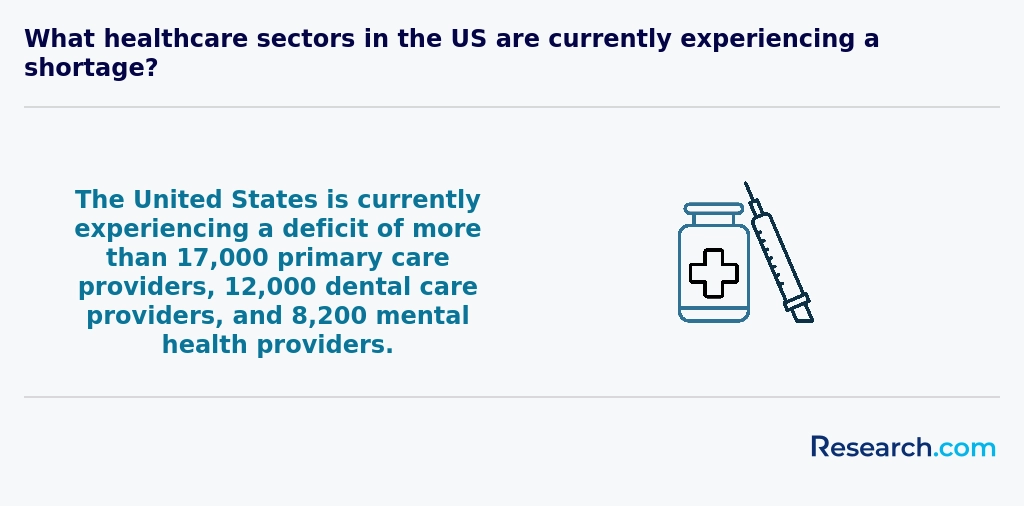
Investing in an online doctorate in healthcare in Florida can yield significant long-term benefits when you weigh tuition costs against post-graduation earnings and career advancement. On average, Florida’s most affordable programs require total tuition between $19,000 and $45,000, yet graduates often secure roles with starting salaries exceeding $85,000-translating to a payback period of roughly 2–4 years. To maximize ROI, consider factors such as accreditation, program length, and specialization alignment with high-demand fields. Key considerations for evaluating ROI: • Tuition vs. Salary Growth: Compare program costs with median salaries for roles like Healthcare Services Researcher ($95,000) or Clinical Leadership Director ($110,000). • Career Advancement Timeline: Doctorate holders typically move into executive or policy roles within 3–5 years post-graduation, boosting earning potential by 15–30%. • Opportunity Costs: Account for part-time work flexibility and potential tuition reimbursement from employers. • Alumni Outcomes: Track employment rates and average loan repayment periods-top Florida programs report 90% job placement within six months. For a broader view of affordable online healthcare options beyond Florida, explore the Most Affordable Online Healthcare Degree Programs Ranking in Waterloo, IA to compare costs, specializations, and career outcomes across regions. By analyzing these metrics, prospective students can make data-driven decisions that align educational investment with long-term professional goals.
Imagine juggling late-night study sessions for your nursing degree from the University of Florida while a bright financial aid glow lights your path. Many online healthcare students in Florida unlock their journeys through the FAFSA portal, claiming federal treasures like Pell Grants that sparkle with no repayment strings. For those diving deeper into graduate-level healthcare quests, unsubsidized Direct Loans stand ready, quietly fixed by the government's steady hand.
Florida's own realm adds magic with the Florida Student Assistance Grant, a loyal companion for scholars at places like Florida State University, easing tuition footprints on the journey. Picture a nursing student relieved as the Florida Blue Foundation's scholarship gently lifts some financial weight, making study dreams feel closer and lighter.
Veterans wear their courage like armor; in Florida, the GI Bill and Yellow Ribbon Program extend powerful shields, covering tuition and expenses so military healthcare heroes can thrive online. Even frontline healthcare workers often find secret allies in employer tuition reimbursements, turning dedication into degrees without missing a beat.
When evaluating an online doctorate in healthcare, understanding your return on investment (ROI) ensures you make a financially sound decision. ROI compares the total cost of your degree-tuition, fees, materials, and living expenses-against projected increases in salary and career advancement opportunities. • Estimate Total Cost: • Tuition & Fees: Sum of per-credit costs multiplied by required credits. • Living Expenses: Average of $11,000–$22,000 per year in Florida. • Materials & Technology: Approximately $1,500 annually. • Projected Earnings Increase: • Entry-Level Salary: $60,000–$80,000 for healthcare administration roles. • Post-Doctorate Salary: $100,000–$130,000 for leadership positions (e.g., Research Director, Chief Development Officer). • Break-Even Analysis: 1. Calculate net tuition after grants and scholarships. 2. Divide net investment by annual salary increase (post-degree salary minus pre-degree salary). 3. A typical online doctorate in healthcare breaks even in 3–5 years, depending on specialization and employment sector. • Net Present Value (NPV): Discount future earnings at a conservative rate (e.g., 5%) to compare present value of degree costs versus future income. A positive NPV indicates a worthwhile investment. • Practical Tip: To generate income and offset program costs before completing your doctorate, consider entry-level certifications or accelerated training. For instance, enrolling in a 6 week medical assistant program online can equip you with clinical skills, boost your résumé, and improve cash flow during your doctoral studies. By rigorously calculating ROI, you can choose the most affordable and impactful online doctorate program in Florida-maximizing both your career growth and long-term financial well-being.
Jumping into an online healthcare degree in Florida means gearing up with a toolkit of prerequisites designed to launch you smoothly into your studies. Imagine a graduate from the University of Central Florida, who recalls juggling a solid 2.5 GPA and prerequisite courses like biology and chemistry-foundations that transformed complex concepts into manageable, real-world skills. Whether you're aiming for an associate or a doctoral path, Florida's top programs, like those at Florida State University, expect official transcripts, recommendation letters, and a personal essay that tells your unique story.
Graduate hopefuls, especially those eyeing specialized degrees like a Doctor of Nursing Practice, often share how proving one to three years of healthcare work experience shaped their confidence and expertise before hitting the books again. Technical readiness is non-negotiable-you'll need stable internet and a reliable computer to keep pace with peers across the Sunshine State.
The collective vibe within Florida's online healthcare community is hopeful and driven, buoyed by clear prerequisites that don't just gatekeep but empower students to thrive.

For many prospective students, transitioning from research to application can be the most challenging part of the journey. To help streamline this process, begin by reviewing each institution’s specific admissions requirements and deadlines. Familiarize yourself with the application portals and ensure all required documents-including transcripts, test scores, and recommendation letters-are prepared well in advance. Additionally, consider reaching out directly to admissions counselors for insights into tailoring your application to meet institutional values and program goals. Many successful applicants also suggest participating in webinars and virtual open houses to gain a clearer picture of program culture and expectations. This proactive approach not only boosts your confidence but also increases your chances of securing a place at an affordable online healthcare school in florida. Finally, once admitted, plan your study schedule with realistic goals to balance coursework, professional responsibilities, and financial aid requirements, ensuring a smooth transition into your academic and future professional success.
Picture yourself diving into Healthcare Ethics and Law at the University of Florida, where graduates recount thrilling debates over real case studies shaping the moral compass of healthcare today. Imagine navigating the intricate maps of Healthcare Management taught at Florida State University, learning to lead teams with confidence and finesse amid virtual simulations of hospital crises.
Health Informatics courses bring data to life, equipping students with skills to interpret electronic health records - a lifeline in modern clinics across Miami and Tampa. Meanwhile, Public Health and Epidemiology at the University of Central Florida animate disease trends like a detective solving mystery outbreaks, making every lesson pulse with purpose.
At institutions such as the University of South Florida, learners explore Medical Terminology and Anatomy not as dry facts but as keys to understanding the human body's vibrant symphony. Financial Management in Healthcare transforms budgeting into a strategic game, preparing students for the economic challenges hospitals face in bustling Florida markets.
These courses, blended with practicum projects, immerse students in Florida's healthcare pulse, shaping adaptable leaders ready to thrive amid the Sunshine State's dynamic care landscape.
Diving into online healthcare doctorate specializations Florida offers is like unlocking a treasure chest of career potential. Imagine a graduate from a prominent Florida university who chose Healthcare Administration, mastering hospital dynamics and emerging a confident leader steering health systems through challenges. Another student took the path of Public Health, driven by the vibrant, diverse communities across Florida, eager to promote wellness and prevention on a population scale. These tailored Florida healthcare degree program concentrations cater to ambition and real-world demand - from Nursing Leadership, where registered nurses transform into policy-savvy changemakers, to Health Informatics, where tech-savvy students harness data to revolutionize patient care workflows.
Meanwhile, graduates pursuing Healthcare Education feel a deep satisfaction training the next wave of caregivers, their impact rippling through Florida's bustling medical workforce. Others dive into Clinical Research, designing trials that could spark groundbreaking treatments. For those wanting a practical yet essential skill set, programs like medical billing and coding online school offer a foot in the healthcare door alongside these advanced specializations.
Picture yourself juggling a full-time job in bustling Miami while pursuing one of the best online healthcare doctorate programs Florida offers. Graduates often rave about programs from top universities that blend rigorous accreditation with genuine flexibility-think asynchronous classes that fit your hectic schedule, enabling you to study between shifts. These programs, verified by bodies like CCNE or CEPH, ensure you're not just earning a degree but stepping into a respected career with confidence.
Cost often looms large in the decision process. Many affordable online healthcare degrees Florida provide public options where tuition feels less like a burden, averaging between $5,000 and $15,000 annually, unlike pricier private institutions. One graduate recalls choosing a program because it offered a specialized healthcare administration track directly tied to Florida's growing job market, making job hunting after graduation much smoother.
Finally, consider unique pathways like enrolling in a 6 week medical assistant program online for quick entry or exploring student support services that turn challenges into triumphs, a lifeline praised by many online learners across Florida's trusted colleges.
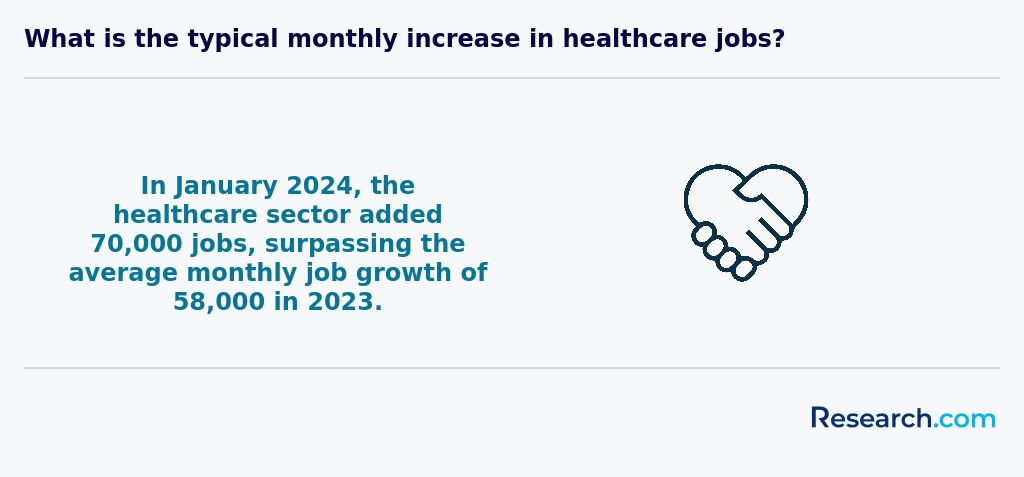
Envision carving your path in Florida's vibrant healthcare tapestry where an online healthcare degree unlocks roles like a Registered Nurse in bustling Miami hospitals or a Nurse Practitioner shaping patient care in serene Tampa clinics. Graduates from universities such as the University of South Florida and Florida International University share stories of transformation, stepping confidently into nursing careers as the Sunshine State's aging population fuels a 15% job growth surge. Beyond bedside care, imagine steering healthcare administration - graduates navigate sprawling hospital networks and innovate public health programs, especially vital for Florida's vast retirement communities.
For those drawn to technology and policy, health informatics and management roles pulse with opportunity, blending data and healthcare strategy to improve lives statewide. Many embrace teaching or research, earning advanced degrees while inspiring the next generation of professionals. These online healthcare career opportunities in Florida weave rich possibilities, with graduates feeling energized by competitive salaries and statewide demand. For students comparing options, the Most Affordable Online Healthcare Degree Programs Ranking in Waterloo, IA offers a helpful perspective on cost-effective pathways.
The job market for those holding an online healthcare degree in Florida pulses with promise. Graduates from top institutions like the University of Central Florida or Florida International University often find themselves stepping into roles at bustling hospitals or community clinics, where the demand for skilled professionals mirrors the state's rapidly aging population.
Imagine a recent graduate navigating the vibrant healthcare fields of Miami or Tampa, landing a position as a registered nurse earning close to $68,000 annually or advancing into healthcare management with salaries surpassing $100,000. This is a vivid reality for many online degree holders in Florida, where the job market outlook welcomes their expertise with open arms. The story is not only about numbers-it's about being part of a statewide effort to innovate healthcare delivery and serve diverse populations effectively.
For those considering this path, the flexibility and affordability of online programs stand out. Many are discovering the value of an accredited accelerated bachelor degree online, blending education with life's demands while positioning themselves for a robust career in Florida's dynamic healthcare ecosystem. This synergy of education and opportunity is a beacon for anyone eyeing online healthcare degree jobs in Florida.
2027 Most Affordable Online Doctorate in Healthcare Degree Programs Ranking in Florida
Investing in your education is a significant decision that can profoundly impact your career and personal growth. At Research.com, we recognize the importance of making well-informed choices, which is why our team has dedicated extensive effort to ensure the quality, credibility, and accuracy of the "2027 Most Affordable Online Doctorate in Healthcare Degree Programs Ranking in Florida."
We utilized the following reputable data sources to create a thorough and reliable ranking:
By engaging with this ranking, readers will gain valuable insights into affordable, high-quality online doctorate programs in healthcare available in Florida, empowering them to make confident and strategic educational decisions. For a deeper understanding of our approach, visit the Research.com methodology page.


Frequently Asked Questions About healthcare
Online healthcare degree students in Florida can maximize their learning experience by actively engaging with course materials and participating in virtual discussions. Given Florida's healthcare industry's growth-expected to add over 80,000 jobs by 2028 according to the Bureau of Labor Statistics-students should align their studies with emerging local healthcare needs.
Utilizing Florida's extensive network of clinical sites for internships or practicums enhances practical skills. Students benefit from building connections with local healthcare professionals, which can improve job prospects in the state.
Time management and seeking support services provided by universities, like tutoring or tech help, also improve outcomes. Staying current with Florida healthcare policies and trends can provide a competitive edge.
The healthcare field is rapidly evolving, with several emerging niches attracting attention, especially in Florida. One key area is telehealth, which expanded significantly during the COVID-19 pandemic. Florida ranks among the top states integrating telehealth services, creating demand for professionals skilled in digital patient care.
Another growing niche is gerontology, driven by Florida's large aging population. As the state has one of the highest percentages of residents over 65, healthcare services focused on elderly care and chronic disease management are expanding.
Healthcare informatics is also on the rise, merging data science with patient care to improve health outcomes. Florida universities increasingly offer online degrees addressing this cross-disciplinary field.
After completing an online healthcare degree in Florida, preparing for the job market involves strategic steps to enhance employability. First, graduates should obtain necessary licensure or certifications required by Florida's healthcare system, such as the Florida Department of Health credentials. Networking is crucial; joining professional organizations like the Florida Public Health Association can open doors to job opportunities and mentorship.
Practical experience gained through internships or volunteer work strengthens resumes. According to the Florida Department of Economic Opportunity, healthcare occupations in the state are projected to grow 17.1% by 2032, indicating strong demand for qualified professionals.
Finally, utilizing Florida-specific job platforms and career services available through online degree programs can streamline job searches and application strategies.
Employers in Florida's healthcare industry prioritize several key skills when hiring graduates from online healthcare degree programs. Strong communication abilities are essential, as healthcare professionals must effectively collaborate with patients and multidisciplinary teams. According to the Florida Department of Health, critical thinking and problem-solving skills are highly valued to manage complex patient cases. Additionally, proficiency in healthcare technology and electronic health records (EHR) systems is increasingly important due to Florida's ongoing digital health initiatives. Cultural competence is also emphasized, given Florida's diverse population. Finally, leadership and adaptability stand out as top skills, especially in response to the state's evolving healthcare demands and workforce challenges.
Finding internships relevant to a healthcare degree in Florida often begins with exploring partnerships between online programs and local healthcare providers. Many Florida universities collaborate with hospitals, clinics, and public health organizations, providing students with access to internships tailored to their studies. The Florida Department of Health offers resources and listings that can help pinpoint opportunities within state-run and affiliated institutions.
Healthcare internships in Florida frequently focus on areas like patient care, health administration, or medical research, reflecting the state's diverse healthcare sector. According to the Florida Health Charts, the demand for healthcare professionals is rising, making internships more competitive but plentiful in regions such as Miami and Tampa.
Students should also leverage professional networks such as the Florida Public Health Association or the Florida Hospital Association, which often post internship openings. Additionally, platforms like Handshake, widely used by Florida State University and University of Florida, connect students with healthcare internships tailored to their degree and location.
Online healthcare degrees in Florida can significantly enhance career mobility and advancement within the state's healthcare sector. Due to Florida's growing population, especially among older adults, demand for healthcare professionals is rising rapidly.
According to the Florida Department of Economic Opportunity, occupations such as nurse practitioners and healthcare managers are projected to grow by over 20% through 2030. Earning an online healthcare degree offers flexible learning while meeting educational requirements for advanced roles.
Additionally, accredited online programs often align with Florida's licensure standards, enabling graduates to pursue certifications and leadership positions statewide. Employers increasingly value online credentials that demonstrate up-to-date knowledge and skills.
Ultimately, an online healthcare degree can open doors to roles with higher salaries and more responsibility across Florida's diverse healthcare settings.
Studying for a healthcare degree in Florida offers a strong foundation for interdisciplinary roles by integrating diverse healthcare disciplines within the curriculum. Florida's online programs emphasize collaboration among nursing, public health, administration, and clinical practice sectors. This approach addresses the state's growing demand for healthcare professionals skilled in multifaceted environments, given Florida's large elderly population and increasing chronic disease rates, as reported by the Florida Department of Health.
Courses commonly include teamwork, communication, healthcare policy, and leadership training to prepare students for real-world settings where multiple specialties intersect. Many programs partner with Florida healthcare institutions to provide practical interdisciplinary experiences online. Such preparation is critical for effective patient-centered care and health system management in today's complex healthcare landscape.
Choosing between a thesis and a non-thesis healthcare degree program in Florida depends on your career goals and learning preferences. A thesis program requires original research and is ideal for students aiming for academic, research, or leadership roles. These programs typically take longer but provide strong analytical experience.
Non-thesis programs focus on coursework and practical skills, suited for professionals seeking to advance clinically or administratively without engaging in research. In Florida, healthcare jobs are growing 18% faster than the national average, according to the Florida Department of Economic Opportunity, emphasizing practical skills.
Consider faculty support, program flexibility, and your capacity for independent study when deciding. Check specific Florida university offerings, as some schools may emphasize one option based on local healthcare industry demands or student needs.
Students based in Florida seeking to study healthcare abroad have several options through online degree programs offered by U.S. universities with global partnerships. Many institutions provide hybrid models that include virtual coursework combined with short-term international residencies or clinical practica. According to the Florida Department of Education, these programs help maintain state licensure eligibility while delivering global healthcare perspectives.
Florida ranks among the top states for healthcare jobs, making international experience valuable for career growth. Programs accredited by the Commission on Accreditation of Healthcare Management Education (CAHME) often include international modules. Students should verify program accreditation and clinical placement policies before enrolling.
Florida offers a variety of part-time job options that align well with online healthcare degree studies. Positions such as medical assistants, pharmacy technicians, and patient care assistants provide practical experience alongside academic learning.
According to the Florida Department of Economic Opportunity, healthcare support jobs in the state are expected to grow by 16% between 2020 and 2030, highlighting strong opportunities.
Part-time roles in outpatient clinics or nursing homes also allow students to develop clinical skills. Additionally, telehealth support roles are expanding, reflecting growth in remote healthcare services in Florida.
Balancing work and study helps students apply theoretical knowledge and may improve future employability in healthcare fields.
Online healthcare students in Florida benefit from a growing range of networking opportunities designed to connect learners with professionals in the field. Many Florida universities offer virtual career fairs and online alumni networks that help students build relationships beyond the classroom. According to the Florida Department of Health, healthcare continues to be one of the state's fastest-growing sectors, which makes networking critical for job placement.
Professional organizations such as the Florida Public Health Association and the Florida Nurses Association provide students with access to industry events and mentoring programs. Additionally, students are encouraged to join LinkedIn groups focused on Florida healthcare to engage with local professionals and employers.
Alumni networks play a crucial role for students pursuing online healthcare degrees in Florida by providing valuable professional connections. These networks often include graduates working across diverse healthcare settings throughout the state, offering mentorship and career advice. According to the Florida Department of Health, healthcare jobs in Florida are projected to grow by over 15% from 2020 to 2030, highlighting the importance of strong industry links.
Such connections can help students access job openings that may not be widely advertised and enhance their chances for internships or fellowships. Additionally, alumni events and online groups foster knowledge sharing and lifelong learning, which are essential in the evolving healthcare field.
Florida offers a variety of online healthcare degree programs that allow students to tailor their studies according to specific career goals. Many universities provide customizable options such as choosing electives, concentrations, or specializations in areas like health administration, public health, or nursing. This flexibility helps students align coursework with industry demands and personal interests.
Students can also benefit from internship opportunities and partnerships with Florida healthcare organizations. With the state's healthcare sector growing by over 7% annually-a rate faster than the national average-customized programs prepare graduates for regional job markets effectively (Florida Department of Economic Opportunity, 2023).
Advising services and career counseling often assist students in selecting the right path within their online degree, ensuring alignment with long-term professional objectives.
Online healthcare students in Florida often face challenges related to clinical placements. Because hands-on experience is essential, many find securing local internships or practicums difficult due to high demand and limited availability. According to the Florida Board of Nursing, placement spots can be competitive for certain programs.
Technical issues such as inconsistent internet access also affect students, especially in rural areas where broadband coverage remains uneven. The Federal Communications Commission reports approximately 14% of Florida households lack high-speed internet, impacting online learning quality.
Additionally, balancing work, family, and studies poses time management difficulties. Healthcare professions often require shift work, complicating scheduled live classes. Finally, navigating state-specific licensing requirements for healthcare professionals adds further complexity for online learners aiming to practice in Florida.
With an online healthcare degree in Florida, you can pursue various professional certifications that enhance your career prospects. Common certifications include Certified Professional in Healthcare Quality (CPHQ), Certified Healthcare Financial Professional (CHFP), and Registered Health Information Administrator (RHIA). These credentials are recognized nationwide and can improve job opportunities in hospitals and clinics.
Florida's healthcare sector continues to grow, employing nearly 2 million people as of recent reports from the Florida Agency for Health Care Administration. Certifications help professionals meet industry standards and comply with state regulations.
Many certification programs require a bachelor's or graduate degree in healthcare, making online healthcare degrees a perfect pathway to eligibility.
Writing a winning application for an online healthcare program in Florida requires careful preparation and attention to detail. Start by thoroughly researching accredited programs recognized by the Florida Department of Education to ensure quality and eligibility for state funding.
Highlight your relevant experience in healthcare, which is crucial given Florida's growing healthcare sector driven by a large senior population. According to the Florida Department of Health, the demand for healthcare professionals is increasing rapidly, so demonstrating practical skills strengthens your application.
Craft a clear personal statement that explains your motivation and goals, tailored specifically to healthcare challenges in Florida. Include any volunteer work or certifications related to Florida's healthcare landscape.
Submit all documents promptly, and request strong recommendation letters from professionals familiar with your abilities in healthcare environments.
Healthcare careers are increasingly valued worldwide due to growing populations and aging demographics. In the United States, including Florida, healthcare remains one of the fastest-growing fields, with the Bureau of Labor Statistics projecting a 15% growth in healthcare occupations from 2021 to 2031. Globally, professionals with healthcare degrees are essential in improving patient outcomes and addressing public health challenges.
Florida, with its diverse population and large elderly community, offers unique opportunities for healthcare professionals. The state's health sector contributes over $160 billion annually to its economy, according to the Florida Department of Economic Opportunity. Online healthcare degrees from Florida institutions can prepare students to meet these demands while providing flexibility for working adults.
Internationally, healthcare careers emphasize cultural competence and multidisciplinary skills. This global perspective influences U.S. programs, encouraging integration of technology and evidence-based care. For students in Florida, online programs can offer access to this broader knowledge base, positioning graduates for both local and global healthcare roles.
Gaining practical experience while studying for an online healthcare degree in Florida is essential for career readiness. Many programs incorporate clinical practicums or externships as part of their curriculum, allowing students to work in real healthcare settings. Florida's diverse healthcare industry offers multiple opportunities in hospitals, clinics, and community health centers.
Students can often arrange local internships or partnerships near their residence, even while enrolled in online courses. The Florida Department of Health supports experiential learning to meet state licensure requirements. According to the Florida Board of Nursing, practical hours are mandatory for nursing-related degrees.
Additionally, some schools provide virtual simulations to complement hands-on training, helping students develop key clinical skills remotely when in-person options are limited.
Choosing the right concentration within an online healthcare degree program in Florida starts by assessing your career goals and the state's healthcare needs. Florida has a growing demand for professionals in fields like nursing, health administration, and public health, partly driven by its large elderly population. The Florida Department of Health reports consistent growth in healthcare job opportunities, especially in areas such as gerontology and healthcare management.
Consider concentrations that align with Florida's workforce trends. For example, specialties in chronic disease management or healthcare informatics may offer strong job prospects. Research each concentration's curriculum, focusing on online accessibility and flexibility.
Additionally, review program accreditation and how well it prepares students for Florida licensure or certifications. Understanding financial aid options and program costs can also influence your decision.
- 2027 Most Affordable Online Doctorate in Healthcare Degree Programs Ranking in Georgia
- 2027 Most Affordable Online Doctorate in Healthcare Degree Programs Ranking in South Carolina
- 2027 Most Affordable Online Doctorate in Healthcare Degree Programs Ranking in Tennessee
- 2027 Most Affordable Online Doctorate in Healthcare Degree Programs Ranking in Louisiana
- 2027 Most Affordable Online Doctorate in Healthcare Degree Programs Ranking in Kentucky
- 2027 Most Affordable Online Doctorate in Healthcare Degree Programs Ranking in Virginia
- 2027 Most Affordable Online Doctorate in Healthcare Degree Programs Ranking in Missouri
- 2027 Most Affordable Online Doctorate in Healthcare Degree Programs Ranking in Indiana
- 2027 Most Affordable Online Doctorate in Healthcare Degree Programs Ranking in Ohio
- 2027 Most Affordable Online Doctorate in Healthcare Degree Programs Ranking in Illinois
See What Experts Have To Say About Studying Healthcare
Read our interview with Healthcare experts

- Networking in Medicine: Build Lasting Connections l Windsor https://www.windsor.edu/networking-in-medicine-building-relationships-from-day-one/
- Global Perspectives – Healthcare Beyond Borders https://www.cedars-sinai.org/international-stories/healthcare-beyond-borders.html
- Online Healthcare Degree-Accredited Programs https://nursinglicensemap.com/resources/healthcare-degree-programs/
- 6 Tips On Networking For Medical Professionals https://aaams.net/blog/how-to-network-in-the-medical-field-nurses/
- Employability Skills Matrix for the Health Sector https://www.skillsforhealth.org.uk/resources/employability-skills-matrix/
- Healthcare Assistant Cover Letter Templates | myPerfectCV https://www.myperfectcv.co.uk/cover-letter/examples/healthcare-assistant-cover-letter
- Know more about thesis vs non- thesis: what is the difference? https://studyfans.com/en/blogs/816
- Online Healthcare Administration Degrees in Florida: Compare Schools https://www.edumed.org/online-schools/healthcare-administration-degrees/florida-fl/
- Best Healthcare Degrees & Programs | Accredited Schools Online https://www.accreditedschoolsonline.org/healthcare/degrees/
- Networking and Mentorship During Clinical Rotations https://rotatingroom.com/blog/medical-students-the-importance-of-networking-mentorship-during-your-clinical-rotations