
2027 Most Valuable Healthcare Degree Programs Ranking in Auburn

Co-Founder and Chief Data Scientist
Choosing the right healthcare degree program in Auburn can be a life-changing decision. To make this easier, the article presents the 2027 Most Valuable Healthcare Degree Programs Ranking in Auburn, developed by the Research.com team of data scientists.
This ranking helps students understand which programs offer the best opportunities for growth and success in healthcare careers. Exploring these options allows you to invest in your future with confidence.
Whether you're just starting out or looking to advance, this guide supports your journey toward a rewarding and meaningful career in healthcare.
Key benefits of getting healthcare degree in Auburn
- Healthcare degree graduates in Auburn can expect competitive salaries, such as Medical Assistants earning around $43,350 annually and Patient Care Technicians making approximately $60,790, reflecting strong job market value.
- Graduates have diverse career paths, including roles like Health Information Technician or Clinical Research Coordinator, offering rewarding opportunities in hospitals, clinics, and research facilities.
- Obtaining a healthcare degree online from Auburn institutions offers flexibility and convenience, allowing students to balance work and study while still gaining the skills needed for successful healthcare careers.
- Key benefits of getting healthcare degree in Auburn
- What can I expect from healthcare degree in Auburn?
- Where can I work with healthcare degree in Auburn?
- How much can I make with healthcare degree in Auburn?
- 2027 Most Valuable Healthcare Degree Programs Ranking in Auburn
- Key Findings
- How long does it take to complete healthcare degree in Auburn?
- Expert Tips for Prospective Healthcare Students
- What's the difference between online and on-campus healthcare degree?
- Advancing Your Career: Further Education and Certification Opportunities
- What is the average cost of healthcare degree in Auburn?
- Local Campus Life and Student Support Services in Auburn, AL
- What financial aid is available to healthcare degree students in Auburn?
- Professional Certifications and Continuing Education Opportunities
- What are the prerequisites for enrolling in healthcare degree program in Auburn?
- Accreditation and Licensure Requirements
- What courses are typically in healthcare degree programs in Auburn?
- What types of specializations are available in healthcare degree programs in Auburn?
- How do you choose the best healthcare degree in Auburn?
- What career paths are available for healthcare degree students in Auburn?
- What is the job market for healthcare degree in Auburn?
- Top Trending Healthcare Rankings
- See What Experts Have To Say About Studying Healthcare
What can I expect from healthcare degree in Auburn?
The average cost of a healthcare degree in Auburn is an investment that opens many doors. Graduates from Auburn University and nearby colleges often reflect on how the tuition, generally balanced with scholarships and financial aid, made their journey manageable without sacrificing quality. Many students find that, while costs vary by program and specialization, overall expenses commonly align with the value of a strong education combined with promising career prospects.
Picture this: a student navigating through rigorous classes in anatomy and health informatics, benefiting from hands-on internships at trusted local hospitals. The financial commitment feels worthwhile because it leads to rewarding roles in nursing, health administration, or allied health fields where starting salaries often exceed $50,000. The affordable cost of living in Auburn adds to the positive experience, allowing students to focus fully on gaining the skills that employers actively seek.
For many healthcare students, Auburn delivers a perfect balance-quality education at a competitive price that fuels their dreams of making a meaningful impact in healthcare.
Where can I work with healthcare degree in Auburn?
With a healthcare degree from Auburn's respected institutions like Auburn University or Southern Union State Community College, graduates step into a world of meaningful opportunities. Many find themselves thriving at the East Alabama Medical Center, where hands-on roles such as registered nurses and health information managers allow them to make a real difference in patient care. Others embrace dynamic careers in outpatient centers, helping families stay healthy or supporting elderly patients in long-term care with compassion and skill.
Graduates are also inspired by the chance to lead behind the scenes-working in healthcare administration, insurance, or consulting firms that keep medical services running smoothly across Auburn. Public health careers bring vibrant connections to community outreach and local government health departments, making a tangible impact on people's lives daily.
Allied health students excitedly pursue paths in radiology, laboratory diagnostics, or physical and occupational therapy, flourishing in rehab clinics or specialized outpatient facilities. These varied roles, all supported by Auburn's expanding healthcare sector, offer graduates rewarding careers filled with growth, purpose, and steady demand.
How much can I make with healthcare degree in Auburn?
Graduates from healthcare programs in Auburn, such as those at Auburn University, are stepping into rewarding careers with promising earnings. Medical assistants start with a mean annual wage of about $43,350, offering a solid foundation for entry-level roles in bustling local clinics and hospitals. Those who pursue more technical roles, like Health Information Technicians or Clinical Research Coordinators, also see similar starting salaries near $43,350, reflecting steady demand in Auburn's healthcare infrastructure.
For graduates taking on skilled patient care roles, such as Patient Care Technicians, median salaries climb to approximately $60,790, providing a comfortable living while delivering vital services. Ambitious students aiming for leadership and quality assurance roles find inspiration in salaries around $103,150 as Quality Improvement Coordinators, highlighting the potential to grow professionally within Auburn's expanding healthcare sector.
Many graduates from Auburn's healthcare programs share stories of quickly landing fulfilling jobs that balance meaningful work with strong compensation. These earnings empower graduates to thrive locally while contributing to improving community health, making Auburn a vibrant place to launch a healthcare career.
2027 Most Valuable Healthcare Degree Programs Ranking in Auburn
How do we rank schools?
Investing in your education is a significant decision that can profoundly impact your future, and the Research.com team is keenly aware of the importance of making well-informed choices. To support prospective students in Auburn, we have diligently developed the "2027 Most Valuable Healthcare Degree Programs Ranking in Auburn." Our dedication to quality, credibility, and accuracy is evident through the comprehensive research and thorough analysis involved in producing this ranking.
We utilized the following reputable data sources to ensure a well-rounded evaluation of healthcare degree programs:
By reviewing this ranking, readers will obtain essential insights into Auburn's most valuable healthcare degree programs, empowering them to make confident educational decisions. For additional information on how this ranking was created, please visit our Research.com methodology page.

Key Findings
- Tuition for healthcare degrees in Auburn at public institutions ranges from about $10,000 to $15,000 per year, while private colleges may charge over $25,000 annually.
- The employment rate for healthcare graduates in Auburn within six months of graduating is above 85%.
- Entry-level salaries for healthcare degree holders average around $50,000 per year, increasing with experience and certifications.
- Experienced healthcare professionals with advanced degrees can earn between $80,000 and $100,000 annually, especially in nursing, health administration, and physical therapy.
- Auburn offers clinical placements and internships to support hands-on training and improve job prospects.
How long does it take to complete healthcare degree in Auburn?
Pursuing a healthcare degree in Auburn is an exciting journey that fits a variety of schedules and ambitions. Graduates from Auburn University often share how their four-year Bachelor of Science in Nursing programs perfectly blend rigorous coursework with rewarding clinical experiences, making every moment of study meaningful and fulfilling.
For those eager to enter the workforce quickly, associate degrees in nursing or medical assisting from local community colleges provide a strong foundation in about two years. These programs open doors to essential healthcare roles, empowering students to begin making a real difference sooner than they imagined.
Many who choose to deepen their expertise take on master's degrees, typically completing them within two years after their bachelor's. These accelerated paths inspire students to reach advanced practice or leadership positions, fueled by hands-on learning and community support.
Doctoral candidates in Auburn embrace dynamic challenges over three to six years, refining clinical and research skills that transform them into leaders driving healthcare innovation. No matter the path, Auburn's healthcare education adapts to your pace, fueling your passion every step of the way.
Expert Tips for Prospective Healthcare Students
Navigating your healthcare education journey in Auburn, AL can feel overwhelming, but breaking down the process into clear, actionable steps can make a significant difference. Begin by thoroughly researching accredited programs and their unique offerings, ensuring they align with your career goals and learning style. Networking with current students and alumni via campus events or online forums can provide invaluable insights into program culture and post-graduation success. Also, stay updated with industry trends-such as the integration of telehealth and evolving patient care technologies-which directly impact curriculum enhancements and career preparedness. Additionally, consider reaching out to admissions advisors to discuss course specifics and explore scholarship opportunities, especially those that can ease financial pressures. For an in-depth look at recognized programs and rankings, explore valuable healthcare schools in alabama. These proactive steps not only streamline your decision-making process but also empower you with the knowledge needed to secure a fulfilling and sustainable career in healthcare.
What's the difference between online and on-campus healthcare degree?
Choosing between online and on-campus healthcare degrees in Auburn opens exciting possibilities tailored to your lifestyle and ambitions. On-campus programs at institutions like Auburn University provide immersive, hands-on clinical training with direct access to local hospitals such as East Alabama Medical Center. Graduates recall how this face-to-face experience built their confidence and sharpened practical skills essential for thriving in fast-paced healthcare settings.
Alternatively, online healthcare degrees offer remarkable flexibility for busy professionals balancing work or family. Auburn graduates sharing their journeys highlight how virtual labs and interactive lectures allowed them to keep pace without sacrificing quality education. Occasional in-person clinical sessions ensure they still gain critical practical exposure, making remote learning both convenient and comprehensive.
Both paths maintain strong academic standards and create opportunities to build meaningful connections, whether through campus activities or vibrant online communities. For Auburn students, these options empower you to pursue healthcare dreams with the support and structure that suits you best, blending accredited education with real-world readiness.
Advancing Your Career: Further Education and Certification Opportunities
For many healthcare professionals in Auburn, AL, obtaining a degree is just the first step in a rewarding career. As you gain experience and develop your skills, pursuing advanced education-such as specialized master's programs or targeted certifications-can open the door to leadership roles, increased earning potential, and a broader scope of practice. These advanced programs provide deeper insights into areas like healthcare administration, public health policy, and nutrition science, allowing graduates to stay ahead in a rapidly evolving industry. For those interested in nutrition and looking to blend clinical expertise with business acumen, exploring options like our list of cheapest masters degrees in nutrition online can be a strategic move. Additionally, professional certifications, graduate residencies, and continuing education courses offer the chance to stay current with industry innovations, improve patient outcomes, and foster a robust professional network. By investing in further education, you not only advance your career but also contribute to the transformation of healthcare delivery in your community.
What is the average cost of healthcare degree in Auburn?
For students pursuing healthcare degrees in Auburn, the average total expenses for Auburn healthcare programs offer a promising outlook. On average, in-state students face a median total cost of about $12,890, a manageable investment for the rewarding careers ahead. Out-of-state students experience a median total cost of approximately $51,558, reflecting the comprehensive support and opportunities available at Auburn's top institutions. Graduates often share inspiring stories of balancing rigorous coursework with engaging clinical experiences, underscoring the value they received despite the costs.
Many find their educational journey at Auburn University, a renowned center for healthcare studies including nursing, public health, and biomedical sciences, richly fulfilling. The blend of dedicated faculty and hands-on training creates an uplifting environment where students thrive. Seeing peers successfully complete their degrees and secure meaningful roles in healthcare highlights how the average cost of healthcare degrees in Auburn translates into real-world success and confidence.
Living expenses, books, and transportation are part of the equation, but they are balanced by abundant scholarship opportunities. Auburn University's proactive financial aid policies help ease financial concerns, allowing students to focus on what matters most: mastery of their field. For those curious about nursing pathways, exploring the nursing education benefits in Iowa offers additional inspiration on how smart choices can amplify career potential while managing costs.

Local Campus Life and Student Support Services in Auburn, AL
Students pursuing healthcare degrees in Auburn, AL, benefit from an enriching campus experience that goes beyond classroom learning. Many institutions pride themselves on creating a supportive ecosystem where academic rigor is complemented by strong campus community engagement. Beyond top-tier healthcare training, campuses here provide dedicated student support services-from personalized academic advising and career counseling to robust mental health resources and student organizations that promote networking and peer support. A thriving campus life offers practical opportunities that help build lasting relationships and essential soft skills. Students often participate in workshops, health fairs, and community initiatives that not only enhance their educational journey but also prepare them for real-world professional challenges. These initiatives foster an environment where innovation and collaboration thrive, ensuring that graduates are well-equipped to excel in the competitive healthcare market. For an in-depth look at campus dynamics and guidance on aligning your educational goals with your lifestyle, explore the insights shared by the valuable healthcare schools in alabama. This combined focus on academic excellence and community support makes Auburn an ideal setting for healthcare education, where personal growth is as much a priority as professional development.
What financial aid is available to healthcare degree students in Auburn?
Students pursuing healthcare degrees in Auburn often find financial aid opportunities that unlock their potential and ease the burden of tuition at institutions like Auburn University or Southern Union State Community College. Federal aid, accessed through the FAFSA, is a vital lifeline-grants such as the Pell Grant can provide up to $7,395 annually, allowing many to focus more on their studies and less on finances. Graduates frequently share how Federal Direct Loans with flexible repayment plans helped them navigate their education smoothly.
State programs such as the Alabama Student Assistance Program offer additional support, though competitive, and local partnerships with hospitals often grant scholarships or tuition reimbursement for students committed to serving underserved Auburn communities. Many students find inspiration knowing their work-study positions on campus or in local clinics not only fund their education but offer valuable hands-on experience.
Employer tuition assistance in Auburn's healthcare facilities further encourages working students to advance their careers without financial worry. These combined aid options empower students to pursue their dreams of making a meaningful impact in healthcare.
Professional Certifications and Continuing Education Opportunities
Adding professional certifications and continuing education to your healthcare degree can significantly boost your marketability and earning potential. Beyond a traditional degree, certifications such as Certified Professional Coder (CPC), Certified Coding Specialist (CCS), and Certified Medical Billing Specialist (CMBS) validate specialized skills and demonstrate commitment to ongoing learning. Many Auburn graduates have leveraged these credentials to transition into higher-paying roles and leadership positions in revenue cycle management and health information management. One of the most accessible pathways for healthcare professionals is medical coding certification. Prospective students often wonder how much does a medical coding certificate cost? Costs vary by program, but affordable online options can range from $1,000 to $3,500, often including exam prep and job placement support. Investing in such credentials can lead to salary increases of 10–20% within the first year of certification, making the upfront expense a strategic career move. Continuing education also includes short courses in healthcare informatics, clinical documentation improvement (CDI), and telehealth practice. These specialized programs, typically delivered online or in hybrid formats by local institutions like Auburn University’s extended education department, allow you to balance work and study. Graduates who pursued a Postgraduate Certificate in Health Informatics reported faster promotions and expanded roles in data analytics teams, reflecting the growing demand for tech-savvy healthcare professionals. Finally, maintaining certifications requires periodic renewal through continuing education units (CEUs). Many employers in Auburn, AL, offer tuition reimbursement or in-house training modules to help cover CEU costs. By planning your certification timeline alongside degree coursework, you ensure seamless professional growth and long-term career resilience in the evolving healthcare landscape.
What are the prerequisites for enrolling in healthcare degree program in Auburn?
To embark on a healthcare degree in Auburn, you'll need a strong foundation in core academic subjects that open the door to success. Graduates from Auburn University and Auburn University at Montgomery often reflect on how their solid background in biology, chemistry, physics, and math gave them the confidence to excel in their studies and clinical practice.
Many healthcare programs expect applicants to have completed courses like anatomy and physiology, essential for understanding the human body. Familiarity with statistics also helps you engage with research, making your education both practical and impactful.
Apart from academics, Auburn's healthcare students highlight the importance of certifications like CPR, plus background checks and immunization records, as vital steps that prepare you for real-world healthcare environments. Practical experiences such as volunteering in hospitals or clinics develop strong communication and empathy-skills that transform patients' lives and enrich your journey.
These prerequisites aren't just requirements; they're your first steps toward a rewarding career in Auburn's vibrant healthcare community, inspiring you to thrive and make a difference every day.
Accreditation and Licensure Requirements
Choosing a healthcare degree program in Auburn, AL requires more than reviewing curriculum and cost-you must verify program accreditation and understand state licensure steps. Accredited programs ensure that your education meets rigorous quality standards set by recognized bodies such as the Commission on Collegiate Nursing Education (CCNE) or the Commission on Accreditation for Health Informatics and Information Management Education (CAHIIM). Employers and licensing boards look for graduates from accredited institutions to sit for national exams and obtain state credentials. In Alabama, aspiring nurses must pass the NCLEX-RN or NCLEX-PN and secure licensure through the Alabama Board of Nursing. Health information technicians pursue the Registered Health Information Technician (RHIT) credential by completing CAHIIM-accredited coursework and passing the American Health Information Management Association (AHIMA) exam. Other roles, like medical laboratory scientists, require ASCP certification and compliance with the Alabama State Department of Public Health. Plan ahead: prerequisites such as background checks, immunizations and clinical hours are often prerequisites for application to licensure exams. Many programs embed review courses or partnerships with local testing centers to streamline your path from graduation to licensure. Graduates have noted that programs offering integrated exam prep boost first-time pass rates significantly, reducing both stress and extra costs. For students aiming to advance beyond entry-level roles, pursuing a master’s degree can open doors to leadership positions and specialized certifications. To compare affordable online graduate options, explore the Cheapest Online Master's in Healthcare Degree Programs Ranking in Wisconsin, which highlights programs with strong accreditation, flexible formats and proven affordability.
What courses are typically in healthcare degree programs in Auburn?
Pursuing a healthcare degree in Auburn means diving into a rich curriculum that builds both knowledge and confidence. Graduates from well-known programs like those at Auburn University describe their coursework as a thrilling journey through human anatomy, physiology, and microbiology-subjects that lay the essential groundwork for understanding the body's complex systems.
Alongside these core sciences, students engage deeply with healthcare ethics and law, gaining clarity on patient rights and professional responsibilities, which helps them feel ready to advocate for others. They also master medical terminology, which opens the door to clear communication in any medical setting.
Innovative courses in health informatics prepare students to embrace cutting-edge technology that enhances patient care. Hands-on pharmacology classes bring medications to life, while public health studies inspire learners to contribute meaningfully to community well-being.
Many Auburn healthcare students treasure their time in clinical skills labs, where theory transforms into practical ability through real-world simulations. With healthcare management and administration training, they graduate with the confidence to lead and adapt within dynamic healthcare environments.
Immersed in these comprehensive courses and benefiting from Auburn's clinical partnerships, students feel empowered to step confidently into rewarding healthcare careers.
What types of specializations are available in healthcare degree programs in Auburn?
Healthcare degree specializations in Auburn offer exciting and diverse opportunities that inspire students to make a meaningful impact. Graduates from Auburn's prominent colleges often share how nursing programs-ranging from Licensed Practical Nurse to advanced practice roles-have empowered them to provide compassionate patient care while gaining hands-on experience at local hospitals. Those drawn to technology find satisfaction in Health Information Management, mastering the art of protecting patient data and streamlining digital health systems, a vital skill in today's evolving healthcare landscape.
Students focusing on Auburn healthcare program concentration options such as Public Health feel motivated by their role in promoting community wellness and tackling real-world challenges like disease prevention. Others find fulfillment in Healthcare Administration, where they develop leadership skills to manage healthcare facilities efficiently. Practical programs in Physical Therapy and Medical Laboratory Science open doors to careers dedicated to rehabilitation and precise diagnostics. For those eager to start, understanding the prerequisites for nursing school can be a confident first step toward joining Auburn's vibrant healthcare community.
How do you choose the best healthcare degree in Auburn?
Choosing the best healthcare degree programs in Auburn means focusing on what truly fits your passion and lifestyle. Many graduates from Auburn University and Auburn University at Montgomery share how selecting programs with strong accreditation and hands-on clinical opportunities helped them feel confident and prepared for their healthcare careers. Imagine yourself gaining experience alongside trusted hospitals like East Alabama Medical Center, a step that can transform learning into real-world impact.
It's important to weigh affordable healthcare degrees Auburn cost-wise, especially since expenses can add up with uniforms and exams. These graduates often find that balancing quality education with budget-friendly choices creates peace of mind, fueling motivation to succeed. If you seek guidance on managing costs, you might explore resources like lpn program costs Missouri for comparison and insight.
Visualize your future career growing as you join flexible programs that accommodate busy lives, from full-time students to working professionals. Whether your dream is nursing or healthcare administration, Auburn offers pathways that inspire confidence and optimism every step of the way.
What career paths are available for healthcare degree students in Auburn?
A healthcare degree in Auburn opens doors to rewarding career paths that truly make a difference. Graduates often step directly into roles such as registered nurses or respiratory therapists, where their skills in hospitals like East Alabama Medical Center shine daily. These hands-on experiences not only build professional confidence but also deepen the personal satisfaction of helping patients heal. Many Auburn healthcare students find that their training equips them well for advancing into healthcare administration, where they support smoother hospital operations and better patient care outcomes. This growing field perfectly blends clinical knowledge with leadership skills, providing dynamic opportunities for those passionate about healthcare career opportunities in Auburn.
For those with a knack for technology, health information technology is a vibrant and expanding career path. Auburn's distinctive programs prepare students for managing electronic health records and telehealth systems, enhancing the future of medical services. Graduates who enjoy education and research often contribute as clinical educators or research associates, further advancing the healthcare field locally. Prospective nurses can explore promising nursing positions in Maryland, reflecting the breadth of opportunities beyond Auburn's borders as well.

What is the job market for healthcare degree in Auburn?
The healthcare degree jobs in Auburn offer exciting opportunities fueled by steady growth in Alabama's healthcare sector. Graduates from Auburn University and other local colleges often find rewarding careers in hospitals, outpatient centers, and community health programs. Many alumni share how hands-on internships and job placements through their institutions helped them transition smoothly into nursing, physical therapy, or healthcare administration roles. The Auburn healthcare job market outlook is promising, with high demand for registered nurses, licensed practical nurses, and medical assistants driven by statewide workforce shortages. Specialized fields like physician assistants and healthcare administration also show encouraging growth, empowering graduates to pursue niches that align with their passions. Many students feel confident knowing their skills meet the evolving needs of local employers who value clinical proficiency and electronic health records experience. For those looking for top-quality education, Auburn's programs rank among the valuable healthcare schools in Alabama, connecting students with real-world experiences that brighten their career outlook.
Frequently Asked Questions About healthcare
Healthcare degree students in Auburn can enhance their learning by actively engaging in clinical experiences offered through local hospitals and clinics. Auburn University and Southern Union State Community College provide programs that emphasize hands-on training alongside classroom instruction. According to the Alabama Department of Public Health, gaining practical skills through internships improves job readiness and employment rates in healthcare fields by over 20% annually.
Joining student organizations related to healthcare enables networking with professionals and peers, fostering collaborative learning. Utilizing campus resources such as tutoring centers and career services also supports academic success. Additionally, staying updated with healthcare technology trends and certifications helps students stay competitive in Auburn's evolving medical job market.
The healthcare field is rapidly evolving, and emerging niches offer promising opportunities for students pursuing degrees in Auburn. One growing area is telehealth, which expanded by over 150% nationwide during the COVID-19 pandemic, reflecting a rising demand in Alabama for remote patient care services. Another niche is health informatics, where professionals manage digital health records and data to improve patient outcomes. Auburn-area employers increasingly seek experts skilled in both healthcare and technology. Additionally, roles in geriatric care management are expanding due to Alabama's aging population, emphasizing specialized care for seniors. These niches align with national trends and local workforce needs, offering diverse career paths.
Preparing for the job market after completing a healthcare degree in Auburn involves combining education with practical experience. Graduates should pursue internships or clinical placements to build hands-on skills valued by employers. Auburn's proximity to major healthcare providers like East Alabama Medical Center offers strong opportunities for real-world experience.
Networking is also vital; attending local healthcare job fairs and joining professional organizations can help graduates connect with recruiters. According to the Alabama Department of Labor, healthcare jobs in Auburn are expected to grow by 15% through 2030, emphasizing the importance of relevant experience and certifications.
Additionally, obtaining state-required licenses or certifications, such as CPR or specific clinical credentials, enhances employability in the competitive Auburn healthcare market.
Employers in Auburn seek healthcare degree graduates with strong clinical and technical skills. Proficiency in patient care, medical software, and electronic health records (EHR) is essential, reflecting industry standards across the U.S. Soft skills such as communication, empathy, and teamwork are highly valued, as patient interaction remains a cornerstone of healthcare roles.
Critical thinking and problem-solving abilities are crucial, especially in dynamic clinical settings. According to recent data from Auburn Regional Medical Center, professionals with skills in adapting to new technology and following safety protocols outperform peers in patient outcomes and job retention.
Knowledge of healthcare regulations and ethical standards is also important, supporting compliance with federal and state requirements.
Finding internships in Auburn relevant to a healthcare degree involves several strategic steps. Start by exploring partnerships between educational institutions like Auburn University and local healthcare providers. These connections often offer structured internships that comply with academic requirements.
Local hospitals such as East Alabama Medical Center frequently provide internship opportunities for students pursuing degrees in nursing, public health, and allied health fields. According to the Alabama Department of Public Health, healthcare internships in Auburn support experiential learning crucial for career development.
Additionally, students should utilize Auburn University's career services and online job portals that list healthcare internships. Networking with faculty and attending local healthcare career fairs can also uncover hidden internship options.
Applying early and preparing a resume highlighting relevant coursework and skills significantly increases chances of placement in competitive healthcare internships in Auburn.
Obtaining a healthcare degree in Auburn significantly enhances career mobility and advancement opportunities. Graduates gain access to a growing job market fueled by Auburn's expanding healthcare sector, which includes hospitals, clinics, and research facilities. According to the Bureau of Labor Statistics, healthcare occupations in Alabama are projected to grow by 15% between 2022 and 2032, faster than the average for all occupations.
With formal education, professionals qualify for specialized roles such as nurse practitioners, healthcare administrators, or radiologic technologists, which often come with higher salaries and leadership opportunities. Many employers in the Auburn area prefer candidates who hold accredited healthcare degrees, recognizing their advanced knowledge and skills. Continuing education pathways also enable degree holders to pursue certifications and advanced licenses, further boosting career prospects.
Studying for a healthcare degree in Auburn provides a strong foundation for interdisciplinary roles by emphasizing collaboration across various medical and health professions. Local universities and colleges integrate coursework that encourages working with nursing, pharmacy, social work, and public health students. This teamwork approach reflects the real-world healthcare environment in Auburn, where professionals often coordinate care in hospitals like East Alabama Medical Center.
Students gain experience through internships and clinical rotations in Auburn's diverse healthcare settings, promoting communication skills and holistic patient care. According to the Alabama Department of Public Health, this collaborative training enhances job readiness for Auburn's growing healthcare workforce, which is expected to expand by over 15% through 2030.
When choosing between a thesis and a non-thesis healthcare degree program in Auburn, consider your career goals first. A thesis program involves original research and writing, which benefits those aiming for research roles or doctoral studies. Non-thesis programs focus more on coursework and practical skills, ideal for professionals seeking to advance quickly in clinical or administrative positions.
In Auburn, institutions like Auburn University offer both options for healthcare degrees, including public health and nursing. According to the U.S. Bureau of Labor Statistics, healthcare jobs in Alabama are projected to grow 16% through 2031, emphasizing the importance of practical skills. Selecting the right path depends largely on whether you prefer research experience or hands-on practice.
Students based in Auburn interested in studying healthcare abroad have several pathways through partnership programs and exchange opportunities established by local institutions. Auburn University, for example, often collaborates with universities internationally to offer healthcare students clinical experiences or research internships overseas. Such programs typically last from a few weeks to a full semester, allowing immersion in different healthcare systems.
Moreover, students can enroll in global health programs that provide credits transferable to their Auburn degree. The Council on Education for Public Health (CEPH) recognizes some programs that incorporate these international study options, enhancing their value.
Financial aid and scholarships aimed specifically at Auburn students seeking global healthcare education may be available through the university's study abroad office. According to Auburn's most recent reports, nearly 10% of healthcare undergraduates participate in such international experiences annually, which enriches their professional outlook and cultural competencies.
Students pursuing healthcare degrees in Auburn can benefit from various part-time job opportunities that enhance their education and professional skills. Common roles include medical assistants, patient care technicians, and pharmacy aides. These positions provide hands-on experience in clinical settings, which is invaluable for understanding healthcare workflows.
Studies by the Alabama Department of Labor indicate a growing demand for healthcare support roles in Auburn, with a 7% increase expected through 2028. Working in such roles allows students to apply classroom knowledge practically while building professional networks.
Additionally, part-time jobs in local clinics and hospitals offer flexible hours compatible with academic schedules, fostering time management and communication skills essential in healthcare careers.
Healthcare students in Auburn benefit from a variety of networking opportunities that enhance their educational and professional experiences. Local institutions like Auburn University often host events and career fairs focused on healthcare sectors. These gatherings connect students with employers from nearby hospitals, clinics, and health organizations.
The Auburn area is home to several medical facilities, including East Alabama Medical Center, which provides internship and volunteer opportunities. Such placements allow students to build professional relationships and gain practical experience.
Student organizations, such as pre-health clubs and honor societies, also play a vital role in networking. They organize workshops, guest lectures, and community service activities that bring students in contact with healthcare professionals and alumni.
According to Auburn University's career services, students who engage in these activities report higher job placement rates after graduation, demonstrating the tangible value of active networking within Auburn's healthcare community.
Alumni networks play a vital role for healthcare degree students in Auburn by providing valuable professional connections. Graduates from Auburn's healthcare programs often remain active in local hospitals, clinics, and research institutions, creating a strong community that supports current students.
These networks offer mentorship opportunities, helping students navigate clinical placements and career decisions. According to Auburn University's Center for Career Development, over 60% of healthcare graduates secure jobs through contacts made within the alumni network.
Additionally, alumni events and online forums allow students to learn about job openings and developments in Auburn's healthcare industry early, which is crucial in this competitive field.
Customizing a healthcare degree program in Auburn is possible through elective courses, specializations, and practical experiences. Many Auburn institutions offer flexible curricula that allow students to focus on areas such as nursing, health administration, or public health. This ensures alignment with individual career goals.
Students can also participate in internships or clinical placements at local healthcare facilities, which provide hands-on experience and valuable networking opportunities. According to the Alabama Board of Nursing, Auburn's healthcare sector grew by 5% in 2023, increasing demand for specialized professionals.
Additionally, students may pursue certifications alongside their degrees, enhancing skills in fields like medical coding or healthcare informatics. Advisors at Auburn colleges support personalized academic planning to help students meet evolving industry requirements effectively.
Healthcare students in Auburn often encounter several challenges during their studies. One primary difficulty is managing demanding clinical hours alongside rigorous coursework. Balancing practical experience with academic requirements can cause significant stress.
Another common challenge is the high cost of education. According to data from the National Center for Education Statistics, healthcare programs tend to have higher tuition rates, which may strain Auburn students financially, especially when adding costs like textbooks and certifications.
Additionally, students may face limited local internship opportunities due to Auburn's smaller healthcare network compared to larger cities. This can affect hands-on learning and networking chances.
Lastly, the fast-paced evolution of medical technology requires continuous learning, which can be overwhelming for some students.
Holding a healthcare degree in Auburn opens many doors to professional certifications that can enhance your career. Popular certifications include Certified Nursing Assistant (CNA), Licensed Practical Nurse (LPN), and Registered Nurse (RN) credentials, obtained through exams administered by the Alabama Board of Nursing. For those interested in allied health, certifications such as Medical Assistant (CMA) or Phlebotomy Technician are widely recognized.
Advanced degrees can lead to certifications like Certified Health Education Specialist (CHES) or Certified Professional Coder (CPC). According to the Alabama Department of Public Health, these certifications are in demand due to regional healthcare growth.
To write a winning application for a healthcare program in Auburn, start by researching the specific requirements of each institution, such as Auburn University or Southern Union State Community College. Many programs value strong academic records, especially in science courses like biology and chemistry.
Highlight relevant experiences such as volunteering or working in healthcare settings. Auburn's healthcare job market is growing, with a 12% increase in local healthcare jobs projected by 2030 according to the Alabama Department of Labor, so demonstrating your commitment can set you apart.
Craft a clear personal statement explaining your motivation and career goals. Be sure to tailor it to Auburn's healthcare environment and program strengths.
Lastly, secure meaningful recommendation letters from professionals familiar with your skills and dedication. Standardized test scores, if required, should meet or exceed program averages to improve your chances.
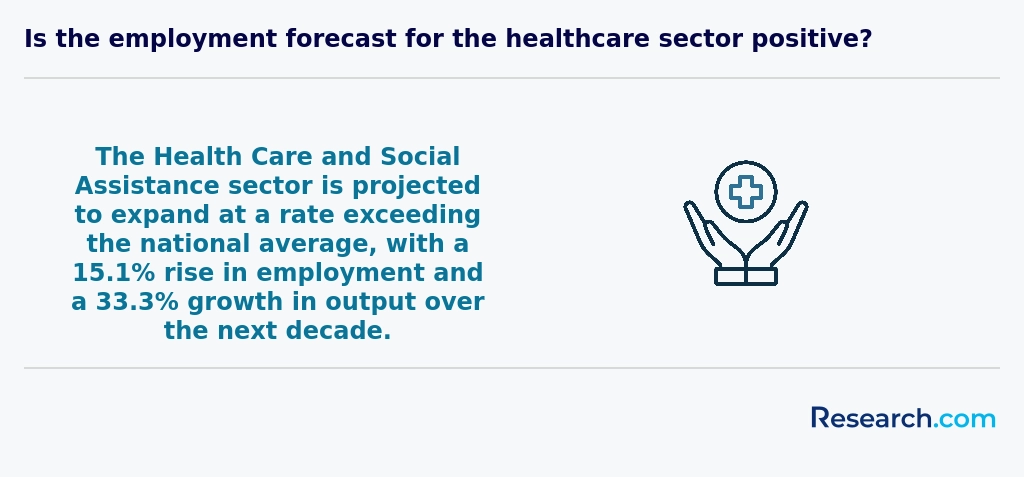
The global demand for healthcare professionals continues to rise, driven by aging populations and expanding medical needs. In the United States, including Auburn, healthcare careers offer stability and growth, with the Bureau of Labor Statistics projecting a 16% increase in healthcare occupations from 2021 to 2031. This growth outpaces many other sectors.
Internationally, countries face diverse challenges such as workforce shortages and varying healthcare systems. For students in Auburn, understanding these global trends highlights the versatility of a healthcare degree. It prepares graduates to adapt to multiple settings, from urban hospitals to rural clinics.
Moreover, global health initiatives require cross-cultural skills and knowledge of international regulations. Auburn's healthcare programs often incorporate these elements, enhancing graduates' competitiveness in the worldwide labor market.
Gaining practical experience while studying for a healthcare degree in Auburn is essential for building skills and improving job prospects. Many Auburn institutions partner with local hospitals and clinics, such as East Alabama Medical Center, to offer clinical rotations or internships. These placements allow students to work directly with patients under supervision.
Additionally, students can volunteer in healthcare settings or participate in simulation labs on campus, which provide hands-on training with medical equipment. Auburn's growing healthcare sector supports numerous opportunities to engage in community health programs. According to Auburn University research, over 70% of healthcare students participate in experiential learning before graduation.
Choosing the right concentration within a healthcare degree program in Auburn begins with assessing your career goals and interests. Auburn offers various healthcare fields, including nursing, public health, and health administration, each aligning with different job pathways. According to the Alabama Department of Labor, Auburn's healthcare sector is growing steadily, with nursing roles expected to increase by 15% through 2028.
Consider local industry demand and salary data. For example, nurses in Auburn earn a median annual wage around $68,000, while healthcare administrators can expect higher salaries but require advanced management skills. Exploring program curricula and clinical opportunities at Auburn's colleges helps gauge practical training quality. Speaking with advisors and local professionals can also clarify which concentration fits your strengths and the Auburn healthcare market's needs.
Related Healthcare Rankings for Nearby Cities
- 2027 Most Valuable Healthcare Degree Programs Ranking in Montgomery
- 2027 Most Valuable Healthcare Degree Programs Ranking in Birmingham
- 2027 Most Valuable Healthcare Degree Programs Ranking in Atlanta
- 2027 Most Valuable Healthcare Degree Programs Ranking in Tallahassee
- 2027 Most Valuable Healthcare Degree Programs Ranking in Mobile
- 2027 Most Valuable Healthcare Degree Programs Ranking in Hattiesburg
- 2027 Most Valuable Healthcare Degree Programs Ranking in Jacksonville
- 2027 Most Valuable Healthcare Degree Programs Ranking in Jackson
- 2027 Most Valuable Healthcare Degree Programs Ranking in Gainesville
- 2027 Most Valuable Healthcare Degree Programs Ranking in New Orleans
Top Trending Healthcare Rankings
See What Experts Have To Say About Studying Healthcare
Read our interview with Healthcare experts

References
- Niche Market Opportunities Research Among Healthcare Professionals (A Decision Analyst Case History https://www.decisionanalyst.com/casestudies/nichemarketopportunities/
- Financial Assistance - Income-Based Medical Bill Assistance | Auburn Community Hospital https://www.auburnhospital.org/patients-and-visitors/financial-assistance/
- How a Strong Alumni Network Can Benefit Students https://www.pacificu.edu/blog/how-strong-alumni-network-can-benefit-students
- Career Opportunities in Healthcare Without a Medical Degree https://www.just-medical.ch/en/blog/medical-careers-without-formal-education
- Explore Healthcare Admin Degree Concentrations https://www.baypath.edu/news/bay-path-university-blogs/post/explore-healthcare-admin-degree-concentrations/
- Niche Markets in Healthcare https://ultrariskadvisors.com/niche-markets-in-healthcare/
- 6 key healthcare challenges affecting students and how to address them - Wellfleet Student https://wellfleetstudent.com/engaging-empowering-student-members/6-key-healthcare-challenges-affecting-students-and-how-to-address-them/
- Top 3 Reasons to Consider a Career in Healthcare - Roseman University https://www.roseman.edu/student-experience/news/top-3-reasons-to-consider-a-career-in-healthcare/
- Trends and opportunities in healthcare across emerging markets - Inizio https://inizio.com/insights/trends-and-opportunities-in-healthcare-across-emerging-markets/
- The Value of Healthcare Organization Alumni Associations https://consultqd.clevelandclinic.org/the-value-of-healthcare-organization-alumni-associations


