
2027 Most Affordable Online Healthcare Degree Programs Ranking in Colorado

Co-Founder and Chief Data Scientist
Are you considering a healthcare degree but worried about cost? This article introduces the 2027 Most Affordable Online Healthcare Degree Programs Ranking in Colorado, carefully compiled by the Research.com team of data scientists. It's designed to help you make smart, informed decisions about your education.
Discover budget-friendly options that don't sacrifice quality. A healthcare degree opens doors to meaningful, rewarding careers that make a real difference in people's lives.
Explore these programs and take a confident step toward your future in healthcare.
Key benefits of getting online healthcare degree in Colorado
- Healthcare degree graduates in Colorado can expect competitive salaries; for example, Medical Assistants earn around $43,350 annually while Quality Improvement Coordinators make about $103,150.
- Graduates from institutions like the University of Colorado have diverse career paths, including roles such as Patient Care Technician, Clinical Research Coordinator, or Health Information Technician, offering strong job growth and stability.
- Online healthcare degrees provide flexibility and convenience, allowing students from anywhere in Colorado to balance work, family, and studies effectively while gaining credentials from respected schools such as Regis University.
- 2027 Most Affordable Online Healthcare Degree Programs Ranking in Colorado
- What can I expect from online healthcare degree in Colorado?
- Where can I work with online healthcare degree in Colorado?
What can I expect from online healthcare degree in Colorado?
The average cost of an online healthcare degree in Colorado typically ranges from $350 to $450 per credit hour for in-state students attending public universities like the University of Colorado system or Colorado State University Global. Graduates from these institutions often recall balancing coursework alongside full-time jobs, appreciating the value of flexible scheduling that allows them to advance their education without sacrificing income.
Tuition rates vary by institution and program level, but financial aid and scholarships are commonly available, particularly for healthcare majors, which eases the financial burden. One graduate described how scholarship support made it possible to complete a nursing degree while managing family commitments. The affordability combined with accredited programs ensures students meet state licensure criteria and enjoy strong career prospects upon graduation.
Students also highlight that the investment feels worthwhile due to the comprehensive curriculum that combines core subjects like anatomy and healthcare policy with practical experiences such as virtual labs and clinical placements near their homes across Colorado.
Where can I work with online healthcare degree in Colorado?
Graduates with an online healthcare degree in Colorado can pursue diverse career paths across an expanding healthcare ecosystem. With healthcare occupations projected to grow by 27% from 2020 to 2030, institutions like the University of Colorado and Colorado State University have graduates working in hospitals, clinics, and outpatient centers statewide. Many find roles as registered nurses, healthcare administrators, or medical assistants, thriving in large hospital networks such as UCHealth and Centura Health.
Students report the flexibility of online programs enabled them to gain licensure while balancing work and family, which proved invaluable when securing positions in fast-paced environments like emergency care or mental health services. Telehealth is another growing sector in Colorado, offering graduates opportunities for remote patient care-a convenient path embraced by many alumni who want to maintain work-life balance.
Public health agencies such as the Colorado Department of Public Health & Environment also hire degree holders to manage community health initiatives and emergency responses, rewarding graduates with a sense of purpose and impact beyond clinical roles.
Graduates of online healthcare degree programs in Colorado can expect varied earnings depending on their specific roles. For example, medical assistants earn an average annual wage of about $43,350, while patient care technicians make around $60,790. Health information technicians bring in approximately $43,380 yearly, underscoring consistent demand for skilled technical roles in the state.
Clinical research coordinators, often employed by healthcare graduates focusing on research from institutions like the University of Colorado or Colorado Mesa University, earn around $43,350 annually. For those advancing into coordination and quality roles, average salaries rise significantly; quality improvement coordinators report mean annual wages near $103,150, reflecting both the responsibility and expertise required.
Colorado graduates express enthusiasm about their earning potential and career stability, especially considering the state's growing healthcare sector. Many find starting salaries competitive, particularly when combining practical experience with credentials from respected online programs available in Denver or Colorado Springs.
- The cost of online healthcare bachelor's degrees in Colorado generally ranges from $15,000 to $30,000, with public universities offering lower tuition for in-state students.
- Colorado's healthcare job market is growing about 15% over the next decade, reflecting a strong demand for healthcare workers.
- Entry-level salaries for healthcare graduates typically range between $45,000 and $60,000 annually, with mid-career professionals earning over $80,000.
- Many online programs offer flexible, asynchronous coursework suitable for working adults and family commitments.
- Accreditation is essential to ensure the degree is recognized by employers and licensing boards in Colorado.
Completing an online healthcare degree in Colorado varies by degree level and program structure, with typical durations reflecting practical student experiences. Graduates from institutions such as the University of Colorado and Colorado State University report that associate degrees, like medical assisting, usually take about two years, covering roughly 60 to 70 credit hours. These programs are designed for quick workforce entry, which many students appreciate as it balances speed with quality education.
Bachelor's degrees, such as a BSN or healthcare administration from popular universities like Regis University, generally require four years full-time but often extend to five or six years for part-time online learners. Graduates highlight the flexibility to juggle work and family, making longer completion times manageable and rewarding.
For advanced degrees-Master of Science in Nursing or healthcare management-completion ranges from 1.5 to 3 years. Students value accelerated and asynchronous options offered at schools like Colorado Christian University, allowing them to progress swiftly while maintaining professional responsibilities. Doctoral programs, including DNP or Health Sciences PhDs, typically span 3 to 5 years due to their intensive research and clinical components.
Online healthcare degree programs in Colorado, such as those offered by the University of Colorado, provide flexible scheduling that appeals to working professionals juggling family and jobs. Graduates often appreciate being able to study asynchronously from home, reducing commuting costs and allowing mastery of material at their own pace. However, all online learners must complete hands-on clinical hours at local healthcare facilities, maintaining essential practical experience required for licensure.
In contrast, traditional on-campus programs at institutions like Colorado State University emphasize structured, face-to-face instruction with immediate access to labs and peer collaboration. Students frequently describe the immersive environment as supportive, especially when navigating complex clinical skills. These programs integrate clinical practice within the semester, allowing quicker transition from theory to real-world application.
Cost differences hinge less on tuition rates-which are often comparable-and more on additional expenses like housing and transportation for on-campus students. Both formats confer regionally accredited degrees aligned with Colorado licensure requirements, ensuring graduates from either path are well-prepared for healthcare careers statewide.
Embarking on an online healthcare degree in Colorado begins with understanding each institution’s application timeline, requirements, and best practices for a competitive submission. Most universities offer rolling admissions for fall, spring, and summer terms, but priority deadlines-often six to eight weeks before the term starts-can determine scholarship eligibility and early course registration. Required materials typically include:
- Official transcripts from all postsecondary institutions and your high school or GED equivalency
- A personal statement outlining your interest in healthcare and career goals
- Letters of recommendation from academic or professional contacts
- Proof of completed prerequisite coursework in biology, chemistry, and statistics (where applicable) To streamline your application: 1. Request transcripts at least one month before deadlines to avoid processing delays. 2. Draft and refine your personal statement early, focusing on unique experiences such as healthcare volunteer work or clinical internships. 3. Reach out to admissions advisors to clarify any program-specific requirements, especially for hybrid or practicum-based courses. 4. Submit your FAFSA as soon as possible to maximize your access to state and federal aid. If you’re comparing affordability across regions, you might also explore our Low Cost Online Healthcare Degree Programs Ranking in New Orleans, LA to see how Colorado’s offerings stack up. By applying early and ensuring a complete, polished application, you’ll position yourself for seamless enrollment and timely access to academic support services, setting the stage for a successful online healthcare education in Colorado.
The average cost of an online healthcare degree in Colorado centers around a median total cost of approximately $25,721. For in-state students, the median total reaches about $23,607, reflecting the benefit of resident tuition rates, while out-of-state students typically face median costs near $24,749. These figures align closely with the tuition expectations shared by graduates from institutions like the University of Colorado system, where healthcare students report manageable expenses alongside quality online education experiences.
Many healthcare students in Colorado appreciate how public universities keep costs relatively affordable-often charging between $400 and $600 per credit hour for residents. This affordability plays a significant role for those seeking an accessible yet reputable education in fields such as nursing or health administration. Affordable healthcare degree programs Colorado online have further appealed to learners balancing work, family, and studies, allowing them to pursue advanced degrees without immediate financial strain.
For prospective students exploring their options, it is important to consider all expenses, including technology and practicum fees, which can affect overall costs. Financial aid and scholarships available within Colorado often ease these burdens and enhance accessibility. Those interested can find detailed cost comparisons and options by exploring the most affordable healthcare programs in colorado, highlighting the state's commitment to practical and affordable healthcare education delivery.
Students pursuing online healthcare degrees in Colorado benefit from diverse financial aid opportunities that significantly ease tuition burdens. Federal aid through the FAFSA is foundational; for example, a graduate from the University of Colorado's healthcare program recalled how Pell Grants, which can cover up to $7,395 annually, and manageable federal loans made completing their studies feasible despite initial financial worries. This aid targets those demonstrating financial need and includes work-study options enhancing practical experience while studying.
Colorado-specific funding, like the Colorado Opportunity Scholarship Initiative (COSI), plays an essential role, especially for residents attending institutions such as Colorado State University Global. Graduates highlight that COSI's award variability, based on program length and cost, allowed them to tailor funding to their unique program demands.
Institutional scholarships from schools like Regis University offer merit-based support or target groups like military veterans, adding another accessible aid layer. Additionally, professional healthcare organizations provide dedicated scholarships, often described by students as vital for offsetting costs.
Working professionals enrolled online report that employer tuition assistance programs in Colorado's healthcare sector frequently provide partial or full reimbursement, bolstering confidence and enabling career advancement without overwhelming debt.
Accreditation signals that a program meets strict quality standards and qualifies graduates for certification and state licensure. When evaluating online healthcare degrees in Colorado, verify both institutional and programmatic accreditation:
- Regional accreditation: Higher Learning Commission (HLC) or equivalent
- Programmatic bodies: CAAHEP (e.g., for medical assisting), CAHIIM (health informatics), CCNE or ACEN (nursing)
- State authorization: Confirm the school is approved to deliver online education in Colorado
Graduates of accredited programs can sit for key certification exams (CMA, RMA) and meet licensure requirements. Many students choose medical assistant programs accredited by CAAHEP to ensure eligibility for the AAMA certification.
To enroll in an online healthcare degree program in Colorado, students must first hold a high school diploma or GED, serving as the basic entry credential. For advanced programs, such as nursing master's degrees, a related bachelor's degree is mandatory. Popular institutions like Colorado State University emphasize this progression, reflecting a commitment to academic rigor.
Applicants often need to complete prerequisite courses in biology, chemistry, and anatomy with a grade of "C" or higher. For example, graduates from the University of Colorado's online nursing program report that mastering these subjects before enrollment eased their transition into complex healthcare topics.
Standardized tests like ACT or SAT remain common for undergraduate admissions, though test-optional policies are increasingly adopted. Graduate programs may request GRE scores, particularly in competitive fields.
Many students find that having certifications such as CNA or healthcare-related volunteer experience significantly strengthens applications. This practical background, frequently encouraged at institutions like Regis University, builds confidence and connection to the healthcare environment.
International students must provide evaluated transcripts, ensuring equivalency in education standards. Beyond academics, graduates highlight the importance of preparing financially, as Colorado's in-state tuition fees are favorable but require planning for a successful educational journey.

Embarking on an online healthcare degree comes with its unique set of challenges, but with the right strategies and resources, students can turn obstacles into opportunities for growth. Many learners encounter difficulties such as time management, technological hurdles, and the feeling of isolation that sometimes accompanies online learning environments. To ensure success, it is crucial to establish a structured routine and create dedicated study spaces at home that mimic a traditional classroom setting. Additionally, utilizing campus virtual advising services and online study groups can help in overcoming feelings of disconnection while fostering a supportive community. Staying updated with industry innovations is another key aspect, as healthcare technology rapidly evolves. Regularly seeking out professional webinars, workshops, and networking events will not only boost your technical proficiency but also enhance your career readiness. For example, students interested in diversifying their academic journey might explore insights from the ranking of cheapest online doctorate in pharmacy programs to understand how different specializations tackle online education challenges. Moreover, effective communication with instructors and peers plays a significant role in clarifying complex subjects and building confidence in practical applications. Embracing adaptive learning tools and participating in virtual discussion forums can bridge gaps in understanding and provide a sustainable learning experience. By proactively addressing these challenges, students not only improve their academic performance but also prepare themselves to thrive in an ever-changing healthcare landscape.
Online healthcare degrees in Colorado commonly feature courses essential for developing a robust foundation in medical knowledge and healthcare systems. Graduates from well-known institutions like the University of Colorado and Colorado State University often recount how courses in medical terminology, anatomy, and physiology equipped them with the critical understanding needed to navigate patient care confidently.
Programs also emphasize healthcare administration and ethics, with classes covering healthcare policy, law, and management principles. This reflects Colorado's growing healthcare sector, which the Department of Labor projects will expand by approximately 15% by 2030, making management skills highly relevant.
Specialized tracks, such as public health or nursing, include epidemiology, community health, pharmacology, and clinical practice simulations. Many students appreciate the hands-on approach through case studies and virtual labs, which prepare them for real-world healthcare scenarios in hospitals and clinics across Colorado.
Such coursework paired with communication and data analysis skills ensures graduates feel prepared for Colorado's competitive healthcare job market, where median wages exceed national averages.
Students pursuing an online healthcare degree in Colorado can choose from a range of specializations aligned with the state's healthcare demands. Nursing remains a leading option, with programs like Bachelor of Science in Nursing (BSN) and Nursing Leadership designed for working professionals who want to balance education and career. Graduates from institutions popular in Colorado often highlight the practical skills gained, helping them secure roles with statewide average wages near $77,000.
Other prominent specializations include Public Health, focusing on preventive care and epidemiology, which is particularly relevant given Colorado's emphasis on rural health initiatives. Healthcare Administration prepares students for management roles in hospitals and clinics, with salaries ranging between $60,000 and $90,000 annually. Many graduates appreciate the flexibility of studying these online through reputable Colorado colleges.
Additional options cater to evolving fields, such as Medical Informatics and Health Informatics and Technology, addressing data management and telemedicine. For those drawn to behavioral health, Mental Health Counseling is especially pertinent, reflecting Colorado's expanding support system for licensed counselors.
Students researching affordable options often consult the ranking of cheapest online doctorate in pharmacy programs, which complement many healthcare degree specializations Colorado online.
Selecting the best online healthcare degree in Colorado starts with verifying regional accreditation to ensure employer recognition and eligibility for licensure. Graduates from institutions like the University of Colorado and Colorado State University often emphasize how accredited programs gave them confidence in their career prospects. It's important to match the degree type-whether certificate, associate, bachelor's, or master's-with your career goals and the state's demand for nursing, healthcare administration, or health information management professionals.
Affordability plays a critical role. Many students find community colleges in Colorado offer competitive tuition rates, making them ideal for those seeking affordable healthcare degree programs in Colorado. Several alumni share that scholarships and employer tuition assistance significantly lightened their financial burdens, enabling smoother program completion. Flexibility matters too-programs with asynchronous coursework allow working professionals to balance study and personal life effectively.
Graduate outcomes provide valuable insight: Colorado's healthcare graduates, such as nurses trained at local universities, report strong job placement and salaries above the national average. For comparing costs and options, the Low Cost Online Healthcare Degree Programs Ranking in New Orleans, LA offers useful benchmarks despite differing locations.
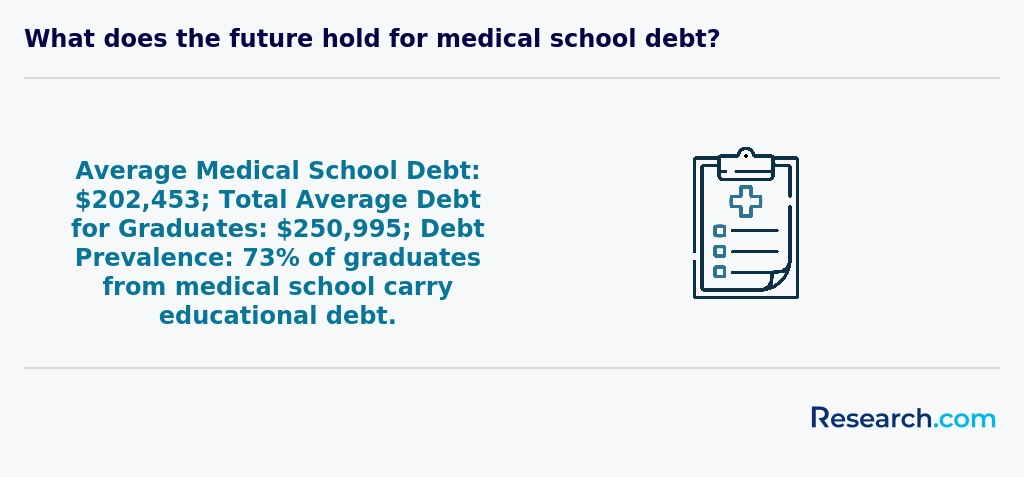
Graduates of online healthcare degrees in Colorado have access to diverse career paths, ranging from clinical roles to administrative positions. Registered Nurses (RNs), for example, are consistently sought after, with many graduates from well-known Colorado institutions reporting satisfying employment in hospitals and outpatient clinics, where the average RN salary reaches approximately $79,000 annually. Others find rewarding careers as healthcare administrators or medical and health services managers, roles that typically require a bachelor's degree and involve coordinating services within large healthcare systems like UCHealth or Centura Health.
Career growth is supported by the state's healthcare demand, with positions such as public health workers focusing on disease prevention and community wellness, especially in rural areas of Colorado. Health informatics specialists are also emerging as key players, combining IT expertise with healthcare knowledge to enhance patient data management. Students often appreciate how programs prepare them through local clinical practicums, reflecting real-world healthcare degree job opportunities in Colorado. Additionally, those seeking less traditional paths may explore telehealth or medical coding, with some opting for easy certifications that pay well.
The job market for online healthcare degree graduates in Colorado is notably strong, driven by a projected 14% growth in healthcare occupations from 2020 to 2030, according to the Colorado Department of Labor and Employment. This expansion surpasses many other industries and creates ample opportunities for roles such as registered nurses, healthcare administrators, and allied health professionals. Graduates from popular institutions like the University of Colorado and Colorado State University report positive employment outcomes, often finding positions that leverage both their clinical and technological skills.
In particular, those seeking online healthcare jobs in Colorado benefit from the state's rapid population growth, expanding healthcare infrastructures, and emphasis on telehealth services. These factors increase demand for professionals who can adapt to evolving care models, making online healthcare credentials valuable. Graduates frequently highlight competitive salaries, with registered nurses earning a median of around $78,000 annually.
Prospective students looking to balance cost and quality may explore programs offering tuition advantages. Exploring the easiest doctoral programs can also provide pathways to advanced roles, enhancing employment prospects in Colorado's healthcare sector.
2027 Most Affordable Online Healthcare Degree Programs Ranking in Colorado
Investing in your education is a significant decision that can shape your future, and the Research.com team is committed to helping you make informed choices. To support prospective students in Colorado, we have carefully developed the "2027 Most Affordable Online Healthcare Degree Programs Ranking in Colorado." Our dedication to quality, credibility, and accuracy is evident through the thorough research and rigorous analysis conducted to assemble this ranking.
We utilized the following reputable data sources to ensure a comprehensive evaluation of healthcare degree programs:
By consulting this ranking, readers will gain valuable insights into affordable and accredited online healthcare degree options in Colorado, enabling smarter educational investment decisions. For more information on how we compile our rankings, please visit our Research.com methodology page.


# 6 position
Colorado Christian University
Doctor of Nursing Practice

# 7 position
Colorado Christian University
MBA - Healthcare Administration
# 8 position
Colorado Christian University
Bachelor of Healthcare Administration
# 10 position
Arapahoe Community College
Bachelor of Advanced Paramedic Practitioner

Frequently Asked Questions About healthcare
Online healthcare degree students in Colorado can enhance their learning by leveraging the state's robust digital infrastructure and healthcare network. Engaging actively in virtual discussions and utilizing campus resources, such as online tutoring and career services, supports deeper understanding. Colorado's healthcare sector employs over 250,000 professionals, suggesting abundant internship and networking opportunities that students should seek to complement coursework.
Students benefit from scheduling dedicated study times and using simulation tools offered by many accredited programs to gain practical experience. Staying informed about Colorado's healthcare policies and workforce trends from sources like the Colorado Department of Public Health and Environment strengthens contextual knowledge essential for success.
Emerging niches in the healthcare field reflect growing demand for specialized skills and new technologies. In Colorado, telehealth has expanded rapidly, driven by rural population needs and state policies, making remote patient care a vital area for online education.
Another developing niche is health informatics, where professionals manage electronic health records and data analytics. Colorado's investment in health IT infrastructure supports this trend, with employment in health informatics growing over 15% since 2020, according to the Colorado Department of Labor.
Additionally, behavioral health is a critical focus due to increased mental health awareness. Online programs often include training in this area, addressing Colorado's higher-than-average need for counselors and social workers.
After completing an online healthcare degree in Colorado, graduates should focus on building relevant skills and obtaining certifications to improve job prospects. Colorado's healthcare sector is growing rapidly, with employment projected to increase by 14% between 2022 and 2032 according to the U.S. Bureau of Labor Statistics. Earning certifications like Certified Nursing Assistant (CNA) or Registered Health Information Technician (RHIT) can increase employability.
Networking is also crucial; joining professional organizations such as the Colorado Nurses Association or Colorado Medical Society can provide valuable connections. Additionally, gaining hands-on experience through internships or volunteer work in Colorado healthcare facilities enhances practical knowledge and resumes.
Staying informed about healthcare regulations and technology trends specific to Colorado helps graduates adapt quickly and meet employer expectations.
Employers in Colorado's healthcare sector prioritize a mix of technical and interpersonal skills when hiring graduates with online healthcare degrees. Critical clinical skills, such as proficiency in electronic health records (EHR) systems and patient care techniques, are fundamental. According to the Colorado Department of Labor and Employment, demand for digitally literate healthcare workers has increased by over 15% in recent years.
Strong communication skills are also vital, enabling professionals to interact effectively with patients and multidisciplinary teams. Additionally, employers look for problem-solving abilities and adaptability, given the fast-paced and evolving nature of healthcare in the state.
Knowledge of Colorado's healthcare regulations and cultural competency are increasingly important to meet the needs of diverse communities and comply with local standards.
Finding internships in Colorado relevant to a healthcare degree involves leveraging several local resources and institutions. Students should begin by consulting their online program's career services, which often maintain relationships with hospitals and clinics statewide. Colorado ranks well for healthcare job growth, with a 13% projected increase by 2030 according to the Colorado Department of Labor and Employment. This growth creates ample internship opportunities across Denver Health, UCHealth, and other providers. Additionally, professional organizations like the Colorado Hospital Association provide internship listings. Networking through state health conferences and local healthcare meetups can also be a valuable way to discover openings.
Online healthcare degrees in Colorado play a significant role in enhancing career mobility and advancement. The state's healthcare industry is growing rapidly, with employment expected to increase by 13% from 2020 to 2030, according to the Colorado Department of Labor and Employment.
Completing an online healthcare program offers flexible learning that accommodates working professionals, enabling timely skill upgrades and certifications. This flexibility allows students to pursue specializations such as nursing, health administration, or public health without relocating.
Employers in Colorado value accredited online degrees, often considering them equal to traditional degrees for promotions and pay raises. Additionally, higher educational qualifications can lead to supervisory or specialist roles, contributing to increased earning potential within the state's competitive healthcare market.
Studying for a healthcare degree online in Colorado equips students with skills needed for interdisciplinary roles by emphasizing collaborative approaches to patient care. Many Colorado programs integrate coursework from nursing, public health, and health administration, reflecting the state's diverse healthcare needs. According to the Colorado Department of Public Health & Environment, the growing demand for healthcare professionals requires expertise across multiple disciplines.
Students learn to communicate effectively with various healthcare teams, enhancing coordination in clinical and community settings. Online programs often include case studies and simulations promoting problem-solving in real-world scenarios. This prepares graduates to work seamlessly with physicians, social workers, and policy makers in Colorado's evolving health landscape.
Choosing between a thesis and a non-thesis healthcare degree program in Colorado depends largely on your career goals and learning preferences. Thesis programs emphasize research and require a formal project, which is ideal if you plan to pursue a PhD or a research-related role. Non-thesis options focus more on practical skills and coursework, suitable for professionals aiming for leadership or clinical positions.
Colorado's healthcare sector employs over 400,000 individuals, with growing demand for advanced skills. According to the Colorado Department of Labor and Employment, the state expects a 15% increase in healthcare jobs by 2030. This growth makes hands-on knowledge from non-thesis programs attractive for many students.
In sum, research experience suits academic ambitions, while non-thesis paths favor direct workforce entry and professional advancement.
Students based in Colorado seeking to study healthcare abroad face limited direct online options due to accreditation and licensing restrictions in the US. Most licensed healthcare programs require in-person clinical training, which complicates fully remote study with international institutions. However, several Colorado universities, such as the University of Colorado and Regis University, offer hybrid or online healthcare programs with international study opportunities or partnerships, allowing global clinical experiences while maintaining US accreditation.
According to the Colorado Department of Higher Education, nearly 30% of healthcare students express interest in global health exposure. Online programs often incorporate virtual simulations and global case studies to supplement practical skills.
Ultimately, students should verify that any credits or clinical hours earned abroad meet Colorado licensing board standards before enrolling.
Part-time job opportunities in Colorado can strongly complement online healthcare degree education by providing practical experience alongside academic learning. Popular roles include medical assistant, certified nursing assistant (CNA), and patient care technician positions, which offer hands-on skills directly relevant to healthcare studies.
Colorado's healthcare sector is growing rapidly, with employment expected to increase by 18% from 2020 to 2030, according to the Colorado Department of Labor and Employment. This growth translates into numerous part-time openings that allow students to balance work and study.
Additionally, administrative roles such as medical receptionist or health information technician provide insight into healthcare operations and technology, expanding student skill sets.
Many healthcare facilities and clinics in Denver and other urban centers actively recruit part-time workers with some education, making it easier for students to find flexible roles aligned with their degree programs.
Online healthcare students in Colorado have access to various networking opportunities that enhance their educational experience. Many universities offering online programs organize virtual meetups, discussion forums, and group projects to foster peer connections.
Additionally, Colorado's strong healthcare industry supports local professional organizations, such as the Colorado Nurses Association and the Colorado Medical Society, which often welcome students as members. These groups provide events and webinars that are accessible even to remote learners.
Students can also leverage internships and clinical placements within Colorado's large healthcare systems like UCHealth and Denver Health, facilitating real-world connections. According to the Colorado Department of Labor and Employment, healthcare roles are growing rapidly, making networking vital for career advancement.
Alumni networks offer significant advantages to online healthcare degree students in Colorado by providing professional connections and resources. Graduates from Colorado institutions often gain access to groups that include thousands of healthcare professionals statewide, enhancing job prospects and mentorship opportunities.
These networks help students navigate Colorado's healthcare job market, which is expected to grow by 15% through 2030 according to the Colorado Department of Labor and Employment. Alumni connections often lead to internships, job referrals, and continuing education events.
Moreover, alumni groups frequently host workshops and webinars focused on local healthcare policies, keeping members informed of evolving regulations specific to Colorado.
Customizing your online healthcare degree in Colorado allows you to align your education with specific career goals. Many Colorado institutions offer flexible programs where you can choose concentrations such as health administration, nursing, or public health. This flexibility is valuable given Colorado's growing healthcare sector, which expanded by 16% from 2019 to 2023 according to the Colorado Department of Labor and Employment.
Students often tailor coursework by selecting electives that match their interests or gain certifications alongside their degree. For example, some programs integrate options for leadership training or informatics, in response to a local demand for skilled healthcare professionals. Advisors at Colorado colleges help guide your choices based on labor market trends and personal objectives, ensuring your degree supports job readiness in the state's evolving healthcare environment.
Online healthcare students in Colorado often face several challenges related to balancing their studies with work and family responsibilities. According to the Colorado Department of Higher Education, many students juggle part-time or full-time jobs while completing demanding healthcare coursework. This can lead to time management difficulties and increased stress.
Another common issue is accessing clinical placements. Colorado requires hands-on experience for healthcare programs, and securing local internships or practicums can be competitive and time-consuming.
Additionally, reliable internet access remains a barrier in some rural Colorado areas, affecting student participation in live lectures and online resources. These factors combined can impact student retention and completion rates in online healthcare education.
With an online healthcare degree in Colorado, graduates can pursue various professional certifications to advance their careers. Common certifications include Certified Nursing Assistant (CNA), Registered Health Information Technician (RHIT), and Certified Medical Assistant (CMA). These credentials enhance employability in Colorado's expanding healthcare sector, which is projected to grow 11% from 2020 to 2030, according to the U.S. Bureau of Labor Statistics.
Many programs also prepare students for certifications like Licensed Practical Nurse (LPN) or Registered Nurse (RN), which require passing state-specific exams through the Colorado Board of Nursing.
Healthcare administration graduates may seek Certified Healthcare Administrative Professional (cHAP) certification to boost credentials.
To write a winning application for an online healthcare program in Colorado, start by clearly demonstrating your commitment to the healthcare field. Emphasize relevant experience, whether through employment, internships, or volunteer work in local Colorado healthcare settings. Highlight any coursework or certifications related to healthcare, especially those recognized by Colorado medical boards.
Ensure your personal statement explains why you chose online learning and how it fits your career goals. According to the Colorado Department of Higher Education, programs often look for candidates who show resilience and adaptability, key traits during the ongoing healthcare shifts in the state.
Be sure to meet all prerequisite requirements and submit transcripts from accredited institutions. Strong letters of recommendation from healthcare professionals or professors familiar with Colorado's healthcare environment can strengthen your application significantly.
Finally, proofread thoroughly and follow each program's guidelines exactly. Attention to detail is essential in this competitive field.
The healthcare field is recognized globally as vital to public well-being and economic stability. For students in Colorado considering online healthcare degrees, understanding international perspectives can broaden career opportunities.
Many countries focus on developing skilled healthcare professionals to meet rising demands from aging populations and chronic illnesses. According to the Colorado Department of Labor and Employment, Colorado's healthcare jobs are projected to grow by 16% between 2020 and 2030, reflecting this global trend locally.
Internationally, healthcare careers often emphasize interdisciplinary skills and cultural competence. Adapting to diverse patient needs is increasingly important due to global migration patterns, which also affect Colorado's health workforce composition.
Online healthcare degrees in Colorado offer flexibility while preparing students to engage in a globally connected profession, where standards and practices continue evolving across borders.
Gaining practical experience while pursuing an online healthcare degree in Colorado often involves clinical placements or internships arranged through the degree program. Many accredited Colorado institutions collaborate with local hospitals, clinics, and healthcare facilities to provide these opportunities.
Students typically complete a required number of supervised clinical hours to meet licensure and certification standards. For example, nursing programs may require between 400 and 800 clinical hours, depending on the specialty and accrediting body.
The Colorado Center for Nursing Excellence reports strong partnerships between schools and healthcare providers to support hands-on training. Additionally, some programs allow students to complete clinical hours near their residence, providing flexibility for online learners.
Volunteering or part-time work in healthcare settings can also enhance practical skills. This experience helps build a professional network essential for career advancement in the state's growing healthcare sector, which employs more than 300,000 individuals as of 2023 (Colorado Department of Labor and Employment).
Choosing the right concentration within an online healthcare degree program in Colorado requires understanding your career goals and the local job market. Healthcare fields such as nursing, health administration, and public health are in high demand due to Colorado's growing population and aging demographics, according to the Colorado Department of Labor and Employment.
Consider your interests and strengths, as well as potential salary and job growth. For example, registered nurses in Colorado earn an average annual wage of about $75,000, reflecting strong opportunities. Research the curriculum and how it aligns with certification requirements in your chosen field to ensure licensure eligibility in Colorado.
Also, look for programs with faculty experienced in Colorado's healthcare system and partnerships with local healthcare providers, as these can enhance practical learning and job placement prospects.
- 2027 Most Affordable Online Healthcare Degree Programs Ranking in Nebraska
- 2027 Most Affordable Online Healthcare Degree Programs Ranking in New Mexico
- 2027 Most Affordable Online Healthcare Degree Programs Ranking in Texas
- 2027 Most Affordable Online Healthcare Degree Programs Ranking in South Dakota
- 2027 Most Affordable Online Healthcare Degree Programs Ranking in Missouri
- 2027 Most Affordable Online Healthcare Degree Programs Ranking in Idaho
- 2027 Most Affordable Online Healthcare Degree Programs Ranking in Minnesota
- 2027 Most Affordable Online Healthcare Degree Programs Ranking in North Dakota
- 2027 Most Affordable Online Healthcare Degree Programs Ranking in Illinois
- 2027 Most Affordable Online Healthcare Degree Programs Ranking in Mississippi
See What Experts Have To Say About Studying Healthcare
Read our interview with Healthcare experts

- Niche Markets in Healthcare https://ultrariskadvisors.com/niche-markets-in-healthcare/
- UCHealth Careers https://careers.uchealth.org/en/
- Pursuing Your Career Goals: Strategies and Examples https://www.ultimatemedical.edu/blog/career-goals-importance-strategies-and-examples/
- 20 healthcare investment niches and 3 things to know: The evolution of ... https://blackbookmarketresearch.com/20-healthcare-investment-niches-and-3-things-to-know-the-evolution-of
- How to Gain Real-World Experience While Studying Online | American National University https://an.edu/how-to-gain-real-world-experience-while-studying-online/
- CARE Forward Colorado https://www.coloradomesa.edu/financial-aid/scholarships/other/care-forward-colorado.html
- How to Set and Achieve Career Goals in Health and Social Care | Royal Open College https://royalopencollege.org/blog/health-and-social-care/how-to-set-and-achieve-career-goals/
- Best Healthcare Degrees & Programs | Accredited Schools Online https://www.accreditedschoolsonline.org/healthcare/degrees/
- Online Healthcare & Medical Certification Training Programs https://medcerts.com/programs/healthcare/
- How to Create a Healthcare Career Roadmap https://www.ihire.com/resourcecenter/jobseeker/pages/how-to-create-a-healthcare-career-roadmap


