
2027 Best Healthcare Degree Programs Ranking in Sioux Falls

Co-Founder and Chief Data Scientist
Considering a healthcare degree in Sioux Falls? This article introduces the 2027 Best Healthcare Degree Programs Ranking in Sioux Falls, created by the Research.com team of data scientists to guide you toward the best options available.
Understanding which programs offer quality education and solid career prospects can make your decision easier and more confident. A healthcare degree opens doors to meaningful work that can positively impact lives, making the effort truly rewarding.
Explore this ranking to find programs that suit your goals and start your journey toward a fulfilling future in healthcare.
Key benefits of getting healthcare degree in Sioux Falls
- Healthcare degree graduates in Sioux Falls can expect competitive salaries, such as a Patient Care Technician earning a mean annual wage of $60,790 and a Quality Improvement Coordinator making up to $103,150, offering strong financial stability.
- Graduates from universities like the University of Sioux Falls often find versatile career paths, ranging from Medical Assistants to Clinical Research Coordinators, allowing for rewarding roles in direct patient care or healthcare management.
- Completing a healthcare degree online, as offered by institutions such as Augustana University, provides flexible learning schedules and saves commuting time, making education more accessible for working adults and busy families.
- Key benefits of getting healthcare degree in Sioux Falls
- What can I expect from healthcare degree in Sioux Falls?
- Where can I work with healthcare degree in Sioux Falls?
- How much can I make with healthcare degree in Sioux Falls?
- 2027 Best Healthcare Degree Programs Ranking in Sioux Falls
- Key Findings
- How long does it take to complete healthcare degree in Sioux Falls?
- Additional Resources and Next Steps for Aspiring Healthcare Professionals
- What's the difference between online and on-campus healthcare degree?
- Student Life and Campus Resources
- What is the average cost of healthcare degree in Sioux Falls?
- Return on Investment Analysis for Healthcare Degrees in Sioux Falls, SD
- What financial aid is available to healthcare degree students in Sioux Falls?
- Campus Life & Student Support
- What are the prerequisites for enrolling in healthcare degree program in Sioux Falls?
- Assessing Return on Investment (ROI) for Healthcare Degrees in Sioux Falls, SD
- What courses are typically in healthcare degree programs in Sioux Falls?
- What types of specializations are available in healthcare degree programs in Sioux Falls?
- How do you choose the best healthcare degree in Sioux Falls?
- What career paths are available for healthcare degree students in Sioux Falls?
- What is the job market for healthcare degree in Sioux Falls?
- Top Trending Healthcare Rankings
- See What Experts Have To Say About Studying Healthcare
What can I expect from healthcare degree in Sioux Falls?
The average cost of earning a healthcare degree in Sioux Falls varies widely, leaving many prospective students wondering if the investment aligns with their goals. For graduates of Southeast Technical College, tuition tends to be more affordable, especially for in-state residents, making urgent career entry feasible without overwhelming debt. In contrast, graduates from the University of Sioux Falls often reflect on higher tuition fees, yet they emphasize the value of specialized programs and accelerated paths that boost their confidence and readiness.
One graduate shared how balancing personal finances felt challenging initially but was softened by the availability of scholarships and grants specifically targeting healthcare students in Sioux Falls. This real-life balancing act underscores the city's supportive educational community keen to nurture rather than burden future healthcare professionals.
Ultimately, the cost reflects not just tuition but the opportunity to engage deeply with clinical experiences at major hubs like Sanford Health, where hands-on learning is priceless. This blend of affordability and meaningful training disrupts assumptions that quality healthcare education requires either massive debt or limited prospects.
Where can I work with healthcare degree in Sioux Falls?
Graduates with healthcare degrees in Sioux Falls quickly discover their career paths extend far beyond traditional hospital walls. Many find themselves thriving at Sanford Health or Avera Health, two giants that offer roles from nursing to specialized clinical positions, confirming that real-world demand matches the rigorous training students receive at institutions like the University of Sioux Falls and Southeast Technical College.
Others recall working in outpatient clinics or urgent care centers, where the fast-paced environment tests their skills while providing meaningful impact. Elder care and rehabilitation facilities also attract healthcare graduates who want to blend compassion with practical expertise, often drawing students seeking hands-on experience through local college partnerships.
Healthcare IT and telehealth are emerging arenas where Sioux Falls graduates tap into innovative technology to reshape patient care-proving a degree here isn't just about bedside manner but mastering evolving digital systems. Graduates engaged in research or health education at colleges appreciate how Sioux Falls' community health programs create vibrant opportunities to influence public wellness directly.
Such careers evoke pride and a sense of purpose, making Sioux Falls more than just a city to work in-it becomes a place to grow healthcare futures.
How much can I make with healthcare degree in Sioux Falls?
Graduates with healthcare degrees in Sioux Falls can expect diverse earning potentials depending on their chosen career paths. For instance, medical assistants typically earn around $43,350 annually, providing a solid stepping stone into the healthcare field. Patient care technicians see higher median wages, close to $60,790, reflecting the hands-on, patient-focused skills that local healthcare providers value. Health information technicians and clinical research coordinators earn nearly the same as medical assistants, about $43,380 and $43,350 respectively, which underscores the growing importance of data and research management in regional healthcare systems.
Those pursuing advanced roles like quality improvement coordinators can anticipate salaries exceeding $100,000, illustrating how specialists who refine healthcare services are rewarded in Sioux Falls' expanding medical landscape. Graduates from local institutions, such as the University of Sioux Falls or Southeast Technical College, often share stories of quickly landing positions where their practical training directly translates to competitive wages. They highlight how balancing tuition costs with early-career salary gains fosters optimism about their professional growth.
Ultimately, studying healthcare in Sioux Falls offers both stability and upward mobility in earnings, especially for those who build on their initial degrees with experience or certifications. The local demand for skilled healthcare professionals remains strong, encouraging graduates to rethink how much value their education can bring in real, financial terms.
2027 Best Healthcare Degree Programs Ranking in Sioux Falls
How do we rank schools?
Investing in your education is a significant decision that can shape your future, and the Research.com team recognizes the importance of providing trustworthy guidance. To assist prospective students in Sioux Falls, we have meticulously developed the "2027 Best Healthcare Degree Programs Ranking in Sioux Falls." Our dedication to quality, credibility, and accuracy is demonstrated through thorough research and careful analysis.
We utilized the following reputable data sources to ensure a comprehensive evaluation of healthcare degree programs:
By consulting this ranking, readers will gain valuable insights into the top healthcare degree programs in Sioux Falls, empowering them to make informed and confident educational choices. For more details on how the ranking was developed, please visit our Research.com methodology page.



# 5 position
California Intercontinental University
Master of Science in Health Sciences

Key Findings
- Healthcare degree programs in Sioux Falls range from associate to advanced degrees, covering fields like nursing, health administration, and medical technology.
- Tuition for associate degrees at public community colleges typically costs between $4,000 and $7,000 per year.
- Bachelor's degree programs at local universities usually charge $10,000 to $15,000 annually for in-state students, with private schools exceeding $20,000 per year.
- Starting salaries for entry-level healthcare professionals average between $50,000 and $60,000 per year.
- Experienced healthcare workers can earn median wages from $80,000 to $100,000 annually.
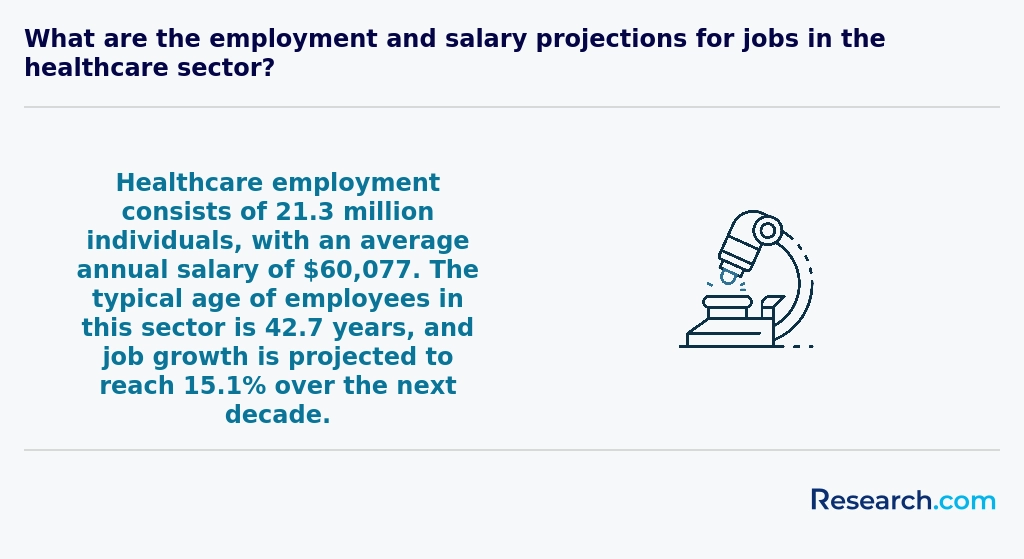
- Healthcare jobs in Sioux Falls are projected to grow by about 15% over the next decade, driven by an aging population and expanding health services.
How long does it take to complete healthcare degree in Sioux Falls?
Completing a healthcare degree in Sioux Falls often surprises students with its blend of challenge and opportunity. Graduates from institutions like the University of Sioux Falls recall spending around four years earning their Bachelor of Science in Nursing, balancing demanding coursework with meaningful clinical hours that bring textbook knowledge to life. For those pursuing quicker entry into the field, Indian Hills Community College offers associate degrees and certificate programs that often take just about two years, allowing students to start working sooner while gaining vital hands-on skills.
Many recall the intense yet rewarding experience of the clinical rotations, essential for licensure in South Dakota, which can subtly extend the timeline but deepen their connection to patient care. Meanwhile, advanced degrees pursued at places like the University of South Dakota Sanford School of Medicine add two to four additional years, transforming hopeful learners into confident leaders and specialists. Students often reflect on how flexible scheduling here helped them juggle work and study, proving that timeframes adapt to individual lives, not just program requirements.
Additional Resources and Next Steps for Aspiring Healthcare Professionals
Navigating your education and career in the healthcare sector doesn’t stop once you’ve chosen a program. It’s important to broaden your research and prepare strategically for the evolving demands of the field. Start by exploring success stories, networking opportunities, and mentorship programs offered by local institutions and professional organizations in Sioux Falls. Additionally, consider researching complementary programs and resources to further enhance your skill set-this might include comparing curricula, learning outcomes, and how online education can provide flexibility. For instance, you might find valuable insights by checking out list of the best bachelors degrees in nutritional science online to see how interdisciplinary approaches can build a robust foundation in diverse healthcare specialties. As you move forward, focus on developing practical experiences through internships, volunteering, or part-time roles, and use these resources to make informed decisions that align with your short-term and long-term career aspirations in healthcare.
What's the difference between online and on-campus healthcare degree?
Choosing between online and on-campus healthcare degrees in Sioux Falls challenges more than just your schedule-it shapes your entire educational experience. Graduates from institutions like the University of South Dakota often recall the impact of hands-on labs and face-to-face mentorship, essential for mastering skills in nursing or radiologic technology. This immersive interaction fosters confidence and direct problem-solving abilities that remote learning struggles to replicate.
Conversely, many students at Southeast Technical College embrace online programs for the unmatched flexibility they provide. Balancing shifts at a healthcare facility with coursework at home, these learners appreciate pacing their studies around life's demands without sacrificing academic rigor. Yet, even they acknowledge the occasional need for clinical visits adds a tangible connection to their learning.
Costs further complicate the choice: on-campus programs in Sioux Falls may bring additional fees for housing and campus resources, while online paths reduce commuting expenses but sometimes introduce tech fees. Ultimately, the decision reflects whether you prioritize immersion and hands-on experience or adaptability and convenience in your healthcare journey.
Student Life and Campus Resources
For many prospective healthcare students in Sioux Falls, SD, the overall college experience extends far beyond academics. Engaging campus life - including vibrant student organizations, state-of-the-art facilities, dedicated counseling services, and active alumni networks - plays a pivotal role in shaping future healthcare professionals. Many institutions boast support centers that help students navigate academic challenges, job placements, and personal growth, ensuring every student feels connected and prepared for the professional world. Moreover, partnerships with local hospitals and clinics not only offer hands-on learning experiences but also contribute to a deeper sense of community involvement. Students are encouraged to explore additional insights on navigating tuition and selecting quality curricula by reviewing the most affordable healthcare programs in south dakota, which further highlights the diversity and accessibility of campus resources. Emphasizing a balance between academic rigor and student well-being, Sioux Falls institutions strive to cultivate environments where each graduate is primed for both career success and a fulfilling college experience.
What is the average cost of healthcare degree in Sioux Falls?
The average healthcare degree cost in Sioux Falls typically centers around $30,955 for in-state students, reflecting a balance between affordability and quality education. Many graduates of local programs recall the challenge of managing tuition while gaining essential clinical skills. For example, Southeast Technical College charges about $180 per credit hour, so completing an associate degree requiring roughly 60 credits translates to tuition near $10,800, before additional expenses. This figure aligns closely with the median in-state total cost but underscores that tuition alone doesn't tell the whole story.
Beyond tuition, Sioux Falls healthcare degree tuition and fees often include expenses for books, uniforms, and clinical placement, adding $1,000 to $3,000 annually. Graduates often speak positively about the moderate living costs here, which ease financial pressures compared to larger cities, creating an overall environment where pursuing a healthcare education is both realistic and rewarding. This context challenges the assumption that quality healthcare education demands overwhelming financial sacrifice.
Students ready to invest in their healthcare future might explore the most affordable healthcare programs in south dakota to find balanced options tailored to diverse budgets and career goals. The total costs, including out-of-state figures averaging $43,331, drive home the importance of careful planning but also highlight the numerous resources and financial aid opportunities available to transform investment into lasting professional fulfillment.
Return on Investment Analysis for Healthcare Degrees in Sioux Falls, SD
Understanding the return on investment (ROI) of a healthcare degree is crucial for students weighing tuition costs against potential earnings. In Sioux Falls, the average annual cost for a public bachelor’s program hovers around $10,500 in-state, while private institutions can exceed $25,000 per year. When you compare these figures to the mean starting salaries-approximately $55,860 for Patient Care Technicians and $41,260 for Health Information Technicians-the typical payback period ranges from two to four years, depending on the program level and financial aid received. By factoring in scholarships, grants, and work-study opportunities, many students reduce their net tuition by 30–50%. Graduates who leverage federal aid and institutional scholarships often see their ROI improve by shortening the breakeven timeline. For those exploring alternative cost-effective pathways, consider comparing Sioux Falls programs with other regional options like the Inexpensive Online Healthcare Degree Programs Ranking in Flint, MI, which can offer even lower per-credit fees without sacrificing accreditation or career outcomes. Long-term earnings growth further enhances ROI. Healthcare administrators and advanced practice providers in Sioux Falls report median mid-career salaries above $75,000, dramatically increasing lifetime earnings. When calculating ROI, include post-graduation salary projections, licensure exam pass rates, and employer-sponsored tuition reimbursement programs that many local hospitals, such as Sanford Health and Avera Health, offer to recent alumni. Ultimately, students who strategically select accredited programs with strong clinical partnerships and robust financial support can achieve a positive ROI within three years post-graduation. Prospective applicants should request detailed cost breakdowns, compare placement rates, and model their own payoff scenarios to ensure their investment aligns with both career aspirations and financial goals.
What financial aid is available to healthcare degree students in Sioux Falls?
Many students pursuing healthcare degrees in Sioux Falls discover that financial aid is more accessible than they initially imagined, sparking a sense of relief and renewed motivation. Graduates from the University of Sioux Falls often share how completing the FAFSA unlocked Pell Grants, providing up to $7,395 yearly-enough to ease the burden of tuition and living costs significantly.
Others attending Southeast Technical College describe the clarity gained when state-funded scholarships like the South Dakota Opportunity Scholarship, worth up to $5,000 annually, directly supported their nursing studies. This local support feels personal, as it recognizes both academic effort and financial need within their community.
Furthermore, institutional awards frequently target healthcare students through merit-based or program-specific scholarships, offering a much-needed boost. Some students recount how their employers, especially hospitals and clinics in Sioux Falls, reinforced their commitment by offering tuition reimbursement or loan repayment, turning education into a shared investment.
Layering these options creates a financial foundation that transforms daunting costs into manageable steps, encouraging students to envision a fulfilling healthcare career grounded in Sioux Falls' supportive environment.
Campus Life & Student Support
A well-rounded education extends beyond lectures and textbooks-vibrant campus life and comprehensive student support are key components of a fulfilling healthcare degree experience in Sioux Falls, SD. Many students describe their time not only as an academic journey but also as an immersive experience that fosters lasting friendships, personal growth, and professional networking. Campus resources such as academic advising, peer mentoring, wellness centers, and dynamic student organizations play a crucial role in creating an environment where students feel both supported and inspired. Whether it’s participating in hands-on workshops, joining healthcare clubs, or benefiting from career development services, these support systems enhance overall learning and prepare students for the dynamic healthcare industry. Moreover, prospective students can explore options for the most affordable healthcare programs in south dakota, ensuring they receive quality education in a setting that balances academic rigor with a thriving community spirit.
What are the prerequisites for enrolling in healthcare degree program in Sioux Falls?
To step into a healthcare degree program in Sioux Falls, the journey begins with more than just a high school diploma. Graduates from local institutions like the University of Sioux Falls often highlight how foundational courses in biology, chemistry, and math prepared them for the intensity of college-level studies. Imagine sitting in your first anatomy class, already confident because you mastered high school biology-it's a powerful advantage.
But it's not just academics; many programs, especially at Southeast Technical College, expect a GPA hovering around 2.5 to 3.0, ensuring you're ready for the rigors ahead. Some students recall that while standardized tests like the SAT or ACT aren't always required, having them under your belt gave a sense of accomplishment and opened doors in competitive tracks.
For those pursuing nursing or radiologic technology, think of prerequisites as an essential checklist: anatomy, microbiology, medical terminology, plus health clearances and CPR certification. These requirements reflect a real-world commitment to patient safety that graduates often say helped them feel prepared and valued before starting clinical rotations.
Assessing Return on Investment (ROI) for Healthcare Degrees in Sioux Falls, SD
Investing in a healthcare degree requires balancing tuition costs against projected earnings and time to recoup expenses. In Sioux Falls, the average total cost for a bachelor’s program ranges from $30,000 to $45,000, while a master’s degree can range from $20,000 to $35,000. Graduates frequently secure roles such as Patient Care Technicians (mean annual wage $55,860) or Health Information Technicians ($41,260), often achieving full payback of educational expenses within 2–4 years. To further optimize ROI, explore accelerated or online formats, including cheap mph online programs, which can lower living expenses and reduce time to degree completion. Key ROI considerations:
- Total cost of attendance (tuition, fees, materials, living expenses)
- Average starting salaries by degree level (associate, bachelor’s, master’s)
- Median student debt at graduation and typical repayment timelines
- Availability of scholarships, employer tuition assistance, and work-study Comparing institutions reveals variance in ROI: for instance, an associate degree in Medical Assisting at Southeast Technical College may cost under $15,000 total, with graduates earning $35,000 annually, resulting in a 1.5–2 year payback. Meanwhile, a bachelor’s in Healthcare Administration at the University of Sioux Falls, with a total cost of around $40,000, corresponds to starting salaries near $52,000 and a 3-year breakeven. By systematically evaluating these factors, prospective students can choose programs that deliver the strongest financial returns and long-term career growth.
What courses are typically in healthcare degree programs in Sioux Falls?
Healthcare degrees in Sioux Falls commonly immerse students in foundational sciences like anatomy, physiology, and microbiology that serve as the backbone of their education. Graduates from local universities often recount how mastering these subjects gave them confidence when encountering patients during clinical rotations at Sanford Health or Avera Health-experiences that turned textbook knowledge into life-saving action.
But the curriculum goes beyond biology. Many students emphasize the profound impact of courses in healthcare ethics and legal issues, which challenge them to think critically about the moral responsibilities they will carry. This blend of science and ethics shapes not only skilled clinicians but compassionate caregivers who understand the weight of every decision.
Additionally, Sioux Falls programs integrate applied skills such as patient assessment and healthcare communication, helping students connect theory to real-world scenarios. Graduates describe these moments as eye-opening, where effective communication became the bridge between medical knowledge and patient trust, a vital lesson in the highly personal environment of healthcare in this community.
What types of specializations are available in healthcare degree programs in Sioux Falls?
Healthcare degree specializations in Sioux Falls extend far beyond the expected paths, challenging students to envision dynamic careers within a vibrant local healthcare landscape. Nursing remains a cornerstone, with graduates from popular Sioux Falls colleges often sharing how their BSN programs seamlessly connect classroom theory with hands-on experiences in nearby hospitals. These real-life clinical settings fuel a deep sense of purpose. Meanwhile, specializations like healthcare administration equip students with leadership skills crucial for managing Sioux Falls' expanding medical centers, transforming theoretical knowledge into tangible impact.
Sioux Falls healthcare program specialization options also include physical therapy, where students engage with the community's aging population, gaining practical skills in rehabilitation that feel immediately rewarding. Others pursue public health to influence community wellness, inspired by local efforts in preventive care. Many find themselves drawn to emerging fields such as clinical laboratory science or health information technology-integral yet often overlooked areas that are essential to modern patient care.
Embracing these diverse specializations prepares graduates to thrive in Sioux Falls' healthcare market. Students also explore related options beyond healthcare such as a list of the best bachelors degrees in nutritional science online, reflecting a broad curiosity and commitment to health sciences.
How do you choose the best healthcare degree in Sioux Falls?
Choosing the best healthcare degree programs Sioux Falls involves more than picking a school; it demands deep reflection on where your passion meets practical opportunity. Graduates from popular institutions here often point to the critical value of programs that balance rigorous accreditation with hands-on experiences at local hospitals like Sanford Health. Real-world clinical rotations make the theory tangible and the learning profoundly personal.
Affordability is a common hurdle, yet some students find relief by comparing tuition costs alongside extra expenses, discovering surprisingly accessible options at public colleges. For those seeking flexibility, exploring cheap mph online programs can open doors without sacrificing quality. Many have expressed a rewarding sense of accomplishment when programs' high licensure pass rates reflect genuine support rather than empty promises.
Understanding Sioux Falls' growing healthcare job market reshapes how you view the value of your education. Graduates who aligned their studies with in-demand fields like physical therapy or health information technology often describe optimism fueled by job prospects rather than anxiety about career uncertainty. Choosing your path wisely here transforms education into a confident step toward a meaningful future.

What career paths are available for healthcare degree students in Sioux Falls?
Graduates holding a healthcare degree in Sioux Falls find themselves at a crossroads rich with opportunity, far beyond the typical clinical roles often imagined. Whether training at popular colleges or universities in the city, students frequently discover doors opening into diverse fields such as nursing, administration, and therapy. For example, many graduates who trained locally have stepped confidently into roles as Registered Nurses, thriving in high-demand hospital settings like Sanford Health and Avera Health, fueled by a community eager for compassionate care.
Younger alumni often share stories of navigating the evolving healthcare system as Medical and Health Services Managers, marrying leadership with patient-focused goals in Sioux Falls' expanding medical infrastructure. Alternative paths include Physical or Occupational Therapists helping individuals reclaim independence after injury-professions with rewarding personal impact encouraged by the city's demographic needs. The variety of Sioux Falls healthcare degree job opportunities extends into specialized technical careers, such as medical lab technicians, supporting vital diagnostics behind the scenes.
For those reflecting on educational investments, it's worth exploring affordable options and understanding costs through practical guides like the Inexpensive Online Healthcare Degree Programs Ranking in Flint, MI. This perspective prompts deeper thought on how career paths are shaped not just by passion but by strategic choices available right here in Sioux Falls.
What is the job market for healthcare degree in Sioux Falls?
The job market for healthcare degree holders in Sioux Falls challenges the notion that only coastal cities offer strong career opportunities. Graduates from local universities often find themselves immersed in a thriving job landscape shaped by major regional employers like Sanford Health and Avera Health. This creates a dynamic environment where the healthcare degree job outlook Sioux Falls is notably optimistic, especially for roles such as Registered Nurses and Medical and Health Services Managers.
One graduate, trained at a popular Sioux Falls college, described the transition from study to employment as surprisingly smooth, fueled by ongoing demand and steady wage growth. This contrasts with common worries about post-degree unemployment. As these graduates integrate into hospitals and outpatient clinics, they encounter not just jobs but meaningful careers with community impact.
Considering the investment in education, many students also explore 6-month certificate programs that pay well online as pathways to supplement their healthcare degrees or start quicker in entry-level positions. Such practical decisions reflect Sioux Falls healthcare career opportunities that reward both patience and adaptability in a shifting industry.
Frequently Asked Questions About healthcare
Healthcare degree students in Sioux Falls can maximize their learning experience by engaging actively in clinical rotations offered through partnerships with local healthcare providers like Sanford Health and Avera Health. These rotations provide practical exposure, crucial for developing hands-on skills. According to the South Dakota Department of Health, healthcare occupations in Sioux Falls are expected to grow by over 15% through 2030, increasing job opportunities for well-prepared graduates.
Students should also utilize resources at institutions such as the University of Sioux Falls and Southeast Technical College, which offer access to simulation labs and academic advising. Joining local healthcare organizations and attending relevant workshops can further enhance practical knowledge and professional networking.
The healthcare field in Sioux Falls is evolving with several emerging niches that reflect national trends. One key area is telehealth, which has expanded rapidly due to increased technology adoption and the COVID-19 pandemic. This growth creates demand for professionals skilled in digital health monitoring and remote patient care.
Another niche gaining traction is geriatric care, driven by South Dakota's aging population. Effective management of chronic diseases for seniors is a vital skill in this region.
Behavioral health also sees heightened focus, with rising awareness around mental health issues. Sioux Falls benefits from programs emphasizing integrated care approaches.
In addition, health informatics is growing, combining IT and healthcare to improve data management and patient outcomes.
After completing a healthcare degree in Sioux Falls, preparing for the job market involves targeted steps to enhance employability. Start by securing clinical experience through internships or practicums offered by local healthcare facilities such as Sanford Health and Avera Health, two major employers in the region.
Networking is crucial; attend job fairs and join local professional associations like the South Dakota Nurses Association to connect with industry leaders. According to the South Dakota Department of Labor, healthcare occupations in Sioux Falls are expected to grow by approximately 15% over the next decade, increasing demand for qualified graduates.
Additionally, obtaining relevant certifications and licenses, including state licensure, is essential. Practicing strong communication and technological skills also improves job prospects in the increasingly digital healthcare environment of Sioux Falls.
Employers in Sioux Falls highly value healthcare degree graduates who demonstrate strong clinical skills alongside effective communication. According to the South Dakota Department of Labor, employers prioritize graduates who can accurately assess patient needs and collaborate with multidisciplinary teams.
Technical proficiency with electronic health records (EHR) systems and knowledge of regulatory standards such as HIPAA are also critical. The growing healthcare sector in Sioux Falls, which saw a 12% increase in job openings between 2019 and 2023, requires adaptability and continuous learning.
Additionally, problem-solving skills and emotional intelligence help graduates succeed in high-pressure environments common in Sioux Falls healthcare facilities.
Finding internships in Sioux Falls for healthcare degrees involves leveraging local healthcare facilities and academic partnerships. Major employers like Sanford Health and Avera Health offer structured internship programs, often in nursing, medical technology, and healthcare administration.
Students should also connect with career services at institutions such as the University of Sioux Falls or Southeast Technical College, which maintain relationships with local hospitals and clinics. These services help match students with internships aligned to their healthcare focus.
Additionally, exploring the South Dakota Department of Health's resources can provide insight into community health initiatives that offer practical experience opportunities.
Networking through local professional healthcare associations and job fairs in Sioux Falls increases chances of securing competitive internships essential for career development.
Obtaining a healthcare degree in Sioux Falls significantly enhances career mobility and advancement opportunities. The city's healthcare sector is one of the largest employers, with organizations like Sanford Health and Avera Health driving demand for skilled professionals.
According to the South Dakota Department of Labor, healthcare occupations in Sioux Falls are projected to grow by over 15% through 2030, outpacing many other industries. This growth creates a strong job market for degree holders, increasing options for employment and specialization.
Additionally, advanced degrees often lead to higher salaries and leadership roles. For example, registered nurses with a bachelor's degree earn approximately 20% more than those with an associate degree, according to the U.S. Bureau of Labor Statistics.
Continuing education and certifications further support upward mobility within Sioux Falls' healthcare system, making a degree a valuable investment for long-term career success.
Studying for a healthcare degree in Sioux Falls equips students with skills designed for interdisciplinary roles commonly found in modern healthcare settings. Local programs emphasize collaboration among nursing, public health, and healthcare administration students to reflect real-world team dynamics. This approach helps graduates understand diverse perspectives and improve communication across professions.
Sioux Falls' healthcare sector is one of the largest regional employers, with institutions like Sanford Health and Avera Health prioritizing integrated care teams. Educational institutions align curricula to these industry needs, including simulation labs and joint projects. According to the South Dakota Department of Labor, healthcare roles in Sioux Falls are expected to grow by over 15% between 2020 and 2030, increasing demand for interdisciplinary competence.
Such preparation fosters flexibility and adaptability, essential for roles that bridge clinical and administrative functions. These programs also incorporate training on electronic health records and patient-centered care, vital tools for effective teamwork in today's healthcare environment.
Choosing between a thesis and a non-thesis healthcare degree program in Sioux Falls depends largely on your career goals and preferences for research. Thesis programs generally require conducting original research and writing an extended paper, which suits those interested in academia or research roles. Non-thesis options focus more on practical coursework and often include internships or fieldwork, appealing to students aiming for direct clinical practice or management positions.
Sioux Falls is home to healthcare employers like Sanford Health, which often values practical skills, making non-thesis degrees attractive for local job markets. According to the South Dakota Department of Labor, healthcare occupations in the region are expected to grow steadily, favoring applied knowledge.
Students should consider their learning style and career aspirations before deciding.
Students in Sioux Falls seeking to study healthcare abroad have several pathways available. Many U.S. institutions, including those near Sioux Falls, offer exchange programs or partnerships with foreign universities in countries like the United Kingdom, Canada, and Australia. These programs enable students to gain international clinical experience while earning credits toward their degree.
Study abroad options often focus on nursing, public health, and healthcare administration, fields with robust global standards. Sioux Falls students can also explore summer study programs or short-term clinical placements abroad, facilitating exposure to different healthcare systems.
According to the South Dakota Board of Regents, Sioux Falls institutions emphasize global healthcare competencies in their curriculums, helping prepare students for international opportunities.
Sioux Falls offers several part-time job opportunities that complement healthcare degree education. Common roles include medical assistants, certified nursing assistants (CNAs), and pharmacy technicians. These positions provide practical experience directly related to healthcare studies.
According to the South Dakota Department of Labor, healthcare support occupations are expected to grow by 15% in the Sioux Falls area through 2028. Employers like Sanford Health and Avera Health often hire part-time workers, providing exposure to clinical environments.
Working part-time in these roles helps students gain hands-on skills, improve patient communication, and understand healthcare workflows, all valuable for future careers in nursing, medical technology, or therapy.
Healthcare students in Sioux Falls benefit from numerous networking opportunities that enhance their educational experience and career prospects. The city hosts several local chapters of national healthcare organizations, such as the South Dakota Nurses Association and the Sioux Falls Medical Society, which provide meetings, workshops, and conferences throughout the year.
Sioux Falls is home to major healthcare employers like Sanford Health and Avera Health, offering students access to internship programs, clinical placements, and job fairs. These organizations often collaborate with educational institutions like the University of Sioux Falls and Southeast Technical College to support student engagement and professional development.
Additionally, community health events and seminars sponsored by Sanford and Avera offer students valuable chances to connect with practicing professionals and industry leaders. According to the Sioux Falls Area Chamber of Commerce, healthcare remains one of the fastest-growing employment sectors locally, making networking critical for job placement after graduation.
Alumni networks play a significant role for healthcare degree students in Sioux Falls by providing valuable connections within the local medical community. These networks often include graduates working in hospitals, clinics, and research facilities, which helps current students access mentorship and professional guidance. According to the South Dakota Department of Labor, Sioux Falls hosts one of the fastest-growing healthcare job markets in the region, increasing the importance of strong professional ties.
Through alumni events and online groups, students can discover internship opportunities and job openings early. Networking also supports skills development by facilitating knowledge exchange among peers and alumni experienced in diverse healthcare roles. This support system is essential for career advancement in Sioux Falls' competitive healthcare environment.
Customizing a healthcare degree program in Sioux Falls is achievable through careful selection of electives, internships, and specialized tracks offered by local institutions. Many schools, such as the University of Sioux Falls and Southeast Technical College, provide options to focus on areas like nursing, healthcare administration, or allied health professions.
Internships in Sioux Falls healthcare facilities-such as Sanford Health and Avera Health, both major regional employers-offer practical experience tailored to students' career goals. This hands-on learning complements classroom studies and improves job readiness.
Students can also pursue certifications alongside their degree to enhance skills in demand within the Sioux Falls healthcare market, according to the South Dakota Department of Labor.
Healthcare students in Sioux Falls often face significant challenges related to clinical placement availability. The city's growing medical sector creates competition for limited hands-on training opportunities, essential for licensure and skill development. According to the South Dakota Department of Labor, healthcare job growth in Sioux Falls is projected to increase by 13% through 2030, intensifying demand for qualified professionals but also for quality training sites.
Additionally, balancing rigorous coursework with clinical hours can strain students' time management and mental health. Financial concerns also arise, as many programs involve expensive tuition combined with unpaid clinical hours. These combined pressures can affect student retention and success rates in the region.
With a healthcare degree in Sioux Falls, individuals can pursue a variety of professional certifications that enhance career prospects. Popular options include the Certified Nursing Assistant (CNA), Licensed Practical Nurse (LPN), and Registered Nurse (RN) certifications, which are essential for clinical roles.
Advanced certifications like the Certified Medical Assistant (CMA) and Emergency Medical Technician (EMT) are also viable, especially given Sioux Falls' growing healthcare sector as reported by the South Dakota Department of Labor.
For those aiming at specialized fields, certifications in Health Information Management (RHIA) and Medical Billing and Coding are increasingly in demand. These certifications support roles in healthcare administration and technology.
Overall, pursuing certifications alongside a healthcare degree in Sioux Falls helps meet local industry needs and improves employment opportunities.
Writing a winning application for a healthcare program in Sioux Falls requires clear demonstration of your commitment to the field and understanding of local healthcare needs. Highlight relevant experience, such as volunteering or working in local hospitals like Sanford Health or Avera Health, two major providers in the city. Admissions committees value applicants showing community engagement and practical skills.
Strong academic records are essential; many Sioux Falls programs expect competitive GPAs, typically above 3.0. Include compelling personal statements that address why you want to serve Sioux Falls' diverse healthcare population.
References from healthcare professionals familiar with your work can significantly boost your application.
Healthcare careers are increasingly viewed through a global lens, reflecting growing demand for skilled professionals worldwide. In the U.S., including Sioux Falls, healthcare job growth is projected at 13% from 2021 to 2031, faster than average, according to the Bureau of Labor Statistics. This growth is driven by aging populations and expanded access to medical services.
Globally, healthcare roles require cultural competence and adaptability due to diverse patient populations and international collaboration. Degrees from Sioux Falls institutions often emphasize practical skills aligned with global standards, preparing graduates for varied healthcare environments.
Students interested in healthcare degrees should consider that the U.S. system, including South Dakota, supports strong licensure processes ensuring quality care, valued internationally.
Gaining practical experience while studying for a healthcare degree in Sioux Falls is essential to prepare for a successful career. Many local colleges and universities partner with healthcare providers like Sanford Health and Avera Health, offering students internship and clinical placement opportunities. These hands-on experiences allow students to apply classroom knowledge in real medical settings.
In Sioux Falls, students can also volunteer at local hospitals or community health centers, which enhances skills and builds professional networks. According to the South Dakota Department of Labor, healthcare jobs in Sioux Falls are projected to grow by over 15% by 2030, making practical experience valuable in this competitive field.
Additionally, some programs incorporate simulation labs and training with advanced equipment, providing controlled environments to practice procedures safely.
Choosing the right concentration within a healthcare degree program in Sioux Falls requires careful consideration of local industry demand and your personal interests. Sioux Falls is home to Sanford Health and Avera Health, two of the largest healthcare employers in the region. They commonly offer opportunities in nursing, health administration, and medical laboratory sciences.
Review data from the South Dakota Department of Labor, which highlights steady growth in healthcare jobs, especially for registered nurses and healthcare managers. Focus on concentrations aligning with these trends to improve job prospects.
Additionally, consider how each program's clinical partnerships and internship availability match your career goals. Practical experience in Sioux Falls's hospitals and clinics often enriches learning and employability.
Related Healthcare Rankings for Nearby Cities
- 2027 Best Healthcare Degree Programs Ranking in Omaha
- 2027 Best Healthcare Degree Programs Ranking in Minneapolis
- 2027 Best Healthcare Degree Programs Ranking in Columbia
- 2027 Best Healthcare Degree Programs Ranking in Springfield
- 2027 Best Healthcare Degree Programs Ranking in Saint Louis
- 2027 Best Healthcare Degree Programs Ranking in Denver
- 2027 Best Healthcare Degree Programs Ranking in Colorado Springs
- 2027 Best Healthcare Degree Programs Ranking in Oklahoma City
- 2027 Best Healthcare Degree Programs Ranking in Little Rock
- 2027 Best Healthcare Degree Programs Ranking in Memphis
Top Trending Healthcare Rankings
See What Experts Have To Say About Studying Healthcare
Read our interview with Healthcare experts

References
- Global Perspectives – Healthcare Beyond Borders https://www.cedars-sinai.org/international-stories/healthcare-beyond-borders.html
- Study Healthcare Abroad - Top Universities for Masters, MBA, PhD Degree Programs https://studee.com/degree/abroad/healthcare
- Networking and Mentorship During Clinical Rotations https://rotatingroom.com/blog/medical-students-the-importance-of-networking-mentorship-during-your-clinical-rotations
- Pre-Med Study Abroad Programs | Go Overseas https://www.gooverseas.com/study-abroad/pre-med
- The Role of Interdisciplinary Studies in Medical Career Training https://georgia-med.com/the-role-of-interdisciplinary-studies-in-medical-career-training.html
- How to Succeed in a Difficult Job Market After Graduation https://www.hospitalrecruiting.com/blog/6542/how-to-succeed-in-a-difficult-job-market-after-graduation/
- Trends and opportunities in healthcare across emerging markets - Inizio https://inizio.com/insights/trends-and-opportunities-in-healthcare-across-emerging-markets/
- Challenges for Medical Students - Health Action Research Group https://www.healthactionresearch.org.uk/mental-health/challenges-for-medical-student/
- Healthcare Administration Certifications https://www.publichealthdegrees.org/careers/healthcare-administrator/certification/
- Job-Ready Healthcare Skills for 2026 https://cliniwave.in/blogs/latest-article/job-ready-healthcare-skills


