
2027 Most Valuable Fine Arts Degree Programs Ranking in Wisconsin

Co-Founder and Chief Data Scientist
If you're considering pursuing a fine arts degree in Wisconsin, making the right choice is essential for your future success. This article presents the 2027 Most Valuable Fine Arts Degree Programs Ranking in Wisconsin, created by the Research.com team of data scientists to guide you through your options.
By exploring this ranking, you'll gain clear insights into programs that offer strong career prospects and valuable skills. Embracing a fine arts education can open doors to creative fulfillment and professional growth. Let this guide support your journey toward a rewarding artistic career.
Key benefits of getting fine arts degree in Wisconsin
- Fine arts graduates in Wisconsin can expect rewarding salaries, with roles like Animator earning around $109,630 annually and Illustrators making about $71,420 per year, showcasing strong financial potential in creative careers.
- Graduates from schools like the University of Wisconsin-Madison have diverse career paths, from graphic artist to art therapist, enabling flexibility to follow passions while securing stable employment.
- Online fine arts degrees from institutions such as UW Flexible Option offer convenient schedules and personalized learning, making it easier to balance work and study without sacrificing quality education.
- 2027 Most Valuable Fine Arts Degree Programs Ranking in Wisconsin
- What can I expect from fine arts degree in Wisconsin?
- Where can I work with fine arts degree in Wisconsin?
What can I expect from fine arts degree in Wisconsin?
If you're wondering about the cost of studying fine arts in Wisconsin, it really depends on where you choose to go. Public schools like the University of Wisconsin-Madison offer more affordable tuition for in-state students, usually around $10,000 to $12,000 per year. Many fine arts graduates from UW-Madison share how this makes pursuing their passion a bit easier on the wallet, especially combined with scholarships and state grants.
On the flip side, private schools such as the Milwaukee Institute of Art & Design can be pricier, often reaching $30,000 or more annually. But a lot of grads say the hands-on experience and connections to local galleries they gained made it totally worth it. Plus, financial aid tailored to fine arts students often helps soften that sticker shock.
So, while costs vary, Wisconsin offers solid options where students balance affordability with top-notch creative training. It's all about finding the right fit for your budget and artistic goals.
Where can I work with fine arts degree in Wisconsin?
If you've earned a fine arts degree in Wisconsin, you've got plenty of doors open for you. Many grads find themselves teaching art in public and private schools, sharing their passion with students from elementary all the way to university level. Places like the University of Wisconsin-Madison often see their alumni landing these rewarding teaching gigs, where they can inspire the next generation of creatives.
Others step into vibrant cultural hubs like Milwaukee and Madison, working in museums or galleries. Imagine being part of the Milwaukee Art Museum team, helping curate exhibitions or planning community events-lots of grads love this hands-on creative world. And if you're into digital skills, Madison's booming media scene is buzzing with chances in graphic design, animation, and visual content creation.
Many graduates also thrive as freelancers or small business owners, selling art at local fairs or online. The Wisconsin Arts Board makes this journey easier with grants and workshops. Plus, nonprofits crave arts coordinators to run community programs, blending creativity with leadership. It's an exciting mix that fits well with the state's steady 3% job growth for artists.
If you're graduating from a fine arts program in Wisconsin, like those at UW-Milwaukee or the Milwaukee Institute of Art & Design, your income can vary quite a bit depending on the path you take. For example, graphic designers usually pull in around $64,700 a year, which feels pretty solid when you're starting your creative career. If you lean toward teaching art, the numbers can be even better-art teachers often earn about $70,740 annually. That's great news, especially for grads who want to stay connected to the classroom vibe.
On the more specialized side, illustrators in Wisconsin can expect something near $71,420 a year, which helps when building a freelance portfolio on nights and weekends. And if animation is your thing, you could be looking at a cool $109,630 annually, which is impressive for a creative gig and definitely a boost for those tackling projects from studios in Madison or Milwaukee.
Many graduates find it rewarding to mix part-time gigs with freelance work, just like fine arts alumni from local colleges often do, adapting their income as they grow their network and reputation in the cool Wisconsin arts scene.
- A Bachelor of Fine Arts (BFA) degree in Wisconsin typically takes about four years of full-time study.
- In-state tuition at public universities ranges from $10,000 to $12,000 annually, while private schools charge between $25,000 and $35,000 per year.
- Additional costs such as art supplies and studio fees can significantly add to the total expenses.
- Starting salaries for fine arts graduates are generally between $35,000 and $40,000 per year, increasing to $50,000 to $60,000 with experience.
- Job opportunities are more concentrated in Milwaukee and Madison across sectors like education, advertising, media, and museums.
- Community colleges offer transfer options to four-year programs and many universities provide internships with local arts organizations.
If you're wondering how long it takes to finish a fine arts degree in Wisconsin, the typical answer is about four years for a full-time student. Most folks aiming for a Bachelor of Fine Arts (BFA) or a Bachelor of Arts (BA) at schools like the University of Wisconsin-Madison or Milwaukee Institute of Art & Design find themselves completing the degree in that time frame, balancing studio work, art history, and general courses.
Many graduates share that sticking to a full course load feels rewarding since they can dive deep into their art without dragging out the process. Of course, some students speed things up by taking summer classes or a heavier semester load, wrapping up in three years if they really want to hustle.
On the flip side, if you have work or family commitments, it's totally okay to go a bit slower. Part-time students or those who explore internships and study abroad might take a bit longer, but that added experience often makes the wait worthwhile.
And if you're thinking about going further with a Master of Fine Arts, that's usually another two to three years after the bachelor's, perfect for those big dreams in professional or academic arts careers.
One of the most rewarding aspects of earning a Fine Arts degree in Wisconsin is the vibrant campus life and the boundless opportunity to build a professional network. Immersed in an environment that nurtures creativity, students not only refine their technical skills in the classroom but also engage in student-run art shows, collaborative projects, and artist-led workshops that enrich their real-world experience. From gallery exhibitions to creative clubs and internship opportunities, the campus becomes a dynamic hub where you can exchange ideas, receive mentorship, and gain valuable industry contacts. These extracurricular experiences play a pivotal role in shaping your artistic identity, while also sharpening the soft skills that employers seek. Additionally, if you are looking for cost-effective options without compromising quality, you might explore the cheapest fine arts programs in wisconsin, where affordability meets excellence. By balancing rigorous academic training with a supportive, interactive community, Wisconsin’s Fine Arts programs offer much more than a degree-they provide a pathway to a thriving creative career.
If you're thinking about getting a fine arts degree in Wisconsin, the biggest difference between online and on-campus programs is how you experience your art journey. On-campus at places like the University of Wisconsin-Madison or Milwaukee Institute of Art & Design, you're right there in studios, working side by side with professors and classmates, surrounded by brushes, clay, and all the creative buzz. Graduates often talk about how those hands-on moments-like critiquing work in person or firing up a kiln in the ceramics studio-made a huge impact on their skills and confidence.
Meanwhile, online programs offer way more flexibility, which is perfect if you're juggling work or live far from campus. You'll still get solid feedback and course materials, but you might miss the feeling of an actual studio or face-to-face critiques. Some schools mix in short residencies or virtual studios so you're not totally missing out.
Tuition tends to be friendlier for in-state students going on-campus, usually around $10,000-$12,000 a year at Wisconsin's public schools. For online, costs can vary, but it could save you some commuting time and expenses. Both paths follow the same high-quality standards thanks to NASAD, so your diploma holds up no matter how you learn.
Wisconsin’s top Fine Arts programs pride themselves on robust industry partnerships that bridge the gap between classroom learning and real-world experience. The University of Wisconsin-Madison collaborates with the Madison Museum of Contemporary Art to offer year-long internships, where students assist with exhibit installation, public programming, and archival research. At the Milwaukee Institute of Art & Design, graphic design majors secure summer placements at leading local agencies like R&R Partners and MullenLowe, gaining hands-on skills in branding and digital media. Meanwhile, the University of Wisconsin–Milwaukee’s Studio Arts department partners with the Haggerty Museum of Art, providing students paid curatorial assistant roles that often lead to full-time positions post-graduation. Beyond formal internships, many programs host networking events and portfolio reviews with visiting industry professionals. Students at Lawrence University regularly attend “Art & Industry” panels featuring alumni working in animation studios, set design firms, and art therapy clinics. These connections frequently translate into mentorships, freelance collaborations, and job placements across Wisconsin’s vibrant arts sector. For those interested in expanding their credentials into historical curation or archival research, exploring the best masters in history online degree programs can provide an excellent pathway toward specialized museum roles and academic fellowships.
When you're thinking about the average fine arts degree cost Wisconsin students face, a typical four-year degree tends to land around $44,772 in total. This is a median figure that reflects a blend of in-state and out-of-state tuition combined with fees. For example, a graduate from a popular Wisconsin art college might share how managing this cost alongside studio expenses was a challenge, but ultimately worth it because of the hands-on experience they received.
In Wisconsin, public universities offer more affordable options for in-state students, where the yearly tuition might be about $11,600, which adds up over four years. On the other hand, attending a private institution, known for specialized fine arts programs, often comes with a higher price tag but includes access to state-of-the-art studios and equipment. This can increase the total cost but also the quality of the education and connections made, which graduates often highlight as priceless parts of their journey.
Besides tuition, fine arts students budget for supplies like paints, canvases, and digital tools, which can add a few hundred dollars annually. Wisconsin students often find scholarships or grants tailored to arts talents, making the investment more manageable. If you're curious about options, you might want to check out the cheapest fine arts programs in wisconsin to find a school that fits your budget and goals.
Overall, knowing the total cost of fine arts degree Wisconsin students typically pay helps you plan better and take advantage of available support, making your creative dreams achievable without too much financial stress.
Exploring a Fine Arts degree isn’t just about academics-it’s also about immersing yourself in a vibrant campus culture that nurtures creativity and personal growth. In Wisconsin, Fine Arts programs offer more than state-of-the-art studios and rigorous coursework; they provide an environment rich with extracurricular art clubs, student exhibitions, hands-on workshops, mentorship opportunities, and community-engaging events. These experiences not only foster artistic expression but also build lifelong connections that can enhance your professional network. Many institutions host regular gallery nights, collaborative projects, and interdisciplinary events that encourage students to blend their artistic talents with real-world experiences. Moreover, campuses often partner with local galleries and cultural institutions, offering students practical exposure and internships that further refine their skills. If you’re looking for programs that offer a supportive community along with affordability, check out the cheapest fine arts programs in wisconsin to get comprehensive insights into options that balance quality education with an enriching campus experience. This holistic approach ensures that your journey through a Fine Arts degree is both professionally and personally fulfilling.
If you're diving into a fine arts degree in Wisconsin, you're in luck because there are tons of financial aid options to help ease the cost. Many students start by filling out the FAFSA, which opens the door to federal aid like Pell Grants - these don't have to be paid back and can give you up to $7,395 a year. Plus, federal loans with low interest and work-study gigs on campus are great backup plans.
At schools like the University of Wisconsin-Madison, graduates often share how valuable state grants like the Wisconsin Higher Education Grant (WHEG) were, offering over $3,000 to help cover tuition. Merit and talent-based scholarships are a big deal too, especially for fine arts students who showcase their skills through portfolios or auditions. Some lucky folks snag scholarships valued between $1,000 and $5,000, which feels like a huge win when you're juggling art supplies and studio fees.
On top of that, community foundations and local arts councils in Wisconsin often provide small but meaningful awards to support project work, supplies, or even study abroad experiences. It's like having a whole network rooting for your creative journey!
When evaluating the true value of a Fine Arts degree, cost-effectiveness is as important as program quality. While Wisconsin’s in-state tuition averages around $22,600 annually, nearby Michigan offers several budget-friendly alternatives that merit consideration. In Michigan, institutions such as Wayne State University and the University of Michigan–Dearborn maintain strong Fine Arts curricula at lower tuition rates, often undercutting Wisconsin’s average by 10–15%. For a detailed look at how these programs stack up on affordability metrics, explore our Low Cost Fine Arts Degree Programs Ranking in Michigan. By comparing per-credit costs, scholarship availability, and living expenses, prospective students can identify institutions that deliver both academic excellence and financial relief. For example, some Michigan public universities cap in-state tuition at under $18,000 per year, and offer robust needs-based grants that reduce net price below $15,000-a figure significantly lower than Wisconsin’s sticker price. Factoring in slightly lower housing and transportation costs in Midwestern college towns, total cost of attendance can drop by as much as 20%. Ultimately, broadening your search to include neighboring states can uncover programs that balance rigorous studio practice, accomplished faculty, and modern facilities with a leaner price tag-maximizing your return on investment in the arts.
If you're looking to enroll in a fine arts degree program in Wisconsin, the first thing you'll need is a high school diploma or equivalent like a GED. Most schools, whether you're aiming for UWM or UW-Madison's arts departments, usually expect a GPA between 2.5 and 3.0, but some programs might want you to show a bit more academic muscle.
One of the most exciting-and nerve-wracking-parts is putting together your portfolio. Graduates often say this is where you really get to show off your creative flair, whether through drawings, paintings, or digital work. It's like a sneak peek into your artistic world, and Wisconsin schools take it seriously, looking closely at originality and skill.
Some programs also ask for a personal statement, which is your chance to share why the arts light you up and what you hope to do next. A few schools might even hold auditions or interviews, so be ready to chat about your art or show your talents live or online.
While SAT and ACT scores are mostly optional these days, throwing in strong scores can never hurt your chances. All in all, it's a mix of academics and personal passion that helps you get in and thrive in Wisconsin's fine arts scene.

When embarking on your Fine Arts journey in Wisconsin, success isn’t just about enrolling in the right program-it also involves building a strong personal brand and network that will set you apart in a competitive industry. Start by curating an evolving portfolio that highlights your unique creative voice; consider it your visual resume that grows alongside your skills. Regularly attend workshops, exhibitions, and critic sessions to gain fresh perspectives and feedback that can refine your craft. Networking is key: connect with peers, industry professionals, and alumni through campus clubs, local art events, and online platforms. These connections often open doors to collaborations, internships, and job opportunities that may not be advertised through traditional channels. As you explore opportunities, be sure to assess programs that balance cost with excellence-some of the cheapest fine arts programs in wisconsin also offer robust support services and career resources. Additionally, leverage digital tools and social media to showcase your work to a larger audience. Maintaining an active online presence not only builds credibility but also attracts potential mentors and clients. Finally, keep track of industry trends and be open to interdisciplinary learning; skills such as digital media management, marketing, and entrepreneurial strategies can greatly enhance your career prospects in the arts. Embrace lifelong learning to stay ahead in a field that evolves as rapidly as it inspires.
If you're diving into a fine arts degree in Wisconsin, expect to jump right into hands-on studio classes like drawing, painting, sculpture, and printmaking. These courses help you build solid skills with traditional materials, which many grads from schools like the University of Wisconsin-Madison rave about. They often mention how mastering these basics gave them the confidence to experiment more freely later on.
Alongside that, you'll find digital media and photography classes becoming part of the mix, reflecting how today's art scene uses technology. At places like Milwaukee Institute of Art & Design, students enjoy blending classic techniques with digital tools, making their portfolios stand out.
Courses in art history and theory also play a big role. They help you understand the "why" behind the art, not just the "how." Graduates say that learning about different movements and cultural stories around art made their own creations feel deeper and more meaningful.
Other common courses cover color theory, figure drawing, art criticism, mixed media, and even portfolio development-skills that are super handy for life after graduation.
When diving into a fine arts degree in Wisconsin, you'll find a bunch of artistic specialization options Wisconsin fine arts programs are known for. Whether you're into hands-on stuff like ceramics and sculpture or digital magic with graphic design, there's something for every creative vibe. Graduates from universities like the University of Wisconsin-Madison often share how their visual arts track helped them build killer portfolios full of paintings and sculptures that really catch galleries' eyes.
For those who love blending tech with creativity, graphic design programs here pack a punch with industry-standard software training, prepping students to rock careers in advertising or branding. Photography lovers get to experiment with everything from photojournalism to studio shoots, making their artistic vision come alive. And if teaching your passion is more your thing, art education pathways in Wisconsin schools gear you up with both art skills and the know-how to inspire future artists.
Many students also dig the chance to explore printmaking and textile arts, which might be less common but totally rewarding. If you want to compare these creative paths with other fields, check out the best masters in history online degree programs, which offer a different spin on arts education.
When choosing the best fine arts degree programs in Wisconsin, it really helps to think about what kind of art you want to focus on. Some schools, like the University of Wisconsin-Madison and Milwaukee Institute of Art & Design, offer great studio spaces and diverse courses that former students loved for sparking their creativity. Graduates often talk about how access to real galleries and hands-on projects made their experience feel lively and inspiring.
Cost is a real deal too-public schools usually charge around $10,000 a year for in-state students, but private colleges can be much pricier. Many fine arts students found extra expenses like art supplies added up, so it's smart to look for scholarships or grants. If budget is a concern, check out resources like the Low Cost Fine Arts Degree Programs Ranking in Michigan for some ideas nearby.
Affordable Fine Arts colleges Wisconsin students choose often have solid faculty and studios that make it easy to build a strong portfolio. Hearing from alumni about how programs helped them connect with the arts community really makes picking a school feel more doable and exciting.

If you're wondering about fine arts career opportunities in Wisconsin, there's actually a great mix of paths to explore once you graduate. Many graduates from schools like the University of Wisconsin-Madison and Milwaukee Institute of Art & Design jump into careers as visual artists-think painters, sculptors, illustrators, or photographers-and find plenty of chances to showcase their work in local galleries or through freelance projects. The state's lively arts scene really helps artists get their foot in the door.
Others lean into graphic design and multimedia arts. Wisconsin's growing tech and marketing sectors, especially in cities like Madison, welcome creative graduates who can mesh artistry with digital savvy. This combination opens doors in advertising and publishing, with designers earning solid wages. If teaching is your vibe, there are plenty of roles in schools and universities, allowing you to inspire the next generation, a popular choice among fine arts grads here.
For those looking into more unique roles, careers in art therapy, museum curation, and arts administration are also available. Wisconsin's museums, including the Milwaukee Art Museum, offer promising opportunities. Plus, if you want to kick things off quickly, check out high paying 6 month certificate programs online that can complement your degree or skill set.
- Visual artist (painter, sculptor, illustrator, photographer)
- Graphic designer and multimedia artist
- Art educator in K-12 and higher education
- Art therapist (requires additional certification)
- Museum curator and arts administrator
Graduates with a fine arts degree in Wisconsin find a job market that's both creative and challenging. Many of them land roles in cities like Milwaukee and Madison, where galleries, theaters, and public art projects keep the arts scene lively. For example, alumni from popular schools often work as graphic designers in local media firms or become art educators in community centers, blending their skills with some savvy business sense. This hands-on approach helps them stand out in Wisconsin's competitive landscape.
Income may start modestly, especially for freelancers building portfolios, but community support and networking from university connections in the state often lead to steady opportunities. Those pursuing fine arts degree job opportunities Wisconsin-wide often find internships and part-time gigs essential for gaining real-world experience and boosting their resumes.
Many find that combining artistic talent with digital skills opens more doors. Plus, for students balancing studies with other priorities, there are great programs for older adults online that help keep career goals on track. Overall, the Wisconsin fine arts career outlook is hopeful, as a mix of education and personal drive creates a path forward.
2027 Most Valuable Fine Arts Degree Programs Ranking in Wisconsin
Investing in your education is a significant decision that can shape your future, and the Research.com team understands the importance of making informed choices. To assist prospective students, we have meticulously crafted the "2027 Most Valuable Fine Arts Degree Programs Ranking in Wisconsin." Our commitment to quality, credibility, and accuracy is reflected in the extensive research and analysis conducted to compile this ranking.
We utilized the following reputable data sources to ensure a comprehensive evaluation of fine arts degree programs:
By exploring this ranking, readers will gain valuable insights into the most valuable fine arts degree programs in Wisconsin, aiding them in making informed decisions about their educational and career paths. For more details on our methodology, please visit our Research.com methodology page.


Frequently Asked Questions About fine arts
Fine arts degree students in Wisconsin can maximize their learning experience by engaging actively in both academic and practical opportunities. Many Wisconsin institutions offer access to well-equipped studios and galleries, which are essential for hands-on practice. Participating in community arts events and internships helps students build professional networks and develop real-world skills.
According to the Wisconsin Department of Public Instruction, involvement in arts education improves critical thinking and communication skills, which are vital for a successful career in fine arts. Students should also consider interdisciplinary courses to broaden their creative perspectives and improve technical abilities.
Seeking mentorship from experienced faculty and local artists can provide valuable guidance. Wisconsin's vibrant arts scene, including Milwaukee and Madison, offers numerous exhibitions and workshops that enrich student learning beyond the classroom.
Emerging niches within the fine arts field in Wisconsin reflect broader national trends emphasizing interdisciplinary skills and digital innovation. Areas such as digital media art, animation, and interactive design have gained significant traction due to increasing demand for multimedia content in marketing and entertainment. According to the National Endowment for the Arts, digital art-related jobs grew by over 15% between 2018 and 2023 nationwide, with Wisconsin universities expanding their curricula to match these trends.
Meanwhile, arts integration with technology has created new pathways in virtual reality (VR) and augmented reality (AR) design, directly impacting local creative industries in cities like Milwaukee and Madison. Additionally, community-based and socially engaged art practices are emerging, reflecting Wisconsin's cultural diversity and local initiatives.
Graduates with fine arts degrees in Wisconsin should focus on building a strong professional network to navigate the job market effectively. Joining local arts organizations such as the Wisconsin Visual Artists or the Milwaukee Art Museum's community programs can provide valuable connections.
Developing a diverse portfolio showcasing your range and skills is essential. Employers and galleries often look for originality and technical proficiency. Internships and part-time roles during college improve practical experience, increasing employment chances post-graduation.
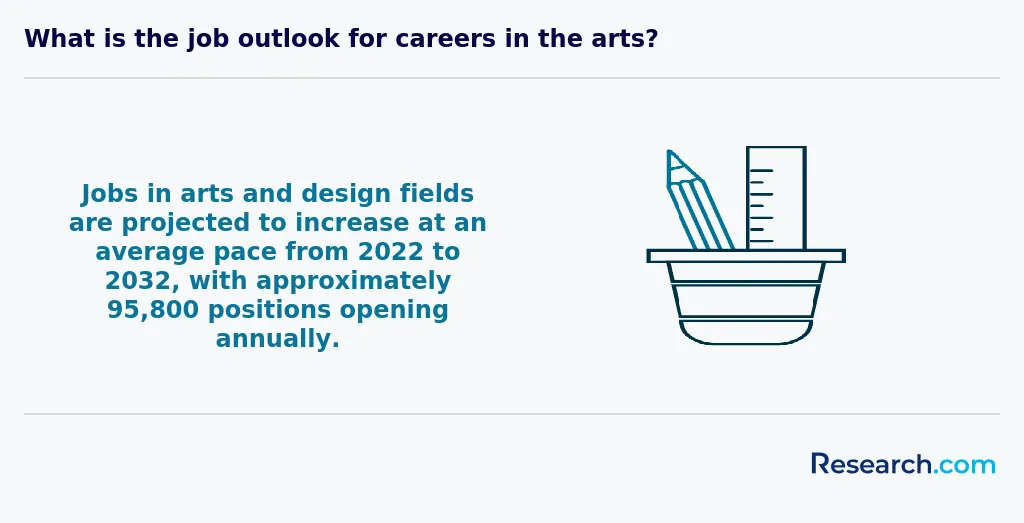
According to the Bureau of Labor Statistics, Wisconsin's arts, design, entertainment, sports, and media occupations are projected to grow about 4% from 2022 to 2032, a moderate opportunity increase. Exploring adjacent career paths like graphic design or art education may also widen job prospects.
Continuous learning, including digital art tools, can boost competitiveness in Wisconsin's evolving creative sectors.
Employers seeking fine arts degree graduates in Wisconsin prioritize a combination of creative and practical skills. According to the National Endowment for the Arts, adaptability and problem-solving are crucial, enabling graduates to work effectively on diverse projects.
Technical proficiency is also important. Wisconsin employers favor graduates skilled in digital tools such as Adobe Creative Suite, 3D modeling software, and traditional media techniques. This blend supports careers in design, visual arts, and multimedia.
Strong communication skills, including the ability to present ideas clearly and collaborate, rank highly. The Bureau of Labor Statistics reports that 60% of Wisconsin art-related jobs require teamwork and client interaction.
Finally, a solid professional portfolio, reflecting both creativity and versatility, remains essential to secure employment in competitive Wisconsin art markets.
Finding internships in Wisconsin for fine arts students involves several strategic steps. Many universities, such as the University of Wisconsin-Madison and Milwaukee Institute of Art & Design, offer dedicated career services that connect students with local galleries, museums, and creative studios. According to the Wisconsin Department of Workforce Development, arts-related employment in the state grew by 3.5% between 2018 and 2023, increasing internship opportunities.
Students should also explore community arts organizations in cities like Milwaukee and Madison, which often have internship openings. Networking through art fairs, exhibitions, and professional associations such as the Wisconsin Visual Artists is essential to secure relevant positions.
A fine arts degree in Wisconsin can significantly impact career mobility and advancement by providing graduates with specialized skills valued in creative industries. According to the National Center for Education Statistics, fine arts graduates in Wisconsin earn a median income approximately 8% higher than those with general arts degrees.
Employers in Wisconsin's growing creative sectors, such as design, media, and marketing, often seek candidates with formal art training. Many graduates find opportunities in museums, galleries, and educational institutions, where advanced art degrees can lead to leadership roles.
Furthermore, Wisconsin's emphasis on community arts programs expands job availability. Having a fine arts degree supports eligibility for grants and funding, assisting in career growth. The Wisconsin Department of Workforce Development notes a steady increase in arts-related job openings, suggesting favorable conditions for advancement.
Studying for a fine arts degree in Wisconsin offers students unique opportunities to engage in interdisciplinary learning. Many institutions integrate fine arts with other disciplines such as digital media, design, and education. This approach reflects job market demands where creativity merges with technology and communication skills.
Wisconsin's universities, including the University of Wisconsin system, emphasize collaborative projects that combine traditional art techniques with new media. According to the National Center for Education Statistics, over 1,000 students enroll annually in fine arts programs in Wisconsin, highlighting a strong, vibrant academic community.
These programs encourage critical thinking and problem-solving, essential for roles in advertising, multimedia, and cultural management. Students graduate prepared to work across sectors, benefiting from the state's support of arts innovation and resources.
When choosing between a thesis and a non-thesis fine arts degree program in Wisconsin, students should consider their career goals and learning preferences. Thesis programs typically require in-depth research and the completion of a final project or portfolio, which suits those aiming for academic, curatorial, or advanced artistic careers.
Non-thesis programs often focus more on practical skills and coursework, appealing to students who want to enter the workforce quickly or focus on professional practice. According to the National Center for Education Statistics, Wisconsin has numerous institutions offering both options, with about 40% of fine arts master's students opting for thesis tracks.
It is also important to review each school's curriculum and faculty expertise, as program requirements and available resources vary significantly across Wisconsin universities.
Students based in Wisconsin who pursue fine arts degrees have several opportunities to study abroad through their home institutions. Many Wisconsin universities, including the University of Wisconsin system, offer exchange programs with partner schools in Europe, Asia, and Latin America. These programs often focus on immersive experiences in art history, studio art, and design.
According to the 2023 Open Doors Report, nearly 4,000 U.S. students studied abroad in arts-related fields, reflecting growing interest in global artistic perspectives. Wisconsin institutions also provide faculty-led summer programs, which allow students to earn credits while exploring international art centers like Florence or Paris.
Financial aid and scholarships for study abroad are commonly available, making these options more accessible to Wisconsin fine arts students. Coordination through campus study abroad offices ensures programs meet degree requirements, facilitating smooth credit transfer back home.
Part-time job opportunities that complement fine arts degree education in Wisconsin often involve roles in creative and cultural sectors. Students may find work as art gallery assistants, helping to curate and manage exhibitions, which enhances their understanding of art presentation and administration.
Teaching art classes in community centers or after-school programs provides practical experience in art education and communication skills. Additionally, freelance graphic design or illustration jobs are common, allowing students to build portfolios while earning income.
The Wisconsin Arts Board reports that approximately 5.7% of the state's workforce is employed in arts-related fields, signaling growing opportunities for fine arts students seeking relevant part-time work.
Fine arts students in Wisconsin benefit from a variety of networking opportunities that support their professional development. Many universities, such as the University of Wisconsin-Madison and Marquette University, host art exhibitions, workshops, and guest lectures that connect students with established artists and industry professionals. Statewide events like the Wisconsin Regional Art Program also offer platforms for students to showcase their work and interact with peers and mentors.
Additionally, Wisconsin's vibrant arts communities in cities like Milwaukee and Madison provide internships, volunteer roles, and collaborative projects. These experiences enable students to build valuable contacts within galleries, museums, and creative agencies.
Alumni networks play a crucial role for fine arts degree students in Wisconsin by providing valuable connections within the creative industry. Graduates from Wisconsin institutions such as the University of Wisconsin-Madison often access these networks to find internships, exhibitions, and job opportunities. According to the National Endowment for the Arts, nearly 70% of fine arts professionals attribute their first job to networking, highlighting its importance.
These networks also offer mentorship programs where experienced alumni guide students in portfolio development and career strategies. They frequently organize events that help students gain exposure and build professional relationships tailored to Wisconsin's art communities, including Milwaukee and Madison.
Students pursuing fine arts degrees in Wisconsin have multiple ways to tailor their programs toward specific career goals. Many institutions offer concentrations such as painting, sculpture, digital media, or graphic design, allowing learners to focus on their preferred artistic discipline. Elective courses and internships provide practical experience and industry connections important for career development. Wisconsin schools also encourage collaboration with local art communities and galleries, enriching professional networks. According to the National Center for Education Statistics, about 15 Wisconsin colleges offer fine arts programs with flexible curricula. These options help students align their education with roles in education, commercial art, or gallery management.
Fine arts students in Wisconsin often face several significant challenges during their studies. One primary issue is financial strain, as the cost of materials, supplies, and studio fees can add substantially to tuition expenses. According to the National Endowment for the Arts, students in visual and performing arts spend an average of 15-20% more on supplies compared to other disciplines.
Additionally, Wisconsin's limited local art markets pose difficulties for emerging artists seeking internships and employment. Many must compete regionally, especially in cities like Milwaukee and Madison, which have smaller art economies than larger metropolitan areas.
Another challenge is balancing rigorous studio work with academic coursework. Fine arts programs require intensive practice hours, often conflicting with other general education requirements set by Wisconsin universities.
Finally, students sometimes encounter limited access to cutting-edge technology and digital resources essential for contemporary art practices, impacting their preparation for modern professional environments.
With a fine arts degree in Wisconsin, you can pursue various professional certifications to enhance your career opportunities. One common path is obtaining a Teaching License for Art Education through the Wisconsin Department of Public Instruction. This credential allows graduates to teach art in K-12 public schools. According to DPI data, Wisconsin issues over 500 art licenses annually, reflecting steady demand.
Other options include certification in graphic design software, such as Adobe Certified Expert (ACE), which can boost employment in digital arts fields. Additionally, museum professionals often seek certifications from organizations like the American Alliance of Museums (AAM).
To write a winning application for a fine arts program in Wisconsin, start by carefully researching each school's specific requirements. Most programs require a strong portfolio showcasing a variety of your best work, demonstrating technical skill, creativity, and personal style. According to the Wisconsin Technical College System, applicants should submit a portfolio with 10-20 pieces that highlight diverse techniques.
Additionally, many Wisconsin institutions ask for a personal statement explaining your artistic goals and how their program aligns with your career plans. Keep this clear and focused, reflecting your passion for fine arts.
Recommendations from art instructors or professionals familiar with your work can strengthen your application. Finally, check standardized requirements like the ACT or SAT as some schools may require them alongside your art materials.
The global outlook on fine arts careers is shaped by increasing recognition of creativity as an economic asset. In the United States, including Wisconsin, fine arts graduates benefit from exposure to diverse cultural influences and opportunities for international collaboration.
According to the National Endowment for the Arts, creative occupations are projected to grow by 4.5% through 2031, reflecting steady demand in arts-related fields. Wisconsin's art institutions, such as the Milwaukee Institute of Art & Design, foster global connections through study abroad and artist residencies.
Despite competition, fine arts professionals worldwide adapt by blending traditional skills with digital media, reflecting a global trend towards multidisciplinary artistic careers.
Gaining practical experience while pursuing a fine arts degree in Wisconsin is essential for career development. Many Wisconsin institutions encourage students to participate in internships at local galleries, theaters, and design firms. According to the Wisconsin Department of Workforce Development, internships in creative industries have increased by 12% over the past five years, reflecting growing opportunities. Students often collaborate on community art projects, gaining hands-on experience and building portfolios.
Additionally, Wisconsin's universities frequently host exhibitions and performance events where students can showcase their work. Joining student-run organizations or art clubs is another common way to develop skills outside the classroom. These activities provide valuable networking connections and real-world exposure to the artistic profession.
Choosing the right concentration within a fine arts degree program in Wisconsin involves evaluating your personal interests and career goals. Common concentrations include painting, sculpture, graphic design, and photography, each offering distinct skill sets.
Consider practical factors such as faculty expertise, studio facilities, and internship opportunities available at Wisconsin colleges. According to the National Center for Education Statistics, Wisconsin institutions offer diverse fine arts programs that support hands-on learning.
Additionally, examine the local job market. The Wisconsin Department of Workforce Development reports steady growth in arts-related occupations, particularly in multimedia and design fields. Aligning your concentration with these trends can enhance career prospects.
Visit campuses, attend open houses, and speak with advisors to make an informed choice based on both passion and potential employment outcomes.
- 2027 Most Valuable Fine Arts Degree Programs Ranking in Minnesota
- 2027 Most Valuable Fine Arts Degree Programs Ranking in Ohio
- 2027 Most Valuable Fine Arts Degree Programs Ranking in South Dakota
- 2027 Most Valuable Fine Arts Degree Programs Ranking in Nebraska
- 2027 Most Valuable Fine Arts Degree Programs Ranking in Kansas
- 2027 Most Valuable Fine Arts Degree Programs Ranking in West Virginia
- 2027 Most Valuable Fine Arts Degree Programs Ranking in Pennsylvania
- 2027 Most Valuable Fine Arts Degree Programs Ranking in Oklahoma
- 2027 Most Valuable Fine Arts Degree Programs Ranking in Colorado
- 2027 Most Valuable Fine Arts Degree Programs Ranking in Florida
- Networking for Artists: Unlocking Opportunities in the Art World - Ceri Hand https://cerihand.com/networking-for-artists/
- Art Scholarship https://www.wlc.edu/financial-aid-scholarships/undergraduate/art-scholarship.html
- Certificate of Fine Arts | CFA Programs - New York Academy of Art https://nyaa.edu/continuing-studies/certificate-of-fine-arts/
- Careers & Internships - PenArt https://penart.org/careers-internships
- Financial Aid Eligible Programs | Madison College https://madisoncollege.edu/paying-for-college/financial-aid/eligible-programs
- Art Education and Art Therapy | Alverno College https://www.alverno.edu/our-programs/art-education-and-art-therapy
- Is a thesis always mandatory in a master's degree program? - EFMU: The Euler-Franeker Memorial University and Institute https://euler.euclid.int/is-a-thesis-always-mandatory-in-masters-degree-program/
- Challenges in Undergraduate Art Education - Arts Education Partnership https://www.aep-arts.org/challenges-in-undergraduate-art-education/
- Standards & Guidelines » CAA Guidelines https://www.collegeart.org/standards-and-guidelines/guidelines/mfa
- INTERDISCIPLINARY EMPHASIS https://www.muw.edu/art/bfa/interdisciplinary/


