2027 Most Affordable Fine Arts Degree Programs Ranking in Michigan

Co-Founder and Chief Data Scientist
Choosing the right fine arts degree program in Michigan can feel overwhelming. To help, this article presents the 2027 Most Affordable Fine Arts Degree Programs Ranking in Michigan, created by the Research.com team of data scientists. This ranking offers clear, data-driven insights to guide your decision.
Exploring affordable options lets you focus on your passion without excessive financial stress. Earning a fine arts degree opens doors to creative careers and personal growth. Dive in to discover programs that fit both your artistic goals and budget.
Key benefits of getting fine arts degree in Michigan
- Fine arts degree graduates in Michigan can earn competitive salaries, with illustrators making around $71,420 and animators earning up to $109,630 annually, offering strong financial rewards for creative talent.
- Career paths for fine arts graduates from Michigan State University include roles like graphic artist, illustrator, and art therapist, showcasing diverse opportunities to blend creativity with professional growth.
- Completing a fine arts degree online from a university like the University of Michigan-Flint allows for flexible learning schedules, helping students balance work and study while gaining skills that employers value.
- 2027 Most Affordable Fine Arts Degree Programs Ranking in Michigan
- What can I expect from fine arts degree in Michigan?
- Where can I work with fine arts degree in Michigan?
What can I expect from fine arts degree in Michigan?
The average cost of pursuing a fine arts degree in Michigan can vary quite a bit depending on where you study. Public universities often offer more affordable tuition for in-state students, making it easier for many aspiring artists to follow their creative passions without overwhelming debt. Graduates from schools like the College for Creative Studies in Detroit frequently mention how managing tuition alongside scholarships or grants helped them stay focused on building their unique artistic voice.
At the University of Michigan's Penny W. Stamps School of Art & Design, tuition might be higher, but many fine arts students emphasize the value of the specialized studios and workshops that come with it. These immersive experiences fuel their excitement and confidence as they prepare portfolios for real-world opportunities. Navigating costs becomes an adventure itself-seeking scholarships or community projects turns education into a lively exploration, where creativity meets practical planning.
For many Michigan fine arts students, the investment feels like a bold step toward joining vibrant local art scenes, from Detroit's galleries to Grand Rapids' creative hubs-places where their skills and stories come alive.
Where can I work with fine arts degree in Michigan?
Graduates from fine arts programs at schools like the University of Michigan or the College for Creative Studies often find themselves immersed in vibrant careers across Michigan's thriving arts scene. Imagine working as a curator or exhibit designer at the Detroit Institute of Arts, where your creative vision directly shapes captivating exhibits that inspire thousands. Others dive into graphic design or multimedia roles in bustling hubs like Ann Arbor or Lansing, collaborating with marketing agencies or publishing companies to bring fresh ideas to life.
Many fine arts alumni are drawn to education, teaching art from local elementary schools to community colleges, sharing their passion and skills with eager students. Picture yourself leading community arts programs, sparking creativity in nonprofit spaces throughout Michigan.
Freelance opportunities abound too-some graduates launch personal studios or join Detroit's public art movement, painting murals that brighten neighborhoods. Entrepreneurship shines here as well; crafting unique handmade goods or running art restoration businesses can turn your passion into a fulfilling livelihood supported by initiatives like the Michigan Council for Arts and Cultural Affairs.
Graduates from Michigan's fine arts programs, like those at the University of Michigan or Wayne State, often step into vibrant careers where creativity meets rewarding paychecks. For example, graphic artists, a popular path among alumni, earn an average of $64,700 annually, fueling exciting professional journeys in Detroit's dynamic design scene.
Imagine a recent graduate from a Detroit college landing a role as an illustrator, making $71,420 per year, turning passion into palpable success. Even more adventurous grads pursue animation, skyrocketing to an impressive $109,630 on average, which demonstrates how a fine arts degree here can unlock lucrative and creative industries.
Art therapy is another inspiring path, especially for those drawn to helping others through creativity, with salaries around $75,660. These numbers show that Michigan's rich arts culture combined with strong academic programs opens thrilling possibilities, encouraging new graduates to explore and thrive in their unique artistic vocations.
- Fine arts programs in Michigan are offered at both public and private schools, including the University of Michigan and Wayne State University.
- In-state tuition for public universities averages between $15,000 and $17,000 per year, while private institutions often charge more than $30,000 annually.
- Additional expenses such as art supplies, equipment, and studio fees can increase the total cost of obtaining a fine arts degree.
- State-funded financial aid options include the Michigan Competitive Scholarship and the Tuition Incentive Program (TIP) for Michigan residents.
- Starting salaries for fine arts graduates typically range from $30,000 to $40,000 annually, with experienced professionals earning around $50,000 or more.
- Job opportunities exist in education, museums, galleries, advertising, and creative industries, especially in Detroit, Ann Arbor, and Grand Rapids.
In Michigan, chasing a fine arts degree usually means dedicating about four vibrant years to immerse yourself in creativity and skill-building. Graduates from places like the University of Michigan or the College for Creative Studies often describe their experience as a spirited journey-balancing foundational courses with thrilling electives in sculpture, digital media, or painting. The typical four-year timeline feels like a canvas coming to life, layer by layer.
Some students opt for a Bachelor of Arts with a fine arts focus, weaving a broader liberal arts perspective into their artistry, which also spans roughly four years. Others might extend their adventure by enrolling in a Master of Fine Arts program, adding two to three years filled with advanced techniques and professional polish-perfect for those dreaming of teaching or exhibiting.
Real-life factors can twist and turn this timeline: internships, summer classes, or prior credits might accelerate the path or enrich it with unexpected experiences. Michigan's art students know that this journey is as much about personal growth as it is about crossing the finish line.
Fine Arts programs in Michigan distinguish themselves through robust internship placements and industry partnerships that bridge classroom learning with real-world practice. Many universities collaborate with institutions such as the Detroit Institute of Arts, the Grand Rapids Art Museum, and the Broad Art Museum at Michigan State University to offer semester-long internships where students assist with exhibition planning, conservation, and public programming. At the College for Creative Studies in Detroit, emerging artists can secure studio internships with local design firms and galleries, gaining hands-on experience in project workflows, client briefs, and professional critiques. Beyond museum and gallery placements, Michigan’s Fine Arts majors often benefit from partnerships with animation studios in Ann Arbor, community arts organizations in Flint, and theatre companies in Kalamazoo. These experiential learning opportunities allow students to work on commissioned projects, curate pop-up exhibitions, or design set pieces for live performances. To support a diverse career trajectory, many programs also offer credit-bearing creative apprenticeships in graphic design houses and digital media startups. If you’re weighing comparable affordable options beyond Michigan’s borders, explore our Inexpensive Fine Arts Degree Programs Ranking in Columbia, MO to see how other institutions support experiential learning through internships and community collaborations.
Imagine stepping into a bustling art studio at the University of Michigan, surrounded by canvases, sculptures, and the hum of creative energy. On-campus fine arts students thrive here, enjoying hands-on access to materials and immediate feedback from professors and peers. This immersive setting sparks inspiration and nurtures real-time collaboration, essential for disciplines like painting or sculpture.
Meanwhile, online fine arts students at Michigan State University carve a different path, embracing the flexibility to balance work, life, and study. Through digital platforms, they engage with lectures and critiques remotely, often needing to source their own materials. While the tactile experience is distinct from campus life, these students appreciate the freedom to explore creativity from anywhere in the state.
Graduates from both routes recall vibrant moments-campus students capturing energy around studio critiques, online learners delighting in designing projects on their schedules. Despite different formats, each journey shapes artistic growth in uniquely rewarding ways for Michigan's aspiring artists.
Michigan's Fine Arts programs offer far more than just rigorous academics-they foster a vibrant campus life that enriches your creative and personal development. Many universities host student-run galleries, art fairs, clubs, and community projects that serve as vital platforms for networking and hands-on experience. These initiatives provide opportunities to collaborate with peers, connect with renowned local artists, and attend exclusive workshops that bridge classroom learning with professional practices. For example, students at programs recognized as the best fine arts program in michigan often participate in community art installations, live demonstrations, and invite-led discussions with industry experts, further enhancing their understanding of current trends and creative innovation. This dynamic campus environment not only nurtures a supportive creative community but also develops essential soft skills-making you well-prepared for both advanced studies and a competitive job market after graduation.
When embarking on the adventure of pursuing a fine arts degree in Michigan, an average cost to keep in mind is roughly $47,649. This reflects the median total cost across various institutions, offering a realistic picture beyond sticker prices. Graduates from public universities like the University of Michigan or Michigan State University often recall balancing their creativity with financial planning, taking advantage of scholarships or part-time work to ease expenses.
Many students find joy in mastering their craft at celebrated local schools, where the journey is as inspiring as the destination. For those curious about affordable fine arts programs Michigan tuition fees provide a variety of pathways, especially if you start at a community college or reside in-state. In-state total costs average closer to $17,736, a significant saving compared to the out-of-state rate, which tends to align with the median cost.
Imaginative students from these programs describe their experiences vividly-poring over sculpture projects at Western Michigan University or experimenting with digital arts at the College for Creative Studies. To explore options and find the best fit for your artistic ambitions, consider visiting the best fine arts program in michigan listing, which showcases schools with strong reputations and different cost profiles.
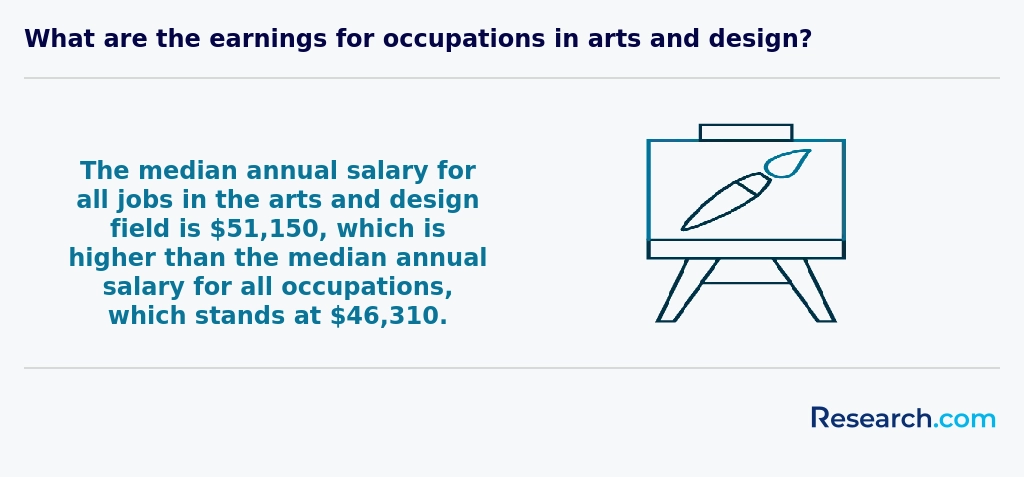
Ensuring that your Fine Arts degree program is properly accredited is vital for both academic credibility and career prospects. In Michigan, most reputable institutions hold regional accreditation from the Higher Learning Commission (HLC), which guarantees that the university meets rigorous standards for faculty qualifications, student outcomes, and continuous improvement. Beyond regional approval, look for specialized accreditation from the National Association of Schools of Art and Design (NASAD), a hallmark of excellence in visual arts education. Accredited programs offer tangible benefits:
- Transferability of credits between institutions, safeguarding your academic progress.
- Eligibility for federal financial aid, scholarships, and grants.
- Industry recognition, which enhances graduate portfolios and resumes when applying for competitive positions in galleries, design firms, or arts administration. Faculty expertise further underscores program quality. Seek out schools with low student-to-faculty ratios and instructors who hold terminal degrees (MFA or PhD) and active exhibition or publication records. Programs that maintain strong partnerships with local museums, performance venues, and media studios often provide internship pipelines and live project opportunities, bridging classroom learning with professional practice. For students drawn to animation as a specialization, it’s critical to choose a program that integrates industry-standard software suites, motion capture labs, and collaborative studio projects. You may also wish to explore our guide to the top online computer animation degree for insights into cutting-edge online curricula and virtual lab experiences tailored to aspiring animators.
Imagine securing a Pell Grant while studying fine arts at the University of Michigan-this federal aid, which doesn't require repayment, can feel like a thrilling boost, easing the burden of that $14,000 yearly tuition plus extra art supplies and studio fees. Many fine arts students across Michigan dive into opportunities like the Federal Supplemental Educational Opportunity Grants (FSEOG) or Direct Loans, expanding their toolkit for funding education.
At Wayne State University, talented graduates often share how portfolio-based scholarships became their golden ticket, turning passion into substantial financial support. These merit and talent awards, sometimes worth thousands, springboard students into creative careers without the heavy weight of debt.
State programs, like the Michigan Competitive Scholarship offering up to $600 annually, and the Tuition Incentive Program (TIP), open doors for lower-income students at community colleges or universities. Outside scholarships and grants from arts councils also add spark-providing funds while fostering community connections that ignite artistic growth. Plus, campuses buzz with work-study roles, giving students both income and real-world arts experience.
When preparing to apply for a Fine Arts program in Michigan, a well-crafted portfolio and thoroughly prepared application can make all the difference. To ensure you stand out among applicants, start by reviewing the specific requirements of your target programs and seek feedback from local art professionals or mentors. Here are a few actionable strategies: • Define Your Artistic Voice: Organize your best work to reflect a clear artistic narrative. Show diversity in media and styles while ensuring your projects are cohesive and engaging. • Seek Professional Guidance: Attending portfolio review sessions or workshops can provide valuable insights. Many institutions invite industry experts to provide constructive critiques, so take advantage of these opportunities early. • Tailor Your Submission: Customize your portfolio and personal statement for each application. Demonstrate your understanding of the program’s unique offerings, and if you’re aspiring to join the best fine arts program in michigan, emphasize how your goals align with the institution’s strengths. • Document Your Process: Include sketches, drafts, or progress shots that convey how you develop ideas from concept to execution. This adds depth to your work and highlights your commitment to growth. • Proofread and Perfect: Ensure that all parts of your application-from your portfolio layout to your essays-are meticulously proofed and formatted, reflecting the professionalism expected from fine arts students in competitive programs. By focusing on these elements, you set a solid foundation not only for admissions success but also for a rewarding artistic career ahead.
To step into a fine arts degree program in Michigan, you'll need more than just passion-you'll need to showcase your creative journey. Most universities like the University of Michigan or Wayne State expect you to have a high school diploma or equivalent before you jump in.
Graduates often share how submitting a portfolio felt like revealing a treasure chest of their artistic soul-drawings, paintings, sculptures, or digital pieces that tell their unique story. Imagine gathering 8 to 20 pieces that highlight different techniques and styles, a true snapshot of your growth and experimentation.
Many students recall crafting personal or artist's statements that gave admissions committees a glimpse into their inspirations and dreams, making their applications feel alive. Some programs might ask for letters of recommendation from art teachers or mentors who've witnessed your creative spirit firsthand.
While standardized tests like the SAT or ACT are sometimes required, schools such as the University of Michigan have embraced more flexible policies, valuing your artistic potential over test scores. Success in high school art classes or AP courses often helps build confidence and enriches your application.

For many prospective Fine Arts students, what happens outside the classroom is just as important as the curriculum. Campus life in Michigan’s Fine Arts programs is vibrant, offering state-of-the-art studios, artist residencies, and collaborative spaces that foster creativity and innovation. Whether you’re exploring gallery exhibitions or participating in cultural events, these environments are designed to spark inspiration and polish your artistic skills. Students often share how hands-on access to advanced facilities and flexible mentoring programs has contributed to their professional and personal growth. Moreover, many universities offer career counseling and networking events that are pivotal when choosing the best fine arts program in michigan. These resources not only help you navigate your academic journey but also connect you with peers, industry professionals, and alumni who continue to build a flourishing arts community. Testimonials from current students emphasize the importance of an engaging campus culture that nurtures talent, creativity, and resilience-qualities that are invaluable as you transition from student to professional artist.
Imagine diving straight into vibrant studio spaces at the University of Michigan or the College for Creative Studies, where your week might begin with drawing and painting fundamentals, setting the creative tone for your journey. Many fine arts students thrill in experimenting with sculpture and three-dimensional design, turning raw materials into expressive forms that tell their own stories. Classes in printmaking and digital media open doors to blending traditional techniques with cutting-edge technology, sparking endless curiosity.
Graduates often recall late nights perfecting photography and video art projects, capturing fleeting moments that speak volumes. Graphic design and illustration courses sharpen visual storytelling skills essential for today's multimedia landscapes. Beyond studios, you'll explore art history classes that unfold rich narratives, from ancient Western masterpieces to diverse global art traditions, giving context to your creations.
Interdisciplinary studies add more layers-imagine debating visual culture or curating exhibitions that bring your peers' work to life. These experiences build confidence and connect you to Michigan's vibrant art community.
Exploring fine arts degree specializations in Michigan reveals an exciting palette of creative paths. At institutions like the University of Michigan and the College for Creative Studies, graduates often recall diving into painting and drawing, mastering diverse media from oil to charcoal, which fuels their passion for traditional artistry. Others find thrill in sculpture, shaping clay or metal into vibrant three-dimensional works that blend age-old techniques with cutting-edge technology.
Michigan fine arts programs and concentrations extend beyond classic forms. Graphic design students embrace digital tools for innovative visual storytelling, while photography majors treasure the balance of technical skill and artistic eye. Ceramics and printmaking offer hands-on experiences-kiln firing or screenprinting-that bring tactile satisfaction and endless experimentation.
Some learners pioneer in new media art, combining animation and interactive installations, similar to those featured in top programs nationwide. For those inspired to teach, art education paths foster both creative practice and pedagogy. Many students in Michigan also explore the top online computer animation degree options, opening dynamic careers in digital artistry.
Choosing the best fine arts degree in Michigan means diving into the unique offerings of schools across the state. Graduates from popular universities often describe the thrill of balancing traditional painting and sculpture classes with vibrant digital media projects, reflecting the diversity you'll find in top Michigan fine arts programs cost. Imagine working in well-equipped studios or participating in gallery shows right in Detroit or Grand Rapids, cities bursting with artistic energy that inspire every brushstroke and photograph.
Financially, knowing how to navigate tuition and additional expenses-like art supplies-is key. Many students find relief in scholarships or work-study opportunities that help make their education more affordable. For a great starting point, consider exploring the Inexpensive Fine Arts Degree Programs Ranking in Columbia, MO to see how cost factors in different programs.
Choosing means embracing community as much as classwork. Many alumni speak fondly of how internship opportunities and local art scenes enriched their experiences, giving them confidence in their creative careers. To truly find the best affordable fine arts degrees Michigan offers, look beyond just curriculum-immerse yourself in the lively art communities that make your education unforgettable.
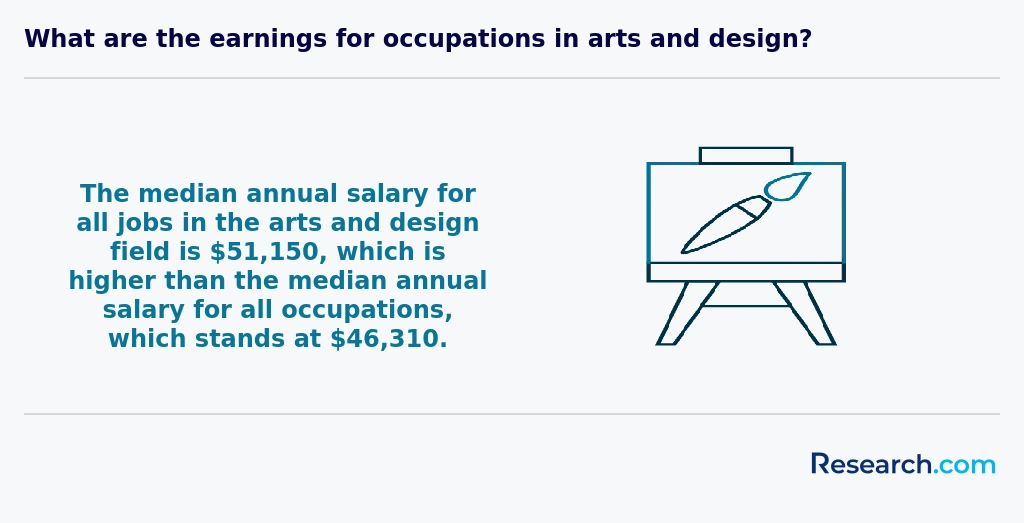
Graduates with a fine arts degree in Michigan often dive into a world of creative possibilities, from practicing as painters or sculptors to exploring photography and digital media art. Michigan's rich arts culture, especially around universities such as the University of Michigan and Wayne State, offers a thriving community where artists exhibit work and secure commissions. Many graduates share the excitement of joining local galleries or freelancing, which fuels their passion and sharpens their craft.
Other Michigan fine arts degree job prospects include careers in art education, with colleges and K-12 schools consistently seeking instructors to inspire new generations. This steady demand allows graduates to blend their artistic talents with teaching, often feeling deeply rewarded by shaping young minds. Plus, some fine arts alumni find themselves stepping into roles like graphic design or animation, sectors supported by Michigan's expanding creative economy, offering both artistic fulfillment and financial stability.
Some graduates also embrace positions in museums and galleries-curating exhibitions or preserving cultural heritage-which makes the art world tangible and alive. For those eager to accelerate their journey, Michigan supports accelerated undergraduate programs that can get them started faster on these vibrant paths.
The job market for fine arts graduates in Michigan offers a mix of adventure and challenge. Graduates from well-known institutions like the University of Michigan and College for Creative Studies often find opportunities in vibrant cities such as Detroit and Grand Rapids, where the arts scene is rapidly evolving. Many graduates share stories of carving out careers in graphic design, multimedia arts, or museum curation, fueled by the state's expanding cultural initiatives. Although competition remains fierce, there is a rewarding possibility for those willing to hone their digital skills and build strong portfolios.
Michigan's fine arts career prospects also include roles in art education and freelance work, where adaptability and networking open doors to unexpected projects and collaborations. Graduates often highlight the importance of embracing change and exploring niches within the creative economy. For students weighing their options, it's wise to consider programs that offer exposure to digital media, along with exploring easy degrees to get that complement fine arts skills and broaden career pathways.
2027 Most Affordable Fine Arts Degree Programs Ranking in Michigan
Investing in your education is a significant decision that can shape your future, and the Research.com team understands the importance of making informed choices. To assist prospective students, we have meticulously crafted the "2027 Most Affordable Fine Arts Degree Programs Ranking in Michigan." Our commitment to quality, credibility, and accuracy is reflected in the extensive research and analysis conducted to compile this ranking.
We utilized the following reputable data sources to ensure a comprehensive evaluation of fine arts degree programs:
By exploring this ranking, readers will gain valuable insights into the most affordable fine arts degree programs in Michigan, enabling them to make well-informed decisions about their educational investments. For more details on our methodology, please visit our Research.com methodology page.


# 14 position
Hillsdale College
Bachelor of Fine Arts


Frequently Asked Questions About fine arts
Fine arts degree students in Michigan can maximize their learning experience by actively engaging in both academic and practical opportunities. Enrolling in programs accredited by the National Association of Schools of Art and Design (NASAD) ensures a quality education that meets national standards. Michigan's vibrant art communities, like those in Detroit and Ann Arbor, offer numerous internships and gallery exhibitions where students can showcase their work and build professional networks.
Participation in workshops and collaboration with local artists can deepen hands-on skills. Additionally, students benefit from leveraging resources at institutions such as the Michigan Council for Arts and Cultural Affairs, which provides grants and support for emerging artists. According to the National Center for Education Statistics, Michigan colleges award over 600 fine arts bachelor's degrees annually, highlighting a competitive field where practical experience boosts career prospects.
The fine arts field in Michigan is evolving, with several emerging niches gaining attention. One prominent area is digital and interactive arts, blending traditional techniques with technology. Programs in Michigan universities increasingly emphasize animation, game design, and virtual reality, responding to industry demands.
Another growth area is community-engaged art, where artists collaborate with local groups to create meaningful projects. This niche reflects Michigan's strong support for cultural diversity and social justice initiatives.
Additionally, art therapy programs are expanding, merging psychology and fine arts to support mental health. According to the Michigan Arts Council, employment in these specialized roles is expected to rise by 12% over the next decade.
Preparing for the job market after earning a fine arts degree in Michigan involves a blend of practical experience and networking. According to the National Endowment for the Arts, artists in Michigan benefit from building a diverse portfolio that showcases various skills, including digital media and traditional techniques. Engaging in internships or assistantships with local galleries and art centers, such as the Detroit Institute of Arts, can provide valuable real-world experience.
Michigan's art economy also emphasizes community connections, so attending regional art fairs and exhibitions helps graduates gain exposure. Additionally, fine arts alumni should consider joining professional organizations like the Michigan Art Education Association to access job listings and mentorship opportunities.
Employers in Michigan highly value fine arts graduates who demonstrate strong technical skills in their chosen mediums, whether that be painting, sculpture, digital arts, or graphic design. Proficiency with modern software like Adobe Creative Suite is frequently required, reflecting the state's growing digital arts sector.
Critical thinking and creativity remain top priorities, as these skills enable artists to develop unique concepts and solve visual challenges effectively. Communication skills are also essential, especially in collaborative environments common in Michigan's art communities and creative industries.
According to the Michigan Department of Education, employers increasingly seek graduates with adaptable skills, including project management and an understanding of professional art markets. Networking ability and business acumen enhance employability in the state's competitive fine arts job market.
Finding internships in Michigan relevant to a fine arts degree involves leveraging both educational resources and local art networks. Many universities with fine arts programs, such as the University of Michigan and Wayne State University, offer internship placement support through their career services. These offices connect students with regional galleries, museums, and design studios.
In addition, organizations like the Michigan College Access Network provide listings of internship opportunities tailored to arts students. According to the Michigan Economic Development Corporation, sectors like digital media and creative services are growing, creating more internship options for fine arts majors.
Networking at local art events and utilizing platforms like Michigan's Pure Michigan Talent Connect can also help students discover openings suited to their skills and career goals.
In Michigan, a fine arts degree can significantly impact career mobility and advancement by providing graduates with versatile skills applicable beyond traditional art roles. According to the U.S. Bureau of Labor Statistics, creative occupations in Michigan are projected to grow by approximately 6% through 2030, suggesting steady demand.
A fine arts education develops critical thinking, communication, and technical abilities that employers in diverse industries value. Graduates often find opportunities in education, design, media, and cultural organizations. The Michigan Department of Labor highlights that salaries for arts-related roles have seen moderate increases, particularly in metropolitan areas like Detroit and Ann Arbor.
Moreover, networking through university programs and community collaborations can open doors to freelance work, gallery representation, or leadership positions. Thus, a fine arts degree offers pathways for both advancement and geographic flexibility within Michigan's evolving creative economy.
Studying for a fine arts degree in Michigan equips students with valuable interdisciplinary skills that extend beyond traditional art practice. Many Michigan institutions incorporate courses in digital media, design, and art history, fostering a broad skill set. This approach encourages collaboration across fields like technology, education, and business.
For example, the Michigan Art Education Association highlights that programs often include internships and projects linking art with community engagement and digital innovation. This real-world experience prepares graduates to work in diverse roles such as multimedia design, teaching, or cultural management.
According to the National Endowment for the Arts, Michigan's fine arts graduates are increasingly entering careers that blend creativity with technology and communication, supporting a dynamic interdisciplinary workforce.
When choosing between a thesis and a non-thesis fine arts degree program in Michigan, consider your career goals and learning preferences. Thesis programs often require original research or a substantial creative project, which suits students aiming for academic careers or advanced study. Non-thesis options typically focus more on practical skills and coursework, appealing to those pursuing professional practice in the arts.
Many Michigan universities, including the University of Michigan and Michigan State, offer both options. According to the National Center for Education Statistics, about 40% of fine arts master's students prefer non-thesis tracks nationwide, reflecting a demand for hands-on experience.
Evaluate your time commitment and interest in research versus studio work to make an informed choice.
Students in Michigan pursuing fine arts degrees have several opportunities to study abroad through their home institutions. Many universities, including the University of Michigan and Michigan State University, offer accredited study abroad programs focused on art history, studio art, and design in countries known for rich artistic traditions like Italy and France.
According to the Institute of International Education, Michigan colleges sent over 3,500 students abroad in 2022, with fine arts among popular fields of study. Participation often includes partnerships with European art academies, allowing credits to transfer back to Michigan degrees.
Financial aid and scholarships specific to study abroad in fine arts are available through university programs and Michigan-based organizations, helping to offset costs and make international experiences more accessible for students.
Part-time job opportunities in Michigan offer valuable experience for students pursuing fine arts degrees. Many students find roles as gallery assistants or art technicians at local museums such as the Detroit Institute of Arts or Cranbrook Art Museum. These positions provide exposure to professional art environments and networking opportunities.
Additionally, art teaching assistant positions in community centers or public schools allow students to develop instructional skills while engaging with the local art community. According to the Michigan Department of Labor, art-related employment in the state grew by 3.5% from 2020 to 2023, reflecting increasing opportunities.
Freelance graphic design or illustration work, often available through local businesses and startups, also complements a fine arts education by offering practical, real-world experience.
Fine arts students in Michigan benefit from diverse networking opportunities that connect them to peers, faculty, and industry professionals. Many universities, including the University of Michigan and Michigan State University, organize exhibitions, workshops, and guest lectures that foster collaboration and professional growth.
Local art organizations like the College for Creative Studies in Detroit offer membership and events that allow students to engage with established artists and galleries. Additionally, Michigan's vibrant art scene includes numerous annual festivals, such as the Ann Arbor Art Fair, where students can showcase their work and build valuable contacts.
According to the Michigan Art Education Association, students have increasing access to statewide conferences and digital platforms that enhance networking possibilities.
Alumni networks play a crucial role for fine arts degree students in Michigan by fostering valuable professional connections. Graduates often gain access to mentorship opportunities, which can provide personalized guidance on navigating the competitive art industry. Through organized events and workshops, alumni networks help students showcase their work, expanding visibility beyond campus.
According to the National Endowment for the Arts, Michigan's art communities benefit from strong alumni involvement, increasing local job placements by approximately 15%. Furthermore, alumni frequently share job openings and gallery opportunities exclusive to network members, enhancing employment prospects after graduation.
These networks also offer financial support avenues, including scholarships or grants funded by former students dedicated to sustaining the arts within Michigan's educational institutions.
In Michigan, customizing a fine arts degree to align with your career goals begins with selecting a concentration that fits your interests, such as painting, sculpture, graphic design, or digital media. Many universities offer electives and minors that allow students to blend disciplines, enhancing career flexibility.
Internships and cooperative education programs are widely available through Michigan colleges, providing hands-on experience and networking opportunities in the local arts community. Schools like Wayne State and Michigan State regularly update curricula to reflect industry trends.
Additionally, students can often participate in interdisciplinary projects, exhibitions, and professional workshops, which help build a strong portfolio tailored to specific art careers.
Fine arts students in Michigan often encounter several challenges throughout their studies. One major difficulty is limited funding for arts programs, which affects access to quality materials and studio space. According to the National Endowment for the Arts, Michigan's public universities allocate less than 10% of their budgets to fine arts, which can hinder program growth and student opportunities.
Additionally, students face high competition for internships and exhibitions due to a smaller local arts market compared to larger metropolitan areas. Employment prospects after graduation can also be uncertain because the creative sector in Michigan is still developing.
Balancing coursework with practical experience is another common challenge, as students often juggle multiple projects amid tight schedules.
With a fine arts degree in Michigan, graduates can pursue several professional certifications depending on their career goals. One common path is earning teaching certification through the Michigan Department of Education, allowing graduates to become licensed art educators in K-12 schools. This requires completing a state-approved teacher preparation program and passing the Michigan Test for Teacher Certification (MTTC) in art.
For those interested in museum or gallery careers, obtaining certification from the American Alliance of Museums (AAM) can enhance professional credibility. Additionally, certifications in digital design or graphic arts, such as Adobe Certified Expert (ACE), are valuable for careers blending fine arts with technology.
According to the National Center for Education Statistics, Michigan awarded over 1,200 fine arts degrees in 2021, highlighting significant interest in the field. These certifications can help graduates stand out in competitive local arts markets, such as Detroit and Ann Arbor.
Writing a winning application for a fine arts program in Michigan requires careful preparation and presentation. Start by researching programs thoroughly; Michigan has over 15 institutions offering accredited fine arts degrees, including the University of Michigan and Michigan State University. Tailor your portfolio to highlight versatility and technical skills, as this is a key component of admissions. The National Association of Schools of Art and Design reports that portfolios in Michigan programs often emphasize both traditional and digital media.
Include a clear, well-written personal statement explaining your artistic goals and motivation. Many Michigan schools value community involvement and campus engagement, so mention relevant experiences. Finally, submit all materials before deadlines, and consider contacting admissions offices for advice specific to their program requirements.
Global perspectives on a fine arts career increasingly recognize the importance of cultural diversity and interdisciplinary skills. In the United States, including Michigan, fine arts graduates benefit from a growing demand for creative professionals in media, design, and education. According to the National Endowment for the Arts, nearly 2.6 million people were employed in arts-related jobs in 2022, highlighting stable opportunities.
Michigan itself hosts several institutions known for their fine arts programs, such as the College for Creative Studies and the University of Michigan, which emphasize both traditional techniques and modern digital art. These programs prepare students for the global art market.
Internationally, fine arts careers often intertwine with technology, marketing, and cultural preservation, expanding employment possibilities beyond galleries and studios. Understanding these trends helps Michigan students make informed decisions.
Students pursuing a fine arts degree in Michigan can gain practical experience through internships, cooperative education programs, and community projects. Many universities offer partnerships with local galleries, theaters, and arts organizations that provide hands-on opportunities. For example, the Michigan Art Education Association highlights internship programs connecting students directly to professional environments. Participating in exhibitions and campus-sponsored art shows is another way to build a portfolio. Some institutions also encourage engagement in service-learning, combining coursework with community art initiatives. According to the National Endowment for the Arts, 21% of Michigan arts graduates reported internship experience, helping them transition into the workforce more effectively.
Choosing the right concentration within a fine arts degree program in Michigan requires careful consideration of personal interests, career goals, and available resources. Michigan offers diverse concentrations such as painting, sculpture, graphic design, and digital media, reflecting the state's rich cultural scene. According to the National Center for Education Statistics, over 2,000 students pursue fine arts degrees annually in Michigan. Exploring each concentration's curriculum and potential professions helps align education with future opportunities. Visiting campus studios, attending exhibitions, and consulting faculty advisors can provide valuable insights into program strengths and community engagement. This approach supports informed decision-making tailored to individual aspirations.
- 2027 Most Affordable Fine Arts Degree Programs Ranking in Ohio
- 2027 Most Affordable Fine Arts Degree Programs Ranking in Indiana
- 2027 Most Affordable Fine Arts Degree Programs Ranking in Illinois
- 2027 Most Affordable Fine Arts Degree Programs Ranking in Pennsylvania
- 2027 Most Affordable Fine Arts Degree Programs Ranking in Kentucky
- 2027 Most Affordable Fine Arts Degree Programs Ranking in Iowa
- 2027 Most Affordable Fine Arts Degree Programs Ranking in Tennessee
- 2027 Most Affordable Fine Arts Degree Programs Ranking in North Carolina
- 2027 Most Affordable Fine Arts Degree Programs Ranking in New Jersey
- 2027 Most Affordable Fine Arts Degree Programs Ranking in Connecticut
- Networking for Artists: Unlocking Opportunities in the Art World - Ceri Hand https://cerihand.com/networking-for-artists/
- Exploring Art Schools In Michigan: Programs, Benefits, & Careers https://www.interlochen.org/stories/exploring-art-schools-michigan-programs-benefits-careers
- Know more about thesis vs non- thesis: what is the difference? https://studyfans.com/en/blogs/816
- Standards & Guidelines » CAA Guidelines https://www.collegeart.org/standards-and-guidelines/guidelines/bfa
- Alumni network - ESMA https://www.esma-artistique.com/en/outreach/alumni-network/
- Scholarships | Apply for Financial Aid - Art Reach of Mid Michigan https://www.artreachcenter.org/scholarships
- Application writing tips for individual artists https://www.affta.ab.ca/funding/help-and-resources/resources-individual-artists/application-writing-tips-individual-artists
- Alumni Network at Moore https://moore.edu/alumni/
- 14 art niche ideas and how to determine yours https://www.gelato.com/blog/art-niche-ideas
- Networking - Weaving Your Web as an Art Graduate - Visual Artists Association https://visual-artists.org/resources/networking-weaving-your-web-as-an-art-graduate/