2027 Most Affordable Fine Arts Degree Programs Ranking in the USA Territories

Co-Founder and Chief Data Scientist
Choosing the right fine arts degree program can shape your creative future, especially if you're based in the USA Territories. This article introduces the 2027 Most Affordable Fine Arts Degree Programs Ranking in the USA Territories, carefully developed by the Research.com team of data scientists.
With this ranking, you'll discover cost-effective options that combine quality education and affordability. Exploring these programs can open doors to exciting careers in the arts, allowing you to pursue your passion without unnecessary financial stress.
Whether you're just starting or planning ahead, this guide is designed to help you make confident, informed decisions about your education and artistic journey.
Key benefits of getting fine arts degree in the USA Territories
- Fine arts degree graduates in the USA Territories can expect competitive salaries, such as $71,420 annually for Illustrators and up to $109,630 for Animators, providing strong financial potential in creative fields.
- Career paths for fine arts graduates include roles like Graphic Artists or Art Therapists, showing diverse opportunities for creativity and meaningful work beyond traditional studio art.
- Obtaining a fine arts degree online offers flexibility and access to expert instruction, as demonstrated by graduates from popular online universities in the Territories, making education more accessible and convenient.
- 2027 Most Affordable Fine Arts Degree Programs Ranking in the USA Territories
- What can I expect from fine arts degree in the USA Territories?
- Where can I work with fine arts degree in the USA Territories?
What can I expect from fine arts degree in the USA Territories?
Students pursuing fine arts degrees in the USA Territories can expect an average annual tuition cost significantly lower than many mainland institutions. For instance, at the University of Puerto Rico, a popular choice among local art students, the in-state tuition averages around $2,200 per year. Graduates often share how this affordability made pursuing their passion more accessible, allowing them to focus on developing their artistic skills without overwhelming financial stress.
Many fine arts students find that the combination of lower tuition and available federal grants or scholarships eases the burden of education costs. This financial balance enables students to invest more in art supplies, workshops, or local apprenticeships-key experiences for building a strong portfolio in places like Puerto Rico or Guam.
The affordability paired with smaller class sizes creates an environment where students feel supported and personally connected to their instructors. This personalized learning approach enhances both skill development and creative confidence, invaluable for graduates stepping into the competitive art world.
Where can I work with fine arts degree in the USA Territories?
Graduates with a fine arts degree from institutions like the University of Puerto Rico or the University of Guam often find rewarding careers in education, working as art teachers in local public and private schools. Their fine arts expertise enriches creative curricula, helping young students discover their own artistic voices. Many graduates mention how obtaining additional teaching credentials opened more doors and deepened their impact in classrooms.
Cultural institutions, such as the Museo de Arte de Puerto Rico or the Guam Museum, also provide dynamic career options. Fine arts alumni frequently secure roles in curation, exhibition design, or conservation, preserving the unique heritage of their communities while engaging tourists and locals alike. This path offers a fulfilling way to blend passion with meaningful work.
Beyond traditional roles, many graduates thrive as freelancers, graphic designers, or illustrators, leveraging the expanding digital economy in the territories. By building strong networks through local arts councils and professional groups, they access new clients and opportunities that stretch beyond their island boundaries, providing both creative freedom and financial stability.
Graduates with fine arts degrees from institutions like the University of Puerto Rico often see annual earnings reflecting the unique economic landscape of the USA Territories. While average salaries for fine arts careers on the mainland are higher-such as illustrators earning around $71,420 or animators making $109,630 yearly-territorial salaries tend to be more modest.
For example, entry-level artists in Puerto Rico commonly start near $27,000, progressing to about $40,000 with experience or specialized roles. Many graduates supplement this by freelancing or teaching part-time, which helps bridge gaps due to fewer full-time arts jobs available locally.
Typical public sector roles in cultural centers or museums often offer salaries between $30,000 and $45,000; this aligns with data for related occupations like graphic artists earning an average of $64,700 annually across the U.S. Fine arts graduates in the territories can boost their income by building diverse portfolios and networks, capitalizing on community art projects that richly enhance both skills and earnings.
- Fine arts degree programs in USA Territories are mostly available at community colleges and regional universities, especially in Puerto Rico and Guam.
- Tuition in Puerto Rico public universities averages $4,000 to $6,000 per year for in-state students, while private institutions may charge up to $10,000 annually.
- Job market demand for fine arts graduates is growing slowly, with entry-level salaries ranging from $28,000 to $35,000 annually.
- Specialized fine arts programs are limited, so students might need to take online or mainland courses for advanced studies.
- Students should verify accreditation to ensure credit transfer and eligibility for federal financial aid.
- Many programs focus on community engagement and cultural preservation linked to local heritage and traditions.
Completing a fine arts degree in the USA Territories typically takes about four years of full-time study. Graduates from institutions such as the University of Guam or the University of the Virgin Islands often share how the structured academic calendar-with eight semesters of combined studio work, art history, and theory courses-helps them progress steadily toward graduation. Many find the balance between creative practice and foundational studies energizing and motivating throughout their journey.
For students juggling part-time enrollment or work commitments, the degree can extend to five or six years. One graduate described how starting part-time allowed them to maintain employment but required careful planning to avoid delaying progress too much. Taking advantage of available academic advising and planning tools at these universities ensures smoother navigation through course requirements.
Some students may encounter additional semesters if they engage in internships or remedial courses, but this is less common for fine arts majors in the Territories. Staying engaged and proactive with course registration helps minimize delays and keeps the excitement of artistic growth alive.
On-campus fine arts degrees in USA Territories like Puerto Rico and Guam offer immersive experiences that many graduates recall as essential to their growth. Access to studios, workshops, and galleries at institutions such as the University of Puerto Rico allows students to practice techniques hands-on and receive immediate feedback during critiques or exhibitions. This in-person connection often sparks inspiration and builds a strong network of peers and mentors.
Meanwhile, online fine arts programs provide greater flexibility for those balancing work or family commitments. Graduates appreciate how digital platforms enable them to study without relocating, using virtual classrooms and video demos. However, they often emphasize the importance of supplementing their learning by finding local art spaces or supplies to practice outside their screen.
Students pursuing online degrees sometimes choose hybrid options at colleges in Guam, attending occasional on-campus sessions to enhance practical skills. Both paths require discipline, but knowing your learning style and resource access in these territories helps you choose the best fit for developing your creative potential.
The average cost of a fine arts degree in the USA Territories typically falls around $18,739, with in-state students paying closer to $5,945. Graduates from the University of Puerto Rico often highlight the affordability of public education, where in-state tuition averages around $4,000 per year, significantly less than many mainland programs. These affordable fine arts degree programs 2027 offer a chance for students to focus on their craft without overwhelming financial pressure.
Students pursuing fine arts degrees in Guam or the U.S. Virgin Islands report that tuition at public universities hovers near $5,000 annually for residents, which aligns with overall data for the region. Private colleges generally charge more, but smaller class sizes and dedicated facilities can enhance the learning experience. Graduates recall the positive environment that fosters creativity despite slightly higher fees.
Art supplies and materials form an essential cost component, with students advised to budget an additional $2,000 to $4,000 yearly. This is crucial when studying fine arts, as access to quality materials directly impacts learning outcomes. Embracing the unique cultural contexts of the territories, students often find inspiration that amplifies their artistic journey while managing expenses efficiently.
Those balancing work and study frequently explore fast online programs for working adults, which can reduce living costs and provide more flexibility. By researching specific institutions and financial options, students can secure an affordable fine arts degree in the USA Territories that aligns with both their creative ambitions and budget.

Fine arts students in the USA Territories can access multiple financial aid options tailored to ease tuition and related expenses. Many graduates from the University of Puerto Rico share how the Free Application for Federal Student Aid (FAFSA) unlocked access to Pell Grants-need-based funds that never require repayment-which helped cover both tuition and costly art supplies. The maximum Pell Grant award for 2023-2024 was $7,395, a substantial aid for territory students facing material costs.
Federal Direct Loans, both subsidized and unsubsidized, offer low-interest borrowing choices, giving fine arts students in Guam and the Virgin Islands flexible funding for tuition and living expenses. Several students describe combining these loans with Federal Work-Study programs, working campus jobs connected to their field to gain experience while easing their financial burden.
Local scholarships are often awarded based on portfolio strength or academic achievement. For example, many in the Puerto Rico system received merit-based scholarships and assistantships, which helped them focus fully on their creative work without financial stress. Additionally, programs like USDA-funded Rural Arts Access in Guam provide targeted grants, which past recipients found crucial in supplementing other aid and sustaining their studies.
Students are encouraged to proactively apply to federal, institutional, and local programs simultaneously. Combining these resources can generate significant support, making a fine arts degree in USA Territories both accessible and inspiring.
To enroll in a fine arts degree program in the USA Territories, you must first have a high school diploma or GED. This foundational step ensures you're ready for college-level work, as many programs expect at least a 2.5 GPA. For example, graduates from popular institutions in Puerto Rico and Guam highlight how maintaining consistent grades helped them meet admission standards smoothly.
Submitting a portfolio is essential. Your creative work-whether paintings, sculptures, or digital designs-shows your true potential. One student who gained admission to a well-known art college in the Virgin Islands credits their success to building a diverse portfolio that reflected both technical skill and personal style.
Letters of recommendation from art mentors or teachers can strengthen your application by showcasing your dedication and growth. Additionally, some schools may ask for a personal essay, allowing you to share your passion and future ambitions in the arts.
While SAT or ACT scores are less commonly required, a strong portfolio often outweighs standardized tests. Graduates often mention how focusing on their portfolios allowed them to express creativity freely without test pressure.
Typically, fine arts degree programs in the USA Territories include a diverse range of courses designed to build strong creative and technical skills. Graduates from institutions like the University of Puerto Rico describe foundational courses such as drawing and painting, where exploring various mediums from acrylics to watercolors helps them develop their unique artistic voice. Sculpture classes offer hands-on experience with materials like clay and metal, fostering practical craftsmanship alongside creativity.
Students also take art history courses infused with regional influences, such as Afro-Caribbean and Taíno art, providing a meaningful cultural perspective not often found in mainland programs. Digital arts are a staple, incorporating graphic design, animation, and multimedia, which many graduates credit for preparing them for versatile careers.
Many find critique and studio practice especially valuable, as peer reviews sharpen critical thinking and portfolio development. Electives like theater production or ceramics allow personalization, while opportunities for internships and exhibitions boost confidence and professional connections, enriching the overall learning experience within the territories.
Fine arts degree specializations in USA Territories cover a range of creative fields that combine traditional techniques with contemporary innovation. Popular areas include Painting and Drawing, Sculpture, Graphic Design, Photography, Multimedia and Digital Arts, and Ceramics and Textile Arts. These options reflect the vibrant local culture and appeal to students looking for meaningful artistic expression and practical skills.
Graduates from the University of Puerto Rico often share that focusing on Painting or Sculpture gave them both technical mastery and a deep connection to their cultural heritage. Meanwhile, those pursuing Graphic Design benefit from a curriculum blending art theory with digital media, preparing them for careers in local industries or beyond the islands. If you're exploring options but worried about limited availability, many students use transfer pathways or community programs to supplement their studies.
For those seeking accessible entry points, consider schools with open college admission policies which can ease the transition into specialized fine arts studies without restrictive application processes.
With fine arts degree specializations in USA Territories, you can pursue a career that is both creatively fulfilling and culturally resonant, supported by programs tailored to your unique environment and ambitions.
When choosing the best fine arts degree programs USA Territories offer, prioritize accreditation to ensure your diploma holds value both locally and beyond. Graduates from institutions in Puerto Rico and Guam often share how regional accreditation boosted their confidence in transferring credits or pursuing advanced studies.
Consider affordability: fine arts students at affordable fine arts colleges in USA Territories report that lower tuition combined with manageable art supply costs made their education more accessible. Keep in mind total expenses, including studio fees and digital equipment, which can add up quickly.
Look closely at faculty experience and program variety. Graduates from popular colleges note that access to diverse disciplines-like sculpture or digital media-and mentors active in the art world elevated their creativity and career prospects.
Hands-on learning is essential. Access to studios, galleries, and internship opportunities within the Territories helps students build strong portfolios and community connections. Explore programs with partnerships at local museums or cultural centers for meaningful real-world engagement.
Finally, many students contemplate what their future could hold by investigating what bachelor's degree makes the most money, aligning practical career outcomes with their passion for fine arts.

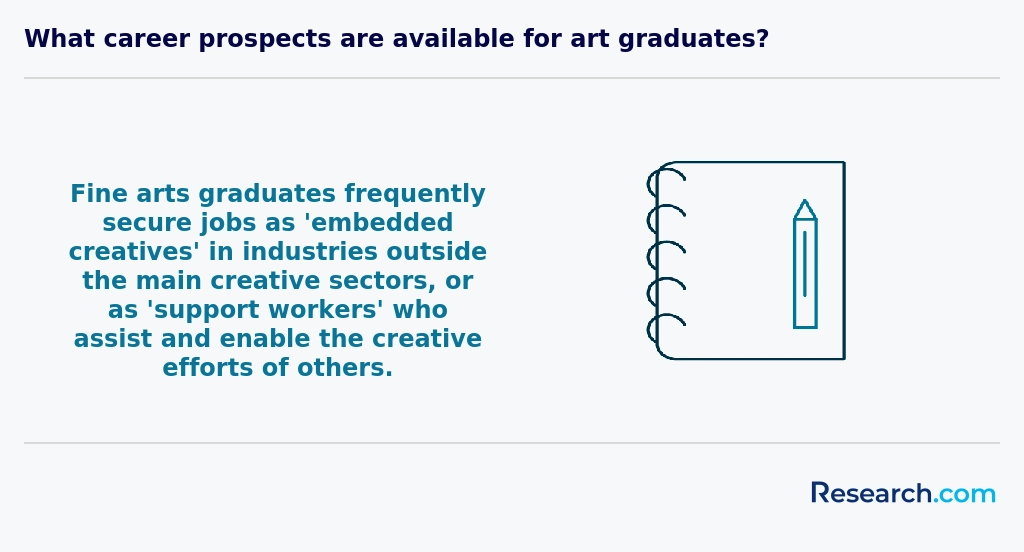
Graduates holding a fine arts degree in the USA Territories find diverse career paths that leverage their creativity and cultural knowledge. Many pursue careers as professional artists-painters, sculptors, or illustrators-supported by strong local art scenes, such as those around the University of Puerto Rico and the University of Guam, where artistic talent is celebrated through galleries and exhibitions. This vibrant environment encourages graduates to showcase and sell their work while building meaningful community connections.
Job prospects for fine arts graduates in USA Territories also include teaching positions in public and private schools, where preserving cultural heritage through arts education is increasingly prioritized. Graduates often share how teaching art brings personal fulfillment and a chance to inspire younger generations, with salaries reflecting local cost-of-living adjustments.
Other promising roles involve multimedia and digital arts careers. Graduates skilled in graphic design and animation find opportunities with regional media firms or advertising agencies, blending traditional fine arts education with modern technology. Exploring such paths can be easier when attending affordable institutions offering strong creative programs, and researching cheap accredited online colleges can help manage education costs.
Additional options include museum curation, art restoration, and arts administration, where professionals contribute to preserving and promoting indigenous art across the territories. Fine arts career opportunities in USA Territories are rooted in a rich cultural landscape, making them both personally rewarding and economically viable.
The fine arts job opportunities in USA Territories present a distinctive blend of community-focused roles and tourism-related creative work. Graduates from institutions like the University of Puerto Rico often find rewarding careers as art instructors in schools or as contributors to local festivals and cultural programs. The job market may seem limited compared to the mainland, but engaging deeply with cultural preservation and community arts can open consistent opportunities. Many recent graduates share how teaching art in community centers or participating in island-wide art fairs not only provides income but also fosters a meaningful connection to their heritage.
Employment outlook for fine arts graduates USA Territories reflects modest salaries, typically between $25,000 and $40,000, but the lower cost of living and affordable tuition-around $4,000 to $6,000 yearly in public universities-make pursuing a fine arts degree locally a practical choice. For those exploring diverse career paths, exploring options beyond traditional galleries by tapping into tourism and education sectors is advisable. Students may find additional guidance and alternatives through resources on trade school. jobs, helping to expand their career prospects in these unique markets.
2027 Most Affordable Fine Arts Degree Programs Ranking in the USA Territories
Investing in your education is a significant decision that can profoundly impact your future, and the Research.com team is committed to helping you make well-informed choices. To support prospective students interested in fine arts, we have carefully developed the "2027 Most Affordable Fine Arts Degree Programs Ranking in the USA Territories." Our dedication to quality, credibility, and accuracy is demonstrated through rigorous research and thorough analysis.
We utilized the following reputable data sources to ensure a comprehensive and reliable evaluation of fine arts degree programs:
By consulting this ranking, readers will gain valuable insights into affordable fine arts programs, empowering them to choose a program that aligns with their academic and financial goals. For a detailed explanation of how this ranking was created, please visit our Research.com methodology page.
# 1 position
Pontifical Catholic University of Puerto Rico-Ponce
Bachelor of Fine Arts


# 11 position
Universidad Ana G. Mendez-Gurabo Campus
Bachelor of Fine Arts


# 17 position
NUC University
Bachelor of Fine Arts
# 18 position
Universidad Politecnica de Puerto Rico
Bachelor of Arts
# 19 position
EDP University of Puerto Rico Inc-San Juan
Bachelor of Fine Arts

# 20 position
University of Guam
Bachelor of Arts in Communication

Frequently Asked Questions About fine arts
Fine arts degree students in the USA Territories can maximize their learning experience by actively engaging with local art communities and cultural organizations. For instance, Puerto Rico hosts several reputable galleries and institutions that offer exhibitions and workshops, providing valuable practical exposure beyond the classroom.
Utilizing resources from regional campuses such as the University of the Virgin Islands helps students access tailored coursework combined with cultural heritage studies, enhancing artistic perspectives. Participation in internships or apprenticeships with local artists is also highly encouraged.
Additionally, students should seek opportunities to showcase their work in community events or online platforms, building a professional portfolio while networking. According to the National Endowment for the Arts, such engagement fosters skill development and career readiness, essential in today's arts job market.
Emerging niches within the fine arts field are expanding in response to cultural shifts and technological advancements, even in the USA Territories. One notable area is digital arts, including animation and virtual reality, where local artists are blending traditional techniques with new media. According to the National Endowment for the Arts, interest in digital fine arts programs in US territories has grown by 12% over the last five years.
Another rising niche is community-based public art, which emphasizes cultural heritage and social themes relevant to territories such as Puerto Rico and Guam. Fine arts graduates often engage in mural projects or installations that reflect local identity.
Art therapy is also gaining traction. Many universities in the territories are incorporating this interdisciplinary focus, addressing mental health through creative expression. This niche offers growing career opportunities tied to social services and health sectors.
Preparing for the job market after completing a fine arts degree in the USA Territories involves building both artistic skills and professional experience. Graduates should create a strong portfolio showcasing diverse works, as local art scenes in territories like Puerto Rico and Guam often value originality and cultural connections. Networking plays a key role; attending regional art fairs and exhibitions can connect graduates with galleries and potential clients. Internships or part-time roles in museums, studios, or community arts programs enhance practical skills and employability.
According to the National Endowment for the Arts, territories have seen an increased investment in creative sectors, suggesting growing opportunities. Additionally, mastering digital tools and social media marketing can help graduates reach wider audiences beyond local limits.
Employers in the USA Territories seek fine arts graduates with strong creative and technical skills. Mastery of traditional art forms like painting and sculpture remains important, alongside digital proficiency in tools such as Adobe Creative Suite. Effective communication and collaboration are essential, as many projects involve teamwork. Fine arts graduates must also demonstrate critical thinking and problem-solving abilities to adapt in competitive creative industries.
According to the National Endowment for the Arts, hands-on experience through internships or community projects significantly enhances employability. Knowledge of local cultural heritage can also be an asset, connecting artwork with regional identity.
Finding internships in the USA Territories related to a fine arts degree involves leveraging local educational institutions and cultural organizations. Many territories like Puerto Rico and Guam have art museums, galleries, and community art centers that offer internship opportunities.
Students should consult their college's career services for listings or partnerships with local art programs. Additionally, the National Endowment for the Arts provides grants and programs supporting arts education and may offer internship funding.
Networking with local artists and attending art exhibitions can also lead to opportunities. Online resources such as the U.S. Department of Education's database of internships can be helpful for finding openings specific to the territories.
A fine arts degree in the USA Territories can significantly enhance career mobility and advancement. These degrees offer essential skills in creativity, critical thinking, and technical proficiency, valued in various cultural and educational sectors. According to the U.S. Bureau of Labor Statistics, jobs in arts and design fields in territories such as Puerto Rico and Guam are growing steadily, with a projected 3% increase from 2022 to 2032.
Degree holders often find opportunities in local museums, educational institutions, and creative industries, where specialized knowledge is crucial. Moreover, a fine arts degree supports career shifts into related fields such as graphic design or digital media, expanding professional options beyond traditional art roles.
Access to regional grants and arts funding programs, like those administered by the National Endowment for the Arts, also boosts career growth prospects for fine arts graduates in the territories. Overall, formal education in fine arts equips students to compete effectively within the unique cultural landscape of the USA Territories.
Studying for a fine arts degree in the USA Territories offers unique opportunities to develop interdisciplinary skills. Programs often integrate visual arts with cultural studies, technology, and communication, reflecting the diverse cultural heritage of territories such as Puerto Rico, Guam, and the U.S. Virgin Islands. This approach equips students to work in varied fields, including multimedia design, public art, and education.
Territorial institutions emphasize collaboration across disciplines, blending traditional techniques with digital media. According to the National Endowment for the Arts, such integration enhances creative problem-solving and adaptability-qualities prized in many careers. Fine arts graduates in these areas frequently engage with community projects, broadening their professional experience beyond conventional studio work.
Choosing between a thesis and a non-thesis fine arts degree program in the USA Territories depends largely on your career goals and learning preferences. Thesis programs typically require a substantial research or creative project, which is ideal for students aiming for advanced study or academic careers.
Non-thesis options are generally more practice-oriented, focusing on coursework and studio work without the need for a large research paper. This path suits those who want to enter the workforce directly after graduation.
According to the National Center for Education Statistics, fine arts enrollment in territories like Puerto Rico shows a preference for non-thesis degrees due to their flexible schedules and shorter completion times.
Consider also the faculty expertise and available resources at your chosen institution, since hands-on mentorship is crucial for both paths.
Students based in the USA Territories seeking fine arts degrees abroad have several practical options within the US higher education framework. Many accredited mainland institutions welcome territorial students, offering in-person and online fine arts programs. Federal financial aid and scholarships often extend to residents of territories such as Puerto Rico, Guam, and the US Virgin Islands, facilitating study at stateside colleges.
Additionally, some territorial students consider studying in nearby international locations with US-recognized institutions or branches, though these opportunities are less common. According to the National Center for Education Statistics, about 4% of students from territories enroll in mainland US universities annually, benefiting from the broad availability of fine arts curricula.
Online fine arts degrees have become a flexible alternative, enabling territorial students to study remotely without relocation costs, an important consideration given geographic isolation. Institutions increasingly support digital portfolios and virtual studio classes, expanding access.
Students pursuing fine arts degrees in the USA Territories can find part-time jobs that enhance their artistic skills and professional development. Common opportunities include working as gallery assistants or interns at local museums, which helps build curatorial and exhibition experience. Art teaching positions in community centers or after-school programs allow students to practice communication and instructional skills while earning income.
Many territories, such as Puerto Rico and Guam, have vibrant cultural festivals and art markets where students can sell original artwork or crafts. According to the U.S. Bureau of Labor Statistics, employment in arts-related service roles in these regions has grown modestly over recent years, supporting part-time work potential. Graphic design or freelance digital art for small local businesses also offers flexible options aligned with fine arts education.
Fine arts students in the USA Territories benefit from diverse networking opportunities that connect them with local and regional art communities. Institutions like the University of Guam and the University of the Virgin Islands offer student organizations, workshops, and exhibitions, enabling practical engagement and peer collaboration. These programs often partner with community galleries and cultural festivals, such as the Guam Art Festival and St. Thomas Carnival, providing visibility and professional connections.
Additionally, the territorial art councils and nonprofit organizations promote artist residencies and mentoring programs. According to the National Endowment for the Arts, art-related events in the territories have grown by 12% over the past five years, expanding opportunities for fine arts students to build networks and portfolios.
Alumni networks play a crucial role in supporting fine arts degree students in the USA Territories. These networks connect students with past graduates who have experience navigating the local and regional art scenes. Access to alumni can provide mentorship, job referrals, and information about galleries, exhibitions, and funding opportunities.
In territories like Puerto Rico and Guam, where fine arts industries are smaller and more community-focused, alumni connections help students build professional relationships that might be otherwise difficult. According to the National Endowment for the Arts, community ties fostered through alumni can increase job placement rates by up to 20% for arts graduates.
Furthermore, alumni often organize workshops and portfolio reviews, which are vital for career development. These events help students refine skills and prepare for competitive markets both within territories and on the mainland United States.
Customizing a fine arts degree program in the USA Territories allows students to align their education with specific career goals. Many institutions offer elective courses in areas like digital media, sculpture, painting, or graphic design, enabling focused skill development. Students can often choose interdisciplinary options, combining fine arts with business or technology, which is valuable for creative entrepreneurship.
Internships and community art projects within territories such as Puerto Rico or Guam provide practical experience relevant to local art markets. Some programs also encourage study abroad or remote learning options to broaden artistic influences beyond the Territories. According to the National Center for Education Statistics, tailoring coursework significantly improves job placement in creative fields.
Fine arts students in the USA Territories face several distinct challenges related to geography and resources. Many institutions have limited funding for fine arts programs, which restricts access to up-to-date materials and specialized faculty. For example, budgets for arts education in territories like Puerto Rico and Guam often lag behind mainland averages, according to the National Endowment for the Arts.
Another challenge is the reduced availability of advanced degree options. Few universities offer comprehensive graduate programs in fine arts locally, pushing students to relocate or study remotely. Connectivity issues and fewer cultural institutions also limit exposure to diverse artistic influences.
Additionally, smaller local art markets mean fewer internship and job opportunities for graduates within the territories, creating economic uncertainty for fine arts professionals.
With a fine arts degree in the USA Territories, professionals can pursue various certifications that enhance career opportunities. One common certification is the National Art Education Association (NAEA) certification, which benefits those interested in teaching art at public and private schools. Additionally, some may pursue certification in museum studies or art conservation, often available through specialized programs in mainland U.S. institutions.
While local options may be limited, online and mainland programs provide credentialing recognized across U.S. territories. Certifications in graphic design, such as Adobe Certified Expert (ACE), also complement a fine arts degree for careers in digital media and marketing.
According to the U.S. Bureau of Labor Statistics, creative professionals with certified skills can expect higher employability in cultural and educational sectors.
Applying to fine arts programs in the USA Territories requires careful preparation. Start by researching accredited institutions such as the University of the Virgin Islands, which offers competitive fine arts degrees recognized by the Council for Higher Education Accreditation. A strong portfolio is essential; include a diverse range of work demonstrating your technical skills and creativity. Be sure to follow specific submission guidelines detailed by each program.
Personal statements should clearly express your artistic vision and explain why studying fine arts within the Territories is meaningful to you. Letters of recommendation from art instructors or professionals can strengthen your application by providing insight into your dedication and talent.
Consider financial aid options available locally, as organizations like the Territorial Department of Education sometimes offer scholarships for arts students. According to recent data from the National Center for Education Statistics, fine arts program acceptance rates in the Territories vary but can be competitive, requiring well-prepared applications to stand out.
The global perspective on a fine arts career recognizes the value of creativity, cultural expression, and visual communication. In the USA Territories, fine arts degrees align with these international trends while emphasizing local and regional artistic traditions. According to the National Endowment for the Arts, the arts sector contributes over $877 billion annually to the US economy, highlighting the importance of artistic professions.
Students in territories like Puerto Rico and Guam benefit from programs that incorporate both global art practices and indigenous influences. Graduates often pursue careers in education, galleries, design, and media, reflecting diverse opportunities worldwide.
Overall, the global outlook encourages adaptability and multicultural awareness in fine arts careers.
Students pursuing a fine arts degree in the USA Territories can gain practical experience through a variety of campus and community opportunities. Many institutions partner with local galleries, theaters, and cultural organizations, allowing students to engage in exhibitions, performances, and workshops. For example, the University of Guam offers students access to the Fine Arts Gallery for showing work and networking with local artists.
Internships are another key option, with some programs collaborating with businesses and nonprofits to provide hands-on training. These experiences help students develop professional skills and build portfolios needed for future employment.
Additionally, participation in regional arts festivals and competitions can enhance exposure and experience. According to the National Endowment for the Arts, these activities contribute significantly to students' practical education in territories such as Guam and the U.S. Virgin Islands.
Choosing the right concentration within a fine arts degree in the USA Territories begins with understanding local resources and career opportunities. Common concentrations include visual arts, graphic design, and digital media, reflecting both traditional and modern artistic fields.
Students should consider programs offered by institutions such as the University of Guam or the University of the Virgin Islands, which tailor curricula to regional culture and industry needs. According to the U.S. Department of Education, concentrations emphasizing digital skills tend to have higher employment rates in these territories, reaching up to 65% placement within a year post-graduation.
Evaluating personal interests alongside job market data and faculty expertise helps guide a well-informed choice. Checking accreditation and available internships in the territory also provides insight into program quality and practical experience.
- Jobs | Academy of Fine Art https://academy-of-fine-art.com/en/jobs-en/
- Create a Niche Market for Your Art in a Sea of Artists https://lorimcnee.com/create-a-niche-market-for-your-art-in-a-sea-of-artists/
- About Faculty of Design - Academy of Fine Arts https://en.asp.waw.pl/strona-glowna/faculties/faculty-of-design/about-faculty-of-design/
- 14 art niche ideas and how to determine yours https://www.gelato.com/blog/art-niche-ideas
- SCHOLARSHIP PROGRAM FOR VISUAL ART STUDENTS IN USA AND CANADA | International Scholarships Search https://www.internationalscholarships.com/scholarships/3236/SCHOLARSHIP_PROGRAM_FOR_VISUAL_ART_STUDENTS_IN_USA_AND_CANADA
- Benefits of Fine Arts Education: Creativity & Confidence Boost https://palcs.org/advantage-fine-arts-education-creativity-confidence/
- How to Network as an Artist - AGI Fine Art Blog https://agifineart.com/advice/the-art-of-reputation-how-to-network-if-youre-an-emerging-artist/
- Networking - Weaving Your Web as an Art Graduate - Visual Artists Association https://visual-artists.org/resources/networking-weaving-your-web-as-an-art-graduate/
- Fine Arts https://www.uvi.edu/academics/lib-arts-and-sciences/programs/fine-arts/index.html
- Fine Arts https://www.amsamoa.edu/Departments_Offices/art.html