2027 Educational Leadership Degree Earnings by Sector Report: Which Industries Reward Graduates the Most

Co-Founder and Chief Data Scientist
Choosing an industry can change the payoff of an educational leadership degree as much as choosing the degree itself. BLS May 2024 wage data shows training and development managers had a median annual wage of $127,090, higher than many traditional school administration roles.
This report is for teachers, graduate students, career changers, and current administrators comparing K-12, higher education, corporate learning, nonprofit, government, healthcare, and edtech paths. You will learn where pay is strongest, where hiring is steadier, and how to match salary goals with advancement, mission, and work-life fit.
Key Things You Should Know
- Private-sector learning and workforce development roles often show the strongest earnings ceiling. BLS May 2024 data lists training and development managers at a $127,090 median annual wage.
- Traditional education leadership remains a major employment base; BLS projections show about 20,200 annual openings for elementary, middle, and high school principals over the 2024-2034 period.
- The best-paying sector is not always the best-value sector, pensions, summers or academic calendars, union rules, tuition benefits, remote options, and promotion timelines can outweigh a higher base salary.
- Which Industries Pay Educational Leadership Graduates the Highest Salaries?
- How Do Salary Levels Compare Across Industries for Educational Leadership Graduates?
Which Industries Pay Educational Leadership Graduates the Highest Salaries?
The highest-paying industries for educational leadership graduates are usually the ones that connect leadership, learning strategy, compliance, workforce productivity, and organizational performance. A degree in educational leadership can support roles such as principal, dean, director of student services, training director, chief learning officer, program administrator, curriculum executive, or education consultant, but pay depends heavily on whether the employer is public, nonprofit, corporate, or venture-backed.
For most graduates, the top salary opportunities appear in corporate learning, large healthcare systems, education technology companies, and executive-level higher education administration. Traditional K-12 leadership can still pay well, especially at the district level, but salary schedules and public budgets often limit rapid compensation growth.
The table below uses BLS May 2024 wage benchmarks for occupations that commonly overlap with educational leadership career paths. These are not guarantees for degree holders; they are labor-market reference points for comparing sectors.
| Industry or sector | Common roles for educational leadership graduates | Relevant BLS wage benchmark | Why this sector can pay more |
| Corporate learning and workforce development | Training director, learning and development manager, chief learning officer | Training and development managers: $127,090 median annual wage | Pay is tied to employee productivity, leadership development, compliance, and measurable business outcomes. |
| Large healthcare systems | Clinical education manager, workforce training director, patient education administrator | Often benchmarked against training management and healthcare administration pay structures | Regulation, staffing shortages, credentialing, and patient-safety training can raise the value of experienced education leaders. |
| K-12 public school systems | Principal, assistant principal, curriculum director, superintendent-track administrator | Elementary, middle, and high school principals: $104,070 median annual wage | Compensation may improve with district size, union contracts, advanced degrees, and senior administrative appointments. |
| Colleges and universities | Dean, registrar, director of student affairs, academic program director | Postsecondary education administrators: $103,960 median annual wage | Senior campus roles can offer strong salaries, but advancement may require specialized higher education experience. |
| Nonprofit, government, and community education | Program director, grant-funded education manager, workforce development administrator | Social and community service managers: $78,240 median annual wage | Base pay may be lower, but mission fit, public benefits, and grant leadership experience can improve long-term value. |
For readers seeking the highest ceiling, corporate learning and large systems that treat education as a strategic function often offer the strongest compensation. For readers seeking stability, mission alignment, and predictable advancement, K-12 districts and public colleges may provide better overall value even when the base salary is lower.
How Do Salary Levels Compare Across Industries for Educational Leadership Graduates?
Salary levels across industries differ because educational leadership is not a single job market. A school principal, corporate learning manager, university student affairs director, and nonprofit workforce development leader may all use similar leadership skills, but their employers pay for different outcomes.
The table below compares typical earning patterns by sector. Use it to understand the trade-off between starting accessibility, mid-career stability, and senior-level earning potential.
| Sector | Entry access for graduates | Mid-career salary pattern | Senior earning potential | Best fit |
| K-12 schools | Usually requires teaching experience and state administrator licensure | Often structured by salary schedules, contract rules, and district budgets | Strongest at the district office, assistant superintendent, or superintendent level | Educators who want school-based leadership and public-sector stability |
| Higher education | Accessible through student affairs, admissions, academic operations, and program administration | Varies widely by institution type, enrollment health, and department budget | Strongest for deans, vice presidents, and specialized enrollment or institutional effectiveness leaders | Professionals interested in campus operations, student success, and academic programs |
| Corporate learning | May require experience in adult learning, instructional design, HR, analytics, or business operations | Can rise quickly when leaders manage enterprise-wide programs | High for directors, vice presidents of learning, and chief learning officers | Graduates who want performance-based pay and business impact |
| Healthcare education | Often favors candidates with clinical training, compliance knowledge, or healthcare workforce experience | Strong when tied to onboarding, licensure, safety, and retention | High in large hospital systems and multi-site providers | Leaders who can manage regulated training environments |
| Nonprofit and government | Accessible through program management, adult education, youth services, and workforce grants | Often constrained by budgets and grants | Moderate, with stronger upside in executive leadership or large agencies | Mission-driven leaders who value public impact and benefits |
A common mistake is comparing only median wages. A corporate training role may pay more but involve layoffs, travel, quarterly performance pressure, or fewer public-sector benefits. A K-12 or public college role may pay less initially but offer stronger retirement benefits, clearer promotion rules, and more predictable employment conditions.
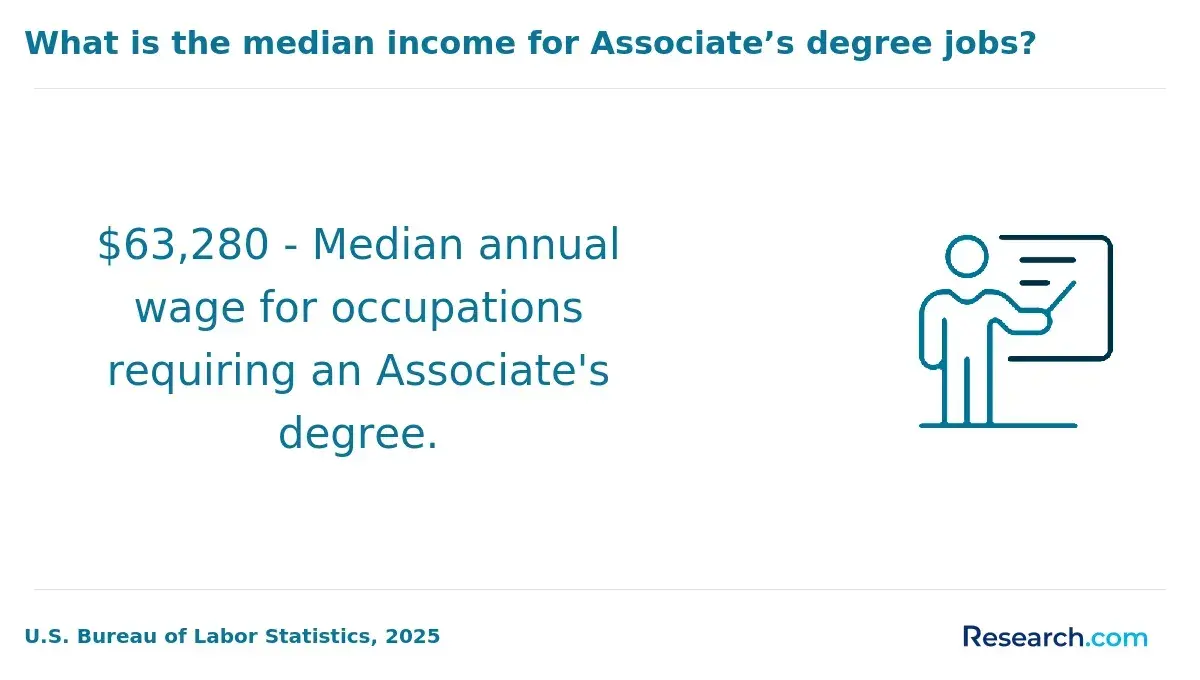
The industries that hire the most educational leadership graduates are not always the ones that pay the most. Hiring volume is strongest where leadership roles are built into large, recurring systems: public school districts, colleges, universities, government agencies, healthcare employers, and organizations that run training at scale.
K-12 education remains the largest and most direct employment pathway because schools need principals, assistant principals, curriculum directors, special education administrators, assessment coordinators, and district leaders. BLS projections for 2024-2034 show about 20,200 openings each year for elementary, middle, and high school principals, largely because of replacement needs rather than rapid new-job creation.
Higher education is another major employer, especially for graduates who want to lead student success, advising, enrollment management, residence life, academic programs, accessibility services, or institutional effectiveness. Employment can be sensitive to enrollment trends, so candidates should evaluate an institution's financial health before accepting a role.
Healthcare systems also hire education leaders to manage onboarding, continuing education, compliance training, patient education, and workforce pipeline programs. This is especially relevant as employers look for ways to train staff faster and more consistently; leaders who understand pathways such as fast-track LPN programs online may be better prepared to work with healthcare education pipelines and practical workforce needs.
Corporate learning, edtech, and consulting firms hire fewer educational leadership graduates than school systems, but their roles can be attractive because they often combine adult learning, product strategy, analytics, and organizational development. These positions may require stronger business vocabulary than traditional education jobs.
Industry is only one part of the salary equation. Location, cost of living, collective bargaining rules, state licensure requirements, institution size, and local labor shortages can all change the real value of an educational leadership salary.
A $105,000 principal salary in a low-cost district may provide more financial comfort than a higher salary in a large metro area with expensive housing. Similarly, a corporate learning role with a higher base salary may be less valuable if it requires frequent travel, has weaker retirement benefits, or carries a higher layoff risk.
Use this practical comparison when evaluating offers across locations:
- Compare base salary against local housing, commuting, insurance, and state tax costs.
- Review retirement benefits, pension eligibility, employer retirement match, tuition benefits, and healthcare premiums.
- Check whether the role is year-round, academic-year, hybrid, remote, or travel-heavy.
- Ask how salary progression works: step schedule, annual merit raise, contract renewal, promotion ladder, or bonus plan.
- Compare the employer's financial stability, enrollment trend, district budget, or corporate training investment.
Do not assume that a higher nominal salary means a better financial outcome. For educational leadership graduates, the strongest offer is often the one that combines competitive pay, reasonable cost of living, advancement potential, and a sustainable workload.
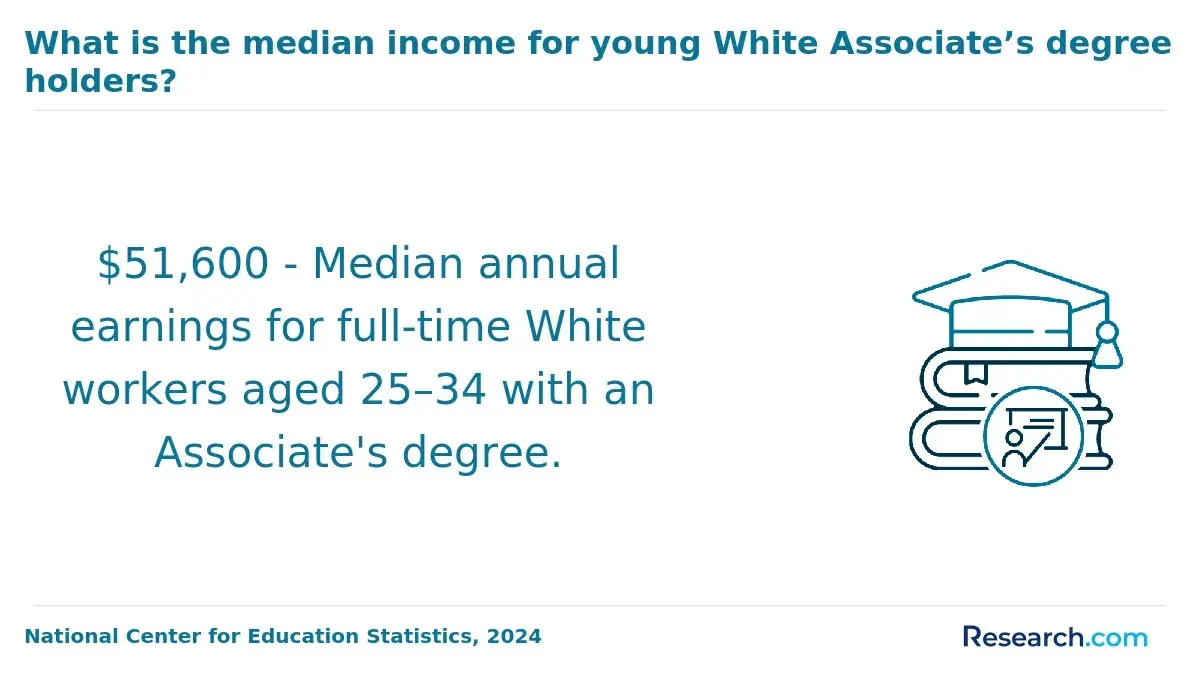
The skills that raise earnings across educational leadership industries are the ones that help organizations solve expensive problems: low achievement, employee turnover, compliance risk, weak student retention, inefficient training, or poor program outcomes. Leadership alone is rarely enough for top-paying roles; employers increasingly expect evidence-based decision-making and technology fluency.
These skills are especially valuable because they transfer across K-12, higher education, healthcare, nonprofit, and corporate settings:
- Data-informed decision-making, including assessment analysis, learning analytics, retention metrics, and dashboard interpretation.
- Budgeting and resource allocation, especially for leaders managing departments, grants, staffing models, or enterprise training programs.
- Change management, including the ability to lead curriculum reform, technology adoption, accreditation preparation, or workforce transformation.
- Adult learning and instructional design, particularly for corporate, healthcare, government, and online education roles.
- People leadership, including coaching, conflict resolution, supervision, hiring, evaluation, and performance improvement.
- AI and education technology fluency, including ethical use of automation, adaptive learning tools, data privacy, and vendor evaluation.
Educational leaders who understand workforce outcomes in adjacent fields can also make stronger program decisions. For example, leaders involved in health, wellness, or allied-health education may benefit from understanding how an exercise science online degree connects to student demand, career preparation, and employer expectations.
A red flag is relying only on classroom or administrative experience without building measurable evidence of impact. Higher-paying employers often want proof that you improved retention, reduced training time, raised completion rates, strengthened compliance, or managed a budget successfully.
Certifications and credentials can increase earnings when they unlock regulated roles, signal advanced expertise, or help a candidate move into a higher-paying sector. The right credential depends on the industry; a K-12 administrator license may be essential for a principalship but less useful for corporate learning.
Before investing in a credential, compare it against the sector you want to enter:
| Credential or qualification | Best-aligned sector | How it may affect earnings | Important limitation |
| State principal or administrator license | K-12 public and charter schools | Often required for principal, assistant principal, and some district leadership roles | Rules vary by state and may require teaching experience, exams, and supervised practice |
| Doctorate in educational leadership or education | Higher education, district leadership, policy, executive administration | Can strengthen eligibility for senior academic, research, or executive roles | ROI depends on cost, employer expectations, and whether the role actually requires a doctorate |
| Project management credential | Corporate learning, edtech, higher education operations, government programs | Can support roles managing systemwide initiatives, implementations, or grant-funded projects | It is most useful when paired with education leadership experience |
| HR, talent development, or instructional design credentials | Corporate learning and workforce development | Can help school-based leaders translate their experience into private-sector language | Employers may still expect business, analytics, or performance consulting experience |
| Healthcare education or compliance credentials | Hospitals, clinical training, patient education, professional education programs | Can improve credibility in regulated healthcare training environments | Some roles require clinical licensure or direct healthcare experience |
Healthcare and professional education leadership can be especially credential-sensitive. If you are considering leadership in pharmacy or clinical education, reviewing pathways such as online pharmacy school can help you understand the regulated training environments your future students, faculty, or staff may navigate.
The biggest mistake is paying for a credential before confirming it is recognized by target employers. Always review job postings, state licensing rules, accreditation expectations, and promotion requirements before enrolling.
Company size and organization type affect educational leadership earnings because they shape budget authority, staff size, benefits, promotion ladders, and performance expectations. A small nonprofit may offer broad leadership experience but limited salary growth. A large district, university, hospital system, or corporation may pay more but require specialized experience and more complex stakeholder management.
The table below compares common organization types from an earnings and career-planning perspective.
| Organization type | Typical earnings pattern | Advantages | Trade-offs |
| Large public school district | Structured pay with stronger upside in central office and superintendent-track roles | Clear licensure pathways, public benefits, leadership ladder | Political visibility, board oversight, budget constraints, high accountability pressure |
| Small school district or charter network | May offer faster responsibility but less predictable pay growth | Broad experience, close community impact, faster role expansion | Limited staff support, variable funding, smaller administrative teams |
| Large university or college system | Higher upside for specialized directors, deans, and vice presidents | Tuition benefits, research environment, complex leadership opportunities | Competition for promotion, enrollment pressure, bureaucracy |
| Large corporation | Often higher base pay and bonus potential for learning leaders | Business impact, technology budgets, enterprise scale | Performance pressure, restructuring risk, less mission-centered work |
| Healthcare system | Strong for leaders tied to compliance, onboarding, and workforce development | Stable training needs, regulated environment, multi-site leadership opportunities | Complex scheduling, clinical stakeholder demands, high compliance expectations |
| Nonprofit or public agency | Often lower base pay but meaningful benefits and mission alignment | Grant leadership, community impact, policy exposure | Funding uncertainty, smaller raises, heavy reporting requirements |
For earnings growth, large organizations usually offer more layers of promotion. For skill growth, smaller organizations can be valuable because leaders often manage budgets, staff, partnerships, curriculum, compliance, and reporting earlier in their careers.
Emerging industries can be attractive for educational leadership graduates because they reward people who can design learning systems, scale programs, train adults, and evaluate outcomes. The strongest future-facing opportunities are not limited to schools; they sit wherever organizations need structured learning at scale.
Watch these emerging or expanding areas closely:
- AI-enabled learning and assessment, where leaders evaluate tools, protect student data, train faculty or employees, and measure whether technology improves outcomes.
- Corporate reskilling and upskilling, especially in industries responding to automation, cybersecurity needs, compliance requirements, and leadership succession.
- Healthcare workforce education, where hospitals and training providers need administrators who can manage onboarding, continuing education, credentialing, and staff development.
- Online program management and digital higher education, especially for institutions trying to improve completion, retention, and learner support.
- STEM and data-intensive program administration, where leaders help institutions build programs aligned with labor-market demand.
Data-intensive fields are especially relevant because institutions need leaders who can connect academic programs to employer demand. Understanding resources on bioinformatics degree salary and jobs, for example, can help education leaders evaluate how emerging programs may affect enrollment strategy, advising, partnerships, and career outcomes.
The best future earnings are likely to go to educational leaders who combine human leadership with analytics, technology evaluation, workforce strategy, and ethical governance. The risk is chasing every new trend without building durable leadership skills that remain valuable across sectors.
Students should choose an industry by weighing earnings, job stability, advancement requirements, personal mission, and the cost of getting qualified. The right sector is the one where your degree, experience, credentials, and preferred work environment produce the best long-term return.
Use this decision process before choosing a sector or graduate program concentration:
- Define your target role first, such as principal, dean, corporate learning director, healthcare education manager, or nonprofit program executive.
- Check the required qualifications for that role in your state or industry, including licensure, teaching experience, doctorate expectations, or clinical background.
- Compare salary using current BLS data, employer job postings, public salary schedules, and local cost-of-living information.
- Estimate degree ROI by comparing tuition, fees, lost work time, and borrowing needs against realistic salary growth.
- Review benefits, including pension value, health insurance, retirement match, tuition remission, remote flexibility, and contract length.
- Interview people already working in the sector to learn about workload, promotion timelines, politics, travel, and burnout risk.
- Choose the sector that fits both your financial goals and the kind of leadership work you want to do every day.
Cost deserves special attention. Federal Student Aid allows graduate and professional students to borrow up to $20,500 per academic year in Direct Unsubsidized Loans, so it is easy to take on debt faster than salary gains appear. A lower-cost program or employer tuition benefit can improve ROI as much as choosing a higher-paying industry.
Common mistakes include choosing an industry only because its average salary is high, ignoring licensure rules, overlooking benefits, assuming a doctorate automatically raises pay, and failing to evaluate employer stability. Avoid these mistakes by comparing actual job postings, not just degree marketing claims or outdated salary reports.
If you are early in your career, a stable K-12 or higher education role may help you build leadership credibility. If you already have management experience and strong data or instructional design skills, corporate learning, healthcare education, or edtech may offer faster earnings growth.
Long-term career growth depends on two different forces: employment demand and promotion structure. A sector with modest job growth may still be a strong choice if it has predictable retirement openings and clear advancement ladders. A fast-growing sector may offer higher upside but less stability.
The table below summarizes long-term growth signals using BLS 2024-2034 projections and current employer trends. Treat these as planning signals, not promises of individual outcomes.
| Sector | Growth signal | Advancement path | Long-term earnings outlook |
| Corporate learning and development | BLS projects 6% growth for training and development managers | Manager to director to vice president or chief learning officer | Strong for leaders who can connect training to retention, productivity, compliance, and revenue |
| Healthcare education and workforce development | Demand is supported by healthcare staffing, compliance, and credentialing needs | Education manager to system director to executive workforce role | Strong in large systems, especially for leaders with clinical or regulatory expertise |
| K-12 school administration | Openings are supported by retirements and turnover even where enrollment growth is uneven | Assistant principal to principal to district administrator to superintendent | Stable, with higher earnings concentrated in larger districts and central office roles |
| Higher education administration | Demand depends on enrollment, state funding, and institutional finances | Coordinator to director to dean or vice president | Best for leaders in enrollment, student success, online programs, and institutional strategy |
| Nonprofit and public workforce programs | BLS projects 8% growth for social and community service managers | Program manager to director to executive director or agency leader | Moderate salary upside, often balanced by mission fit and public impact |
If your main goal is earnings growth, prioritize sectors where education leadership affects measurable organizational outcomes. If your main goal is career security, look for large public systems, state-funded institutions, or healthcare employers with recurring compliance and training requirements.
Other Things You Should Know About Educational Leadership
Corporate learning and workforce development often provides the highest common salary ceiling, especially for directors, vice presidents, and chief learning officers. BLS May 2024 data lists training and development managers at a $127,090 median annual wage.
Yes, especially for educators who value public-sector benefits, predictable advancement, and school-based leadership. Earnings are strongest in larger districts and central office roles, but licensure and prior teaching experience are usually required.
Yes, but candidates usually need to translate school leadership experience into business language. Skills in adult learning, instructional design, analytics, change management, and performance improvement are especially helpful.
Not automatically. Compare salary with benefits, cost of living, workload, job stability, licensure requirements, advancement timelines, and your long-term career interests before choosing a sector.
- 5 High-Paying Jobs with an Ed.D. Degree | University of Bridgeport https://www.bridgeport.edu/news/high-paying-jobs-with-an-edd/
- Private education wins higher salaries for young graduates https://theconversation.com/private-education-wins-higher-salaries-for-young-graduates-33612
- Leadership Jobs in Education: A Comprehensive Guide to Senior Roles in UK Schools https://quarterdeck.co.uk/articles/leadership-jobs-in-education/
- Leadership Development Program Market Size & Trends 2026-2036 https://www.futuremarketinsights.com/reports/leadership-development-program-market
- Educational Leadership Career Planner https://www.snu.edu/educational-leadership-career-planner
- 6 Best Career Opportunities in Educational Leadership https://www.manchester.ac.ae/blog-post/6-best-career-opportunities-in-educational-leadership
- EdD Salary - How much can you make with a Doctor of Education (EdD) degree? (2025 Update) https://www.onlineeddprograms.com/faqs/edd-salary
- Research Summary: Education and Lifetime Earnings https://www.ssa.gov/policy/docs/research-summaries/education-earnings.html