2027 Educational Leadership Degree Recruiter Preference Report: What Employers Value Most in New Graduates

Co-Founder and Chief Data Scientist
Education employers are screening leadership applicants for evidence of measurable school improvement, not just completed coursework. The U.S. Bureau of Labor Statistics projects about 20,800 annual openings for K-12 principals despite limited net job growth, meaning competition often centers on replacement roles and district fit.
This guide is for Educational Leadership graduates, career changers, and aspiring administrators who need to understand recruiter preferences, technical skills, screening standards, and interview benchmarks. You will learn how to tailor resumes, prepare for assessments, avoid red flags, and position your degree for stronger job offers.
Key Things to Know About Recruiter Preferences in the Educational Leadership Industry
- Employers value demonstrated leadership impact most: internships, principal residencies, school improvement projects, assessment data work, and staff collaboration usually carry more weight than coursework alone.
- For K-12 administrator roles, a state principal or administrator license is often required; for coordinator, student services, training, nonprofit, or higher education roles, recruiters may accept a related graduate degree plus evidence of project leadership.
- Recent BLS data place median pay for K-12 education administrators above $100,000, but entry-level leadership candidates usually compete first on licensure readiness, data literacy, communication, and fit with district priorities.
- Do Educational Leadership jobs require a degree?
- What are the top qualities employers look for in Educational Leadership graduates today?
Do Educational Leadership jobs require a degree?
A degree is strongly preferred for most Educational Leadership roles, but whether it is strictly required depends on the setting. K-12 public schools usually have the firmest requirements because principal, assistant principal, and administrator roles are tied to state licensure rules.
Higher education, education nonprofits, edtech companies, workforce training teams, and private schools may give recruiters more flexibility to evaluate experience, leadership projects, and specialized skills.
For new graduates, the practical question is not simply "Do I need a degree?" but "Which credential lets me legally and competitively apply for the roles I want?" Unlike an online pharmacy school pathway, where the professional credential is tightly tied to a regulated clinical occupation, Educational Leadership hiring varies by state, school system, and job family.
The table below summarizes how recruiters typically view degrees and alternatives across common entry-level and early-career leadership targets. Use it to decide whether to prioritize licensure, practical experience, or a broader leadership portfolio:
| Target role | Typical degree expectation | Alternative entry path | Recruiter interpretation |
| Assistant principal or principal intern | Master's degree in Educational Leadership, administration, or a state-approved equivalent | Teaching experience plus administrator licensure coursework or internship | Degree matters because it is often linked to licensure eligibility and supervised administrative practice. |
| Instructional coach or curriculum leader | Education degree, often with graduate coursework preferred | Strong teaching record, curriculum project work, assessment experience | Recruiters look for instructional credibility and evidence of improving learning outcomes. |
| Student services or program coordinator | Bachelor's or master's degree in education, counseling, student affairs, or related field | Campus leadership, advising, case management, or nonprofit youth-program experience | Degree helps, but communication, compliance awareness, and student support experience can compensate. |
| Education nonprofit or training coordinator | Related degree preferred | Program management, grant reporting, facilitation, community partnership experience | Recruiters may prioritize project execution, stakeholder management, and outcomes reporting over a specific major. |
| Edtech customer success or implementation role | Education degree preferred for school-facing roles | Teaching, LMS use, data reporting, training delivery, or SaaS support experience | Recruiters value the ability to translate school needs into technology adoption and user support. |
If your goal is public K-12 administration, a formal Educational Leadership degree or state-approved administrator preparation program usually makes the most sense. If your goal is education operations, student success, training, or edtech, a degree still helps, but a portfolio of projects, tools, and measurable results can be equally important during screening.
What are the top qualities employers look for in Educational Leadership graduates today?
Recruiters hiring Educational Leadership graduates are looking for candidates who can lead adults, interpret data, communicate under pressure, and make decisions that align with student outcomes and institutional goals.
Because many new graduates have limited formal administrative authority, employers look for proof that the candidate has already influenced teams, managed initiatives, or solved school-level problems.
The National Association of Colleges and Employers has continued to report that communication, teamwork, problem-solving, and analytical ability rank among the most valued attributes in new hires. For Educational Leadership candidates, those broad employer preferences translate into concrete evidence: meeting facilitation, conflict resolution, data-informed planning, and stakeholder communication.
The table below connects recruiter-valued qualities with the types of evidence that make those qualities credible. This helps candidates avoid vague claims such as "strong leader" and replace them with proof:
| Quality employers value | What it means in Educational Leadership | Evidence recruiters trust |
| Instructional leadership | Ability to support teaching quality and student learning | Lesson-study facilitation, curriculum revision, coaching logs, observation summaries, student achievement initiatives |
| Data-informed decision-making | Ability to use assessment, attendance, behavior, and survey data responsibly | Dashboards, needs assessments, program evaluation summaries, intervention tracking projects |
| Equity and compliance awareness | Understanding of fair access, discipline, special education, student privacy, and civil rights obligations | FERPA training, IDEA exposure, MTSS work, inclusive policy review, documented family engagement |
| Communication under pressure | Ability to explain decisions to staff, families, students, and senior leaders | Meeting agendas, parent communication examples, presentation decks, crisis-response scenarios |
| Operational judgment | Ability to manage schedules, budgets, staffing constraints, and competing priorities | Event coordination, master schedule support, budget tracking, staffing or resource allocation projects |
To demonstrate these qualities during applications, graduates should translate academic and fieldwork experiences into outcomes. A capstone that analyzed absenteeism, for example, is stronger when it states the data source, the intervention recommended, and how the recommendation could be implemented by a school team.
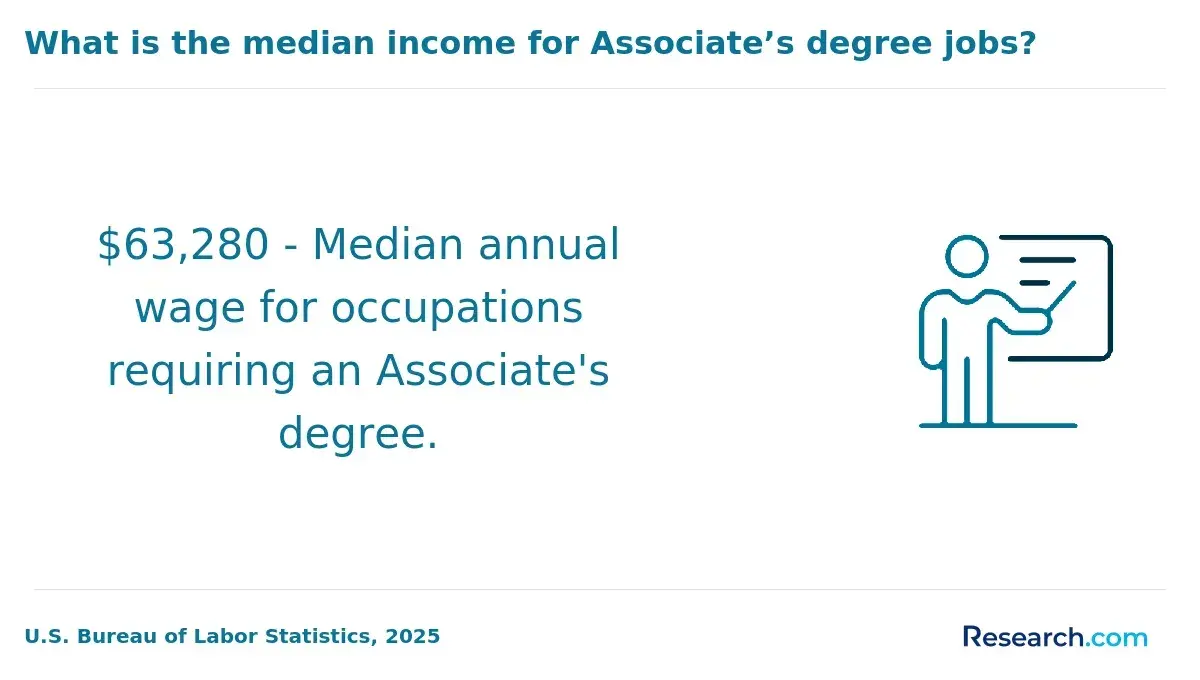
The most requested technical skills in Educational Leadership hiring are not coding skills; they are practical skills for making school, campus, or program decisions using evidence. Recruiters increasingly expect graduates to understand data dashboards, assessment trends, compliance documentation, budgeting basics, and AI-supported productivity tools.
BLS salary data show that education administrator roles are professional management occupations, not entry-level clerical roles. That distinction matters because recruiters expect graduates to show judgment, policy understanding, and technical fluency even when applying for assistant, coordinator, or intern-level positions.
The table below organizes the technical skills recruiters commonly associate with job readiness. It is designed to help applicants identify skill gaps before applying:
| Technical skill | Why recruiters value it | Common entry-level evidence |
| Assessment and student data analysis | School leaders must identify learning gaps, evaluate interventions, and report progress. | Capstone analysis, benchmark assessment review, attendance dashboard, MTSS data project |
| Program evaluation | Employers need leaders who can judge whether initiatives are working. | Logic model, survey analysis, outcome report, grant evaluation support |
| Budget and resource planning | Administrators often support staffing, supplies, grants, and department budgets. | Budget worksheet, grant spending tracker, event budget, resource allocation plan |
| Policy and compliance literacy | Schools and colleges operate under privacy, accessibility, special education, and civil rights requirements. | FERPA training, policy memo, handbook review, Title IX or IDEA-related training exposure |
| Change management | Leaders must introduce initiatives without losing staff trust. | Implementation plan, stakeholder map, professional development agenda, communication rollout |
| AI and automation judgment | Employers want efficient candidates who can use tools responsibly without compromising privacy or accuracy. | AI-assisted workflow policy, draft communication review process, automated survey summary with human validation |
Candidates who enjoy analytics more than school administration may also compare related data-heavy pathways, such as bioinformatics degree salary and jobs, to understand how education data roles differ from health and life-science data careers.
To strengthen your technical profile before applying, focus on a small number of proof-ready projects rather than listing every course you completed. Recruiters respond better to concrete artifacts that show how you think and work.
- Create a one-page school improvement brief using attendance, assessment, or survey data and explain the leadership decision it supports.
- Build a sample dashboard in Excel, Google Sheets, Power BI, or Tableau that tracks a real education problem such as chronic absenteeism or course completion.
- Write a short policy memo summarizing how FERPA, IDEA, Title IX, or district equity rules would affect a proposed program change.
- Prepare a professional development plan that includes objectives, agenda, follow-up measures, and staff feedback collection.
Specialized certifications are sometimes necessary, but the answer depends on the role. For public K-12 leadership jobs, state administrator or principal licensure can be a legal requirement. For education nonprofits, higher education administration, edtech, and training roles, certifications are usually optional but can help show focus in areas such as project management, instructional technology, student affairs, or data analysis.
Candidates should avoid treating short credentials as a substitute for licensure when the job legally requires it. This is similar to the distinction seen in healthcare pathways such as fast-track LPN programs online, where the credential's value depends on whether it matches state practice requirements and employer expectations.
The table below explains when certifications are worth the time and cost for entry-level Educational Leadership applicants. Use it to avoid spending on credentials that do not support your target role:
| Credential type | When it matters most | Recruiter value | Cost or ROI consideration |
| State principal or administrator license | Public K-12 principal, assistant principal, dean, or administrator pipeline roles | Often required before appointment or within a defined timeline | High value when the target role requires it; requirements and fees vary by state. |
| Praxis Educational Leadership assessment or state exam | States that require an administrator exam | Signals licensure readiness | ETS lists the Praxis Educational Leadership: Administration and Supervision test fee at $156, so candidates should confirm current state testing requirements before registering. |
| Project management certification | Education operations, grants, implementation, nonprofit, or edtech roles | Useful when the role involves timelines, budgets, vendors, and cross-functional coordination | Worth considering if you lack direct operations experience. |
| Instructional technology certification | LMS administration, digital learning, edtech training, or technology integration roles | Shows readiness to support adoption and faculty training | Best ROI when paired with hands-on LMS or classroom technology examples. |
| Student affairs or advising-related credential | Higher education student success, advising, residence life, or retention roles | Helpful but rarely a universal substitute for experience | Most useful when it fills a specific gap in advising, compliance, or retention knowledge. |
Before paying for any certification, compare it against actual job postings in your target region. If most postings say "required," prioritize it. If they say "preferred," pursue it only after you have a strong resume, field experience, and interview-ready project examples.
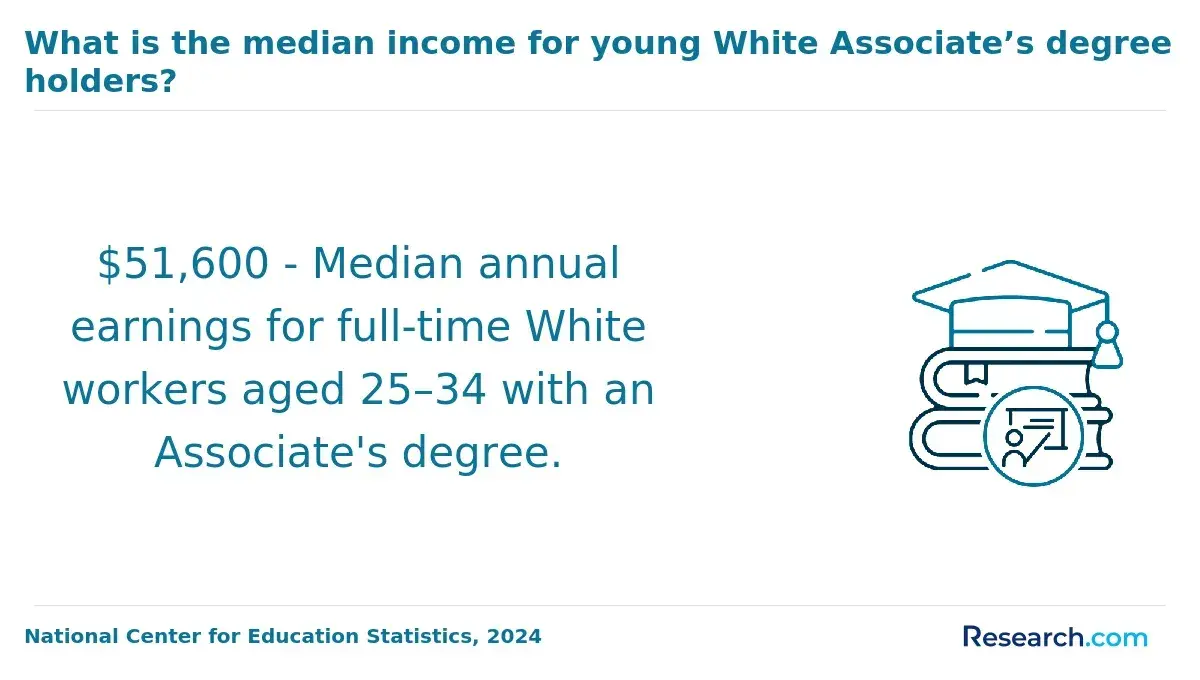
Recruiters do consider GPA and academic honors, but they rarely outweigh licensure eligibility, relevant experience, leadership evidence, and communication skill. GPA matters most for candidates with little field experience, competitive fellowships, graduate assistantships, or district leadership pipeline programs that use academic cutoffs during early screening.
A strong GPA can help you get noticed, but a lower GPA is not automatically disqualifying if you can show applied competence. In Educational Leadership hiring, employers want to know whether you can make sound decisions with people, policies, and data.
The table below shows how GPA is typically interpreted alongside other screening factors. It helps applicants understand where to put emphasis on the resume:
| Screening factor | Typical recruiter weight | When it becomes more important | How to strengthen it |
| GPA | Moderate for new graduates, lower for experienced educators | Leadership fellowships, graduate assistantships, competitive public-sector programs | List it if strong; otherwise emphasize projects, practicum, certification, and leadership results. |
| Academic honors | Supportive but not decisive | When tied to research, leadership, service, or program excellence | Explain what the honor represents if it is not widely understood. |
| Internship or practicum | High | Assistant principal, instructional coach, program coordinator, student affairs roles | Use bullets that describe decisions supported, stakeholders served, and outcomes measured. |
| Licensure readiness | Very high for public K-12 roles | Any role requiring administrator certification | State license status clearly, including expected completion date if in progress. |
| Portfolio or capstone | High when experience is limited | Entry-level applicants, career changers, candidates without formal admin titles | Show data analysis, policy reasoning, communication artifacts, and implementation planning. |
If your GPA is not a strength, do not hide the rest of your value behind it. Recruiters are more likely to keep reading when your resume immediately shows relevant experience and applied leadership.
- Move GPA lower on the resume or omit it if the employer does not request it and it does not strengthen your candidacy.
- Add a "Leadership Projects" or "Administrative Practicum" section that shows measurable work.
- Use recommendation letters or references who can speak to judgment, professionalism, and influence.
- Prepare a concise interview explanation if academic performance was affected by documented work, family, health, or transition factors.
Top employers recruit Educational Leadership talent through a mix of district portals, state education job boards, higher education career systems, professional associations, university alumni networks, and direct referrals. For new graduates, the best response rates often come from targeted channels where the employer already expects education-trained applicants.
Recruitment is also becoming more skills-based. Districts and education organizations still care about credentials, but many are widening searches for candidates who can lead projects, use technology, support diverse learners, and communicate with families or external partners.
Candidates from wellness, coaching, and student development backgrounds may also explore adjacent preparation such as an exercise science online degree when they are comparing student support, health promotion, and school leadership pathways.
The table below shows where Educational Leadership employers commonly source candidates and what each channel is best suited for. Use it to plan an application strategy instead of relying on one job board:
| Recruitment channel | Best-fit employers | Entry-level roles commonly posted | Why recruiters use it |
| District and charter network career pages | Public school districts, charter management organizations | Dean, assistant principal intern, instructional coach, coordinator, operations associate | These portals handle credential checks, internal transfers, and district-specific screening questions. |
| State education job boards | Public K-12 employers and regional education agencies | Administrator pipeline roles, curriculum positions, student services roles | Recruiters can reach licensed or license-eligible candidates in the correct state. |
| University career centers and alumni networks | Schools, colleges, nonprofits, student affairs offices | Graduate assistant, program coordinator, residence life, advising, student success | Employers trust programs that produce candidates with relevant fieldwork or practicum experience. |
| Professional associations | Principal associations, curriculum groups, student affairs organizations | Leadership fellowships, coordinator roles, policy or program roles | Association channels attract candidates who are already engaged in the profession. |
| LinkedIn and recruiter outreach | Edtech, nonprofits, higher education, training firms | Implementation specialist, customer success, program manager, training coordinator | Recruiters can search by tools, certifications, previous school experience, and keywords. |
| Referrals from supervisors and mentors | All employer types | Hard-to-fill leadership support roles and internal pipeline roles | Leadership hiring relies heavily on trust, judgment, and reputation. |
A strong outreach plan combines formal applications with relationship-building. Before applying, identify the hiring manager, review the school improvement plan or institutional priorities, and tailor your materials to show how your experience fits the employer's current needs.
Educational Leadership interviews often test judgment more than memorization. Recruiters want to see how applicants analyze messy situations, communicate with stakeholders, protect student interests, and balance policy with practical constraints.
Many employers use structured interviews because leadership roles require fairness, consistency, and defensible hiring decisions. Candidates should expect scenario questions, data exercises, presentations, and panel interviews with multiple stakeholder groups.
The table below summarizes common assessment formats and what they reveal to recruiters. Reviewing these formats helps applicants prepare evidence instead of relying on general answers:
| Assessment or interview format | What the employer is testing | Typical prompt |
| Behavioral interview | Past leadership behavior, communication, teamwork, resilience | "Tell us about a time you led a change that met resistance." |
| Scenario or case interview | Judgment, ethics, prioritization, student-centered decision-making | "A parent complains that a discipline decision was unfair. What do you do first?" |
| Data task | Ability to interpret trends and recommend action | "Review this attendance and achievement summary and identify the top leadership concern." |
| Presentation | Clarity, organization, audience awareness, persuasion | "Present a 90-day plan for improving ninth-grade course completion." |
| Writing sample | Professional tone, accuracy, documentation skill | "Draft an email to staff explaining a schedule change." |
| Panel interview | Fit with diverse stakeholders | Questions from administrators, teachers, students, parents, or department leaders |
Preparation should be practical and role-specific. The best candidates practice explaining decisions clearly, not just giving the "right" educational theory answer.
- Prepare five STAR stories covering conflict, data use, equity, staff collaboration, and project execution.
- Practice reading a simple data table and turning it into one concern, one hypothesis, and one next step.
- Develop a 30-60-90 day entry plan for your target role, including listening, relationship-building, and early evidence gathering.
- Rehearse a short presentation using plain language for families, staff, and senior leaders.
- Review state and employer-specific compliance topics, especially student privacy, special education, discipline, and mandated reporting.
Recruiters reject Educational Leadership applicants when the application creates doubt about judgment, readiness, credibility, or fit. Because leadership roles involve students, families, staff, budgets, and compliance responsibilities, small mistakes can carry more weight than they would in less public-facing positions.
Automated Applicant Tracking Systems also shape screening. If your resume lacks the job's required terms, license status, or role-specific tools, it may be ranked poorly before a human recruiter reads it. SHRM has reported continued employer adoption of AI and automation in HR workflows, which makes clear, accurate, keyword-aligned applications more important.
The table below highlights common red flags and why they matter. Use it as a pre-submission audit before applying:
| Red flag | Why recruiters worry | Better alternative |
| Unclear licensure status | The employer cannot tell whether the candidate is legally eligible for the role. | State the license, endorsement, exam status, and expected completion date clearly. |
| Generic leadership claims | Claims such as "excellent leader" do not prove readiness. | Use evidence: team size, project scope, stakeholder group, result, or deliverable. |
| No practicum, internship, or fieldwork detail | The recruiter cannot see applied leadership experience. | Add bullets describing administrative tasks, data work, meetings, and decisions supported. |
| Overemphasis on theory | Coursework alone may not show job readiness. | Translate theory into tools, artifacts, implementation plans, and outcomes. |
| Weak writing or formatting errors | Leadership roles require clear communication and attention to detail. | Proofread, use consistent formatting, and tailor each application. |
| Unexplained employment gaps or role changes | Recruiters may wonder about reliability or fit. | Provide concise context and emphasize recent readiness, training, or project work. |
| Ignoring diversity, equity, and compliance responsibilities | Schools and colleges need leaders who understand legal and ethical obligations. | Include relevant training, policy work, inclusive practice, or student support examples. |
The most common mistake is submitting the same resume to every employer. Educational Leadership hiring is highly contextual: a rural district, urban charter network, community college, and edtech company may all value leadership, but they define readiness differently.
To pass recruiter screening, Educational Leadership graduates should build resumes and online profiles around role fit, licensure clarity, leadership evidence, and searchable keywords. A strong resume makes it easy for both ATS software and human reviewers to answer three questions: Are you eligible, are you relevant, and can you lead responsibly?
Start by reading three to five job postings for your target role and identifying repeated requirements. Then revise your materials so the most important evidence appears in the top third of the resume and in the first sections of your LinkedIn profile.
The table below shows how to position common Educational Leadership experiences in recruiter-friendly language. It is meant to help candidates convert academic work into hiring evidence:
| Experience type | Weak resume framing | Stronger recruiter-ready framing |
| Capstone project | Completed capstone on attendance | Analyzed attendance patterns and developed an intervention plan with stakeholder communication and progress-monitoring measures. |
| Administrative practicum | Helped principal with tasks | Supported school leadership team through observation scheduling, meeting preparation, family communication, and review of student support data. |
| Teaching background | Taught fourth grade for five years | Led grade-level planning, used assessment data to adjust instruction, mentored new teachers, and coordinated family engagement efforts. |
| Student affairs experience | Worked with students | Managed student caseloads, documented interventions, coordinated referrals, and supported retention-focused programming. |
| Technology use | Used Google Classroom and Excel | Built spreadsheet trackers, managed LMS communication, and summarized engagement trends for instructional or program decisions. |
Use the following checklist before submitting applications. It focuses on practical screening improvements that recruiters and ATS tools can recognize.
- Place your target role, license status, and most relevant leadership experience near the top of the resume.
- Mirror exact required terms from the posting when accurate, such as "administrator license," "student information system," "MTSS," "FERPA," "program evaluation," or "instructional coaching."
- Replace responsibility-only bullets with impact bullets that show the problem, action, stakeholder group, and result or deliverable.
- Create a LinkedIn headline that names your target function, such as "Educational Leadership Graduate | Instructional Coaching | Student Data | Administrator Licensure Candidate."
- Add a portfolio link only if it is clean, professional, privacy-safe, and directly relevant to the role.
- Ask supervisors, faculty, or mentors for recommendations that mention judgment, collaboration, communication, and reliability.
If you are applying across multiple role types, create separate resume versions. A school administrator resume should emphasize licensure, instructional leadership, compliance, and staff collaboration. A higher education student success resume should emphasize advising, retention, case management, and student support systems. An edtech resume should emphasize training, LMS knowledge, implementation, and customer communication.
Educational Leadership graduates do not need to master every platform on the market, but they should be comfortable with the systems schools, colleges, districts, and education organizations use every day. Recruiters often use tool familiarity as a quick signal that a candidate can become productive without extensive training.
The table below shows common tool categories and how they map to entry-level leadership work. Exact platforms vary by district or institution, so applicants should learn transferable functions rather than memorizing one vendor's interface:
| Tool category | Examples recruiters may recognize | What candidates should be able to do |
| Student information systems | PowerSchool, Infinite Campus, Skyward, Banner | Locate attendance, enrollment, grades, demographic, and reporting data while respecting privacy rules. |
| Learning management systems | Canvas, Schoology, Blackboard, Google Classroom | Review course activity, support faculty adoption, organize learning materials, and interpret engagement patterns. |
| Productivity and collaboration tools | Google Workspace, Microsoft 365, Teams, Zoom | Run meetings, manage shared documents, create presentations, and coordinate hybrid communication. |
| Data and visualization tools | Excel, Google Sheets, Tableau, Power BI | Clean data, create pivot tables, build charts, and summarize trends for nontechnical audiences. |
| Survey and assessment tools | Qualtrics, Google Forms, SurveyMonkey, district assessment systems | Collect feedback, analyze responses, and connect findings to program decisions. |
| Case management and student support systems | Navigate, Maxient, IEP management platforms, advising CRMs | Track interventions, document follow-up, and coordinate support across departments. |
Because AI tools are now embedded in many productivity platforms, employers are also paying attention to judgment. A strong candidate can explain when AI is useful for drafting, summarizing, and planning, and when human review is required because student privacy, disciplinary decisions, accommodations, or legal compliance are involved.
A practical way to impress employers is to build a mini tool portfolio. It does not need confidential student data; in fact, it should avoid it. Use public or simulated data and show clean thinking:
- Choose one education problem, such as absenteeism, first-year retention, course failure, or staff onboarding.
- Create a spreadsheet or dashboard that tracks the problem using simulated or public data.
- Add a short written interpretation explaining the leadership decision the data supports.
- Prepare a brief slide deck for a mock school board, cabinet, or department meeting.
- Practice explaining the tool in under three minutes during interviews.
Other Things You Should Know About Educational Leadership
Yes. Graduates can pursue roles in higher education, nonprofits, workforce development, edtech, corporate training, education policy, and program management. These roles may not require principal licensure, but they still value leadership, data use, stakeholder communication, and project execution.
Yes, if you meet the required qualifications and can show strong evidence for the role's core duties. Preferred qualifications are often screening advantages, not automatic rejection criteria. Address the gap by highlighting related projects, tools, or supervised experience.
Location matters because licensure, salary schedules, school governance, and hiring timelines vary by state and district. Candidates targeting K-12 administration should verify state requirements before applying, while higher education and nonprofit applicants may have more geographic flexibility.
Choose a target role family first: K-12 administration, instructional leadership, student affairs, education operations, nonprofit programming, or edtech. Then align your resume, license plan, portfolio, and networking around that path instead of applying broadly with one generic profile.
- Why Employers Value Skills Over Degrees https://blog.bravegenerationacademy.com/why-employers-value-skills-over-degrees
- What Employers Actually Want From Graduates https://bodyswaps.co/resources/blog/what-employers-actually-want-from-graduates
- Education vs Experience: Why Professional Experience Is Harder to Measure https://www.scholaro.com/db/News/education-vs-experience-339
- The Trump Administration Moves To Tighten Grip on Colleges https://www.americanprogress.org/article/the-trump-administration-moves-to-tighten-grip-on-colleges/
- Institutional Accreditation is in Dire Need of Change https://changinghighered.com/institutional-accreditation-is-in-dire-need-of-change/
- What employers are looking for in new graduates | University Canada West (UCW) https://www.ucanwest.ca/blog/education-careers-tips/what-employers-are-looking-for-in-new-graduates
- Education vs Experience: What Employers Value More https://undutchables.nl/about-us/blog/education-vs-experience-what-employers-value-more
- Educational Leadership Certification https://www.fairmontstate.edu/academics/programs/educational-leadership-certification.aspx
- Inside the Career Readiness Perception Gap: Students vs. Employers https://www.nsls.org/blog/inside-the-career-readiness-perception-gap-students-vs-employers