2027 Educational Leadership Degree Specialization Pay Report: Which Academic Tracks Lead to the Highest Earnings

Co-Founder and Chief Data Scientist
Choosing an educational leadership specialization can shape whether you move toward school administration, district leadership, higher education, policy, curriculum, or corporate learning roles. That choice matters because pay signals differ widely: BLS May 2024 data reports median pay of $125,040 for training and development managers, compared with $74,720 for instructional coordinators. This guide helps aspiring principals, teachers considering graduate school, higher education professionals, and career changers compare academic tracks by earning potential, credential requirements, market demand, and return on education investment without assuming any specialization guarantees a specific salary.
Key Things You Should Know
- Educational leadership tracks tied to executive responsibility, budget authority, or employer-wide learning strategy usually show the strongest pay signals; BLS May 2024 medians include $125,040 for training and development managers, $104,070 for elementary, middle, and high school principals, and $103,960 for postsecondary education administrators.
- Degree level and credentials matter: principal, superintendent, and district administration paths often require a master's degree plus state licensure, while higher education, policy, and learning and development roles may reward doctoral study, analytics skills, or management experience rather than a school administrator license.
- The highest-paying specialization is not always the best ROI choice; students should compare tuition, required field hours, licensure costs, unpaid internship expectations, local salary schedules, remote-work options, and whether the track fits their preferred workplace.
- Which Educational Leadership Degree Specializations Lead to the Highest Earnings?
- How Does Educational Leadership Specialization Pay Vary by Degree Level?
Which Educational Leadership Degree Specializations Lead to the Highest Earnings?
The highest-earning educational leadership specializations tend to be those that prepare graduates for roles with broad operational authority: district administration, superintendent preparation, executive learning and development, and senior higher education administration. Specializations centered on curriculum, instructional coaching, or student support can still be valuable, but their pay ceilings often depend more heavily on district salary schedules, years of experience, and whether the role includes formal supervisory duties.
The table below compares common educational leadership academic tracks using U.S. occupation-level pay signals rather than promises of graduate outcomes. Use it as a directional guide, then verify placement data, licensure outcomes, and employer partnerships at each school you are considering.
| Educational leadership specialization | Common career direction | Current U.S. pay signal | Best fit | Main trade-off |
| District leadership or superintendent preparation | Assistant superintendent, superintendent, central office executive | Often aligns with senior K-12 administrator roles; BLS reports $104,070 median pay for elementary, middle, and high school principals in May 2024, while district executives can vary by district size and contract structure | Experienced educators who want system-level responsibility | Usually requires licensure, political skill, mobility, and high accountability |
| Organizational leadership or learning and development | Training director, learning strategy manager, workforce development leader | BLS reports $125,040 median pay for training and development managers in May 2024 | Students interested in corporate, government, or nonprofit learning systems | May require business, analytics, HR, or technology fluency beyond traditional education coursework |
| Higher education administration | Admissions director, registrar, student affairs leader, academic operations administrator | BLS reports $103,960 median pay for postsecondary education administrators in May 2024 | Professionals who want college, university, or adult-learning leadership roles | Advancement can depend on institutional budget health and functional specialty |
| Principalship or school administration | Assistant principal, principal, dean of students | BLS reports $104,070 median pay for elementary, middle, and high school principals in May 2024 | Teachers seeking formal campus leadership and licensure | Salary may be tied to public salary schedules and state certification rules |
| Curriculum, instruction, or instructional leadership | Instructional coordinator, curriculum director, instructional coach | BLS reports $74,720 median pay for instructional coordinators in May 2024 | Educators who want to improve teaching, assessment, and learning design | Strong mission fit, but pay may lag executive administration unless the role becomes district-level leadership |
| Education policy, equity, or nonprofit leadership | Policy analyst, program director, advocacy leader, foundation program officer | Pay varies by employer type, grant funding, and seniority rather than one clean occupation code | Students motivated by systems change, research, and public impact | Compensation can be less predictable than licensed administrator paths |
In practical terms, the "highest-paying" track is usually the one that moves you closest to budget ownership, people management, strategy, and measurable organizational outcomes. A curriculum specialization may start lower than a corporate learning track, but it can become financially stronger if it leads to director-level district roles.
How Does Educational Leadership Specialization Pay Vary by Degree Level?
Educational leadership pay varies by degree level because the degree often determines which jobs you can legally hold, which jobs employers will consider you for, and whether you are competing for building-level, district-level, or executive roles. A bachelor's degree may support entry into education operations or training roles, but most school administration tracks require graduate study.
The table below summarizes how degree level typically changes the opportunity set. Requirements vary by state and employer, so students should treat this as a planning framework rather than a universal rule.
| Degree level | Typical educational leadership options | Pay and advancement implications | Who should consider it |
| Bachelor's degree | Program coordinator, admissions counselor, training assistant, education nonprofit staff role | Can provide entry into education organizations, but rarely qualifies someone for principal or superintendent licensure | Students building experience before graduate school or exploring education administration |
| Master's degree | Principal preparation, curriculum leadership, higher education administration, educational technology leadership | Often the minimum credential for licensed school leadership and many mid-level administrative roles | Teachers, student affairs staff, and education professionals seeking promotion |
| Education specialist degree | Advanced principalship, district leadership, superintendent preparation in some states | Can add licensure depth without the time commitment of a doctorate, depending on state rules | Experienced administrators who need a targeted credential |
| Doctorate or EdD | Superintendent, senior higher education leadership, policy leadership, executive consulting, faculty-adjacent administrative roles | May improve competitiveness for senior roles, but the payoff depends heavily on role availability and institutional reputation | Professionals pursuing executive leadership, research-informed practice, or system-level change |
The key decision is whether the next degree unlocks a specific role you could not otherwise access. If a master's degree qualifies you for principal licensure in your state, a doctorate may not raise earnings immediately unless you are targeting superintendent, cabinet-level, university executive, or consulting roles.
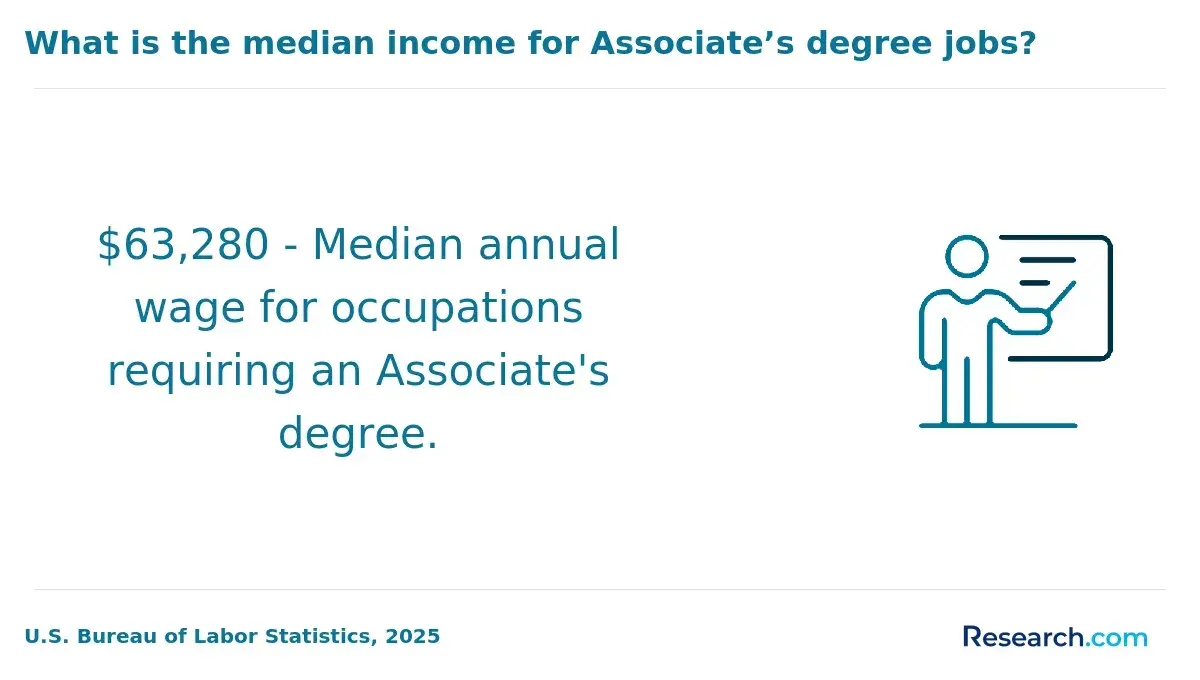
Industry matters because educational leadership graduates are not limited to public schools. The same leadership foundation can lead to K-12 administration, college administration, corporate learning, workforce development, nonprofit management, education technology, or government training roles, each with different funding models and pay ceilings.
The table below shows how academic tracks tend to map to industries and where stronger compensation signals may appear. This helps readers avoid comparing specializations as if they all lead to the same employer market.
| Industry or employer type | Best-aligned specialization | Why it can pay more or less | What to verify before enrolling |
| Public K-12 school districts | Principalship, superintendent preparation, instructional leadership | Pay is often stable and schedule-based, with higher ceilings for district roles and larger districts | State licensure alignment, internship placement, administrator exam support, district partnerships |
| Colleges and universities | Higher education administration, student affairs, enrollment management | Senior roles can pay well, but institutional budgets and department type affect advancement | Graduate assistantships, alumni placement, functional tracks such as registrar, finance, or enrollment |
| Corporate learning and development | Organizational leadership, adult learning, learning technology | Roles connected to workforce performance and executive strategy can command higher pay | Analytics, HR systems, instructional design tools, project portfolio requirements |
| Government and workforce agencies | Policy, workforce education, adult education leadership | Compensation may be stable but shaped by civil service bands and grant cycles | Policy analysis coursework, grant management, public-sector internship options |
| Education technology and consulting | Digital learning leadership, curriculum innovation, education analytics | Pay may rise with product, data, or client-management responsibilities, but job stability can vary | Technology portfolio, employer network, practicum with measurable outcomes |
Students comparing education leadership with more technical fields should notice how strongly industry affects pay. For example, a resource on bioinformatics degree salary and jobs shows how specialized technical skills can shift earnings toward research, health, and data-intensive employers; educational leadership students can apply the same logic by choosing tracks that align with higher-demand employer settings.
Long-term advancement potential is strongest in tracks that build transferable leadership capacity: supervising adults, managing budgets, using data, leading change, communicating with boards or executives, and improving measurable outcomes. A narrow specialization can be powerful if it points to a high-demand role, but it may also limit mobility if it does not build broad management skills.
The following comparison helps separate tracks with high immediate clarity from tracks with broader long-term mobility. Students should weigh both, especially if they may move between K-12, higher education, nonprofit, and private-sector roles.
| Track | Long-term advancement path | Why it may have strong upside | Risk to consider |
| Superintendent or district leadership | Principal to central office to superintendent or cabinet-level role | Direct path to system-wide authority, larger budgets, and executive contracts | Highly competitive and dependent on licensure, reputation, board relations, and district openings |
| Organizational learning and development | Training manager to director to chief learning officer or talent executive | Skills transfer across industries, especially where workforce reskilling is a priority | Requires business fluency and may be less protected than public-sector roles |
| Higher education administration | Functional manager to director to dean, vice president, or provost-adjacent administration | Good fit for professionals who specialize in enrollment, student success, finance, or academic operations | Advancement may require relocation and experience at multiple institutions |
| Curriculum and instructional leadership | Instructional coach to curriculum coordinator to director of teaching and learning | Strong mission alignment and influence on academic quality | Pay ceiling can be lower unless it becomes a district-level leadership role |
| Policy and nonprofit leadership | Program manager to policy director to executive director or foundation leader | Broad systems-change impact and potential access to government or philanthropy roles | Funding cycles and employer size can make compensation uneven |
AI and learning analytics are also changing the advancement picture. Educational leaders who can evaluate AI tools, protect student data, interpret dashboards, and train staff responsibly may become more competitive for senior roles than peers who rely only on traditional administration coursework.
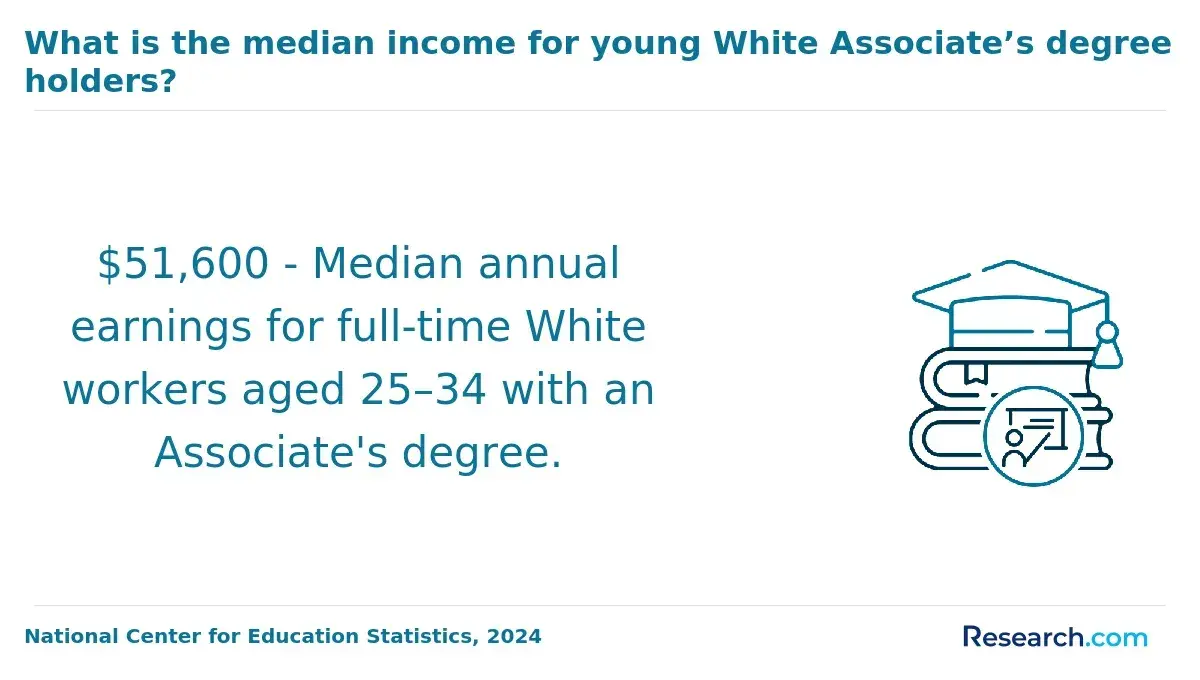
Location affects educational leadership pay in three major ways: public salary schedules, cost of living, and employer density. A principalship track may pay more in a high-cost metro area but offer less real purchasing power than a lower headline salary in a more affordable district, while higher education and corporate learning roles may require relocation to regions with more universities, headquarters, or training-intensive employers.
Remote work has the biggest impact on tracks tied to learning design, corporate training, education technology, consulting, and some higher education operations. It has a smaller effect on licensed principal and superintendent roles because campus and district leadership remain location-bound and community-facing.
Before choosing a specialization, students should run a location-specific pay check rather than relying only on national medians. A useful process is to compare the labor market where you actually plan to work.
- Review salary schedules for local districts if you are considering principalship, curriculum leadership, or superintendent preparation.
- Search job postings from nearby colleges, state agencies, nonprofits, and education technology employers to see which specializations appear most often.
- Compare remote and hybrid postings for learning and development, instructional design leadership, and education operations roles.
- Adjust salary expectations for cost of living, commuting requirements, pension value, and whether the role is a 10-month, 11-month, or 12-month contract.
- Ask programs for placement information by region, not just overall alumni job titles.
The practical takeaway is that a high-paying specialization on paper may underperform if your local market has few openings or if the credential does not match your state's administrator requirements.
A marketable educational leadership specialization combines leadership theory with job-ready skills employers can see in a portfolio, internship, licensure file, or work sample. Courses matter most when they help students solve real organizational problems, not when they simply add broad education vocabulary.
Students comparing programs should look for courses and experiences that connect directly to higher-responsibility roles. The list below highlights skill areas that can improve marketability across multiple academic tracks.
- Budgeting and resource allocation: Important for principals, district leaders, higher education administrators, and nonprofit directors who must justify spending decisions.
- Data analysis and assessment: Valuable for curriculum leaders, student success administrators, policy analysts, and learning and development managers who need to evaluate outcomes.
- Personnel supervision and labor relations: Essential for roles involving teacher evaluation, staff coaching, HR collaboration, or unionized environments.
- Strategic planning and change management: Useful in school improvement, accreditation, institutional planning, corporate learning, and systemwide reform.
- Education law, ethics, and compliance: Critical for school administrators, higher education leaders, and student services professionals managing risk.
- AI, learning technology, and digital accessibility: Increasingly important for leaders selecting tools, training staff, and ensuring equitable access to learning.
Specialization fit can also depend on the type of learners or programs you want to lead. For example, someone interested in wellness, recreation, athletics, or community health education leadership may find it useful to compare educational leadership coursework with an exercise science online degree to understand whether their goal is administration, program design, or subject-matter expertise.
Students should compare educational leadership specialization pay against program cost by estimating the role the degree actually unlocks. A higher tuition program may be worthwhile if it leads to required licensure, strong internship placement, or access to a competitive employer network, but an expensive program with vague outcomes can weaken ROI even if the specialization sounds lucrative.
Cost pressure is real. College Board's 2024 pricing report lists average published 2024-25 tuition and fees of $11,610 for in-state public four-year institutions, $30,780 for out-of-state public institutions, and $43,350 for private nonprofit four-year institutions. Graduate educational leadership prices vary widely, but those figures show why students should evaluate total cost, not just monthly affordability.
Use the following steps to compare pay and cost before enrolling. This sequence is designed to prevent the common mistake of choosing a specialization based only on advertised career titles.
- Identify the specific role you want, such as assistant principal, curriculum director, higher education registrar, training manager, or policy director.
- Confirm whether that role requires state licensure, a master's degree, an EdD, a superintendent endorsement, or only relevant experience.
- Calculate total program cost, including tuition, fees, books, travel to residency sessions, licensure exams, background checks, and unpaid fieldwork.
- Compare the expected salary range in your target region or industry, not only the national median for a related occupation.
- Ask the school for recent placement examples by specialization, employer type, and job title.
- Estimate the time needed to recover the added cost based on a realistic promotion, not the highest salary shown in marketing materials.
Professional-degree ROI varies across fields, so educational leadership students should think like any graduate student comparing cost, time, licensure, and labor-market payoff. For contrast, students weighing healthcare leadership or clinical education paths may also research options such as online pharmacy school, where the credential, licensing structure, and cost profile differ substantially from school administration.
Certifications, licensure, and graduate study can materially change educational leadership earnings because they determine eligibility for regulated roles and signal readiness for higher responsibility. The effect is strongest in K-12 administration, where state rules often control who can serve as a principal or superintendent.
The table below summarizes common credentials and how they interact with specialization choice. Requirements change by state, so students should verify details with the state education agency and the program's licensure office before enrolling.
| Credential or study path | Most relevant specialization | How it can affect earnings | Important limitation |
| Principal or building administrator license | Principalship, school administration | Can open access to assistant principal and principal roles that are unavailable to non-licensed candidates | Rules vary by state and may require teaching experience, exams, and supervised internships |
| Superintendent or district administrator credential | District leadership, superintendent preparation | Can qualify experienced administrators for central office and superintendent searches | Credential alone is rarely enough without a strong leadership record |
| Education specialist degree | Advanced K-12 leadership, curriculum administration | Can support salary-lane movement or advanced licensure in some districts | Financial benefit depends on district contracts and state recognition |
| EdD or PhD | Executive leadership, higher education, policy, research-informed administration | May improve competitiveness for senior, consulting, or university leadership roles | Doctoral debt can outweigh benefits if the degree does not align with a realistic promotion path |
| Project management, HR, analytics, or instructional design credentials | Corporate learning, education technology, workforce development | Can strengthen employability outside traditional school systems | Employer recognition varies, and certificates are most useful when paired with experience |
A good rule is to avoid paying for a credential unless you can name the job requirement it satisfies. If the credential is optional, ask whether it will help you build a portfolio, qualify for higher salary lanes, or compete for jobs that previously screened you out.
The best educational leadership specialization is the one that matches three things at once: your desired work setting, the credential requirements for that setting, and the level of responsibility you want over people, budgets, policy, or learning outcomes. If those three factors do not align, a high-paying track can still become a poor career fit.
Use this decision process to narrow your options. It is especially helpful if you are choosing between a broad educational leadership degree and a more specialized concentration.
- Start with the role, not the specialization name. Decide whether you want to become a principal, district administrator, higher education leader, curriculum director, training manager, policy professional, or education technology leader.
- Check non-negotiable requirements. Verify state licensure, teaching experience, internship hours, exams, degree level, and whether the program is approved for your target credential.
- Compare labor markets. Look at job postings in your preferred region and remote market to see which tracks employers actually request.
- Evaluate curriculum depth. Favor programs with courses in finance, law, data, supervision, AI governance, change management, and practical leadership projects.
- Ask for outcomes by concentration. Request recent job titles, employer types, licensure pass rates when applicable, and examples of internships or capstone placements.
- Run a personal ROI estimate. Compare total program cost with the realistic salary lift from the next role you are likely to obtain.
- Test career fit. Interview people already in the roles you want and ask what they actually do each week, not just what the title suggests.
Common red flags include programs that advertise senior titles without explaining licensure requirements, do not publish fieldwork expectations, lack state approval for administrator preparation, or cannot explain how each concentration differs in career outcomes. A smart choice balances earning potential with employability, credential fit, personal strengths, and the kind of leadership work you want to do for the next decade.
The best entry-level earnings in educational leadership usually come from tracks that connect quickly to formal administrative titles or private-sector learning roles. However, "entry-level" in this field often means entry into leadership after prior teaching, advising, training, or program-management experience, not a first job directly after high school or an undergraduate degree.
For students comparing early-career earnings, the most important question is not only which specialization sounds highest-paying, but which one creates a realistic first leadership step. The following list highlights the strongest early-entry options and the conditions that make them work.
- Principalship or school administration: Can lead to assistant principal or dean roles after teaching experience and licensure, making it one of the clearest paths from classroom work into paid leadership.
- Higher education administration: Can support entry into admissions, student success, residence life, advising leadership, or registrar operations, especially when the program includes assistantships or campus-based experience.
- Corporate learning and development: Can produce stronger early pay if the student already has training, HR, sales enablement, healthcare education, or technology implementation experience.
- Instructional leadership: Can be a good bridge from teaching to coaching or curriculum work, but the pay lift may be limited until the role includes supervisory or district-level authority.
One common mistake is comparing educational leadership entry pay with fast-credential healthcare pathways without considering licensure and work setting. Someone reviewing fast-track LPN programs online, for instance, is comparing a different labor market where clinical licensure creates a defined entry point; educational leadership usually rewards accumulated professional experience before the first major pay jump.
Other Things You Should Know About Educational Leadership
Tracks tied to district leadership, superintendent preparation, senior higher education administration, and corporate learning and development often show the strongest earning potential. The best option depends on licensure, experience, employer type, and whether the role includes budget and staff authority.
In many states, a master's degree plus an approved administrator preparation program, supervised internship, exams, and prior educator experience may be required. Students should confirm requirements with their state education agency before enrolling.
No. A specialization can improve eligibility for certain roles, but salary depends on location, employer, experience, credentials, labor demand, collective bargaining agreements, and job performance. Use salary data as a planning tool, not a promise.
An EdD may be worth it for professionals targeting superintendent, executive higher education, policy, consulting, or senior organizational leadership roles. It may not provide strong ROI if the student does not need a doctorate for the next realistic promotion.
- From Higher Education to the Career Paths: Students’ Perspectives of Education and Employability https://www.asianinstituteofresearch.org/JEBarchives/from-higher-education-to-the-career-paths%3A-students%E2%80%99-perspectives-of-education-and-employability
- 6 Best Career Opportunities in Educational Leadership https://www.manchester.ac.ae/blog-post/6-best-career-opportunities-in-educational-leadership
- Educator Pay Data 2025 | NEA https://www.nea.org/resource-library/educator-pay-and-student-spending-how-does-your-state-rank
- Education Degree Careers and Salary in Europe - StudyinEurope.eu https://www.studyineurope.eu/education/education-degree-careers-salary-europe/
- Understanding Teacher Compensation: A State-by-State Analysis https://learningpolicyinstitute.org/product/understanding-teacher-compensation-state-by-state-analysis
- Educational Leadership Career Planner https://www.snu.edu/educational-leadership-career-planner
- Students Reached in 2025–26 https://www.opportunityculture.org/opportunity-culture-stats/
- The Case for Getting an Advanced Degree https://www.projectboldlife.com/achievement/case-getting-advanced-degree/
- Why Advanced Degrees Matter in the Future of Work https://www.mywestford.com/blog/the-future-of-work-why-advanced-degrees-matter-more-than-ever/
- Trends for the Future of Education: How Cairn’s EdD Equips You to Lead https://cairn.edu/trends-for-the-future-of-education-how-cairns-edd-equips-you-to-lead/