2027 Educational Leadership Degree Concentration Outlook Report: Which Tracks Are Growing Faster, Paying More, and Hiring More Consistently

Co-Founder and Chief Data Scientist
Choosing an educational leadership concentration is really a cost, credibility, flexibility, and ROI decision. Most programs serve working educators, so institution type-public, private nonprofit, private for-profit, campus-based, or online-can change tuition, licensure fit, employer recognition, and time to completion. The stakes are real: BLS 2024 occupational data puts the median annual wage for K-12 principals at $103,460. This report helps teachers, coordinators, student affairs professionals, and aspiring administrators compare tracks by growth, pay, hiring consistency, and practical value before enrolling.
Key Things You Should Know
- Fastest growth: Educational leadership tracks connected to corporate learning, workforce development, instructional design, and online learning show stronger growth signals than traditional K-12 administration; BLS 2024 projections place training and development managers at 7% growth from 2023 to 2033.
- Highest pay potential: District leadership, superintendent pathways, higher education executive roles, and learning-and-development management usually offer the strongest upside, while BLS 2024 data lists training and development managers at a $125,040 median annual wage.
- Best ROI usually depends on fit, not prestige alone: Public and online nonprofit programs often reduce borrowing, but licensure alignment, transfer credits, completion support, and employer recognition matter as much as tuition; graduate students can borrow up to $20,500 annually in Direct Unsubsidized Loans before using higher-cost Grad PLUS loans.
- How Do the Major Educational Leadership Degree Concentrations Compare?
- Which Educational Leadership Degree Concentrations Are Growing the Fastest?
How Do the Major Educational Leadership Degree Concentrations Compare?
An educational leadership concentration is a focused pathway inside a master's, Ed.S., Ed.D., Ph.D., or certification program. Common tracks prepare students for roles in K-12 school administration, curriculum leadership, higher education, policy, student services, online learning, or workplace training.
"Online" is a delivery format, not an institution type. A program can be online and public, online and private nonprofit, or online and private for-profit, so students should compare both the school's institutional model and the program's delivery model before judging value.
The table below summarizes the major concentrations and the decision factors that matter most: job target, salary ceiling, hiring stability, licensure risk, and institution-type fit.
| Concentration | Common career targets | Market profile | Best-fit institution model | Main caution |
| K-12 Principal or School Administration | Assistant principal, principal, dean of students, school administrator | Strong employer recognition when tied to state licensure, but slower projected employment growth | Public universities and reputable nonprofit online programs with state-approved licensure pathways | Licensure requirements vary by state, and non-approved programs may not qualify graduates for administrative credentials |
| District Leadership or Superintendent Track | District administrator, director, assistant superintendent, superintendent | High pay ceiling and strong long-term influence, but fewer openings | Regional public universities, private nonprofit universities, or Ed.D. programs with district partnerships | Often requires prior principal or central-office experience |
| Curriculum and Instructional Leadership | Instructional coordinator, curriculum director, academic coach, assessment lead | Stable demand tied to assessment, standards, instructional improvement, and teacher support | Public, nonprofit, and online programs with strong field-based projects | Some roles still prefer classroom teaching experience |
| Higher Education Administration | Student affairs administrator, registrar, admissions manager, academic services director | Broad hiring base across colleges, universities, and online education providers | Nonprofit universities, public universities, and flexible online programs with internship access | Entry roles may pay less than K-12 administration before advancement |
| Educational Technology and Online Learning Leadership | Instructional designer, learning technology director, digital learning coordinator | Growing relevance as schools and colleges expand hybrid learning, AI tools, and digital assessment | Online nonprofit or public programs with applied technology portfolios | Technology skills matter more than the concentration name alone |
| Organizational Learning and Training Leadership | Learning and development manager, training director, talent development lead | One of the strongest growth and salary profiles for graduates willing to work outside traditional schools | Public, private nonprofit, or online programs that include adult learning, analytics, and workplace learning | May not satisfy school administrator licensure requirements |
| Special Education Leadership | Special education coordinator, director of student services, compliance lead | Consistent need because schools must meet federal and state service obligations | Public and nonprofit programs with educator licensure alignment and field placements | Requires careful review of state certification rules |
| Education Policy and Nonprofit Leadership | Policy analyst, program director, grant administrator, advocacy leader | Best for students interested in systems, funding, evaluation, and public impact | Public policy schools, nonprofit universities, and programs near government or nonprofit networks | Career outcomes depend heavily on internships, writing samples, and networks |
Students comparing institution types should focus on real outcomes rather than assumptions. Public universities are often cost-effective, private nonprofit universities may offer strong networks or specialization, private for-profit programs may offer scheduling convenience, and online programs can be excellent if they are accredited, licensure-aligned, and well supported.
A useful way to compare educational leadership programs is to ask the same questions students ask in other professional fields: Does the program meet credentialing rules, does the delivery format fit working adults, and does the degree lead to roles with enough salary upside to justify the cost? That same logic applies when someone evaluates an exercise science online degree or any other career-focused online program.
Which Educational Leadership Degree Concentrations Are Growing the Fastest?
The fastest-growing educational leadership concentrations are not always the traditional school-administrator tracks. Growth is strongest where leadership overlaps with workforce training, digital learning, data-informed instruction, and adult learning.
The table below uses BLS 2024 occupational data where a close labor-market match exists. Some concentrations, such as educational technology leadership, do not map perfectly to one federal occupation, so readers should treat the figures as directional rather than as guaranteed outcomes.
| Concentration | Closest labor-market signal | BLS 2024 growth outlook | What it means for students |
| Organizational Learning and Training Leadership | Training and development managers | 7% projected growth from 2023 to 2033 | Strongest growth among common leadership-aligned options, especially for graduates open to corporate, healthcare, government, and nonprofit employers |
| Educational Technology and Online Learning Leadership | Instructional design, learning technology, and training roles | Growth varies by employer because BLS does not track one exact edtech leadership occupation | Good potential when paired with learning management systems, AI literacy, accessibility, analytics, and portfolio-based evidence |
| Higher Education Administration | Postsecondary education administrators | 3% projected growth from 2023 to 2033 | Moderate growth with steady replacement hiring across admissions, student affairs, advising, compliance, and online operations |
| Curriculum and Instructional Leadership | Instructional coordinators | 2% projected growth from 2023 to 2033 | Stable but competitive; strongest candidates bring teaching experience, assessment knowledge, coaching skill, and curriculum evidence |
| K-12 Principal or School Administration | Elementary, middle, and high school principals | -1% projected change from 2023 to 2033 | Openings still occur through retirements and turnover, but students should choose licensure-aligned programs and avoid overpaying for a narrow credential |
The key trend is that leadership work is expanding beyond the principal's office. Districts, colleges, employers, and nonprofits need people who can manage learning systems, evaluate outcomes, support adults, and lead change across hybrid and digital environments.
Students who want the fastest-growing track should consider whether they are willing to work outside K-12 schools. If the answer is yes, organizational learning, training leadership, and educational technology may offer more growth flexibility than a principal-only concentration.
Growth comparisons are especially important in licensure-driven fields, where the fastest program is not always the best program. Students weighing education programs can learn from the way healthcare students evaluate fast-track LPN programs online: speed matters, but credential approval and employer acceptance matter more.
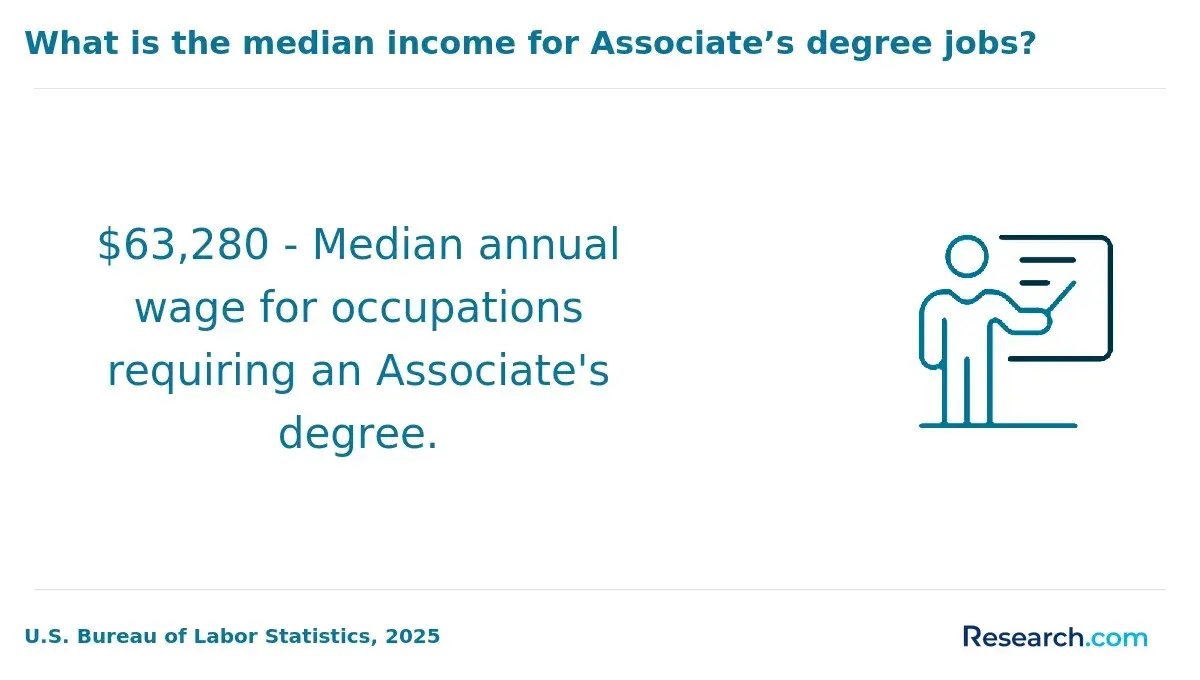
Salary potential in educational leadership depends on role level, geography, employer type, budget authority, licensure, and years of experience. Concentration choice matters because some tracks lead to school-site leadership, while others lead to district, higher education, policy, or corporate learning roles.
The table below compares salary signals from BLS 2024 occupational data for roles commonly associated with educational leadership graduates. These medians are not promises; they are national reference points that help students compare earnings potential against tuition and debt.
| Concentration | Relevant role category | Median annual wage in BLS 2024 data | Salary interpretation |
| Organizational Learning and Training Leadership | Training and development managers | $125,040 | Strong salary potential for graduates who can lead adult learning, performance improvement, and workforce development |
| K-12 Principal or School Administration | Elementary, middle, and high school principals | $103,460 | High median pay, but advancement usually requires teaching experience, administrative licensure, and successful school leadership experience |
| Higher Education Administration | Postsecondary education administrators | $102,610 | Competitive median, though early student affairs or admissions roles may start below senior administrator pay |
| Curriculum and Instructional Leadership | Instructional coordinators | $74,720 | Solid mid-career pathway, especially for teachers moving into coaching, assessment, and district curriculum work |
| Education Policy and Nonprofit Leadership | Program management, policy, and education nonprofit roles | No single BLS category captures the full pathway | Pay varies widely by organization size, grant funding, location, and management responsibility |
The highest ceiling is usually found in district leadership, executive higher education administration, and learning-and-development management. However, salary upside should be weighed against access: superintendent roles are fewer and often require a long administrative progression, while corporate training roles may be more accessible to candidates with strong adult-learning and analytics skills.
Institution type affects salary value indirectly. A lower-cost public or online nonprofit program may create better ROI if it leads to the same licensure and employer recognition as a higher-priced program. A private nonprofit program may be worth the higher tuition when it provides strong district partnerships, executive coaching, a respected alumni network, or a specialization that clearly matches the student's target role.
Educational leadership is usually a mid-career field, especially in K-12 administration. Many principal, curriculum director, and district roles expect teaching experience, supervisory experience, or a valid educator license before the degree pays off.
The best entry-level opportunities are usually "bridge roles" that let students move toward leadership while building experience. The list below shows practical entry points by concentration.
- Higher education administration: Admissions counselor, academic advisor, residence life coordinator, student success coach, financial aid counselor, or program coordinator can be realistic first steps for graduates without teaching experience.
- Curriculum and instructional leadership: Teacher leader, instructional coach, assessment specialist, professional development facilitator, or curriculum writer can help educators move toward district-level roles.
- Educational technology leadership: Instructional designer, learning management system coordinator, digital learning specialist, accessibility support specialist, or online course quality reviewer can be accessible with a strong portfolio.
- K-12 administration: Dean of students, assistant principal intern, department chair, grade-level lead, or administrative resident roles often serve as stepping stones to principal positions.
- Organizational learning and training leadership: Training coordinator, onboarding specialist, learning specialist, HR development associate, or facilitator can lead toward learning-and-development management.
For students with limited education-sector experience, higher education administration, educational technology, and training leadership may provide smoother entry than principal preparation. For licensed teachers, curriculum leadership and school administration often make more sense because they build directly on classroom credibility.
Online programs can work well for entry-level career changers if they include applied projects, portfolio development, internships, and career services. The same principle applies across career-focused online degrees: delivery format matters less than whether the program helps students prove job-ready skills.
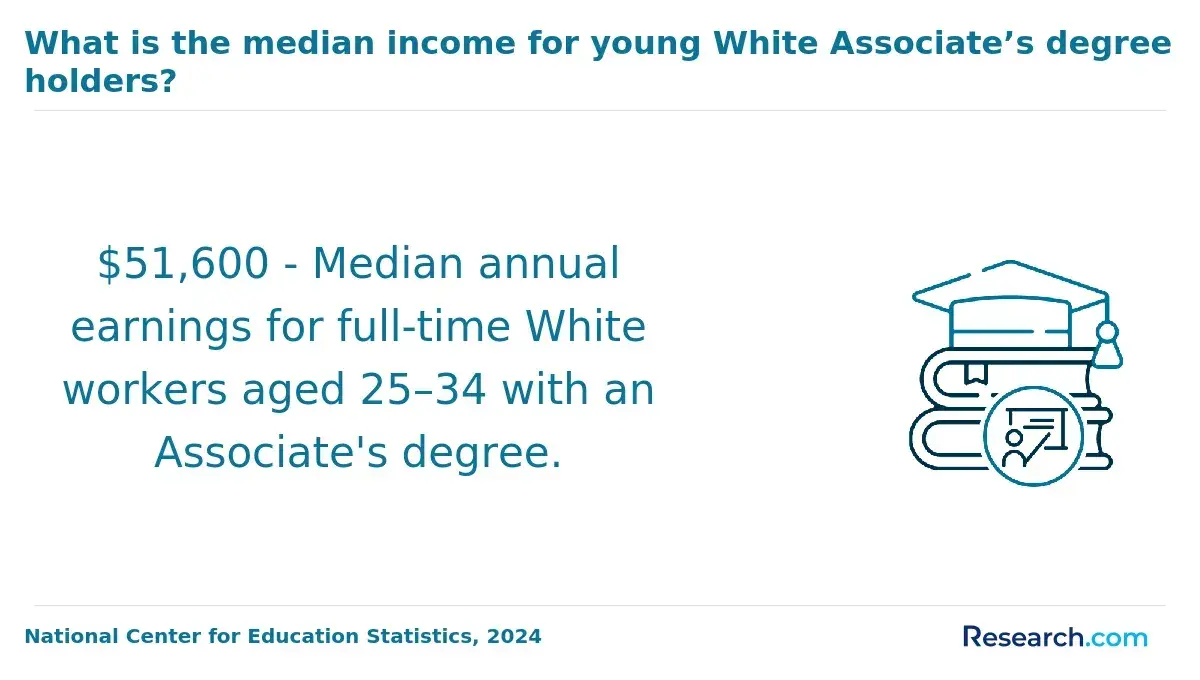
Educational leadership graduates are hired by more than school districts. The broadest opportunities appear when students match their concentration to the employer type that actually needs those leadership skills.
The table below shows where different concentrations tend to fit best and what employers usually expect beyond the degree.
| Employer type | Concentrations commonly hired | Typical roles | What employers look for |
| Public school districts | K-12 administration, curriculum leadership, special education leadership, district leadership | Assistant principal, principal, curriculum coordinator, student services director, program director | State licensure, teaching experience, leadership evaluations, data use, family and staff communication |
| Charter and private schools | School leadership, curriculum, operations, educational technology | School leader, academic dean, operations director, instructional coach | Instructional results, school culture leadership, enrollment understanding, operational flexibility |
| Colleges and universities | Higher education administration, student affairs, online learning leadership | Academic advisor, student success manager, registrar staff, admissions manager, program director | Student support experience, compliance awareness, enrollment systems, communication skills |
| Education technology companies | Educational technology, instructional design, training leadership | Customer success specialist, learning designer, implementation manager, product training lead | LMS knowledge, adult learning, accessibility, product communication, data analysis |
| Government and education agencies | Policy, district leadership, special education, curriculum | Program analyst, education consultant, compliance specialist, grant manager | Policy writing, evaluation, stakeholder coordination, budget and compliance knowledge |
| Corporations and healthcare systems | Organizational learning, training leadership, instructional design | Training manager, learning consultant, leadership development specialist, compliance learning lead | Adult learning, project management, business metrics, technology-enabled training |
| Nonprofits and foundations | Policy, nonprofit leadership, curriculum, community education | Program manager, education director, grant coordinator, partnership lead | Grant writing, evaluation, community partnerships, equity-focused program design |
Public districts remain the anchor employer for K-12 leadership concentrations, but students seeking broader mobility should look at colleges, education technology companies, workforce development organizations, nonprofits, and government agencies. A concentration with cross-sector value can reduce career risk if school budgets tighten or leadership openings are limited in one region.
Healthcare education is also a growing employer context for learning leaders because hospitals, clinics, and professional schools need compliance training and continuing education. Students evaluating regulated education pathways, such as an online pharmacy school, will notice a similar pattern: employer trust depends heavily on accreditation, practical training, and credential alignment.
The best job market for an educational leadership concentration depends on whether the target role is local, state-regulated, campus-based, or remote-friendly. K-12 administration is usually local and licensure-bound, while instructional design, training leadership, and some higher education operations roles are more portable.
The table below separates location-sensitive opportunities from remote-friendly ones so students can choose a concentration that fits their mobility and work-life needs.
| Concentration | Best job-market pattern | Remote opportunity level | How to evaluate location fit |
| K-12 Principal or School Administration | Strongest in districts with leadership turnover, school growth, or administrator shortages | Low | Check state licensure rules and district hiring requirements before enrolling |
| District Leadership | Best in large districts, regional service agencies, and state systems | Low to moderate | Look for programs with district partnerships and practicum access near your location |
| Higher Education Administration | Strongest near college clusters, public university systems, and large online institutions | Moderate | Review whether roles require campus presence, evening events, or student-facing availability |
| Curriculum and Instructional Leadership | Steady in public districts, charter networks, publishers, and education service organizations | Moderate | Build skills that transfer across schools, vendors, and nonprofit programs |
| Educational Technology and Online Learning | Strongest across online colleges, edtech companies, virtual schools, and large districts | High | Prioritize programs that produce a portfolio of online courses, tools, accessibility work, and analytics projects |
| Organizational Learning and Training Leadership | Broadest in corporate headquarters, healthcare systems, government, and national nonprofits | Moderate to high | Evaluate whether your program includes adult learning, project management, and business performance metrics |
Remote opportunity is strongest when the concentration produces portable deliverables: course builds, training modules, evaluation dashboards, policy briefs, accessibility reviews, or learning analytics projects. It is weakest when the role requires daily supervision of a physical school.
Working professionals should also compare synchronous requirements, practicum placement rules, residency weekends, and internship support. An online program can be flexible on paper but difficult in practice if it requires daytime field hours that conflict with full-time work.
The most valuable educational leadership graduates combine leadership theory with evidence that they can solve real institutional problems. Employers want candidates who can supervise people, use data, communicate with families or stakeholders, manage change, and improve learning outcomes.
The skills and certifications below can increase the practical value of a concentration, especially when they align with the student's target sector.
- State administrative licensure: Essential for many K-12 principal, assistant principal, and superintendent roles; students should verify approval with the state education agency before enrolling.
- Instructional coaching and curriculum design: Valuable for teacher leaders, academic coaches, curriculum coordinators, and district instructional roles.
- Data literacy and assessment: Important for using achievement data, program evaluation, student success metrics, and continuous improvement systems responsibly.
- Educational technology tools: LMS administration, accessibility standards, Universal Design for Learning, AI tool governance, and online course quality review can strengthen edtech and online learning tracks.
- Project management: Helpful for district initiatives, accreditation projects, edtech implementation, curriculum adoption, and workforce training programs.
- Budgeting and resource allocation: Important for principals, district leaders, higher education administrators, and nonprofit program directors.
- Conflict resolution and personnel supervision: Crucial for anyone moving from individual contributor to administrator or manager.
Students should also ask whether a program includes fieldwork, simulations, leadership coaching, capstone projects, or portfolio development. These features often matter more to employers than the concentration title alone.
Licensure alignment deserves special attention because education credentials can be state-specific. Before enrolling, students should confirm that the program's practicum, exams, internship hours, and endorsement pathway match the state where they plan to work.
The best ROI usually comes from the concentration that leads to a realistic next role without excessive borrowing. For many working educators, that means choosing the lowest net-cost accredited program that meets state licensure requirements and allows them to keep working while they study.
Institution type changes ROI through tuition, aid, completion likelihood, transfer credit, scheduling flexibility, and employer recognition. The table below compares common models without assuming that one category is always superior.
| Institution or delivery model | Typical ROI strength | When it makes financial sense | When to be cautious |
| Public university | Often strong for in-state students | Best when the program is state-approved, affordable after aid, and respected by local districts | Less flexible formats, limited cohorts, or out-of-state tuition can reduce the value advantage |
| Private nonprofit university | Strong when reputation, network, or specialization supports advancement | Worth considering for executive Ed.D. programs, district partnerships, strong alumni networks, or niche tracks | Higher tuition may not pay off if the program does not improve licensure, placement, or advancement prospects |
| Private for-profit institution | Variable | May fit students who need frequent start dates, accelerated pacing, or highly flexible scheduling | Students should scrutinize accreditation, completion outcomes, debt levels, transferability, and employer perception |
| Online program | Strong for working professionals when accredited and well supported | Best when it reduces relocation, commuting, and opportunity costs while maintaining fieldwork and career support | Online delivery is risky if practicum placement, licensure approval, faculty access, or career services are weak |
| Campus-based program | Strong for students who need local networks | Useful for candidates seeking district relationships, assistantships, internships, and in-person mentoring | Commuting, scheduling, and reduced work hours can increase the real cost |
Borrowing is one of the clearest ROI risk factors. Graduate students can borrow up to $20,500 per year through Federal Direct Unsubsidized Loans, and costs above that may require Grad PLUS loans or private financing; that makes net price and time to completion more important than advertised tuition alone.
Before choosing a program, students should run a simple ROI review. The steps below help compare programs on total value rather than marketing claims.
- Identify the exact job target, such as assistant principal, instructional coordinator, student affairs administrator, training manager, or district director.
- Confirm whether the role requires state licensure, a specific endorsement, teaching experience, or a supervised internship.
- Compare total cost, including tuition, fees, books, travel, residencies, testing, lost work hours, and loan interest.
- Ask how many transfer credits are accepted and whether prior graduate credits, certifications, or professional learning can shorten the program.
- Review accreditation, state approval, completion support, field placement help, and employer partnerships.
- Compare realistic salary movement from your current role to your next likely role, not only the highest possible executive position.
- Avoid programs that are expensive, narrowly focused, and not clearly connected to licensure, promotion, or a broader labor market.
Students in any data-driven career field benefit from comparing degree cost with likely career pathways. For example, someone reviewing bioinformatics degree salary and jobs would not judge ROI by tuition alone; educational leadership students should apply the same discipline to salary, demand, credential fit, and debt.
Long-term job security in educational leadership comes from durable institutional needs: schools need administrators, colleges need student support systems, districts need compliance and curriculum leadership, and employers need training. The strongest concentration is the one that prepares students for more than one employer type or role level.
Based on demand durability, credential requirements, and transferability, these concentrations tend to provide the strongest long-term security.
- Curriculum and Instructional Leadership: Strong security because instruction, assessment, teacher support, and curriculum alignment remain core school functions even when leadership structures change.
- Special Education Leadership: Strong security because schools must coordinate services, compliance, documentation, and family communication for students with disabilities.
- Higher Education Administration: Moderate to strong security because colleges need student success, enrollment, records, advising, compliance, and online operations, though budgets vary by institution.
- Educational Technology and Online Learning Leadership: Strong long-term relevance when paired with AI governance, accessibility, digital pedagogy, analytics, and change management.
- K-12 School Administration: Stable in necessity but competitive in openings; long-term security improves when candidates add curriculum, special education, finance, or district-level expertise.
- Organizational Learning and Training Leadership: Strong transferability across sectors, though corporate hiring can be more sensitive to economic cycles than public education hiring.
The safest strategy is not necessarily choosing the most traditional track. It is choosing a concentration with portable leadership skills, recognized credentials, and evidence-based practice that can transfer across schools, districts, colleges, nonprofits, and workforce learning roles.
Students should also protect long-term security by avoiding overly narrow programs. A degree labeled only for "superintendent leadership," for example, may be less flexible than a district leadership program that also builds budgeting, policy, personnel, curriculum, and community engagement skills.
Consistent hiring demand is different from fast growth. A concentration can grow slowly but still have reliable openings because schools, districts, colleges, and public agencies must replace administrators who retire, relocate, or move into higher-level roles.
The table below ranks hiring consistency by the breadth of employers, recurring operational need, and how often the concentration supports multiple job titles instead of one narrow role.
| Concentration | Hiring consistency | Why demand is steady | Best strategy |
| Curriculum and Instructional Leadership | High | Schools continually need instructional improvement, assessment support, teacher coaching, and curriculum alignment | Build a portfolio showing measurable instructional projects, not just coursework |
| Higher Education Administration | High | Colleges need admissions, advising, student success, compliance, registrar, housing, and online program operations staff | Use internships, assistantships, or current campus employment to gain direct experience |
| K-12 Principal or School Administration | Moderate to high | Every school needs leadership, but openings depend on district budgets, enrollment, state rules, and turnover | Choose a state-approved program and pursue assistant principal, dean, or teacher-leader roles first |
| Special Education Leadership | Moderate to high | Districts need compliance, services coordination, family communication, and support for students with disabilities | Confirm that the program supports the correct state endorsement or administrative pathway |
| Organizational Learning and Training Leadership | Moderate | Employers need training, onboarding, compliance learning, and leadership development, but hiring can fluctuate with business cycles | Pair the degree with business, data, project management, and technology skills |
| Education Policy and Nonprofit Leadership | Moderate | Demand depends on public funding, grant cycles, advocacy priorities, and research needs | Develop writing, evaluation, budgeting, and stakeholder-management experience |
The most consistent hiring usually comes from concentrations that qualify graduates for several related roles. Curriculum leadership, for example, can support academic coaching, assessment, professional development, and central-office work, while higher education administration can lead to many departments across a campus.
Students should be cautious about programs that market a single prestigious title without explaining the entry pathway. A superintendent concentration may have strong prestige, but it is rarely an entry-level target; a broader administrative or district leadership track may provide better near-term mobility.
Other Things You Should Know About Educational Leadership
A K-12 school administration or principal licensure concentration is usually the best fit. Before enrolling, confirm that the program is approved for administrative licensure in the state where you plan to work.
Yes, it can be respected if the institution is properly accredited, the program meets licensure requirements when needed, and students complete meaningful fieldwork or applied projects. Employers generally care more about accreditation, credential fit, experience, and demonstrated leadership ability than delivery format alone.
Training and development leadership, district leadership, superintendent pathways, and senior higher education administration often have the highest ceilings. Salary depends on experience, location, employer size, licensure, and management responsibility.
The biggest mistake is comparing advertised tuition or program speed without checking total cost, accreditation, state licensure approval, field placement support, transfer-credit policies, and realistic career outcomes.
- Trends for the Future of Education: How Cairn’s EdD Equips You to Lead https://cairn.edu/trends-for-the-future-of-education-how-cairns-edd-equips-you-to-lead/
- The Future of Education: Leaders in the Educational Landscape - https://www.lpsglobal.edu.in/blog/2026/01/25/the-future-of-education-leaders-in-the-educational-landscape/
- EdD Salary - How much can you make with a Doctor of Education (EdD) degree? (2025 Update) https://www.onlineeddprograms.com/faqs/edd-salary
- Your Guide to Education Careers in 2026: Hiring Trends, Entry Points, and How to Stand Out https://www.escco.org/our-agency/esc-blog/default-board-post-page-dbpp/~board/esc-blog/post/education-careers
- Educational Leadership Career Planner https://www.snu.edu/educational-leadership-career-planner
- What Can You Do With a Master's in Education Leadership? https://www.salemu.edu/blog/educational-leadership-careers/
- The Future of Teacher Recruitment: Trends in International Education https://www.iss.edu/blog/insights/the-future-of-teacher-recruitment-trends-in-international-education
- 6 Best Career Opportunities in Educational Leadership https://www.manchester.ac.ae/blog-post/6-best-career-opportunities-in-educational-leadership
- The Local Teacher Shortage: An Investigation into Varying Degrees of Labor Shortages by Region https://www.frontlineeducation.com/analyzing-the-national-teacher-shortage-old/