2027 Educational Leadership Degree Bachelor's-Level ROI Report: Best Career Returns Without Graduate School

Co-Founder and Chief Data Scientist
Choosing an educational leadership bachelor's degree is really a return-on-investment question: can you build a strong career without paying for graduate school? College Board reported that average published tuition and fees for in-state public four-year colleges reached $11,610 for 2024-25, so avoiding unnecessary graduate debt matters.
This guide is for students, career changers, and working educators who want practical, bachelor's-level career options. You'll learn which roles, industries, skills, certifications, and locations can improve ROI-and when graduate school may or may not be worth the extra cost.
Key Things You Should Know
- The strongest bachelor's-level ROI usually comes from corporate learning, workforce development, HR training, education operations, and program management roles, not principal or superintendent tracks that typically require graduate credentials.
- Recent BLS data shows several relevant bachelor's-level occupations have solid pay floors: training and development specialists had a May 2024 median wage of $65,850, while human resources specialists had a median wage of $72,910.
- Graduate school makes the most financial sense when it is required for a licensed or senior education role; otherwise, lower-cost bachelor's completion, paid experience, certifications, and employer-funded training often produce a faster return.
- Which Educational Leadership Bachelor's Degree Careers Deliver the Highest ROI Without Graduate School?
- Which Industries Reward Educational Leadership Bachelor's Graduates the Most?
Which Educational Leadership Bachelor's Degree Careers Deliver the Highest ROI Without Graduate School?
An educational leadership bachelor's degree is usually designed for people who want to coordinate programs, train staff, support learners, manage education services, or lead teams in schools, nonprofits, companies, or public agencies. At the bachelor's level, the highest-ROI paths are usually the ones that let you move into paid leadership-adjacent work quickly instead of waiting for a master's degree before entering the field.
ROI means more than the largest salary. A high-ROI career combines reasonable education cost, low licensing barriers, steady demand, advancement potential, and earnings that can justify tuition and time away from work. The table below compares bachelor's-accessible paths using national occupational wage data where a close BLS category exists; actual pay varies by employer, region, experience, and whether the job is in K-12, higher education, nonprofit, government, or corporate learning.
| Career path | Typical bachelor's-level entry point | Relevant May 2024 median wage | ROI outlook without graduate school |
| Training and development specialist | Learning coordinator, trainer, onboarding specialist | $65,850 | Strong because many employers value facilitation, curriculum design, and performance improvement experience over a graduate degree. |
| Human resources specialist with training focus | HR assistant, talent development coordinator, employee learning associate | $72,910 | Strong when the role includes compliance training, onboarding, LMS administration, or workforce planning. |
| Social and community service manager | Youth program coordinator, education program manager, community learning supervisor | $78,240 | Strong for graduates who want mission-driven leadership and can document grant, compliance, and staff supervision results. |
| Fundraiser or development officer in education organizations | Annual giving assistant, alumni relations coordinator, grants associate | $66,490 | Moderate to strong because revenue-facing roles can advance without graduate school, especially with measurable fundraising outcomes. |
| Preschool or childcare center director | Assistant director, early childhood program coordinator | About $57,000 | Moderate because state rules, staffing shortages, and local tuition markets can heavily affect pay and advancement. |
The best bachelor's-level ROI generally comes from roles where educational leadership is applied outside the traditional school administrator pipeline. If your goal is to become a public school principal, superintendent, licensed counselor, or many instructional coordinator roles, a bachelor's degree is usually only the first step; those paths often require a master's degree, state licensure, or both.
Which Industries Reward Educational Leadership Bachelor's Graduates the Most?
Industries reward educational leadership graduates differently because they use "leadership" in different ways. Schools may value licensure and seniority, while companies may value measurable training results, software fluency, stakeholder management, and the ability to improve employee performance.
The most lucrative industries are often the ones where learning programs are tied to revenue, compliance, workforce productivity, or customer retention. The table below shows how to think about industry ROI rather than assuming every education-related job pays the same.
| Industry or employer setting | Why it can reward bachelor's graduates | Best-fit roles | ROI caution |
| Corporate learning and development | Training quality can affect sales, compliance, onboarding speed, and employee retention. | Corporate trainer, learning specialist, onboarding coordinator | Employers may expect business metrics, presentation skills, and learning technology experience. |
| Healthcare education and workforce training | Large employers need recurring staff education, compliance training, and patient-service training. | Training coordinator, staff development assistant, education program specialist | Some clinical educator roles require a clinical license, so nonclinical graduates should target operations and training roles. |
| Education technology | Companies need people who understand learning environments and can support implementation. | Customer education specialist, implementation coordinator, LMS specialist | Technical comfort matters; weak data and software skills can limit advancement. |
| Government and workforce development | Public agencies fund employment, adult education, and community learning programs. | Workforce program coordinator, grant program specialist, training analyst | Pay may be steadier than spectacular, and hiring can be slow. |
| Higher education operations | Colleges need admissions, advising, student success, alumni, and registrar support. | Admissions counselor, student success coordinator, academic operations assistant | Senior roles may prefer or require a master's degree, especially in student affairs leadership. |
A practical takeaway: if you want the highest bachelor's-level ROI, look for industries where education skills solve a business or operational problem. A training role that reduces turnover or supports regulatory compliance may produce better raises than a lower-paid education support role with limited advancement.
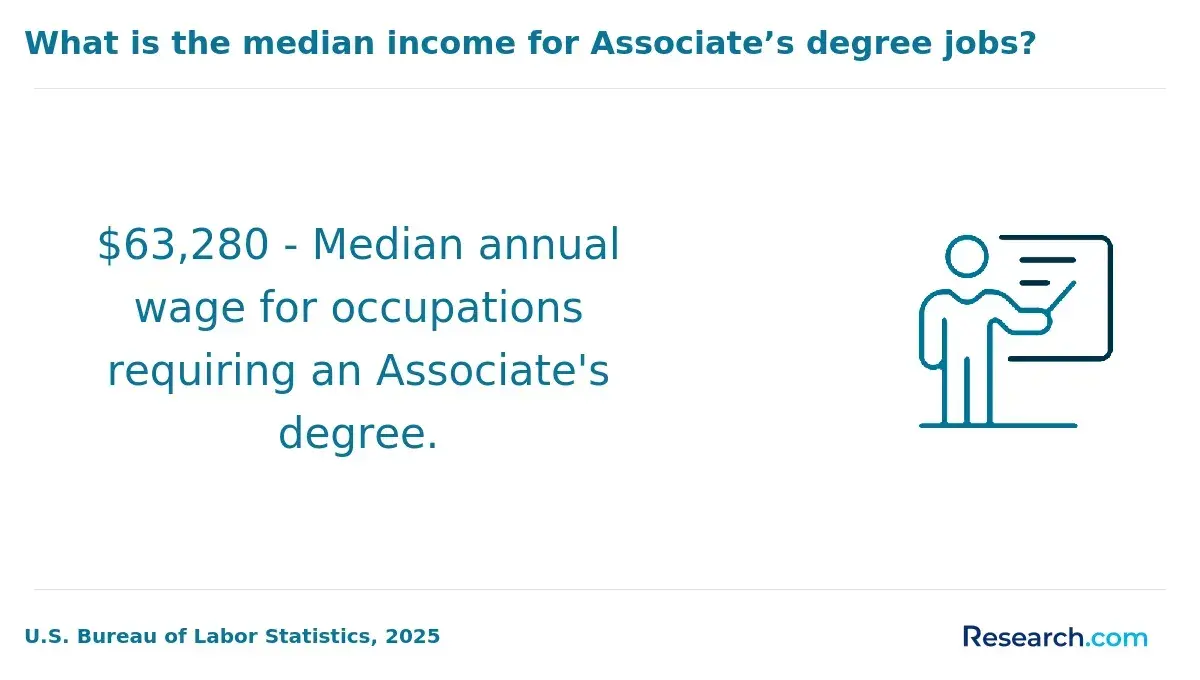
The fastest financial return usually comes from roles that hire bachelor's graduates directly, do not require state educator licensure, and build transferable experience within the first year. These jobs may not always have the highest lifetime ceiling, but they help graduates start earning sooner and avoid the opportunity cost of immediately entering graduate school.
The table below focuses on speed to employment and early career practicality, not just salary. Use it to identify roles where an educational leadership degree can become marketable quickly through internships, campus work, volunteer leadership, or part-time experience.
| Entry-level role | Why the return can be fast | Experience that improves hiring odds | Best next move |
| Training coordinator | Employers often need help scheduling sessions, tracking completion, and supporting trainers. | LMS use, public speaking, onboarding support | Move into training specialist or learning designer roles. |
| Admissions counselor | Many colleges hire bachelor's graduates for recruitment and student-facing communication. | Campus ambassador work, CRM use, presentation experience | Advance into enrollment management, recruitment strategy, or student success. |
| Program coordinator | Nonprofits, youth organizations, and agencies need organized staff to run education programs. | Scheduling, volunteer coordination, data reporting | Build budget and grant experience to move into program manager roles. |
| HR assistant with learning duties | HR departments often combine onboarding, records, compliance training, and employee support. | Excel, HRIS exposure, confidentiality, compliance awareness | Specialize in talent development or HR operations. |
| Student success assistant | Colleges and training providers need support for retention, advising, and learner outreach. | Peer mentoring, tutoring, case notes, basic analytics | Develop advising, retention, and data skills for higher-responsibility roles. |
Fast-return paths are especially useful if you are comparing educational leadership with shorter credential routes in other fields. For example, someone evaluating fast-track LPN programs online would compare time-to-earnings, licensing requirements, clinical obligations, and wage ceilings in the same way an education student should compare training, HR, and program roles.
To speed up ROI after graduation, prioritize work experience before you finish the degree. The most useful early moves are specific and measurable.
- Complete at least one internship or campus job connected to training, admissions, advising, HR, youth programming, or nonprofit operations.
- Build a portfolio with training slides, needs assessments, program plans, evaluation summaries, or sample learner communications.
- Learn one learning management system, one spreadsheet tool, and one customer or student relationship management platform.
- Track outcomes such as attendance improvement, training completion, volunteer retention, or learner satisfaction instead of listing duties only.
Location can change ROI in two ways: it affects what you pay for the degree and what you can earn after graduation. College Board's 2024 pricing report placed average published tuition and fees at $11,610 for in-state public four-year colleges and $43,350 for private nonprofit four-year colleges in 2024-25, before grants and scholarships. That gap matters because educational leadership salaries vary widely by occupation, so overborrowing can weaken ROI even when the career path is sound.
The table below shows how location-related decisions affect bachelor's-level ROI. It is meant to guide comparison, not rank states, because local wages, rent, transportation, and employer mix vary within each state.
| Location factor | How it affects ROI | What to compare before enrolling |
| In-state versus out-of-state tuition | Lower tuition reduces the salary needed to break even after graduation. | Net price after grants, not just published tuition. |
| Urban labor markets | More colleges, nonprofits, hospitals, agencies, and corporate employers may create more openings. | Rent, commute costs, and competition for entry-level roles. |
| Rural or smaller markets | Lower living costs can help, but fewer education operations and corporate training roles may limit job choice. | Remote-work options and regional employer partnerships. |
| States with strong public agencies | Government workforce and community programs can provide stable employment. | Hiring timelines, benefits, salary steps, and pension rules. |
| Remote-friendly roles | LMS administration, customer education, and virtual training can expand job options beyond the local market. | Whether employers require occasional travel or specific time zones. |
A good ROI strategy is to choose the lowest-cost accredited program that still gives you access to internships, employer partnerships, career coaching, and relevant technology practice. If you plan to work in a lower-wage region, debt control becomes even more important than school prestige.
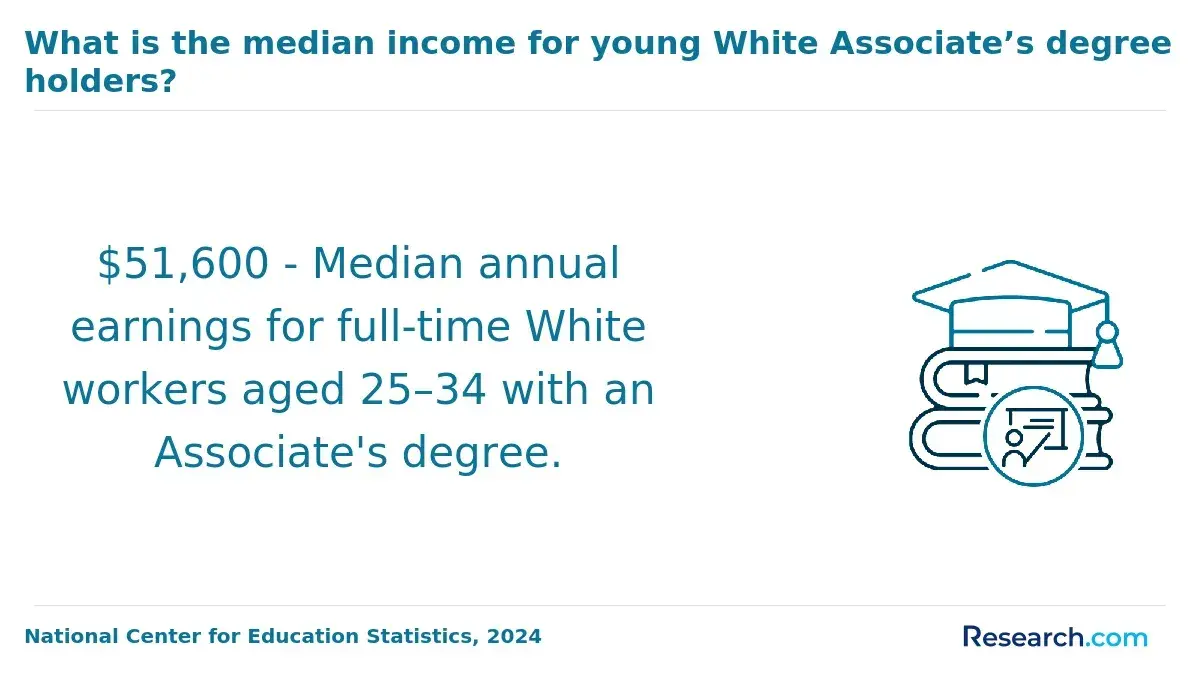
Skills are one of the biggest ROI multipliers for educational leadership graduates because many bachelor's-level jobs are skill-screened before they are degree-screened. Employers want proof that you can organize people, improve learning outcomes, communicate clearly, and use technology to track results.
The most valuable skills combine education knowledge with business, data, and digital delivery. Focus on abilities that can be shown in a portfolio or quantified on a resume.
- Learning design: writing objectives, creating lesson materials, building onboarding modules, and aligning activities with measurable outcomes.
- Facilitation and presentation: leading workshops, handling group discussion, and adapting explanations for adult learners, students, families, or staff.
- Data literacy: using spreadsheets, survey results, attendance reports, completion rates, and dashboards to improve programs.
- Project coordination: managing timelines, stakeholders, budgets, event logistics, vendors, and documentation.
- Learning technology: using LMS platforms, video tools, assessment software, CRM systems, and basic AI-supported content tools responsibly.
- Compliance awareness: understanding privacy, documentation, mandated training, accessibility, and workplace policy requirements.
AI is changing this field, but it is not eliminating the need for human education leaders. It is increasing demand for graduates who can evaluate AI-generated content, protect learner privacy, personalize training responsibly, and measure whether digital learning actually works. Students comparing education-adjacent fields can use the same skills-first lens when evaluating an exercise science online degree, where employability also depends heavily on applied skills, credentials, and supervised experience.
Certifications can improve earnings without graduate school when they fill a clear employer need. The best choices depend on whether you want to work in corporate training, HR, project management, early childhood administration, or education technology.
The table below summarizes certifications and credentials that may strengthen a bachelor's-level educational leadership resume. Requirements, costs, renewal rules, and employer recognition vary, so verify details with the issuing organization and job postings in your target region.
| Certification or credential area | Best for | How it can improve ROI |
| ATD APTD or CPTD | Training and development, instructional support, corporate learning | Signals commitment to talent development and may help candidates move beyond coordinator roles. |
| SHRM-CP or PHR | HR training, onboarding, employee relations, talent development | Helps education graduates compete for HR roles where policy and compliance knowledge matter. |
| CAPM or PMP pathway | Program coordination, education operations, nonprofit management | Builds project management credibility for roles involving timelines, budgets, and stakeholders. |
| State childcare director credential | Early childhood center leadership | May be required or strongly preferred for director roles, depending on state rules. |
| LMS or education technology certificates | Learning systems administration, edtech implementation, virtual training | Shows practical platform ability, which can matter more than an additional degree for technical support roles. |
Unlike licensed clinical routes such as online pharmacy school, most bachelor's-level educational leadership roles do not have one universal license that unlocks the profession. That gives students flexibility, but it also means they must choose certifications strategically instead of collecting credentials that employers do not request.
Employer type and company size can change ROI as much as job title. A "training coordinator" at a large hospital system, a small nonprofit, a state agency, and an edtech company may involve different pay, benefits, advancement speed, and skill expectations.
The table below explains how employer settings commonly affect financial return. Use it alongside job postings, benefits information, and local salary data rather than relying on employer category alone.
| Employer type | Potential ROI advantage | Potential trade-off | Best-fit graduate profile |
| Large corporations | More structured training departments, promotion ladders, and technology budgets. | Competition can be strong, and business metrics may drive performance reviews. | Graduates with data, presentation, LMS, and stakeholder management skills. |
| Hospitals and healthcare systems | Recurring compliance and staff education needs can support stable training roles. | Some educator jobs require clinical credentials, limiting options for nonclinical graduates. | Graduates interested in operations, onboarding, patient experience, or workforce training. |
| Colleges and universities | Clear mission fit and access to tuition benefits at some institutions. | Senior roles may prefer graduate degrees, and pay varies widely by department. | Graduates interested in admissions, advising, student success, or enrollment operations. |
| Government agencies | Stability, benefits, and structured pay scales can support long-term ROI. | Hiring processes may be slower, and raises may follow fixed schedules. | Graduates who value policy, workforce development, public service, and compliance. |
| Small nonprofits | Broad responsibility can accelerate leadership experience. | Budgets may limit salary growth, training funds, and staffing support. | Graduates who want hands-on program leadership and can handle multiple functions. |
| Edtech companies | Faster growth potential in implementation, customer education, and learning operations. | Startup volatility and sales pressure can increase risk. | Graduates comfortable with software, client communication, and rapid change. |
A common red flag is accepting a low-paid education role with vague advancement promises. Before you say yes, ask how promotions work, what skills are rewarded, whether professional development is funded, and whether the role gives you measurable outcomes you can use for your next move.
Future ROI is improving for educational leadership graduates who can connect learning, technology, workforce development, and analytics. These emerging paths are not always labeled "educational leadership," so students should search broadly across learning operations, talent development, education technology, customer education, and workforce programs.
The strongest future-facing paths usually blend human-centered leadership with digital systems. They are especially attractive for bachelor's graduates who want to avoid graduate school while still building specialized expertise.
- Learning experience design assistant: supports digital course creation, microlearning, onboarding modules, and learner engagement.
- LMS administrator: manages learning platforms, enrollment rules, reporting, user support, and training records.
- Customer education specialist: teaches customers how to use software or services, often in edtech, healthcare technology, or business platforms.
- Workforce development analyst: supports training programs tied to employment, reskilling, apprenticeships, and labor market needs.
- Learning analytics coordinator: uses completion data, assessment results, surveys, and dashboards to improve programs.
- AI-enabled training coordinator: helps teams use AI tools for drafts, simulations, practice activities, and knowledge checks while maintaining accuracy and accessibility.
Students drawn to analytics-heavy learning roles sometimes compare this path with bioinformatics degree salary and jobs because both require comfort with data, tools, and applied problem-solving. The difference is that educational leadership analytics usually focuses on people development and program improvement rather than biological or clinical datasets.
The main risk in emerging roles is chasing buzzwords instead of building durable skills. Prioritize jobs and projects that give you evidence of impact: faster onboarding, better completion rates, improved learner satisfaction, stronger retention, or cleaner compliance reporting.
Students should evaluate ROI by comparing total education cost with realistic bachelor's-level career outcomes, not by assuming a degree title automatically leads to leadership pay. The smartest approach is to identify the job family first, then work backward to the degree format, cost, experience, and credentials that support it.
Use the steps below before enrolling, transferring, borrowing, or deciding whether to continue into graduate school.
- Choose three target roles, such as training specialist, HR learning coordinator, program manager, admissions counselor, or childcare center director.
- Read current job postings in your preferred region and list the required degree, software, certifications, years of experience, and salary range when posted.
- Calculate net program cost after grants, scholarships, employer tuition aid, transfer credits, and fees.
- Estimate opportunity cost by comparing immediate workforce entry with the time and cost of graduate school.
- Ask whether a master's degree is required, preferred, or unnecessary for the roles you actually want.
- Prioritize programs that include internships, portfolio projects, career coaching, adult learning coursework, leadership practice, and technology exposure.
- Set a debt limit based on conservative entry-level salary expectations rather than best-case senior salaries.
When comparing this degree with longer professional pathways such as online pharmacy school, remember that ROI depends on the full pathway: admissions requirements, years of study, licensing rules, unpaid training time, debt, and the salary needed to justify that investment. Educational leadership can be a strong bachelor's-level choice when you want flexible leadership-adjacent roles, but it is not the fastest path to licensed school administration.
The biggest mistakes are assuming graduate school is always necessary, borrowing for a high-cost program without checking target salaries, ignoring employer-paid training, and choosing a role with no measurable outcomes. A bachelor's degree is enough when your target jobs hire bachelor's graduates and reward experience; graduate school makes more sense when it is legally required, clearly preferred for promotion, or funded in a way that does not damage ROI.
Some educational leadership careers start modestly but grow well because they lead to management, analytics, compliance, or revenue responsibility. The key is to choose roles that create evidence of leadership outcomes, not just years of service.
The table below compares common bachelor's-accessible growth ladders. It also shows where a graduate degree may eventually help, so readers can avoid assuming the same rule applies to every career.
| Career ladder | Typical early role | Growth role without graduate school | When graduate school may matter |
| Corporate learning | Training coordinator | Learning and development specialist, training manager, enablement lead | A master's may help in senior organizational development roles but is not always required. |
| HR and talent development | HR assistant or HR coordinator | HR specialist, talent development specialist, HR business partner | Graduate education may help in executive HR, but certifications and results can carry significant weight. |
| Nonprofit education programs | Program coordinator | Program manager, director of education programs, community service manager | A graduate degree may help for policy, research, or executive leadership roles. |
| Higher education operations | Admissions or student success counselor | Assistant director, enrollment manager, student services manager | Many senior student affairs and academic administration roles prefer a master's degree. |
| Early childhood administration | Assistant center director | Center director, multi-site coordinator, regional operations manager | State director credentials may matter more than a graduate degree for some roles. |
The common mistake is choosing a first job only because it has the highest starting pay. A slightly lower-paying role with supervision, budget exposure, employer-paid certification, or learning technology experience can produce better long-term ROI than a static role with limited advancement.
Other Things You Should Know About Educational Leadership
Yes, for many roles in training, HR, program coordination, admissions, student success, nonprofit education, and edtech support. It is usually not enough by itself for licensed public school administrator roles such as principal or superintendent.
For many graduates, corporate training, HR talent development, workforce development, and education program management offer the best mix of pay, accessibility, and advancement without graduate school. The best option depends on your location, experience, and technical skills.
Often, yes. Working first helps you confirm your target role, build experience, reduce borrowing, and possibly qualify for employer tuition assistance. Graduate school is more financially convincing when it is required for a specific promotion or license.
Look for regional accreditation, transparent net cost, transfer-credit policies, internships, leadership projects, adult learning or training coursework, technology practice, and career support tied to your target roles.
- 6 Best Career Opportunities in Educational Leadership https://www.manchester.ac.ae/blog-post/6-best-career-opportunities-in-educational-leadership
- Median lifetime earnings rise with each additional level of education, report finds https://www.highereddive.com/news/median-lifetime-earnings-rise-with-each-additional-level-of-education-repo/607808/
- Does College Pay Off? A Comprehensive Return On Investment Analysis - FREOPP https://freopp.org/whitepapers/does-college-pay-off-a-comprehensive-return-on-investment-analysis/
- Is College Worth it? | Return on Investment Analysis of College Degree https://educationdata.org/college-degree-roi
- Will the cost of a college degree actually pay off? https://hechingerreport.org/data-about-cost-debt-and-earnings-make-it-possible-to-calculate-the-return-on-education/
- Doctor of Education EdD Salary and Career Outlook https://teach.com/online-ed/education-degrees/online-edd-programs/edd-careers/
- EdD Salary - How much can you make with a Doctor of Education (EdD) degree? (2025 Update) https://www.onlineeddprograms.com/faqs/edd-salary
- How does a college degree improve graduates’ employment and earnings potential? - APLU https://www.aplu.org/our-work/4-policy-and-advocacy/publicuvalues/employment-earnings/
- Advanced degrees bring higher starting salaries – but also higher debt https://theconversation.com/advanced-degrees-bring-higher-starting-salaries-but-also-higher-debt-133328
- Educational Leadership Career Planner https://www.snu.edu/educational-leadership-career-planner