2027 Educational Leadership Degree Education Premium Report: How Pay Changes From Bachelor's to Master's to Doctorate

Co-Founder and Chief Data Scientist
Educational leadership is one of the clearest examples of a degree decision where the "right" credential depends on the job you want. BLS wage data published for May 2024 places median pay for K-12 education administrators at about $104,000, far above many classroom teaching roles, but those positions often require graduate preparation and state administrator licensure.
This guide is for teachers, career changers, and education professionals comparing bachelor's, master's, and doctoral paths. You will learn how pay changes, where the premium comes from, and how to judge whether the added cost is worth it.
Key Things You Should Know
- A bachelor's degree can qualify you for teaching, training, or entry-level education roles, but the largest educational leadership pay jump usually appears when a master's degree plus administrator licensure opens access to principal, assistant principal, district, or instructional leadership roles.
- BLS 2024 national education-attainment data show a broad labor-market premium from bachelor's to master's-level education, with median weekly earnings rising from $1,543 to $1,840 among full-time workers age 25 and older; use this as a general benchmark, not a guarantee for educational leadership.
- The master's degree often offers the strongest pay gain relative to time and cost because many leadership promotions require it, while a doctorate is more valuable for superintendent, college administration, research, faculty, policy, or executive roles than for routine K-12 administrative advancement.
- How Much More Do Educational Leadership Degree Holders Earn With a Bachelor's, Master's, or Doctorate?
- How Do Entry-Level Salaries Compare for Educational Leadership Bachelor's, Master's, and Doctoral Graduates?
How Much More Do Educational Leadership Degree Holders Earn With a Bachelor's, Master's, or Doctorate?
The education premium in educational leadership is the additional compensation associated with moving from one credential level to another after accounting for job type, experience, licensure, employer, and location. It is not simply the difference between three average salaries, because a bachelor's graduate, a licensed principal with a master's, and a district executive with a doctorate are often working in different occupations.
National wage data are most useful when they are treated as benchmarks. BLS 2024 education-attainment data show that full-time workers age 25 and older with a master's degree had median weekly earnings of $1,840, compared with $1,543 for bachelor's degree holders. Annualized over 52 weeks, that difference is about $15,444 before taxes, but an educational leadership student should ask whether the degree actually leads to a promotion, not whether the national average looks attractive.
The table below separates the degree levels by typical career use, because the strongest pay gains in educational leadership usually come from moving into a higher-responsibility role rather than from the credential alone.
| Degree level | Common educational leadership use | Pay-premium pattern | Best-fit reader |
| Bachelor's | Teaching preparation, training roles, education support, program coordination, early leadership experience | Often limited for formal school administration unless paired with teaching licensure and experience | Students entering education or teachers building the foundation for later leadership roles |
| Master's | Principal preparation, teacher leadership, curriculum leadership, instructional coordination, some district roles | Usually the strongest practical premium when it unlocks administrator licensure or a leadership pay scale | Licensed educators who want promotion into school or district leadership |
| Doctorate | Superintendency, executive leadership, higher education administration, research, policy, faculty, consulting | Can pay more than a master's, but the premium is narrower unless the target role values doctoral credentials | Experienced leaders seeking senior, research-intensive, or system-level positions |
A bachelor's degree is rarely the endpoint for someone who wants to become a principal or superintendent. A master's degree is the common pivot point because many states and employers connect it to administrator preparation. A doctorate is more selective: it can improve credibility and access for senior leadership, but it should be tied to a specific career target before you invest the time and money.
How Do Entry-Level Salaries Compare for Educational Leadership Bachelor's, Master's, and Doctoral Graduates?
Entry-level salary comparisons can be misleading because educational leadership is usually not an entry-level field. Many school administrator roles require classroom teaching experience, a graduate program, and state administrator credentials, so a new bachelor's graduate and a new master's graduate may not be competing for the same jobs.
BLS occupational data published for May 2024 show why this distinction matters: classroom teaching and instructional support roles generally sit below K-12 education administrator pay, but the administrator role usually requires experience and formal preparation. That means the master's premium often appears after several years in the workforce, not immediately after graduation.
The table below shows how early-career pathways commonly differ by credential. It is designed to help readers avoid comparing a first teaching job with a midcareer administrative job as if both were immediate post-graduation outcomes.
| Credential at career entry | Likely early role | What limits the salary premium | What can raise earnings later |
| Bachelor's in education or related field | Teacher, education assistant, training coordinator, youth program staff, admissions or student services support | Formal administrator jobs are usually not available without experience, licensure, or graduate study | Teacher licensure, strong classroom performance, leadership assignments, graduate preparation |
| Master's in educational leadership | Assistant principal candidate, instructional coach, department chair, curriculum specialist, dean, leadership-track teacher | Some districts require years of teaching before moving into administration | Administrator certification, principal internship, school improvement results, union or district pay scale movement |
| Doctorate in educational leadership | Advanced administrative candidate, higher education administrator, policy analyst, leadership consultant, faculty-track applicant | Doctoral pay gains are limited if the role does not require or reward the credential | Executive leadership experience, research record, superintendent eligibility, system-level responsibilities |
Students comparing education pathways with faster workforce-entry programs should be especially careful about timing. A short credential can lead to quicker earnings in some fields, as seen in options such as fast-track LPN programs online, while educational leadership typically rewards a longer sequence of teaching, licensure, and promotion.
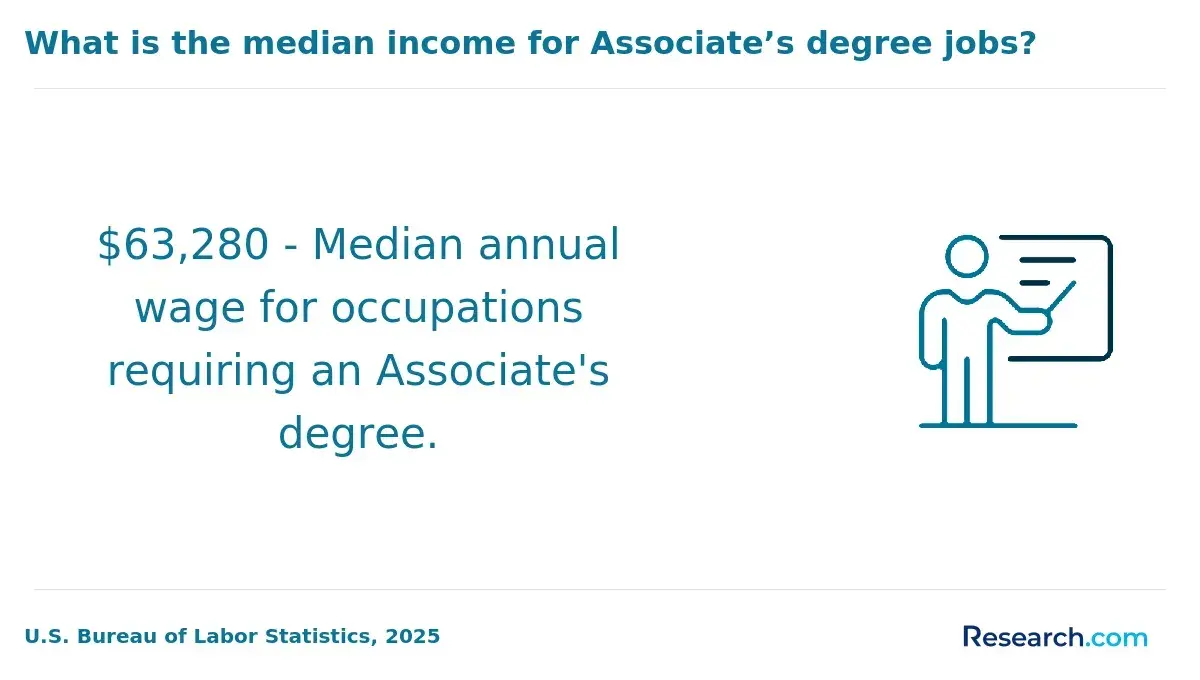
The educational leadership education premium tends to change across a career because responsibilities become more specialized and supervisory over time. Early on, experience and licensure may matter more than degree level. At midcareer, a master's degree can become the key that opens school administration. Later, a doctorate may matter more for district-level, higher education, research, or policy leadership.
A practical way to understand the premium is to map each degree level to the career stage where it usually has the most influence. The table below summarizes the pattern without implying that every district, state, or employer follows the same progression.
| Career stage | Bachelor's impact | Master's impact | Doctorate impact |
| Early career | Qualifies many candidates for teaching or education support roles | May increase eligibility for leadership-track assignments but may not immediately change job title | Usually uncommon unless the person is entering research, policy, or higher education |
| Midcareer | Often becomes insufficient for formal administrative promotion | Often has the highest practical value because it aligns with principal or instructional leadership requirements | Useful if the professional is targeting district, postsecondary, or specialized leadership roles |
| Late career | Experience can still carry weight, but advancement may be capped | Can support stable leadership compensation and advancement within school systems | Can strengthen candidacy for superintendent, executive, consulting, or university leadership roles |
The most common mistake is assuming the premium is linear. A doctorate does not automatically produce a larger return than a master's in every school district. If the employer's salary schedule pays the same for master's and doctoral administrators, or if doctoral pay steps are small, the financial return may depend more on whether the doctorate unlocks a different job category.
A doctorate in educational leadership can pay more than a master's degree, but the additional return is highly role-dependent. The degree is usually most defensible financially when it supports a move into superintendent roles, cabinet-level district leadership, higher education administration, education policy, university teaching, applied research, or consulting.
BLS 2024 education-attainment data show that doctoral degree holders across the labor market had higher median weekly earnings than master's degree holders. However, educational leadership candidates should not treat the broad national doctorate premium as a prediction, because many K-12 employers pay based on position, years of service, contract structure, and administrative salary bands rather than degree level alone.
The table below compares the master's-to-doctorate decision from a financial and career perspective. It helps clarify when the doctorate is a strategic investment and when it may be more of a professional or personal goal.
| Question | Master's usually fits when... | Doctorate may fit when... |
| What role are you targeting? | Principal, assistant principal, instructional coach, curriculum leader, dean, administrator licensure | Superintendent, chief academic officer, college administrator, professor, policy leader, senior consultant |
| How direct is the salary gain? | Often more direct if the degree is required for administrator licensure or promotion | Less direct unless the target role requires or strongly prefers a doctorate |
| How long is the program? | Often shorter and easier to complete while employed | Longer, with dissertation or capstone demands that can affect work-life balance |
| What is the main risk? | Completing a program that does not meet state or employer requirements | Taking on high cost for a role where experience matters more than the credential |
The doctorate is usually not the best first graduate degree for a teacher who simply wants to move into building-level administration. It becomes more persuasive after you have leadership experience, a clear promotion target, and evidence that employers in your region reward doctoral preparation.
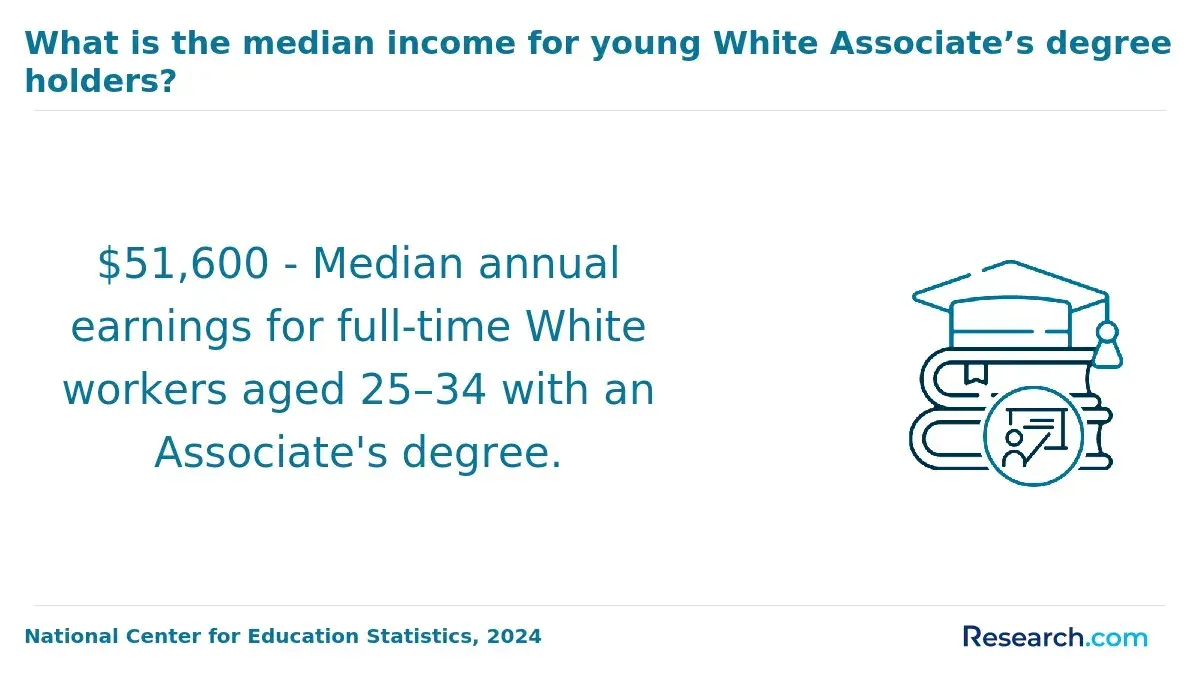
Educational leadership careers differ in how strongly they require advanced degrees. Some roles require a graduate degree by law, licensing rule, or district policy. Others only prefer it, which means experience, relationships, demonstrated results, and certifications may carry as much weight as education level.
The table below summarizes common roles and the degree expectations readers should verify before enrolling. Requirements vary by state and employer, so this should be used as a planning framework rather than a universal rule.
| Career or promotion target | Typical responsibilities | Common education expectation | Other common requirements |
| Teacher leader or department chair | Mentor teachers, coordinate curriculum, support instructional improvement | Bachelor's required for teaching; master's often preferred | Teaching license, strong evaluations, subject expertise |
| Instructional coordinator | Develop curriculum, analyze assessment data, train teachers | Master's often expected by employers | Teaching or curriculum experience; sometimes licensure |
| Assistant principal | Manage discipline, operations, teacher support, family communication | Master's in educational leadership or related administrator preparation often required | Administrator license, teaching experience, internship |
| Principal | Lead school operations, instruction, staffing, budget, compliance, community relations | Master's commonly required | State principal certification, prior teaching and leadership experience |
| District administrator | Oversee curriculum, student services, operations, assessment, human resources, or school improvement | Master's required in many systems; doctorate sometimes preferred | Administrative experience, specialized expertise, state credentials |
| Superintendent or executive leader | Lead school system strategy, board relations, budgets, policy, labor relations, community outcomes | Advanced graduate study often expected; doctorate may be preferred | Superintendent certification where required, extensive administrative experience |
Before choosing a program, contact your state licensing agency, district human resources office, and potential graduate school. Ask whether the program leads to the exact endorsement or administrator credential required for your target role, because a master's degree without the required licensure pathway may not create the promotion premium you expect.
The largest graduate-degree pay premiums in educational leadership usually appear in specializations that connect directly to higher responsibility, scarce expertise, or system-level decision-making. A general leadership degree can be useful, but the return may be stronger when the curriculum matches a role that employers already pay more to fill.
Specialization matters because two people can both hold a master's in educational leadership while competing for very different jobs. The table below shows where graduate study may have stronger or weaker compensation leverage.
| Specialization or focus | Why it can raise the premium | Typical employer setting |
| Principal preparation | Directly aligns with building-level leadership and administrator licensure | Public, charter, private, and independent schools |
| Curriculum and instruction leadership | Supports instructional coordinator, academic dean, and district curriculum roles | School districts, education agencies, curriculum organizations |
| Special education leadership | Combines compliance, service delivery, staffing, and legal-risk responsibilities | District offices, schools, specialized education providers |
| Higher education administration | Targets college operations, student affairs, admissions, enrollment, and academic administration | Colleges, universities, community colleges |
| Education policy or research | Can support analyst, nonprofit, government, or doctoral-level research roles | Agencies, think tanks, universities, foundations |
| Technology, data, and assessment leadership | Connects leadership with analytics, accountability, learning systems, and AI-supported decision tools | Districts, edtech firms, state agencies, universities |
Current trends are changing the value of some specializations. AI-supported assessment tools, data dashboards, online learning systems, cybersecurity concerns, and chronic staffing challenges are increasing demand for leaders who can make evidence-based decisions, manage technology adoption, and communicate change clearly.
Students considering education-adjacent careers should compare leadership specializations with other applied fields before committing. For instance, someone interested in student wellness, coaching, or performance may want to compare educational leadership with an exercise science online degree to see which path better fits their salary expectations and preferred work setting.
The educational leadership premium is highest where administrator compensation, cost of living, employer budgets, union or contract structures, and licensure rules align. A master's degree may pay off quickly in one district and slowly in another, even when the job title is similar.
BLS May 2024 wage data show that education administrator pay varies substantially by occupation and region, which means national medians should be used as a starting point rather than a final answer. For readers, the practical takeaway is simple: compare local posted salaries, not only national figures.
The table below explains how location and employer type can affect the degree premium. Use it to decide where to research salary schedules and job postings before enrolling.
| Factor | How it affects the premium | What to check |
| Public school district | Salary schedules may clearly reward administrator roles, years of service, and sometimes degree steps | Administrator contract, salary schedule, licensure requirements, leadership vacancies |
| Charter school network | Pay may be more flexible but less standardized than district schedules | Promotion history, leadership turnover, performance expectations, benefits |
| Private or independent school | Advanced degrees may strengthen candidacy, but compensation varies widely by school resources | Leadership structure, tuition base, benefits, degree preferences |
| Higher education employer | Doctoral credentials may matter more for academic administration, faculty-adjacent work, or research leadership | Minimum qualifications, faculty status, terminal-degree preferences |
| State education agency or nonprofit | Graduate degrees can support policy, compliance, and program leadership roles | Civil service classification, grant funding, policy experience requirements |
| High-cost metropolitan area | Nominal salaries may be higher, but housing and commuting can reduce real ROI | Cost of living, commuting time, pension rules, relocation costs |
The best local research method is to collect actual job postings for your target role, then record the listed salary range, required degree, preferred degree, required license, and years of experience. If nearly every posting requires a master's, the degree premium is tied to eligibility. If postings only prefer a doctorate, the doctoral premium may depend more on competition and leadership record.
Experience, certifications, and licensure can outweigh an advanced educational leadership degree when the role is regulated, practice-based, or tied to demonstrated school outcomes. In many districts, an applicant with a master's degree, administrator license, strong teaching record, and successful assistant principal experience may be more competitive than a doctoral graduate with limited leadership experience.
This is especially important because educational leadership is not just an academic field. Leaders manage staff, budgets, student safety, family concerns, compliance, instruction, labor issues, and school culture. Employers look for evidence that the candidate can do the work under pressure.
The following credentials and experience signals can change the value of a degree. They are worth checking before you enroll because they may determine whether your degree leads to promotion eligibility.
- State principal, administrator, or superintendent licensure required for the target role
- Documented teaching experience, especially in the grade band or subject area relevant to the school
- Administrative internship, residency, or leadership practicum completed in an accredited preparation program
- Experience with teacher evaluation, curriculum design, school improvement plans, budgets, and compliance reporting
- Evidence of measurable results, such as improved attendance, instructional quality, graduation outcomes, or program implementation
- Specialized credentials in special education, bilingual education, assessment, school finance, or instructional technology where relevant
A common red flag is enrolling in an advanced degree because it sounds prestigious without confirming that it meets licensure rules. Another is assuming that an online or out-of-state program will automatically satisfy local administrator requirements. Always verify accreditation, state approval, internship placement, and endorsement alignment before committing.
Educational leadership salary data should be interpreted carefully because degree level, occupation, and experience are deeply intertwined. A principal with a master's degree is not simply a "master's graduate"; that person may also have years of teaching experience, state licensure, a leadership internship, and a district contract that determines pay.
The strongest salary analysis compares like with like. Do not compare national bachelor's earnings across all occupations with local principal salaries and conclude that the entire gap is caused by the master's degree. Much of the difference may come from occupation, promotion, location, and years of service.
Use the following checklist when evaluating salary claims from schools, job boards, or national datasets. It will help you separate useful evidence from marketing or mismatched comparisons.
- Confirm whether the salary figure is national, state, metro-area, district-specific, or employer-specific.
- Check whether the data refers to teachers, instructional coordinators, principals, postsecondary administrators, superintendents, or all education administrators combined.
- Identify whether the number is a median, mean, entry-level estimate, posted salary range, or self-reported alumni outcome.
- Ask whether the salary is linked to a required credential, a preferred credential, a union contract, or a discretionary promotion process.
- Include total degree cost, interest, fees, commuting, internship requirements, and any unpaid time away from work.
- Test multiple scenarios, including delayed promotion, relocation, part-time study, and staying in your current role.
Report limitations matter. BLS data are reliable for broad occupational and education-attainment comparisons, but they do not isolate the exact causal value of an educational leadership degree. School-reported outcomes may be useful, but they can reflect small samples, voluntary responses, or graduates who were already employed in education leadership before completing the degree.
Finally, compare educational leadership with other fields only when the labor market logic is similar. A technical field with direct employer demand may show different salary dynamics; for example, readers evaluating data-oriented careers may want to review bioinformatics degree salary and jobs separately rather than assuming graduate premiums work the same way across fields.
A master's degree in educational leadership is often worth considering when it qualifies you for a specific promotion that you could not otherwise obtain. The ROI case is strongest for licensed teachers who plan to remain in education, have administrator experience or internships available, and work in states or districts where principal or leadership roles require graduate preparation.
Cost is the part many applicants underestimate. Federal student aid rules allow graduate students to borrow up to $20,500 per year in Direct Unsubsidized Loans before considering Grad PLUS borrowing, so a master's program can quickly become expensive if tuition, fees, books, commuting, and reduced work hours are not planned carefully.
Use the following steps to estimate whether a master's degree is financially reasonable for your situation. This process is more reliable than relying on a school's advertised career outcomes alone.
- Identify the exact target role, such as assistant principal, principal, instructional coordinator, dean of students, or district curriculum leader.
- Check whether your state, district, or employer requires a master's degree, administrator preparation program, certification exam, internship, or minimum teaching experience.
- Compare your current compensation with the posted salary range for the target role in your district or region.
- Add the full cost of attendance, including tuition, fees, books, travel, licensure exams, and any income lost while studying.
- Divide the total cost by the realistic annual salary increase after taxes and retirement contributions to estimate payback time.
- Test a conservative scenario in which promotion takes longer than expected or requires moving to another employer.
As a rule of thumb, the master's degree is more attractive when the payback period is short, the credential is required for the role, and the program can be completed while you continue working. It is less attractive if you must leave paid employment, borrow heavily, or earn a degree from a program that is not aligned with state administrator requirements.
ROI also differs sharply by profession. For example, a clinical doctorate pathway such as an online pharmacy school is tied to a licensed healthcare occupation, while educational leadership degrees usually generate returns through promotion, employer salary schedules, and leadership experience.
Other Things You Should Know About Educational Leadership
The answer depends on whether the master's leads to a new role. Broad BLS 2024 education-attainment data show a national master's-level earnings premium over bachelor's-level earnings, but in educational leadership the bigger gain usually comes when the degree helps you qualify for assistant principal, principal, instructional coordinator, or district leadership positions.
It can be worth the cost if the program is required for your target promotion, meets state licensure rules, can be completed while working, and has a realistic payback period. It may not be worth it if you borrow heavily for a degree that does not improve promotion eligibility in your state or district.
A master's degree is commonly required or strongly expected for principal preparation, administrator licensure, instructional leadership, and many district-level roles. Requirements vary by state and employer, so confirm the exact license, endorsement, internship, and experience rules before enrolling.
Sometimes, but not automatically. A doctorate is most likely to improve pay when it supports superintendent, executive district, higher education, research, faculty, policy, or consulting roles. For many building-level administrative jobs, experience, licensure, and the role's salary band may matter more than the doctoral credential.
- Educational Leadership Degree: Master’s vs. Doctorate https://www.educationalleadershipdegree.com/blog/educational-leadership-degree-masters-vs-doctorate/
- Graduate degrees pay-but it’s complicated | Brookings https://www.brookings.edu/articles/graduate-degrees-pay-but-its-complicated/
- How Much Can a Master's Degree Increase a Teacher's Salary? https://www.pointloma.edu/resources/education/how-much-can-masters-degree-increase-teachers-salary-0
- Educational Leadership: Master’s vs. Doctorate Degree - Graduate Programs for Educators https://www.graduateprogram.org/blog/masters-vs-doctorate-educational-leadership-degree/
- Ed.D. Career & Salary Guide | EdDPrograms.org https://www.eddprograms.org/resources/edd-career-and-salary-guide/
- Master’s vs PhD: Which Degree Is Right for Your Career Goals? https://theredpen.in/blog/masters-vs-phd-everything-you-need-to-know/
- How Does an Educational Background Affect Salary? https://datacheckinc.com/blog/educational-background-affect-salary/
- Master vs. PhD: Salary, Jobs & Time, The Big Differences https://www.applykite.com/blog/phd-guide-master-vs-phd