2027 Educational Leadership Degree Job Posting Analysis: Skills, Credentials, and Experience Employers Request Most Often

Co-Founder and Chief Data Scientist
Choosing an educational leadership degree is really a hiring-market decision: will the credential match the roles you want? Employers are asking leaders to manage instruction, compliance, budgets, people, data, and technology at the same time. The stakes are meaningful: the U.S. Bureau of Labor Statistics reported a May 2024 median annual wage of $104,070 for elementary, middle, and high school principals.
This guide is for prospective students, teachers, administrators, and career changers who want to understand which qualifications matter most before investing in a degree, license, certification, or career move.
Key Things You Should Know
- Educational leadership postings most often prioritize state administrator licensure, instructional leadership, staff supervision, school improvement, budgeting, compliance, family engagement, and measurable student-outcome work.
- BLS May 2024 wage data places median pay near six figures for common leadership tracks: $104,070 for K-12 principals and $103,960 for postsecondary education administrators, but pay varies by role, district, institution, and region.
- The strongest candidates usually combine a graduate degree with leadership experience, data-informed decision-making, communication skills, and role-specific credentials; the degree alone is rarely enough for competitive postings.
- Which Industries Have the Highest Demand for Educational Leadership Graduates?
- Which Job Titles Appear Most Frequently in Educational Leadership Degree Job Postings?
Which Industries Have the Highest Demand for Educational Leadership Graduates?
Educational leadership job postings appear across K-12 schools, higher education, government agencies, nonprofits, education technology companies, and workforce-training organizations. Demand is strongest where organizations must coordinate instruction, compliance, student services, personnel, and public accountability.
The table below shows where educational leadership graduates most often find relevant openings and what employers tend to emphasize in each setting. Use it to decide whether your coursework, fieldwork, and résumé should lean toward school administration, student affairs, operations, policy, or organizational learning.
| Industry or employer type | Common roles | Most emphasized qualifications | Best fit for candidates who want |
| K-12 public school districts | Assistant principal, principal, curriculum director, instructional coach, district administrator | Administrator license, teacher leadership, school improvement, evaluation, family engagement, compliance | Direct responsibility for schools, teachers, students, and instructional outcomes |
| Charter and private schools | School leader, dean of students, academic director, operations director | Instructional leadership, enrollment awareness, culture-building, parent communication, staff management | More flexible school models with broader operational responsibility |
| Colleges and universities | Student affairs director, academic program manager, registrar leadership, admissions director | Student services, compliance, retention strategy, assessment, staff supervision, higher education systems | Leadership work outside K-12 licensure structures |
| Government and education agencies | Program manager, policy analyst, compliance specialist, grant administrator | Policy knowledge, reporting, grant management, stakeholder coordination, program evaluation | Systems-level work that affects schools or programs indirectly |
| Education nonprofits and foundations | Program director, partnership manager, learning and development leader | Community partnerships, outcomes measurement, training design, grant reporting, equity-focused programming | Mission-driven leadership without necessarily managing a school building |
| Education technology and training companies | Implementation manager, learning strategist, customer success leader, professional development manager | Technology adoption, adult learning, change management, data analysis, client communication | Education-adjacent leadership with private-sector pace and tools |
K-12 leadership tends to be the most credential-sensitive path because state licensure rules often control who can serve as principal or superintendent. Higher education, nonprofit, and edtech roles may value the same leadership degree but place more weight on project management, student-support systems, training design, or measurable program outcomes.
Which Job Titles Appear Most Frequently in Educational Leadership Degree Job Postings?
The most common job titles in educational leadership postings fall into three broad groups: building-level school leadership, district or academic leadership, and postsecondary or organizational administration. Titles vary widely, so students should search by function as well as by title.
The table below translates frequent titles into the kind of work employers usually expect. This helps you avoid applying only to "principal" roles if your degree also fits program management, instructional improvement, or student services positions.
| Frequently appearing title | Typical employer | Core responsibilities | Credential pattern |
| Assistant Principal | K-12 schools | Student discipline, teacher support, school operations, family communication, safety procedures | Graduate degree and administrator license often required or in progress |
| Principal | K-12 schools | Instructional leadership, staff evaluation, budgets, compliance, school culture, student achievement plans | Administrator license commonly required; teaching and leadership experience usually expected |
| Director of Curriculum and Instruction | Districts, charter networks, private schools | Curriculum adoption, assessment strategy, professional development, instructional coaching | Graduate degree often expected; administrator or curriculum credential may be preferred |
| Instructional Coach or Academic Coach | Schools and districts | Teacher coaching, lesson improvement, data review, professional learning communities | Teaching license and classroom success often more important than formal administrator licensure |
| Dean of Students | K-12 schools and colleges | Student conduct, engagement, support services, crisis response, family or campus communication | Varies by level; K-12 roles may require school credentials |
| Student Affairs Director | Colleges and universities | Student engagement, retention programs, staff supervision, compliance, student support | Master's degree commonly preferred or required; licensure usually not required |
| Program Manager or Education Program Director | Nonprofits, agencies, edtech, workforce training | Program delivery, partnerships, grant reporting, staff coordination, outcomes tracking | Degree plus project or program experience often matters more than school licensure |
The practical takeaway is that titles do not always reveal seniority. A "director" role in a nonprofit may be a mid-level program position, while a district director role may require years of school leadership and a formal administrative credential.
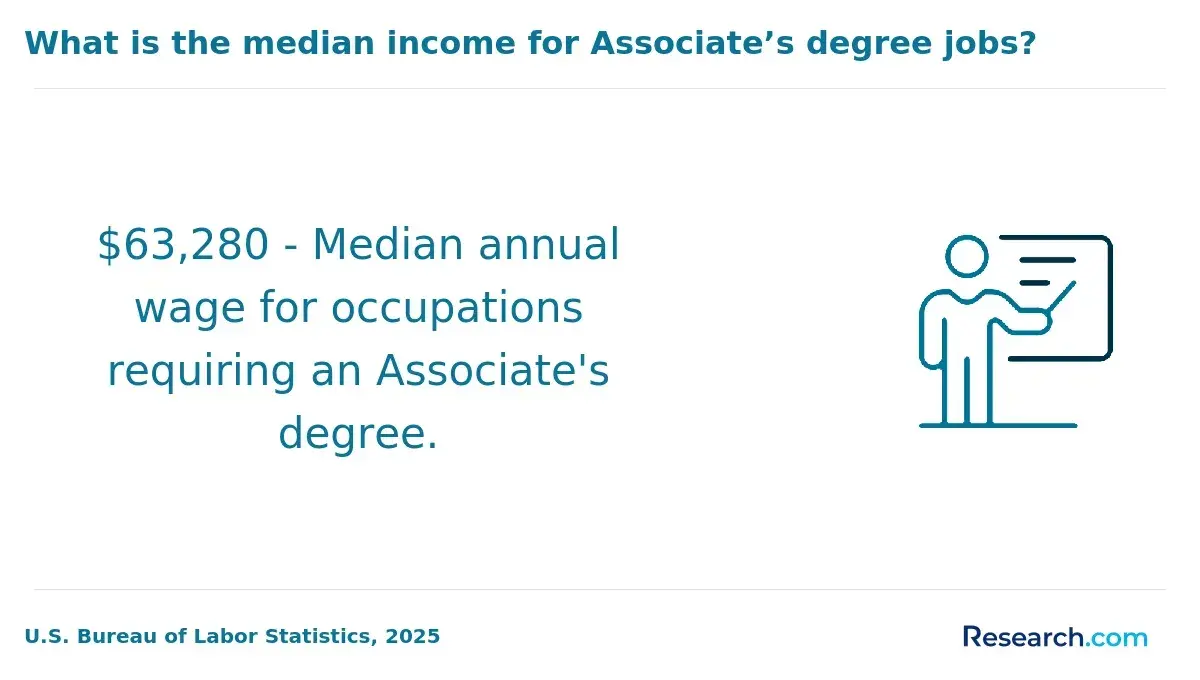
Employers rarely hire educational leaders for one skill alone. The strongest postings combine instructional knowledge, people leadership, compliance judgment, data use, and communication under pressure.
The table below groups the skills that appear most consistently in educational leadership job descriptions. It also shows how those skills usually appear in employer language, which can help you mirror relevant terms in a résumé or interview without keyword stuffing.
| Skill area | How employers describe it | Why it matters | Roles where it is especially important |
| Instructional leadership | Improving teaching practice, leading curriculum work, supporting standards-based instruction | Employers want leaders who can connect operations to learning outcomes | Principal, assistant principal, curriculum director, instructional coach |
| Staff supervision and evaluation | Coaching, observing, hiring, mentoring, performance management | Leadership roles require difficult personnel decisions and consistent feedback | Principal, department chair, director, dean |
| Data-informed decision-making | Using assessment data, dashboards, attendance data, retention data, and program metrics | Schools and organizations increasingly expect evidence-based improvement plans | District leader, student success director, program manager |
| Communication and stakeholder engagement | Working with families, faculty, boards, community partners, students, and agencies | Educational leaders often succeed or fail based on trust and clarity | All leadership roles |
| Budgeting and resource management | Managing funds, staffing plans, grants, purchasing, scheduling, and resource allocation | Leadership decisions must be financially realistic and compliant | Principal, operations director, program director |
| Compliance and policy knowledge | Understanding federal, state, district, institutional, or accreditation rules | Errors can affect funding, student rights, reporting, and organizational risk | Special education director, registrar leader, agency administrator |
| Change management | Leading initiatives, implementing new systems, managing resistance, training staff | Many postings involve turnaround efforts, technology rollouts, or curriculum transitions | Edtech implementation leader, district administrator, nonprofit director |
| Equity and inclusive practice | Supporting diverse learners, inclusive climate, culturally responsive leadership, accessibility | Employers expect leaders to address opportunity gaps and student support needs | K-12 leadership, student affairs, community programs |
Technical skills matter, but soft skills are not secondary in this field. A candidate who can analyze data but cannot communicate a decision to teachers, parents, students, or a board may struggle in roles where trust and implementation determine results.
Experience requirements in educational leadership postings usually reflect the level of authority attached to the role. Entry-level leadership jobs may accept teacher leadership or coordinator experience, while principal, director, and executive roles often expect documented supervision, budgeting, evaluation, or program-improvement responsibility.
The table below summarizes the experience patterns candidates commonly see across job levels. Use it to determine whether you should pursue a degree immediately, build leadership experience first, or do both at the same time.
| Career level | Typical experience employers expect | Examples of qualifying experience | What to strengthen before applying |
| Emerging leader | Classroom, advising, coaching, tutoring, or program support experience | Lead teacher, committee chair, grade-level lead, residence life coordinator, training facilitator | Document measurable projects, mentoring, curriculum work, or student-support results |
| First formal leadership role | Several years of education experience plus leadership assignments | Assistant principal candidate, instructional coach, department chair, program coordinator | Build evidence of staff coaching, data review, conflict resolution, and stakeholder communication |
| Mid-level administrator | Prior supervision or program ownership | Assistant principal, curriculum coordinator, student success manager, nonprofit program manager | Show budget responsibility, personnel evaluation, compliance work, and initiative outcomes |
| Senior leader | Progressive leadership with broad organizational responsibility | Principal, director, dean, district administrator, executive director | Demonstrate strategic planning, board or cabinet communication, multi-site leadership, and fiscal management |
Experience can sometimes outweigh the degree for education-adjacent roles, but it rarely replaces required licensure in public K-12 leadership. Students comparing career preparation models should notice the contrast with practice-based healthcare routes such as fast-track LPN programs online, where required clinical preparation is built into the path; educational leadership candidates often have to intentionally seek leadership projects, fieldwork, and supervisory exposure.
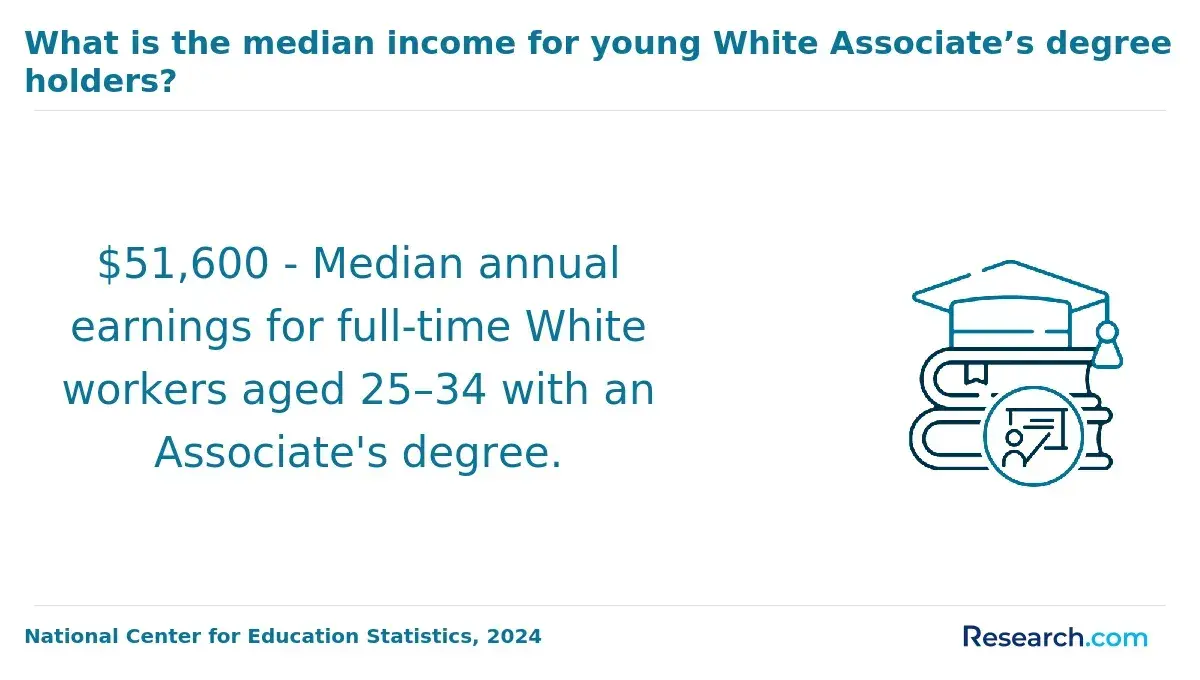
Certifications can improve competitiveness when they match the role's actual responsibilities. The most valuable add-ons are usually those tied to licensure, supervision, data use, compliance, project delivery, or specialized student populations.
The table below separates credentials that can be essential from those that work better as differentiators. Before paying for any certification, compare at least 10 current postings for your target title and state to see whether employers actually request it.
| Certification or license | How employers use it | Most relevant roles | Worth prioritizing when |
| State principal or administrator license | Often a minimum requirement | Assistant principal, principal, K-12 administrator | You want public school building leadership |
| Superintendent or district-level endorsement | Required or preferred for senior district roles | Superintendent, assistant superintendent, district director | You are moving beyond school-level leadership |
| Special education administrator credential | Required or preferred in specialized compliance-heavy roles | Special education director, student services administrator | You have special education experience or want compliance-focused leadership |
| Project Management Professional or similar project credential | Usually preferred, not required | Program manager, implementation manager, operations leader | Your target roles involve timelines, budgets, vendors, or cross-functional teams |
| Human resources or talent management certification | Occasionally preferred | HR director, talent development leader, staff recruitment administrator | You want personnel, staffing, or organizational development responsibilities |
| Data privacy, safety, or compliance training | Role-dependent differentiator | Registrar, student services, district operations, technology implementation | Your postings mention FERPA, student records, cybersecurity awareness, or reporting controls |
A common mistake is collecting certifications because they look impressive rather than because postings request them. If a credential is not required, the best return usually comes when it helps you prove a specific capability: leading people, managing risk, improving instruction, or delivering complex programs.
Employer expectations differ because educational leadership is not a single job market. A rural district, large urban school system, private college, charter network, nonprofit, and edtech company may all value leadership, but they define readiness differently.
The table below shows how expectations shift across employer types. This comparison is especially useful if you are deciding whether to pursue licensure, a broader leadership degree, a doctorate, or specialized experience.
| Employer setting | What is most often required | What is commonly preferred | How to tailor your application |
| Public K-12 district | Administrator license, teaching background, graduate degree, student safety and compliance knowledge | Experience with evaluations, multilingual communities, special education, school improvement plans | Highlight licensure status, instructional results, family engagement, and compliance responsibilities |
| Charter network | Leadership experience, instructional accountability, operations flexibility | Experience with growth, turnaround, school culture, enrollment, or data systems | Show measurable improvement, adaptability, and willingness to manage multiple functions |
| Private school | Educational leadership experience and community fit | Admissions, fundraising, faith-based or mission-aligned experience when relevant | Connect leadership philosophy to school mission and parent community expectations |
| College or university | Graduate degree, student services or academic administration experience | Assessment, retention, accreditation, enrollment management, staff supervision | Use higher education language such as persistence, advising, student success, and compliance |
| Nonprofit or foundation | Program management, partnership building, reporting, mission alignment | Grant management, community engagement, outcomes measurement | Emphasize funder reporting, stakeholder collaboration, and program impact |
| Edtech or training company | Client communication, implementation, training, education domain knowledge | Learning management systems, change management, customer success, data dashboards | Translate school experience into product adoption, training, and user-support language |
Geography also matters. State licensure rules can change which courses, exams, internships, or years of teaching experience are necessary, while local labor markets affect how competitive principal, director, or student affairs openings become.
Emerging skills in educational leadership are less about replacing human judgment and more about leading organizations through technology, data, student-support needs, and accountability pressures. Employers increasingly expect leaders to understand how tools affect instruction, privacy, workload, communication, and equity.
The table below highlights emerging capabilities that are becoming more visible in leadership postings and interviews. These are not always listed as formal requirements, but they can help candidates stand out when paired with core leadership credentials.
| Emerging skill | Why employers care | Where it appears most | How to demonstrate it |
| Responsible AI use | Schools and colleges need policies for academic integrity, staff productivity, accessibility, and student data protection | District leadership, higher education administration, edtech implementation | Describe AI guidelines, training, or evaluation processes you helped design or apply |
| Data dashboards and analytics interpretation | Leaders must turn attendance, assessment, retention, and engagement data into decisions | K-12 districts, colleges, nonprofits, edtech | Show examples of using data to change interventions, staffing, advising, or instruction |
| Cybersecurity and student data privacy awareness | Educational organizations handle sensitive student records and digital platforms | Registrar offices, district operations, technology adoption roles | Mention FERPA-aware processes, vendor review, access controls, or staff training |
| Virtual and hybrid learning leadership | Online tools remain part of tutoring, professional development, course delivery, and family communication | Higher education, district programs, alternative schools, workforce training | List learning management systems, remote coaching, virtual advising, or digital engagement work |
| Workforce-aligned program design | Colleges, nonprofits, and districts are under pressure to connect learning to careers | Career pathways, community colleges, nonprofit training, adult education | Describe employer partnerships, credentials, internships, or career-readiness outcomes |
Data fluency is becoming a leadership skill across many education-adjacent fields, not just analytics jobs. Students who want to compare education leadership with more technical labor-market pathways can review bioinformatics degree salary and jobs to see how differently employers weigh domain knowledge, analytics, and technical credentials.
The best way to use job posting trends is to build a personal qualification map. Instead of treating every preferred skill as equally important, separate must-have requirements from résumé differentiators.
Use the following steps to match your degree plan, fieldwork, and job search to employer expectations. This process is especially helpful before choosing electives, internships, certifications, or a doctoral pathway.
- Collect 15 to 25 recent postings for your target titles, state, and employer type, then copy the required qualifications into one document.
- Mark each requirement as required, preferred, or nice-to-have so you do not overprioritize optional credentials.
- Identify repeated patterns in licensure, years of experience, supervision, data use, budgeting, compliance, and communication.
- Compare those patterns with your current résumé and label each gap as a degree gap, license gap, experience gap, evidence gap, or language gap.
- Choose coursework and fieldwork that produce proof, such as a school improvement plan, data dashboard, professional development session, budget project, or program evaluation.
- Tailor each résumé to the posting by using accurate employer language for the skills you genuinely possess.
- Ask mentors, supervisors, or recruiters which preferred qualifications actually influence interviews in your local market.
Common red flags include assuming a degree guarantees a leadership job, waiting until graduation to seek leadership tasks, listing generic "communication skills" without evidence, and pursuing certifications that rarely appear in your target postings. If your interests cross into wellness, athletics, or student health programming, comparing an exercise science online degree with educational leadership can clarify whether you want to lead academic systems, student services, or health-focused programs.
Educational leadership job posting trends should help you choose a path, not just a degree title. The right route depends on whether you want to lead a school, design curriculum, manage student services, run programs, work in policy, or support technology adoption.
The following decision framework can help you choose the most practical next step. Focus on the path that matches the authority, environment, and credential rules of the roles you actually want.
- Choose a licensure-aligned master's in educational leadership if your goal is assistant principal, principal, or district leadership in public K-12 schools.
- Choose curriculum, instruction, or instructional coaching coursework if you want to influence teaching practice without immediately moving into building administration.
- Choose higher education administration or student affairs preparation if you want college roles in advising, retention, admissions, residence life, registrar services, or student support.
- Choose program management, assessment, grant, or nonprofit leadership experience if you want education work outside schools and colleges.
- Choose technology implementation, learning design, or data-focused electives if you want edtech, online learning, institutional research, or workforce-training roles.
- Consider a doctorate only when postings for your target senior role value executive leadership, research capability, superintendent preparation, or higher education advancement.
Also consider cost and opportunity cost. Graduate tuition, exam fees, unpaid fieldwork, and time away from paid work can affect return on investment, so the best program is not always the most prestigious one; it is the one that matches licensure rules, employer expectations, schedule realities, and your intended leadership market.
Educational leadership credentials are not interchangeable. A master's or doctoral degree can strengthen a candidate, but many K-12 leadership roles also require state-specific administrator licensure, while higher education and nonprofit roles may care more about functional experience.
The table below separates credentials that are often required from those that are usually preferred or role-dependent. This distinction matters because overinvesting in the wrong credential can delay your career move without improving your competitiveness.
| Credential | Required, preferred, or situational? | Best matched roles | Decision guidance |
| Master's in Educational Leadership, Educational Administration, or related field | Commonly required or strongly preferred | Assistant principal, principal, curriculum leader, district administrator, higher education administrator | Often the most practical graduate credential for school leadership and administrative advancement |
| State principal or administrator license | Often required for K-12 public school leadership | Assistant principal, principal, superintendent-track roles | Check your state before enrolling because fieldwork, exams, and prior teaching experience rules vary |
| Teaching license | Frequently required or expected for K-12 instructional leadership | Principal, instructional coach, curriculum director | Especially important when the role supervises teachers or leads classroom improvement |
| Doctorate in Education or PhD | Preferred or required for some senior roles | Superintendent, higher education executive, faculty-adjacent leadership, research or policy roles | Most useful when your goal requires advanced research, executive leadership, or senior institutional credibility |
| Higher education administration or student affairs degree | Preferred in postsecondary settings | Student affairs, admissions, registrar, academic services, retention leadership | Better fit than K-12 licensure if you do not plan to lead a school or district |
| Project management, HR, or data credentials | Usually preferred, not required | Program manager, operations director, nonprofit leader, edtech implementation manager | Useful differentiators when postings emphasize systems, staff, budgets, or cross-functional projects |
Licensure is the biggest area where students make expensive mistakes. Unlike clinical pathways such as online pharmacy school, educational leadership requirements depend heavily on state rules, district policies, and whether the job is in K-12, higher education, or a non-school organization.
Other Things You Should Know About Educational Leadership
It can be worth it if your target roles require or strongly prefer graduate preparation in administration, school leadership, student affairs, or organizational learning. It is less useful if you have not identified the employer type, licensure requirements, and leadership responsibilities you want.
For many K-12 public school leadership roles, yes, a teaching background and state administrator pathway are commonly expected. Higher education, nonprofit, edtech, and training roles may not require a teaching license.
For licensed K-12 administration, both often matter because the degree may support licensure while experience proves readiness. For education-adjacent roles, employers may place more weight on program management, supervision, data, budgets, or implementation experience.
Start with the skill most tied to your target role. Aspiring principals should prioritize instructional leadership and supervision; higher education candidates should build student-success and compliance experience; nonprofit or edtech candidates should emphasize program management, data use, and stakeholder communication.
- Soft Skills in Trade Education: Communication, Critical Thinking, and Leadership https://career.org/web/web/Multimedia/CER/Winter-2025/Soft-Skills-in-Trade-Education--Communication--Critical-Thinking--and-Leadership.aspx
- High School Teacher Certifications: Best Credentials to Advance Your Career | Teal https://www.tealhq.com/career-paths/high-school-teacher-certifications
- Transitioning From K-12 Teaching to Higher Education | Caduceus https://cipcourses.com/blog/transitioning-from-k-12-teaching-to-higher-education/
- TOP 10 Soft Skills most in-demand by IT Recruiters https://www.newtandem.com/en/top-10-soft-skills-most-in-demand-by-it-recruiters/
- New Report Highlights the Four Skill Sets Transforming Work https://www.bhef.com/news-events/releases/new-report-highlights-the-four-skill-sets-transforming-work
- Education vs Experience: Balancing your toolkit - Your CEO Mentor https://yourceomentor.com/education-v-experience/
- View of Lived Experiences of Education Graduates with Leadership Positions https://jurnal.ahmar.id/index.php/eduline/article/view/3525/2183
- The Skills Higher Ed Professionals Need Now - Higher Education Jobs - Higher Education Recruitment Consortium https://www.hercjobs.org/career-advice/the-skills-higher-ed-workforce-need-now/
- Skills and Talent Development in the Age of AI https://www.jff.org/idea/skills-and-talent-development-in-the-age-of-ai/
- Finding a career in education leadership? Here’s How. https://www.oasisintschool.net/finding-a-career-in-education-leadership-heres-how/