2027 Educational Leadership Degree Internship Outcomes Report: Paid Experience, Placement Rates, and Career Impact

Co-Founder and Chief Data Scientist
Educational Leadership students often face a high-stakes choice, which internship will build real administrative experience, improve placement odds, and justify the time commitment. NACE's 2024 internship benchmarks show intern-to-hire conversion remains a major recruiting pathway, with conversion rates around 60% among surveyed employers.
This guide is for aspiring principals, district leaders, higher education administrators, and policy-focused candidates. You'll learn how paid and unpaid placements compare, what conversion data can and cannot tell you, and how to choose internships that strengthen compensation, job fit, and long-term mobility.
Key Things to Know About Internship Outcomes in Educational Leadership Industry
- Educational Leadership internships are often structured as principal practicums, district office placements, higher education administration internships, policy fellowships, or nonprofit education leadership projects, outcomes vary most by supervision quality, access to decision-making, and whether the placement aligns with state licensure requirements.
- Paid opportunities exist, but many licensure-based internships are unpaid or completed while the student is already employed as a teacher or staff member; NACE's 2024 employer benchmark of roughly 60% intern conversion should be treated as a broad labor-market reference, not a guaranteed education-sector rate.
- The strongest career ROI usually comes from internships that produce documented leadership artifacts, measurable school or program improvement work, administrator references, and exposure to hiring committees, budgeting, compliance, data systems, and staff supervision.
- How important are internships for Educational Leadership degree students?
- How early should a Educational Leadership student look for internship opportunities?
How important are internships for Educational Leadership degree students?
Internships are highly important for Educational Leadership degree students because the field is built around applied judgment, not only academic knowledge. A strong placement lets candidates practice observing instruction, analyzing school data, supporting improvement plans, coordinating family or community engagement, and learning how administrators make decisions under legal, budgetary, and staffing constraints.
For licensure-track students, the internship may also be a formal clinical requirement. State rules differ, but principal preparation programs commonly require supervised field hours, documented competencies, and evaluations by qualified administrators. That makes the internship both a learning experience and, in many cases, part of the credentialing pathway.
The table below summarizes how internships affect different Educational Leadership goals. Use it to judge whether a placement is merely convenient or truly connected to the role you want after graduation.
| Student goal | Why the internship matters | Outcome signal to look for |
| Assistant principal or principal pathway | Builds supervised experience in instructional leadership, school operations, discipline systems, teacher evaluation support, and improvement planning. | Administrator reference, licensure-aligned hours, and evidence of leadership artifacts. |
| District administration | Exposes students to budgeting, compliance, curriculum adoption, data reporting, grants, transportation, HR, or special programs. | Project ownership tied to district-level decisions or measurable process improvement. |
| Higher education administration | Develops experience in advising, student success, registrar operations, admissions, institutional research, or residence life. | Use of student information systems, retention projects, and cross-office collaboration. |
| Education policy or nonprofit leadership | Builds skills in program evaluation, stakeholder communication, advocacy, reporting, and grant-funded initiatives. | Portfolio-ready reports, dashboards, memos, or evaluation summaries. |
One practical way to think about value is to compare Educational Leadership internships with other practice-heavy professional fields. For example, students researching online pharmacy school will see that supervised experiential learning is not a bonus; it is part of how employers and licensing systems verify readiness. Educational Leadership works similarly when the target role involves school administration, compliance, and public accountability.
How early should a Educational Leadership student look for internship opportunities?
Educational Leadership students should begin looking for internship opportunities at least one academic term before they need the hours, and ideally earlier if the internship is tied to principal licensure, district approval, or a competitive fellowship. Waiting until spring can work for local school placements, but it usually reduces choice and may leave students with roles that are convenient rather than strategic.
The timeline below shows when students should move from exploration to applications. It is especially useful for candidates balancing teaching jobs, graduate coursework, and certification requirements.
| Timing | Best action | Why it matters |
| 9 to 12 months before internship | Confirm licensure requirements, required field hours, and supervisor qualifications. | Some states and programs require specific administrative settings or signed approval before hours count. |
| 6 to 9 months before internship | Identify target districts, campuses, higher education offices, nonprofits, or policy organizations. | Competitive placements may fill before general student job boards show openings. |
| 3 to 6 months before internship | Submit applications, request references, and contact alumni or current administrators. | Early outreach gives supervisors time to shape a meaningful role instead of assigning leftover tasks. |
| 1 to 3 months before internship | Finalize learning goals, schedule, evaluation process, and documentation requirements. | Clear expectations reduce the risk of completing hours that do not support graduation or licensure. |
Early planning is also important because many Educational Leadership students are working adults. If you already teach full time, your best placement may be inside your district, but it should still include administrative duties beyond your regular job. If you are comparing career-change pathways, the same early-planning logic applies in programs such as fast-track LPN programs online, where clinical scheduling and approval requirements can shape whether a program is realistic.
Students should avoid three common timing mistakes. These are the missteps that most often create weak outcomes even when the student is qualified.
- Starting the search after course registration, when the student has less leverage to choose a supervisor, site, or project.
- Assuming any school-based experience will count toward licensure without written confirmation from the program or state-aligned coordinator.
- Waiting for posted openings only, instead of asking professors, alumni, assistant principals, student affairs directors, and district HR contacts about upcoming needs.
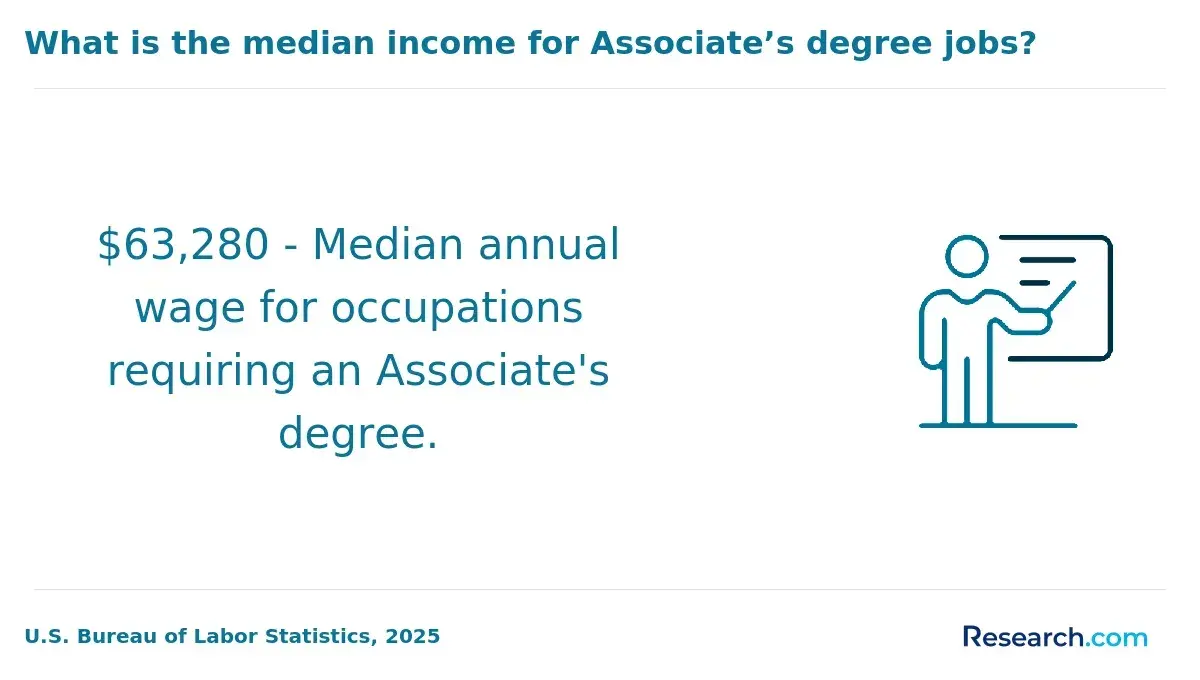
Educational Leadership students should look for internships that match their intended setting and give them supervised responsibility, not just observation. The best programs combine leadership exposure, documented deliverables, regular feedback, and access to real operational decisions.
The table below compares common internship formats. It can help you decide whether a placement supports your career target or simply fills a graduation requirement.
| Internship type | Best fit | Typical work | Main risk |
| Principal or assistant principal practicum | Students pursuing K-12 school leadership or administrator certification. | Instructional rounds, school improvement plans, discipline processes, family communication, scheduling, and staff meeting support. | Being limited to shadowing without leading a project or collecting evidence of competencies. |
| District office internship | Candidates interested in curriculum, operations, assessment, HR, finance, special programs, or compliance. | Data review, policy implementation, program audits, budget support, grant reporting, and cross-school coordination. | Project work may be narrow unless goals are defined early. |
| Higher education administration internship | Students targeting student affairs, admissions, advising, registrar, residence life, or institutional research roles. | Student support workflows, retention initiatives, event coordination, reporting, and student information system tasks. | Some roles are heavily administrative and may not include strategic planning exposure. |
| Education nonprofit or policy internship | Candidates interested in program management, advocacy, research, grants, or community partnerships. | Evaluation memos, stakeholder outreach, grant deliverables, data dashboards, and program implementation support. | May not satisfy school administrator licensure requirements unless pre-approved. |
| Micro-internship or project-based placement | Students who need flexible experience or a portfolio artifact. | Short-term projects such as survey analysis, attendance intervention review, communications planning, or policy briefs. | Often too short to create a strong employment reference unless paired with deeper experience. |
A paid internship is attractive, but it should not be the only criterion. A lower-paid or unpaid placement may be worth considering if it directly satisfies licensure requirements, provides a strong mentor, and produces concrete evidence for interviews. By contrast, an unpaid role with vague duties, no feedback schedule, and no connection to the student's target role is a weak investment.
Students in adjacent applied fields face similar trade-offs when weighing flexibility against hands-on development. Someone comparing an exercise science online degree, for instance, still needs to evaluate whether experiential components create employer-recognized skills. Educational Leadership students should apply that same standard to administrative internships.
Educational Leadership internships should teach students how educational organizations actually function: how leaders use data, manage people, comply with law and policy, communicate with families or students, and make trade-offs when resources are limited. The strongest internships go beyond observation and ask students to contribute to a defined problem.
The table below links common internship roles to the skills students should expect to build. Use it to evaluate whether a placement will make your resume more credible for your intended career path.
| Internship focus | Skills to expect | Portfolio evidence |
| K-12 school leadership | Instructional observation, school climate analysis, family communication, scheduling, discipline systems, and teacher support. | Improvement plan excerpt, observation reflection, attendance analysis, or professional learning agenda. |
| District leadership | Budget awareness, compliance review, assessment reporting, curriculum implementation, HR coordination, and board-ready communication. | Data summary, process map, board memo draft, grant support document, or program evaluation brief. |
| Higher education administration | Student success planning, advising workflows, enrollment communication, retention analysis, event operations, and student data handling. | Retention dashboard, outreach plan, advising resource, or assessment report. |
| Education policy or nonprofit leadership | Research synthesis, stakeholder interviews, advocacy writing, program evaluation, grant reporting, and community partnership coordination. | Policy memo, evaluation framework, funder report section, or partnership map. |
AI and automation are changing intern expectations, but not replacing the need for judgment. Interns may use AI tools to draft communications, summarize meeting notes, organize survey themes, or prepare first-pass reports. However, they must understand confidentiality rules, verify outputs, avoid entering protected student information into unauthorized tools, and ensure that final recommendations reflect local context.
Students should seek feedback in three areas during the internship. These are the areas most likely to influence post-internship references and full-time opportunities.
- Decision quality, including how well the student uses evidence, policy, and stakeholder needs before recommending an action.
- Communication quality, including whether messages are clear, audience-aware, professional, and appropriate for sensitive education settings.
- Execution quality, including whether the student follows through, documents work, meets deadlines, and improves after feedback.
Educational Leadership students considering analytical or data-heavy roles should also explore how labor-market value changes when education knowledge is paired with technical skills. The career guide on bioinformatics degree salary and jobs is outside education, but it illustrates a broader point: candidates who combine domain knowledge with data fluency often have more specialized career options.
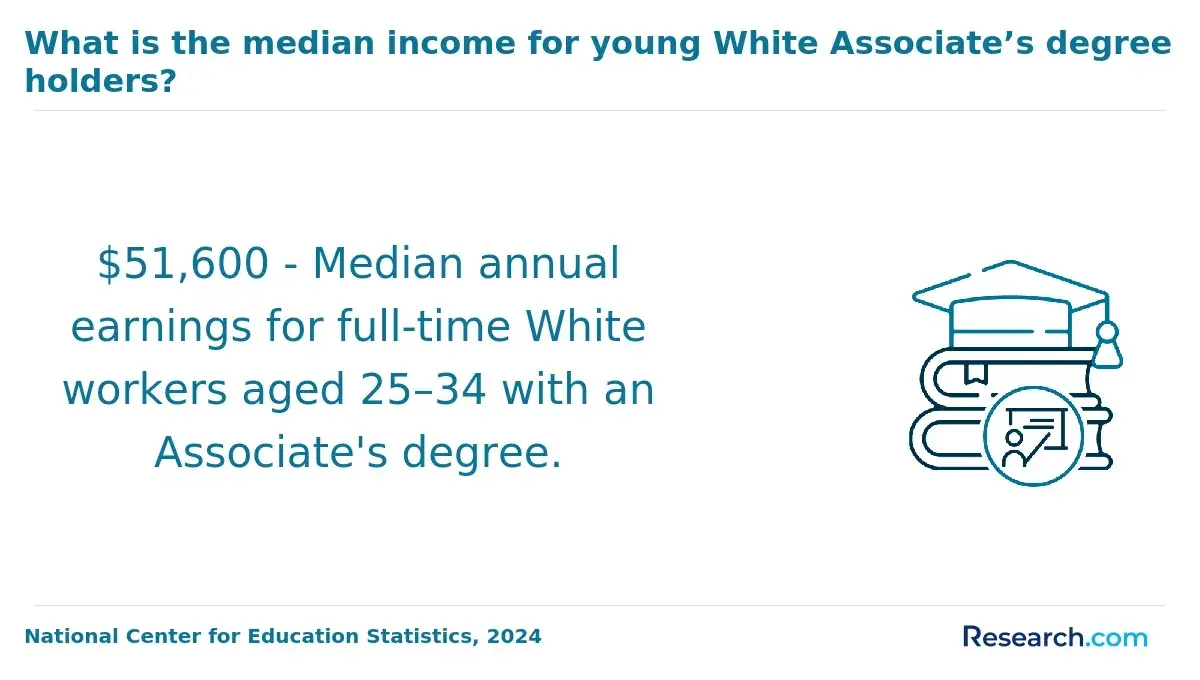
A remote Educational Leadership internship can be valuable when the work is project-based, data-driven, or connected to policy, higher education administration, or nonprofit operations. In-person placements usually provide stronger exposure to school climate, hallway interactions, staff dynamics, family meetings, and the informal decision-making that shapes leadership practice. Hybrid formats often offer the best balance when they are intentionally structured.
The table below compares remote, in-person, and hybrid formats. The best choice depends on your career target, not simply convenience.
| Format | Best use case | Strengths | Limitations |
| Remote | Policy research, data analysis, grant support, higher education operations, virtual advising, or nonprofit program work. | Flexible scheduling, broader geographic access, and strong fit for writing or analytics projects. | Limited exposure to school culture, real-time supervision, and informal leadership interactions. |
| In-person | K-12 principal practicums, student affairs roles, campus operations, and roles requiring direct stakeholder interaction. | Stronger observation of leadership behavior, immediate feedback, and better relationship-building. | More commuting time, scheduling constraints, and possible unpaid opportunity cost. |
| Hybrid | District projects, higher education offices, school improvement work, and internships combining meetings with independent deliverables. | Balances flexibility with face-to-face mentoring and stakeholder access. | Requires clear scheduling and communication norms to avoid fragmented supervision. |
For students seeking school administrator licensure, remote work should be reviewed carefully before acceptance. Some program or state requirements may expect direct school-based observation, on-site leadership tasks, or supervision by a credentialed administrator. A remote internship can still add value, but it may not satisfy clinical requirements unless formally approved.
If you are choosing between formats, ask about the actual workflow rather than assuming in-person is automatically better. A structured remote internship with weekly supervision, data access, and a meaningful deliverable may be more valuable than an in-person role where the intern only observes meetings and handles routine clerical tasks.
Paid internships are available for Educational Leadership degree students, but they are less standardized than internships in corporate fields. Many students complete internships while already employed in education, which means the "pay" may come through their regular teacher, counselor, or staff salary rather than a separate intern wage. Other opportunities may offer hourly pay, stipends, graduate assistantships, or grant-funded fellowships.
NACE's 2024 Internship & Co-op Report places the average hourly intern wage among responding employers above $23, but that benchmark covers many industries and should not be treated as the typical rate for Educational Leadership. Education placements are shaped by district budgets, grant funding, public-sector pay rules, union contracts, and whether the internship is part of a degree or licensure requirement.
Students should compare paid and unpaid opportunities using total cost, not just the headline compensation. These are the cost items that most often change the real value of an internship.
- Direct compensation, including hourly pay, stipend, graduate assistantship support, or continued salary from an existing education job.
- Commuting cost, especially for in-person placements; the IRS 2024 standard business mileage rate of $0.67 per mile is a useful reference point when estimating transportation burden.
- Schedule cost, including whether internship hours require unpaid leave, reduced teaching load, evening work, or summer availability.
- Credential value, including whether the experience satisfies licensure, degree, or endorsement requirements that would otherwise require another placement.
- Mentorship value, including access to a principal, dean, director, superintendent, or senior administrator willing to provide detailed feedback and references.
An unpaid internship may make sense if it is short, licensure-approved, well supervised, and directly tied to your target role. It is a red flag if the site cannot describe learning goals, refuses to define supervision, assigns mostly clerical work, or expects the intern to replace paid staff without meaningful training.
There is no single national full-time conversion rate for Educational Leadership internships because placements occur across K-12 districts, higher education offices, nonprofits, state agencies, and policy organizations. However, general internship benchmarks are useful for setting expectations. NACE's 2024 employer data suggests intern conversion remains a major hiring channel, with conversion around 60% among surveyed employers.
The table below shows how students should interpret conversion and placement signals. It separates broad labor-market benchmarks from education-specific realities.
| Outcome measure | What it means | How Educational Leadership students should use it |
| Return offer | The internship site offers the student a full-time or continuing role. | Most likely when the student fills a real staffing need and has completed visible, high-quality work. |
| Conversion benchmark | General employer data shows how often internships lead to offers across surveyed organizations. | Useful as a reference, but not a promise for school districts or higher education offices with budget or vacancy limits. |
| Placement through network | The supervisor recommends the intern to another campus, office, district, or organization. | Common in education, where references and local reputation often matter as much as the original site's vacancies. |
| Portfolio-based placement | The internship produces artifacts that help the student win a role elsewhere. | Especially valuable when the internship site has no full-time opening. |
Students can improve conversion odds by treating the internship like an extended interview. That means asking for measurable projects, documenting outcomes, requesting midpoint feedback, and making it easy for supervisors to describe the student's value in specific terms.
Before accepting a placement, ask direct but professional questions about hiring history. Strong questions include how often interns are considered for vacancies, whether the office expects openings, who can serve as a reference, and what performance standards would make the intern competitive for future roles.
Educational Leadership internships can affect long-term career outcomes by giving students the first credible evidence that they can lead adults, manage systems, communicate under pressure, and improve educational programs. This matters because many leadership roles are not true entry-level jobs; they often require prior teaching, advising, program coordination, or supervisory experience.
Federal labor-market data shows why internships should be evaluated for strategic fit. The BLS 2024 outlook describes employment for elementary, middle, and high school principals as showing little or no change over the 2023 to 2033 period, which means many openings are likely to come from turnover rather than rapid expansion. In a slower-growth pathway, references, licensure alignment, and documented leadership work can make a meaningful difference.
The long-term value of an internship usually appears in four ways. Students should look for placements that support at least two of these outcomes.
- Career clarity, because the student learns whether school leadership, district work, higher education administration, or policy leadership is the right environment.
- Credential progress, because approved field hours can move the student closer to principal certification, administrator licensure, or program completion.
- Professional network growth, because supervisors, deans, directors, and district leaders can recommend the student for roles that are never broadly advertised.
- Promotion evidence, because the student leaves with artifacts showing data use, leadership communication, process improvement, or program impact.
One extended co-op or yearlong practicum often works best for students pursuing school administration because leadership credibility grows through repeated interaction and sustained responsibility. Multiple short-term internships can work better for students exploring higher education, policy, or nonprofit roles, especially if each project adds a different skill such as budgeting, research, student success, or grant evaluation.
Educational Leadership internships can influence starting salary after graduation, but usually indirectly. The internship itself does not automatically raise pay; instead, it can help students qualify for higher-responsibility roles, secure stronger references, complete licensure requirements, or move from classroom or staff roles into administrative tracks.
BLS May 2024 wage data places median pay for K-12 education administrator roles above $100,000, but that figure reflects established administrators rather than new graduates. Students should use it as a long-term role benchmark, not a starting-salary promise. Actual starting pay varies by state, district salary schedule, union contract, employer type, experience, degree level, and licensure status.
The table below explains how internships may affect early compensation. It focuses on mechanisms rather than unsupported salary promises.
| Internship outcome | Possible salary effect | Important limitation |
| Completes administrator licensure requirements | May make the graduate eligible for assistant principal, dean, coordinator, or administrative pool roles. | Eligibility does not guarantee a vacancy or appointment. |
| Creates a strong supervisor reference | May improve competitiveness for roles with leadership stipends or higher salary schedules. | Reference strength depends on performance and supervisor credibility. |
| Builds data, budgeting, or compliance experience | May support applications for district office, higher education, or nonprofit management roles. | Some roles still require years of prior education experience. |
| Produces measurable portfolio artifacts | May help justify readiness for a more advanced entry point than a purely coursework-based applicant. | Artifacts must be anonymized and appropriate for sharing. |
Students should be cautious about judging internship ROI only by immediate pay. A modestly paid placement that completes licensure requirements and leads to a strong administrative reference may be more valuable than a higher-paid short-term role unrelated to the student's target career.
Competitive Educational Leadership internships are usually won through a mix of preparation, relationship-building, and proof that the student can contribute immediately. A resume that only lists coursework is rarely enough; employers and school leaders want to see judgment, communication skill, and evidence of follow-through.
Use the steps below to build a stronger application and avoid being screened out for preventable reasons.
- Define your target role before applying, such as assistant principal, district curriculum coordinator, student affairs coordinator, admissions manager, or education policy analyst.
- Translate your current experience into leadership language, including team coordination, data use, parent or student communication, compliance tasks, training, assessment, or program improvement.
- Create a small portfolio with artifacts such as a school improvement analysis, meeting agenda, equity audit, dashboard mockup, policy memo, grant summary, or professional development plan.
- Ask faculty, alumni, supervisors, and district contacts for introductions before public postings appear, because many education placements are arranged through networks rather than mass recruiting.
- Prepare interview examples using real situations involving conflict, confidentiality, student support, data interpretation, collaboration, and ethical decision-making.
- Request written confirmation of schedule, supervision, expected deliverables, pay or stipend status, and whether the placement satisfies degree or licensure requirements.
One current trend is the shift toward skills-based screening. Even in education, candidates are increasingly expected to show comfort with dashboards, learning management systems, student information systems, spreadsheet analysis, AI-supported drafting, and evidence-based decision-making. School brand can help, but a clear portfolio often gives interviewers a better reason to believe the candidate is ready for leadership work.
Students should also manage competing offer deadlines carefully. If one site gives a short deadline but another is a better licensure or career fit, ask for a brief extension, explain that you are confirming academic approval, and avoid accepting a role you may later withdraw from. That professional courtesy matters in education networks, where administrators often know one another.
Other Things You Should Know About Educational Leadership
They are often required for principal preparation, administrator licensure, and some graduate programs, but requirements vary by state and school. Students should confirm required hours, approved settings, and supervisor qualifications before accepting a placement.
It can be worth it if it is licensure-approved, well supervised, time-limited, and connected to your target role. It is usually not worth it if duties are vague, mostly clerical, or disconnected from leadership competencies.
Ask who will supervise you, what projects you will own, whether the hours count toward degree or licensure requirements, how feedback is given, whether compensation or a stipend is available, and whether interns are considered for future openings.
Yes, but it depends on vacancies, funding, licensure status, and performance. Even when no direct opening exists, a strong internship can lead to referrals, references, and portfolio evidence that improves placement elsewhere.
- Career Opportunities After Earning an Educational Leadership Graduate Degree https://aituedu.org/career-opportunities-after-earning-an-educational-leadership-graduate-degree/
- 10 Careers In Educational Leadership | TeachThought https://www.teachthought.com/bulletin-board/careers-in-educational-leadership/
- 6 Best Career Opportunities in Educational Leadership https://www.manchester.ac.ae/blog-post/6-best-career-opportunities-in-educational-leadership
- 105 Internship Statistics: Pay, Intern Employment, and More https://flair.hr/en/blog/internship-statistics
- 7 Different Career Paths in Educational Leadership to Explore: Informative Guide https://www.educationmanagementdiploma.com/blogs/1633-7-Different-Career-Paths-in-Educational-Leadership-to-Explore-Informative-Guide-blog.php
- 5 obstacles that stop many students from taking an internship https://theconversation.com/5-obstacles-that-stop-many-students-from-taking-an-internship-130357