2027 Educational Leadership Degree Unemployment Risk Report: Which Career Paths Offer the Most Stability

Co-Founder and Chief Data Scientist
Educational leadership can lead to stable work, but not every path carries the same employment risk. Public school administration, higher education leadership, instructional design, and workforce training respond differently to budgets, enrollment, technology, and regulation. The U.S. Bureau of Labor Statistics reports that training and development managers are projected to grow 7% from 2023 to 2033, while school principal roles are expected to grow more slowly. This guide helps aspiring and current educators compare career paths, industries, credentials, and skills so they can choose a leadership route with stronger long-term stability.
Key Things You Should Know
- Lowest-risk educational leadership paths usually combine required credentials, recurring institutional need, and transferable management skills; K-12 administration, special education leadership, compliance leadership, and workforce learning roles tend to be more resilient than enrollment-sensitive roles.
- BLS data published in 2024 shows clear differences in outlook: training and development managers are projected at 7% growth from 2023 to 2033, postsecondary education administrators at 3%, instructional coordinators at 2%, and school principals at slower growth.
- The safest choice is rarely based on salary alone; location, state licensure, district or college budgets, union rules, enrollment trends, and leadership experience can change unemployment risk more than the degree title itself.
- Which Educational Leadership Career Paths Have the Lowest Unemployment Risk?
- Which Industries Offer the Most Stable Employment for Educational Leadership Graduates?
Which Educational Leadership Career Paths Have the Lowest Unemployment Risk?
The lowest unemployment risk in educational leadership usually appears in roles tied to legally required school operations, accreditation, student services, compliance, and staff development. These jobs may not always be the fastest-growing, but they are difficult for schools and education organizations to eliminate without affecting core services.
The table below compares common educational leadership career paths by stability factors, salary context, and risk level. The risk labels are practical estimates based on role demand, budget exposure, credential barriers, and transferability rather than a promise of individual outcomes.
| Career path | Typical setting | Stability outlook | Salary context | Best fit |
| K-12 principal or assistant principal | Public and private schools | Low to moderate risk because schools need site-level leadership, but openings depend on retirements, budgets, and district size | BLS reported median pay above $100,000 for school principals in its 2024 outlook tables | Educators who want direct school leadership and can meet state licensure rules |
| Special education administrator | School districts, charter networks, state agencies | Low risk because compliance, individualized education programs, and service coordination remain essential | Often aligned with administrator pay scales rather than classroom teacher pay | Leaders with special education, law, compliance, and family-engagement expertise |
| Instructional coordinator | Districts, curriculum companies, state agencies | Moderate risk because curriculum work is needed but may be affected by budget cuts and technology shifts | BLS projected 2% growth from 2023 to 2033 for instructional coordinators | Teachers who want curriculum, assessment, and professional learning roles |
| Postsecondary education administrator | Colleges and universities | Moderate risk because demand varies by enrollment, institutional finances, and student services needs | BLS projected 3% growth from 2023 to 2033 for postsecondary education administrators | Professionals interested in admissions, advising, registrar, student affairs, or academic operations |
| Training and development manager | Corporations, healthcare systems, government, nonprofits | Low to moderate risk because workforce upskilling remains important across industries | BLS projected 7% growth from 2023 to 2033 for training and development managers | Education leaders who want a broader labor market beyond schools |
For maximum stability, compare whether a role depends on recurring compliance needs or optional program funding. A school must maintain administrators, student support systems, and legally required services, while grant-funded innovation roles may disappear when funding ends.
Which Industries Offer the Most Stable Employment for Educational Leadership Graduates?
Industry choice can matter as much as job title. An educational leadership graduate working in a public school district may face different unemployment risk than one working in a private edtech company, even if both manage learning programs.
The most stable industries tend to have recurring demand for credentialed leaders, regulated services, or mandatory training. The table below summarizes where educational leadership graduates often find stronger employment stability.
| Industry | Why it can be stable | Main risk | Strong roles to consider |
| Public K-12 education | Compulsory education creates continuing demand for school operations and leadership | Local budgets, enrollment shifts, and political decisions | Principal, assistant principal, district administrator, special education director |
| State and local government education agencies | Regulation, accountability, licensure, and program oversight require experienced education professionals | Hiring timelines can be slow and budget-dependent | Program manager, compliance specialist, assessment coordinator |
| Healthcare and human services training | Employers need ongoing compliance, safety, onboarding, and professional development | Requires comfort with regulated environments and adult learning | Training manager, clinical education coordinator, learning and development lead |
| Higher education administration | Student support, financial aid, admissions, and academic operations remain necessary | Enrollment declines can pressure staffing | Registrar leadership, student success director, academic affairs administrator |
| Corporate learning and development | Upskilling and reskilling are central to workforce strategy | More exposure to recessions and restructuring than public education | Learning manager, leadership development manager, instructional design director |
Public-sector roles often offer more predictable employment structures, while private-sector roles may offer faster salary growth and broader advancement. The better option depends on whether you value income upside, mission fit, geographic flexibility, or lower layoff exposure.
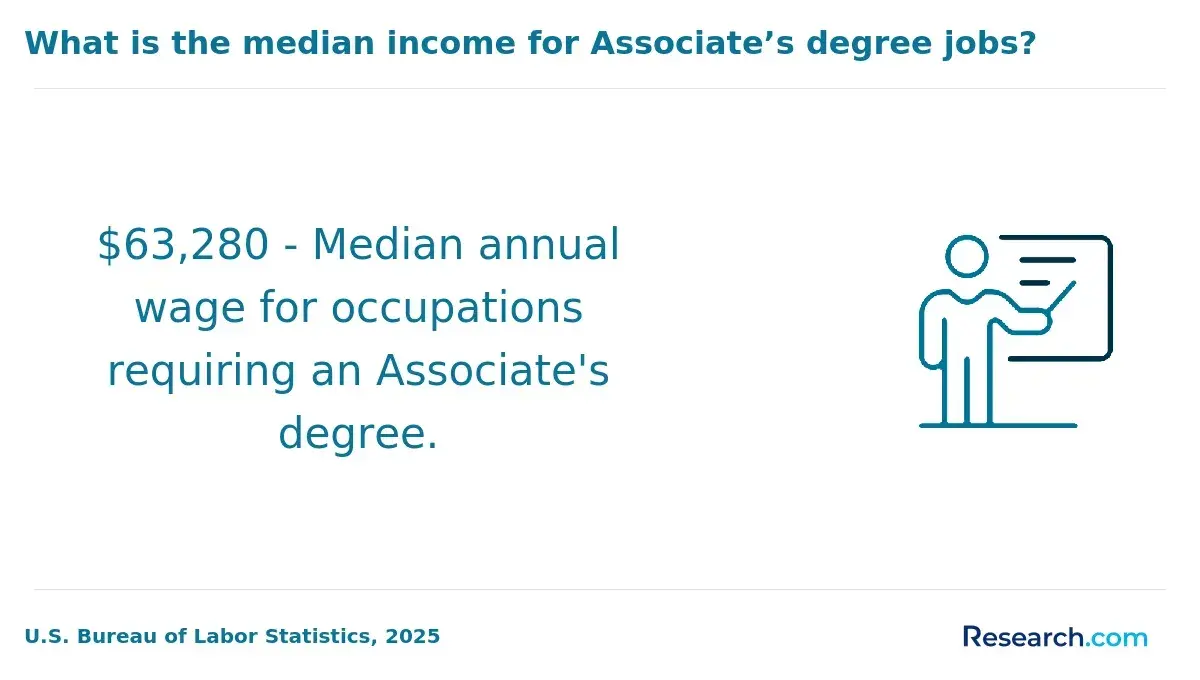
Specialization affects stability because employers hire leaders to solve specific operational problems. A general educational leadership degree can be useful, but pairing it with a high-demand focus often creates a stronger employment buffer.
The most stable specializations are those tied to legal requirements, measurable outcomes, or hard-to-fill leadership responsibilities. Consider the following areas when comparing programs or career tracks:
- Special education leadership: Strong stability because districts need leaders who understand individualized education programs, service delivery, compliance, staffing, and parent communication.
- Educational technology and instructional design: Useful across K-12, higher education, corporate training, and government, especially when combined with assessment and learning analytics skills.
- Student success and retention leadership: Valuable in colleges and universities because retention directly affects revenue, completion metrics, and institutional performance.
- Compliance, accreditation, and assessment: Stable because schools, colleges, and agencies must document outcomes and meet regulatory expectations.
- Workforce learning and organizational development: Transferable beyond schools and useful in healthcare, government, finance, and large employers.
Health, wellness, and student support specializations can also be valuable when they connect education leadership with broader public needs. For example, someone interested in school wellness, athletic administration, or community health education may compare an exercise science online degree with an educational leadership program to decide whether they want a clinical, wellness, or administrative career base.
A common mistake is choosing a specialization because it sounds innovative without checking whether employers consistently fund those roles. Before committing, review district job boards, state education agency postings, college hiring pages, and regional workforce-training openings.
Location can significantly change unemployment risk because educational leadership hiring is local. A strong résumé may still produce fewer opportunities in a shrinking rural district or an oversaturated metro area with limited principal openings.
Before choosing a program or career path, examine regional demand rather than relying only on national averages. The most useful signals are practical and local:
- District enrollment trends, including whether schools are opening, consolidating, or closing.
- Administrator retirement patterns, especially in states with aging principal and superintendent workforces.
- State licensure requirements, because some states require specific administrator exams, supervised experience, or graduate credits.
- Public salary schedules, which reveal whether leadership compensation justifies the degree cost and workload.
- College enrollment trends if you are targeting higher education administration.
Large urban and suburban regions may offer more openings but also more competition. Rural districts may have fewer postings but sometimes struggle to recruit specialized administrators, especially in special education, career and technical education, and student services. The best location strategy is to compare job volume, salary schedules, cost of living, and licensure portability together.
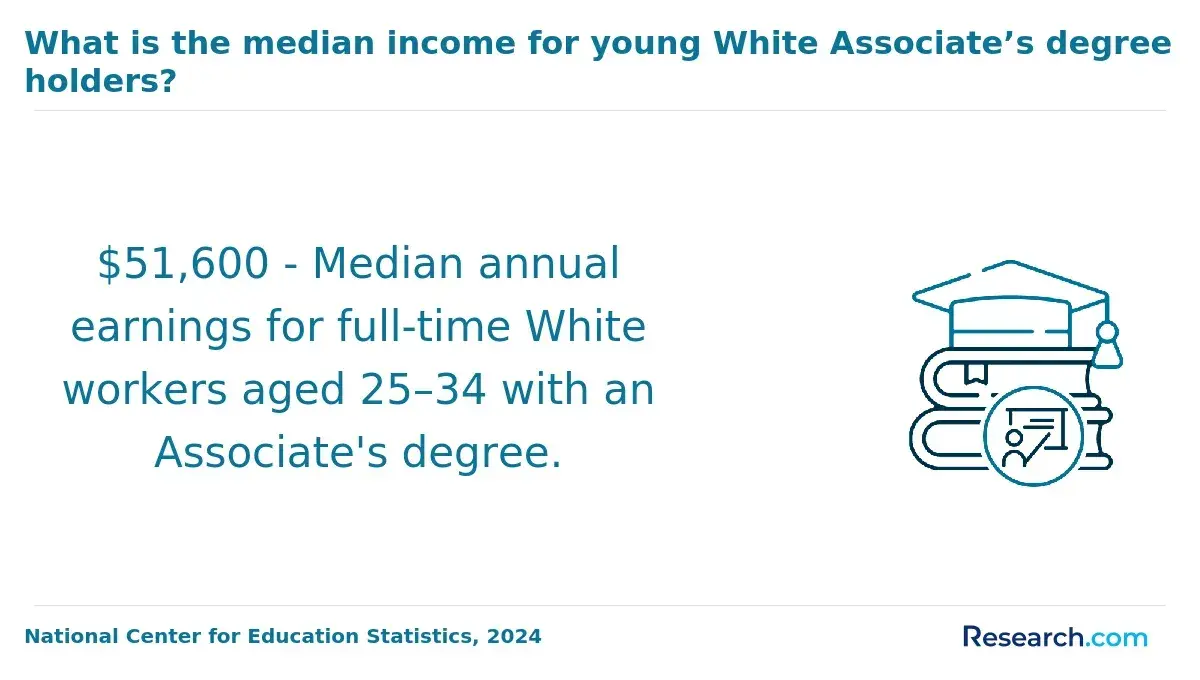
Skills influence unemployment risk because educational leadership roles increasingly require more than supervision experience. Employers want leaders who can manage people, interpret data, improve outcomes, communicate with communities, and adapt to technology.
The strongest skill mix combines human judgment with operational capability. These skill areas are especially important for reducing employment risk:
- Data-informed decision-making: Leaders who can use attendance, assessment, retention, completion, and workforce data are better positioned for accountability-focused roles.
- Budget and resource management: Schools and colleges need leaders who can defend spending choices and manage constrained resources.
- Instructional improvement: Principals, instructional coordinators, and academic leaders need credibility in teaching, curriculum, and assessment.
- Change management: Leaders who can implement new systems, policies, or learning models are more valuable during restructuring.
- Communication and conflict resolution: Parent concerns, faculty governance, staff morale, and community pressure make communication a core stability skill.
- AI and education technology literacy: Leaders do not need to be software engineers, but they should understand privacy, academic integrity, accessibility, and responsible implementation.
Technology is changing what educational leaders manage, not eliminating the need for leadership. Those interested in data-heavy education roles can also study adjacent labor markets such as bioinformatics degree salary and jobs to understand how analytics-driven career paths compare with education administration.
Certifications can improve job security when they are required for the role or when they signal specialized competence that employers struggle to find. Requirements vary by state, employer, and position, so always verify rules with the relevant state education agency, licensing board, or hiring institution.
The certifications and credentials below are the most relevant for educational leadership stability because they either unlock administrator roles or strengthen specialization:
- Principal or school administrator license: Often required for public K-12 principal and assistant principal roles.
- Superintendent certification: Important for district-level leadership in states that require a separate credential.
- Special education administrator credential: Valuable where states or districts distinguish special education leadership from general administration.
- Project Management Professional: Useful for education leaders managing implementation, grants, technology rollouts, or cross-functional initiatives.
- SHRM or HRCI credentials: Helpful for leaders moving into workforce training, human resources, or organizational development.
- Instructional design or learning technology certificates: Useful for roles in online learning, curriculum development, corporate training, and edtech.
Credential strategy should match the career target. For example, a public school administrator license may be essential for principal roles but less useful for corporate learning leadership. By contrast, healthcare education roles may reward knowledge of regulated professional training; students comparing regulated pathways may also look at options such as online pharmacy school to understand how licensure-heavy fields differ from educational administration.
Career stage changes unemployment risk because educational leadership is rarely an entry-level field. Employers usually prefer candidates who have already demonstrated classroom effectiveness, program leadership, staff supervision, or operational responsibility.
Early-career educators face the highest transition risk if they pursue leadership too quickly without building credibility. A teacher moving into administration should document instructional results, committee leadership, mentoring, family engagement, and data use before applying for assistant principal or coordinator roles.
Mid-career professionals often have the strongest stability if they combine experience with the right credential. This is the stage when a master's, Ed.D., administrator license, or specialized certificate may produce the clearest return because the candidate can immediately connect the credential to leadership duties.
Late-career professionals may find stable opportunities in consulting, district leadership, accreditation review, adjunct teaching, executive coaching, or professional development. However, they should avoid assuming that years of experience alone will offset weak technology, data, or change-management skills.
The practical takeaway is simple: do not measure readiness only by degree completion. Measure it by whether you can show evidence of leading people, improving outcomes, managing resources, and solving problems that employers already prioritize.
The most stable emerging paths for educational leadership graduates are not necessarily the newest job titles. They are roles where education expertise overlaps with compliance, technology, workforce development, and measurable outcomes.
These emerging paths are worth watching because they combine education leadership with durable employer needs:
- AI governance and academic integrity leadership: Schools and colleges need policies for responsible AI use, assessment design, privacy, and faculty training.
- Online learning operations director: Demand is tied to program quality, student support, accessibility, and scalable course delivery.
- Workforce partnerships manager: Community colleges, employers, and government agencies need leaders who can connect training programs to labor-market needs.
- Student success analytics leader: Colleges increasingly use data to identify barriers to persistence and completion.
- Compliance and accreditation director: Institutions must document quality, outcomes, and regulatory alignment.
- Healthcare education and training leader: Hospitals and health systems need structured onboarding, continuing education, and compliance training.
Healthcare training is especially attractive for education leaders who want stability outside traditional schools because many roles are tied to regulated practice and workforce shortages. Someone exploring a hands-on healthcare pivot could compare educational leadership with fast-track LPN programs online to decide whether they prefer direct patient care or training and administration.
The red flag is chasing novelty without evidence of hiring demand. Before specializing in an emerging field, search actual job postings and confirm that employers are hiring for the function, not just discussing the trend.
Students should evaluate unemployment risk by comparing role demand, credential requirements, salary potential, geographic fit, and transferability. A high-paying role with few openings may be riskier than a moderately paid role with steady demand across many employers.
A practical evaluation process can help you avoid choosing a path based on reputation alone. Use these steps before selecting a degree, specialization, or career direction:
- Identify the exact role you want, such as assistant principal, instructional coordinator, dean of students, training manager, or compliance director.
- Check whether the role requires a state license, graduate degree, supervised experience, or specific certification.
- Compare local job postings for at least several months to see how often the role appears and what qualifications employers actually request.
- Review salary schedules or posted salary ranges and compare them with tuition, fees, lost work time, and student loan needs.
- Assess transferability by asking whether the same skills apply in K-12, higher education, government, nonprofit, healthcare, or corporate settings.
- Look for recession and automation exposure, especially if the role depends on discretionary budgets, enrollment growth, or easily outsourced tasks.
- Choose a program with accreditation, licensure alignment, leadership fieldwork, and strong employer connections in your target region.
The biggest mistake is treating "educational leadership" as one job market. It is a collection of markets, and the safest path depends on where your credential, experience, and region intersect with persistent employer demand.
Educational leadership is more recession-resistant than many fields, but it is not recession-proof. Schools, colleges, nonprofits, and employers still respond to tax revenue, tuition revenue, donations, enrollment, and business confidence.
During downturns, public K-12 leadership roles may be more stable than private education startups because schooling is a core public service. However, districts can still freeze hiring, delay promotions, merge positions, or cut central-office roles. Higher education can be more exposed when enrollment declines or when institutions depend heavily on tuition revenue.
Corporate learning and development can move in two directions during weak economic cycles. Some companies cut training budgets quickly, while others invest in reskilling to improve productivity. This makes corporate learning roles attractive for salary growth but somewhat more sensitive to restructuring than licensed school administrator roles.
To reduce risk during economic cycles, educational leadership graduates should avoid relying on only one employment market. The most resilient profiles combine school leadership experience with transferable skills in budgeting, staff supervision, compliance, data analysis, adult learning, and program evaluation.
Other Things You Should Know About Educational Leadership
It can be, especially for educators pursuing licensed K-12 administration, special education leadership, compliance, instructional leadership, or workforce training. Stability depends on state requirements, local hiring demand, experience, and whether the degree aligns with a specific role.
Roles tied to required school operations and compliance usually carry lower risk. Principal, assistant principal, special education administrator, district compliance leader, and workforce training manager roles tend to be more stable than roles dependent on short-term grants or enrollment growth.
Not always. K-12 leadership often benefits from compulsory education and public funding, while higher education roles can be affected by enrollment and tuition pressure. However, higher education jobs in financial aid, registrar operations, student success, and compliance may still be stable at healthy institutions.
Build experience before leaving the classroom or your current role. Lead committees, manage programs, learn budgeting, use data, pursue the right license, and develop transferable skills that apply across schools, colleges, government, healthcare, and corporate training.
- Educational Leadership: Master’s vs. Doctorate Degree - Graduate Programs for Educators https://www.graduateprogram.org/blog/masters-vs-doctorate-educational-leadership-degree/
- Career Progressions and Wage Growth: Is There a One-Size-Fits-All Job Ladder? https://www.richmondfed.org/publications/research/economic_brief/2024/eb_24-14
- 6 Best Career Opportunities in Educational Leadership https://www.manchester.ac.ae/blog-post/6-best-career-opportunities-in-educational-leadership
- Job Market’s Effect on the Economy | U.S. Bank https://www.usbank.com/investing/financial-perspectives/market-news/effect-of-job-market-on-the-economy.html
- The Work Ahead | Recommendations https://www.cfr.org/task-force-report/work-ahead/recommendations
- Unemployment rate for college graduates: Key statistics [2025] https://www.wooclap.com/en/blog/unemployment-rate-for-college-graduates/
- How US employers and educators can build a more nimble education system with multiple paths to success | Brookings https://www.brookings.edu/articles/how-us-employers-and-educators-can-build-a-more-nimble-education-system-with-multiple-paths-to-success/