2027 Most Affordable Online Doctorate in Educational Leadership Degree Programs Ranking in Nebraska

Co-Founder and Chief Data Scientist
If you're considering advancing your career in education, earning a doctorate in educational leadership can open many doors. This article introduces the 2027 Most Affordable Online Doctorate in Educational Leadership Degree Programs Ranking in Nebraska, created by the Research.com team of data scientists.
Designed to help Nebraska students make informed decisions, this ranking highlights cost-effective programs that deliver strong value. Reading this guide will empower you to choose a program that fits your goals and budget while enhancing your leadership skills in education.
Taking this step can be both exciting and rewarding for your future.
Key benefits of getting online educational leadership degree in Nebraska
- Educational leadership degree graduates in the US often earn between $70,000 and $100,000 annually, reflecting rewarding salary prospects in Nebraska's education sector.
- Graduates from the University of Nebraska frequently pursue roles such as school principals, instructional coordinators, or education consultants, offering diverse and fulfilling career paths.
- Online degrees from Nebraska institutions allow flexible learning schedules, letting students balance work and family while earning respected credentials without relocating or commuting.
- 2027 Most Affordable Online Doctorate in Educational Leadership Degree Programs Ranking in Nebraska
- What can I expect from online educational leadership degree in Nebraska?
- Where can I work with online educational leadership degree in Nebraska?
What can I expect from online educational leadership degree in Nebraska?
Imagine diving into an online educational leadership degree at the University of Nebraska at Omaha, balancing late-night discussions with colleagues and daytime work in your local school district. The average financial investment hovers around a competitive tuition rate-often near $400 to $600 per credit hour for in-state students-making the dream both reachable and practical. Graduates often recall the relief of tuition affordability paired with scholarships offered by the university or Nebraska's Department of Education, which eased their journey.
Picture a passionate administrator juggling responsibilities yet confident in gaining skills without uprooting their life. Their accounts echo a sense of empowerment, knowing that the program's cost reflects not just education but an investment in community leadership. The blend of synchronous lectures and asynchronous projects fits like a glove with busy schedules, while reasonable tuition keeps that balance sustainable. In Nebraska, affordability and flexibility combine to unlock leadership potential without financial strain.
Where can I work with online educational leadership degree in Nebraska?
Graduates from online educational leadership programs in Nebraska often find themselves stepping into pivotal roles within K-12 schools, weaving together community values with innovative strategies. Picture a graduate employed by Omaha Public Schools, balancing data-driven decisions and heartfelt conversations with teachers to uplift student success. Others land roles as assistant principals or curriculum coordinators, transforming Lincoln Public Schools classrooms into vibrant hubs of learning tailored to diverse student needs.
Many alumni of renowned Nebraska universities, such as the University of Nebraska system, embrace opportunities in higher education as academic deans or student affairs directors, where they fuse progressive leadership with academic tradition to foster inclusive campus environments. Some take their leadership beyond schools-shaping educational policy at the Nebraska Department of Education or crafting programs at local nonprofits aiming to nurture systemic educational reform statewide.
This flexible pathway lets working educators pursue leadership dreams without pressing pause on their careers, especially vital in Nebraska's close-knit, smaller communities where advancing education feels personal. These roles aren't just jobs-they're dynamic platforms for making a tangible, lasting impact.
Imagine stepping into an administrative role in Omaha after earning your online educational leadership degree from a respected Nebraska institution. Graduates often see themselves stepping into the shoes of principals, earning around $102,000 annually, a figure that comfortably matches national standards. The thrill of leading a bustling urban school district, with all its challenges and rewards, comes with a paycheck that reflects the responsibility.
Another graduate, now leading curriculum design at a mid-sized Nebraska school, enjoys a salary range between $90,000 and $135,000 as they manage larger district budgets, a testament to the Superintendents' pay scale. For those fresh out of programs at popular Nebraska colleges, like the University of Nebraska or Creighton University, starting as assistant principals means beginning near $65,000, with a clear path for growth fueled by experience and advanced certifications.
In Nebraska, salary often dances in tandem with location-urban centers like Lincoln offer vibrant opportunities and competitive pay, while rural areas provide a quieter work-life balance. This blend of numbers and narratives shows earning potential that's both sustainable and inspiring for educational leadership graduates.
- Online educational leadership degrees in Nebraska usually cost between $12,000 and $25,000 for a full master's or doctoral program.
- Tuition is lower for Nebraska residents attending public universities due to competitive in-state rates.
- The average annual salary for school administrators in Nebraska is about $85,000, with starting salaries between $60,000 and $70,000.
- Experienced leaders like principals and superintendents may earn over $100,000, depending on their district and role.
- The Nebraska Department of Education expects growth in leadership jobs, especially in rural areas with frequent vacancies.
- Accredited programs often include internships in Nebraska schools to provide hands-on leadership experience.
Imagine juggling family dinners, full-time work, and late-night study sessions while inching toward an online educational leadership master's degree in Nebraska. For many, especially those enrolled at universities like the University of Nebraska or Creighton University, this dance lasts about two years if studied full-time-roughly 30 to 36 credit hours filled with practical leadership challenges and insightful coursework.
Some graduates share how part-time pacing stretched their journey closer to three years, creating room to balance life's surprises without feeling overwhelmed. Doctoral paths, like an EdD, invite a longer commitment-think three to six years-where passion for research and dissertation writing becomes a gratifying marathon rather than a sprint.
Flexible options reign in Nebraska, whether accelerating through summer courses or taking it slow to savor each learning moment. The experience is much like shaping a unique story, with the rhythm set by your own professional and personal cadence.
Imagine juggling a full-time job and family while earning your educational leadership degree from the University of Nebraska-Lincoln, all from your cozy living room. Online programs in Nebraska cater to this modern rhythm, offering asynchronous courses that let you sip coffee at midnight or squeeze in a lesson between meetings. Graduates treasure this flexibility, enjoying fewer commuting costs and embracing tech-savvy platforms that boost their digital confidence.
Contrast this with the on-campus experience-walking the vibrant halls of Creighton University, engaging face-to-face with professors, peers, and local schools. Those in-person practicum sessions foster deep connections, hands-on learning, and spontaneous hallway discussions that spark fresh insights. Nebraska graduates often recall these lively interactions as a catalyst for their leadership growth.
Yet, online learners may occasionally visit campuses for residencies, blending convenience with community. Whether tapping away at a keyboard or sharing ideas over coffee, both paths in Nebraska weave strong leadership skills backed by CAEP accreditation. It's about finding your own cadence in the journey to educational leadership.
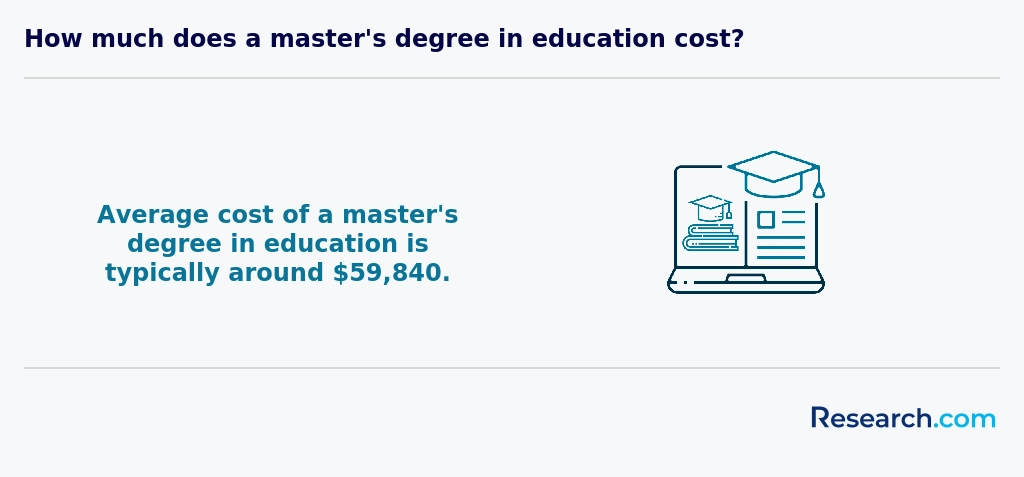
The average cost of an online educational leadership degree in Nebraska typically centers around $35,700, striking a balance between affordability and quality. Graduates from well-known public universities like the University of Nebraska-Lincoln or the University of Nebraska at Omaha often reflect on their experience as not just a financial investment but a gateway to meaningful growth and career advancement. These programs, designed with in-state candidates in mind, offer a cost structure that feels manageable compared to other regions, nurturing a sense of attainable ambition.
Imagine a working professional juggling family and career who chooses an affordable online doctorate in educational leadership Nebraska - the tuition rates per credit hour and the total required credits blend into a budget-friendly equation that sparks hope instead of hesitation. Those who have navigated these programs frequently mention the encouraging mix of competitive tuition and available financial aid options, which turns dreams into realities rather than lingering financial stress.
For prospective leaders who want to explore pricing options for the cheapest masters in educational leadership online, the path is clearer thanks to resources like cheapest masters in educational leadership online. This data empowers aspiring students with insights to plan for both tuition and supplemental costs while pursuing their degree from Nebraska's reputable institutions.

Imagine you're navigating the financial maze of an online educational leadership degree at the University of Nebraska or Creighton University-relief often arrives via a mix of financial aid tailored for Nebraskan students. Federal aid acts like a steady compass: FAFSA unlocks Pell Grants for some and direct loans with friendly interest rates for many graduate students.
Picture a graduate who snagged a coveted assistantship at UNO, earning tuition remission while sharpening leadership skills through teaching or research roles-these internal scholarships and waivers are Nebraska's quiet but potent allies.
Then there's the Nebraska Opportunity Grant whispering aid to those with thoughtful need, mingling with employer tuition reimbursement programs, where school districts invest in their leaders of tomorrow by covering hefty tuition chunks.
Private scholarships from local education foundations also brighten the path. Many Nebraskan graduates recall how applying early and chatting with financial aid counselors transformed daunting debt into manageable ambition, making leadership dreams tangible and warmly within reach.
Diving into an online educational leadership degree in Nebraska means first having a solid academic anchor: a bachelor's degree, often in education or a closely related field, from an accredited institution. Imagine a graduate from the University of Nebraska-Lincoln, reflecting on how that foundation unlocked their ability to navigate complex school systems with confidence.
Beyond books, Nebraska programs treasure real-world experience. Picture a graduate from Creighton University who spent three years shaping young minds in Omaha classrooms, then seamlessly transitioned into leadership roles thanks to hands-on knowledge.
Licensure plays a starring role, too. Many students from Doane University recall how holding a valid Nebraska teaching certificate was their golden ticket - vital for stepping into administrative positions like principals or curriculum directors.
Letters of recommendation and heartfelt personal statements add texture, revealing genuine leadership passion. While some campuses still nod to GRE scores, many Nebraska online programs now focus more on your story and experience over test numbers.
Imagine diving into courses where leadership isn't just theory but an invitation to shape Nebraska's schools from the heart of your own home. At the University of Nebraska or Creighton University, graduates speak of mastering Leadership Theory and Practice as if unlocking a secret playbook for real-world challenges. They describe learning to weave ethics and law into daily decisions, making the complex realm of School Law and Ethics feel down-to-earth and relevant.
Picture tackling Educational Policy Analysis with peers who are passionate about creating equitable learning spaces across Nebraska's diverse communities. These classes come alive with discussions about local policy shifts, sparking excitement for change alongside professors who understand the unique Nebraskan context.
Research, often seen as daunting, becomes a powerful tool through hands-on Research Methods in Education and Data-Driven Decision Making, empowering students to transform raw numbers into strategies that improve student outcomes statewide. Graduates recall feeling energized seeing theory translate to their own districts' successes, proving leadership is an active, hopeful force.
- Leadership Theory and Practice
- School Law and Ethics
- Educational Policy Analysis
- Organizational Change and Development
- Curriculum and Instructional Leadership
- Research Methods in Education
- Data-Driven Decision Making
- Financial Management in Education
Nebraska's online educational leadership degrees unfold like a vibrant tapestry of specializations, each thread designed to empower leaders who shape schools' futures. Imagine graduates from the University of Nebraska-Lincoln diving deeply into K-12 School Leadership, mastering the art of balancing teacher support, curriculum innovation, and budgeting to become transformative principals or assistant principals. Meanwhile, others at Creighton University channel their passion into Higher Education Administration, embracing the complexities of student affairs and enrollment management at the collegiate level.
These students often describe how the **online educational leadership specializations Nebraska** offers feel like personalized journeys-whether it's the Curriculum and Instruction Leadership track helping them revamp teaching methods with fresh energy or the Special Education Leadership path, where graduates feel a profound sense of purpose in creating inclusive spaces aligned with IDEA standards. Educational Technology Leadership also calls to innovators ready to digitize learning landscapes.
Such multifaceted options empower Nebraska's aspiring leaders to tailor their careers to the unique demands of rural or urban schools. For anyone driven to step up, online doctorate educational leadership programs here craft that critical blend of theory and heart.
Choosing the best online educational leadership degree Nebraska has to offer is like crafting your own leadership story-you want a program that fits your life rhythm and Nebraska's unique educational beats. Graduates from the University of Nebraska often share how affordable tuition and flexible, asynchronous courses allowed them to juggle family, work, and studies effortlessly, turning challenges into stepping stones.
Imagine diving into curriculum designed specifically for Nebraska's public schools or higher education systems, where lessons mirror real-world puzzles you'll solve as a leader. This relevance fuels not only your knowledge but your passion, transforming dry theory into dynamic practice. Affordable educational leadership programs Nebraska-wide understand this, aligning with licensure requirements like the Nebraska Educational Leadership Specialist (M) endorsement.
Many who've gone before you highlight the value of faculty mentorship and hands-on experiences-think internships connected to Nebraska school districts, turning virtual learning into tangible leadership growth. If you want a blend of quality and convenience, consider masters on higher education administration online, where expert guidance meets flexible delivery, making leadership strides both accessible and inspiring.
Graduates stepping out from Nebraska's online educational leadership programs often find themselves at the crossroads of transformative roles-imagine guiding a bustling rural school as a principal in Lincoln or shaping cutting-edge curriculum as an instructional coordinator at the University of Nebraska Omaha. These paths are not just jobs; they're vibrant missions to uplift schools and communities.
One graduate shared how transitioning from a remote student to a superintendent in Omaha sharpened their strategic vision, marrying budget sheets with heartfelt community engagement. Another found joy in higher education administration, steering student success and institutional growth at Nebraska Wesleyan University, walking halls once only studied through a screen. Each role echoes the passion ignited through educational leadership careers in Nebraska, where the blend of practical challenges and reward creates a dynamic career tapestry.
The journey through an online educational leadership programs in Nebraska unlocks pathways brimming with potential-whether reshaping K-12 districts or elevating postsecondary education, your career can be the catalyst for positive change in the Cornhusker State.
Graduates with an online educational leadership degree in Nebraska find themselves stepping into a landscape rich with opportunity and purpose. Whether aiming to become a school principal in Omaha or a curriculum coordinator in Lincoln, these leaders are in demand, especially as local districts seek visionary professionals to guide schools through change and growth. Many graduates from Nebraska's universities report a rewarding balance of challenge and fulfillment, managing staff and shaping educational futures while feeling deeply connected to their communities. The steady need for administrators ensures that those with credentials from accredited online programs have a competitive edge in the evolving job market for online educational leadership jobs Nebraska.
Imagine envisioning your next career move while attending classes remotely from the University of Nebraska-Lincoln, equipped with practical skills that align perfectly with district needs across the state. Salaries typically range from $80,000 to $105,000, offering tangible rewards for dedication. For those ready to invest further, exploring the cheapest ed.d online program options can unlock additional leadership roles and earning potential.
2027 Most Affordable Online Doctorate in Educational Leadership Degree Programs Ranking in Nebraska
Investing in your education is a significant decision that can shape your future, and the Research.com team understands the importance of making informed choices. To assist prospective students in Nebraska, we have meticulously crafted the "2027 Most Affordable Online Doctorate in Educational Leadership Degree Programs Ranking in Nebraska." Our commitment to quality, credibility, and accuracy is reflected in the extensive research and analysis conducted to compile this ranking.
We utilized the following reputable data sources to ensure a comprehensive evaluation of programs:
By exploring this ranking, readers will gain valuable insights into affordable and quality online doctorate programs in Educational Leadership, empowering them to make well-informed decisions about their educational paths. For more details on our methodology, please visit our Research.com methodology page.

# 2 position
University of Nebraska-Lincoln
Doctor of Educational Administration - P-12 System Level School Leadership


Frequently Asked Questions About educational leadership
Students pursuing online educational leadership degrees in Nebraska can maximize their learning by actively engaging with course materials and faculty. Many Nebraska institutions offering these programs emphasize practical leadership skills tailored to the state's K-12 context, which benefits from understanding local policies and community needs.
Building a professional network through virtual study groups and Nebraska-based educational forums helps students connect with peers and experienced leaders. According to the Nebraska Department of Education, collaboration and real-world applications are vital to leadership success in the state.
Additionally, pursuing internships or practicum experiences in Nebraska schools enriches learning by applying theory to practice. Time management and consistent communication with instructors also support successful online study.
Emerging niches in educational leadership reflect the evolving needs of schools and communities. One key area is technology integration leadership, where leaders manage digital tools to improve teaching and learning. This niche addresses the growing demand for online and blended education, especially relevant in Nebraska's rural districts.
Another emerging field is equity and inclusion leadership. Leaders focus on closing achievement gaps and promoting culturally responsive practices. Nebraska's increasing diversity calls for expertise in creating supportive environments for all students.
Additionally, data-driven decision-making specialists help schools use analytics to improve outcomes. Nebraska school districts have invested in such roles to enhance performance, as noted by the Nebraska Department of Education.
After completing an online educational leadership degree in Nebraska, preparing for the job market involves strategic steps to enhance employment opportunities. Begin by obtaining applicable Nebraska school administrator licensure, which is required for most leadership roles in public schools according to the Nebraska Department of Education.
Networking is essential: engage with local education organizations such as the Nebraska Council of School Administrators. These connections provide insight into hiring trends and potential job openings.
Building a strong portfolio highlighting leadership projects, internships, or practicum experiences from your program can demonstrate your readiness. Additionally, familiarize yourself with Nebraska's education policies and standards, as staying current is vital for leadership roles.
The Nebraska Department of Labor reports steady demand for educational administrators, with growth projected at about 6% through 2030, reflecting a positive job outlook in the state.
Employers in Nebraska highly value educational leadership graduates who demonstrate strong communication and interpersonal skills. According to the Nebraska Department of Education, effective collaboration with teachers, staff, and community members is essential for school leaders.
Analytical thinking and data-driven decision-making are also critical. Leaders must use student performance data to improve teaching strategies and school outcomes, aligning with state standards.
In addition, organizational management skills help graduates handle budgeting, staffing, and policy implementation efficiently. Adaptability and cultural competence are increasingly important as Nebraska schools become more diverse.
Lastly, knowledge of state and federal education laws remains a foundational skill for success in leadership roles within Nebraska's education system.
Finding internships relevant to an educational leadership degree in Nebraska involves multiple approaches. Start by exploring partnerships between universities and local school districts, as many Nebraska colleges maintain established connections to facilitate placements.
Check resources like the Nebraska Department of Education's website, which often lists leadership internship opportunities linked to public schools and administrative offices. Additionally, networking with education professionals through state associations such as the Nebraska Council of School Administrators can provide leads on internships.
Online platforms such as Handshake or university career centers also frequently post internships aligned with educational leadership, aiding students in locating paid or volunteer positions. According to recent data from Nebraska's educational workforce reports, hands-on internship experience significantly improves employment prospects in state school leadership roles.
Obtaining an online educational leadership degree in Nebraska can significantly enhance career mobility and advancement opportunities within the state's education sector. Nebraska's Department of Education reports a steady demand for qualified leaders in K-12 schools, including principals and superintendents.
Online programs offer flexible learning, allowing active educators to balance work and studies while gaining vital leadership skills. Graduates often meet Nebraska's certification requirements for administrative roles, a key factor in promotion eligibility.
Data from the Nebraska Educational Profile indicates that administrators with advanced degrees typically see higher salaries and increased chances to move into district-level leadership positions. This degree also supports professionals aiming to influence educational policy or pursue doctoral studies.
Studying for an educational leadership degree in Nebraska equips students with skills essential for interdisciplinary roles within education and related fields. Programs often emphasize collaboration across disciplines such as curriculum development, administration, counseling, and community engagement. This approach prepares leaders to navigate complex educational systems that require coordination between teachers, policymakers, and social services.
According to the Nebraska Department of Education, leadership graduates frequently work in roles that span multiple sectors, supporting diverse student populations. Online degree programs also incorporate training in data analysis and ethical decision-making, which are critical for interdisciplinary problem-solving.
Such preparation is vital as Nebraska schools increasingly adopt integrated approaches to address academic and social challenges, making leadership graduates adaptable and effective in varied settings.
Choosing between a thesis and a non-thesis educational leadership degree program in Nebraska depends on your career goals and learning preferences. Thesis programs typically require original research and suit students considering academic or research roles. These programs often deepen critical thinking and analytical skills, valued in district leadership or policy-making positions. Non-thesis options focus on practical application and coursework, appealing to professionals aiming for immediate leadership roles in schools or educational organizations.
According to the Nebraska Department of Education, practical leadership experience is highly regarded, making non-thesis degrees a viable path. However, universities like the University of Nebraska offer both formats, allowing flexibility based on career focus.
Students in Nebraska seeking to study educational leadership abroad often consider accredited online programs offered by U.S. institutions with international partnerships. While direct foreign degree programs are limited, many Nebraska residents access globally recognized degrees through online platforms. According to the Nebraska Department of Education, over 15% of educational leadership candidates prefer online alternatives that allow international study flexibility. Partnerships between Nebraska universities and overseas educational bodies enable students to engage in cross-cultural learning experiences without relocating. Additionally, U.S. accreditation remains crucial, with organizations like the Council for the Accreditation of Educator Preparation approving many programs accessible to Nebraskans. This ensures degree quality and transferability nationwide.
In Nebraska, part-time jobs that complement educational leadership degrees often include roles in school administration, tutoring, and community education programs. For example, working as a teacher's aide or substitute teacher provides insight into classroom management and school operations, enhancing leadership skills. According to the Nebraska Department of Education, gaining practical experience in diverse school settings is valuable for future administrators.
Additionally, positions in nonprofit organizations focused on youth development or educational outreach can improve skills in program management and community engagement. These roles align well with educational leadership competencies and help build professional networks.
Job opportunities in local school districts frequently offer flexible part-time schedules, which allow students to balance work and studies effectively.
Online educational leadership students in Nebraska have several networking opportunities despite the distance learning format. Many Nebraska universities offering these programs encourage participation in virtual cohorts, fostering connections with peers statewide. These networks often extend into professional groups affiliated with the Nebraska Council of School Administrators (NCSA), which hosts events and webinars for education leaders.
Students can also engage in internships or residency placements within Nebraska's school districts, offering hands-on experience and direct professional contacts. According to Nebraska Department of Education data, over 70% of school administrators are members of formal professional organizations, reflecting the importance of networking in the state's educational leadership landscape.
Furthermore, some programs include access to statewide conferences and workshops specifically designed for online learners, aiding in building essential relationships for career growth.
Alumni networks play a crucial role for online educational leadership degree students in Nebraska. They offer valuable opportunities for professional connections, mentorship, and career advancement. Graduates from Nebraska institutions often report higher job placement rates when engaged with alumni groups, as these networks provide access to local school districts and educational organizations.
For example, the Nebraska Department of Education highlights collaborations between alumni and current students that enhance leadership skills through workshops and seminars. Additionally, these networks foster peer support, which is important for online students who may feel isolated.
Engagement in alumni associations can also lead to insider knowledge about job openings, promotions, and leadership opportunities within Nebraska's education sector.
Customizing an online educational leadership degree in Nebraska often begins with selecting a program that offers flexible elective courses aligned with your career goals. Many Nebraska institutions allow students to focus on areas such as K-12 administration, higher education leadership, or special education management. For example, students can choose electives relevant to their intended leadership role in schools or district offices.
Additionally, Nebraska's Department of Education requires leadership candidates to gain practical experience through internships or practicums, which can often be tailored to specific career interests. This hands-on component helps bridge theory with local educational challenges.
Online learners benefit from Nebraska programs accredited by CAEP or NCATE, ensuring quality and recognition by employers statewide. The Nebraska Department of Education's website provides updated lists of approved programs and licensure requirements, which are essential for tailoring your studies toward certification or advancement.
Online educational leadership students in Nebraska often face challenges related to balancing work, family, and study commitments. Many pursue these degrees while employed full-time in education roles, which can lead to time management stress. According to the Nebraska Department of Education, about 60% of educational leadership candidates work in active school leadership positions during their studies.
Another significant issue is access to quality mentorship and networking opportunities. Remote learning environments sometimes limit students' ability to connect with peers and experienced leaders, which is crucial for professional growth in Nebraska's education system.
Technology access and proficiency can also pose difficulties, especially in rural areas where internet connectivity may be less reliable. The Nebraska Educational Technology Association highlights that about 15% of rural students report limited broadband availability.
Finally, understanding Nebraska-specific educational policies and administrative practices requires targeted curriculum, which not all online programs emphasize equally.
An online educational leadership degree in Nebraska can prepare you for several professional certifications that enhance career prospects in school administration and leadership roles. Common certifications include the Nebraska Administrative Certificate, required for principals and superintendents. This certification aligns with Nebraska Department of Education standards and typically requires completing an approved leadership program and passing relevant state exams.
Additionally, graduates may pursue National Board Certification for School Leaders (NBPSL), recognized nationally and valued for demonstrating advanced leadership skills. Some professionals also seek certification as Instructional Coordinators or Educational Program Administrators to expand their qualifications.
According to the Nebraska Department of Education, these certifications improve job opportunities and potential salary growth for educational leaders in the state.
When applying for an online educational leadership program in Nebraska, it is crucial to showcase a clear understanding of leadership principles and a commitment to advancing education. Begin by carefully reviewing program requirements, as Nebraska institutions often emphasize practical leadership experience and academic excellence.
Highlight your professional achievements and leadership roles in schools or educational organizations. Include specific examples demonstrating problem-solving, team collaboration, and strategic planning skills. Admissions committees value applicants who can connect theory with practice effectively.
Strong letters of recommendation from supervisors or colleagues familiar with your leadership potential are essential. Nebraska schools often require a statement of purpose, so articulate your career goals and explain how the program aligns with Nebraska's educational standards and needs.
Finally, maintain a competitive GPA-many programs expect a minimum of 3.0-and prepare for any required standardized tests such as the GRE, if applicable.
Educational leadership careers in Nebraska reflect broader global trends emphasizing strong leadership skills to improve school outcomes. In the United States, including Nebraska, school leaders are expected to address diverse student needs while fostering inclusive learning environments. According to the Nebraska Department of Education, effective leadership correlates with higher student achievement and educator retention rates.
Globally, educational leadership increasingly focuses on adapting to change, integrating technology, and promoting equity. The US higher education system supports this through online doctorate programs, enabling Nebraska educators to gain advanced skills without relocating.
Data from the National Center for Education Statistics shows growing demand for educational leaders nationwide, who shape policies and practices impacting communities both locally and globally.
Gaining practical experience while studying for an online educational leadership degree in Nebraska is essential for career readiness. Many Nebraska programs encourage students to complete fieldwork or practicums in local schools or district offices. These placements allow students to apply theory in real educational settings and develop leadership skills.
Partnerships between universities and Nebraska school districts provide opportunities for supervised internships. According to the Nebraska Department of Education, many candidates in leadership programs complete at least 200 hours of practicum or internship experience before graduation.
Additionally, networking with regional education leaders through virtual workshops can supplement hands-on training. This practical involvement prepares students for certification and administrative roles statewide.
When choosing a concentration within an online educational leadership degree program in Nebraska, start by assessing your career goals. Nebraska schools often offer specializations like K-12 administration, higher education leadership, or curriculum design. Each focuses on different leadership skills and settings, so pick one aligned with where you want to work.
Consider Nebraska's education labor market trends. For example, the Nebraska Department of Labor reports a growing demand for K-12 administrators, which might influence your choice. Also, review curriculum details and faculty expertise offered by programs to ensure they match your interests and professional needs.
Look for concentrations that prepare you for Nebraska's licensure requirements if you plan to work in public school leadership roles. Schools like the University of Nebraska provide guidance on this.
- 2027 Most Affordable Online Doctorate in Educational Leadership Degree Programs Ranking in Indiana
- 2027 Most Affordable Online Doctorate in Educational Leadership Degree Programs Ranking in Michigan
- 2027 Most Affordable Online Doctorate in Educational Leadership Degree Programs Ranking in Georgia
- 2027 Most Affordable Online Doctorate in Educational Leadership Degree Programs Ranking in Florida
- 2027 Most Affordable Online Doctorate in Educational Leadership Degree Programs Ranking in Virginia
- 2027 Most Affordable Online Doctorate in Educational Leadership Degree Programs Ranking in Pennsylvania
- How to Pick Your Concentration for Your M.Ed. Degree | ACE Blog https://ace.edu/blog/how-to-pick-your-med-concentration/
- Personal statement for applying a MAs educational leadership https://essayforum.com/graduate/statement-applying-mas-educational-leadership-85737/
- Nebraska Master’s Degrees Online: Find Your Program https://www.onlinemastersdegrees.org/best-programs/nebraska-ne/
- Educational Leadership Network - ICSEI https://icsei.org/network/educational-leadership-network/
- All Ed.D. Programs in Nebraska | EdDPrograms.org https://www.eddprograms.org/schools/nebraska/
- Educational Leadership (Master of Science) https://www.creighton.edu/academics/programs/educational-leadership-ms
- Tips for Applying to Doctoral Programs | AASL Knowledge Quest https://knowledgequest.aasl.org/tips-for-applying-to-doctoral-programs/
- School Leaders Network | Best Practice Network https://www.bestpracticenet.co.uk/school-leaders-network
- Challenges for Educational Leaders: Solutions for Success https://www.educationalleadershipdegree.com/blog/challenges-for-educational-leaders/
- Innovative Trends Redefining Education Leadership https://insightssuccessmagazine.com/incubating-innovation-innovative-trends-in-education-leadership/