2027 Most Valuable Online Master's in Educational Leadership Degree Programs Ranking in District of Columbia

Co-Founder and Chief Data Scientist
Choosing the right online master's in Educational Leadership program can shape your future career in meaningful ways. This article presents the 2027 Most Valuable Online Master's in Educational Leadership Degree Programs Ranking in District of Columbia, developed by the Research.com team of data scientists.
Designed to guide local students, this ranking helps you identify quality programs that align with your goals and values. Pursuing a degree in Educational Leadership opens doors to new opportunities, leadership roles, and lasting impact in education.
Read on to discover trusted options that can support your professional growth and aspirations.
Key benefits of getting online educational leadership degree in District of Columbia
- Educational leadership graduates in the District of Columbia often pursue roles like school principals or education administrators, with average salaries around $98,000 to $120,000 nationally, offering strong financial rewards.
- Graduates from popular local universities, such as George Washington University, find diverse career paths in K-12 leadership, higher education administration, and non-profit education organizations, providing flexible opportunities.
- Completing an educational leadership degree online from institutions like American University offers the benefit of balancing work, life, and study, making it easier to gain experience while earning your degree on your schedule.
- 2027 Most Valuable Online Master's in Educational Leadership Degree Programs Ranking in District of Columbia
- What can I expect from online educational leadership degree in District of Columbia?
- Where can I work with online educational leadership degree in District of Columbia?
What can I expect from online educational leadership degree in District of Columbia?
The average cost of an online educational leadership degree in the District of Columbia varies widely depending on the institution. Graduates from well-regarded universities in D.C. often report tuition expenses ranging from approximately $15,000 to $40,000 for the entire program. Many schools offer in-state tuition rates or special pricing plans for local residents, which can significantly reduce overall costs. For example, students attending prominent D.C. universities benefit from financial aid options, scholarships, and employer tuition assistance, making the investment more manageable.
Graduates frequently mention feeling supported throughout their studies, appreciating the balance between affordability and quality education. They highlight that these programs are designed with working professionals in mind, enabling progress without compromising financial stability. Some have accessed internships in local school districts, which complemented their online coursework by providing practical experience that is invaluable for advancing in educational leadership roles within the city.
Where can I work with online educational leadership degree in District of Columbia?
Graduates with an online educational leadership degree in the District of Columbia find diverse career paths spanning public schools, charter organizations, government agencies, nonprofits, and higher education institutions. Many alumni from prominent local universities attribute their success to the degree's strong emphasis on practical management skills and policy knowledge, allowing them to confidently step into roles such as school principals, instructional coordinators, and district administrators within DC Public Schools and the extensive charter school network.
These graduates often describe the gratifying challenge of improving academic outcomes and operational efficiencies in school systems serving tens of thousands of students. Others have transitioned into impactful positions at organizations like the Office of the State Superintendent of Education, where they shape education policy and program implementation to enhance district-wide performance.
Nonprofit educational reform groups and advocacy organizations in DC also welcome these leaders, valuing their ability to coordinate teacher training and community outreach. Additionally, alumni employed by local colleges excel in academic advising and administrative leadership, contributing to the evolving landscape of higher education in the district.
Graduates with an online educational leadership degree in District of Columbia can expect competitive earnings that reflect the region's high demand for skilled education administrators. Although specific salary data from the Bureau of Labor Statistics for the District is not available, nationwide figures and local trends provide useful insights. For instance, graduates pursuing roles such as principals or program directors frequently start with salaries around $90,000, with experienced leaders earning upwards of $140,000 annually.
Alumni from well-known institutions like George Washington University and Trinity Washington University report positive career outcomes, emphasizing that their online degrees opened doors to leadership positions in both public schools and influential educational organizations. These roles often offer salaries well above the national median, consistent with Washington, D.C.'s elevated cost of living and funding in education.
Graduates often share that the balance of flexibility and credibility from their online programs positioned them favorably for promotions and salary increases, matching or exceeding the earnings of peers with traditional degrees. The local market's appreciation for qualified leadership creates clear financial incentives for those completing reputable online educational leadership programs in D.C.
- Cost for a full master's degree in educational leadership ranges from $15,000 to $40,000 depending on the institution and program length.
- Entry-level educational leaders in the District of Columbia earn between $65,000 and $80,000 annually, with advanced roles reaching around $100,000 or more.
- The job market is competitive but offers steady demand due to many public, charter, private, and federal education agencies in the area.
- Online programs are usually accredited by regional bodies like the Middle States Commission on Higher Education, which is important for licensure and employment.
- Licensing requires a master's degree, supervised administrative experience, and passing state exams; many online programs align with these requirements to help with certification.
Completing an online educational leadership degree in the District of Columbia typically requires around two years of full-time study. Graduates from renowned institutions often recount balancing rigorous but flexible coursework with their professional and personal commitments, appreciating the ability to progress at their own pace. Many programs in D.C., such as those offered by well-regarded universities, are designed with asynchronous classes and flexible deadlines to support working educators.
Part-time enrollment options are popular among professionals, extending the duration to three or four years but allowing students to manage employment and studies simultaneously. Some accelerated tracks can reduce completion time to 12-18 months, although these demand a significant time investment. Most programs require 30 to 36 credit hours, and factors like prerequisite courses or internship experiences can influence the total length.
Graduates often highlight how the program's flexibility helped them maintain work-life balance while advancing their leadership skills, making these degrees a practical yet rewarding investment in their careers.
Online educational leadership degree programs in the District of Columbia offer significant flexibility, allowing working professionals to engage with coursework on their own schedules. Graduates from popular institutions such as George Washington University appreciate being able to complete lectures and assignments late at night after work, balancing family commitments with their studies. In contrast, traditional on-campus programs, like those at American University, require scheduled attendance that fosters immediate interaction with faculty and peers, which many students find energizing and supportive.
Cost differences also influence decision-making; some online programs offer slightly lower tuition due to reduced campus overhead, though fees often remain comparable to maintain program quality. On-campus students benefit from direct access to campus resources and networking events, valuable for building leadership skills in person. Many online programs in DC include short on-site residencies or internships, providing necessary hands-on experience without sacrificing overall flexibility.
Both formats comply with state licensing standards and accreditation requirements, ensuring graduates are fully equipped for leadership roles in DC's diverse educational landscape.
The average cost of an online educational leadership degree in the District of Columbia is approximately $33,490 in total tuition and fees. This figure reflects a median investment students can expect when pursuing advanced leadership credentials from area institutions, balancing quality education with financial planning. Graduates from well-regarded programs such as George Washington University often recall charging between $1,250 and $1,350 per credit, which usually results in total tuition near $30,000 to $40,000 for the full course load. This investment corresponds with the high academic standards and urban resources these programs provide.
For students considering public options like the University of the District of Columbia, tuition costs tend to be notably more affordable, ranging roughly from $400 to $800 per credit. This can bring total tuition closer to $10,000 to $25,000, especially for in-state residents. These students often emphasize the value of a rigorous education that remains accessible, allowing them to advance their leadership careers without overwhelming financial burden. Such pricing variation highlights the importance of understanding total tuition and fees for online educational leadership programs DC, enabling prospective students to select options that align with both educational goals and budget.
Those exploring financial aid appreciate that beyond tuition, additional expenses such as technology fees, textbooks, and licensing exam costs may arise. Prospective students are encouraged to research thoroughly and consider scholarships or other assistance specifically for educational leadership learners. For an in-depth view of affordable programs and costs, resources like affordable educational leadership masters online provide valuable guidance.
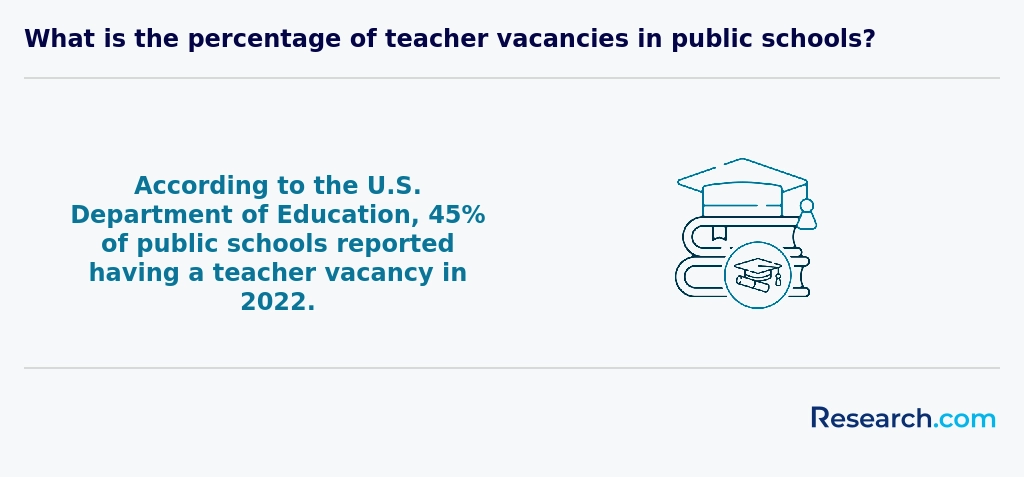
Students pursuing online educational leadership degrees in the District of Columbia can access a range of financial aid options that substantially ease the burden of tuition and related costs. Federal aid, activated through FAFSA, offers Pell Grants for eligible undergraduates and some certificate or master's program students, as well as Direct Subsidized and Unsubsidized Loans, which graduate students often use responsibly to manage expenses through favorable interest rates and repayment plans.
Locally, D.C. residents benefit from programs like the D.C. Tuition Assistance Grant (DCTAG), which can provide up to $10,000 annually for attendance at institutions within the District. Graduates from Howard University and the University of the District of Columbia frequently highlight institutional scholarships aimed at education leaders, including merit-based awards and supports for those employed in local schools, helping reduce financial stress significantly.
Employer tuition assistance is also common for educators within D.C., enabling practicing K-12 professionals to advance their leadership skills with partial or full funding from school districts. These combined aids create accessible pathways for motivated students to earn their degrees and grow professionally.
Enrollment in online educational leadership degree programs in the District of Columbia requires applicants to hold a bachelor's degree from an accredited institution, often emphasizing education or related fields. Graduates from popular institutions like American University or George Washington University frequently cite how this foundational requirement ensured they were academically prepared to tackle advanced leadership concepts.
A minimum undergraduate GPA of around 3.0 is typically mandated to maintain academic rigor, reflecting the competitive standards upheld by D.C. programs. Many students also recall the value of submitting strong letters of recommendation and a compelling statement of purpose, which helped highlight their leadership potential and career ambitions.
For those targeting licensure in the D.C. education system, having or qualifying for a valid teaching license is essential, particularly for roles such as principals or district administrators. Firsthand accounts from graduates highlight that relevant professional experience-generally two to three years in educational settings-is highly regarded, equipping candidates with practical insights and confidence to excel as future leaders.

Online educational leadership degree programs in the District of Columbia typically include courses designed to equip students with practical skills and theoretical knowledge necessary for effective school administration. Graduates from notable institutions in D.C. often highlight courses such as Educational Leadership and Administration, which teaches how to lead diverse teams and manage complex school environments.
Curriculum Development and Instructional Design classes provide students with tools to develop effective learning programs tailored to varied student needs, while School Law and Ethics prepare future leaders to navigate legal frameworks and foster ethical decision-making. Many students find Data-Driven Decision Making particularly empowering, as it trains them to use evidence and analytics for improving school performance.
Courses like Financial Management for Educational Institutions and Community Relations and Stakeholder Engagement bring real-world challenges into focus, mirroring scenarios graduates encounter in urban districts. This practical approach, coupled with a focus on equity and culturally responsive leadership, helps students feel prepared and confident to lead in D.C.'s diverse educational landscape.
Online educational leadership degrees in the District of Columbia typically offer a range of specializations tailored to the diverse needs of urban education. Graduates from popular colleges often highlight the practical relevance of specializations such as School Administration and Supervision, which prepares candidates for leadership roles like principal. Others pursue Higher Education Leadership, focusing on administrative careers within colleges and universities, or Curriculum and Instruction Leadership, concentrating on designing effective teaching strategies. The district's emphasis on equity has also encouraged programs to include Educational Policy and Advocacy, equipping students to influence local and state education policy effectively.
Many graduates appreciate the inclusion of Special Education Leadership, addressing the complexities of managing inclusive programs for students with disabilities. These focus areas reflect the unique challenges of D.C.'s diverse school populations and align closely with licensure pathways required in the District. For those considering advanced study, the best online doctoral programs in educational leadership provide comprehensive options emphasizing culturally responsive leadership and urban education contexts.
The variety and depth of District of Columbia educational leadership degree focus areas ensure students can pursue paths best aligned with their career goals and community impact ambitions.
Choosing the best online educational leadership degree in District of Columbia involves prioritizing accreditation and program quality. Graduates from local institutions often highlight the importance of selecting programs accredited by recognized bodies like CAEP, ensuring their credentials carry weight across D.C.'s competitive educational job market. Many find value in curricula that emphasize policy development, school administration, and equity-core areas essential to effective leadership in urban districts.
Flexibility is critical for working professionals in D.C.; asynchronous course formats enable balancing full-time work with study, while synchronous elements foster vital networking similar to experiences shared by alumni of well-known D.C. universities. Cost considerations also matter-exploring affordable online educational leadership degrees DC offers, alongside scholarships and tuition reimbursement, can ease financial burdens. Support services, expert faculty, and alignment with local licensure requirements are consistently praised by graduates, reinforcing career readiness.
For a comprehensive review of top options, prospective students should consult resources like the best higher education administration programs to identify programs best suited to their professional goals within District of Columbia.
Graduates of an online educational leadership degree in the District of Columbia often find themselves well-prepared for a variety of leadership roles within the education sector. Common career paths include positions such as school principals or assistant principals who oversee daily school operations and foster positive learning environments. Additionally, district administrators play a critical role in shaping educational policy and effectively allocating resources to meet community needs. Many graduates also thrive as instructional coordinators, implementing curriculum improvements and supporting teacher development to enhance student outcomes.
Several graduates from renowned institutions in D.C. have shared that their programs' focus on practical skills in school law, finance, and community engagement has made the transition to leadership roles both rewarding and impactful. Professionals interested in educational leadership degree jobs DC regularly advance into roles as educational consultants or higher education administrators, leveraging their training to influence broader educational strategies.
For aspiring leaders seeking flexible learning opportunities, exploring the best educational leadership master's programs online can offer valuable options tailored to meet the demands of living and working in the District of Columbia.
The job market for online educational leadership degrees in District of Columbia remains robust, driven by a high demand for skilled leaders in diverse urban educational settings. Graduates from renowned DC institutions often find rewarding roles as school principals, district administrators, or instructional coordinators within both public and private sectors. Many have shared positive experiences about their smooth transition into leadership positions, attributing success to DC's emphasis on educational equity and innovative program development that align with their training.
District of Columbia educational leadership career outlook benefits from ongoing reforms and a strong commitment to improving student outcomes across the region. For example, graduates working within DC's large public school system enjoy competitive salaries, with median wages around $100,000, reflecting the region's high cost of living and demand for qualified administrators.
Those pursuing an online educational leadership degree appreciate the flexibility it provides, enabling them to balance studies with professional responsibilities. With tuition ranging between $20,000 and $45,000 nationwide, this investment matches the promising prospects found in DC's educational job market. Students interested in exploring affordable doctor of education online programs often find a variety of options suitable for advancing their careers in this dynamic metropolitan area.
2027 Most Valuable Online Master's in Educational Leadership Degree Programs Ranking in District of Columbia
Investing in your education is a significant decision that can greatly impact your career and personal growth, and the Research.com team recognizes the importance of making well-informed choices. To support prospective students in the District of Columbia, we have carefully developed the "2027 Most Valuable Online Master's in Educational Leadership Degree Programs Ranking." Our dedication to quality, credibility, and accuracy is demonstrated through rigorous research and analysis underpinning this ranking.
We utilized the following reputable data sources to ensure a comprehensive evaluation of these programs:
By exploring this ranking, readers will gain valuable insights into the most valuable online master's programs in educational leadership available in the District of Columbia, enabling them to make confident and informed decisions about their educational investments. For more information on how this ranking was created, please visit our Research.com methodology page.


Frequently Asked Questions About educational leadership
Students pursuing online educational leadership degrees in the District of Columbia can maximize their learning by actively engaging with course materials and joining virtual study groups. According to the National Center for Education Statistics, interactive participation improves retention and real-world application. Additionally, connecting with local educational organizations like the DC Public Charter School Board can provide valuable networking opportunities and practical insights.
Balancing coursework with professional practice is essential. The District's high demand for skilled leaders in education, emphasized by the DC Office of the State Superintendent of Education, means students should seek internships or part-time roles in schools to apply theoretical knowledge.
Utilizing available online resources and faculty office hours enhances understanding and personalizes the learning process.
Emerging niches within educational leadership increasingly reflect the evolving needs of diverse school communities, especially in the District of Columbia. One significant area is *equity-focused leadership*, addressing achievement gaps among multicultural student populations. D.C.'s public school system, according to the Office of the State Superintendent of Education (OSSE), emphasizes culturally responsive leadership to improve outcomes for underrepresented groups.
Another growing field is *digital and blended learning leadership*. As schools adopt more technology, leaders skilled in managing online curricula and virtual classrooms are in demand. This niche has expanded rapidly due to the pandemic's impact on education delivery.
Additionally, *special education leadership* is gaining prominence, with a need for administrators knowledgeable about inclusive policies and individualized education programs (IEPs). Local data show increased enrollment of students requiring special education services in D.C., driving this trend.
After completing an online educational leadership degree in the District of Columbia, preparing for the job market involves several strategic steps. First, graduates should obtain or update their District of Columbia educator leadership license, as many administrative positions require state licensure. According to the D.C. Office of the State Superintendent of Education (OSSE), licensed leaders have greater employment opportunities in local public and charter schools.
Networking locally is essential. Joining professional organizations such as the District of Columbia Association of School Administrators can connect graduates with job openings and mentors. Additionally, seeking internships or mentorships during the program can provide practical experience and job references.
Many school leadership roles in D.C. demand skills in managing diverse urban school environments. Candidates should highlight competencies in equity-driven leadership and data-based decision making, as these are priorities in local school systems per recent reports from OSSE.
Understanding the local job market demands reviewing trends; the Bureau of Labor Statistics projects a steady 5% growth in education administration jobs nationwide through 2031, with urban districts like D.C. showing consistent hiring due to ongoing education reforms.
Employers in District of Columbia highly value several key skills in graduates with online educational leadership degrees. Strong communication skills are essential, as leaders must effectively engage with teachers, parents, and policymakers. Additionally, critical thinking and problem-solving abilities help educational leaders address diverse challenges in urban school settings.
Data from DC's Office of the State Superintendent of Education highlights the growing demand for leaders with cultural competency, enabling them to support the district's diverse student population. Financial management and strategic planning are also sought after, ensuring schools operate efficiently within budget constraints.
Experience with technology integration and compliance with federal education policies further strengthen a graduate's employability in DC's competitive education sector.
Finding internships in District of Columbia that align with an educational leadership degree involves a strategic approach. Start by exploring local school districts, such as the District of Columbia Public Schools (DCPS), which often offer administrative internships or assistant roles.
The D.C. Office of the State Superintendent of Education (OSSE) is another important resource that sometimes provides leadership internship opportunities.
Networking plays a significant role; connecting with educational nonprofits and attending local education leadership events can open doors. Additionally, universities offering educational leadership degrees in D.C. often have partnerships or career services to help secure internships.
According to the National Center for Education Statistics, urban districts like D.C. have an increasing need for effective educational leaders, which may increase internship availability.
An online educational leadership degree in the District of Columbia significantly enhances career mobility and advancement opportunities. Educational leaders in D.C. schools often require advanced credentials to qualify for leadership roles such as principals or district administrators. According to the U.S. Bureau of Labor Statistics, the region's education sector shows steady growth, with leadership positions expected to increase by 5% through 2031.
Holding a recognized online degree can meet state licensure requirements and demonstrate a candidate's commitment to education reform. This is critical in D.C., where school districts prioritize leaders with strong policy and management skills.
Moreover, the flexibility of online programs allows working professionals to advance without pausing their careers, expanding access to leadership roles across public and charter schools in the area.
Studying for an online educational leadership degree in the District of Columbia equips students with skills that extend beyond traditional school administration. Programs emphasize interdisciplinary collaboration, integrating knowledge from fields such as public policy, psychology, and organizational management. This prepares graduates to work effectively across various sectors, including government agencies, nonprofit organizations, and community education programs.
According to the U.S. Bureau of Labor Statistics, professionals with leadership skills in education see growing demand in D.C., where diverse educational environments require adaptable expertise. Courses often cover data analysis, equity in education, and strategic planning, fostering abilities to address complex challenges in multiple contexts.
The District's position as a political and cultural hub offers unique access to interdisciplinary networks and resources. Online degree programs leverage this by including case studies and projects related to urban education, policy development, and leadership ethics, broadening student perspectives and practical applications.
Choosing between a thesis and a non-thesis educational leadership degree program in the District of Columbia depends largely on your career goals and time commitment. Thesis programs typically require original research, which can enhance critical thinking and prepare students for doctoral studies or research roles. Non-thesis options often focus more on applied skills and practical leadership training, which may suit busy professionals seeking quicker completion.
In DC, where educational leadership roles are competitive, a thesis might provide an edge by demonstrating strong analytical abilities, as noted by Georgetown University's education department. However, non-thesis tracks remain popular for those aiming to enter administrative positions swiftly.
Consider program specifics, such as internship opportunities and faculty expertise, aligned with your professional ambitions.
Students based in the District of Columbia interested in studying educational leadership abroad have several pathways, typically through U.S. institutions offering international online programs or partnerships. While direct foreign enrollment is less common due to accreditation and state licensure standards, many universities provide globally focused curricula accessible online.
Programs often include leadership training aligned with U.S. Department of Education standards, enabling DC students to meet local certification requirements upon return. For example, several universities in the U.S. participate in global consortia offering online master's degrees with international perspectives.
According to the DC Office of the State Superintendent of Education, educational leadership roles in the district demand licensure, influencing students to choose programs accredited by bodies like CAEP or NCATE, which assure quality recognized both nationally and internationally.
Therefore, DC students pursuing educational leadership abroad should prioritize programs that blend international content with compliance to U.S. educational policies to ensure their degree supports career goals within the district.
Part-time job opportunities in the District of Columbia that complement an educational leadership degree often include roles in school administration support, tutoring, and educational program coordination. These positions allow students to gain practical experience while studying. For example, working as a teacher assistant in DC Public Schools provides insight into educational policies and leadership challenges. Additionally, many nonprofits in DC focus on education reform and offer part-time roles in project management or community outreach, which enhance leadership skills.
According to the DC Office of the State Superintendent of Education, leadership roles in education in DC are growing at a steady pace due to ongoing district initiatives. Engaging in these part-time jobs helps build a network of professional contacts and develop real-world knowledge crucial for future leadership positions.
Online educational leadership students in the District of Columbia can access significant networking opportunities despite the virtual format. Many local universities, such as George Washington University and American University, offer online programs with built-in virtual events, workshops, and cohort-based learning, fostering connections among students and alumni.
Additionally, professional organizations like the District of Columbia Association of School Administrators provide memberships tailored to educational leaders, offering conferences and mentoring. According to the DC Office of the State Superintendent of Education, nearly 30% of local educational leaders engage in such associations, which help enhance career prospects and collaborations.
Students may also benefit from proximity to federal education agencies, allowing connections with policy makers in the region through internships and webinars. This blend of online learning and regional engagement supports strong professional networks crucial for leadership roles.
Alumni networks offer significant advantages for online educational leadership degree students in the District of Columbia. These networks connect current students with graduates who have experience navigating the local education system. Such connections can provide mentorship, career advice, and insight into leadership roles in DC's diverse school districts, where 78% of public school principals hold advanced degrees according to the National Center for Education Statistics.
Moreover, alumni often share job openings and professional development opportunities exclusive to network members. This can be especially valuable in DC's competitive education job market. Access to a strong alumni network also fosters collaboration on educational initiatives, strengthening leadership skills relevant to urban settings.
Customizing an online educational leadership degree in the District of Columbia allows students to align their studies with specific career goals. Many programs offer electives or concentrations such as policy development, school administration, or curriculum design, enabling learners to tailor coursework to their desired roles.
DC's education sector, influenced by local policies and federal agencies, benefits from leadership prepared in understanding urban school systems. Online degrees often include practicum or internship options within DC schools, offering practical experience relevant to the district's unique challenges.
Students can select programs accredited by CAEP or NCATE, assuring quality and alignment with professional standards, which enhances job prospects in DC's competitive education market. Customization options promote both leadership skills and local educational insights.
Online educational leadership students in the District of Columbia face several common challenges that can affect their academic success. One major hurdle is balancing coursework with professional and personal responsibilities, as many students are already employed in education roles. Time management becomes critical, especially given the rigorous nature of leadership programs.
Additionally, students often encounter limited networking opportunities compared to on-campus peers, which can impact access to mentorship and professional connections within DC's education community.
Access to reliable technology and internet can also be a barrier, though it is less prevalent in urban DC than in other regions. According to the National Center for Education Statistics, about 7% of DC households face connectivity issues, which may affect online learning consistency.
Finally, adapting to virtual learning platforms and ensuring programs meet DC's licensure requirements adds complexity for students pursuing official leadership credentials in the district.
With an online educational leadership degree, professionals in the District of Columbia can pursue certifications such as the Principal and Assistant Principal licenses offered by the D.C. Office of the State Superintendent of Education (OSSE). These credentials qualify candidates to serve in administrative roles within public and charter schools.
Additionally, holders of educational leadership degrees often seek National Board Certification, which is recognized nationwide and can enhance leadership credibility. Programs aligned with the Interstate School Leaders Licensure Consortium (ISLLC) standards are especially valued in D.C.'s competitive education sector.
Many candidates also pursue specialized certificates in areas like curriculum development or school counseling to expand career opportunities.
To write a winning application for an online educational leadership program in the District of Columbia, start by thoroughly researching the program's specific admission requirements. Many programs seek candidates with clear professional goals and a commitment to improving education in DC's diverse school system. Highlight your leadership experience and any relevant accomplishments, as local education employers value practical expertise.
Strong letters of recommendation and a compelling personal statement are crucial. In your essay, emphasize your understanding of DC's unique educational challenges and your plans to address them. According to the DC Office of the State Superintendent of Education, leadership skills are vital in advancing equity and school improvement.
Finally, ensure your transcripts and test scores (if required) meet the program criteria. Attention to detail and a polished submission reflect your readiness for graduate study.
Educational leadership careers in the United States, including the District of Columbia, are increasingly viewed through a global lens. Leaders today must understand diverse educational systems and cultural contexts to implement effective practices. According to the U.S. Bureau of Labor Statistics, employment for education administrators is projected to grow 8% from 2022 to 2032, reflecting demand for skilled leadership.
District of Columbia's National Center for Education Statistics highlights the significance of leadership in improving urban education outcomes, an issue shared worldwide. Online educational leadership programs often emphasize global perspectives, preparing students to address challenges seen internationally, such as equity, policy, and innovation in education.
Gaining practical experience while studying for an online educational leadership degree in the District of Columbia is essential for career readiness. Many programs incorporate internships or fieldwork partnerships with local DC public and charter schools. These experiences allow students to apply leadership theories in real educational settings.
Additionally, students can engage in mentorship opportunities with experienced DC school administrators, which provide valuable insights into district policies and community challenges. According to the DC Office of the State Superintendent of Education, hands-on experience is key for leadership roles in over 220 DC public schools.
Volunteering in local educational organizations or joining DC-based professional networks also strengthens practical skills during the degree program.
Choosing the right concentration within an online educational leadership degree in the District of Columbia requires understanding your career goals and the local educational context. Concentrations often include curriculum development, policy administration, or special education leadership. In D.C., for example, there is strong demand for leaders skilled in urban education and equity, reflecting the area's diverse student population as reported by the National Center for Education Statistics (NCES).
Consider concentrations that align with district initiatives, such as D.C. Public Schools' focus on closing achievement gaps. Programs offering practical skills in data-driven decision-making and community engagement may better prepare graduates for leadership roles here.
Research local licensure requirements too, since some concentrations better satisfy DC state certification standards for school administrators. This alignment can improve employment opportunities after graduation.
- 2027 Most Valuable Online Master's in Educational Leadership Degree Programs Ranking in California
- 2027 Most Valuable Online Master's in Educational Leadership Degree Programs Ranking in Colorado
- 2027 Most Valuable Online Master's in Educational Leadership Degree Programs Ranking in Kansas
- 2027 Most Valuable Online Master's in Educational Leadership Degree Programs Ranking in Texas
- 2027 Most Valuable Online Master's in Educational Leadership Degree Programs Ranking in Minnesota
- 2027 Most Valuable Online Master's in Educational Leadership Degree Programs Ranking in Missouri
- 2027 Most Valuable Online Master's in Educational Leadership Degree Programs Ranking in Wisconsin
- 2027 Most Valuable Online Master's in Educational Leadership Degree Programs Ranking in Illinois
- 2027 Most Valuable Online Master's in Educational Leadership Degree Programs Ranking in Mississippi
- 2027 Most Valuable Online Master's in Educational Leadership Degree Programs Ranking in Michigan
- Alumni Leadership https://teachforall.org/our-impact/alumni-leadership
- Alumni Network https://center-for-leadership.org/academy/alumni-network/
- Education Leaders Experience https://sc-cep.org/elevate/education-leaders-experience/
- All Ed.D. Programs in Washington, D.C. - EdDPrograms. ... https://www.eddprograms.org/schools/district-of-columbia/
- Leadership Alumni Networks Making a Difference https://networkweaver.com/leadership-alumni-networks-making-a-difference/
- Educational Leadership Network (ELN) https://icsei.org/network/educational-leadership-network/
- Master's in Educational Administration and Leadership (K-12) https://www.columbiasc.edu/academics/graduate/masters-educational-administration-and-leadership-k-12
- Resources for Alumni: College Persistence Support https://www.studentleadershipnetwork.org/for-alumni/
- Educational Leadership Network Europe - Home https://elnenetwork.org/
- Humanizing School and District Leadership Through ... https://k-12leadership.org/blog/humanizing-school-and-district-leadership-through-student-experience/