2027 Most Affordable Online Master's in Educational Leadership Degree Programs Ranking in the Midwest

Co-Founder and Chief Data Scientist
Choosing the right online master's in educational leadership is an important step for Midwest students seeking to advance their careers in education. Our 2027 Most Affordable Online Master's in Educational Leadership Degree Programs Ranking in the Midwest was carefully developed by the Research.com team of data scientists to guide you toward affordable, quality options.
By exploring this article, you'll discover programs that balance cost and value, helping you make a confident decision. Pursuing this degree can open doors to leadership roles that make a real difference in schools and communities.
Key benefits of getting online educational leadership degree in the Midwest
- Educational leadership graduates in the Midwest can expect starting salaries around $55,000 to $75,000 annually, reflecting positive earning potential in roles such as school administrators and education coordinators.
- Career paths include becoming principals, curriculum directors, or education consultants, as seen with graduates from universities like the University of Michigan who find rewarding leadership roles in local schools.
- Completing an educational leadership degree online offers flexibility and convenience, allowing graduates from institutions like Indiana State University to balance work and study while advancing their careers efficiently.
- 2027 Most Affordable Online Master's in Educational Leadership Degree Programs Ranking in the Midwest
- What can I expect from online educational leadership degree in the Midwest?
- Where can I work with online educational leadership degree in the Midwest?
What can I expect from online educational leadership degree in the Midwest?
Students pursuing an online educational leadership degree in the Midwest can typically expect overall costs ranging from $20,000 to $40,000 for the entire program. Public universities like those in Illinois or Ohio often offer more affordable tuition rates, especially for in-state residents, while private institutions might charge toward the higher end. Graduates from these programs frequently mention the value they found in balancing cost with quality, appreciating how programs integrate accredited coursework approved by regional education boards.
Many programs offer flexible payment plans or financial aid to help manage expenses, making it easier for working professionals to invest in their leadership skills without overwhelming debt. For example, graduates from Midwestern state universities report feeling supported by advisors who helped them navigate scholarships and employer tuition assistance, which eased their financial concerns.
Choosing an accredited online program well-aligned with Midwest licensure standards not only ensures practical training but can also improve job prospects. The affordability combined with flexible scheduling empowers students to focus on leadership competencies without sacrificing their financial stability or work-life balance.
Where can I work with online educational leadership degree in the Midwest?
Graduates with an online educational leadership degree from well-known Midwest institutions often secure roles as school principals, assistant principals, or district administrators within K-12 public and private schools. These positions, common in states like Illinois, Ohio, and Michigan, benefit from steady demand fueled by educational reforms and the need for strong leadership. For example, a graduate from a respected Midwestern university shared how their degree helped them navigate the principal certification process and land a leadership role in a Chicago-area school district.
Many graduates also transition into higher education roles at community colleges or universities, taking on student affairs administration or program coordination. These jobs tap into skills developed in organizational management and policy implementation courses. Midwest universities increasingly support online leadership programs, enabling students to remain local while advancing their careers.
State departments of education represent another promising path, often requiring advanced degrees for policy development or professional development coordination roles. Graduates find satisfaction influencing education at a systemic level, especially in urban centers like Minneapolis or Indianapolis. Others leverage their expertise in educational consulting firms, non-profits, or foundations focused on training teachers and managing grants, where their leadership training directly impacts community growth.
Graduates with online educational leadership degrees in the Midwest can expect salaries that vary widely but generally reflect regional cost of living and school district size. For example, many graduates from universities like the University of Illinois or Ohio State University find that entry-level roles pay around $60,000 annually, especially in smaller districts. With experience, a graduate moving into a school principal position in states such as Illinois or Missouri might earn between $75,000 and $95,000.
Those who advance to district administrator or superintendent roles in larger metropolitan areas often see salaries exceeding $100,000 to $110,000. Graduates recall feeling encouraged by the clear path for salary growth linked to licensure and certifications earned through their online programs. Taking continuing education seriously helps increase leadership credentials, which in turn can boost salary by 10-20% according to regional education boards.
Overall, studying educational leadership online in the Midwest offers practical, attainable earnings with strong potential for upward mobility within schools and districts.
- Online educational leadership degrees in the Midwest typically lead to a master's degree designed for roles like school principal or district administrator.
- The total cost of these programs usually ranges from $15,000 to $30,000, with public universities offering lower tuition for in-state students, sometimes as low as $10,000.
- Entry-level salaries for graduates start around $60,000 per year and can increase to $75,000-$90,000 mid-career, with experienced leaders earning over $100,000 annually.
- The job market in the Midwest for educational leadership roles is stable, with a projected growth rate of 5-7% over the next decade.
- Many programs include support for state-specific licensure, which is required for many administrative positions.
Completing an online educational leadership degree in the Midwest typically takes about two years for full-time students at universities such as the University of Illinois or Ohio State University. Many graduates recall balancing coursework with family and work, finding that a structured schedule helped them stay motivated. For those who choose part-time enrollment to accommodate busy careers, completion can extend up to three years, as taking one or two courses per semester slows the pace but offers valuable flexibility.
Accelerated programs offered by institutions like Northern Illinois University allow driven students to finish in just 12 to 18 months by taking heavier course loads and engaging in cohort-based learning. Graduates often highlight the energizing experience of moving quickly through material while applying leadership concepts in real-time school settings.
Several programs also award credit for prior graduate work or professional experience, which past students found reduced their time to degree. However, keep in mind state licensure requirements for roles like superintendent might add to program length due to extra fieldwork or capstone projects.
Online educational leadership degrees in the Midwest offer unmatched flexibility, ideal for working professionals balancing jobs and family. Graduates from universities like the University of Illinois Urbana-Champaign praise how remote coursework allowed them to study evenings around busy schedules without sacrificing progress. The ability to log in from anywhere proves invaluable for those living in rural areas or managing childcare.
Conversely, on-campus programs at schools such as Michigan State University provide rich face-to-face interaction, fostering close mentorship and networking among peers and faculty. Graduates often highlight how campus resources and spontaneous conversations deepened their learning and built lasting professional connections.
Cost also factors in: while public Midwest universities charge $8,000 to $15,000 yearly for in-state students, online formats may reduce expenses by removing commuting and housing fees. However, many local institutions now price online courses similarly to traditional ones due to improved digital delivery quality.
Both formats meet licensure standards, but remember online students should check practicum availability locally, as hands-on internships often need in-person attendance.
The average cost of an online educational leadership degree in the Midwest typically centers around $17,220 for in-state students, with out-of-state tuition averaging about $22,935. These figures reflect median total costs and provide a practical benchmark for those seeking affordable pathways in this field.
Many graduates from Midwestern institutions share that public universities offer particularly competitive tuition rates, making it easier to balance quality education against financial commitments. For example, students attending well-regarded schools in Ohio or Illinois often find the programs manageable and rewarding without facing overwhelming debt. These programs usually require between 30 and 36 credit hours, with per-credit costs aligned to the median tuition rates mentioned.
One of the best approaches to reduce overall expenses is to explore the Midwest affordable online educational leadership programs tuition options, especially through in-state enrollment or by qualifying for residency. Many students report that small additional fees for technology and books remain minimal compared to total tuition, especially when bundled in the programs.
Further savings can come from opting for accelerated programs or taking advantage of financial aid and scholarships offered by universities. Interested students may also want to consider an accelerated online eds degree as a timely and cost-effective route to earning their credential.

Students pursuing online educational leadership degrees in the Midwest can tap into several financial aid options to ease their expenses. For instance, graduate students at popular universities like the University of Illinois or Michigan State often start by completing the FAFSA, unlocking federal loans with manageable repayment plans. Graduates appreciate the flexibility these loans offer, helping them balance work and study without overwhelming debt.
State-specific programs also provide relief. Illinois offers the Teacher Loan Redemption Program, which many students use to forgive loans by working in high-need areas. Similarly, scholarships in Ohio and Michigan support leadership candidates aiming to improve local schools, making these programs highly valued by aspiring administrators.
Many universities supplement aid with merit scholarships or assistantships worth thousands annually. Graduates recall how assistantships at places like Indiana University funded key semesters, reducing financial stress significantly.
Additionally, tuition reimbursement from employers is common, as school districts support educators advancing their leadership skills. Nationwide, about 60% of districts offer this aid, which can be a financial game-changer for working teachers.
Finally, private scholarships from groups such as the American Association of School Administrators often fill in funding gaps, making finishing an educational leadership degree feel achievable and rewarding.
To enroll in an online educational leadership degree program in the Midwest, you typically need a bachelor's degree from an accredited institution, often in education or a related field. Graduates from Ohio State University's program share how their prior degrees combined with professional experience helped them qualify smoothly. If your degree is in another discipline, demonstrating significant work experience in education can boost your application.
Many programs expect a minimum GPA around 3.0, but some Midwest schools consider candidates with slightly lower GPAs when they provide strong letters of recommendation or relevant educational experience. For instance, graduates often mention how showcasing leadership roles in their school communities made a difference.
Practical experience is crucial. Most programs, like those at the University of Illinois, recommend one to three years working in education-related roles such as teaching or administration. Submitting GRE or MAT scores may be optional as schools increasingly value your experience and academic history over standardized tests.
Lastly, prepare to provide letters of recommendation, a statement of purpose, and your resume. These documents help programs understand your leadership potential and career goals more clearly, making your application stand out in a competitive Midwest education market.

Online educational leadership degrees in the Midwest typically include courses that blend theory with practical skills essential for school administration. Graduates from universities like those in Illinois and Michigan often highlight how courses such as School Law and Ethics prepare them to confidently handle real-world legal challenges in K-12 settings.
Foundational classes cover topics including Educational Leadership Theory and Practice, Curriculum Design, and Data-Driven Decision Making. For example, one graduate shared that applying data analysis skills taught at their Ohio-based institution directly improved their school's performance management strategies.
Leadership programs also focus heavily on managing diverse student populations through courses like Diversity, Equity, and Inclusion in Education. Graduates appreciate how this training equips them to foster more inclusive school environments, a priority across Midwestern districts.
Courses in Fiscal Management and Human Resource Management ensure candidates can manage budgets and personnel effectively, skills praised by alumni who now lead busy school districts. This practical curriculum, common in respected regional institutions, equips future leaders with tools to tackle everyday challenges with confidence and vision.
Online educational leadership degree programs in the Midwest commonly offer specializations that cater to practical leadership roles in diverse educational environments. Graduates from popular schools such as the University of Illinois at Urbana-Champaign and Michigan State University often highlight their focus on School Administration and Leadership, preparing them for positions like principals or district supervisors. This specialization covers essential skills like organizational management and effective communication with educators and families, which proved invaluable in their career advancements.
Other widely chosen specializations include Higher Education Administration, which is ideal for those targeting university settings, and Curriculum and Instruction Leadership, focused on improving teaching strategies and student outcomes. Educational Policy and Advocacy appeal to those eager to influence education laws, while Special Education Leadership equips students to handle compliant and inclusive special needs programs.
Students exploring online educational leadership specializations Midwest value the flexible, affordable options that align with their career ambitions. Many programs encourage understanding the education leadership salary potential connected to each specialization to make informed decisions.
When choosing the best online educational leadership degree Midwest residents appreciate programs that balance accreditation and affordability. Graduates from popular Midwest colleges often highlight the importance of regional accreditation like that from the Higher Learning Commission combined with CAEP endorsement, which ensures the curriculum is relevant and respected. Experienced faculty who bring practical insights from K-12 leadership roles enhance the learning experience, making coursework applicable beyond theory.
Another key aspect is program flexibility. Many students juggling work and family find programs offering asynchronous classes invaluable, allowing them to study at their own pace over 18 to 36 months. Those who invested time in programs with internships or practicum experiences frequently report feeling more confident stepping into leadership roles.
Cost remains a top concern for many; exploring affordable educational leadership programs Midwest options is crucial. Some graduates found significant help through scholarships and payment plans. For guidance on affordable choices, consider an affordable online education specialist program that fits your career goals without compromising quality.
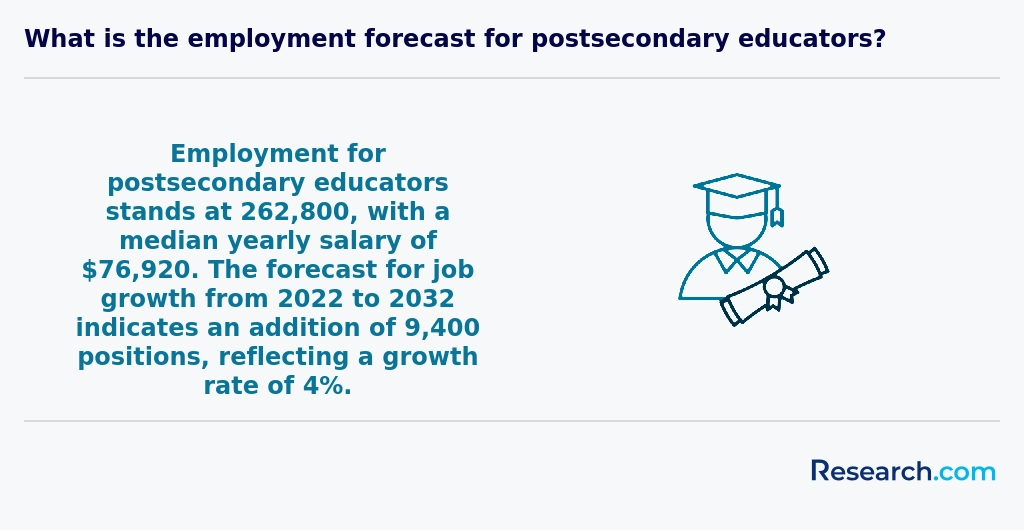
Graduates with an online educational leadership degree in the Midwest often pursue careers as school principals or assistant principals, where they manage daily operations and foster positive learning environments. Many find success by applying practical skills learned at well-known institutions such as the University of Illinois or Michigan State University, which emphasize real-world leadership challenges. For those targeting district-level roles like superintendent or curriculum coordinator, experience combined with specialized certification is key to advancing and influencing broader education policies.
Others leverage their degrees to access growth opportunities in higher education administration, working in positions such as admissions director or student affairs administrator. This path is supported by the region's increasing college enrollment rates and diverse institutions, making higher education a viable option for graduates seeking varied leadership roles. Many students appreciate how the online format accommodates their schedules while preparing them for Midwest educational leadership job opportunities.
Additional career avenues include educational technology management and policy analysis, areas increasingly relevant to schools' evolving needs. Prospective students interested in exploring practical leadership training can find numerous educational leadership masters programs online that cater to Midwestern professionals aiming to advance their careers.
The job market for online educational leadership degree graduates in the Midwest is robust and growing. Many graduates from respected programs at universities such as the University of Illinois and Ohio State share how their degrees opened doors to administrative roles in K-12 schools and district offices. These graduates benefit from the Midwest market for educational leadership degrees, where suburban and rural districts often face leadership shortages, expanding job opportunities.
Midwestern states emphasize improving education outcomes, increasing demand for skilled administrators who can navigate changing policies. Salaries typically range from $65,000 to $90,000, offering a rewarding career path. Graduates also appreciate how affordable many online programs are, with costs ranging from $10,000 to $25,000, making further education accessible without heavy financial strain.
For those deciding between paths, understanding the nuances between degree types is helpful; resources like edd vs eds which is better provide clear guidance. Overall, the Midwest offers practical career advancement for online educational leadership jobs Midwest seekers who want to lead with impact.
2027 Most Affordable Online Master's in Educational Leadership Degree Programs Ranking in the Midwest
Investing in your education is a significant decision that requires careful consideration, and the Research.com team is fully aware of the importance of making well-informed choices. To support prospective students in the Midwest, we have carefully created the "2027 Most Affordable Online Master's in Educational Leadership Degree Programs Ranking in the Midwest." Our dedication to quality, credibility, and accuracy is demonstrated through rigorous research and thorough analysis.
We utilized the following reputable data sources to ensure a comprehensive evaluation of these online degree programs:
By consulting this ranking, readers will gain valuable insights into affordable, high-quality programs that best fit their career goals in educational leadership. For more details on how the ranking was created, visit our Research.com methodology page.


# 8 position
Southern Illinois University-Edwardsville
Master of Educational Administration with a Specialization in Teacher Leader



# 14 position
University of South Dakota
Master of Administration/Organizational Leadership specialization


# 18 position
Central Michigan University
Master of Educational Leadership (Charter School Emphasis)


Frequently Asked Questions About educational leadership
Students pursuing online educational leadership degrees in the Midwest can maximize their learning by actively engaging in virtual discussions and networking opportunities. Research shows that students who participate frequently in online forums experience better retention and application of leadership theories. Additionally, Midwestern institutions often provide access to regional professional development resources and partnerships with local schools, which students should leverage for practical experience.
It is also important to manage time effectively and utilize campus resources such as career services and academic advising, even when studying remotely. According to the Midwestern Higher Education Compact, effective support systems significantly improve graduation rates for online students in the region.
Emerging niches within educational leadership increasingly focus on specialized roles that address the evolving needs of schools. One growing area is instructional leadership, where leaders concentrate on curriculum development and teacher training to improve student outcomes. Another niche gaining traction is equity and inclusion leadership, emphasizing strategies to close achievement gaps among diverse student populations. According to the Midwest Education Research Consortium (2023), demand for leaders skilled in data-driven decision-making and digital transformation has risen by 18% in the region over the past five years. These trends reflect a shift toward leaders who blend traditional management skills with expertise in innovation and social justice.
Preparing for the job market after completing an online educational leadership degree in the Midwest involves several strategic steps. Graduates should leverage state-specific licensure requirements; for example, many Midwestern states require a principal or superintendent license, which may necessitate exams like the Praxis or additional practicum hours. According to the U.S. Bureau of Labor Statistics, educational leadership roles in the Midwest are expected to grow by 7% between 2021 and 2031, signaling steady demand.
Networking is critical. Joining professional organizations such as the Midwest Educational Leadership Association can open doors to mentorship and job opportunities. Additionally, graduates should highlight practical skills gained online, like data-driven decision-making and technology integration, which are highly valued in districts adapting to new educational challenges.
Internships or part-time roles in local schools during or after the program improve employability. Finally, targeted resumes that emphasize leadership accomplishments and clear career goals enhance chances in competitive markets across Midwestern cities such as Chicago, Indianapolis, and Minneapolis.
Employers in the Midwest seeking graduates with online educational leadership degrees prioritize several key skills. Strong communication abilities are essential, enabling leaders to effectively engage with staff, parents, and community members. According to the Illinois Principals Association, 68% of employers emphasize decision-making and problem-solving skills as critical.
Additionally, data-driven leadership is increasingly valued, with many districts expecting leaders who can analyze student performance metrics to improve outcomes. The Midwest Education Policy Center highlights collaboration and team management as top skills, relevant to today's diverse and inclusive school environments.
Overall, adaptability and ethical leadership remain foundational in a region balancing urban and rural educational needs.
Finding internships in the Midwest for educational leadership students involves strategic research and networking. Universities often have partnerships with local school districts and education departments offering valuable internship placements. According to the Illinois Principals Association, internships help gain hands-on experience in school administration and policy implementation.
Prospective interns should contact education departments at Midwestern universities, such as the University of Missouri or Ohio State University, which provide resources specifically for educational leadership internships. Additionally, Midwestern state education agencies post internship opportunities related to school management and leadership.
Networking through professional organizations like the Midwest Educational Research Association can also connect students with internship openings. Many internships require a formal application, so students should prepare strong resumes highlighting relevant coursework and skills.
Online educational leadership degrees significantly enhance career mobility and advancement opportunities for professionals in the Midwest. These programs equip students with skills in administration, policy, and organizational leadership, which are essential for roles such as school principals and district supervisors.
According to the National Center for Education Statistics, administrative jobs in education are projected to grow by 8% through 2031, with the Midwest showing steady demand in states like Illinois, Ohio, and Michigan. Earning an online degree allows working educators to advance without relocating, maintaining their current employment while gaining credentials.
In addition, many Midwestern districts require or prefer candidates with a master's in educational leadership for leadership positions, making such degrees critical for promotion. Schools of education in the region often align online programs with state licensure requirements, further supporting upward career movement.
Studying for an educational leadership degree in the Midwest offers unique preparation for interdisciplinary roles by integrating diverse approaches from education, management, and policy. Many Midwestern programs emphasize collaboration across fields such as social work, business administration, and public administration, reflecting regional workforce needs.
According to the Midwest Education Research Consortium, over 70% of leadership roles in schools require skills beyond traditional education expertise, including financial management and community engagement. Online degrees often include case studies and projects that simulate real-world interdisciplinary challenges.
This blended curriculum helps graduates address complex educational environments, preparing them to lead in schools, districts, and related organizations effectively.
Choosing between a thesis and a non-thesis educational leadership degree in the Midwest depends largely on your career goals and learning preferences. Thesis programs require original research, ideal for students aiming for doctoral studies or research-oriented roles. According to the National Center for Education Statistics, about 40% of Midwest educational leadership master's programs offer thesis options. Non-thesis tracks focus on practical skills and often include internships or projects, suited for professionals targeting administrative roles in schools or districts.
The time commitment also varies; thesis programs typically extend completion times by several months due to research demands. Consider your professional timeline and whether your future employers in the Midwest value research experience when deciding.
Midwestern students seeking to study educational leadership abroad face limited direct options, as most programs remain domestic. However, several universities offer online degrees accredited in the US with opportunities for international exchange or short-term residencies. For example, some Midwestern institutions partner with global schools to provide study-abroad modules within their online educational leadership programs. According to the National Center for Education Statistics, over 60% of educational leadership master's degrees awarded in the Midwest are through online or hybrid models, reflecting local demand for flexible learning.
These programs emphasize US educational policy but occasionally include comparative international leadership studies. While fully abroad-based degree options are rare, Midwestern students benefit from online flexibility combined with occasional international experience. Prospective students should consult specific universities' international engagement policies to identify such opportunities.
Part-time job opportunities in the Midwest that complement online educational leadership degrees often focus on roles within school districts and community organizations. Common positions include administrative assistants in K-12 schools, teacher aides, and program coordinators for after-school initiatives. These roles provide practical leadership experience relevant to educational settings.
Working as a substitute teacher can also enhance leadership skills and understanding of classroom management. According to the Illinois State Board of Education, substitute teaching demand grew by 12% in recent years, reflecting regional needs for flexible educators.
Additionally, roles in nonprofit education groups and local education policy offices offer insight into leadership challenges in Midwestern education systems. These part-time jobs allow degree candidates to apply theory in real-world contexts while maintaining study flexibility.
Online educational leadership students in the Midwest benefit from a variety of networking opportunities designed to support professional growth.
Many universities offer virtual events, webinars, and discussion forums that connect students with faculty and peers across states such as Illinois, Indiana, and Ohio. Organizations like the Midwest Educational Leadership Consortium provide regional conferences and meetups tailored to online learners.
Additionally, students can engage with local chapters of national associations, including ASCD and AASA, which frequently host networking events in major cities like Chicago and Minneapolis.
These opportunities enable collaboration, mentorship, and access to job postings specific to educational leadership roles in the Midwest.
Alumni networks provide significant benefits for students pursuing online educational leadership degrees in the Midwest. These networks offer access to established professionals who can provide valuable mentorship, job referrals, and insights into regional education systems. According to the National Center for Education Statistics, nearly 30% of Midwestern educational leaders report getting their current positions through personal contacts, highlighting the importance of networking.
Membership in alumni groups also helps students stay informed about emerging trends and policies affecting Midwestern schools. Many universities facilitate regional meetups and virtual events to encourage ongoing connections among graduates and current students.
By joining a strong alumni network, online students can enhance their career growth and better navigate leadership opportunities within Midwest education systems.
Customizing an online educational leadership degree in the Midwest is possible by choosing programs that offer flexible concentrations and electives. Many universities allow students to focus on areas like K-12 administration, higher education leadership, or special education. This flexibility helps align your studies with specific career goals.
Some programs include internships or practicum experiences in local schools, which enhance real-world skills. Additionally, students can often select part-time or accelerated tracks depending on their schedules. According to the Midwest Education Consortium, over 60% of institutions in the region provide such adaptable options, supporting diverse professional growth.
Online educational leadership students in the Midwest often face challenges related to balancing work, family, and academic responsibilities. Many students are current educators or administrators managing full-time jobs while pursuing their degrees. According to the Midwest Higher Education Compact, nearly 45% of online education students report time management as a primary difficulty.
Another common challenge is limited access to consistent, high-speed internet, especially in rural areas across states like Iowa, Nebraska, and Kansas. This can hinder participation in synchronous classes or timely submission of assignments.
Cultural and institutional support can also be limited. Students sometimes report feeling isolated without the face-to-face interaction present in traditional programs, which affects motivation and networking opportunities.
With an online educational leadership degree, professionals in the Midwest can pursue several key certifications that enhance their qualifications. One common certification is the Educational Leadership or Principal Certification, which many states require for school administrative roles. This credential often needs passing a state-specific exam and some supervised experience.
Another important certification is School Superintendent Licensure, available in many Midwestern states like Illinois and Ohio. According to the Midwest Principals Association, over 60% of school leaders hold this certification to advance their careers.
Additionally, candidates may pursue National Board Certification in School Leadership from the Council for Professional Recognition, recognized nationwide for leadership excellence. These certifications align well with the competencies developed in educational leadership programs.
Writing a strong application for an online educational leadership program in the Midwest requires clear focus and preparation. Start by highlighting your professional experience in education, emphasizing leadership roles or projects. Programs often look for candidates with demonstrated commitment to school improvement and administrative skills.
Include well-crafted personal statements that connect your goals with the program's mission. Midwest institutions value applicants who understand regional educational challenges and opportunities, such as addressing diverse student populations across rural and urban districts.
Strong letters of recommendation from supervisors or educators who can attest to your leadership abilities are essential. Also, ensure your transcripts show a solid academic record, as many programs prefer applicants with at least a 3.0 GPA. According to the National Center for Education Statistics, over 65% of Midwest graduate programs in education emphasize these components.
Educational leadership careers in the Midwest reflect global trends emphasizing adaptive leadership and cultural competency. Professionals in this field often engage with diverse school populations, mirroring the increasing multicultural environments worldwide. According to the National Center for Education Statistics, Midwestern states have experienced steady growth in demand for educational administrators, with a projected 8% job increase by 2030.
Globally, educational leaders are expected to navigate complex policy landscapes and promote equity, skills highly valued in U.S. districts. Many universities in the Midwest offer online programs designed to equip leaders with international perspectives alongside regional expertise. This blend supports professionals prepared to address both local needs and broader educational challenges.
Gaining practical experience while pursuing an online educational leadership degree in the Midwest is crucial for career advancement. Many Midwestern programs offer practicum or internship opportunities in local schools or districts, allowing students to apply leadership theories in real settings.
Additionally, partnerships between universities and regional education agencies often enable remote mentoring and project collaboration. For example, some states like Ohio and Illinois have established networks facilitating student placements in K-12 schools.
Enrollment in these programs typically includes supervised fieldwork, which meets state licensure requirements for educational leaders. Statistics from the Midwest Council of Educational Leaders indicate that over 60% of online students secure such hands-on experiences before graduation.
When choosing a concentration within an online educational leadership degree in the Midwest, consider your career goals and local demand for specific skills. For example, districts often seek leaders skilled in curriculum development, special education administration, or district-level management. According to the Illinois Board of Higher Education, programs focusing on culturally responsive leadership and technology integration are growing in popularity due to evolving educational needs.
Review the curriculum carefully to ensure it aligns with licensure or certification requirements in your state, as these vary. Networking with regional professionals or alumni can provide insight into which concentrations offer the best job prospects.
Finally, evaluate how each concentration complements your prior experience and aspirations, ensuring it adds value to your leadership capabilities in Midwestern schools.
- Alumni Leadership https://teachforall.org/our-impact/alumni-leadership
- East North Central Region - The Most Affordable Educational ... https://www.educationalleadershipdegree.com/editors-choice/east-north-central-region-most-affordable-masters/
- Resources for Alumni: College Persistence Support https://www.studentleadershipnetwork.org/for-alumni/
- Remote Educational Leadership Online Jobs https://www.virtualvocations.com/q-remote-educational-leadership-online-jobs.html
- Leadership Alumni Networks Making a Difference https://networkweaver.com/leadership-alumni-networks-making-a-difference/
- Creating leadership practices elevating student experience https://k-12leadership.org/blog/creating-leadership-practices-around-embracing-student-experiences/
- Online Educational Leadership - Principal Endorsement ... https://online.aurora.edu/online-degrees/ma-master-educational-leadership/
- Educational Leadership Network (ELN) https://icsei.org/network/educational-leadership-network/
- Educational Leadership MS https://stfrancis.edu/educational-leadership-ms/
- School Leaders Network https://www.bestpracticenet.co.uk/school-leaders-network