2027 Best Online Doctorate in Educational Leadership Degree Programs Ranking in the Northeast

Co-Founder and Chief Data Scientist
Choosing the right online doctorate in educational leadership is a big step, especially for students in the Northeast aiming to advance their careers. This article features the 2027 Best Online Doctorate in Educational Leadership Degree Programs Ranking in the Northeast, carefully developed by the Research.com team of data scientists.
By exploring this ranking, you can make an informed choice about which programs truly stand out. Pursuing an educational leadership degree opens doors to rewarding opportunities and meaningful impact in the education field.
Take a confident step toward your future with guidance you can trust.
Key benefits of getting online educational leadership degree in the Northeast
- The average salary for educational leadership roles in the Northeast typically ranges from $70,000 to $90,000 annually, reflecting strong earning potential and career stability.
- Graduates from Boston University's educational leadership program often pursue careers as school principals, instructional coordinators, or district administrators, opening diverse leadership opportunities in education.
- Completing an online educational leadership degree from a school like Northeastern University allows flexible scheduling and balancing work-life commitments, making it easier to advance without pausing your career.
- 2027 Best Online Doctorate in Educational Leadership Degree Programs Ranking in the Northeast
- What can I expect from online educational leadership degree in the Northeast?
- Where can I work with online educational leadership degree in the Northeast?
What can I expect from online educational leadership degree in the Northeast?
The average total cost of an online educational leadership degree in the Northeast ranges from approximately $20,000 to over $50,000, varying by institution and residency status. Graduates from well-known universities in Massachusetts and New York often highlight the value of their education in relation to this investment, noting that flexible program structures and applied research opportunities justify the expense. Many students appreciate asynchronous coursework that allows them to balance full-time jobs with academic demands, making the cost feel worthwhile.
For example, graduates from programs affiliated with regional accreditors like the Middle States Commission on Higher Education commend the rigorous curriculum covering policy analysis and urban education reform. This rigorous training fosters confidence in leadership roles and can position graduates for promotions within K-12 or higher education systems.
The time commitment typically spans three to five years, which means tuition is spread out, helping students manage costs while working. Overall, the combination of prominent Northeastern institutions, targeted coursework, and practical leadership projects contributes to the perceived return on investment among students.
Where can I work with online educational leadership degree in the Northeast?
Graduates with an online educational leadership degree in the Northeast commonly secure roles such as school principals or assistant principals, especially given the region's approximately 18,000 public schools reported by the National Center for Education Statistics. These professionals oversee curriculum development, staff management, and cultivate positive school climates, often drawing on leadership experiences gained at institutions like Boston University or New York University.
Many graduates also advance to district-level administration positions, including superintendent or program coordinator roles, particularly in large school systems like New York City and Boston Public Schools. Such roles demand expertise in policy-making, budget oversight, and educational program improvement.
Higher education leadership is a frequent path for those holding doctoral degrees, with positions such as department chairs or deans at regional universities. Alumni often recount how their studies prepared them to influence education management at these institutions effectively.
Other employment avenues include private and charter schools, educational consulting, and government or nonprofit sectors focused on policy analysis and program evaluation. Graduates report satisfaction working in urban centers emphasizing educational equity and innovation.
Graduates of online educational leadership programs in the Northeast often find strong salary opportunities reflecting the region's robust education market. While specific U.S. Bureau of Labor Statistics data is unavailable for exact figures, reports show educational leaders-such as principals and superintendents-commonly earn between $90,000 and $150,000 annually in states like New York and Massachusetts.
For instance, alumni from popular programs at universities in Boston or Philadelphia report starting salaries near $85,000 with growth potential exceeding $130,000 as they gain experience and leadership credentials.
Many graduates pursuing doctoral degrees through online pathways highlight how advanced credentials unlock salary brackets above $160,000. This real-life progression is evident among those affiliated with well-known Northeast institutions, where leadership roles in urban public schools create dynamic career pathways.
These earning trends affirm that investing in an online educational leadership degree can translate to tangible financial and professional advancement in the Northeast's competitive education sector, leading to rewarding leadership roles in diverse school settings.
- Tuition for online educational leadership degrees in the Northeast ranges from $20,000 to $50,000, with public universities offering lower costs for in-state students.
- Starting salaries for graduates typically fall between $65,000 and $80,000 annually, with potential to exceed $100,000 with experience.
- The job market in the Northeast is growing at about 6% for educational managerial roles, driven by retirements and school expansions.
- Many programs are regionally accredited by NECHE or MSCHE, ensuring quality and eligibility for federal financial aid.
- Several degrees offer specialized tracks that align with state certification requirements for public school employment.
Completing an online educational leadership degree in the Northeast typically ranges from 1.5 to 3 years for full-time master's students, while part-time learners may take 3 to 5 years. Graduates from well-known regional institutions often share how the ability to balance work and study through asynchronous courses positively impacted their progress, allowing them to stay motivated and engaged despite busy schedules.
Doctoral programs, including Ed.D. and Ph.D. options at popular Northeast universities, usually require 3 to 6 years, factoring in dissertation research and practicum commitments. For example, some full-time Ed.D. candidates finish around 3 years, while part-time students often extend their timelines to 5 or 6 years, reflecting their professional and personal responsibilities. These flexible timelines create a supportive environment that many describe as empowering, because they can advance at a realistic pace without sacrificing quality.
Students appreciate that while program durations vary, credit requirements-about 30 to 36 hours for master's and 45 to 60 hours for doctoral studies-remain clear, helping them map out achievable goals aligned with their lives and careers.
Online and on-campus educational leadership degree programs in the Northeast differ primarily in format and flexibility. Online students, often working educators from institutions like Northeastern University or the University of Massachusetts, appreciate the ability to balance coursework with professional responsibilities without relocating. A graduate from an online program shared that completing practicums locally allowed her to directly apply leadership strategies in her school, enhancing her learning experience while staying close to family.
Conversely, on-campus programs at schools such as Boston College provide face-to-face interaction, fostering a tight-knit community. These students often highlight the value of immediate access to campus resources and networking with peers and faculty, which can be crucial for collaborative leadership skill development.
Cost differences are significant. Online Doctorate programs in the region average $20,000 to $45,000, whereas on-campus ones often exceed $50,000, excluding living expenses. Many online learners benefit from in-state tuition rates and avoid commuting costs, adding financial relief to their positive academic journeys.
The average cost of an online educational leadership degree in the Northeast is approximately $48,507, reflecting the median total tuition for both in-state and out-of-state students. This figure aligns with the investment many graduates from well-known universities and colleges in the region have experienced. For example, graduates from universities renowned for their educational leadership programs often describe the cost as substantial but justified by the quality of instruction and the career growth opportunities it unlocks.
In practice, students pursuing an online doctorate educational leadership tuition Northeast often find that this financial commitment translates to enhanced skills and leadership readiness in educational settings. Many report that program flexibility and comprehensive curriculum coverage make managing work, study, and finances more feasible, especially when factoring in available scholarships and financial aid.
While some programs charge varying tuition based on residency, the distinction between in-state and out-of-state tuition rates is minimal for fully online degrees, allowing students across the Northeast to access competitive pricing. This affordability encourages more professionals to pursue these programs without relocating. Graduates often reflect positively on their decision, particularly valuing how the program prepared them for complex administrative roles.
For prospective students eager to explore career trajectories following their degree, resources outlining jobs with a masters in educational leadership can provide useful insights. Overall, understanding the average cost online educational leadership degree northeast helps candidates budget effectively and anticipate the financial aspects of their educational journey.
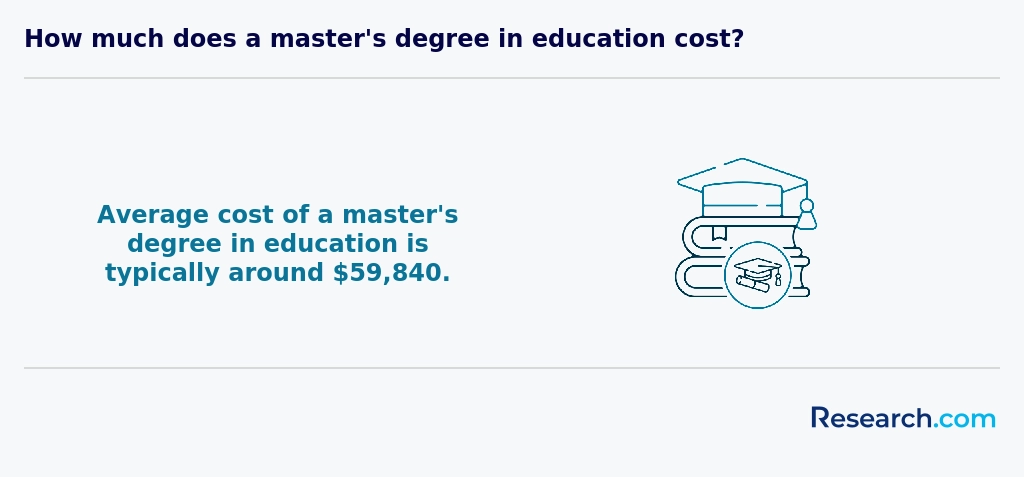
Students pursuing online educational leadership degrees in the Northeast often rely on multiple financial aid sources to manage tuition costs, which typically range from $15,000 to $40,000. Federal aid, accessible via the FAFSA, includes student loans with fixed interest rates and flexible repayment terms, though Pell Grants are less common for graduate students in these programs.
Graduates from institutions like Boston University or the University of Pennsylvania report benefiting from state-specific grants such as New York's TAP or Massachusetts' MassGrant, which can substantially offset expenses when eligibility criteria like residency are met. Additionally, merit-based scholarships offered by these universities provide crucial support to those demonstrating leadership potential or financial need.
Educators enrolled online often cite employer tuition reimbursement as key to their success, particularly in districts that prioritize professional growth. Some programs also participate in federal TEACH grants, reducing costs for individuals committing to underserved schools, inspiring confidence in their investment in a leadership career.
Applicants seeking enrollment in online educational leadership degree programs in the Northeast must typically hold a bachelor's degree from an accredited institution, with many programs preferring education-related fields. For instance, graduates from institutions such as the University of Pennsylvania or Boston College often report that a relevant academic background, combined with one to three years of full-time experience in educational roles, strongly bolsters their applications.
Practical experience in teaching or administration is frequently required and valued, reflecting real-world leadership challenges graduates face managing school teams or programs. Leadership or supervisory experience further enhances candidacy, aligning with program goals focused on developing effective school administrators.
Standardized tests like the GRE are sometimes required, though programs such as those at Rutgers University increasingly waive this for candidates with strong academic or professional records. Letters of recommendation and personal statements enable applicants to demonstrate leadership potential and career motivations vividly.
Additionally, some Northeast states mandate valid teaching licenses before admission, notably in programs leading to principal certification, underscoring the importance of aligning prerequisites with state-specific regulations and career aspirations.
Online educational leadership degree programs in the Northeast consistently include core courses that blend theory and practice, equipping students for real-world administrative roles. Graduates from notable institutions such as University of Pennsylvania and Boston College report that courses like Foundations of Educational Leadership and Organizational Theory and Change Management have helped them confidently lead through complex school transitions.
Programs emphasize Data-Driven Decision Making, where students use analytics to improve educational outcomes-an essential skill for today's evolving school environments in the Northeast's diverse districts.
Courses on Educational Policy and Law provide nuanced insights into region-specific regulations, ensuring graduates can navigate state licensing and certification requirements effectively.
Equity and Diversity in Education fosters cultural competence, preparing leaders to support diverse student bodies, a key concern in urban and suburban Northeast schools. Many students value the Capstone or Practicum Experience, partnering with local districts to apply leadership skills in tangible, impactful settings.
Online educational leadership degree specializations in the Northeast commonly include K-12 Leadership, Higher Education Administration, Curriculum and Instruction Leadership, Special Education Leadership, and Educational Policy and Reform. K-12 Leadership prepares graduates for roles like principals or district leaders, focusing on managing school operations and community engagement. Graduates from Boston University and the University of Pennsylvania report gaining practical skills that translate directly to these positions, enhancing their career readiness in the region's dynamic education sector.
Higher Education Administration specialization targets leadership within colleges and universities, encompassing student affairs and academic administration, while Curriculum and Instruction Leadership helps students lead curriculum development backed by strong pedagogical knowledge. Special Education Leadership is designed for professionals managing programs supporting students with disabilities, ensuring compliance and promoting inclusivity.
Students pursuing educational leadership doctorate concentrations Northeast benefit from programs emphasizing policy analysis and advocacy, key for reform initiatives. Many also highlight the value of flexible online formats. Those seeking faster pathways often explore an accelerated masters degree in teacher leadership to tailor their specialization efficiently.
Choosing the best online educational leadership degrees Northeast requires focusing on accreditation and curriculum rigor. Programs accredited by bodies like the Council for the Accreditation of Educator Preparation (CAEP) ensure quality and recognition, which is crucial for career advancement. Graduates from popular Northeast colleges frequently highlight how specialized programs with K-12 leadership or superintendency tracks equipped them with applicable skills, blending theory with practical internship opportunities.
Cost is a significant factor; the average graduate tuition in the Northeast exceeds $20,000 annually, but many online options offer in-state rates or financial aid. Affordable online doctorate programs in educational leadership Northeast appeal to working professionals balancing budgets and schedules. Graduates often appreciate flexible pacing and strong student support services, including advising and tech help.
Completion time and cohort size also matter. Programs with smaller cohorts foster personalized learning and networking, an aspect praised by students at regional universities. For detailed comparisons of rigorous programs, exploring a doctorate in administration education online can provide valuable insights and options tailored to Northeast students' needs.

Graduates of online educational leadership programs in the Northeast often secure roles as school principals, assistant principals, and district administrators, where they manage staff and budgets in dynamic K-12 settings. These career paths are bolstered by strong regional demand, with the U.S. Bureau of Labor Statistics projecting an 8% growth through 2032 for related educational leadership job opportunities Northeast. Many graduates from institutions such as Northeastern University or Boston College report feeling empowered as they navigate these leadership roles, applying practical skills gained from their online coursework.
Advanced degree holders frequently pursue superintendent positions, overseeing entire school districts where strategic and financial management skills are critical. Universities in the Northeast emphasize relevant certification through accredited online programs, making degrees from schools like Teachers College, Columbia University, especially valuable. Beyond traditional school settings, career options expand into higher education administration, including roles like academic program directors or student affairs deans, often found at research-intensive institutions within the region.
Some graduates choose consulting careers or leadership roles in non-profits and state education departments, drawn by the opportunity to influence educational policy and practice at broader levels. The affordability and flexibility of programs like educational leadership online masters degrees further enhance accessibility for working professionals aiming to advance in these diverse career trajectories.
The job market for graduates with online educational leadership degrees in the Northeast remains strong, driven by ongoing demand for skilled administrators across public schools and higher education institutions. Many graduates from well-known universities in Massachusetts and New York report securing leadership roles such as school principals or district administrators soon after completing their programs, thanks to the region's focus on educational reforms and leadership development. This positive career outlook in the educational leadership career outlook Northeast is supported by data showing median principal salaries of around $120,000 in Massachusetts and $115,000 in New York.
Flexibility in earning credentials remotely is highly valued by students balancing work and family, especially when programs are tailored to meet licensure requirements in these states. Graduates often express satisfaction with the practical skills gained through their courses, which align well with job market expectations. For those seeking accelerated options, a variety of reputable institutions offer 1 year online masters in education programs that combine speed with career readiness.
2027 Best Online Doctorate in Educational Leadership Degree Programs Ranking in the Northeast
Investing in your education is a significant decision that can shape your future, and the Research.com team understands the importance of making informed choices. To assist prospective students in the Northeast, we have meticulously crafted the "2027 Best Online Doctorate in Educational Leadership Degree Programs Ranking in the Northeast." Our commitment to quality, credibility, and accuracy is reflected in the extensive research and analysis conducted to compile this ranking.
We utilized the following reputable data sources to ensure a comprehensive evaluation of educational leadership programs:
By exploring this ranking, readers will gain valuable insights into the most reputable and effective online doctoral programs in educational leadership in the Northeast, empowering them to make well-informed educational decisions. For more information on how this ranking was developed, please visit our Research.com methodology page.


# 3 position
Slippery Rock University of Pennsylvania
Doctor of Educational Leadership and Administration

# 4 position
PennWest California
Doctor of Education Administration and Leadership (Superintendent Letter of Eligibility Certification)


Frequently Asked Questions About educational leadership
Students pursuing online educational leadership degrees in the Northeast can enhance their learning by actively engaging with faculty and peers through discussion boards and virtual group projects. According to the National Center for Education Statistics, interactive learning improves retention and leadership skills. Many Northeastern universities provide access to local mentorship and internship opportunities, which allow students to apply theory in real-world settings.
Additionally, managing time effectively is crucial, as 64% of online learners in the U.S. cite time management as their biggest challenge (Online Learning Consortium, 2023). Utilizing campus resources, such as virtual libraries and career services, also supports academic success and professional growth.
The field of educational leadership is expanding into several emerging niches, particularly relevant for professionals in the Northeast pursuing online degrees. One growing area is equity-focused leadership, which emphasizes addressing achievement gaps in diverse and urban school districts common in states like New York and Massachusetts. According to the National Center for Education Statistics, nearly 40% of schools in these states serve high populations of students from underrepresented backgrounds, highlighting the demand for leaders skilled in equity.
Another niche is digital transformation leadership. As schools increasingly rely on technology, leaders who can manage virtual learning and data analytics are in high demand. The Consortium for School Networking reported a 25% increase in technology leadership roles in Northeast districts over the past five years.
After completing an online educational leadership degree in the Northeast, graduates should focus on gaining relevant experience and building professional networks. According to the U.S. Bureau of Labor Statistics, educational leadership roles in this region are expected to grow by 5% from 2022 to 2032, reflecting steady demand.
Internships and practicum opportunities offered by many online programs provide practical skills and help develop connections with school districts. Additionally, joining regional organizations like the New England School Leadership Network can expand professional contacts.
Certification requirements vary by state, so graduates must verify licensure rules with their local Departments of Education to remain eligible for leadership roles.
Employers in the Northeast increasingly value educational leadership graduates who demonstrate strong communication and interpersonal skills. Effective leaders must collaborate with teachers, parents, and community members to foster a positive learning environment. According to the New England Board of Higher Education, problem-solving and data-driven decision-making are also critical, reflecting a growing emphasis on accountability and student outcomes.
Additionally, digital literacy and the ability to lead remote or hybrid learning initiatives have become essential since 2020. Graduates with knowledge of educational policy and compliance stand out in the competitive Northeast job market, where districts prioritize candidates who can navigate complex regulatory environments.
Finding internships in the Northeast for students pursuing an educational leadership degree requires targeted strategies. Begin by exploring partnerships that universities have with local school districts. Many institutions in this region, such as those in Massachusetts and New York, maintain formal internship placements with public and charter schools. According to data from the New England Board of Higher Education, approximately 70% of regional educational leadership programs facilitate internships within local K-12 systems.
Networking plays a crucial role. Joining organizations like the Association for Supervision and Curriculum Development (ASCD) and attending regional conferences can connect students with opportunities. Additionally, state departments of education often list leadership internship openings specific to education administration.
Utilize career centers and online platforms such as Handshake or regional job boards focused on education roles in states like Pennsylvania and Connecticut. Applying early and demonstrating interest in school improvement and administration policies increases chances of placement.
Obtaining an online educational leadership degree significantly enhances career mobility and advancement opportunities for professionals in the Northeast. Leaders in education increasingly require advanced credentials to secure higher-level roles such as school principals, district administrators, or policy advisors. According to the National Center for Education Statistics (NCES), over 60% of school leaders in Northeastern states hold a master's or doctoral degree in educational leadership or related fields.
Online programs offer flexibility, allowing working educators to upskill without leaving their current positions. This flexibility supports continuous employment while gaining skills in management, policy, and educational law.
Employers in the Northeast-where education standards and competition remain high-often prefer candidates with recognized degrees from accredited universities. The Bureau of Labor Statistics projects a 7% growth in educational administration jobs through 2030, emphasizing demand for qualified leaders.
Studying for an educational leadership degree in the Northeast equips students with skills to manage diverse educational settings effectively. Programs often emphasize interdisciplinary collaboration, integrating knowledge from psychology, business, policy, and technology.
The region hosts numerous accredited institutions accredited by bodies like CAEP, offering tailored curricula that reflect local educational challenges. Data from the National Center for Education Statistics shows that Northeast schools increasingly seek leaders fluent in cross-sector approaches to improve student outcomes.
Students learn to navigate complex systems involving community organizations, government agencies, and schools. This preparation supports roles beyond traditional administration, such as policy advising and program development.
When choosing between a thesis and a non-thesis online educational leadership degree in the Northeast, consider your career goals and learning preferences. Thesis programs require original research and a formal dissertation, ideal for those planning academic or research careers. Non-thesis options often emphasize practical leadership skills and may include comprehensive exams or applied projects instead. According to the Northeastern Association of Schools and Colleges (NEASC), approximately 60% of educational leadership doctorates in the region offer both options, reflecting diverse student needs.
The decision also involves time commitment; thesis tracks typically take longer due to research demands. Additionally, if you plan to work in K-12 administration or district leadership, a non-thesis program focused on applied skills might be more beneficial.
Students in the Northeast seeking to study educational leadership abroad often rely on online programs offered by US institutions with international partnerships. While direct overseas enrollment in foreign universities is less common among this group, many Northeastern schools include global perspectives within their curriculum. For instance, universities like Northeastern University and Teachers College, Columbia University, incorporate international case studies and offer virtual exchanges.
The U.S. Department of Education highlights that roughly 15% of online graduate students from the Northeast participate in study-abroad or international learning modules digitally. This approach aligns with travel restrictions and professional obligations common among working students.
Part-time job opportunities that complement an educational leadership degree in the Northeast often relate directly to the education sector. Roles such as teacher assistantships, tutoring positions, or administrative support within school districts provide practical experience with leadership and organizational skills. According to the U.S. Bureau of Labor Statistics, the Northeast shows a higher-than-average employment rate for educational administrators in public and private schools, highlighting active job markets in this region.
Additionally, many districts and educational nonprofits seek part-time program coordinators or after-school program supervisors, offering leadership experience while pursuing studies. These roles align with core skills developed in leadership programs.
Online educational leadership students in the Northeast benefit from numerous networking opportunities tailored to their professional growth. Many universities offer virtual events, workshops, and guest speaker sessions that connect students with experienced educators and administrators in the region. According to the New England Board of Higher Education, collaborations among Northeast institutions provide access to regional conferences and leadership forums, increasing peer interaction.
Professional organizations such as the New England School Development Council and the Association for Supervision and Curriculum Development have active online communities. These platforms facilitate discussions and mentorship, enhancing leadership skills and career visibility.
Alumni networks provide significant benefits to students pursuing online educational leadership degrees in the Northeast. These networks foster connections among graduates who often work in local school districts, colleges, and educational organizations, enhancing professional opportunities.
Research by the Northeastern Education Leadership Consortium indicates that 68% of alumni report job referrals through their networks, accelerating career advancement. Additionally, alumni groups offer mentorship, helping new students navigate challenges specific to regional policies and educational trends.
Access to exclusive workshops, conferences, and online forums further supports ongoing professional development. For many, these networks become a vital resource long after graduation, linking Northeast educational leaders across urban and rural areas.
Customizing an online educational leadership degree in the Northeast allows students to align their studies with specific career goals. Many programs offer elective courses in areas such as curriculum development, policy analysis, or special education leadership.
Students can often select concentrations or certificates to deepen expertise in fields like K-12 administration or higher education management. Some programs provide flexibility in practicum placements, enabling learners to gain experience relevant to their desired roles.
According to the National Center for Education Statistics, institutions in the Northeast increasingly emphasize leadership skills that address regional educational challenges, which students can tailor through course selection.
Additionally, some programs partner with local districts or organizations, offering networking opportunities that support career advancement.
Online educational leadership students in the Northeast often face challenges related to balancing rigorous coursework with professional and personal responsibilities. According to the National Center for Education Statistics, many part-time students must manage full-time jobs alongside their studies. Connectivity issues also arise, particularly in rural areas of states like Maine and Vermont, where reliable high-speed internet can be limited.
Additionally, students report difficulty accessing local professional networks and mentorship opportunities, which are crucial for leadership development. The asynchronous format, while flexible, can lead to feelings of isolation when peer collaboration is minimal. Navigating licensure and certification requirements across differing state regulations in the region adds further complexity.
Graduates with an online educational leadership degree can pursue several professional certifications to enhance their career prospects. Common certifications include State School Administrator Licensure or Principal Certification, which are often required for leadership roles in K-12 education across the Northeast. For instance, states like New York and Massachusetts have specific certification pathways tied to their Departments of Education.
Additionally, candidates may seek National Board Certification for Educational Leadership, recognized nationwide and valued for its rigorous standards. Some also pursue specialized credentials such as Superintendent Certification or Director of Curriculum and Instruction licenses.
These certifications typically require a combination of advanced education, supervised experience, and passing relevant exams, supporting career advancement within public and private educational institutions.
To write a winning application for an online educational leadership program in the Northeast, start with a clear, focused personal statement. Emphasize your leadership experience and your commitment to improving education. Programs value applicants who demonstrate practical knowledge combined with a vision for positive change.
Highlight your academic achievements, especially relevant coursework or certifications in education. According to the National Center for Education Statistics, Northeast institutions report increased enrollment in leadership degrees, indicating strong competition - making a strong GPA and relevant experience essential.
Be sure to secure strong recommendation letters from supervisors or professors familiar with your leadership potential. Tailor your application to each program's mission and values, showing you've researched their unique emphasis and faculty.
Globally, educational leadership careers emphasize skills in managing diverse schools and adapting to rapid changes in education systems. In the U.S., particularly the Northeast, leadership roles often require advanced degrees such as doctorates obtained online, reflecting a growing demand for flexible learning options.
According to the National Center for Education Statistics (NCES), the Northeast hosts numerous accredited online programs in educational leadership, appealing to professionals balancing work and study. Educational leaders here are expected to address equity, digital learning integration, and policy development, trends seen worldwide.
Internationally, leaders focus on improving student outcomes and fostering inclusive environments, which aligns with U.S. priorities. The global emphasis on data-driven decision-making and community engagement underscores the versatile competencies gained through these degrees.
Gaining practical experience while studying for an online educational leadership degree in the Northeast is essential for applying theoretical knowledge. Many programs encourage or require internships or practicum experiences in local schools or educational organizations. These placements often provide real-world leadership challenges under the supervision of experienced administrators.
Additionally, partnerships between Northeast universities and school districts facilitate hands-on opportunities. For example, institutions in New York and Massachusetts frequently collaborate with public schools to offer fieldwork. According to the National Center for Education Statistics, over 60% of online educational leadership students engage in internships during their studies.
Students can also pursue volunteer leadership roles or participate in education-focused community initiatives to build experience alongside coursework.
Choosing the right concentration within an online educational leadership degree in the Northeast requires careful consideration of your career goals and regional educational needs. Concentrations often range from K-12 administration to higher education leadership. According to the National Center for Education Statistics, nearly 70% of school districts in the Northeast seek leaders with specialized skills in curriculum and instruction or equity and inclusion.
Consider the current demand in your state. For example, Massachusetts emphasizes equity-focused leadership due to diverse student populations, while Pennsylvania shows strong growth in special education administration roles.
Research program accreditation and partnerships with local schools for practical experience. This alignment can enhance your professional network and job prospects in the competitive Northeast education sector.
- Challenges for Educational Leaders: Solutions for Success https://www.educationalleadershipdegree.com/blog/challenges-for-educational-leaders/
- Tips for Applying to Doctoral Programs | AASL Knowledge Quest https://knowledgequest.aasl.org/tips-for-applying-to-doctoral-programs/
- School Leaders Network | Best Practice Network https://www.bestpracticenet.co.uk/school-leaders-network
- Educational Leadership Career Planner https://www.snu.edu/educational-leadership-career-planner
- Alumni Network - Center for Leadership https://center-for-leadership.org/academy/alumni-network/
- 5 steps to writing a strong school leadership application https://chrisenglish.com.au/2024/12/08/5-steps-to-writing-a-strong-school-leadership-application/
- The skills employers seek https://www.emerging.fr/post/the-skills-employers-look-for-in-new-university-graduates
- How to Pick Your Concentration for Your M.Ed. Degree | ACE Blog https://ace.edu/blog/how-to-pick-your-med-concentration/
- Online Master's in Education: Compare Top Massachusetts Programs https://www.onlinemastersdegrees.org/best-programs/education/massachusetts/
- Bringing global perspectives to leadership in business https://www.eaie.org/resource/global-perspectives-leadership-business.html