
2027 Fastest Online Educational Leadership Degree Programs Ranking in Minnesota

Co-Founder and Chief Data Scientist
Are you considering advancing your career with an educational leadership degree? Choosing the right program can feel overwhelming, especially with so many options available online.
This article features the 2027 Fastest Online Educational Leadership Degree Programs Ranking in Minnesota, developed by the Research.com team of data scientists. It's designed to help you make an informed decision by highlighting programs that balance quality and speed.
Discover valuable insights that can guide you toward a program that fits your goals and lifestyle, empowering your path to success in education leadership.
Key benefits of getting online educational leadership degree in Minnesota
- Salary: Educational leadership degree graduates in Minnesota typically earn competitive salaries, with school principals in the US earning a median annual wage around $98,490, reflecting strong earning potential in leadership roles.
- Career Paths: Graduates from institutions like the University of Minnesota often pursue roles such as school administrators, instructional coordinators, or district leaders, providing diverse opportunities to impact education positively.
- Online Degree Benefits: Completing an educational leadership degree online offers flexibility and accessibility, allowing working professionals in Minnesota to advance their careers without disrupting their current jobs or personal commitments.
- 2027 Fastest Online Educational Leadership Degree Programs Ranking in Minnesota
- What can I expect from online educational leadership degree in Minnesota?
- Where can I work with online educational leadership degree in Minnesota?
What can I expect from online educational leadership degree in Minnesota?
The average cost of an online educational leadership degree in Minnesota varies significantly depending on the institution and residency status. Public universities like the University of Minnesota and St. Cloud State University offer in-state tuition rates that can be considerably lower, often ranging from $12,000 to $18,000 for the entire graduate program. Graduates from these programs frequently mention that financial aid and employer tuition reimbursement made the investment manageable, highlighting the importance of exploring these options early to reduce out-of-pocket expenses.
Some students report appreciating the balance between affordability and the rigorous curriculum these universities provide, emphasizing how the cost aligns with the program's comprehensive coverage of leadership theory and applied skills. However, it's important to note that private institutions and out-of-state enrollments typically incur higher tuition, sometimes pushing totals above $25,000. These differences remind prospective students to carefully evaluate value beyond sticker price, including accreditation and alignment with Minnesota's licensure requirements.
Ultimately, affordability varies, but many find satisfaction in the practical, flexible structure combined with a cost that reflects the quality and relevance of Minnesota's recognized educational leadership programs.
Where can I work with online educational leadership degree in Minnesota?
Graduates with an online educational leadership degree in Minnesota often find roles in K-12 school districts, higher education, and community education programs. Many who studied at institutions like the University of Minnesota or St. Cloud State University have shared how their degree opened doors to positions such as assistant principals or curriculum coordinators within local school districts. These roles require hands-on management of school operations and educational programs, providing direct impact on students and teachers alike.
Others have transitioned into higher education, taking on leadership roles such as academic deans or program directors at Minnesota State Colleges and Universities. Such positions involve strategic planning and support for faculty and students, reflecting the leadership skills nurtured during their studies.
Community education also presents a meaningful career path. Graduates often lead workforce development or youth programs, managing resources to help diverse populations access education. While opportunities exist statewide, urban areas like Minneapolis-St. Paul typically offer higher salaries, though rural districts provide critical roles with unique challenges and rewards.
Graduates holding an online educational leadership degree in Minnesota often find differentiated earning opportunities depending on their career path and district size. For instance, educational administrators in Minnesota report a median annual salary near $103,000, modestly above the national median of $98,000. This aligns with experiences shared by graduates from institutions like the University of Minnesota's College of Education, where many secure leadership roles in larger districts with salaries exceeding $110,000.
Conversely, principals working in smaller or rural districts typically earn between $80,000 and $90,000, suggesting that location heavily influences compensation. Instructional coordinators, another common trajectory for these graduates, earn around $75,000 annually according to BLS data. Graduates from St. Cloud State University have noted that this role offers fulfilling engagement in curriculum development and staff training, balancing leadership skills with measurable impact.
Beyond base salary, many Minnesota educational leaders benefit from robust pension plans and health insurance, amplifying total compensation. This mix of salary and benefits can be particularly reassuring for graduates aiming for long-term career growth in education administration.
- Online educational leadership degrees in Minnesota cost between $15,000 and $25,000 for a master's degree, varying by school type and residency status.
- Starting salaries for graduates range from $65,000 to $75,000 per year, with experienced professionals earning up to $120,000 annually.
- Employment for education administrators in Minnesota is projected to grow by about 7% over the next decade, matching the national average.
- Many online programs meet state licensure requirements, allowing credits to count toward Principal or Superintendent licenses.
- Online courses enable working educators to study while maintaining their professional roles, combining practical experience with advanced credentials.
Completing an online educational leadership degree in Minnesota typically ranges from one to three years, depending heavily on enrollment status and program type. For instance, graduates from the University of Minnesota's online Master's program usually finish within two years when studying full-time, appreciating the balance this timeline allows alongside work and family commitments.
On the other hand, part-time students at institutions like St. Cloud State University often take longer, sometimes up to three years, valuing the flexibility to maintain their jobs. Doctoral degrees, such as EdD programs offered by Bemidji State University, reflect a broader time commitment, spanning three to six years due to advanced research and dissertation work, although many students feel motivated by the flexibility to pace their studies around professional responsibilities.
Some accelerated options at colleges like Concordia University offer completion in as little as 12 to 18 months, but students commonly note the intense workload requires significant dedication, often limiting outside employment. These varying paths showcase how personal circumstances and program design interplay to shape one's educational journey in Minnesota.
Online and on-campus educational leadership degrees in Minnesota share similar academic goals but differ notably in delivery and experience. Graduates from the University of Minnesota highlight the flexibility of online programs, allowing them to balance full-time jobs and family while accessing coursework at their convenience. This mode suits busy professionals who value time management and autonomy.
In contrast, on-campus students at St. Cloud State University often emphasize the dynamic energy of face-to-face interactions with professors and peers. They appreciate real-time feedback and networking opportunities, which can spark deeper engagement and collaborative learning. Such immersive environments support those who thrive on direct mentorship and immediate dialogue.
Cost considerations also play a role, as online programs may reduce expenses linked to commuting or campus fees, appealing to practical-minded students. Nevertheless, both formats meet Minnesota's licensing standards and prepare candidates for leadership roles in education, leaving the choice largely dependent on individual learning styles, personal commitments, and professional aspirations.
Understanding the average cost of online educational leadership degree in Minnesota is essential for prospective students mapping their educational journey. The median tuition for in-state students in Minnesota is approximately $11,520, while out-of-state students can expect to pay closer to $23,040. These figures reflect the total cost of completing the program, offering a clearer picture than per-credit pricing helps when budgeting. For instance, graduates from popular universities in Minnesota report feeling satisfied with their investment, highlighting the balance between quality education and cost-effectiveness they experienced.
Many Minnesota online educational leadership degree tuition fees vary depending on whether the institution is public or private, with private options often costing more, sometimes exceeding these median totals. Alumni from well-regarded local programs often appreciate the flexibility and affordability of public institutions, especially when factoring in additional aid. Scholarships, grants, and employer tuition reimbursement frequently help reduce their financial burden.
Those considering their options should also explore how programs tailor support for working professionals to manage indirect costs like time away from work or travel. Many graduates express relief that Minnesota's online programs accommodate their busy schedules without compromising the educational experience. For a detailed overview of cost-effective programs, interested students may find the resource on affordable online educational leadership masters particularly insightful, shedding light on strategies to minimize expenses while pursuing leadership roles in education.
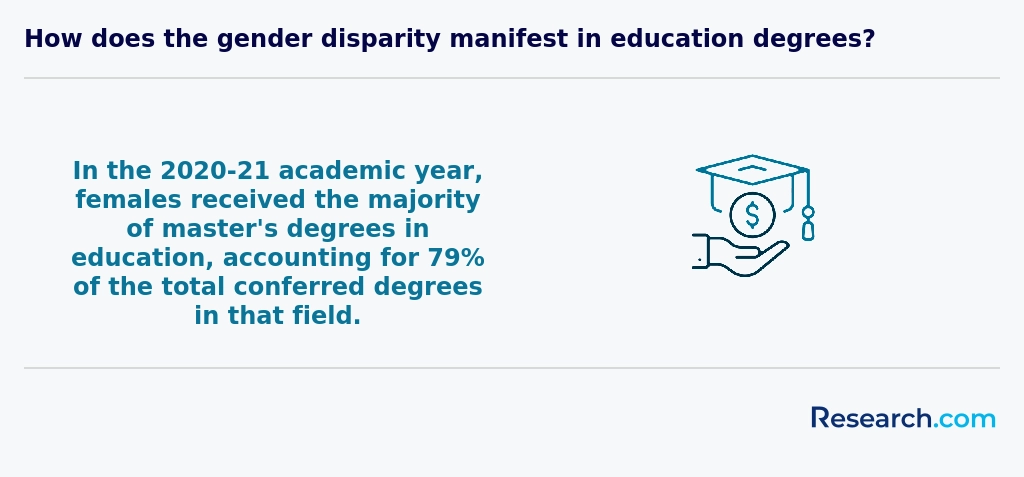
Students pursuing online educational leadership degrees in Minnesota often rely first on federal financial aid, accessed through the FAFSA. For example, graduates from universities like St. Cloud State or University of Minnesota Duluth recall how the Federal Direct Unsubsidized Loan, allowing up to $20,500 annually, helped alleviate immediate financial pressure with its relatively low-interest rates.
State-specific programs, such as the Graduate Teacher Loan Forgiveness, provide targeted relief by forgiving up to $4,000 of federal loan debt for those working in shortage areas, a detail that many find encouraging when balancing work and study.
Institutional scholarships at schools like Hamline University or Bethel University offer merit- and need-based grants, though availability varies, prompting some students to emphasize proactive outreach to financial aid offices for leadership-focused awards.
Employer tuition assistance also plays a crucial role. Several Minnesota school districts actively support educational leadership development by reimbursing tuition, which graduates appreciate as it substantially eases their financial burden without adding debt.
Private scholarships, though competitive, can supplement funding; sources like the Minnesota Association of School Administrators provide targeted support that some graduates credit as critical in their educational journey.
Furthermore, careful consideration of Income-Driven Repayment plans helps manage post-graduation debt, reflecting a pragmatic approach embraced by many navigating educational leadership careers in Minnesota.
To enroll in an online educational leadership degree in Minnesota, most programs expect candidates to hold a bachelor's degree from an accredited institution, often requiring the degree to be in education or a closely related field. For example, graduates from popular schools like the University of Minnesota or St. Cloud State University have found that having a solid foundation in education helped them grasp leadership concepts more quickly. However, some programs do consider applicants from other academic areas if they bring significant professional experience, acknowledging that diverse backgrounds can enrich leadership perspectives.
Practical teaching experience is generally required, with many programs suggesting three to five years in the classroom. This aligns with the state's emphasis on preparing leaders who understand the realities faced by teachers and administrators. Graduates often share how their previous roles in schools gave them confidence and practical insight, making coursework feel more relevant and energizing.
Applicants should also expect to submit official transcripts, letters of recommendation, statements of purpose, and resumes. While GRE scores are less commonly requested, checking specific requirements for each Minnesota institution is essential, as some still use them to gauge readiness for graduate study.
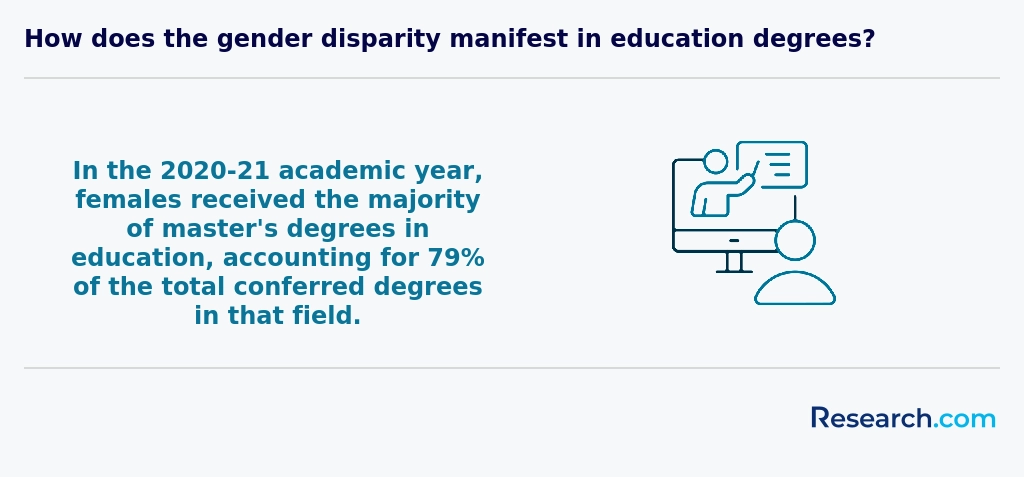
Online educational leadership degree programs in Minnesota commonly include courses like Educational Leadership Theory and Practice, where students explore actionable leadership models while preparing to handle real decisions as school administrators. Graduates from institutions such as the University of Minnesota often recall how this class laid the groundwork for their confidence in managing diverse school settings.
Courses in School Law and Ethics help students navigate complex legal landscapes and ethical dilemmas that arise daily in education. This practical insight is essential for future leaders who must ensure compliance while fostering an inclusive environment.
Instructional Leadership and Data-Driven Decision Making classes emphasize improving teaching quality and using assessment data effectively-skills many Minnesota graduates find immediately applicable when leading curriculum improvements or supporting teachers.
Additionally, topics like Educational Finance and Budgeting or Organizational Change prepare students to manage resources wisely and guide schools through evolving challenges. These courses, combined with practicum experiences offered by several Minnesota colleges, provide a vivid, hands-on understanding of educational leadership in local contexts.
Online educational leadership specializations Minnesota programs commonly include several distinct tracks tailored to various leadership roles in education. Graduates from popular universities and colleges in Minnesota often mention how the K-12 Educational Leadership specialization prepares them for hands-on challenges such as managing school budgets and engaging diverse communities, reflecting real scenarios as principals or superintendents. Meanwhile, those focused on Higher Education Leadership report gaining confidence in navigating complex college administration, from student affairs to academic governance, which aligns with the practical demands faced by postsecondary leaders.
Many students appreciate Curriculum and Instruction Leadership as it offers the chance to impact teaching quality directly, often citing experiences coordinating curriculum improvement initiatives in Minnesota schools. Others find Special Education Leadership crucial, as it addresses the nuanced legal and instructional needs unique to special education environments, a focus increasingly vital given the evolving federal and state guidelines.
For students evaluating Minnesota online leadership degree concentration options, considering how each specialization aligns with their career path is essential. Prospective learners interested in advancing their training can explore a doctorate of educational leadership online to deepen their expertise further.
Choosing the best online educational leadership degree in Minnesota involves more than just comparing tuition costs; it requires understanding how each program aligns with state licensure standards and your career goals. Graduates from popular institutions like the University of Minnesota and St. Cloud State often highlight the value of programs that balance a rigorous curriculum with flexible pacing tailored for working professionals. Many point out that programs offering coursework covering leadership theory, school law, and finance, alongside local practicum arrangements, better prepare them for Minnesota's licensing exams. While affordability is important, especially for those seeking affordable educational leadership programs Minnesota offers, ensuring the program holds proper accreditation from CAEP or regional bodies is crucial for future job prospects and license acceptance.
Some students find value in programs that offer a strong support network, reflecting on how career counseling and faculty mentorship helped them navigate real-world challenges in educational leadership. Others suggest investigating graduation and licensure exam pass rates as a practical gauge of program quality. Additionally, prospective students may benefit from exploring resources on higher education administration graduate programs for complementary insights into program rigor and reputation.

Graduates with an online educational leadership degree in Minnesota often find themselves stepping into varied roles such as school principal or vice principal, where they manage daily operations and influence student success directly. For instance, alumni from prominent institutions like the University of Minnesota report feeling proud to lead schools focused on equity and inclusion. Others pursue jobs as instructional coordinators, designing curriculum improvements and supporting teachers, which aligns well with Minnesota's emphasis on educational quality. Some graduates take on district-level leadership, including superintendent or director of curriculum roles, managing multiple schools and crafting policies that affect thousands of students. These positions demand a strategic mindset and adaptability amid evolving educational standards. Beyond K-12, careers in higher education administration or as educational consultants offer alternative paths for those interested in shaping policies or advising student services. It is useful to explore options thoroughly, since online educational leadership careers Minnesota can vary widely based on the school or district culture. More details can be found in the educational leadership masters program online resource.
Those seeking educational leadership degree job opportunities Minnesota appreciate programs from schools like St. Cloud State University, noting how practical experience combined with flexible online study helped them transition confidently into leadership roles. While the demand for such positions grows steadily, graduates recognize challenges such as balancing administrative duties with educational innovation. Still, the positive impact on communities and student outcomes creates a strong sense of fulfillment for many who choose these career paths.
The online educational leadership job outlook Minnesota offers is cautiously optimistic, supported by steady demand within the state's public education system. Graduates from programs at universities like the University of Minnesota or St. Cloud State University often find roles as principals or district administrators, where their leadership directly impacts student success and school operations. Many share positive experiences balancing work with study, appreciating programs designed for current educators aiming to advance.
With school districts investing heavily in leadership development, especially as many current leaders approach retirement, Minnesota educational leadership career opportunities remain robust. However, competition for top administrative positions can be challenging, requiring candidates to demonstrate both experience and advanced qualifications.
Cost factors also play a role; while programs typically range between $15,000 and $35,000, graduates often view this as a valuable investment given the potential salary gains-such as principals earning around $94,000 annually. For those exploring options, affordable ed.d online programs provide flexible pathways to meet career goals without sacrificing income or family time.
2027 Fastest Online Educational Leadership Degree Programs Ranking in Minnesota
Investing in your education is a significant decision that can profoundly impact your career, and the Research.com team recognizes the importance of providing reliable information to guide this process. To support prospective students seeking leadership education, we have carefully developed the "2027 Fastest Online Educational Leadership Degree Programs Ranking in Minnesota." Our dedication to quality, credibility, and accuracy is demonstrated through rigorous analysis and thorough vetting.
We utilized the following reputable data sources to ensure a comprehensive and trustworthy ranking:
By reviewing this ranking, readers will gain key insights into the fastest online educational leadership degree programs in Minnesota, enabling them to make informed decisions aligned with their career goals. For a detailed overview of how this ranking was created, visit our Research.com methodology page.


# 4 position
Bethel University, Minnesota
Doctor of Leadership (K-12 Education) (Higher Education)

Frequently Asked Questions About educational leadership
Students pursuing online educational leadership degrees in Minnesota can maximize their learning by actively engaging with their coursework and instructors. Consistent communication, such as participating in discussion forums and virtual office hours, helps create a supportive learning environment.
Time management is crucial, especially when balancing work, family, and studies. Setting a regular study schedule enhances focus and progress.
Utilizing Minnesota's regional educational resources, like the Minnesota Department of Education and local leadership networks, provides practical insights relevant to the state's school systems.
Additionally, students benefit from applying theory to practice through internships or projects aligned with Minnesota's educational standards.
Emerging niches within educational leadership reflect evolving demands in Minnesota's school systems. One prominent area is digital learning leadership, focused on managing technology integration amid growing online and hybrid education. According to the Minnesota Department of Education, over 30% of K-12 students engage in some form of distance learning, increasing the need for leaders skilled in this domain.
Another niche involves equity leadership, aimed at closing achievement gaps among diverse student populations. Educational leaders who specialize in equity work support inclusive policies and culturally responsive teaching practices.
Additionally, early childhood leadership is expanding as Minnesota invests in pre-K programs. Leaders in this area develop strategies tailored to young learners and family engagement. These niches represent vital opportunities for graduates of online educational leadership programs in Minnesota.
After earning an online educational leadership degree in Minnesota, it is crucial to build a strategic approach to entering the job market. Start by obtaining Minnesota administrative licensure, required for most leadership roles in K-12 schools. The Minnesota Department of Education offers clear guidelines on licensure requirements and endorsements.
Networking is also vital. Joining organizations like the Minnesota Association of School Administrators (MASA) can connect graduates to job listings and mentorship opportunities.
Additionally, gain practical experience through internships or practicum hours included in the degree program to strengthen your resume.
According to the U.S. Bureau of Labor Statistics, the demand for educational administrators in Minnesota is expected to grow by 6% from 2022 to 2032, signaling positive job prospects.
Employers in Minnesota seeking graduates with online educational leadership degrees prioritize strong communication skills. Effective leaders must clearly convey goals to staff, parents, and students. Additionally, problem-solving abilities are crucial, as school administrators regularly address complex challenges. Knowledge of state education laws and policies is also highly valued to ensure compliance and support district goals.
Leadership and team management skills help graduates inspire and guide diverse educational teams. According to the Minnesota Department of Education, the demand for leaders skilled in data-driven decision-making is increasing. This includes using student performance data to improve school outcomes and meet state standards.
Finally, adaptability and cultural competency are fundamental due to Minnesota's diverse student population. Employers want leaders who can foster inclusive learning environments and community engagement.
Finding internships in Minnesota relevant to an educational leadership degree involves connecting with local school districts and educational organizations. The Minnesota Department of Education offers resources to identify district partnerships that often host interns. Candidates should explore opportunities through Minnesota's largest districts, such as Minneapolis Public Schools and St. Paul Public Schools, which regularly seek leadership interns.
Universities with online educational leadership programs in Minnesota typically provide internship placement support. Networking through professional organizations like the Minnesota Association of School Administrators also helps, offering access to job boards and mentoring. Internships often require clear learning objectives aligning with state leadership standards, preparing students for licensure.
An online educational leadership degree in Minnesota significantly enhances career mobility by preparing students for advanced roles in school administration and leadership. According to the Minnesota Department of Education, individuals with such degrees are often qualified to pursue positions like principal or district administrator, which require leadership credentials.
Online programs offer flexibility for working professionals, allowing them to gain necessary certification while continuing employment. This convenience supports career advancement without interrupting income streams.
Moreover, data from the Bureau of Labor Statistics projects a 6% growth in education administration jobs in Minnesota through 2030, reflecting expanding opportunities. Graduates with online educational leadership degrees are well-positioned to meet this demand.
Employers increasingly value the blend of academic knowledge and practical skills that accredited online programs provide, strengthening candidates' competitiveness in the job market.
Studying for an educational leadership degree in Minnesota equips students with skills essential for interdisciplinary roles across various educational settings. Programs typically integrate coursework in policy analysis, organizational management, and community engagement, fostering collaboration beyond traditional teaching roles.
Research from the University of Minnesota's Center for Applied Research and Educational Improvement highlights that graduates often work in roles bridging education, public administration, and social services. This preparation aligns with Minnesota's emphasis on inclusive education and diverse community needs.
Moreover, online degrees in the state emphasize practical leadership skills grounded in evidence-based strategies, preparing students to lead teams that include educators, counselors, and health professionals. This interdisciplinary approach ensures graduates can navigate complex educational environments effectively.
When choosing between a thesis and a non-thesis educational leadership degree program in Minnesota, consider your career goals and learning preferences. Thesis programs typically require original research, appealing to those interested in academic or policy roles. Non-thesis options focus on practical skills through coursework, suitable for professionals aiming directly for leadership positions.
In Minnesota, many accredited online programs offer both tracks, such as those aligned with the Minnesota Department of Education's leadership standards. According to the National Center for Education Statistics, completing a thesis can add several months to program length, while non-thesis paths might allow faster completion.
Cost and time commitments also differ, so review each program's structure carefully.
Students based in Minnesota interested in studying educational leadership abroad have several online options through partnerships between U.S. institutions and foreign universities. While Minnesota universities primarily offer in-state online programs, some collaborate with international schools to provide dual degrees or exchange opportunities, allowing students to earn credentials recognized both in the U.S. and abroad.
Currently, fully online international educational leadership programs require careful accreditation checks, as the Minnesota Office of Higher Education emphasizes degrees must meet regional standards for licensure and certification purposes. According to the National Center for Education Statistics, less than 5% of Minnesota's educational leadership students pursue degrees from abroad, signaling limited but growing interest.
Those seeking global perspectives often supplement Minnesota's programs with short-term residencies or virtual courses offered by international universities. This hybrid approach addresses licensure rules in Minnesota while expanding cultural competence in education leadership.
Part-time job opportunities in Minnesota that complement an educational leadership degree often involve roles within schools or community organizations. Positions such as teacher assistant, after-school program coordinator, or substitute teacher provide practical experience with educational environments. These roles help students develop leadership and organizational skills essential for future administrative positions.
Additionally, Minnesota has a growing demand for educational consultants and tutors, which can enhance a student's understanding of curriculum development and instructional strategies. According to the Minnesota Department of Education, leadership roles in schools rose by 5% from 2020 to 2023, highlighting the importance of practical experience.
Working part-time in these roles also offers networking opportunities with education professionals, which is beneficial for career advancement post-graduation.
Online educational leadership students in Minnesota have access to various networking opportunities that support their professional growth. Many programs connect students with local K-12 school districts and educational organizations through virtual events and mentorships. For instance, the Minnesota Department of Education collaborates with universities to facilitate webinars and conferences related to school leadership.
Additionally, professional groups like the Minnesota Association of School Administrators offer membership benefits, including online forums and regional meetups, which are valuable for building leadership connections. According to recent reports, over 60% of educational leadership graduates in Minnesota engage in such networking activities within their first year after graduation.
Alumni networks offer significant benefits to students pursuing online educational leadership degrees in Minnesota. These networks provide vital opportunities for professional growth through mentorship programs and peer support. According to the Minnesota Private College Council, strong alumni connections can increase job placement rates for graduates by up to 15%.
Networking events hosted by universities also allow students to engage with experienced educational leaders, which helps build professional relationships within Minnesota's unique K-12 and higher education landscape. Additionally, alumni often share exclusive internship and job openings, giving current students an advantage in competitive hiring.
Research from the Minnesota Department of Education highlights that leadership roles filled by candidates with active alumni support frequently report higher satisfaction and retention rates. Overall, alumni networks foster a community that supports career advancement and leadership skill development, key to success in Minnesota's education system.
Online educational leadership degree programs in Minnesota often offer flexible course options to help students tailor their studies to specific career goals. Many universities allow you to choose electives focused on areas such as curriculum development, special education leadership, or educational policy.
Additionally, some programs provide specialization tracks or endorsements aligned with Minnesota's licensure requirements for school administrators. This helps ensure that your degree matches professional standards and career pathways within the state.
Practical experience, like internships or project-based courses, can also be customized to gain skills relevant to your desired role, whether in K-12 administration or higher education.
According to the Minnesota Department of Education, leadership roles in schools continue to grow, making custom programs valuable for career advancement.
Students pursuing online educational leadership degrees in Minnesota often face challenges related to balancing work, family, and study. Many learners are full-time educators or administrators, which requires strong time management skills. According to the Minnesota Office of Higher Education, juggling professional responsibilities with academic deadlines is a common stressor.
Another significant challenge is limited face-to-face interaction. Online programs may reduce networking opportunities, which can affect collaboration and mentorship-key components in leadership development. Furthermore, some students report difficulties with technology access and navigating online learning platforms.
Lastly, maintaining motivation over the extended duration of these programs can be tough, especially without in-person support structures.
With an online educational leadership degree in Minnesota, you can pursue several professional certifications to advance your career in school administration. The most common certification is the Principal Licensure, which allows you to become a licensed principal in the state. This requires completing an approved preparation program and passing the Minnesota School Leadership Licensing exam.
Another valuable certification is the Director of Special Education license, which qualifies you to oversee special education programs in schools. Additionally, some graduates pursue the Superintendent License, requiring further experience and education beyond the initial leadership degree.
These certifications align with Minnesota Department of Education standards and are essential for leadership roles in K-12 education, helping ensure qualified professionals guide schools effectively.
Applying to an online educational leadership program in Minnesota requires clear, focused preparation. Begin by thoroughly researching programs accredited by the Minnesota Office of Higher Education to ensure quality and recognition. Highlight your professional experience in education, as most programs value leadership roles and classroom management skills. According to Minnesota Department of Education data, effective leadership profoundly impacts school outcomes, so emphasize your ability to influence positive change.
Craft your personal statement to reflect your passion for educational leadership and your goals for student achievement. Include specific examples demonstrating your problem-solving and communication abilities.
Letters of recommendation from supervisors or colleagues familiar with your leadership style strengthen your application. Be sure to meet all technical requirements and deadlines listed by the institution.
Educational leadership careers in the United States, including Minnesota, are highly regarded worldwide due to the country's strong influence on global education policies and practices. The U.S. Department of Education emphasizes leadership roles as critical for improving school performance and student outcomes, a viewpoint shared by many international education systems.
Globally, educational leaders are expected to manage diverse school environments, implement inclusive policies, and promote equity. In Minnesota, educational leadership programs often prepare students for these challenges, combining local regulations with global trends.
According to the Minnesota Department of Education, the state continues to see steady demand for skilled leaders in K-12 schools, reflecting a broader U.S. trend where leadership roles grow by approximately 5% through 2030.
Online educational leadership degrees in Minnesota align with international standards, helping graduates remain competitive both locally and abroad.
Students pursuing an online educational leadership degree in Minnesota can gain practical experience through internships and clinical placements required by many accredited programs. These opportunities often involve working in local K-12 schools or district offices, providing hands-on leadership experience. Minnesota's Department of Education supports partnerships between universities and school districts to facilitate such placements. Additionally, some programs incorporate project-based learning where students tackle real administrative challenges.
Licensure requirements in Minnesota also mandate supervised leadership experience, including hours spent shadowing principals or other administrators. According to the Minnesota Board of School Administrators, aspiring leaders must complete at least one semester of internship in an approved school setting to qualify for certification.
Choosing the right concentration within an online educational leadership degree program in Minnesota begins with understanding your career goals. Educational leadership offers areas like K-12 administration, higher education, or special education leadership. Each concentration prepares you for different roles, such as principal, curriculum director, or college administrator.
Consider Minnesota's growing demand for school administrators, projected to grow by about 7% from 2020 to 2030 according to the Minnesota Department of Employment and Economic Development. This growth underscores the value of targeted leadership skills.
Review program curricula carefully to ensure alignment with state licensure requirements. Some concentrations may better support licensure for specific roles in Minnesota's public schools.
Finally, look for concentrations with courses emphasizing practical leadership techniques and policy understanding relevant to Minnesota's educational context.
- 2027 Fastest Online Educational Leadership Degree Programs Ranking in Nebraska
- 2027 Fastest Online Educational Leadership Degree Programs Ranking in Illinois
- 2027 Fastest Online Educational Leadership Degree Programs Ranking in Missouri
- 2027 Fastest Online Educational Leadership Degree Programs Ranking in Michigan
- 2027 Fastest Online Educational Leadership Degree Programs Ranking in Kansas
- 2027 Fastest Online Educational Leadership Degree Programs Ranking in Indiana
- 2027 Fastest Online Educational Leadership Degree Programs Ranking in Ohio
- 2027 Fastest Online Educational Leadership Degree Programs Ranking in Colorado
- 2027 Fastest Online Educational Leadership Degree Programs Ranking in Kentucky
- 2027 Fastest Online Educational Leadership Degree Programs Ranking in Mississippi
- Educational Leadership Career Planner https://www.snu.edu/educational-leadership-career-planner
- Educational Leadership | Minnesota State University, Mankato https://www.mnsu.edu/programs/educational-leadership/
- Leadership Alumni Networks Making a Difference - Network Weaver https://networkweaver.com/leadership-alumni-networks-making-a-difference/
- EdD Salary - How much can you make with a Doctor of Education (EdD) degree? (2025 Update) https://www.onlineeddprograms.com/faqs/edd-salary
- Educational Leadership: Master’s vs. Doctorate Degree - Graduate Programs for Educators https://www.graduateprogram.org/blog/masters-vs-doctorate-educational-leadership-degree/
- Challenges for Educational Leaders: Solutions for Success https://www.educationalleadershipdegree.com/blog/challenges-for-educational-leaders/
- Tips for Applying to Doctoral Programs | AASL Knowledge Quest https://knowledgequest.aasl.org/tips-for-applying-to-doctoral-programs/
- Skills Employers Look for in Business Graduates – EU Business School https://www.euruni.edu/blog/skills-employers-look-for-in-business-graduates/
- Global Perspectives on Leadership in Early Childhood Education https://hup.fi/books/e/10.33134/HUP-20
- Top 5 Skills Employers Look for in a College Graduate https://www.blog.intedashboard.com/blogs/active-learning/skills-college-graduate










![2027 Best Advanced Standing Online MSW Programs [CSWE Accredited] thumbnail](/uploads/Online_Advanced_Standing_MSW_301dbd5368.jpg)


