2027 Fastest Online Master's in Educational Leadership Degree Programs Ranking in the Northeast

Co-Founder and Chief Data Scientist
Exploring a career in educational leadership can open doors to meaningful opportunities in shaping the future of schools and communities. If you're in the Northeast and aiming to advance your skills efficiently, this article is here to guide you.
We present the 2027 Fastest Online Master's in Educational Leadership Degree Programs Ranking in the Northeast, developed by the Research.com team of data scientists. This ranking helps you quickly identify programs that combine quality and speed, allowing you to make an informed decision.
Reading this article will provide clear insights into programs worth considering, making your journey toward leadership in education both practical and rewarding.
Key benefits of getting online educational leadership degree in the Northeast
- Graduates with educational leadership degrees often pursue roles like school principals and education administrators, earning median salaries around $98,490 annually in the US, providing strong financial stability.
- An educational leadership graduate from a popular Northeast university might explore diverse careers, including curriculum director, instructional coordinator, or district administrator, offering exciting opportunities for growth.
- Completing an educational leadership degree online from a well-known Northeast school allows flexible study schedules, enabling busy professionals to balance work and life while advancing their careers efficiently.
- 2027 Fastest Online Master's in Educational Leadership Degree Programs Ranking in the Northeast
- What can I expect from online educational leadership degree in the Northeast?
- Where can I work with online educational leadership degree in the Northeast?
What can I expect from online educational leadership degree in the Northeast?
When considering the average cost of an online educational leadership degree in the Northeast, many students find themselves navigating a spectrum from $15,000 to $35,000. Graduates from well-regarded institutions often reflect on this investment as worthwhile, especially when balancing work, family, and study through flexible online programs offered by universities in New York, Massachusetts, or Pennsylvania. One graduate described managing a full-time job while completing a master's asynchronously, appreciating the financial aid options that made the tuition feasible without overwhelming debt.
It's not just about the price tag; it's about the value of acquiring skills that translate directly into career advancement and leadership roles within schools. The interconnectedness of leadership theory, policy understanding, and practical internships embedded in these programs justifies the cost for many. Moreover, selecting a CAEP-accredited program in the Northeast reassures candidates that their degree holds national weight, enhancing their prospects and resonating deeply in their professional communities.
Where can I work with online educational leadership degree in the Northeast?
Graduates from online educational leadership programs in the Northeast often find themselves stepping confidently into roles that shape the future of education in ways many hadn't initially imagined. Take those from well-regarded institutions like Boston University or the University of Pennsylvania, who share stories of transitioning smoothly into leadership positions-whether as school principals in urban districts or curriculum coordinators in sprawling suburban schools.
Far beyond traditional K-12 settings, these degrees open doors in community colleges and universities, where graduates engage deeply as student affairs administrators or program directors, crafting meaningful student experiences. These roles demand both strategic vision and empathy, qualities refined through Northeast-based programs emphasizing diverse urban challenges.
Moreover, alumni working in nonprofit education agencies or consulting firms often highlight the rewarding complexity of impacting policy and training leaders across multiple school districts. In places like Philadelphia or Hartford, these professionals feel a profound connection to their communities, tackling real problems with both educational theory and practical leadership.
Such careers come with encouraging compensation and stability, reassuring those pursuing advancement to embrace leadership with enthusiasm and confidence.
Graduates holding online educational leadership degrees in the Northeast often find themselves stepping into roles where salaries defy average expectations, especially in states like New York, Massachusetts, and New Jersey. One graduate from a well-known university's leadership program shared how their median salary of around $115,000 in New York surpassed initial projections, reflecting both the region's demand and the advanced credentials earned through their degree.
Another graduate from a respected Boston college noted earning approximately $110,000 as a school administrator, illustrating how online programs provide practical pathways to licensure and leadership positions. These figures underscore that earning potential in the Northeast can fluctuate significantly based on experience and district size, with senior administrators in urban areas regularly surpassing $130,000.
When considering the journey from study to salary, it's clear that online educational leadership degrees empower professionals not just to obtain credentials but also to command competitive pay-challenging the misconception that remote study limits career advancement in high-paying educational roles.
- Online educational leadership degrees in the Northeast cover states like New York, Massachusetts, New Jersey, and Pennsylvania, allowing students to study remotely while working.
- The average cost for a master's degree in this field ranges from $20,000 to $40,000, with per-credit prices usually between $500 and $1,200 depending on the school and residency status.
- Graduates can expect starting salaries around $70,000, with experienced professionals earning between $90,000 and $110,000 in roles such as school principals and district administrators.
- Job growth for educational leadership positions in the Northeast is projected at about 6% over the next decade, driven by retirements and program expansion.
- Programs typically include courses on curriculum development, education law, organizational management, and ethics, along with required field experiences or internships.
- Accreditation from the Council for the Accreditation of Educator Preparation (CAEP) is important for quality assurance and certification eligibility.
The journey to completing an online educational leadership degree in the Northeast defies one-size-fits-all timelines. Graduates from well-known institutions like Boston University or Syracuse University often describe their paths as uniquely tailored to their lives. Some full-time students relish the intense 12- to 18-month accelerated programs, immersing themselves fully and finishing promptly, energized by continuous learning and summer sessions. Others, balancing careers and families, embrace the flexibility of a 2 to 3+ year part-time schedule offered by schools such as the University of Rhode Island, finding fulfillment in steady progress without sacrificing their personal commitments.
These varied timelines remind us that speed isn't the sole measure of success. Rather, the quality of experience gained and the ability to implement leadership skills at one's own pace often bring the deepest satisfaction. The credit hour demands and cohort experiences at Northeastern universities, for example, encourage both rigorous academic growth and meaningful real-world application, validating each learner's unique timeframe.
Ultimately, completing your degree in the Northeast means choosing a rhythm that harmonizes with your ambitions, budget, and obligations-each path offering its own rewarding sense of accomplishment.
Graduates from universities like Boston College and Syracuse University often recall the distinct environment that shapes their leadership journeys. On-campus programs offer immersive, face-to-face interactions with professors and peers, turning a classroom into a dynamic space for networking and hands-on experiences such as practicums in local school districts. This creates a sense of community that feels tangible and energizing, cementing connections that support career growth.
Conversely, online students pursuing degrees through institutions like the University of Massachusetts Amherst appreciate the flexibility to balance work, family, and study. They describe the freedom to access lectures at midnight or during a lunch break, which reshapes learning into a personalized rhythm. Although they miss spontaneous hallway conversations, many find virtual synchronous sessions and regional meetups valuable for building meaningful networks on their own terms.
In the Northeast, where tuition ranges widely, online programs can reduce costs not only through lower fees but by eliminating commuting and housing expenses. Graduates often express relief at managing high living costs in cities like New York while still earning respected credentials that meet regional accreditation and state certification standards.
The average cost of an online educational leadership degree in the Northeast typically centers around $24,840, balancing between in-state and out-of-state tuition fees. Graduates from public universities like those in the SUNY system often describe their journey as both accessible and rewarding, citing tuition fees educational leadership master's programs northeast generally ranging from about $18,000 to $25,000 depending on residency. This balance allows many students to manage expenses while gaining valuable leadership skills.
Private universities such as Northeastern University represent the higher end of the spectrum, with costs that can approach $40,000 or more. Alumni from these programs frequently emphasize the added value of specialized courses and strong professional networks, which can justify the higher price tag and enhance career prospects. The average cost online educational leadership degree northeast reflects these wide ranges, making students weigh personal goals against financial commitments carefully.
Beyond tuition, students often face additional costs including technology fees and textbooks, but many find financial aid or employer tuition assistance eases this burden. Those who succeed in educational leadership positions often share inspiring stories of transforming their schools and communities. For potential candidates considering their path, it is wise to explore options thoroughly, especially given the diverse pricing landscape.
To understand both cost and career outcomes clearly, investigating what jobs can you get with a master's in educational leadership can be a crucial step in making an informed decision about investing in this degree.

Many graduates of online educational leadership programs at institutions like Syracuse University and Boston College recall how federal aid became a transformative stepping stone rather than just a financial necessity. Completing the FAFSA unlocks access to Direct Unsubsidized Loans and Grad PLUS Loans, which cushion the financial pressure with manageable repayment terms and competitive interest rates. This often overlooked pathway is critical, especially when tuition can soar above $30,000.
State-specific programs in places like Massachusetts and New York add another layer of opportunity. Alumni from programs at the University of Massachusetts note receiving scholarships geared explicitly toward educators committed to leadership roles in K-12 schools, a support that often felt like a nod of encouragement from their communities.
Institutional scholarships, whether merit or need-based, frequently target online and part-time students. Those who pursued their degrees through Penn State's World Campus described the relief of finding grants directly from their schools-funds that seemed to acknowledge the unique challenges of balancing work, family, and study.
Employers in the Northeast, particularly school districts, can also play a pivotal role. Graduates often express gratitude for tuition reimbursement programs, framing them as more than financial aid-these are investments in their futures, crafted by organizations that believe in growing leadership from within.
Finally, professional associations like the American Association of School Administrators sometimes offer competitive scholarships. Though the process can be daunting, many leaders beginning their careers find these awards both affirming and financially impactful, proving that with persistence, financial aid is a powerful tool, not just a formality.
Enrollment in an online educational leadership degree in the Northeast demands more than just a bachelor's degree; it requires a foundation of relevant experience and thoughtful preparation. Graduates from well-known institutions, such as those offering programs in Boston or New York, often reflect on how their two to three years of K-12 teaching or educational administration experience truly prepared them for the rigorous leadership challenges ahead. This hands-on background bridges theory and practice, helping students become effective change agents in schools.
Interestingly, fewer programs insist on GRE scores, a shift seen at many Northeastern colleges. Graduates appreciate this change, noting it makes the path less daunting and more accessible without compromising quality. Still, strong portfolios with recommendation letters, personal statements, and resumes remain essential to showcase leadership potential and genuine commitment to educational progress.
For many, balancing affordability with quality also matters: while public universities in the region offer competitive pricing, private institutions, despite higher costs, attract students by promising extensive resources and alumni networks that enrich professional growth.
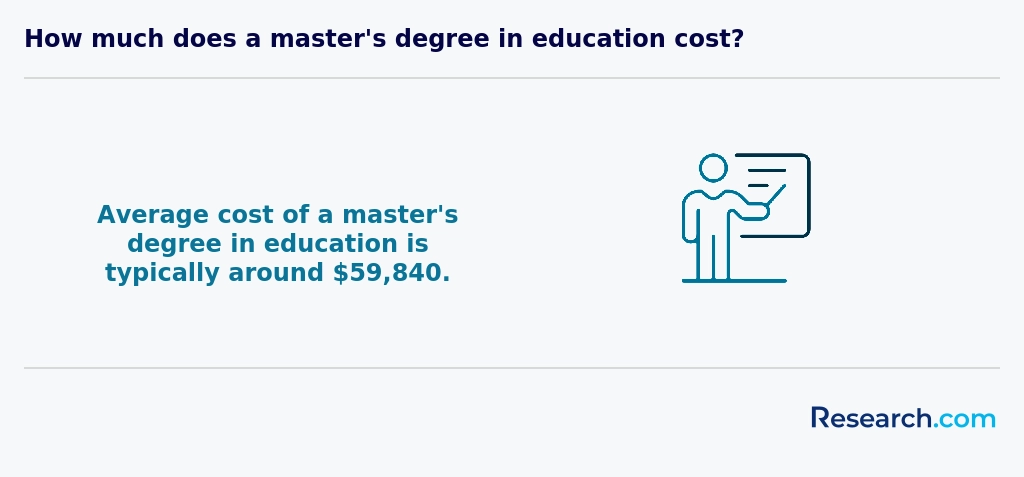
Courses in online educational leadership degrees in the Northeast go beyond theory, immersing students in real-world skills essential for effective school management. Graduates from popular universities often describe their experience with Foundations of Educational Leadership as a turning point-understanding leadership not just as a role but as a dynamic process shaping school culture daily.
Many recall grappling with School Law and Ethics, where cases from Northeast districts made abstract legal principles tangible, reinforcing the gravity of decision-making where lives and futures are impacted. Meanwhile, Curriculum Development and Instructional Leadership challenges students to rethink how instruction shapes equity-a core concern in diverse Northeast communities.
Courses like Data-driven Decision Making reveal the transformative power of analytics, allowing future leaders to visualize measurable improvements in student success. Students report that Organizational Behavior and Change Management provided practical tools to navigate the complexities of managing resistance and inspiring positive shifts in often rigid educational environments.
Finance-focused classes demystify budgeting in high-cost Northeast settings, lending confidence to those balancing tight resources without compromising quality. Finally, hands-on components like internships help translate theory into impact, making every course an opportunity to prepare for leadership that truly matters in today's schools.
Online educational leadership degree tracks Northeast frequently include specializations that challenge students to rethink leadership beyond administrative tasks. Graduates from universities like Boston College and Syracuse describe the K-12 School Leadership focus as transformative, preparing them to navigate complex community dynamics and policy challenges while driving school improvement. Another common path is Higher Education Administration, especially relevant in the Northeast with its dense network of colleges, enabling students to deeply engage with enrollment strategy or student affairs.
Others find their passion in Curriculum and Instruction Leadership, crafting educational programs that resonate with diverse learners-a specialization that graduates from institutions like the University of Connecticut praise for its impact on real classroom outcomes. The rise of inclusive education has also made Special Education Leadership essential, empowering leaders to design programs supporting students with disabilities.
Lastly, Educational Technology Leadership prepares students not just to adopt tech tools but to lead digital innovation in schools. For those seeking accelerated options, exploring the fastest teacher leadership masters programs offers time-efficient pathways for specialized growth. These specializations help reveal the true potential of online educational leadership specializations Northeast, connecting theory with robust real-world change.
Choosing the best online educational leadership degree in the Northeast isn't just about picking the cheapest or quickest option. Graduates from well-known institutions in Boston or New York often reflect on how accreditation and program reputation shaped their career trajectories. For instance, those who studied at regionally accredited colleges experienced smoother licensure processes and felt more confident entering school district leadership roles.
Flexibility is another key factor. Many working professionals appreciate programs with asynchronous courses that fit their hectic schedules. One graduate from a popular Northeastern college recalled balancing full-time work with studies, emphasizing how program design influenced their success and satisfaction. Still, beware of accelerated degrees that sacrifice depth for speed-it's common for students to feel underprepared despite faster completion.
Cost can be daunting in this region, but affordable online educational leadership degrees Northeast offer competitive tuition and financial aid, especially at public universities. Exploring options with strong faculty expertise and support services is crucial. For a deeper dive into tailored choices, consider reviewing online education administration edd programs to find a fit aligned with your ambitions.
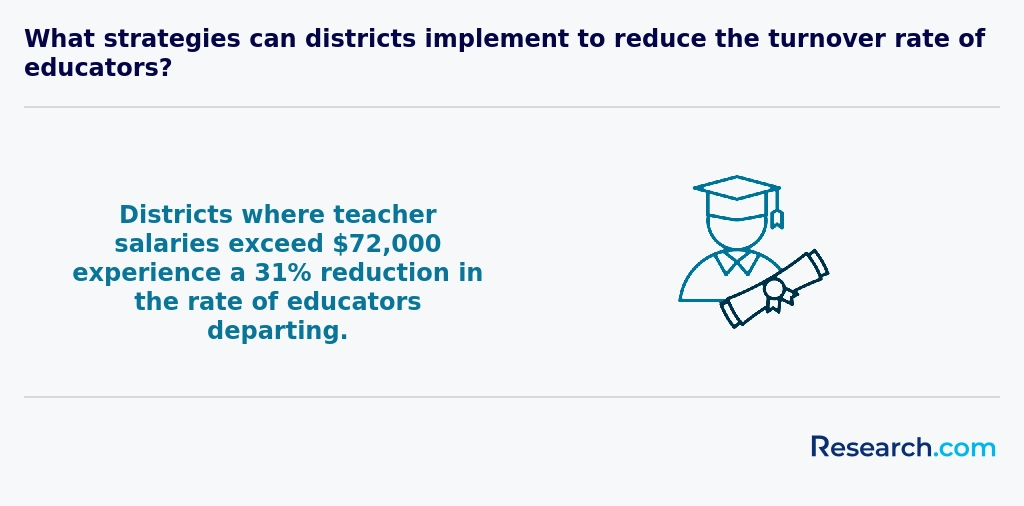
Graduates pursuing online educational leadership careers in the Northeast often find themselves stepping into dynamic roles that challenge traditional expectations of school administration. Many become principals or vice-principals at urban or suburban schools, where they directly influence school culture and student success. In states like New York and Massachusetts, graduates from popular institutions often reflect on how their programs' emphasis on real-world application prepared them for these leadership challenges. Others move into district-level roles such as curriculum coordinators, shaping educational strategies across multiple schools-an opportunity that fosters meaningful change on a larger scale.
Some graduates channel their skills into higher education administration at colleges and universities throughout the region, benefiting from the Northeast's concentration of long-established institutions. These roles-ranging from department heads to enrollment managers-allow professionals to inspire innovation in postsecondary settings. If you're considering such pathways, exploring online masters programs in educational leadership offers a practical way to enter these competitive fields while balancing your life and career.
Moreover, careers with educational leadership degree Northeast graduates pursue often extend beyond traditional education systems. Many join governmental or nonprofit sectors, applying strategic planning skills to influence policy and enact reform. These paths offer a unique mix of advocacy and leadership that keeps engagement fresh for those eager to make a system-wide impact.
The job market for graduates holding an online educational leadership degree in the Northeast is both steady and nuanced, reflecting the evolving needs of urban and suburban school districts. Graduates from well-known institutions such as Boston College and Teachers College at Columbia University often share how their programs' focus on data-driven decision-making and equity prepared them to meet contemporary challenges in education administration.
In states like New York and Massachusetts, where certification requirements for principals and superintendents typically demand advanced degrees, earning an online credential offers working educators a practical path to advancement. The appeal of these programs lies not only in flexibility but also in the opportunity to engage with regional networks that improve career prospects in local education systems, a critical factor in the competitive job market for online educational leadership jobs Northeast.
Salary prospects, often ranging between $90,000 and $120,000 annually, further fuel positive sentiments among graduates who feel their investment is justified. Costs, while significant, are mitigated by the convenience and savings of online study-no relocation or commuting-making affordable options like those in public universities attractive. For those eager to fast-track careers, exploring options like online masters in education 1 year programs can be transformative.
2027 Fastest Online Master's in Educational Leadership Degree Programs Ranking in the Northeast
Investing in your education is a significant decision, and the Research.com team fully recognizes the importance of making well-informed choices. To support prospective students interested in Educational Leadership, we have carefully developed the "2027 Fastest Online Master's in Educational Leadership Degree Programs Ranking in the Northeast." Our dedication to quality, credibility, and accuracy is demonstrated through rigorous research and thorough analysis.
We utilized the following reputable data sources to ensure a comprehensive evaluation of programs:
By exploring this ranking, readers will gain valuable insights into the fastest online master's programs in Educational Leadership within the Northeast, empowering them to make informed educational decisions. For further information on how this ranking was created, please visit our Research.com methodology page.





# 13 position
Penn State University Park
Master of Learning, Design, and Technology


# 15 position
Niagara University
Master of Educational Leadership School District/Building




Frequently Asked Questions About educational leadership
Students pursuing online educational leadership degrees in the Northeast can maximize their learning by actively engaging with course materials and instructors. Many Northeast universities offer synchronous sessions, allowing real-time interaction that enhances understanding. According to the National Center for Education Statistics, schools in this region frequently integrate practical leadership projects tailored to local educational policies, providing relevant, hands-on experience.
Networking is also crucial. Joining professional organizations such as the New England School Development Council can connect students to regional leaders and job opportunities. Furthermore, utilizing university career services for internships or mentorships strengthens practical skills.
Finally, staying organized and managing time effectively is essential, as online learners balance studies with work and personal commitments.
The field of educational leadership is evolving quickly, and several emerging niches are gaining attention, especially in the Northeast. One prominent area is specialized leadership in equity and inclusion, addressing the diverse needs of urban and suburban school populations. Programs now emphasize cultural competency and social justice.
Another growing niche focuses on digital transformation leadership. With increasing reliance on technology in schools, leaders skilled in managing online learning environments and integrating educational technologies are in high demand.
Additionally, mental health leadership is emerging, reflecting the priority given to student well-being. Leaders trained to implement support systems and collaborate with counselors are sought after, supported by recent state education reports from Massachusetts and New York.
After completing an online educational leadership degree in the Northeast, graduates should focus on gaining practical experience to improve job prospects. Many school districts in this region prefer candidates with administrative internships or residencies, which provide valuable hands-on leadership skills. According to the U.S. Bureau of Labor Statistics, employment for educational administrators is projected to grow about 6% nationally through 2032, with slightly stronger growth in Northeast states such as New York and Massachusetts.
Networking plays a crucial role-joining regional professional organizations, like the New England School Development Council, can connect graduates to job opportunities. Additionally, obtaining state licensure or certification relevant to the Northeast, such as a principal or superintendent license, is often mandatory and enhances employability.
Familiarity with local education policies and standards, including Common Core and state-specific initiatives, further prepares candidates to navigate the market effectively.
Employers in the Northeast seek several key skills in graduates of online educational leadership degree programs. Strong communication abilities top the list, enabling leaders to collaborate with diverse stakeholders effectively. Data-driven decision-making is also crucial; graduates must analyze student performance and resource allocation to improve school outcomes. Leadership skills tailored to managing faculty and staff are essential, especially in adapting to evolving education policies in states like New York and Massachusetts. A 2023 report from the National Center for Education Statistics highlights that 68% of school leaders in the Northeast emphasize cultural competence and equity-focused strategies as vital for success.
Additionally, technology integration and online learning management skills remain in high demand, reflecting shifts toward digital classrooms accelerated by recent trends. Understanding state-specific regulations and compliance issues enhances a graduate's readiness for local educational challenges. Employers value candidates who demonstrate adaptability, problem-solving, and a commitment to continuous professional development, aligning with evolving educational standards in the region.
Finding internships in the Northeast for students pursuing an educational leadership degree involves targeted research and networking. Many universities in this region partner with local school districts and education agencies to provide placement opportunities. For example, states like New York and Massachusetts have over 200 public school districts combined, which often seek interns to support leadership initiatives.
Utilizing university career centers and professional organizations, such as the New England School Development Council, is crucial. These resources offer listings specific to educational leadership roles, including administrative internships.
Additionally, platforms like the Department of Education's internships database and state-specific education boards regularly advertise opportunities focused on leadership development in schools.
An online educational leadership degree offers significant benefits for career mobility and advancement in the Northeast. Many school districts and educational organizations in this region require leadership credentials for promotions to administrative roles such as principal or district supervisor. According to the National Center for Education Statistics (NCES), leadership positions in the Northeast have grown by approximately 8% over the past five years, increasing demand for qualified candidates. Completing an accredited online program allows professionals to earn necessary licenses while continuing work, making it easier to transition into higher-paying roles.
The flexibility and regional accreditation of Northeast-based online degrees are especially valuable. They equip students with skills in policy, finance, and instructional leadership recognized by employers. Additionally, the Bureau of Labor Statistics reports that educational administrators in the Northeast earn a median salary over 10% higher than the national average, highlighting the financial advantage of career advancement with such degrees.
Studying for an educational leadership degree in the Northeast equips students with skills that go beyond traditional school administration. Programs often emphasize interdisciplinary approaches, integrating knowledge from policy, sociology, and business to prepare graduates for diverse roles.
Northeastern universities frequently collaborate with local school districts and organizations, providing students real-world experience that spans multiple sectors. According to the National Center for Education Statistics, nearly 35% of educational leadership programs in the Northeast include coursework on community partnerships and organizational management.
This training fosters adaptability, enabling graduates to work effectively in roles involving stakeholder engagement, curriculum development, and even public policy formation.
Such interdisciplinary preparation is crucial in a region where education, technology, and social services increasingly intersect.
Choosing between a thesis and a non-thesis educational leadership degree program in the Northeast depends on your career goals and learning preferences. A thesis option typically suits students aiming for research, doctoral studies, or academic careers, as it involves conducting original research and writing a substantial paper.
Non-thesis programs usually focus more on practical leadership skills and coursework, appealing to professionals targeting administrative roles in K-12 schools or districts. According to the National Center for Education Statistics, many Northeastern universities offer flexible online formats for both options, reflecting regional demand for leadership expertise in education.
Cost and time commitment also vary; thesis programs may take longer and require faculty supervision. Investigate state-specific licensure requirements and consult program advisors to align choices with your career path.
Students based in the Northeast seeking educational leadership degrees with an international focus have limited direct options for studying abroad through U.S.-based programs. Most online educational leadership degrees offered in this region emphasize domestic accreditation and practical leadership skills for U.S. schools.
However, some Northeastern universities include global education components or partnerships allowing brief international residencies or study tours. For example, certain programs from institutions like Teachers College at Columbia University integrate comparative education studies, which provide a broader context without requiring full-time study overseas.
Data from the National Center for Education Statistics shows that less than 5% of educational leadership graduate students in this region participate in formal international study experiences, underlining the rarity of fully abroad-focused options combined with online study.
Part-time job opportunities that complement an educational leadership degree in the Northeast often include roles such as teacher assistants, school office aides, and administrative support staff within school districts. These positions offer practical experience in school operations and leadership dynamics, directly aligning with the skills taught in educational leadership programs.
Additionally, tutoring services or working with community education programs provide opportunities to develop communication and organizational skills critical for future administrators. According to the Massachusetts Department of Elementary and Secondary Education, administrative roles are expected to grow by 5% through 2028, emphasizing the value of relevant experience.
Many Northeastern districts also encourage leadership interns, which can be part-time while students complete their degrees online, offering hands-on learning in educational policy and management.
Online educational leadership programs in the Northeast offer several valuable networking opportunities despite their virtual format. Many universities partner with regional education agencies and professional organizations like the New England League of Middle Schools to provide students with access to local leadership events and conferences.
Students can also join online cohorts that encourage collaboration and peer support, building professional relationships across state lines. According to the National Center for Education Statistics, the Northeast hosts over 15% of all U.S. educational leadership graduates, enhancing chances to connect with a diverse group of professionals in the region.
Additionally, alumni networks and mentorship programs offered by institutions create ongoing networking pathways for career growth within Northeast school districts.
Alumni networks play a crucial role for students pursuing online educational leadership degrees in the Northeast. These networks offer valuable professional connections that can lead to job opportunities in schools and districts throughout states like New York, Massachusetts, and Pennsylvania. According to the National Center for Education Statistics, approximately 30% of educational administrators in the Northeast find employment through personal and professional contacts.
Access to experienced graduates provides mentorship, guidance, and insight into regional educational challenges. This support can help students navigate licensure requirements and advance quickly into leadership roles. Additionally, many universities promote local alumni events and online forums, fostering a sense of community despite the remote nature of their programs.
Customizing an online educational leadership degree in the Northeast allows students to align their studies with specific career goals. Many programs offer elective courses in areas such as curriculum development, special education administration, or higher education leadership. This flexibility helps students tailor their skills to roles in K-12 schools, districts, or post-secondary institutions.
Additionally, some universities provide concentration tracks or certificate options that enhance expertise in targeted areas. For example, the University of Massachusetts offers leadership pathways focusing on urban education or technology integration, responding to regional school needs. According to the National Center for Education Statistics, Northeast institutions emphasize practical leadership experiences and mentorship, often integrated virtually to support career readiness.
Students can also benefit from capstone projects or internships designed around their professional interests, facilitating real-world application and networking within their desired sector. This personalized approach helps graduates stand out in a competitive job market and meet the unique demands of educational leadership roles across the Northeast.
Online educational leadership students in the Northeast often face challenges balancing coursework with professional and personal responsibilities. Many students in this region juggle full-time jobs while pursuing degrees, which can lead to time management difficulties. According to a 2023 report by the National Center for Education Statistics, over 60% of educational leadership students nationwide are employed full-time during their studies, a trend mirrored in the Northeast.
Technical issues may also arise, as stable internet access is not uniform across rural areas in states like Maine and Vermont. Additionally, some students report limited opportunities for meaningful interaction with faculty and peers, affecting networking and mentorship, key factors for leadership development.
Graduates with an online educational leadership degree in the Northeast are well-positioned to pursue professional certifications that enhance their career opportunities. Common certifications include the State Superintendent License and Principal Certification, which are often required for leadership roles in K-12 schools. Many states in the Northeast, such as New York and Massachusetts, align these certifications with master's-level educational leadership programs.
Additionally, candidates can seek the National Board Certification for School Leaders (NBPSL), recognized across the US for advanced leadership competence. According to the Northeast Association of Schools and Colleges, these certifications help professionals meet evolving educational standards and leadership demands.
Some programs also prepare students for the Superintendent Credential, crucial for district-level leadership roles. Certification requirements may vary by state but generally include a combination of coursework, exams, and supervised leadership experience.
Writing a winning application for an online educational leadership program in the Northeast requires clear demonstration of your leadership potential and relevant experience. Admissions committees typically look for candidates with a strong academic record and at least two years of teaching or administrative experience.
Highlighting your professional achievements, such as managing school projects or leading committees, strengthens your application. According to the National Center for Education Statistics, Northeast institutions emphasize leadership skills tailored to diverse school communities.
Include a well-crafted personal statement explaining your goals and how the program aligns with your career plans. Also, gather strong letters of recommendation from supervisors or mentors familiar with your leadership abilities.
Meeting all application deadlines and carefully following program-specific instructions is essential. Many Northeast programs value applicants who demonstrate commitment to educational equity and innovation in leadership.
Educational leadership careers in the United States emphasize strong administrative skills and a commitment to improving student outcomes. Globally, educational leadership roles prioritize similar goals but vary in structure and expectations based on regional educational systems.
In the Northeast, online master's programs often incorporate global perspectives, preparing leaders to navigate diverse school environments and international influences. According to the National Center for Education Statistics, over 30% of school administrators in the Northeast have pursued advanced degrees, reflecting a growing demand for qualified leaders.
Globally, leadership training stresses collaboration and innovation, values mirrored in Northeast programs. Understanding global trends can enhance a leader's effectiveness locally, especially in increasingly multicultural schools and communities.
Gaining practical experience while studying for an online educational leadership degree in the Northeast often involves integrating fieldwork with coursework. Many accredited programs in this region require or recommend internships, practicums, or residency experiences within local school districts. For example, institutions accredited by the Council for the Accreditation of Educator Preparation (CAEP) typically include such hands-on requirements to enhance leadership skills.
Students can collaborate with nearby schools or educational organizations to apply theory to real-world situations. In areas like New York and Massachusetts, partnerships between universities and public schools facilitate these opportunities, often supported by state education departments.
Additionally, virtual simulations and project-based assignments increasingly supplement practical training, helping students develop decision-making and administrative abilities even while remote.
Choosing the right concentration within an online educational leadership degree in the Northeast involves considering your career goals and the needs of the region's school systems. Popular concentrations include K-12 administration, higher education leadership, and special education leadership. According to the National Center for Education Statistics, school districts in the Northeast increasingly look for leaders skilled in managing diverse student populations and implementing equity policies.
It is important to research local certification requirements, as some states require specific licenses tied to certain concentrations. Additionally, seek programs with strong faculty expertise and connections to Northeast educational institutions to enhance job placement opportunities.
- Creating leadership practices elevating student experience https://k-12leadership.org/blog/creating-leadership-practices-around-embracing-student-experiences/
- What Can You Do With a Master's in Education Leadership? https://www.salemu.edu/blog/educational-leadership-careers/
- Educational Leadership Network Europe - Home https://elnenetwork.org/
- 5 steps to writing a strong school leadership application https://chrisenglish.com.au/2024/12/08/5-steps-to-writing-a-strong-school-leadership-application/
- Remote Educational Leadership Online Jobs https://www.virtualvocations.com/q-remote-educational-leadership-online-jobs.html
- Innovative Trends Redefining Education Leadership https://insightssuccessmagazine.com/incubating-innovation-innovative-trends-in-education-leadership/
- Personal statement for applying a MAs educational leadership https://essayforum.com/graduate/statement-applying-mas-educational-leadership-85737/
- Advancing Your Teaching Career with an MEd in Educational Leadership https://unima.ecampus.ac.mw/advancing-your-teaching-career-with-an-med-in-educational-leadership/
- Challenges for Educational Leaders: Solutions for Success https://www.educationalleadershipdegree.com/blog/challenges-for-educational-leaders/
- Alumni Network - Center for Leadership https://center-for-leadership.org/academy/alumni-network/