2027 Fastest Online Educational Leadership Degree Programs Ranking in Missouri

Co-Founder and Chief Data Scientist
Exploring educational leadership degrees can open doors to rewarding careers in Missouri's schools and organizations. This article introduces the 2027 Fastest Online Educational Leadership Degree Programs Ranking in Missouri, crafted by the Research.com team of data scientists to guide you through your options.
With clear, data-driven insights, you'll discover which programs stand out for quality and speed. Whether you aim to advance your career or deepen your leadership skills, this ranking helps you make an informed choice with confidence. Take the first step toward a fulfilling educational leadership journey today.
Key benefits of getting online educational leadership degree in Missouri
- Graduates with an educational leadership degree in Missouri can pursue rewarding roles like school principals or instructional coordinators, with median salaries around $98,490 and $66,970 annually, offering strong financial stability.
- Career paths often include advanced leadership opportunities in K-12 schools or educational organizations, as seen with graduates from the University of Missouri who successfully advance into impactful roles driving school success.
- Online educational leadership degrees from institutions like Missouri State University offer flexibility for working professionals, allowing students to balance education with personal commitments while gaining the same respected credentials as traditional programs.
- 2027 Fastest Online Educational Leadership Degree Programs Ranking in Missouri
- What can I expect from online educational leadership degree in Missouri?
- Where can I work with online educational leadership degree in Missouri?
What can I expect from online educational leadership degree in Missouri?
When diving into an online educational leadership degree in Missouri, students often find the average total cost ranges between $20,000 and $35,000, depending on the institution and program length. For example, graduates from well-known Missouri universities share how the investment felt worthwhile, especially given the flexibility to balance work, family, and study. Many recall late-night discussions and engaging coursework that directly connected with Missouri's specific certification requirements.
Studying at institutions like the University of Missouri or Missouri State University opens doors to tailored programs aligned with state standards, making the fees feel like a gateway to real leadership roles. Students often enjoy asynchronous classes that fit their busy lives, while their local internships bring the abstract into vivid reality-walking the hallways of local schools, applying leadership strategies firsthand.
These programs also foster a supportive community, with cohort models creating lifelong networks. For many, paying for this degree is more than tuition-it's an investment in a meaningful career adventure right here in Missouri.
Where can I work with online educational leadership degree in Missouri?
Picture yourself stepping into the daily hustle of a Missouri school as a principal or assistant principal, where your online educational leadership degree becomes the key to shaping a vibrant learning environment. Graduates from institutions like the University of Missouri or Missouri State University often share stories of energizing staff meetings and crafting curriculum that sparks student curiosity. These roles let you lead the heartbeat of K-12 education, guiding teachers and students toward success.
For those craving a broader impact, district administration positions such as curriculum directors or superintendents await. Imagine steering policies across one of Missouri's roughly 500 school districts, influencing education on a grand scale. This is where leadership transforms into legacy.
Beyond schools, alumni find adventurous paths in community colleges and universities, managing academic programs or boosting student enrollment. State government and educational nonprofits also beckon, inviting you to shape policies and advocate for equitable education statewide. Your degree doesn't just open doors; it invites you to explore a thrilling career journey brimming with meaningful impact.
Graduates with an online educational leadership degree in Missouri often find exciting salary opportunities, especially when stepping into roles like principals or school administrators. For example, alumni from well-regarded institutions such as the University of Missouri or Missouri State University share stories of earning between $70,000 and $110,000 annually, depending on their district and experience. Imagine leading an elementary or secondary school in vibrant areas like St. Louis or Kansas City, where salaries tend to cluster at the higher end of this range.
Entry-level positions, such as assistant principals or program coordinators, typically begin around $55,000 to $65,000, providing a rewarding starting point for new graduates. Those adventurous enough to aim for superintendent roles can see their earnings leap to $100,000-$150,000 or more, reflecting the high responsibility and influence these positions carry. Missouri's educational leadership graduates often emphasize the added value of retirement benefits and other public sector perks, fueling their enthusiasm for these career paths.
- Online educational leadership degrees in Missouri typically cost between $12,000 and $25,000 for the entire program.
- Graduates can expect starting salaries between $55,000 and $70,000, with experienced leaders earning $90,000 to $130,000 annually.
- Most programs require prior teaching experience and state certification or licensure for admission.
- Coursework is often asynchronous, allowing students to study without relocating.
- Accreditation meets national standards and programs focus on practical skills like policy development and school finance.
For those juggling careers or family, the adventure might stretch to three years or more, embracing flexibility through asynchronous classes that Missouri institutions champion. Imagine completing assignments at your own rhythm, whether in a cozy café or during a late-night study session after the kids have gone to bed.
Doctoral seekers embark on a longer expedition-three to five years-often weaving deep research and hands-on dissertation work into their schedules. Post-master's certifications, meanwhile, offer a swift, focused climb that many find rewarding in under a year.
This blend of structure and freedom, backed by Missouri's DESE standards and supportive university programs, creates an experience that feels both achievable and inspiring, perfectly attuned to the unique pace of each student.
Online educational leadership degrees in Missouri open a door to vibrant learning without ever setting foot on campus. Imagine accessing courses from the comfort of your home while balancing work and family-many graduates from the University of Missouri have embraced this flexible path, marveling at how digital platforms brought lectures and discussions right to their fingertips. This remote learning style saves time and money, cutting out commutes and housing costs, which fits perfectly for busy professionals.
On the flip side, those choosing the traditional route, like students at Southeast Missouri State University, often treasure face-to-face interactions. Picture lively classroom debates, spontaneous mentorship moments, and the chance to build a network in real time-experiences that deepen connection and foster collaboration.
Whether online or on-campus, Missouri's educational leadership programs require hands-on practicum placements locally, providing real-world leadership challenges. Both paths also share strong accreditation backing, ensuring your degree holds the respected value employers seek across the state.
The average cost of an online educational leadership degree in Missouri hovers around $17,730, offering a balanced investment for ambitious students. Graduates from popular Missouri institutions often share how their affordable tuition made pursuing leadership goals accessible and less stressful financially. Imagine enrolling at a well-regarded university in the state, where the traction of hands-on learning blends with online flexibility-cost considerations here can truly inspire confidence in your educational journey.
Exploring tuition and fees for educational leadership programs Missouri students quickly realize the blend of affordability and quality graduates praise. Many find that public universities, known for reasonable per-credit costs, keep overall expenses manageable, typically requiring 30 to 36 credits. This ensures a comprehensive education in leadership without overwhelming debt, opening doors to careers in educational administration and beyond.
Financial aid opportunities in the state amplify that positive experience. Missouri offers scholarships that significantly ease tuition burdens, creating a welcoming environment for locals eager to advance. Some residents discover in-state tuition benefits for online learners, further fueling the excitement and accessibility of these programs.
For anyone curious about how this fits in a wider context, it's helpful to check out the best online masters program in educational leadership, which highlights options tailored to diverse needs and budgets. With this kind of supportive landscape, Missouri's educational leadership degrees stand out as a promising path to real-world impact.
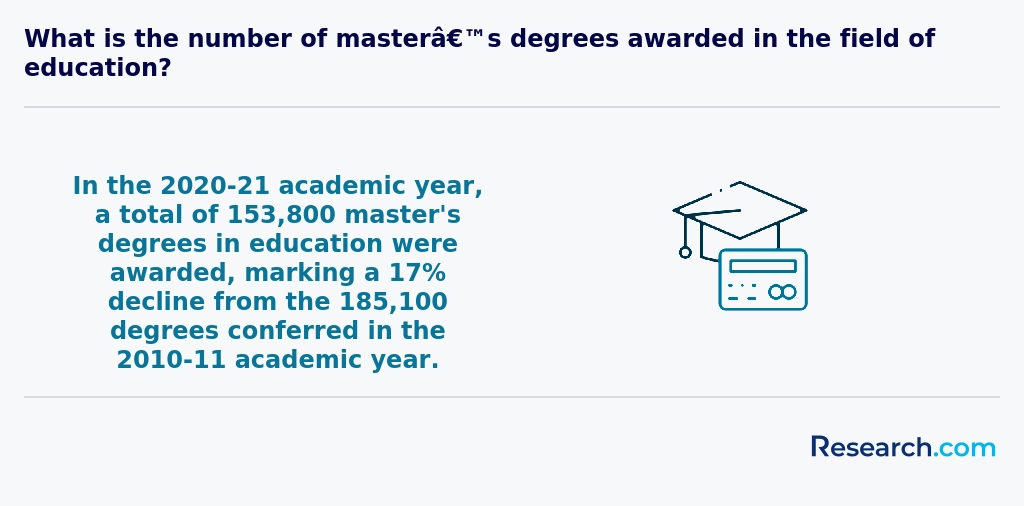
Imagine diving into your online educational leadership degree at a vibrant Missouri university, like the University of Missouri or Lindenwood University, and uncovering a treasure trove of financial aid options that ease the journey. Federal aid is often the first map students explore: FAFSA opens doors to Direct Unsubsidized Loans and Grad PLUS Loans, helping cover costs when grants like Pell aren't quite designed for graduate studies.
Grateful graduates frequently share how Missouri's state programs, such as the Missouri A+ Scholarship and loan forgiveness for educators in underserved areas, gave them unexpected boosts. Though aimed mostly at undergrads or teachers, these perks ripple through the leadership path when working in school districts.
Many who study at these institutions also tap into institutional money-think scholarships or assistantships-turning financial stress into opportunity. Plus, if you're balancing work and study, employer tuition reimbursement often feels like a secret weapon, transforming ambition into possibility.
Diving into an online educational leadership degree in Missouri means embarking on an exciting journey that starts with meeting some important prerequisites. Imagine a graduate from a well-known Missouri university reflecting on their path: first, a bachelor's degree is essential, ideally in education or a related area. This foundation supports a deeper understanding of school environments and leadership challenges.
Next comes teaching experience - often 2 to 3 years working as a licensed educator in K-12 schools. Picture walking the halls of Missouri's schools, gaining firsthand insight that fuels your passion for leadership. Graduates frequently share how this real-world experience shaped their approach to educational leadership, making theory come alive.
Additionally, applicants provide official transcripts and teaching licenses recognized by Missouri's Department of Elementary and Secondary Education. Letters of recommendation and personal essays add a personal touch, showing your unique vision for leading schools forward.
Many programs, like those at Missouri State University or the University of Missouri, embrace candidates who bring these elements together, ready to grow and lead with confidence.

Diving into an online educational leadership degree in Missouri reveals a dynamic mix of courses designed to empower aspiring leaders in schools. Graduates from popular Missouri universities often recall the excitement of grappling with Educational Leadership Theory and Practice, where they learned how to inspire teachers and shape school culture. Imagine analyzing real policy dilemmas while studying School Law and Policy-this course brings the complexities of student rights and staff regulations to life, perfectly tailored to Missouri's education system.
Curriculum Development and Instructional Leadership equips students to craft engaging lesson plans that serve diverse classrooms, a crucial skill graduates say made them confident in leading modern schools. Data-Driven Decision Making quickly became a favorite, as students explored using tangible data to boost student success and school performance. Financial Management in Education and Human Resource Management complete the journey, providing practical tools for budgets, hiring, and staff support-skills Missouri grads treasure when stepping into leadership roles.
Diving into online educational leadership specializations Missouri offers, you'll find an exciting range tailored for aspiring leaders ready to transform schools and districts. Graduates from the University of Missouri and Southeast Missouri State University often describe their journey through tracks like School Administration and Supervision, where they learned to lead schools with confidence and compassion, managing staff and nurturing a thriving learning atmosphere.
Other adventurous spirits have explored Curriculum and Instruction Leadership, crafting innovative programs that spark student success. The Higher Education Administration path attracts those eager to guide colleges, immersing themselves in student services and academic affairs. As educational landscapes evolve, programs increasingly embrace technology integration and data-driven decision-making, keeping graduates at the forefront of leadership.
For those seeking diverse Missouri educational leadership degree concentration options, specialties like Educational Policy and Leadership or Special Education Leadership provide opportunities to influence policy or champion inclusive education. Many find value in exploring flexibility and affordability at local universities, which balance quality instruction with liveable tuition.
If you're curious about affordable educational leadership doctoral programs online, check out this affordable educational leadership doctoral programs online that can open new doors on your leadership adventure.
Finding the best online educational leadership degree in Missouri is like embarking on a thrilling journey where accreditation and certification are your compass. Graduates from popular institutions like the University of Missouri often highlight how aligning programs with Missouri Department of Elementary and Secondary Education standards gave them confidence in their certification path. Imagine yourself balancing coursework asynchronously while managing a busy schedule-many students find this flexibility vital, especially at colleges offering robust online structures.
Cost is another exciting puzzle piece; with some public universities offering in-state tuition under $15,000, the adventure feels financially reachable. Reflecting on stories from alumni, the blend of practical internships and strong faculty support helped them turn theory into impactful leadership skills. For those eager to accelerate, exploring 2 year edd online programs adds a dynamic, fast-track twist to the educational leadership journey.
Exploring affordable educational leadership degrees Missouri provides ensures you find a program matching your pace and passion, readying you for a rewarding leadership role in education.

Graduates with an online educational leadership degree in Missouri unlock a world of exciting professional opportunities. Imagine stepping into the shoes of a school principal or assistant principal at one of Missouri's vibrant public schools, where you manage daily operations and inspire both faculty and students. Others venture further as district administrators or superintendents, skillfully navigating the complexities of managing entire school districts-shaping policies and budgets while driving educational innovation. Many graduates from popular Missouri universities share how their programs prepared them uniquely for these challenges, blending theory with real-world leadership skills.
Online educational leadership careers in Missouri also branch into roles like instructional coordinators, honing curricula and training teachers, or into higher education administration at state colleges, where graduates thrive supporting student success and academic affairs. Some adventurous alumni become educational consultants or policy analysts, influencing reform at a broader scale. Missouri's flexible online programs enable working professionals to explore these paths, supported by affordable tuition and tailored scheduling.
For those curious about the best options, several turn to resources like the best online masters in educational leadership, guiding their next steps confidently.
The job outlook for educational leadership degrees Missouri offers an intriguing landscape for graduates eager to take the reins in school administration. Those who pursue online educational leadership degrees from well-known institutions in Missouri often find themselves stepping into roles like principals or district administrators, navigating real challenges in K-12 education. Graduates share stories of applying modern leadership theories learned from their programs to tackle staffing shortages in rural districts or spearhead curriculum innovations in suburban schools, highlighting how their degrees opened doors to fulfilling leadership positions.
Employment opportunities online educational leadership Missouri are also shaped by the state's focus on administrator certification, a credential many online programs emphasize, giving candidates a competitive edge. With salaries commonly between $65,000 and $110,000 depending on location and experience, students can imagine a rewarding career path. The affordable tuition from Missouri's public universities makes this adventure accessible, especially compared to national averages. Curious learners might explore eds degree requirements to better understand certification and career steps in this vibrant field.
2027 Fastest Online Educational Leadership Degree Programs Ranking in Missouri
Investing in your education is a significant decision that can shape your future, and the Research.com team understands the importance of making informed choices. To assist prospective students in Missouri, we have meticulously crafted the "2027 Fastest Online Educational Leadership Degree Programs Ranking in Missouri." Our commitment to quality, credibility, and accuracy is reflected in the extensive research and analysis conducted to compile this ranking.
We utilized the following reputable data sources to ensure a comprehensive evaluation of educational leadership programs:
By exploring this ranking, readers will gain valuable insights into the fastest online educational leadership degree programs in Missouri, empowering them to make confident, well-informed decisions about their academic and professional futures. For more details on our methodology, please visit our Research.com methodology page.



Frequently Asked Questions About educational leadership
Students pursuing online educational leadership degrees in Missouri can enhance their learning by actively engaging with faculty and peers through virtual discussions and collaborative projects. Missouri schools often provide access to extensive digital libraries and research databases that support leadership studies.
Connecting with local educational organizations, such as the Missouri Association of School Administrators, offers networking opportunities and practical insights relevant to Missouri's educational system. Additionally, staying current with Missouri Department of Elementary and Secondary Education initiatives helps students align their knowledge with statewide leadership standards.
Setting a structured schedule and utilizing time-management resources are crucial for balancing coursework with professional responsibilities.
The field of educational leadership is expanding to include several emerging niches, especially relevant for students pursuing online degrees in Missouri. One fast-growing area is digital learning leadership, which focuses on managing virtual education programs and integrating technology in schools. This niche addresses the increasing demand for online and hybrid learning models post-pandemic.
Another important area is equity and inclusion leadership. Missouri schools are prioritizing leaders skilled in creating supportive environments for diverse student populations. According to the Missouri Department of Elementary and Secondary Education, districts seek administrators with expertise in diversity and cultural competence.
Additionally, data-driven leadership is becoming vital. Leaders trained in analyzing educational data help improve student outcomes and resource allocation. This reflects national trends highlighted by the American Association of School Administrators.
Preparing for the job market after completing an online educational leadership degree in Missouri involves several strategic steps. Graduates should focus on obtaining Missouri state certification, which is required for most administrative roles such as principal or superintendent. The Missouri Department of Elementary and Secondary Education outlines specific certification requirements that include supervised internship experience.
The demand for school administrators in Missouri is expected to grow by approximately 6% from 2022 to 2032, according to the U.S. Bureau of Labor Statistics. Networking with local school districts and participating in leadership associations like the Missouri Association of School Administrators can enhance job prospects.
Gaining practical experience through internships or mentorships is critical. Additionally, strong communication and data analysis skills tailored to educational settings are highly valued by employers across Missouri's diverse school systems.
Employers in Missouri seek several key skills when hiring graduates with educational leadership degrees. Strong communication abilities are essential, as leaders must effectively collaborate with teachers, parents, and district officials. Strategic planning skills are also highly valued, enabling candidates to develop initiatives that improve school performance. According to the Missouri Department of Elementary and Secondary Education, data-driven decision-making is crucial for managing school resources and student outcomes.
Additionally, leadership graduates should demonstrate a solid understanding of state and federal education policies. Emotional intelligence and the ability to foster inclusive learning environments are increasingly important to support diverse student populations.
Finding internships in Missouri for students pursuing an online educational leadership degree involves leveraging local school districts and educational organizations. Many Missouri districts like St. Louis Public Schools and Kansas City Public Schools offer leadership internship opportunities.
Students should explore the Missouri Department of Elementary and Secondary Education (DESE) website, which lists approved internships and leadership practicum placements. Universities often partner with regional schools to provide field experience tailored to educational leadership roles.
Networking through Missouri's educational conferences and joining organizations such as the Missouri Association of School Administrators can connect students with mentors and internship openings. Early application and clear communication of leadership goals improve candidacy.
An online educational leadership degree in Missouri significantly enhances career mobility and advancement within the state's education sector. According to the Missouri Department of Elementary and Secondary Education, individuals with leadership credentials are more likely to secure roles such as principals, assistant principals, or district administrators.
Missouri educators holding a master's or doctoral degree in educational leadership often experience higher salary scales and expanded job opportunities. For example, the Missouri Educator Salary Report shows that administrators earn on average 20% more than teachers without leadership degrees.
Additionally, online programs offer flexibility, allowing working professionals to upskill without interrupting their careers. This ease of access encourages continuous professional growth, which is critical in meeting Missouri's school accreditation and leadership standards.
Consequently, these degrees are a catalyst for both upward mobility and increased influence in shaping educational policies statewide.
Studying for an educational leadership degree in Missouri equips students with the skills necessary for interdisciplinary roles by emphasizing collaboration across various educational and administrative fields. Programs often integrate coursework in policy analysis, organizational management, and community engagement, helping graduates navigate diverse professional environments.
Missouri's educational leadership programs focus on applied learning, fostering skills to lead schools, districts, and educational agencies effectively. According to the Missouri Department of Elementary and Secondary Education, effective leaders must understand finance, law, and human resources, which are commonly included in curricula.
By combining theory with practical leadership experiences, degree holders are prepared to address challenges that cross traditional disciplinary boundaries, supporting diverse teams and improving student outcomes statewide.
Choosing between a thesis and a non-thesis educational leadership degree program in Missouri depends on your career goals and time commitment. Thesis programs often suit those interested in research or pursuing a doctoral degree later. They require conducting original research, which can take extra months compared to non-thesis options. Non-thesis programs usually focus on practical leadership skills and often include internships or capstone projects instead of a formal research study.
According to the Missouri Department of Higher Education, over 60% of online educational leadership graduates enter school administration roles, highlighting the need for applied skills. If you aim for immediate leadership roles, a non-thesis program might be faster and more practical.
Consider program length and flexibility as well; thesis tracks may require more credits. Missouri State University and the University of Missouri offer both options with distinct formats and support. Reviewing your long-term plans and consulting academic advisors can help clarify which path suits you best.
Students based in Missouri who wish to study educational leadership abroad have limited direct options through Missouri institutions, as most online programs focus on domestic accreditation and state-specific licensure. However, some Missouri universities offer partnerships with international institutions, allowing students to complete coursework overseas while earning a Missouri-recognized degree.
According to the Missouri Department of Elementary and Secondary Education, licensure for educational leadership requires adherence to Missouri standards, which can restrict fully foreign-accredited programs. Therefore, students often choose hybrid models combining online courses from Missouri schools with short-term experiences abroad.
For those prioritizing international study, completing foundational coursework online while engaging in global leadership seminars or exchanges is a common approach. This preserves eligibility for Missouri certification while gaining valuable cross-cultural perspectives.
Part-time job opportunities in Missouri that complement online educational leadership degrees often focus on practical experience in school settings. Many students find roles as teacher aides or substitute teachers helpful, as these positions allow hands-on involvement with school administration and student support. According to the Missouri Department of Elementary and Secondary Education, substitute teaching is widely available and offers flexible hours suitable for part-time work.
Additionally, roles such as tutoring or after-school program coordinators provide leadership experience and deeper insight into student development. Working in educational nonprofits or community organizations also helps develop communication and organizational skills relevant to leadership.
Gaining experience in these fields can build a strong foundation for future leadership roles in Missouri's education system.
Online educational leadership students in Missouri have access to several meaningful networking opportunities. Many universities offer virtual events, webinars, and discussion forums that connect students with faculty, alumni, and peers statewide. Organizations like the Missouri Association of Secondary School Principals and the Missouri School Boards' Association often host conferences and workshops, which can provide valuable contact points for leadership aspirants.
In addition, students benefit from statewide professional networks through the Missouri Department of Elementary and Secondary Education, which supports ongoing leadership development and collaboration among educators. These platforms help online learners build connections crucial for career advancement in Missouri's education sector.
Alumni networks provide significant advantages to online educational leadership degree students in Missouri by fostering professional connections unique to the state's education sector. Graduates gain access to a community of experienced leaders who can offer mentorship, career advice, and job referrals tailored to Missouri's K-12 and higher education systems.
According to the Missouri Department of Elementary and Secondary Education, nearly 60% of school administrators hold an educational leadership degree, underlining the importance of strong networking in this competitive field. Alumni networks enhance opportunities for collaboration on local educational initiatives and leadership strategies.
Moreover, Missouri's alumni associations often organize virtual events and workshops, making it easier for online learners to stay engaged despite geographical distances. These networks frequently share information about regional job openings and leadership development programs.
By connecting students with practitioners familiar with Missouri's educational policies and challenges, alumni networks provide valuable insight that supports career advancement and effective leadership.
Customizing an online educational leadership degree program in Missouri allows students to align their studies with specific career goals. Many Missouri universities offer specialized tracks or concentrations such as K-12 administration, higher education leadership, or curriculum development. These options enable students to focus on the areas most relevant to their professional aspirations.
Additionally, students can select electives that address skills like data-driven decision-making, policy analysis, or community engagement. Some programs also permit practical experiences through internships or capstone projects tailored to individual goals.
Missouri's online programs often adhere to state certification requirements, facilitating smoother career advancement in local school systems. According to the Missouri Department of Elementary and Secondary Education, leadership roles in schools are projected to grow, increasing demand for qualified candidates.
Students pursuing online educational leadership degrees in Missouri often face challenges related to balancing coursework with professional and personal responsibilities. Since many candidates are working educators or administrators, managing time effectively can be difficult. According to the Missouri Department of Elementary and Secondary Education, approximately 70% of educational leadership students are employed full-time, which contributes to this struggle.
Another common issue involves the limited availability of face-to-face interactions, which some students find important for networking and mentorship. While online programs offer flexibility, the lack of in-person engagement may reduce opportunities for peer collaboration.
Access to up-to-date technology is also essential, as Missouri's rural areas sometimes experience connectivity issues that can hinder participation in synchronous classes or digital discussions.
Completing an online educational leadership degree in Missouri opens doors to several key professional certifications. Graduates often pursue the Missouri Department of Elementary and Secondary Education (DESE) administrator certification. This credential is necessary for roles such as building principal, superintendent, or assistant principal.
To earn this certification, candidates must meet DESE's requirements, which include a master's degree in educational leadership or a related field, successful completion of an approved program, and passing state-specific exams like the MO Administrator II assessment.
Additionally, some educators seek National Board Certification for School Leaders (NBPSL), a recognized professional credential enhancing leadership skills and career prospects.
Missouri reports an ongoing demand for certified educational leaders, with over 4,000 active principals and assistant principals as of 2022 according to DESE data.
To write a winning application for an online educational leadership program in Missouri, start by clearly demonstrating your professional goals and leadership experience in education. Admissions committees value candidates who show commitment to improving schools and communities. Missouri's Department of Elementary and Secondary Education highlights the importance of leadership skills aligned with state standards, so emphasize relevant examples.
Include a strong personal statement that connects your background with the program's curriculum. Missouri universities often look for applicants with a minimum GPA around 3.0 and relevant teaching or administrative experience.
Lastly, request recommendation letters from supervisors familiar with your leadership capabilities. Tailoring your application to Missouri's unique educational context will strengthen your chances of acceptance.
Educational leadership careers in Missouri reflect broader global trends emphasizing adaptive leadership skills and cultural competence. The U.S. Department of Education highlights that school leaders increasingly engage with diverse communities, requiring knowledge of global educational practices. Missouri's educators benefit from online leadership programs that incorporate international case studies and collaborative tools to prepare students for globalized challenges.
According to the Missouri Department of Elementary and Secondary Education, principals and administrators who embrace global perspectives tend to improve school performance and student outcomes by fostering inclusive environments. Research from the National Center for Education Statistics notes that leaders with global awareness are better equipped to implement innovative strategies influenced by worldwide educational standards.
In sum, an educational leadership career in Missouri now demands more than local expertise; it requires understanding global dynamics shaping education policies and leadership models across borders.
Gaining practical experience while pursuing an online educational leadership degree in Missouri is essential for career advancement. Many programs integrate fieldwork or internships into their curriculum, allowing students to apply leadership theories in real school settings. The Missouri Department of Elementary and Secondary Education (DESE) often requires administrative internships for certification.
Students can also seek mentorship opportunities with experienced school leaders nearby. Online learners benefit from flexible scheduling, making it easier to participate in district meetings, workshops, or shadow principals. According to DESE, combining coursework with hands-on leadership experience significantly improves job placement rates in Missouri's education system.
Choosing the right concentration within an online educational leadership degree program in Missouri depends largely on your career goals and the needs of your local school system. Common concentrations include K-12 administration, curriculum development, and special education leadership. According to the Missouri Department of Elementary and Secondary Education, districts increasingly seek leaders trained in equity and inclusive practices, reflecting statewide efforts to improve student outcomes.
Assess the curriculum to ensure it covers Missouri's licensure requirements for educational leaders. Many programs align with the Missouri Leadership Development System, which supports district goals.
Consider concentrations that offer practical experiences or internships with Missouri schools, as this enhances your readiness for leadership roles within the state's unique educational environment.
- 2027 Fastest Online Educational Leadership Degree Programs Ranking in Kansas
- 2027 Fastest Online Educational Leadership Degree Programs Ranking in Nebraska
- 2027 Fastest Online Educational Leadership Degree Programs Ranking in Illinois
- 2027 Fastest Online Educational Leadership Degree Programs Ranking in Kentucky
- 2027 Fastest Online Educational Leadership Degree Programs Ranking in Indiana
- 2027 Fastest Online Educational Leadership Degree Programs Ranking in Minnesota
- 2027 Fastest Online Educational Leadership Degree Programs Ranking in Colorado
- 2027 Fastest Online Educational Leadership Degree Programs Ranking in Mississippi
- 2027 Fastest Online Educational Leadership Degree Programs Ranking in Ohio
- 2027 Fastest Online Educational Leadership Degree Programs Ranking in Michigan
- Educational Leadership, EdS - School Leader: Grades K– ... https://www.ucmo.edu/academics/programs/education-specialist/coe/counseling-and-educational-leadership/education-leadership-eds-elementary-principal/
- Best Online MEd Programs in Missouri (MO) https://www.onlinemastersdegrees.org/best-programs/education/missouri/
- Remote Educational Leadership Online Jobs https://www.virtualvocations.com/q-remote-educational-leadership-online-jobs.html
- Utilize Your Alumni Networks https://www.keg.com/news/ways-to-use-your-alumni-networks-for-the-better
- West North Central Region - The Most Affordable Educational ... https://www.educationalleadershipdegree.com/editors-choice/west-north-central-region-most-affordable-masters/
- Educational Leadership Network (ELN) https://icsei.org/network/educational-leadership-network/
- Alumni Leadership https://teachforall.org/our-impact/alumni-leadership
- Educational Leadership Network Europe - Home https://elnenetwork.org/
- Leadership Alumni Networks Making a Difference https://networkweaver.com/leadership-alumni-networks-making-a-difference/
- School Leaders Network https://www.bestpracticenet.co.uk/school-leaders-network