2027 Fastest Online Educational Leadership Degree Programs Ranking in Michigan

Co-Founder and Chief Data Scientist
Choosing the right educational leadership degree program can shape your future in meaningful ways. If you're in Michigan and aiming for a fast, effective online option, this article is crafted just for you.
Our 2027 Fastest Online Educational Leadership Degree Programs Ranking in Michigan was developed by the Research.com team of data scientists to guide your decision. By exploring this ranking, you'll find programs that match your goals and lifestyle.
Investing in an educational leadership degree opens doors to rewarding opportunities and personal growth. Let us help you take the next step with confidence.
Key benefits of getting online educational leadership degree in Michigan
- Educational leadership graduates in Michigan can expect competitive salaries, with school and education administrators earning a median salary of around $98,000 per year nationwide, offering financial stability and growth.
- Graduates from universities like the University of Michigan often pursue careers as principals, curriculum directors, or policy makers, providing diverse leadership opportunities in education.
- Online degrees, such as those from Michigan State University's program, offer flexibility and convenience, allowing students to balance studies with work while gaining the same respected credentials as traditional programs.
- 2027 Fastest Online Educational Leadership Degree Programs Ranking in Michigan
- What can I expect from online educational leadership degree in Michigan?
- Where can I work with online educational leadership degree in Michigan?
What can I expect from online educational leadership degree in Michigan?
The average cost of an online educational leadership degree in Michigan typically hovers around $13,500 per year for in-state students attending public universities. This figure reflects tuition rates at well-known institutions such as the University of Michigan and Michigan State University, which offer competitive pricing and flexible payment options tailored to working professionals.
Many graduates express satisfaction with the affordability combined with the value of these programs, emphasizing how the investment aligns with their career advancement goals. For example, those pursuing a Master of Education in Educational Leadership often find that the program's hybrid structure accommodates their schedules while providing access to experienced faculty and practical internships within local school districts.
This balance of cost, convenience, and quality resonates strongly with students who aim to transition into leadership roles without sacrificing income or work commitments. Charges can vary for private or specialized programs, but Michigan's public options remain an accessible choice for many aspiring educational leaders.
Where can I work with online educational leadership degree in Michigan?
Graduates of online educational leadership programs in Michigan often find rewarding careers as school principals or assistant principals, positions that demand a principal endorsement from the Michigan Department of Education. These roles entail managing school operations, fostering staff collaboration, and steering initiatives that improve student success. Many alumni from institutions like Central Michigan University and Wayne State University express pride in their ability to lead diverse K-12 environments effectively.
Beyond school leadership, graduates frequently pursue district-level administration roles-such as curriculum coordinators or superintendents-where they manage educational programs and ensure compliance with state standards. Experiences shared by recent graduates highlight the satisfaction of shaping district policies and supporting educational innovation.
Higher education institutions, including Michigan State University and University of Michigan-Dearborn, employ educational leadership graduates as program directors or student affairs administrators. These professionals enjoy engaging with faculty and enhancing student services. Additionally, nonprofit organizations and government agencies in Michigan offer opportunities to influence policy and provide training, allowing graduates to make a meaningful impact on statewide education systems.
Graduates with an online educational leadership degree in Michigan can anticipate competitive salaries reflecting their advanced administrative expertise. Many graduates from universities such as Central Michigan University and Western Michigan University report beginning salaries in leadership roles starting from the mid-$70,000s, especially in school principal or program director positions. These figures align with Michigan Department of Education data, which shows principals earning between $80,000 and $110,000 annually depending on district size and location.
Graduates advancing into district administration or superintendent roles experience significant salary growth, often exceeding $120,000. These roles demand extensive management skills and strategic leadership, highlighting the value of advanced degrees from reputable Michigan institutions. Postsecondary educational leadership positions and roles within education policy organizations offer salaries typically ranging from $70,000 to $100,000, underscoring broad professional opportunities.
These salary benchmarks highlight rewarding financial prospects for Michigan educational leadership graduates, fostering strong motivation and satisfaction as they lead impactful educational initiatives statewide.
- Tuition for online educational leadership degrees in Michigan ranges from about $10,000 to $25,000 for a master's degree, varying by public or private institutions and program length.
- Graduates can expect an average starting salary near $65,000 per year, with experienced leaders earning around $90,000 or more in advanced roles.
- The job market for educational administrators in Michigan is projected to grow by approximately 6% nationally through 2030, supporting steady demand locally.
- Michigan requires educational leaders to hold a valid state administrative certificate, which many online programs help prepare students to obtain.
- Online programs often include coursework aligned with Michigan's educational standards and leadership competencies to meet licensure and academic requirements.
Completing an online educational leadership degree in Michigan generally depends on the level of study. For Master's degrees, graduates from universities like Eastern Michigan University often report finishing within 1.5 to 3 years. Many appreciate the flexibility of part-time pacing, which allows them to balance work and family, extending completion to around 3 years. Full-time students frequently complete their programs in 18 to 24 months, experiencing a rewarding sense of progress as they advance swiftly.
Doctoral candidates, particularly those pursuing an EdD from institutions such as the University of Michigan's College of Education, typically take about 3 to 5 years. Coursework usually wraps up in 2 to 3 years, followed by a dissertation phase that can add one to two more years. Graduates often describe the challenge as intense but deeply fulfilling, especially when applying their research directly to educational settings in Michigan.
The ability to transfer credits or accelerate course loads makes a meaningful difference, letting many students reduce their program length while feeling supported by their schools' flexible schedules.
Online and on-campus educational leadership programs in Michigan differ mainly in flexibility and interaction. Graduates from Western Michigan University's online program often emphasize how the self-paced format allowed them to juggle family and work responsibilities seamlessly, accessing course materials anytime. In contrast, on-campus students at Central Michigan University appreciate the structured environment, benefiting from daily in-person discussions and immediate access to faculty during scheduled class hours.
Networking styles also vary: on-campus programs encourage face-to-face collaboration and offer organized internships, fostering strong professional connections through direct contact. Online students, while sometimes limited in personal interaction, gain access to virtual networking platforms and can arrange fieldwork independently, appealing to those who prefer autonomous planning.
Cost considerations are significant. Online options often reduce expenses related to commuting and housing, making leadership degrees more financially accessible statewide. Regardless of format, Michigan's accredited institutions maintain rigorous standards, ensuring graduates are well-prepared for leadership roles in diverse educational settings.
The average cost of an online educational leadership degree in Michigan typically centers around $21,666 for in-state students, with out-of-state students seeing a median total cost near $29,452. Graduates from well-known Michigan universities often reflect on their tuition investment as a worthwhile step toward career advancement in education administration, noting that the Michigan online educational leadership degree tuition and fees align with quality online program standards. These programs usually require 30 to 36 credit hours, and the more affordable in-state tuition options often make these degrees accessible to Michigan residents seeking leadership roles in schools or educational organizations.
Many students pursuing educational leadership degrees at institutions such as Western Michigan University or Eastern Michigan University express satisfaction with the balance of cost and program quality. These graduates highlight how managing tuition alongside other expenses, such as technology fees and course materials, leads to a fulfilling academic experience without overwhelming financial burden. Understanding the average cost of online educational leadership degree in Michigan enables prospective students to strategically plan their education expenses and seek out financial aid or scholarships offered by their schools.
Furthermore, some students explore accelerated eds online programs to reduce time-to-degree and overall costs. This approach resonates with those eager to enter leadership positions quickly while minimizing tuition payments. Overall, the tuition landscape within Michigan caters well to motivated learners looking to advance in educational leadership without excessive financial stress.

Students pursuing online educational leadership degrees in Michigan commonly access federal financial aid by completing the FAFSA, unlocking options like Pell Grants and Direct Loans. Graduate students often benefit from Direct Unsubsidized Loans and Grad PLUS Loans, which cover significant tuition portions. For many, this federal support brings relief amid tuition concerns.
Michigan residents benefit additionally from state-funded programs. While most, such as the Michigan Competitive Scholarship and Tuition Incentive Program, target undergraduates, some university-specific scholarships extend aid to graduate students in leadership roles. Graduates of programs at Central Michigan University recall assistantships that provided tuition reductions in exchange for research or instructional duties, easing financial strain while enhancing their professional experience.
Many professionals find employer tuition reimbursement essential; public school districts frequently support educators advancing leadership credentials. Engagement with organizations like the Michigan Association of School Administrators can also yield scholarships, offering further encouragement to those fully committed to advancing their careers in educational leadership.
Enrolling in an online educational leadership degree program in Michigan commonly requires applicants to hold a bachelor's degree from an accredited institution, often with a background in education or a closely related field. Graduates from Michigan State University and the University of Michigan often reflect that this foundation allowed them to build confidently on their prior knowledge while engaging deeply with leadership concepts.
Many programs also expect candidates to have between one and three years of teaching or administrative experience, which equips students with practical insights to connect theory with daily educational challenges. For example, those who worked in Michigan's public schools shared how their real-world leadership roles enhanced their understanding during study.
Applicants are typically asked to submit letters of recommendation and personal statements illustrating their leadership potential and career aspirations. Some universities require prerequisite coursework if the applicant's prior degree is outside education, ensuring all students meet academic standards.
- Completed bachelor's degree from an accredited institution
- Relevant teaching or administrative work experience (often 1-3 years)
- Letters of recommendation and personal statement
- Specific prerequisite coursework (if degree is outside education)

Online educational leadership degree programs in Michigan commonly include courses that equip students with the practical and theoretical skills necessary to succeed as school leaders. Graduates from institutions such as Wayne State University and Western Michigan University often highlight coursework in Educational Leadership Theory and Practice, where they engage with transformational leadership models that they later apply in real-world school settings. This foundational knowledge is complemented by studies in School Law and Policy, which prepare students to navigate the complex legal environment of K-12 education, an essential skill for principals and district administrators.
Students frequently report the value of courses in Curriculum Development and Instructional Leadership, enabling them to design effective instructional programs and support teacher growth. Michigan's programs also emphasize Data-Driven Decision Making, training students to use assessment data to improve student outcomes strategically. Additionally, Financial Management in Education courses teach budgeting and resource allocation to support a school's operational success.
These courses align closely with state certification standards, ensuring graduates are confident and prepared as they transition into leadership roles across Michigan's diverse educational landscape.
Online educational leadership degree specializations Michigan programs frequently offer are designed to meet diverse professional ambitions. Graduates from institutions like Central Michigan University and Wayne State University often highlight their preparation in areas such as superintendent preparation, curriculum and instruction leadership, and special education leadership. These specializations equip students to navigate real-world challenges, such as district finance management or advocating for students with disabilities, fostering confidence and competence.
Another popular concentration option is educational technology leadership, which prepares leaders to manage evolving digital learning environments. Graduates describe their coursework as directly applicable, enabling them to implement innovative technology strategies in schools across both urban and rural Michigan settings. The connection between theory and practical application is a common positive theme.
Many students appreciate how these educational leadership concentration options Michigan programs align with certification requirements, ensuring readiness for administrative roles. For those exploring career trajectories, resources like career paths in educational leadership offer valuable insight into the advantages of specialized training in this field.
Choosing the best online educational leadership degree Michigan programs involves assessing accreditation, curriculum, and flexibility. Graduates from prominent Michigan universities often highlight the value of regional accreditation through the Higher Learning Commission and specialized recognition by the Council for the Accreditation of Educator Preparation, which ensures rigorous training aligned with state standards. Practical examples include balancing asynchronous coursework with professional responsibilities, a feature praised by many students pursuing leadership roles in local school districts.
Cost remains a decisive factor as well. Michigan schools frequently offer affordable educational leadership programs Michigan residents find competitive compared to national averages. Graduates frequently remark on transparent tuition and accessible financial aid, which ease the investment burden. Exploring options like employer tuition reimbursement can also enhance affordability.
Finally, consider program outcomes and licensure alignment. Alumni commonly report successful entry into leadership positions due to connections fostered by university partnerships with Michigan's Department of Education. For prospective students seeking guidance, reviewing resources on affordable education specialist degree online pathways is recommended.
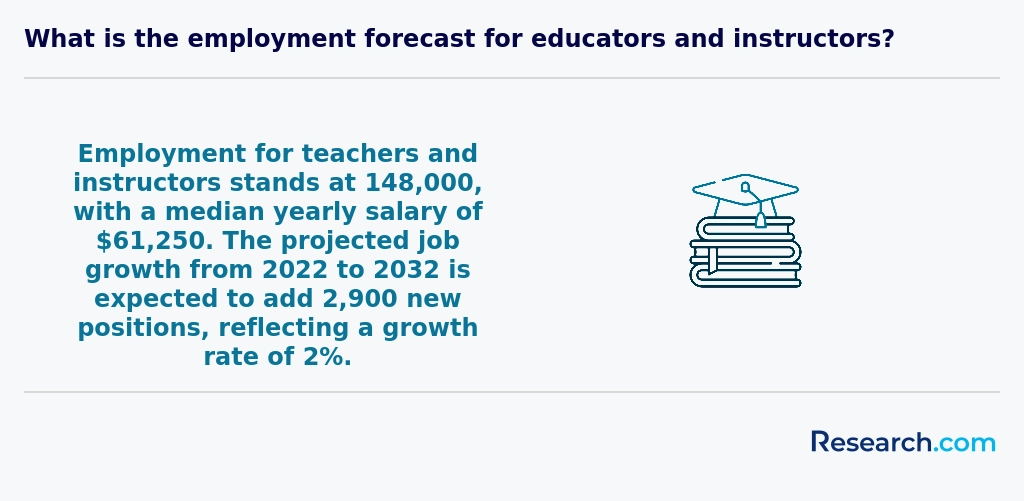
Graduates with an online educational leadership degree in Michigan often pursue a variety of impactful career paths within the educational sector. Many alumni from well-regarded institutions such as the University of Michigan and Michigan State University have successfully transitioned into roles as school principals, where they lead K-12 schools by managing staff and fostering community engagement. Others choose positions as assistant principals, gaining valuable experience in daily operations and student support, often serving as a stepping stone to higher leadership roles.
Career advancement is also common among district administrators who oversee multiple schools, focusing on budgeting, policy implementation, and curriculum standards. Instructional coordinators and educational consultants frequently draw on their advanced training to advise educators and improve instructional practices, reflecting the diverse opportunities available. For those interested in higher education, graduates often serve as administrators within colleges and universities, supporting faculty coordination and student services. Michigan students exploring these options appreciate affordable in-state tuition and strong licensure support, as online educational leadership careers Michigan continue to grow in demand. For a detailed overview, prospective students can explore the best educational leadership masters programs.
The job market for online educational leadership degree jobs Michigan graduates is robust, reflecting steady demand across K-12 and higher education sectors. Graduates from institutions such as Central Michigan University and Eastern Michigan University report advancing rapidly into administrative roles due to population growth in suburban districts and impending retirements of current school leaders. Many districts value candidates experienced with hybrid and digital learning environments, skills honed through flexible online programs tailored for working professionals.
Michigan educational leadership career outlook remains positive, supported by competitive salaries-principals often earn over $100,000 annually. Postsecondary administrators also benefit from attractive compensation levels, reinforcing the value of these degrees. Cost-efficient online programs further enhance accessibility, enabling students to balance studies alongside careers without relocating.
Graduates often praise the practical focus of their education, which prepares them to meet evolving challenges in Michigan schools. For those weighing options between different paths, understanding the difference between edd and eds can clarify long-term career planning and expectations.
2027 Fastest Online Educational Leadership Degree Programs Ranking in Michigan
Investing in your education is a significant decision that can shape your future, and the Research.com team recognizes the importance of making well-informed choices. To support aspiring leaders, we have carefully developed the "2027 Fastest Online Educational Leadership Degree Programs Ranking in Michigan." Our dedication to quality, credibility, and accuracy is demonstrated through extensive research and rigorous analysis. We leveraged the following trusted data sources to ensure a thorough evaluation of educational leadership programs:
By consulting this ranking, readers will gain clear and reliable insights into the fastest online programs in Michigan, empowering them to make strategic educational decisions. For more information on how this ranking was created, please visit our Research.com methodology page.


Frequently Asked Questions About educational leadership
Students pursuing online educational leadership degrees in Michigan can maximize their learning by actively engaging with course materials and participating in virtual discussions. Michigan's institutions often incorporate real-world case studies, which students should analyze critically to deepen understanding.
Networking is also vital; connecting with peers and faculty through online forums can enhance collaboration and professional growth. According to data from the Michigan Department of Education, leadership skills directly impact school improvement, so students should seek internships or practicum experiences within local schools.
Additionally, managing time effectively and creating a dedicated study schedule helps balance coursework and personal commitments, improving overall success in the program.
Emerging niches within the educational leadership field reflect the evolving needs of schools and communities. One key area is digital learning leadership, where leaders focus on integrating technology effectively in classrooms. This niche gained rapid importance during the COVID-19 pandemic and continues to grow in Michigan's K-12 systems. According to the Michigan Association of School Administrators, demand for leaders skilled in virtual education management is rising.
Another growing niche is equity-focused leadership. Educational leaders increasingly prioritize closing achievement gaps for diverse student populations, a critical concern in Michigan's urban districts like Detroit.
Additionally, special education leadership remains a vital niche, emphasizing legal compliance and inclusive policy development. These areas represent practical opportunities for students pursuing online educational leadership degrees.
Graduates with an online educational leadership degree in Michigan can enhance their job prospects by gaining practical experience alongside their studies. Seeking internships or volunteer roles in local schools or educational organizations provides valuable insights into leadership challenges and networking opportunities. According to the Michigan Department of Education, educational administrators earn a median salary of $98,700, making competitive skills essential.
Additionally, obtaining Michigan's Principal or Superintendent licensure is often required for advancement. Candidates should prepare for licensure exams and review state standards during their degree program. Joining professional organizations like the Michigan Association of School Administrators can also open doors to job listings and professional development.
Employers in Michigan prioritize several key skills when hiring graduates with educational leadership degrees. Strong communication skills are essential for effectively managing staff and engaging with diverse school communities. Candidates must demonstrate strategic thinking and problem-solving abilities to address complex educational challenges.
Data-driven decision making is increasingly valued, reflecting Michigan schools' emphasis on improving student outcomes through evidence-based practices. Leadership programs accredited by the Council for the Accreditation of Educator Preparation (CAEP) often highlight these competencies.
Additionally, knowledge of Michigan's specific education policies and regulations is important. Familiarity with state laws and cultural dynamics helps leaders navigate local school environments successfully.
Finding internships in Michigan relevant to an educational leadership degree involves leveraging both university resources and local educational institutions. Many Michigan universities offering online educational leadership programs maintain partnerships with K-12 schools and districts for internship placements. According to the Michigan Department of Education, internships and practicum experiences are often required components of these programs to meet licensure standards.
Students should explore Michigan's intermediate school districts, such as Oakland or Washtenaw ISDs, which frequently offer leadership internships. Additionally, connecting with education organizations like the Michigan Association of Secondary School Principals can provide networking opportunities for aspiring leaders.
Utilizing online job portals focusing on educational roles within Michigan, including local district websites, enhances chances of finding internships that align with educational leadership competencies. Early contact with program advisors can also facilitate tailored internship placements supporting licensure and professional growth.
In Michigan, earning an online educational leadership degree can significantly enhance career mobility and advancement opportunities. School districts across the state increasingly prefer candidates with specialized leadership training, especially for roles like principal or district administrator. According to the Michigan Department of Education, administrative roles often require at least a master's degree in educational leadership or administration.
The online format offers flexibility for working educators to advance without interrupting their careers. Graduates frequently report faster promotions and higher salary prospects compared to those without this qualification. Data from MichiganWorks! indicates that leadership roles in education see steady growth of about 4% annually, highlighting increased demand.
Overall, such degrees provide essential skills in policy, management, and instructional leadership, aligning with Michigan's focus on improving educational outcomes statewide.
Studying for an educational leadership degree in Michigan equips students with skills to work across disciplines such as curriculum design, administration, and community engagement. Many Michigan programs emphasize collaboration between education, psychology, and business, promoting a holistic approach to leadership. According to the Michigan Department of Education, effective school leaders must understand diverse perspectives to improve student outcomes. Online degrees often include coursework in policy analysis, organizational theory, and data-driven decision making, preparing graduates to navigate complex educational environments. This interdisciplinary focus aligns with Michigan's demand for leaders who can manage change and foster partnerships within and beyond schools.
When choosing between a thesis and a non-thesis educational leadership degree in Michigan, consider your career goals and learning preferences. Thesis programs often suit students interested in research or pursuing a doctorate later, as they require an in-depth study and a formal research project. Non-thesis options focus more on practical leadership skills, with projects or comprehensive exams instead.
Michigan's educational leadership programs, governed by standards from the Michigan Department of Education, emphasize preparation for effective school administration roles. Schools like Wayne State University and the University of Michigan-Flint offer both formats, reflecting local demand for versatile leaders.
Data from the National Center for Education Statistics shows a growing number of Michigan educators seek non-thesis paths for quicker completion and immediate application in districts. Align your choice with how you plan to apply the degree in Michigan's evolving educational landscape.
Students based in Michigan seeking online educational leadership degrees with an international perspective have several options to consider. While few U.S. universities specifically offer abroad-based online cohorts, many Michigan institutions partner with international universities to provide coursework or internships abroad.
For example, Michigan State University incorporates global education initiatives, allowing students to blend online core classes with study-abroad opportunities. This hybrid approach helps students gain exposure to diverse educational systems while completing state-required leadership credentials.
Additionally, organizations like the Council for the Accreditation of Educator Preparation (CAEP) recognize programs that meet international standards, which Michigan students can seek for online degrees featuring abroad components.
Michigan students interested in educational leadership abroad should also consult the Michigan Department of Education's resources to ensure any program aligns with state certification requirements, especially for administrative roles.
Part-time job opportunities in Michigan that complement an educational leadership degree often focus on roles within schools and educational organizations. Positions such as teacher assistant, substitute teacher, or administrative aide provide hands-on experience with school operations and leadership challenges. According to the Michigan Department of Education, the demand for substitute teachers rose by 8% in recent years, reflecting growing opportunities.
Other options include tutoring, education program coordinator roles at community centers, and positions in nonprofit organizations focused on youth development. These jobs help build skills in communication, organization, and leadership. Graduate assistants or research assistants at Michigan universities also offer practical experience aligned with educational leadership theories.
Online educational leadership students in Michigan benefit from various networking opportunities designed to connect them with professionals and peers statewide. Many universities offer virtual events, such as webinars and discussion forums, specifically for their online cohorts. These platforms help students share experiences and build professional relationships despite geographical distances.
The Michigan Association of School Administrators (MASA) provides workshops and conferences that online students can attend to expand their network and stay current on leadership trends in Michigan schools. Additionally, LinkedIn groups focused on Michigan educational leaders serve as another valuable resource for networking and mentorship.
Engaging with local school districts during internships or field experiences, often arranged by programs, also helps online students establish practical connections critical for career advancement within Michigan's education system.
Alumni networks play a crucial role for students pursuing online educational leadership degrees in Michigan. These networks provide access to experienced professionals who offer career guidance, mentorship, and job opportunities. According to the Michigan Department of Education, schools with strong leadership often trace their success to active alumni collaboration.
Participation in alumni events and online forums helps students build professional connections statewide. This is especially valuable in Michigan's diverse education landscape, ranging from urban Detroit to rural districts.
Moreover, alumni often share insights about navigating certification requirements and leadership challenges unique to Michigan schools, enhancing the practical value of online programs.
In Michigan, many online educational leadership degree programs offer customizable options to align with your specific career goals. You can often select from various concentrations such as K-12 administration, higher education leadership, or curriculum development. This flexibility allows you to focus on areas that match your interests and career path.
Additionally, some programs provide opportunities for elective courses and internships, helping you gain practical experience in your intended field. According to the Michigan Department of Education, leadership skills tailored to local school district needs are highly valued, making customization beneficial for employment.
Graduate certificates and dual-degree options might also be available to enhance your qualifications.
Online educational leadership students in Michigan often face unique challenges related to balancing professional, personal, and academic responsibilities. Many are working educators or administrators, which makes time management a critical obstacle. According to a 2023 report by the Michigan Department of Education, over 60% of educational leadership students are employed full-time while studying.
Another challenge is adapting to the rigorous curriculum in a fully online environment. Some students report difficulty engaging with peers and instructors, which can impact networking and mentorship opportunities. Technical issues and limited access to on-campus resources also present barriers.
Finally, staying updated with Michigan-specific educational policies is vital, yet challenging remotely, requiring proactive effort from students to succeed.
With an online educational leadership degree in Michigan, graduates can pursue several professional certifications to advance their careers. The most common certification is the Michigan Professional Educational Leadership Certificate, which qualifies candidates for roles such as principals and assistant principals. This certificate requires meeting state-specific criteria set by the Michigan Department of Education, including supervised field experiences.
Additionally, candidates often seek National Board Certification in Educational Leadership, offered by the National Board for Professional Teaching Standards. It enhances professional credibility nationwide. Some pursue superintendent endorsements, enabling leadership in district-level administration. According to the Michigan Department of Education, holding these certifications can increase opportunities and potential salaries for education leaders in the state.
Applying to an online educational leadership program in Michigan requires careful preparation. Start by researching programs accredited by recognized bodies like the Council for the Accreditation of Educator Preparation (CAEP) to ensure quality. Highlight your professional experience clearly; Michigan values candidates with demonstrated leadership in K-12 or higher education settings. Include a strong personal statement that outlines your career goals and commitment to improving educational outcomes, referencing Michigan's current focus on equitable leadership in schools.
Gather and submit all required documents, including transcripts from regionally accredited institutions and letters of recommendation from educational professionals familiar with your skills. Pay special attention to Michigan Department of Education guidelines to tailor your application. Applying early and proofreading all materials can improve your chances of acceptance.
Educational leadership careers in the United States, including Michigan, are increasingly influenced by global trends emphasizing diversity, equity, and innovation. Globally, educational leaders are expected to adapt to rapidly changing social and technological contexts, driving school improvements and policy reforms. According to the Michigan Department of Education, leadership competencies now include managing multicultural classrooms and integrating digital learning tools.
US educational leadership programs often incorporate international best practices, such as collaborative decision-making and data-driven strategies. The demand for skilled leaders is anticipated to grow by over 8% nationally through 2030, reflecting a global emphasis on effective school administration. For Michigan students, online degrees offer flexible access to this evolving expertise without geographic constraints.
Gaining practical experience while pursuing an online educational leadership degree in Michigan is essential for career readiness. Many programs require or encourage internships or field experiences in local schools. These opportunities allow students to apply leadership theories directly in educational settings, often under the supervision of experienced administrators.
Michigan's Department of Education supports partnerships between universities and K-12 schools to facilitate student placements. Additionally, some programs offer virtual simulations and case studies mimicking real administrative challenges.
According to the Michigan Education Association, hands-on experience improves job prospects, with over 70% of educational leaders securing positions within a year of graduation.
Choosing the right concentration within an online educational leadership degree in Michigan requires understanding your career goals and the demands of local schools. Concentrations often include K-12 administration, higher education leadership, and special education leadership. Michigan's Department of Education highlights a growing need for skilled K-12 administrators, with job growth projected at 7% through 2031, faster than average for education roles.
Consider the specific licenses you need; for example, K-12 principals must hold a Michigan School Administrator License. Research programs accredited by the Council for the Accreditation of Educator Preparation (CAEP) or recognized by Michigan's education board to ensure quality and licensure alignment.
Think about your preferred work setting and student population. Higher education leadership focuses on colleges and universities, while special education leadership targets inclusive and specialized school environments. Aligning your concentration with these factors improves job prospects and relevance in Michigan's education sector.
- 2027 Fastest Online Educational Leadership Degree Programs Ranking in Ohio
- 2027 Fastest Online Educational Leadership Degree Programs Ranking in Indiana
- 2027 Fastest Online Educational Leadership Degree Programs Ranking in Illinois
- 2027 Fastest Online Educational Leadership Degree Programs Ranking in Minnesota
- 2027 Fastest Online Educational Leadership Degree Programs Ranking in Pennsylvania
- 2027 Fastest Online Educational Leadership Degree Programs Ranking in Kentucky
- 2027 Fastest Online Educational Leadership Degree Programs Ranking in Missouri
- 2027 Fastest Online Educational Leadership Degree Programs Ranking in New York
- 2027 Fastest Online Educational Leadership Degree Programs Ranking in Virginia
- 2027 Fastest Online Educational Leadership Degree Programs Ranking in North Carolina
- Education Internship & Student Teaching Opportunities at ACE https://ace.edu/student-success/education-internship-and-student-teaching/
- Educational Leadership Network - ICSEI https://icsei.org/network/educational-leadership-network/
- Know more about thesis vs non- thesis: what is the difference? https://studyfans.com/en/blogs/816
- Real educational leadership challenges & practical ways to tackle them https://www.manchester.ac.ae/blog-post/real-educational-leadership-challenges
- EdD Salary - How much can you make with a Doctor of Education (EdD) degree? (2025 Update) https://www.onlineeddprograms.com/faqs/edd-salary
- Educational Leadership (PK-12) Certificate | York College of Pennsylvania https://www.ycp.edu/academics/programs/educational-leadership-pk-12-certificate
- Bringing global perspectives to leadership in business https://www.eaie.org/resource/global-perspectives-leadership-business.html
- Skills Employers Look for in Business Graduates – EU Business School https://www.euruni.edu/blog/skills-employers-look-for-in-business-graduates/
- Alumni Leadership https://teachforall.org/our-impact/alumni-leadership
- Educational Leadership Career Planner https://www.snu.edu/educational-leadership-career-planner